Pirates Point Resort - Little Cayman
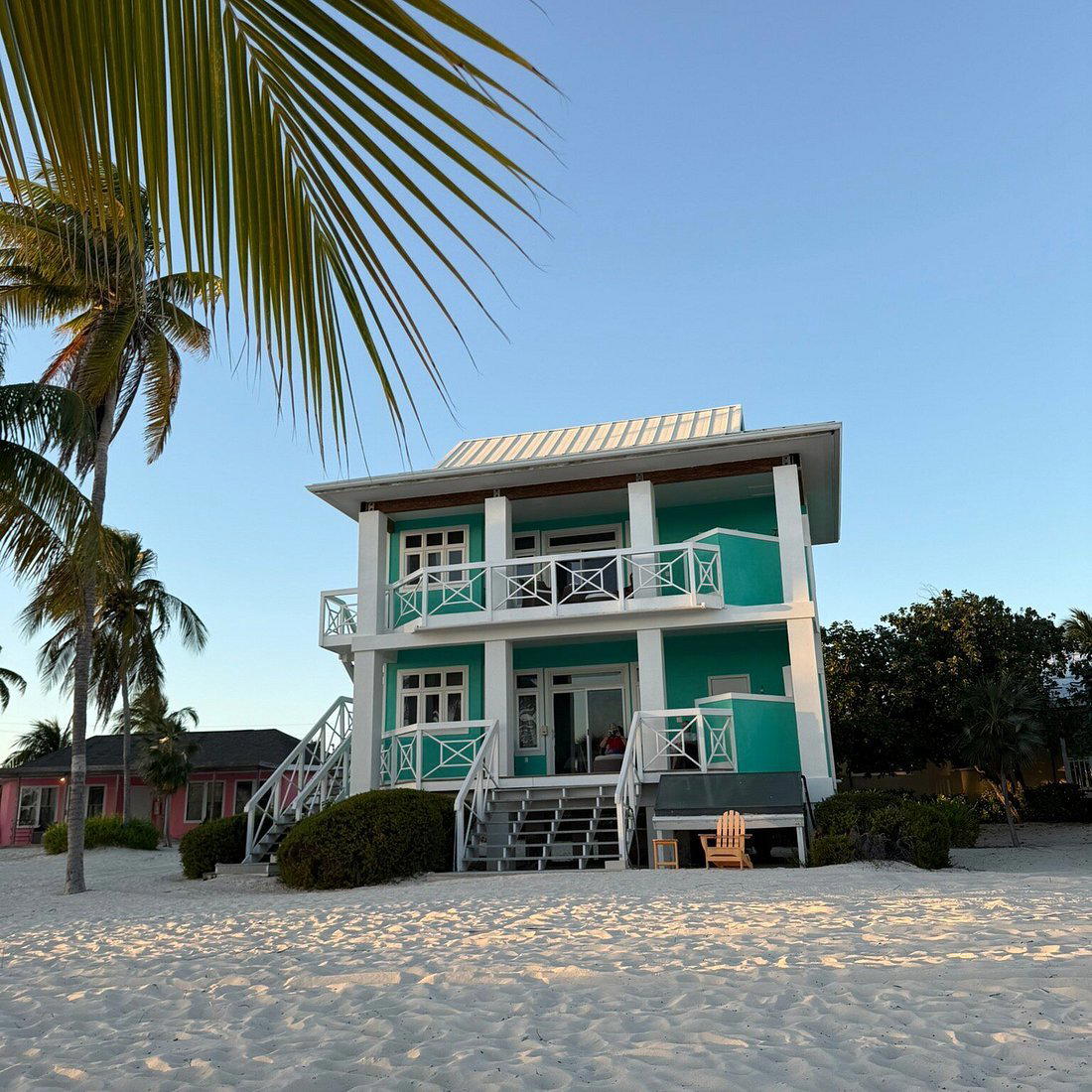
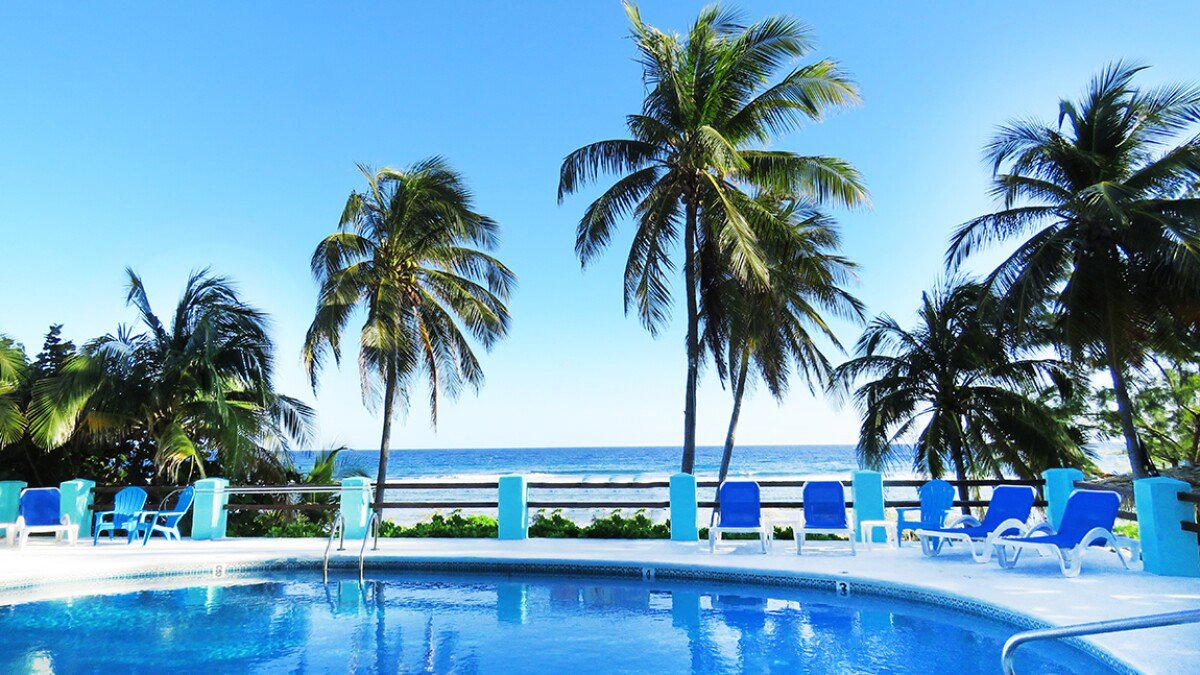
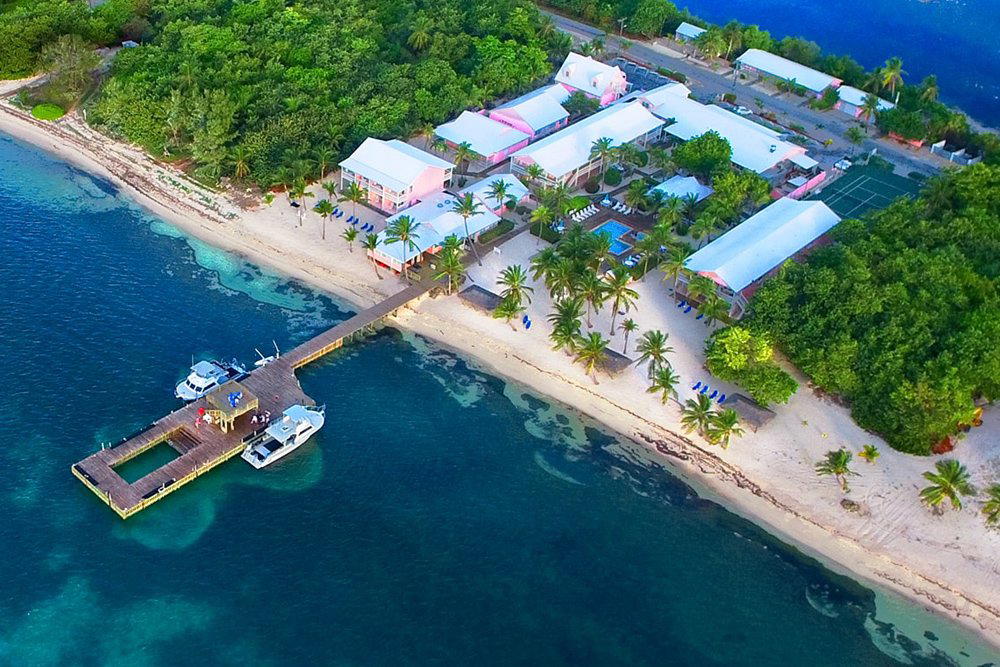
Pirates Point Resort sits on the quiet southern shore of Little Cayman, one of the least-trafficked islands in the Caribbean, where the emphasis falls on proximity to the Bloody Bay Marine Park rather than resort amenities. The property occupies a category of its own in the Cayman Islands: small-scale, dive-focused, and positioned a long way from the high-rise corridor of Seven Mile Beach.
Pearl is the En Primeur Club membership app — saves, bookings, and concierge access live there. Same editors, same standards.

Little Cayman's Southern Shore and What It Demands of a Resort
Little Cayman is the smallest and least developed of the three Cayman Islands, with a resident population that rarely exceeds two hundred people and a road network that takes roughly an hour to drive in full. The island's primary draw is underwater: Bloody Bay Wall, a vertical reef drop-off on the north shore, is consistently ranked among the western Atlantic's most significant dive sites. Any property operating on Little Cayman is, by necessity, shaped by that context. The island does not support a conventional resort economy, and the guests who arrive by the twice-daily prop-plane service from Grand Cayman are not looking for one.
Pirates Point Resort sits on the southern coast along Guy Banks Road in Blossom Village, the island's closest approximation to a settlement. Its position on the calmer southern shore, away from the concentrated dive activity of the north wall, tells you something about the property's character: this is not a purely operational dive base packaged as a resort. The southern exposure means different light, different water conditions, and a different relationship to the island's rhythms than properties staked directly to Bloody Bay.
Architecture in a Place That Resists It
The design conversation around Caribbean luxury typically runs in two directions: international branded properties that import an aesthetic wholesale, or design-led boutiques that engage local material culture with varying degrees of sincerity. Little Cayman sits almost entirely outside that conversation. The island's building stock is modest and functional, shaped by hurricane exposure, material scarcity, and the practical demands of a community that exists primarily to support its marine environment.
Properties like Pirates Point belong to a third category that is less discussed in travel editorial: the working eco-resort, where architecture is subordinate to access. The physical plant at this scale is typically low-rise, timber-framed, and oriented toward sea exposure rather than interior drama. Porches face the water. Rooms are sized for the reality that guests spend most of their waking hours in wetsuits or on dive boats. This is not an aesthetic compromise; it reflects a clear hierarchy of values that self-selecting guests understand before they book. Across the Caribbean, the properties that survive decades on remote islands tend to be the ones that resist the temptation to compete on room amenity and instead double down on what the location actually offers.
For context, a guest whose instinct runs toward the polished lobbies and full spa programs of properties like the Kimpton Seafire Resort + Spa in Seven Mile Beach or the larger all-inclusive footprints elsewhere in the Caribbean will find Little Cayman disorienting. The gap between Grand Cayman's Seven Mile Beach corridor and this island is not merely geographic; it represents a fundamentally different proposition about what a Caribbean property is for. That gap is precisely the point for guests who choose to make the additional journey.
Placing Pirates Point in the Little Cayman Peer Set
Little Cayman supports a small and coherent set of accommodation options, nearly all of which are dive-oriented and all of which operate at limited capacity by the nature of the island. The Little Cayman Beach Resort and the Southern Cross Club occupy the same island and share a broadly similar competitive position: small-scale, activity-led, oriented toward repeat guests who measure a stay by dive conditions rather than thread count. Within this peer set, differentiation tends to come from the specifics of the dive operation, the meal program (most properties on Little Cayman operate on an all-inclusive or modified meal-plan basis given the absence of restaurant infrastructure on the island), and the physical relationship between accommodation and reef access.
The Black Urchin Boutique Resort in Grand Cayman and the Sunset House in George Town represent the broader Cayman Islands dive-property tradition, but both operate on Grand Cayman where infrastructure, dining options, and general tourism volume are substantially higher. Little Cayman's properties operate with a different constraint set, which shapes everything from meal timing to boat schedules to the social texture of an evening on the property.
For guests drawn to remote low-footprint properties as a category, the comparison extends internationally. Properties like Amangiri in Canyon Point or Hotel Esencia in Tulum sit at a higher price point and design register, but share the underlying logic: physical remoteness and access to a specific natural environment are the product, and the accommodation is the vehicle for that access rather than the destination itself.
Practical Considerations for the Journey
Getting to Little Cayman requires a connection through Grand Cayman's Owen Roberts International Airport onto one of the island-hopper services that runs a limited daily schedule. The journey is part of the experience's self-selecting character: guests who find the logistics burdensome are filtering themselves out before arrival. Those who arrive having completed the journey tend to be pre-committed to the island's terms. Booking timing matters on this island more than on Grand Cayman, particularly during peak dive season between January and May when the wall's visibility conditions are most reliable. Our full Blossom Village restaurants guide covers the island's limited dining options outside resort meal programs, which is useful context for any guest planning extended stays or time off-property.
The Cayman Islands as a territory sit in the western Caribbean, with hurricane season running June through November, which historically has shaped the operating calendars of properties at this scale. Shoulder periods outside peak dive season offer a different trade-off: fewer competing guests, different marine activity, and in some years more variable weather.
What This Property Is and Is Not
Travel at the premium end of the market has increasingly fragmented between two poles: large international footprints with comprehensive amenity stacks, and smaller specialist properties where the setting and activity program carry the stay. Pirates Point belongs to the second category by geography and by the logic of the island it inhabits. The relevant comparison for a prospective guest is not the Cheval Blanc Paris or Hotel du Cap-Eden-Roc in terms of amenity and design ambition, but rather the community of properties globally where access to a specific natural resource defines the entire value proposition.
For dive-focused travelers who have already committed to Bloody Bay Wall as a destination, the question becomes which Little Cayman property's operational specifics and physical character align leading with their preferences. That is a narrower and more useful question than asking whether Pirates Point competes with Grand Cayman's larger resort corridor, which it does not, by design or by any other measure.
Comparable Spots, Quickly
These are the closest comparables we have in our database for quick context.
Continue exploring
More in Blossom Village
Hotels in Blossom Village
Browse all →At a Glance
- Cozy
- Scenic
- Rustic
- Intimate
- Honeymoon
- Romantic Getaway
- Weekend Escape
- Beachfront
- Pool
- Beach Access
- Wifi
- Air Conditioning
- Waterfront
Friendly and cozy with a laid-back casual atmosphere, featuring outdoor patios for meals, beachfront views, and a relaxed vibe praised by repeat guests.