Sorrel River Ranch Resort & Spa

Set on the banks of the Colorado River at Mile 17 of Highway 128, Sorrel River Ranch Resort & Spa sits beneath red rock canyon walls in one of Utah's most dramatic corridors. The property earned Star Wine List recognition in 2026, signalling a wine program that belongs in a different conversation from typical resort lists. For Moab's wider dining and accommodation scene, see our full city coverage.
Pearl is the En Primeur Club membership app — saves, bookings, and concierge access live there. Same editors, same standards.
- Address
- HC 64 Box 4002 Mile 17 Highway 128
- Phone
- 435-259-4642
- Website
- sorrelriver.com
- Directions
- Get directions
 Saves & bookings on Pearl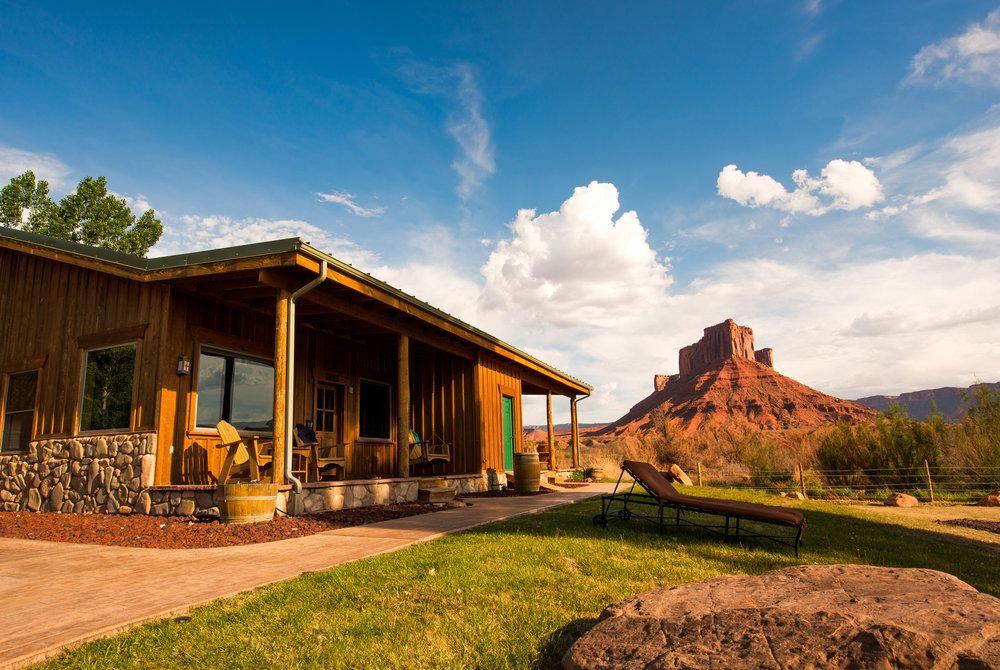
Red Rock, River Front, and a Wine Program That Commands Attention
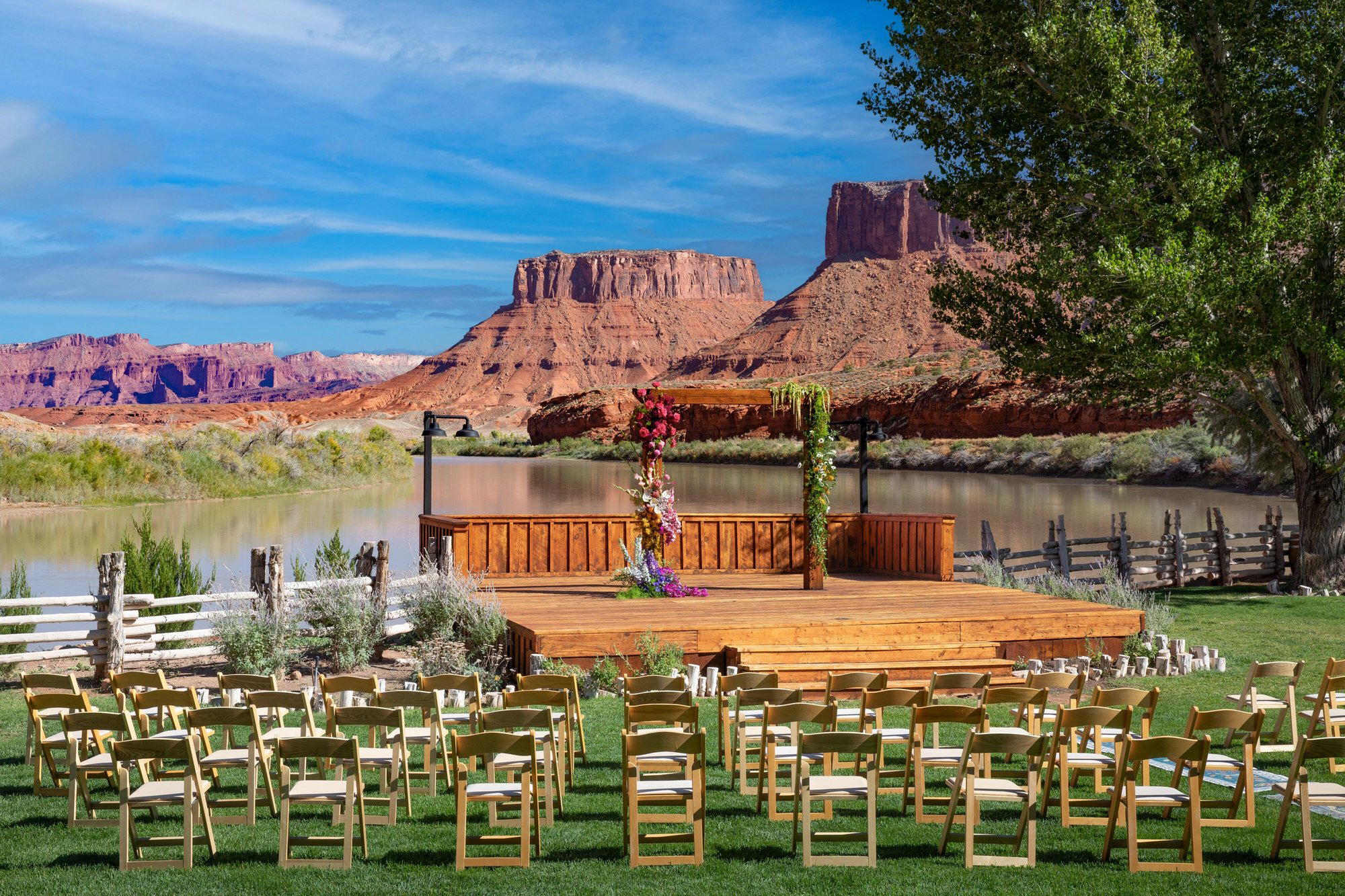
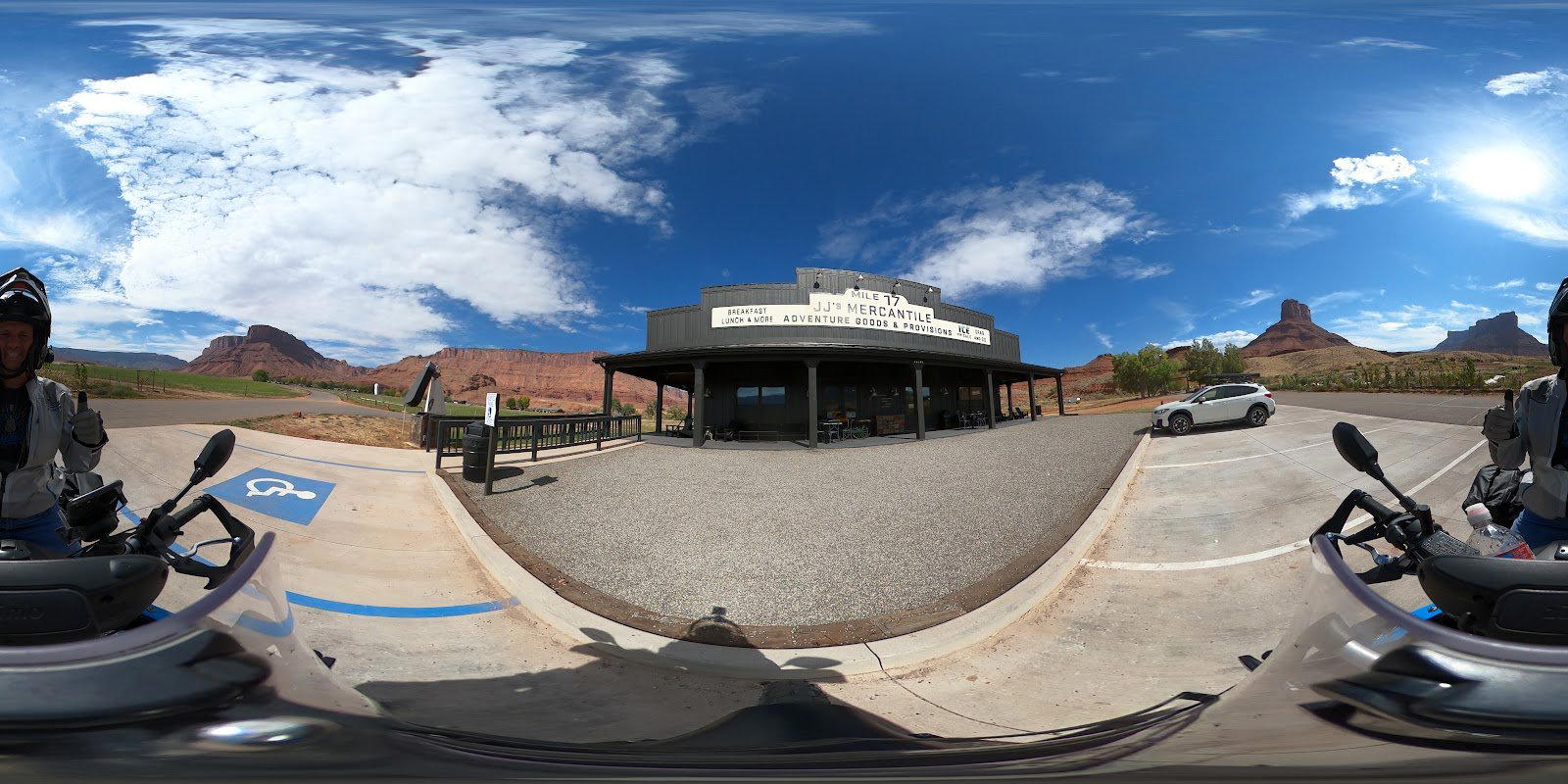
Highway 128 out of Moab follows the Colorado River into canyon country that most visitors never reach. At Mile 17, the road passes Sorrel River Ranch Resort & Spa, where green pastures open against a wall of red sandstone cliffs. The visual contrast, cultivated agricultural land pressed against raw geological formation, frames every aspect of the property's character. This is not a resort built around a pool or a strip-mall spa; the site itself sets the terms.
That physical context matters when assessing the dining program. American Southwest resort dining has historically split between two modes: the generic lodge menu that leans on regional clichés, and the ambitious property restaurant that treats isolation as license for genuine culinary investment. Sorrel River Ranch's 2026 Star Wine List recognition places it firmly in the second category.
What Star Wine List Recognition Signals at a Property Like This
When Auberge du Soleil in Napa or Bernardus Lodge & Spa in Carmel Valley invest seriously in their cellars, it reflects a wider commitment to the table. The same logic applies in canyon country, where sourcing quality wine requires deliberate effort and a budget allocation that could easily go elsewhere. Sorrel River Ranch's 2026 Star Wine List award suggests an operation that has made that allocation.
Properties comparable in spirit, isolated ranch resorts in dramatic natural settings, tend to diverge sharply on the food and beverage question. Sage Lodge in Pray, Montana, and Blackberry Farm in Walland, Tennessee, have both built culinary reputations that function as primary reasons to visit, not amenities added to a scenery-led pitch. Sorrel River Ranch operates in that same remote-luxury segment where the dining program either justifies the destination or becomes an afterthought. The Star Wine List signal leans toward justification.
The Setting as Dining Context
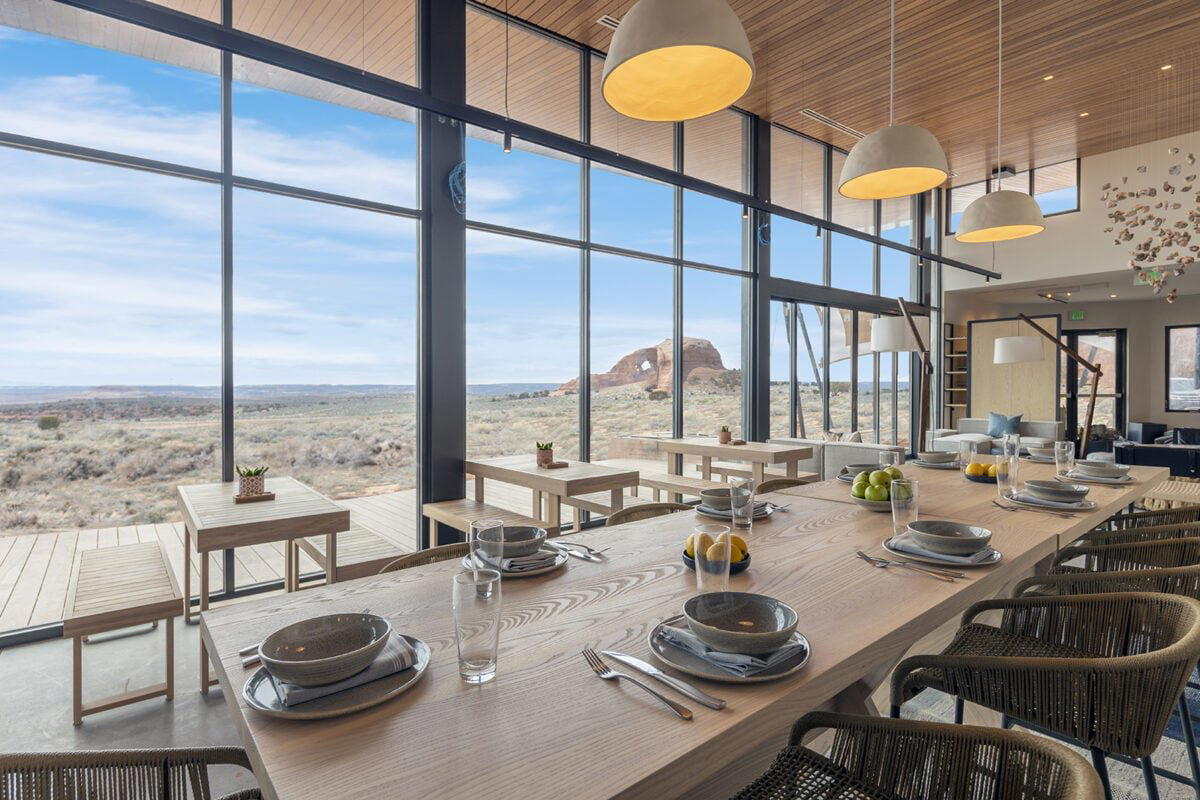
Few resort dining rooms in the American West sit against a backdrop as geologically immediate as this stretch of the Colorado River corridor. The canyon walls that define Highway 128 are not distant panorama; they are close, vertical, and constantly shifting color through the day as light changes angle. That environment shapes how meals read, both practically and atmospherically. Lunch with canyon walls catching midday sun and dinner under a sky uninterrupted by urban light are different propositions from anything available inside Moab's town limits.
Properties that occupy landscape this specific tend to structure their food and beverage programming around it, timing service to take advantage of light, orienting seating toward the view, and building menus that acknowledge the agricultural character of the land. The green pastures that front the property suggest a working-ranch aesthetic that, in better-resourced operations, translates into genuine farm-to-table sourcing with the supply chain on the premises. The site conditions make it a reasonable framework to bring as an expectation.
Placing Sorrel River Ranch in the Moab Accommodation Tier
Moab's accommodation market has changed considerably in the past decade. Entry-level options proliferated first, driven by adventure-tourism demand from Arches and Canyonlands National Parks. The design-led and luxury tiers arrived later. ULUM Moab represents the newer, design-forward glamping approach that has attracted international attention. Sorrel River Ranch occupies different coordinates: an established ranch property with river frontage and an agricultural identity that newer arrivals cannot replicate through design alone.
The comparison extends across the American Southwest luxury tier. Amangiri in Canyon Point and Ambiente, A Landscape Hotel in Sedona, both operate at the architecture-driven end of that market, where the built environment is the primary product. Sorrel River Ranch's identity is older and more agricultural, which places it in a different but equally coherent niche. For guests whose frame of reference runs toward Alpine Falls Ranch in Superior or Troutbeck in Amenia, the working-property aesthetic will read more naturally than a minimalist design hotel.
Planning a Stay: What the Location Requires
Sorrel River Ranch sits at Mile 17 on Highway 128, which puts it outside Moab's town center by a meaningful distance. That remoteness is the point, but it requires planning. Guests who want access to Moab's independent restaurant scene will need a vehicle. The ranch's on-site dining program therefore carries more weight than it would at a centrally located property; there are no casual walk-to alternatives when dinner time comes and the canyon is dark.
Spring and fall represent the standard high-demand windows in Moab's canyon country, when temperatures are workable for outdoor activity and the light is at its most photogenic. Summer heat in the canyon can be significant, and winter brings a quieter, colder version of the same landscape that some guests prefer for precisely that reason.
How It Compares Across the American Ranch-Resort Category
The ranch-resort category in the American West covers an enormous range of ambition and price point. At one end sit properties where the food and beverage program is genuinely secondary to outdoor programming. At the other end sit operations like Canyon Ranch Tucson, which have built institutional reputations around wellness and cuisine simultaneously. Sorrel River Ranch's Star Wine List recognition in 2026 places its wine program closer to the serious end of that spectrum, without confirming where the kitchen sits relative to peers.
For guests who travel specifically around food and wine, that wine credential matters as a filtering signal. It belongs in the same conversation as resort wine programs at Post Ranch Inn in Big Sur or Kona Village, A Rosewood Resort in Kailua Kona, both of which have built dining and beverage identities that reinforce rather than undercut the room rate.
Booking and Cost Snapshot
Comparable venues nearby, for context on price, style, and recognition.
| Venue | Cuisine | Price | Awards | Notes |
|---|---|---|---|---|
| Sorrel River Ranch Resort & SpaThis venue — the venue you are viewing | rustic luxury ranch resort | $$$$ | 4-Star | Not listed |
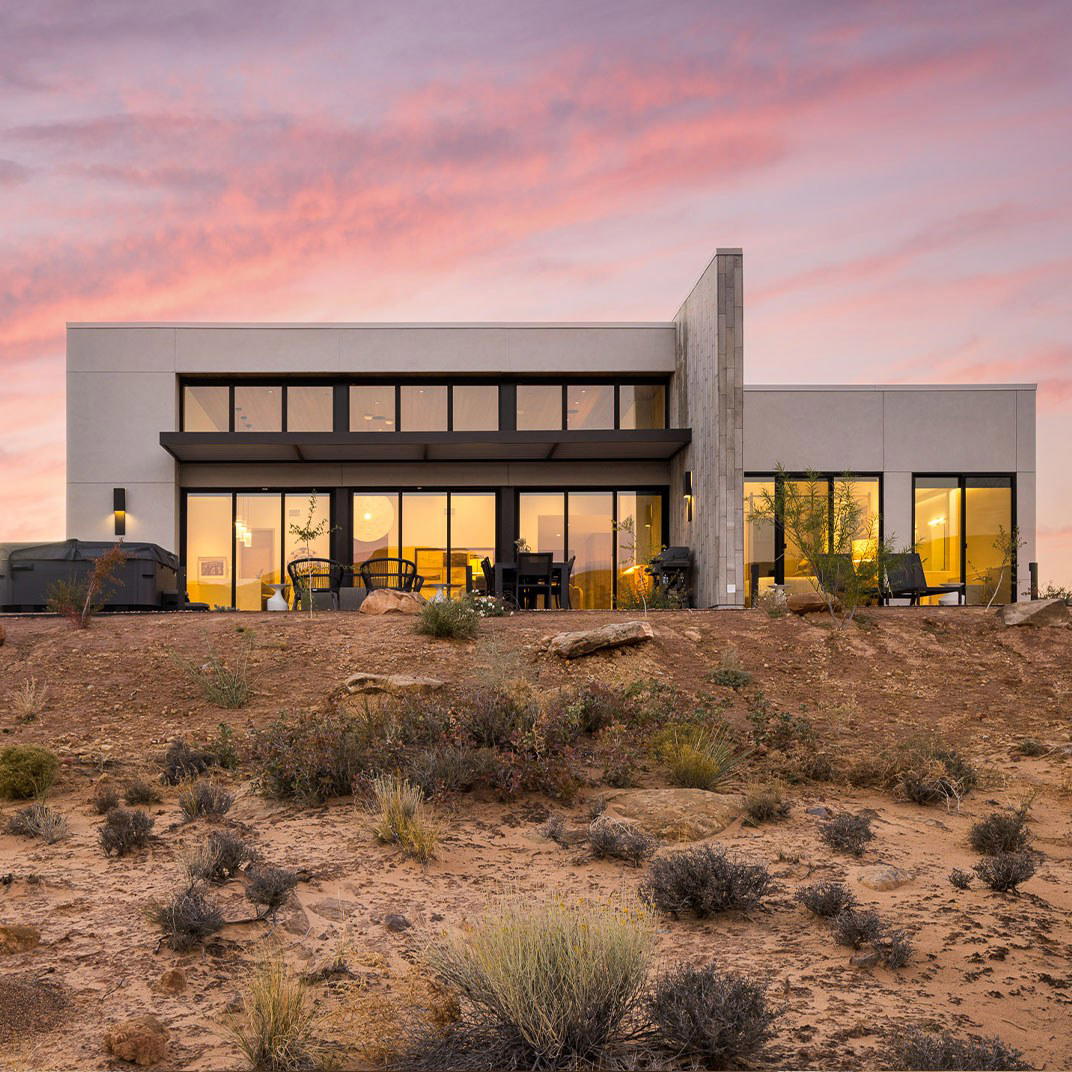
| Lionsback Resort | Not listed | $$$$ | 4-Star | Lionsback Ridge, luxurious desert casitas blending indoor-outdoor living |
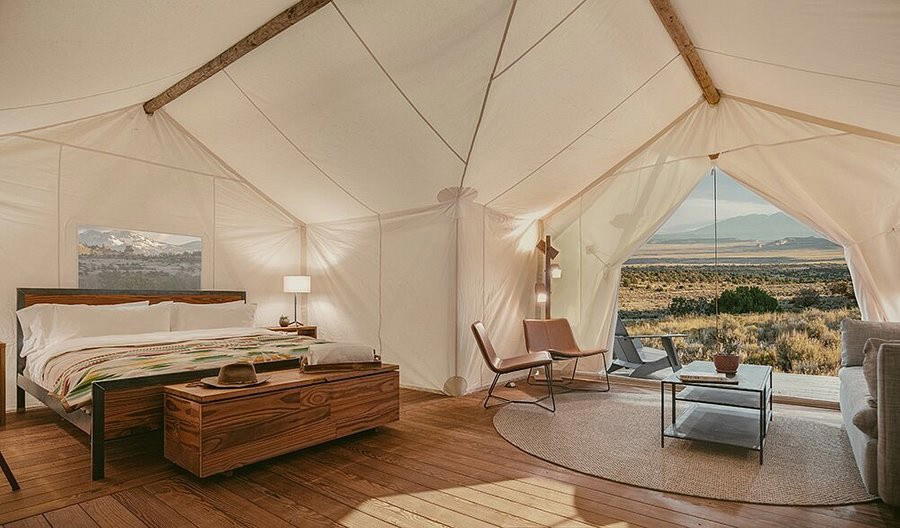
| Under Canvas Moab | Not listed | $$$ | Not listed | Moab, safari-style glamping tents integrated into the desert landscape |
| ULUM Moab | Not listed | $$$$ | Michelin 2 Key | La Sal, Modern luxury glamping resort blending refined comfort with immersion in nature, featuring safari-inspired design integrated into the desert landscape. |
| Four Seasons Resort and Residences | Not listed | $$$$ | 5-Star | Deer Valley East Village, Contemporary alpine resort with private residences blending indoor-outdoor living |
| Hotel Thaynes | Not listed | $$$ | 4-Star | Park City Mountain Base Area, Independent-feeling Tribute Portfolio mountain hotel with renovated boutique positioning and meeting/event spaces. |
Recognition history
Dated appearances from independent guides and award organizations, with the underlying list record or original source where available.
Star Wine List
Star Wine List
Continue exploring
More in Moab
Bars in Moab
Browse all →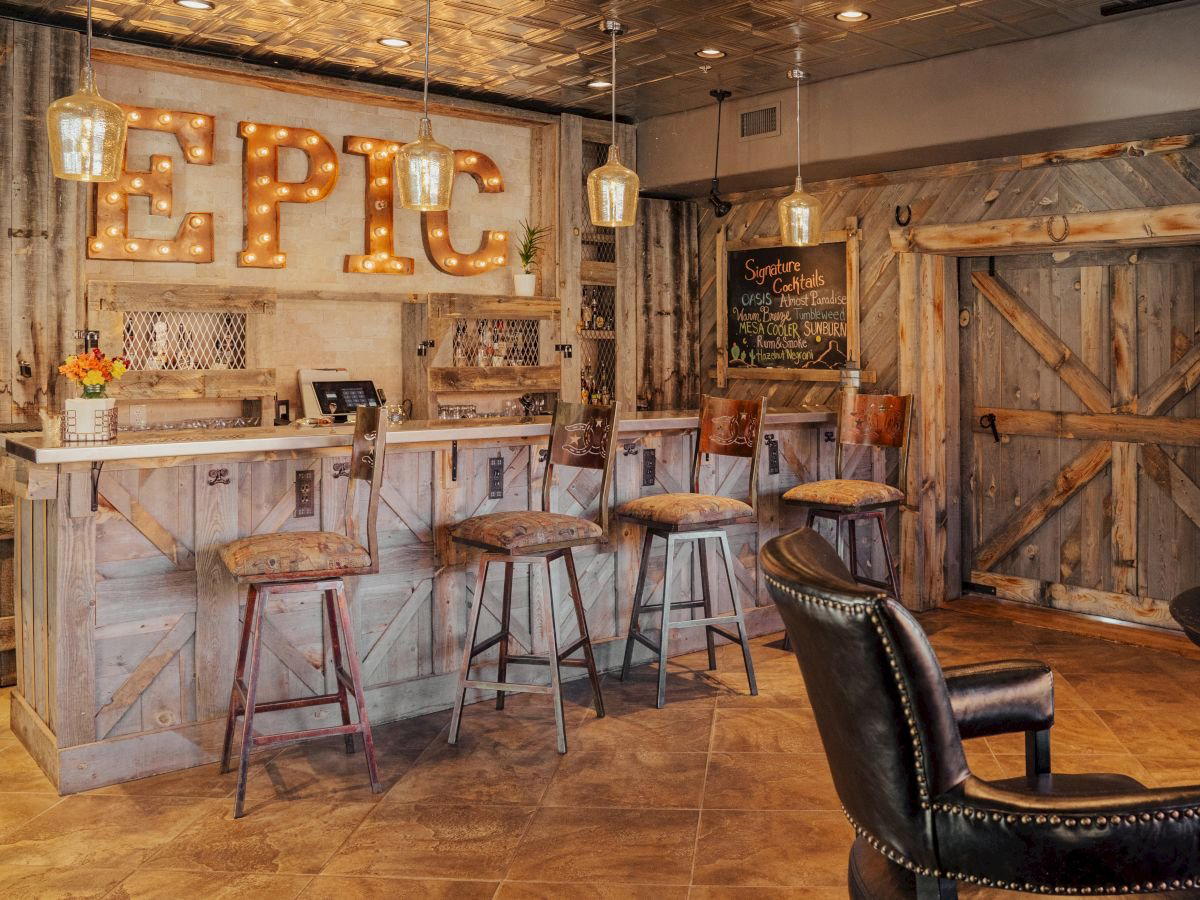

At a Glance
- Rustic
- Scenic
- Romantic
- Elegant
- Cozy
- Romantic Getaway
- Family Vacation
- Wellness Retreat
- Honeymoon
- Weekend Escape
- Panoramic View
- Destination Spa
- Pool
- Spa
- Fitness Center
- Wi Fi
- Room Service
- Concierge
- Tennis
- Hot Tub
- Bicycle Rental
- Mountain
- Pool
- Spa
- Fitness Center
- Wi Fi
- Room Service
- Concierge
- Tennis
- Hot Tub
- Bicycle Rental
Peaceful desert setting with rustic elegance, relaxing spa atmosphere, and scenic riverfront views enhanced by natural lighting and outdoor fire pits.