
Singita Sabora sits inside the Grumeti Game Reserve on the western Serengeti corridor, earning 92 points in the 2026 La Liste Top Hotels ranking. The camp operates in the specialist tier of East African safari lodging, where low guest counts and conservation-integrated programming define the offer. Proximity to the wildebeest migration route makes it one of Tanzania's more strategically positioned reserves camps.
Pearl is the En Primeur Club membership app — saves, bookings, and concierge access live there. Same editors, same standards.
- Address
- National Park, Grumeti Game Reserve, 31623
- Phone
- +27 21 683 3424
- Website
- singita.com
- Directions
- Get directions
 Saves & bookings on Pearl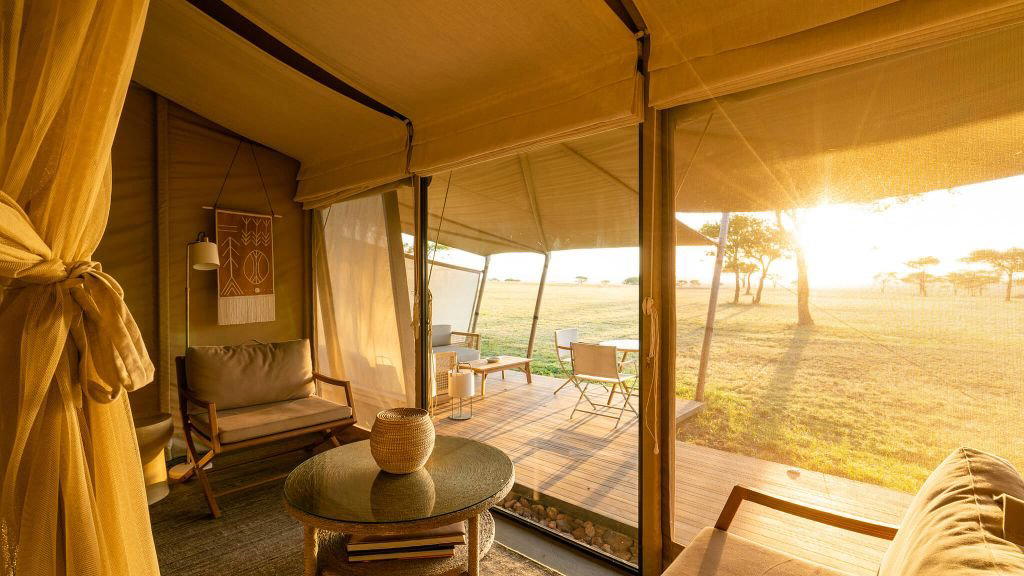
The Western Serengeti Corridor and What It Demands of a Camp
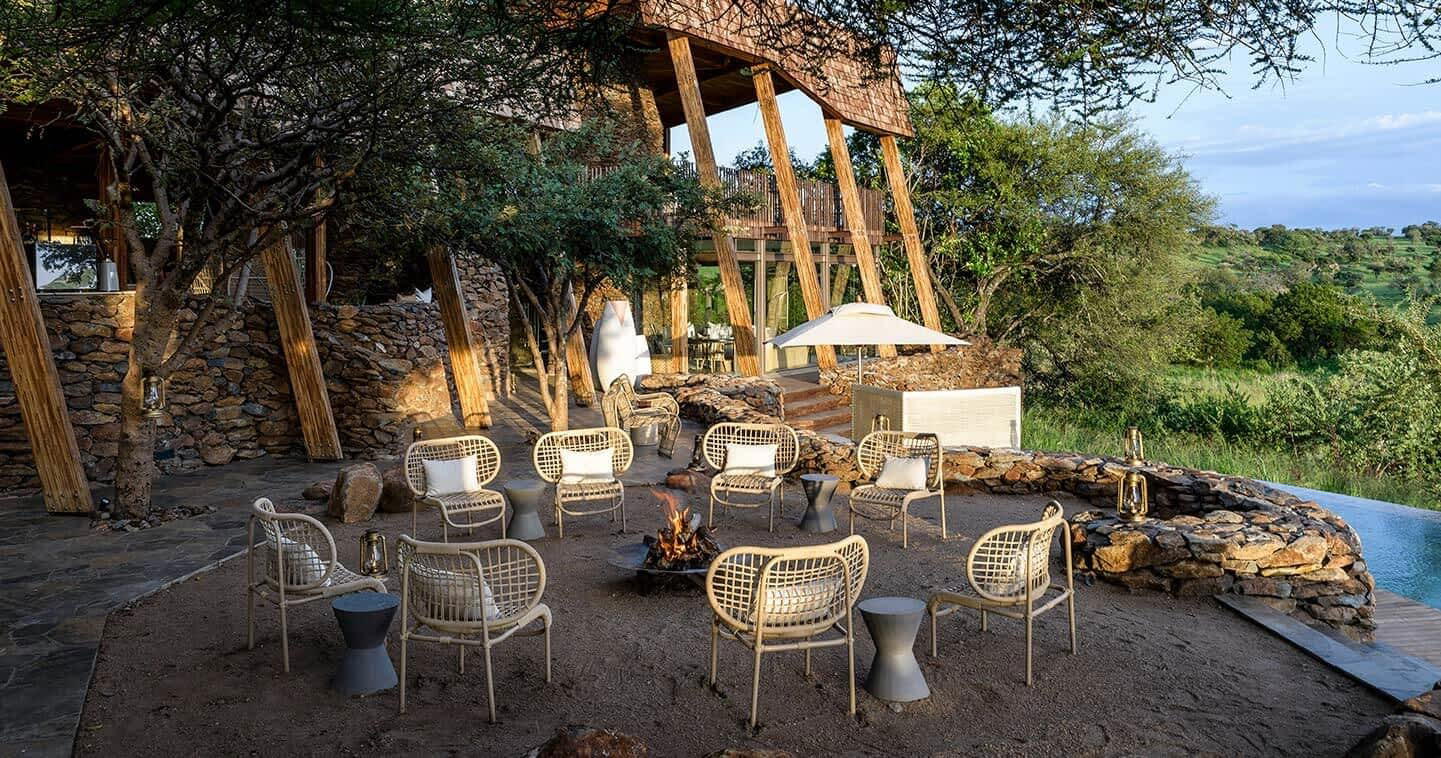
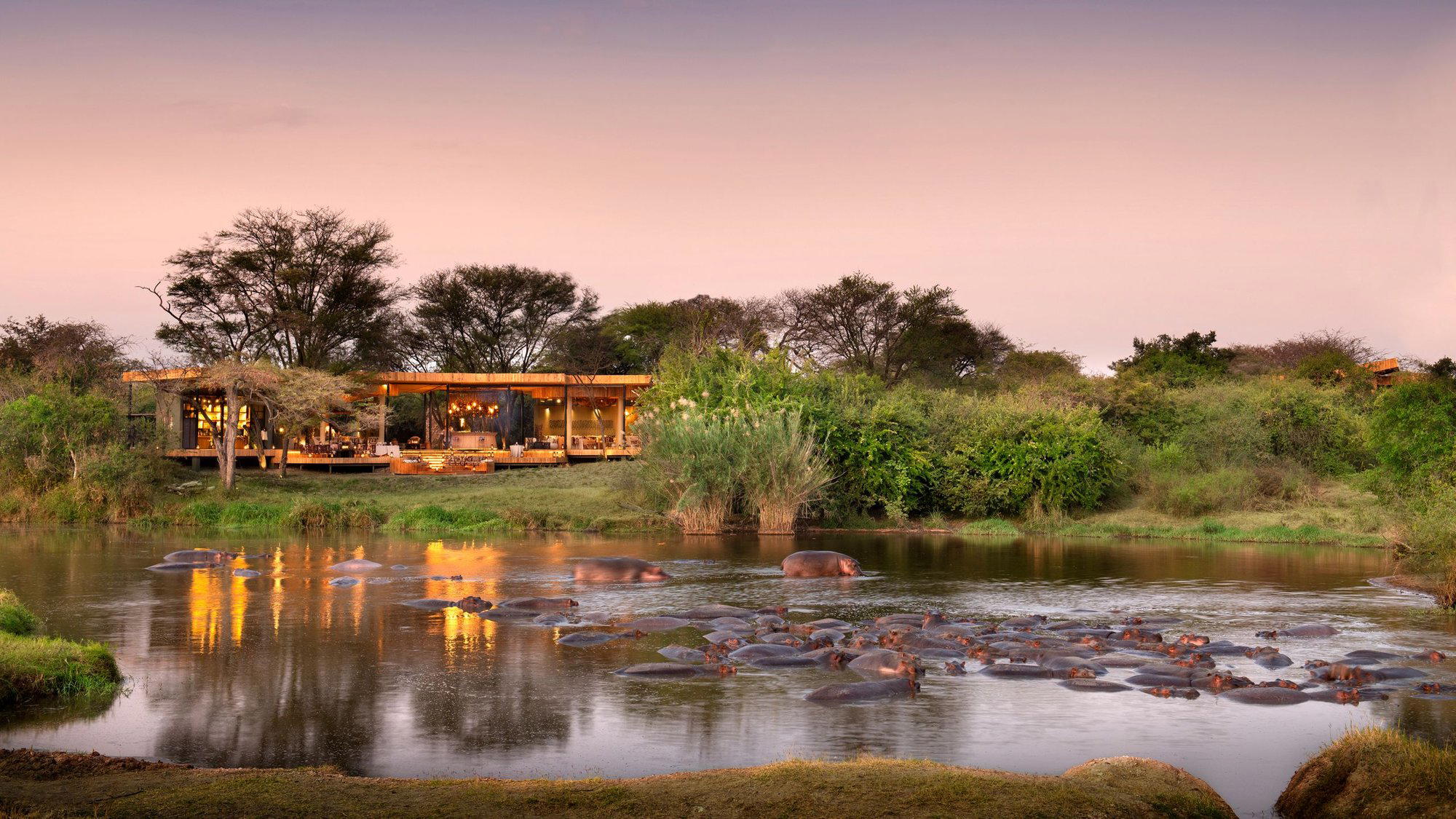
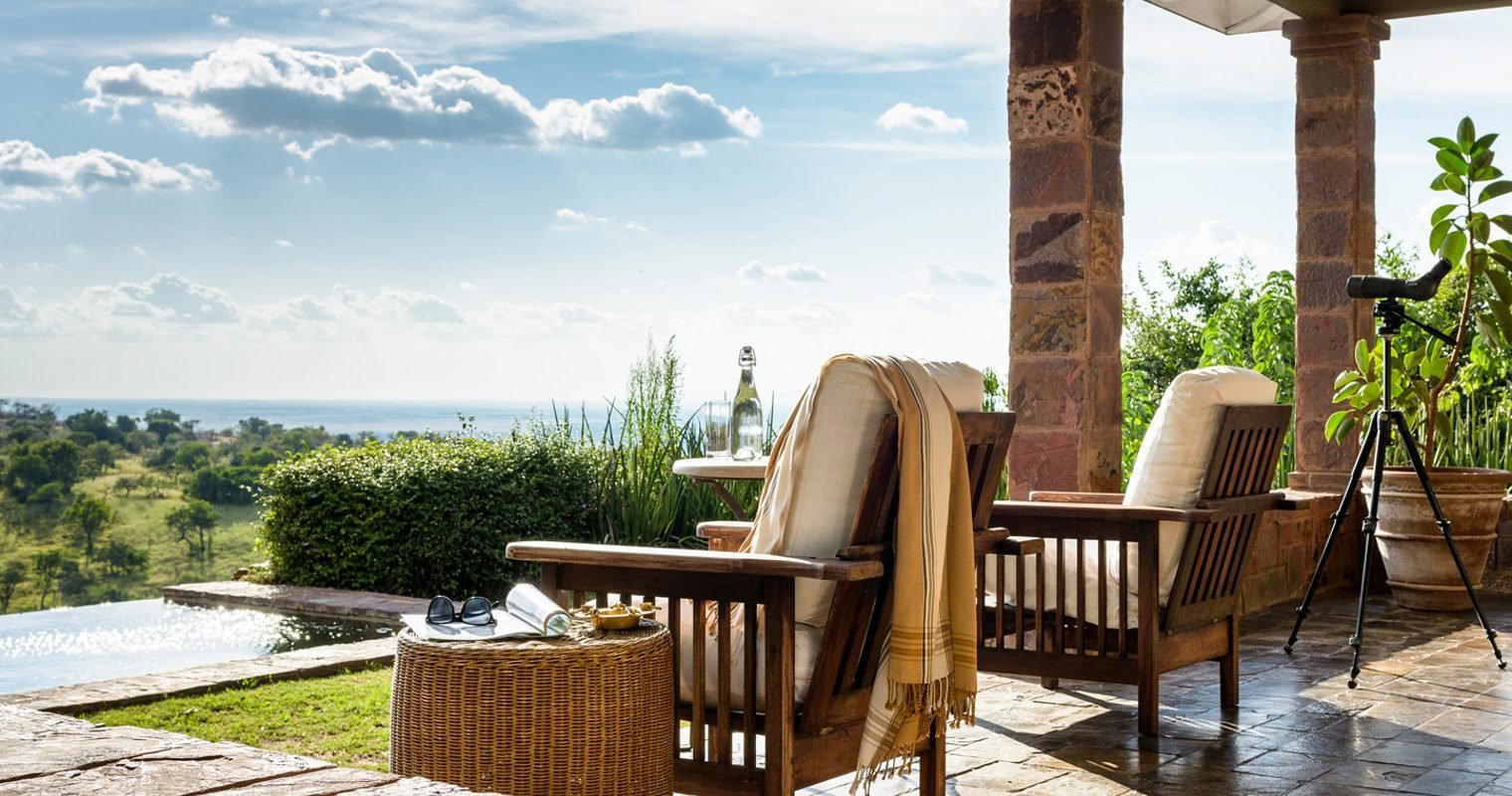
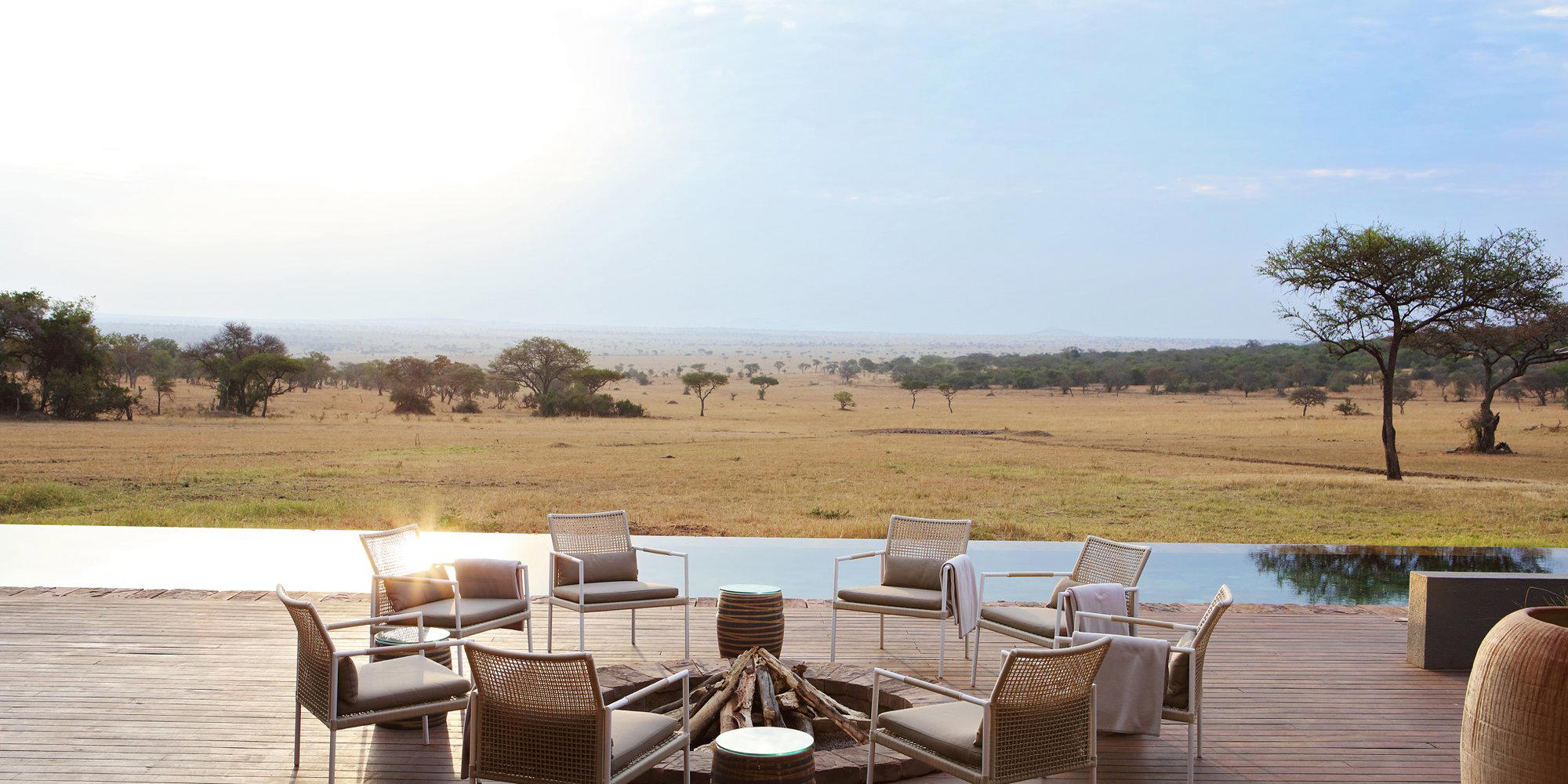
The Grumeti Game Reserve occupies the western migration corridor of the Serengeti ecosystem, a stretch that receives a fraction of the visitor volume of the more heavily trafficked eastern and central zones near the Seronera. That relative quiet is the first thing that defines a stay at Singita Sabora: the reserve functions as a private conservancy, which means game drives operate without the traffic of shared national park roads and the density of vehicles that congregates around sightings in peak season. In East African safari terms, that distinction carries real weight. Private reserve access, particularly along an active migration route, places Sabora in a specific competitive tier, one occupied by a small number of camps that trade volume for proximity and exclusivity.
The 2026 La Liste Leading Hotels ranking awarded Singita Sabora 92 points. In the Tanzania context, that credential situates Sabora alongside a handful of properties that have earned sustained editorial and awards attention, including andBeyond Grumeti Serengeti River Lodge, which operates in the same reserve corridor, and Sayari Lodge to the north near the Mara River crossing. Each addresses the migration differently; Sabora's Grumeti position is strongest during the river crossing season that typically concentrates between June and August, when herds push westward before turning north.
Camp Format and the Logic of Low-Capacity Tented Safari
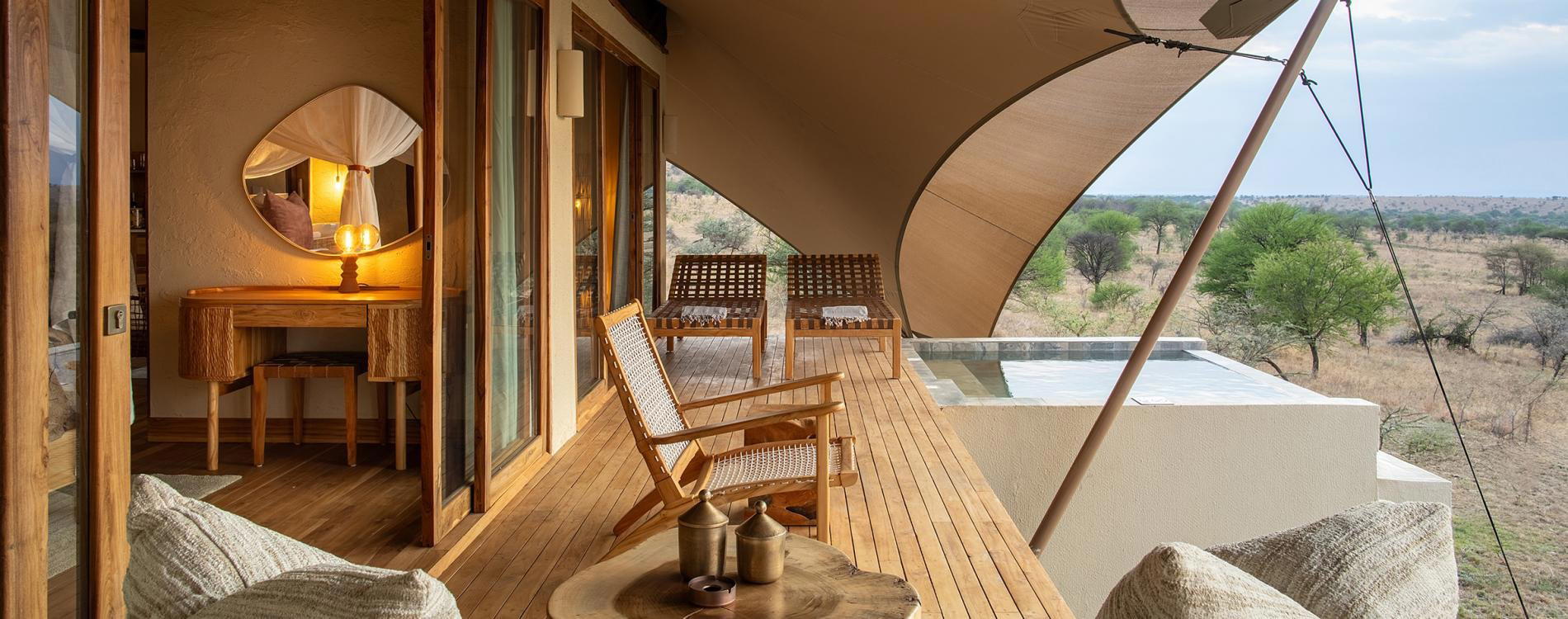
Tented camp format that Singita Sabora uses reflects a broader structural logic in premium East African safari accommodation. Low guest-to-land ratios allow the kind of flexible, responsive game drive scheduling that large lodge footprints cannot easily replicate. When a sighting breaks at dawn on the far edge of a concession, a camp with limited tents can redirect its vehicles with a speed that a higher-capacity property cannot match without compromising other guests' programmes. This is one reason the specialist camp format has held its premium positioning even as larger lodge brands have expanded deeper into Tanzania.
Tanzania's northern safari circuit has diversified considerably over the past decade. Properties like Kuro Tarangire in Tarangire National Park and andBeyond Lake Manyara Tree Lodge address different ecosystems along the northern circuit, while andBeyond Ngorongoro Crater Lodge captures among the more distinctive geological settings in Africa. Sabora's differentiation within this circuit rests on the Grumeti reserve's private status and its specific position in the migration calendar, rather than on landscape novelty alone.
The Dining Programme Inside a Wilderness Camp Context
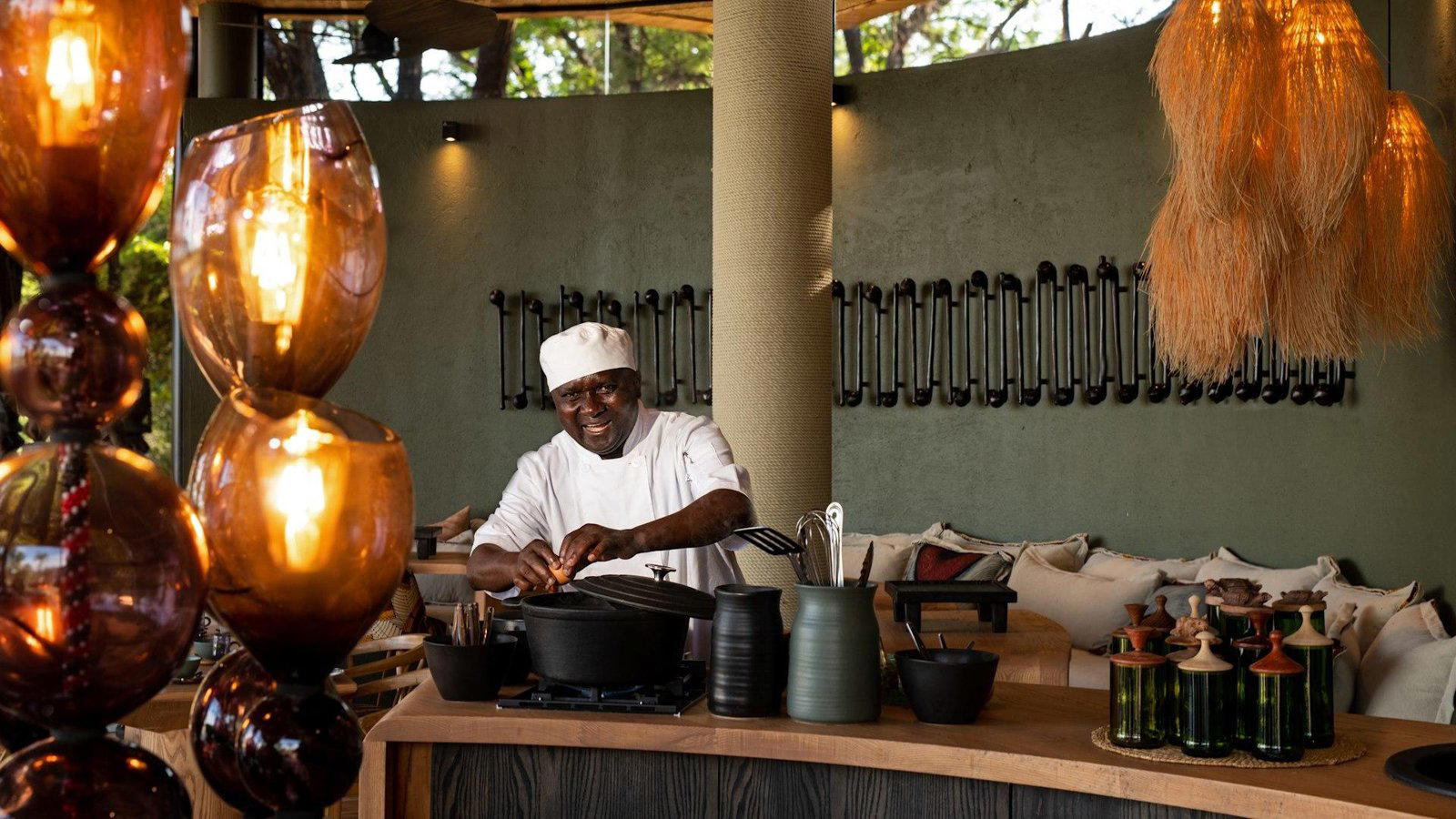
In the specialist safari camp tier, the dining programme operates under a different set of pressures than urban restaurants or resort hotels. Supply chains are long, kitchen infrastructure is intentionally limited to minimise environmental impact, and the expectation is that meals should reflect both the setting and the conservation philosophy that underpins the operation. What this produces, at camps operating at Sabora's level, is cooking that tends toward careful sourcing and restraint rather than elaborate technique, with the surrounding environment doing considerable work in shaping the experience of a meal served in the bush.
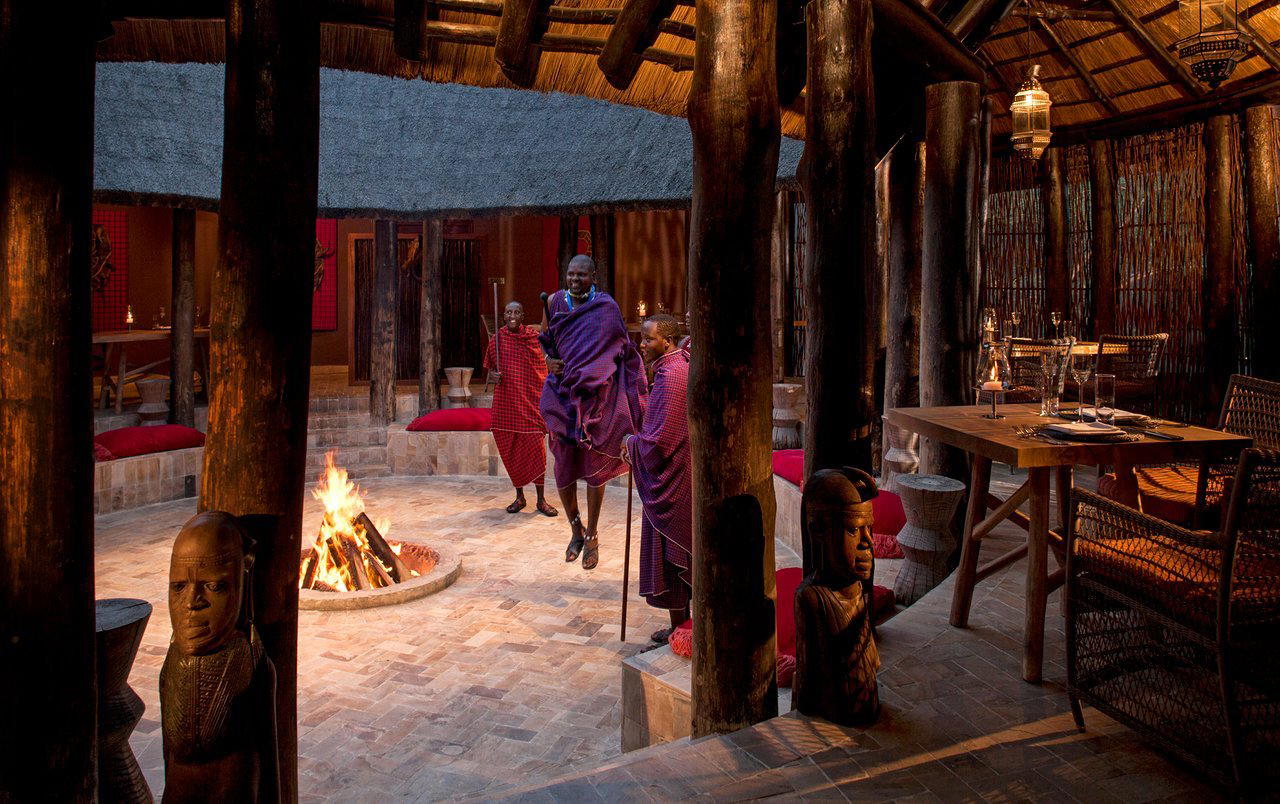
Bush dining formats vary across Tanzania's premium camps. Some properties have moved toward fixed dining rooms with more formal service; others maintain the tradition of bush breakfasts, sundowner stops, and open-air dinners under the night sky. The camp format at the hotel supports the kind of location-responsive dining that makes the setting integral to the meal rather than incidental to it. A breakfast served at sunrise in the bush after an early game drive occupies a different category than any restaurant experience, regardless of the technical quality of the food, because the context is unrepeatable in any other format. For guests arriving from urban environments, that shift in dining register is often as memorable as the wildlife itself.
For comparison within the Tanzania circuit, Four Seasons Safari Lodge Serengeti in Banagi represents the larger lodge model with a more conventionally structured food and beverage programme, while Greystoke Mahale in the Mahale Mountains demonstrates how remote camp dining can take on its own distinct character when the location is sufficiently singular. Sabora sits between these poles: a Singita property with group-level operational standards, delivered in a tented camp format that keeps the experience close to the environment.
Planning a Stay: Access, Timing, and Peer Comparisons
Access to the Grumeti Game Reserve requires a fly-in from Arusha or Kilimanjaro, with small aircraft transfers to the reserve's airstrip being the standard routing. The drive alternative is long and not typically used for premium itineraries.
The migration timing remains the primary factor in planning. The western Grumeti crossing typically concentrates in June through August, making those months the highest-demand window. Shoulder season visits in May and September offer lower competition for bookings, the possibility of better rates, and a different quality of light and vegetation. Green season, from November through March, brings fewer vehicles, young wildlife, and birdwatching that exceeds dry season volumes, though the long-grass conditions can reduce the visibility that drives dry-season premiums.
Where Singita Sabora Sits in the Tanzania Premium Tier
Tanzania's premium safari accommodation has stratified clearly over the past decade. At one end, national park lodges serve a high volume of guests with shared road access. At the other, private conservancy camps like Sabora operate with concession exclusivity, lower guest counts, and a rate of $2,580 per night that reflects both the land costs and the quality of the wildlife access. The 92-point La Liste recognition in 2026 confirms Sabora's position at the upper end of the Tanzania lodging tier, where it competes against a relatively small number of properties with comparable private land access and hospitality standards.
For further reference across the Tanzania and East Africa circuit, ENVI Sisini Serengeti, andBeyond Serengeti Under Canvas, and Gibb's Farm in Karatu each represent distinct positioning within the northern circuit, ranging from mobile tented camps to agricultural lodge formats. The hotel's fixed tented camp model with private reserve access places it in a distinct niche within that range.
A Pricing-First Comparison
Comparable venues nearby, for context on price, style, and recognition.
| Venue | Cuisine | Price | Awards | Notes |
|---|---|---|---|---|
| Singita SaboraThis venue — the venue you are viewing | Not listed | $$$$ | 5-Star | Not listed |
| Arusha Coffee Lodge | Not listed | $$$$ | 5-Star | Arusha outskirts, colonial plantation lodge on working coffee estate |
| Mwiba Lodge | Not listed | $$$$ | 5-Star | Southern Serengeti, Secluded luxury tented lodge integrated into granite boulders and ancient trees in a private wildlife reserve. |
| ENVI Sisini Serengeti | Nyabogati, luxury safari camp | $$$$ | 5-Star | Not listed |
| Ycona Luxury Resort Zanzibar | Uroa, Eco-luxury boutique beach resort | $$$$ | 5-Star | Not listed |
| Siringit Migration Camp | Not listed | $$$$ | 5-Star | Kogatende, Mobile luxury tented camp following the Great Migration |
Recognition history
Dated appearances from independent guides and award organizations, with the underlying list record or original source where available.
La Liste Top Hotels
La Liste
At a Glance
- Romantic
- Elegant
- Intimate
- Scenic
- Ornate
- Honeymoon
- Romantic Getaway
- Anniversary
- Panoramic View
- Private Villa
- Pool
- Spa
- Fitness Center
- Laundry Service
- Restaurant
- Pool
- Spa
- Fitness Center
- Laundry Service
- Restaurant
Sleek neutral tones with classic earth-toned linens, buttery leathers, and crisp contemporary flair in a calm, private setting under canvas amid the sounds of the bush.