Signia by Hilton Savannah
Signia by Hilton Savannah belongs to the city’s larger-format hotel conversation rather than its inn-and-townhouse tradition. With no published public sources for awards, pricing, room count, dining program, or design authorship, the useful way to read it is through Savannah’s evolving hospitality mix: historic-center intimacy on one side, contemporary meeting-oriented scale on the other.
Pearl is the En Primeur Club membership app — saves, bookings, and concierge access live there. Same editors, same standards.
- Address
- Savannah, United States
- Directions
- Get directions
 Saves & bookings on Pearl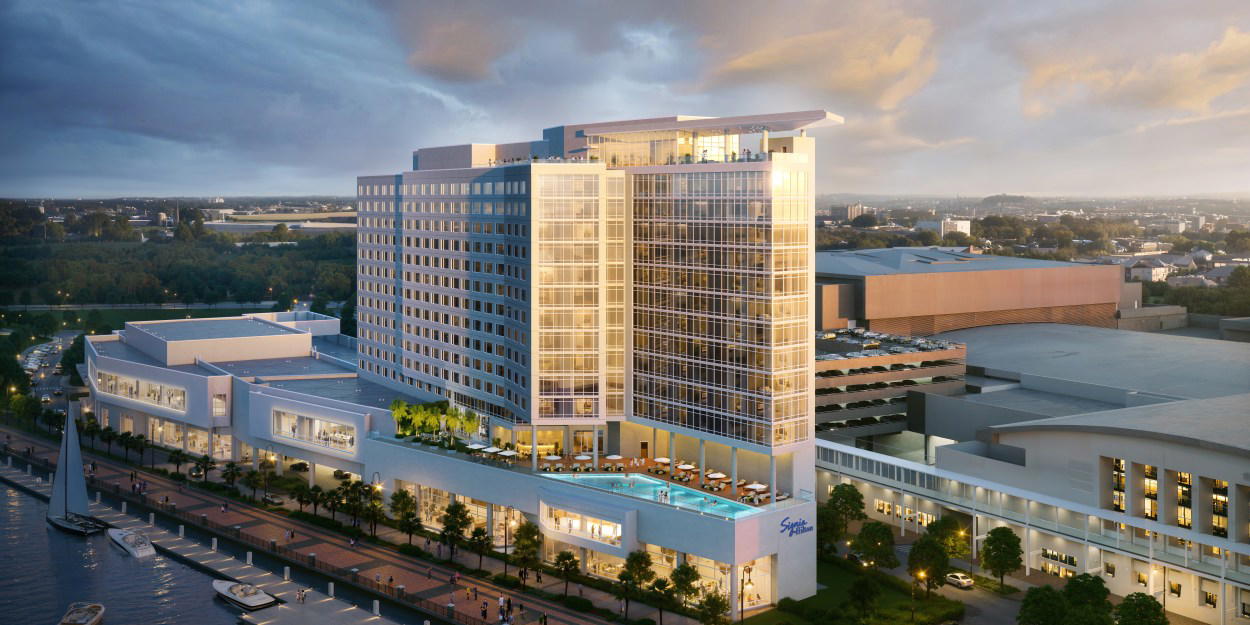
Arrival, Scale, and the Savannah Hotel Question
Savannah is usually sold through a soft-focus grammar of squares, ironwork, moss, and 19th-century domestic architecture. That visual language is real, but it can narrow the hotel conversation too quickly. The city also has a parallel need for contemporary scale: hotels that absorb conferences, wedding blocks, riverfront demand, and travelers who want the city’s historic texture without committing to a small-house format. Signia by Hilton Savannah belongs to that second conversation. This is a 4-star Savannah hotel with 444 rooms, and its value lies in category and setting rather than in boutique scale.
The physical impression of a larger Hilton-flagged property in Savannah matters because the city’s lodging identity has long been shaped by contrast. On one side are domestic-scale hotels and restored houses, where the appeal comes from proportion, neighborhood quiet, and the feeling of inhabiting an older city block. On the other side are bigger properties built for volume, events, and easier operational predictability. The latter category is not a compromise by default. In a city with narrow streets, fragile historic fabric, and demand spikes around festivals, graduations, conventions, and spring travel, larger hotels play a specific role: they give Savannah a way to host visitors without forcing every traveler into the same boutique script.
That distinction is useful when comparing the local field. Bellwether House reads through the restored-house tradition, while Hotel Bardo Savannah speaks to the city’s newer resort-minded boutique tier. Perry Lane Hotel, a Luxury Collection Hotel, Savannah sits closer to polished urban lifestyle hospitality, and Andaz Savannah gives the downtown hotel conversation a brand-led, central-city expression. Against that comparable set, Signia by Hilton Savannah is not useful as a small romance hotel comparison. Its logic is scale, brand infrastructure, and access to a broader Savannah stay.
Design in a City That Already Has a Strong Visual Code
Savannah is a difficult place for contemporary hotel design because the city already has an unusually legible aesthetic. The squares impose rhythm. Brick, stucco, shutters, carriage houses, and garden walls create a durable urban vocabulary. A hotel that ignores that context risks feeling generic; a hotel that imitates it too literally risks becoming stage-set historicism. The stronger contemporary hotels in Savannah tend to work by calibration rather than costume, borrowing proportion, shade, material warmth, or courtyard logic without pretending to be 1820.
There is no basis for naming an architect, describing rooms, or assigning an aesthetic identity beyond the brand and city context. That absence is itself editorially useful. Travelers evaluating a design-led stay in Savannah should separate verifiable historic character from brand scale. For restored residential atmosphere, the local conversation moves toward properties such as Kimpton Brice Hotel, Municipal Grand, and The Digby, each of which occupies a different register of Savannah’s adaptive-reuse and boutique-hotel culture. For river-facing energy, The Bohemian Hotel Savannah Riverfront belongs to another camp, where the waterfront carries as much weight as the interior.
Large hotels in historic cities often succeed when they do not try to out-charm the old buildings. Their advantage lies in circulation, meeting space, predictable service systems, and the ability to handle arrivals and departures at a volume that a 20-room inn cannot. That makes the design question less about decorative romance and more about how the property mediates between public scale and private rest. In Savannah, that is a real test. The city rewards walking, lingering, and a sense of gradual discovery, while bigger hotels often work around schedules, elevators, lobbies, and group movement. The better version of that format gives guests an efficient base without flattening the city into a convention itinerary.
Where It Fits Among Savannah Hotels
Savannah’s hotel field has split into several clear bands. There is the historic-house stay, often smaller and more residential in feeling. There is the lifestyle hotel, polished for weekend travel and rooftop-bar culture. There is the riverfront property, built around water views, nightlife proximity, and the city’s heavier visitor flow. Then there is the large-format brand hotel, where reliability and capacity matter as much as atmosphere. Signia by Hilton Savannah belongs to this last band on the evidence available, and that placement should guide expectations.
This is not the same decision as choosing a high-design rural retreat, a coastal grande dame, or a restaurant-led inn. In the United States, design hospitality stretches from the urban theatricality of The Fifth Avenue Hotel in New York City to the old-Hollywood resort grammar of The Beverly Hills Hotel in Los Angeles, from desert minimalism at Amangiri in Canyon Point to rural-estate pacing at Troutbeck in Amenia. Savannah’s version of the question is more urban and more architectural: how much historic intimacy does the traveler want, and how much operational scale is preferable?
For travelers deciding within the city, the practical comparison is not abstract luxury but trip purpose. A first stay built around Forsyth Park, museum time, slow breakfasts, and residential streets may lean toward smaller hotels. A trip tied to meetings, wedding logistics, family groups, or a schedule that benefits from a large lobby and brand-standard systems may make a larger hotel more rational. Value has to be judged by whether the format suits the trip. It has to be judged by whether the format suits the trip.
Food, Drink, and the Wider Savannah Table
The hotel’s dining identity is not specified in the record. The better way to plan is to treat the hotel as part of a wider Savannah food weekend rather than assume the property itself is the culinary anchor.
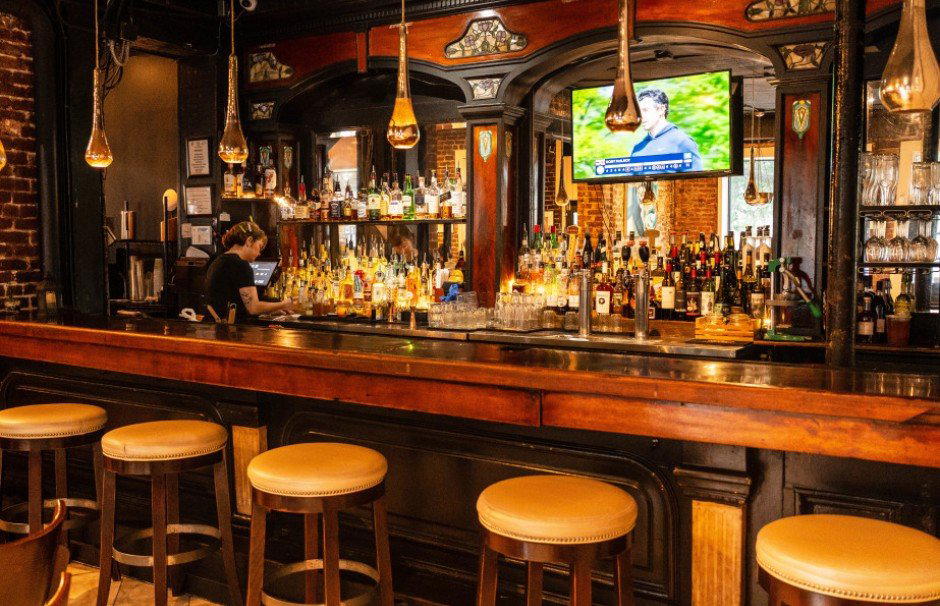
Savannah’s dining culture has changed from a narrow Southern-comfort shorthand into a broader city table. The strongest local meals now tend to balance coastal Georgia ingredients, Lowcountry inheritance, contemporary Southern kitchens, seafood houses, cocktail rooms, and hotel bars that serve both visitors and locals. Readers building a serious eating itinerary should use Our full Savannah restaurants guide alongside hotel planning, then add drinking rooms from Our full Savannah bars guide if the evening matters as much as dinner. The city rewards this approach because its appeal is cumulative: a morning square, a long lunch, a bar with a sense of place, and a hotel that matches the day’s rhythm.
Wine travelers should be realistic about Savannah’s role. For local planning, Our full Savannah wineries guide is the cleaner reference point. Cultural programming, guided history, architecture walks, and riverfront experiences can matter just as much as dinner reservations, so Our full Savannah experiences guide belongs in the same planning folder.
Planning should begin with verification through the hotel’s official channels or a trusted booking platform. That is not a weakness in the stay; it is a data boundary. Room types, cancellation terms, event calendars, parking, and check-in details can change, especially in a city where demand is seasonal and group business can affect availability. Savannah is busiest during pleasant-weather periods, especially spring and autumn weekends, while summer brings heat and a different pace. Travelers tied to major events should treat the hotel decision as a logistics decision first.
No preferred room type, view category, suite hierarchy, or design distinction is listed. The practical move is to match room choice to the reason for travel: proximity to elevators and meeting areas for work-heavy stays, quieter placement for leisure trips, and additional space for family or wedding travel. If view, bathtub, connecting rooms, or accessibility features matter, those details require confirmation before committing to a rate.
For a broader city comparison, Our full Savannah hotels guide is the useful starting point. It allows the Signia choice to be weighed against boutique properties, riverfront addresses, and design-led hotels rather than treated in isolation. That matters in Savannah because the hotel is part of the experience’s architecture. The wrong format can make the city feel either too precious or too anonymous; the right format supports the trip without demanding that every minute happen inside the property.
How the Savannah Choice Compares Beyond Georgia
Design-led travel has become more precise across the luxury hotel market. Some properties are destinations in themselves, built around architecture, landscape, or a restaurant serious enough to define the trip. Four Seasons at The Surf Club in Surfside carries the weight of club history and coastal resort culture. Raffles Boston in Boston is part of a new urban-luxury tier in a dense city. SingleThread Farm Inn in Healdsburg belongs to the restaurant-and-farm-stay model, where the meal is central to the lodging decision. Kona Village, A Rosewood Resort in Kailua Kona and Sage Lodge in Pray show how place-driven resorts can make geography the main event.
Savannah is a different proposition. It is a walking city with a strong built inheritance, not a remote resort or a single-property pilgrimage. European grand hotels such as Hôtel de Paris Monte-Carlo in Monte Carlo, Badrutt's Palace Hotel in St. Moritz, and Aman Venice in Venice help clarify the distinction: there, hotel mythology can dominate the trip. In Savannah, the city usually remains the stronger character. A larger hotel works when it helps guests access that character cleanly, not when it tries to replace it.
Comparable Venues Nearby
Comparable venues nearby, for context on price, style, and recognition.
| Venue | Cuisine | Price | Notes |
|---|---|---|---|
| Signia by Hilton SavannahThis venue — the venue you are viewing | Upper-upscale, meetings-focused convention hotel | $$$$ | Not listed |
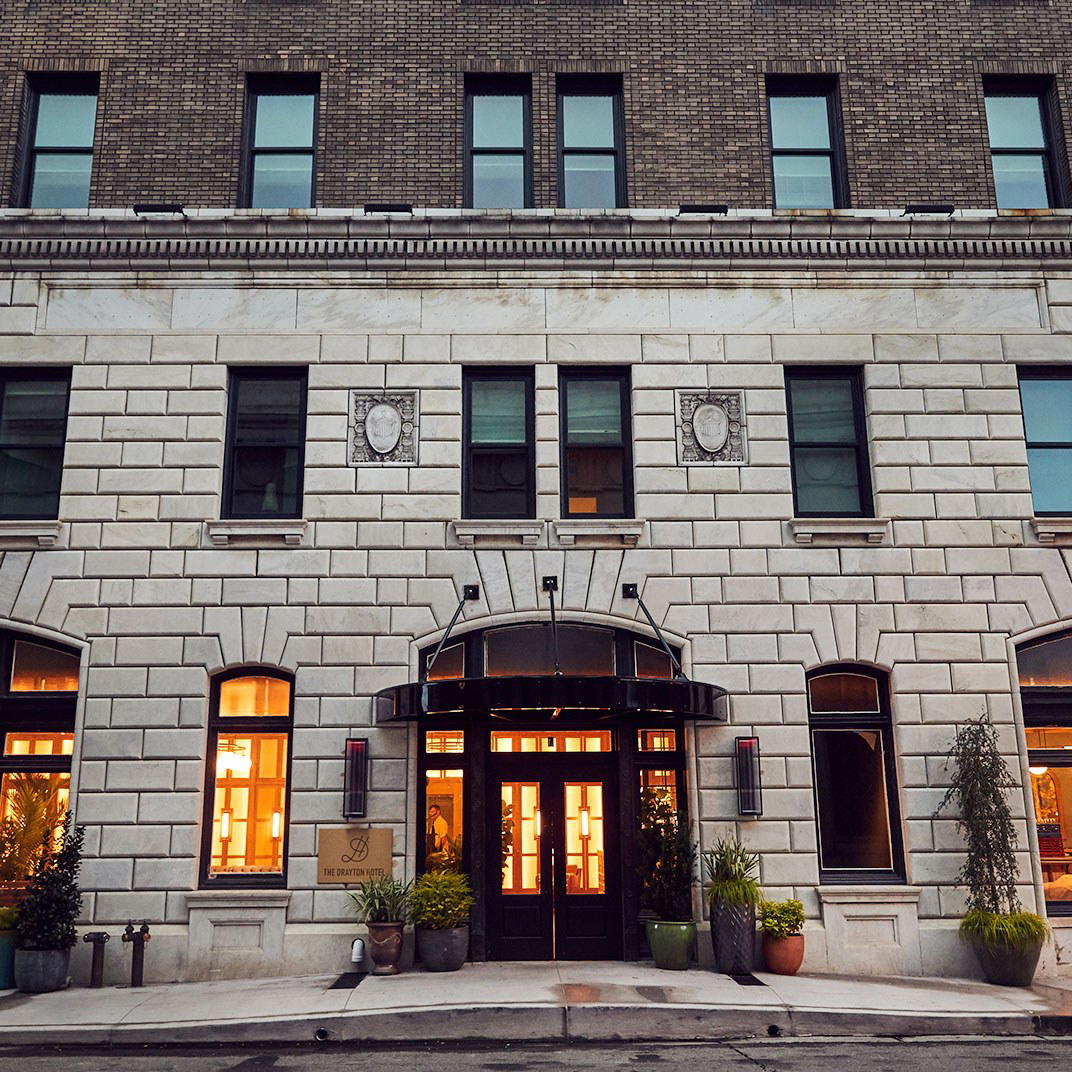
| The Drayton Hotel | Contemporary boutique hotel blending stately 19th-century stone exteriors with fresh, imaginative modern interiors in a historic district setting. | $$$$ | Historic District |
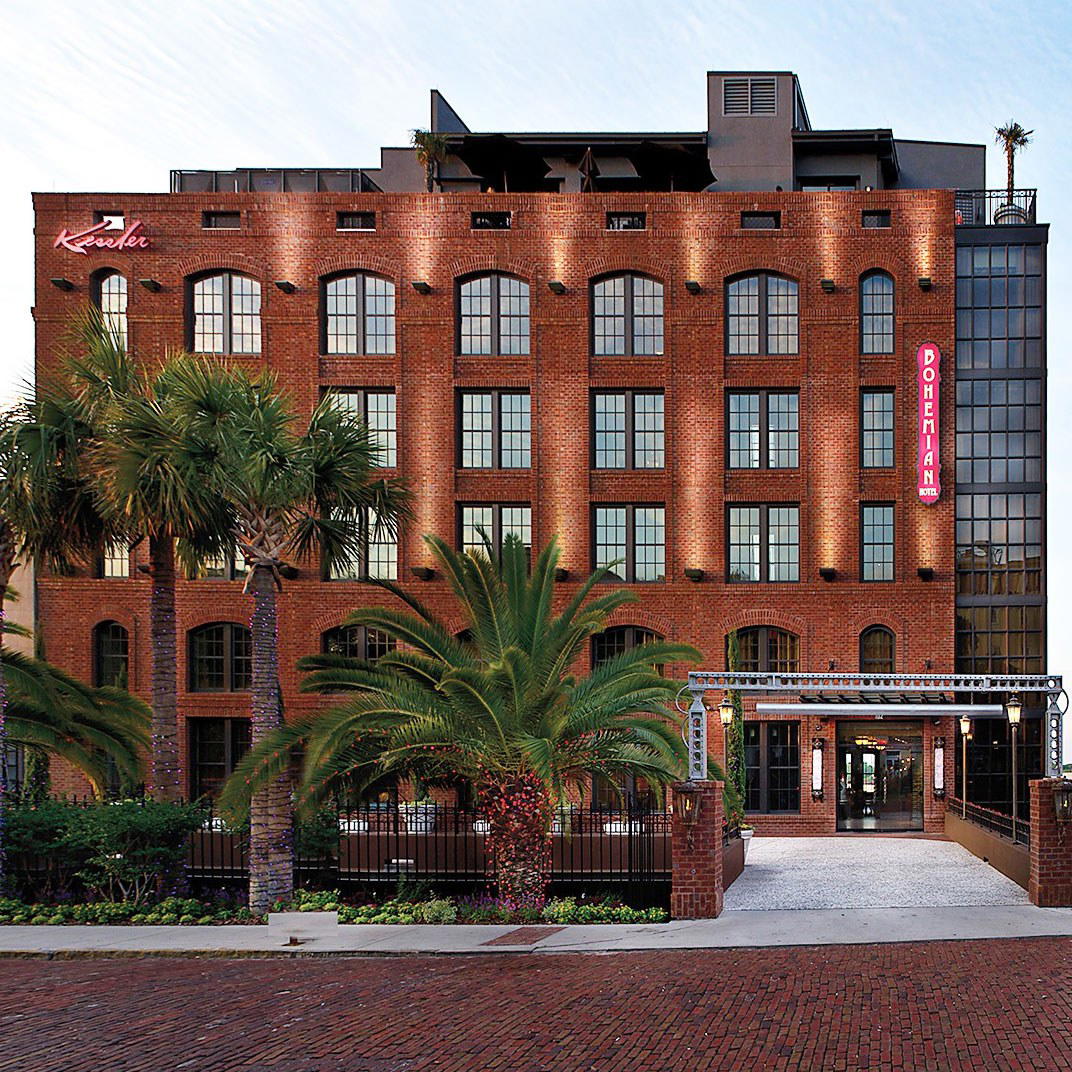
| The Bohemian Hotel Savannah Riverfront | Boutique hotel blending mid-18th century grandeur with contemporary luxury and chic modern style in a converted historic mill. | $$$ | Historic District |
| Thompson Savannah | Contemporary luxury urban hotel with midcentury modern design elements and artistic curation, positioned as a sophisticated riverfront destination. | $$$$ | Historic District/Eastern Wharf |
| Kimpton Brice Hotel | boutique luxury in historic landmark | $$$ | Historic District |
| Andaz Savannah | Boutique hotel blending Southern charm with contemporary luxury. | $$$$ | Historic District |
At a Glance
- Modern
- Sophisticated
- Elegant
- Energetic
- Business Trip
- Group Retreat
- Celebration
- Weekend Escape
- Panoramic View
- Design Destination
- Pool
- Fitness Center
- Concierge
- Business Center
- Room Service
- Waterfront
- Pool
- Fitness Center
- Concierge
- Business Center
- Room Service
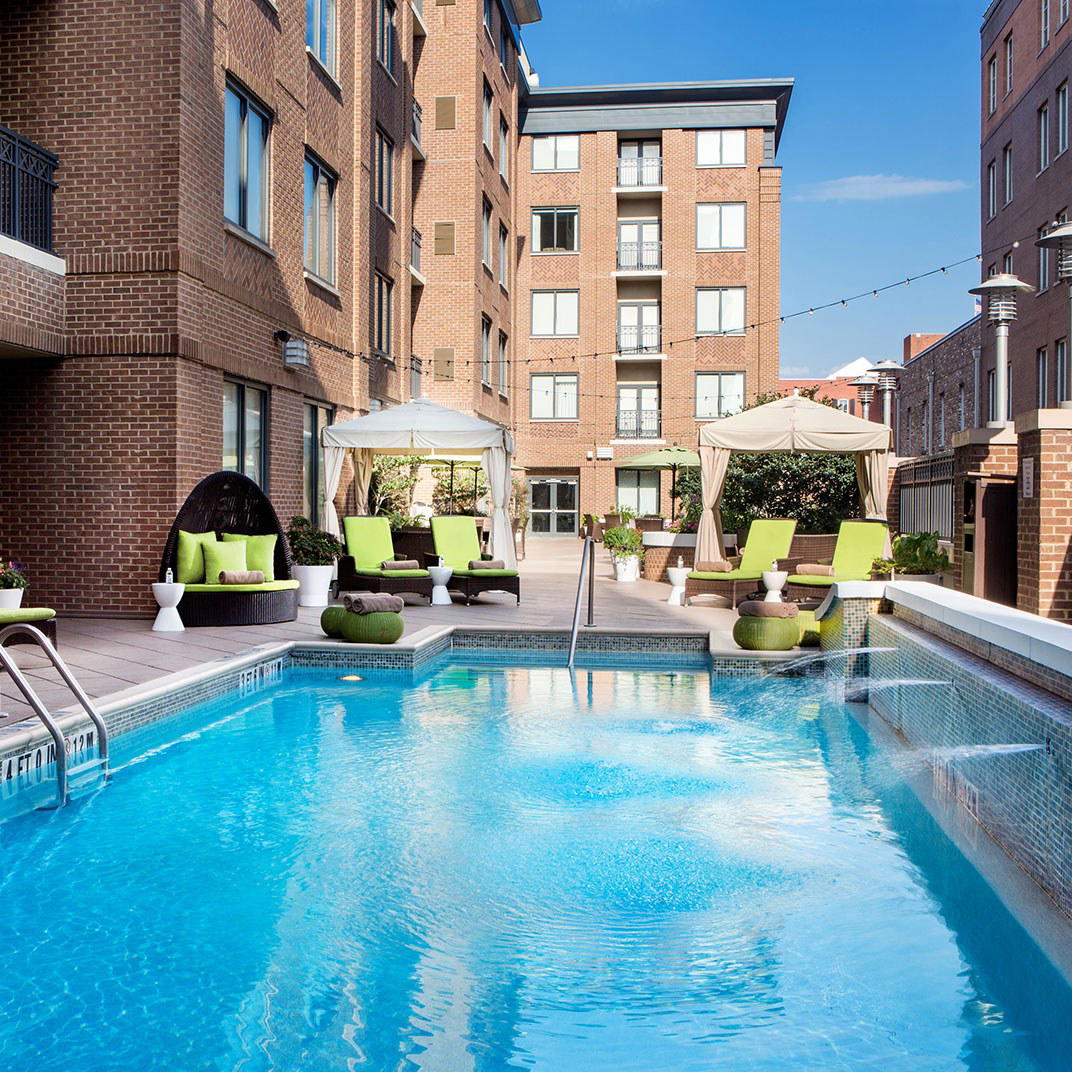
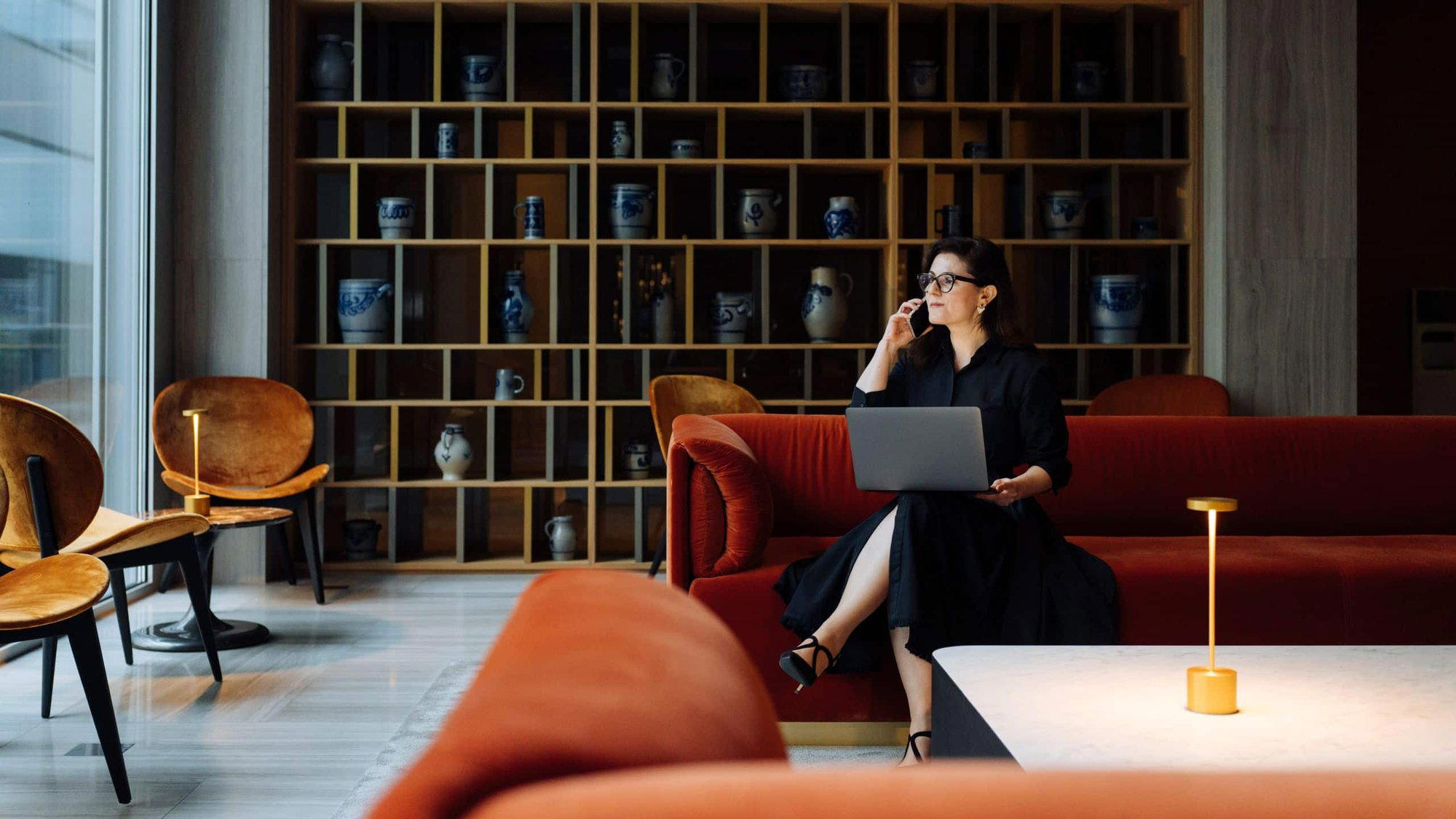
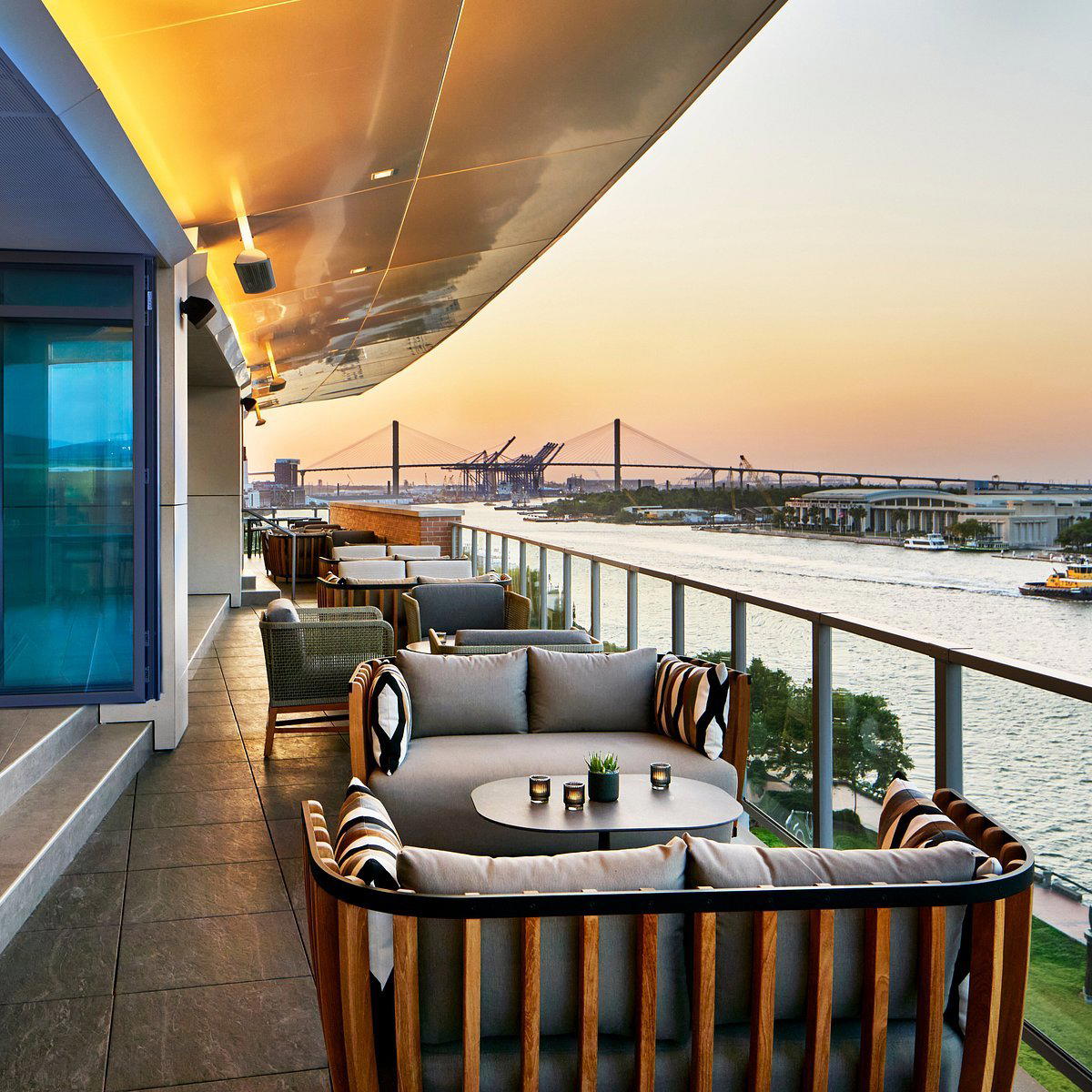
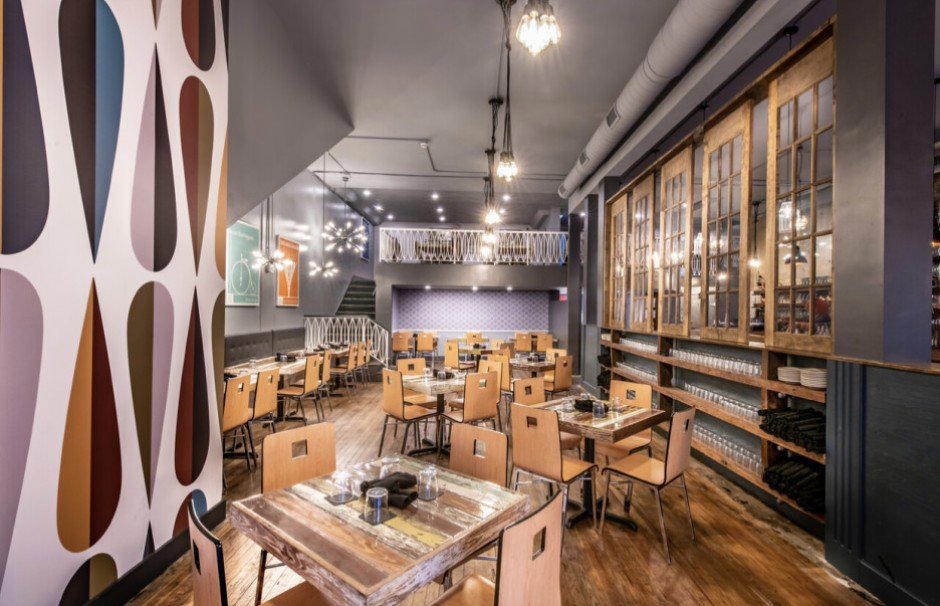
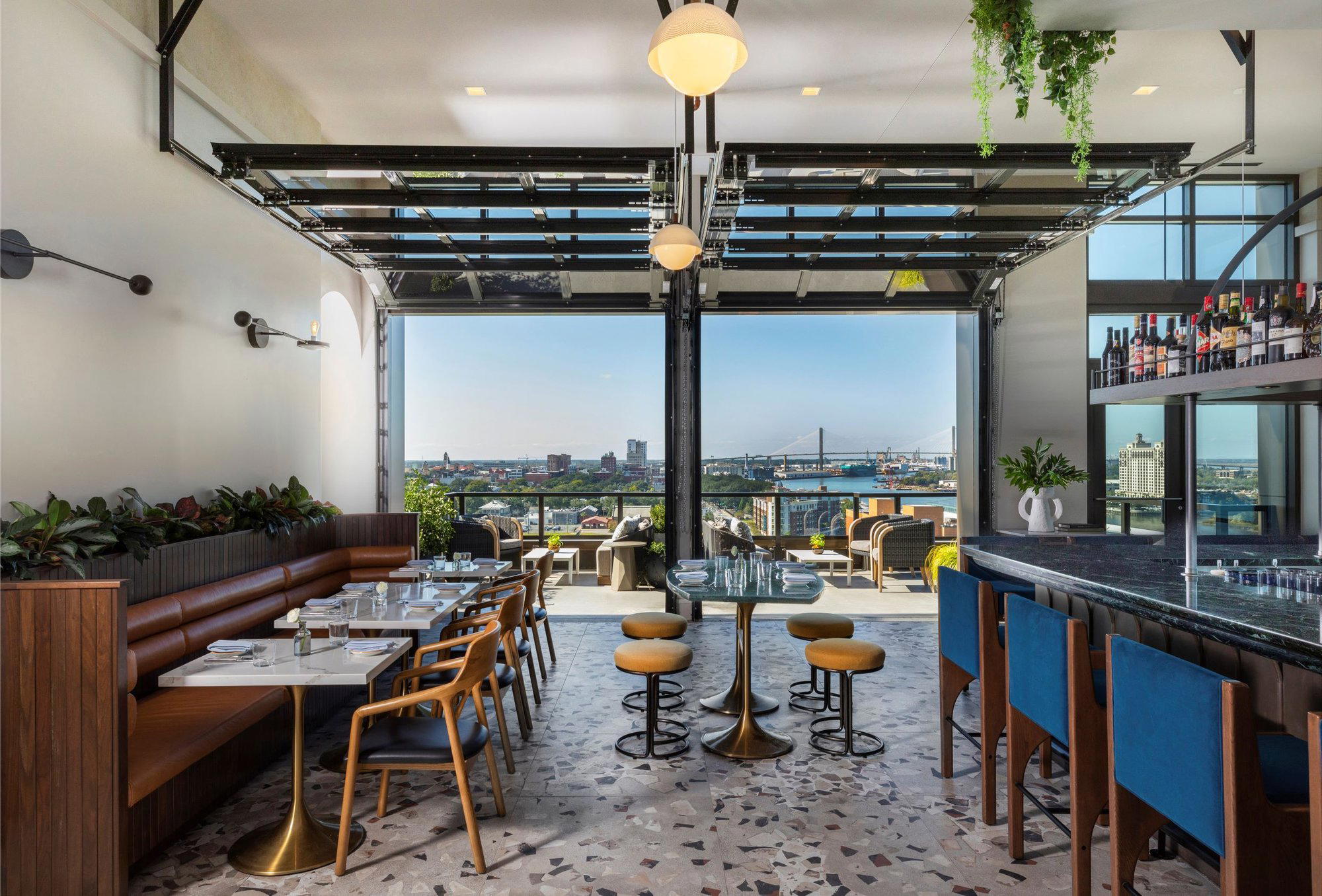
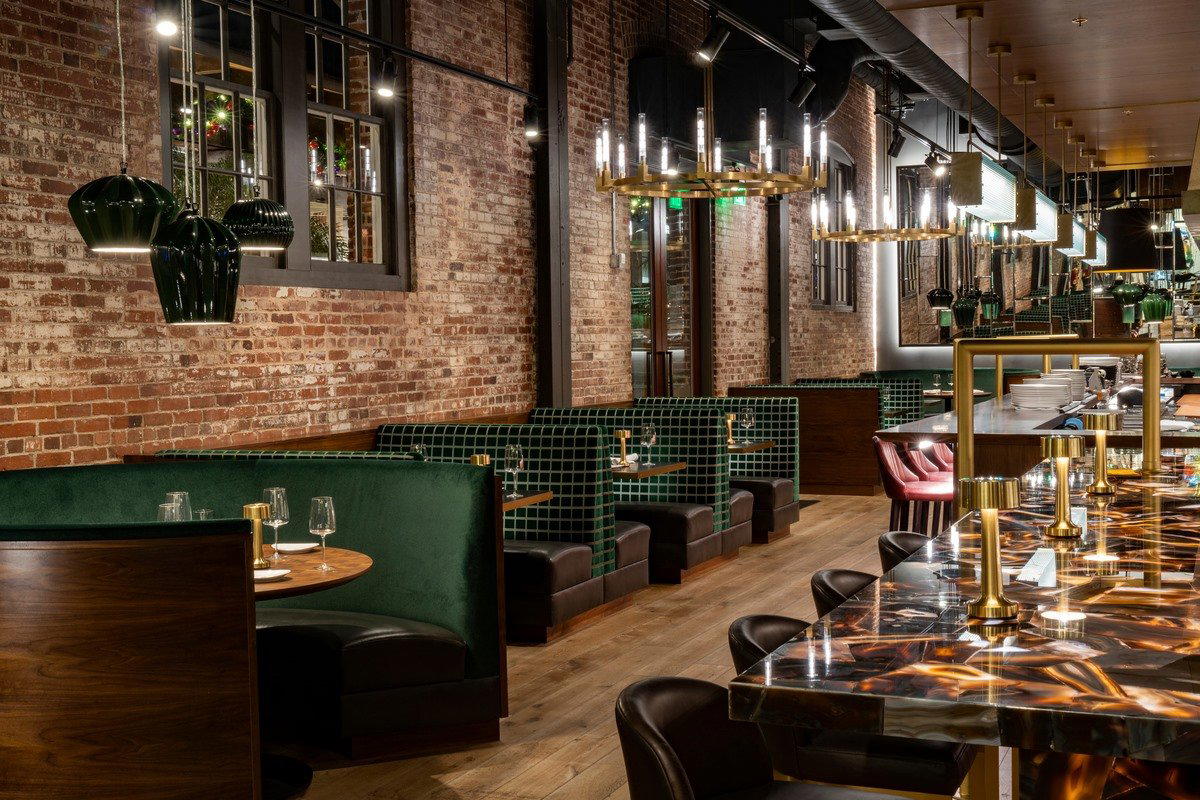
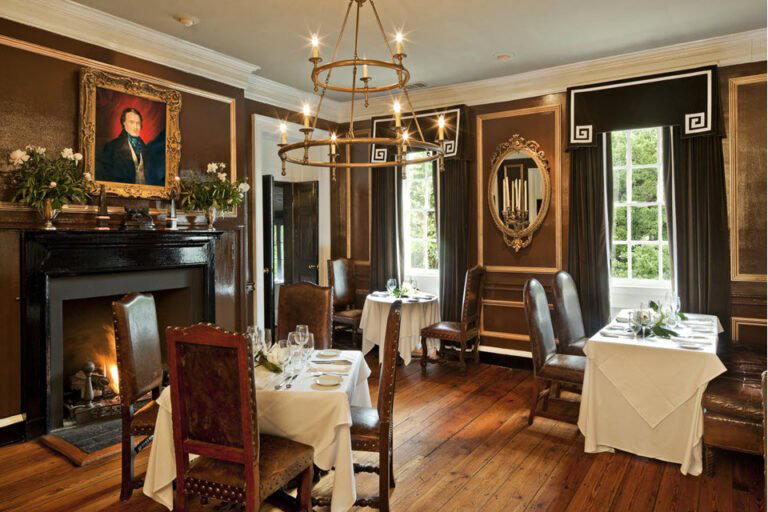
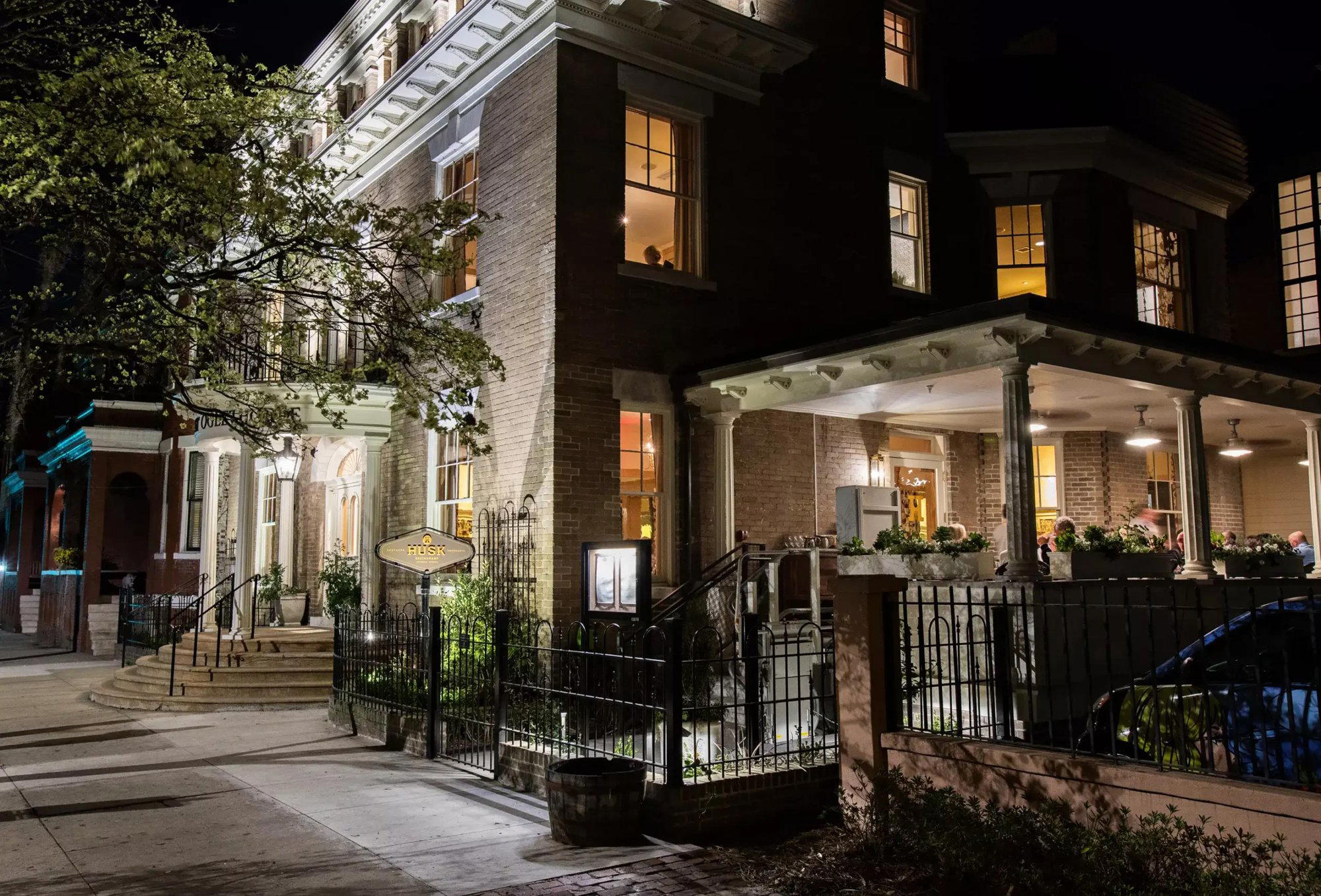
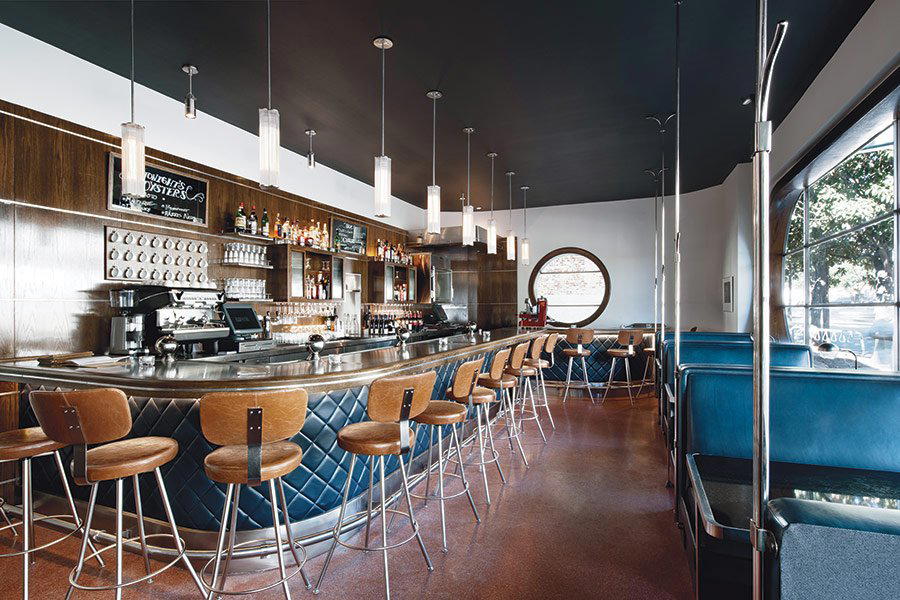
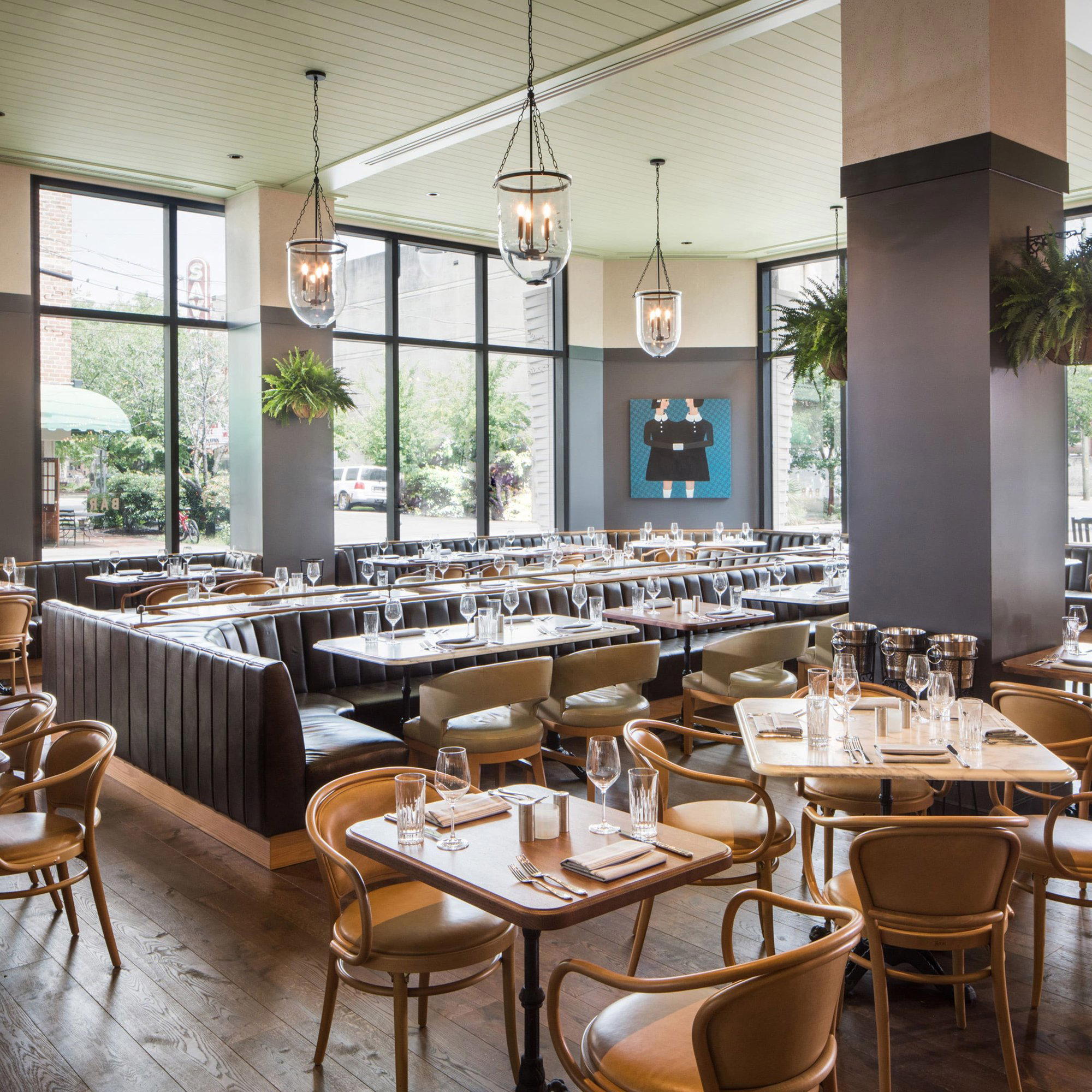
A grand, locally inspired arrival experience with lush landscaping, modern open-concept design, high-end finishes, and a polished meetings-and-events atmosphere.