Powfoulis Manor
Powfoulis Manor sits in Falkirk’s quieter hospitality register, where historic domestic architecture matters more than spectacle. With public venue data limited, the sensible reading is architectural and contextual: place it alongside Scotland’s manor-house and country-hotel tradition, then plan directly with the property before relying on assumptions about dining, pricing, or access.

Pearl is the En Primeur Club membership app, where members save venues, book tables and use the concierge.
First impressions: Falkirk through a manor-house lens
Approaching a manor house in central Scotland changes the rhythm of a trip before the door opens. The scale is domestic rather than civic, the mood slower than a city hotel lobby, and the architecture carries a different kind of authority: not height, neon, or brand signage, but proportion, threshold, and the sense that rooms were arranged for arrival, pause, and conversation. In Falkirk, that matters. This is not Edinburgh’s set-piece hotel theatre or Glasgow’s townhouse polish. The town sits in a practical belt between the two cities, better known to many travellers for canals, industrial heritage, and day-trip logistics than for a thick luxury-hotel circuit. Powfoulis Manor belongs to a category where the building itself is the first editorial fact.
That makes the venue easier to understand as part of Scotland’s broader manor-house tradition than as a conventional hotel, restaurant, or bar listing. Public data supplied for Powfoulis Manor does not confirm a cuisine type, chef, price range, star rating, awards, room count, website, phone number, or booking method. Those gaps should not be treated as empty space to decorate with invented detail. They are part of the planning reality. A traveller weighing Falkirk against more established luxury-hotel bases should read the property through context first: historic setting, local geography, and the quieter appeal of a manor format in a town better associated with movement than lingering.
Why architecture carries the argument here
British manor-house hospitality has always sat between private residence and commercial welcome. Its appeal depends less on a checklist of amenities than on how a building edits behaviour. Corridors slow people down. Drawing-room proportions encourage low voices. Dining, when offered, tends to feel different from restaurant dining because the room is not a blank commercial stage.
Falkirk gives that expectation a useful counterpoint. The area’s major visitor narratives are built around engineering and landscape intervention, from the canal network to the large-scale public art and infrastructure that has helped redraw the town’s tourism profile. Against that, a manor house reads as a smaller-scale experience: heritage as habitation rather than spectacle. That contrast is the reason Powfoulis Manor is more interesting editorially than a sparse data record might suggest. It places a historic domestic form inside a town whose visitor economy is often discussed through motion, access, and day itineraries.
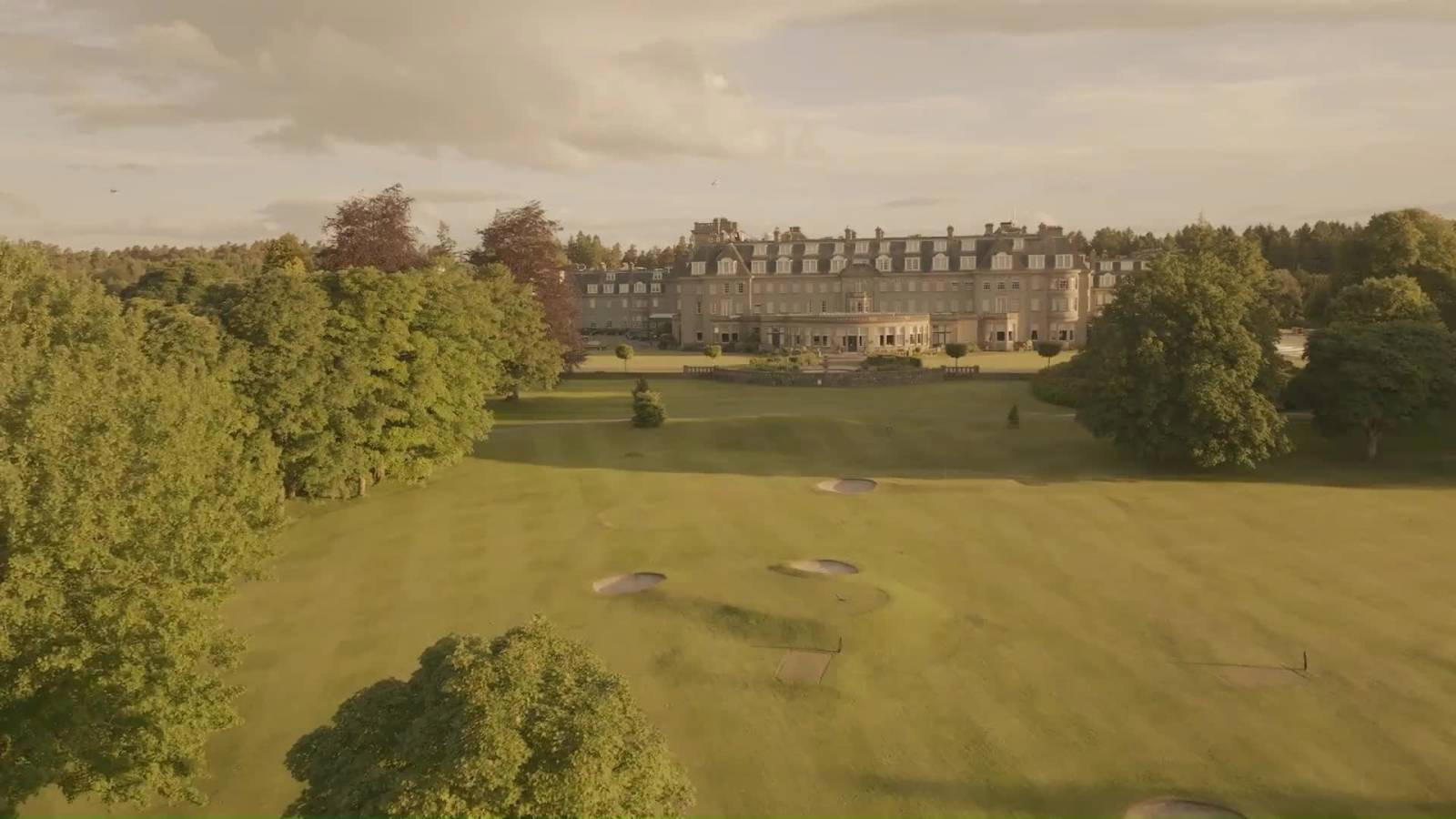
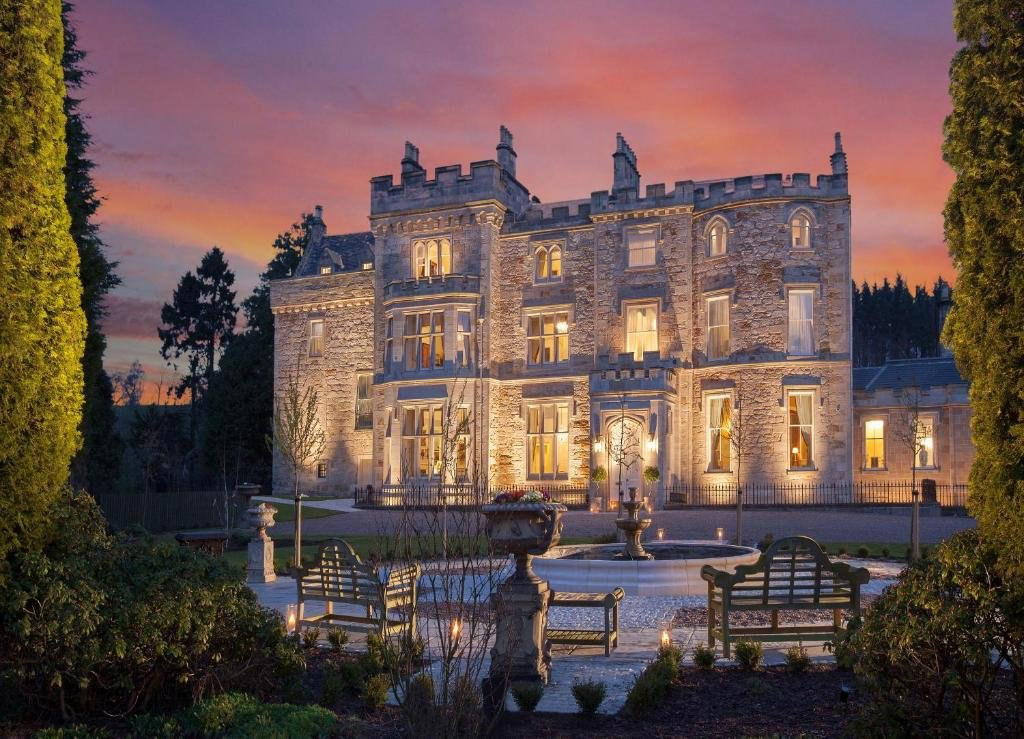
Scotland has several parallel models: estate hotels with sporting culture, city townhouses shaped by restaurant and bar programs, coastal lodges built around remoteness, and restored manor houses where architectural intimacy does the work. For a more resort-led expression, Gleneagles in Auchterarder sits in a different register, with scale and reputation operating as part of the proposition. For a castle-hotel comparison, Crossbasket Castle in High Blantyre frames heritage through a more formal luxury vocabulary. Powfoulis Manor, by contrast, should be approached as a Falkirk-specific historic-property question until verified practical details say otherwise.
The Falkirk context: a stopover town with sharper edges than it gets credit for
Falkirk’s geography matters. It is positioned for travellers moving across central Scotland rather than those committed to a single-city stay. That transit identity affects hospitality demand: properties here often serve guests who want access without urban density, history without a museum-hotel script, and a base that can handle short stays, local visits, or events.
The town also sits outside the usual luxury-hotel conversation. Edinburgh has international visibility; Glasgow has a stronger dining-and-design hotel culture; Perthshire and the Highlands supply estate fantasy. Falkirk’s interest is more specific. It rewards travellers who understand central Scotland as a network rather than a postcard. A manor property here can work for those who value setting and regional access over lobby theatre. It will not suit travellers who need fully published facilities, online menus, or clearly signposted rates before making contact.
To place this within a wider Scottish itinerary, compare local categories before deciding. Hotel du Vin at One Devonshire Gardens in Glasgow uses the urban townhouse model, while The Rutland in Edinburgh belongs to a city-break grammar of centrality, restaurants, and nightlife within walking reach. Kilchoan Estate in Inverie and Langass Lodge in Na H Eileanan An Iar point toward remoteness as the luxury. Powfoulis Manor’s Falkirk setting suggests a different proposition: heritage near the hinge of the country’s central belt.
How to read a sparse hotel record without overclaiming
Luxury travel writing often fails when it fills silence with fantasy. It does not confirm awards, price, star rating, address, phone, website, cuisine type, chef, hours, or booking method. That is not a minor technicality. Awards would place the property within a recognized external hierarchy. Price would clarify whether it competes with boutique inns, destination country houses, or event-led private-use venues. A published website or phone number would change the planning advice. None is supplied here, so the responsible reading stays with category and context.
That restraint does not make the venue irrelevant. It changes the kind of confidence available. The confirmed trust signal is contextual rather than award-based: a named manor property in Falkirk, a town with a distinctive central-Scotland position and a visitor profile shaped by access, heritage, and engineering landmarks. For travellers accustomed to data-rich hotel pages, this is a cue to slow down.
EP Club’s broader Falkirk coverage can help frame the decision. Start with Our full Falkirk hotels guide for accommodation context, then use Our full Falkirk restaurants guide and Our full Falkirk bars guide to judge whether the town’s dining and drinking rhythm matches the trip. If the visit is built around daytime programming rather than overnight comfort, Our full Falkirk experiences guide is the better starting point. Wine-led travellers should also check Our full Falkirk wineries guide, though Falkirk should not be mistaken for a classic wine-region base.
Design comparisons: where Powfoulis Manor sits in the wider country-house conversation
The useful comparison is not simply Scotland against England, but format against format. Lime Wood in Lyndhurst reads through the lens of New Forest country-house leisure, while Estelle Manor in North Leigh reflects the contemporary private-club-country-house crossover. The Newt in Somerset in Castle Cary shows how estate hospitality can become a complete agricultural, design, and visitor ecosystem. That difference is instructive.
In hotel terms, a heavily documented property asks to be judged by execution. A lightly documented manor asks to be judged first by fit. Does the traveller want a Falkirk base? Is the trip about central-belt access rather than a resort calendar? Is historic domestic scale more appealing than a hotel with a deep published amenity list? These questions matter more here than chef lineage, tasting menus, or bar awards, none of which are confirmed.
International comparisons sharpen the point. The Savoy in London, Hôtel de Paris Monte-Carlo in Monte Carlo, and Badrutt's Palace Hotel in St. Moritz operate through public myth, scale, and long-established luxury codes. A manor in Falkirk cannot be read through that same lens without distortion. It belongs to a quieter British habit: finding character in domestic architecture, regional placement, and the ability to make a stopover feel less transactional.
Dining, service, and the limits of the record
No cuisine type, chef name, signature dishes, hours, or restaurant awards are supplied for Powfoulis Manor. That means the dining program cannot be described responsibly. There is no basis here for naming a kitchen style, claiming seasonal produce, describing a breakfast room, or promising a bar. Travellers who need confirmed food and drink information should verify before arranging a stay or visit, especially if the trip depends on a meal rather than accommodation or event use.
This is where Falkirk planning becomes practical. A manor-house stay can be satisfying even when dining is handled elsewhere, provided the surrounding area supports the itinerary. The town’s restaurant and bar options should be checked independently, particularly for late arrivals, Sunday evenings, or special occasions.
For readers building a broader food-and-hotel route, the British country-house field offers several useful contrasts. Farlam Hall Hotel & Restaurant in The Lake District signals the hotel-restaurant model directly in its positioning. The Vineyard Hotel & Spa in Newbury points to wine and spa associations through its published identity. Longueville Manor in Jersey sits within an island-hospitality context where food, gardens, and service culture tend to carry weight.
Who should consider it, and who should look elsewhere
Powfoulis Manor is likely to interest travellers who place value on setting, period character, and Falkirk’s position between larger Scottish draws. It suits a trip where the accommodation choice is part of the mood rather than a checklist of published amenities. It is less suitable for travellers who need confirmed star ratings, restaurant credentials, prices, or instant online booking confidence before shortlisting.
The comparison set can help clarify taste. Guests who want maritime contemporary luxury might look toward Muir, A Luxury Collection Hotel, Halifax in Halifax. Those drawn to compact coastal character might compare Antonia's Pearls in Charlestown Harbour. A more design-forward aviation-era hotel grammar appears at Aviator Hotel in Farnborough. Golf-and-coast travellers may find a clearer public proposition at Dunluce Lodge in Portrush. In New York, The Fifth Avenue Hotel in New York City shows how dense urban design hotels use maximal visual identity and neighbourhood energy. Powfoulis Manor should not be forced into any of those categories. Its value, if it fits the trip, is quieter and more regional.
Planning notes for Powfoulis Manor
Confirm the exact location, access arrangements, availability, and any dining or event provisions through a reliable current source before travelling. Do not assume walk-in access, public dining, or hotel-style reception hours from the name alone.
For timing, Falkirk works well as part of a central-Scotland itinerary rather than a single-purpose luxury escape. Travellers pairing heritage sites, canal infrastructure, and regional touring may find the town’s position practical. Those seeking a fully signposted resort stay, published spa programming, or award-led dining should compare against data-rich hotels first, then decide whether a manor setting in Falkirk offers the right trade-off.
Comparable venues nearby, for context on price, style, and recognition.
| Venue | Cuisine | Price | Awards | Notes |
|---|---|---|---|---|
| Powfoulis ManorThis venue (the venue you are viewing) | Historic Scottish country manor set within its own estate grounds, operating as a small hotel with restaurant and event spaces. | Not listed | Not listed | Not listed |
| Hotel du Vin | luxury boutique in converted historic asylum | $100–200 | Michelin Selected | Lauriston |
| The Derby | Contemporary reimagined office building inspired by London's banking heritage and bowler hat iconography. | Not listed | Not listed | City of London |
| Thornton Hall Hotel & Spa | luxury country house hotel | $100–200 | Michelin Selected | Thornton Hough |
| Titanic Hotel Liverpool | historic warehouse converted into contemporary luxury hotel | $200–300 | Michelin Selected | Stanley Dock |
| The Adria | Hotel | Not listed | 1 Michelin Key · Leading Hotels of World Member | Earl's Court |
Continue exploring
More in Falkirk
Hotels in Falkirk
All hotels in Falkirk →
Bars in Falkirk
All bars in Falkirk →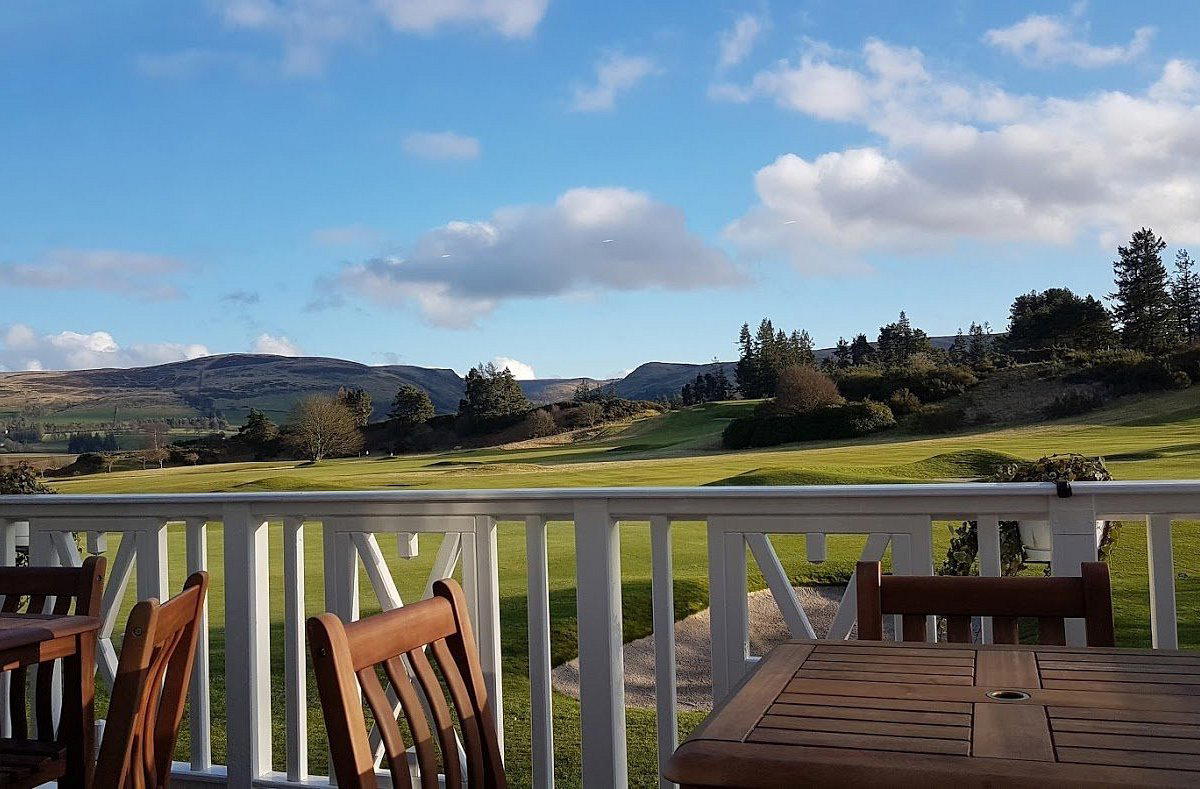
Restaurants in Falkirk
Browse all →
Wineries in Falkirk
Browse all →
Details
- Classic
- Quiet
- Elegant
- Scenic
- Romantic
- Wedding
- Celebration
- Corporate Event
- Weekend Escape
- Romantic Getaway
- Historic Building
- Garden
- Terrace
- Wi Fi
- Restaurant
- Garden
- Wheelchair Accessible
- Accessible Parking
Quiet, countryside manor atmosphere with a blend of Scottish heritage and contemporary elegance; guests describe a tranquil setting with landscaped grounds and views over the estate and toward the Firth of Forth.