Cromlix Hotel

2 Michelin Keys
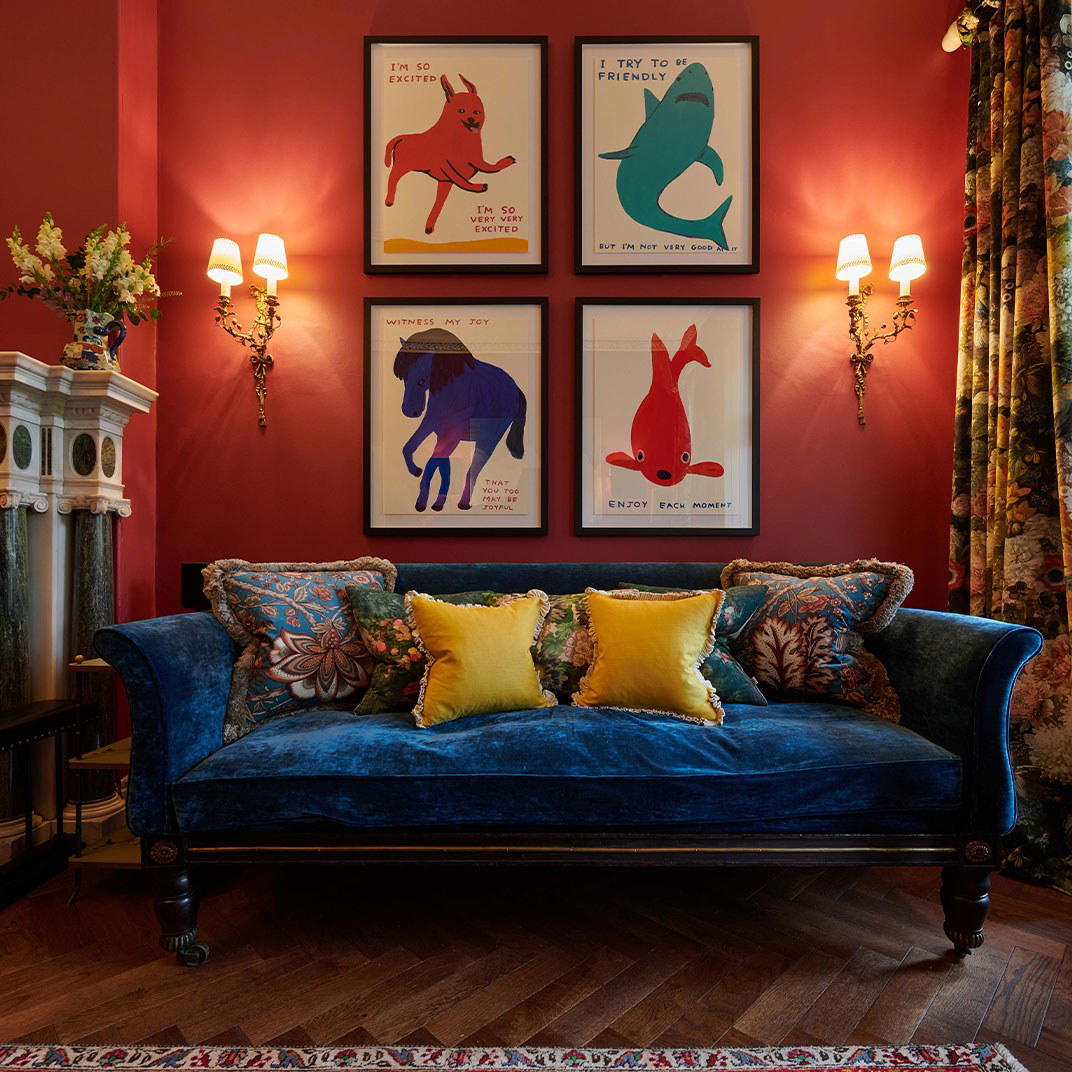
There’s often good reason to be skeptical about hotels with celebrity connections, but it’s plain that this one is a labor of love, the Scottish tennis champion Sir Andy Murray grew up in Dunblane, the next town over, so when Cromlix, a family favorite, came on the market, he jumped at the chance. And what’s most surprising for a classic hotel with a young celebrity owner is just how traditional Cromlix remains. Traditional, but not old-fashioned. It’s a proper Victorian-era country house, built in 1880, and while it’s been updated, most recently by designer Suzanne Garuda, the basic character of the place is left substantially intact. Intact, but never exaggerated; there are Scottish luxury hotels that go in for heavy tartan kitsch, but this is not one of them. (The suites are named for famous Scots, but that’s as far as it goes.) Instead you’ll find a lively and colorful modern-classic country-house hotel, one that’s inspired by its 19th-century beginnings but free to evolve beyond them. With just ten rooms and five suites, it’s smallish, but when it comes to services, there’s nothing left out. All the classic country-house activities, from snooker to fishing to shooting, are present and accounted for, and there’s a tennis court as well, naturally, in Wimbledon green and purple. And there’s golf, Gleneagles is close by, as are a half-dozen other fine, if slightly less illustrious, clubs.

Pearl is the En Primeur Club membership app, where members save venues, book tables and use the concierge.
A Victorian Estate in the Central Belt's Quieter Country
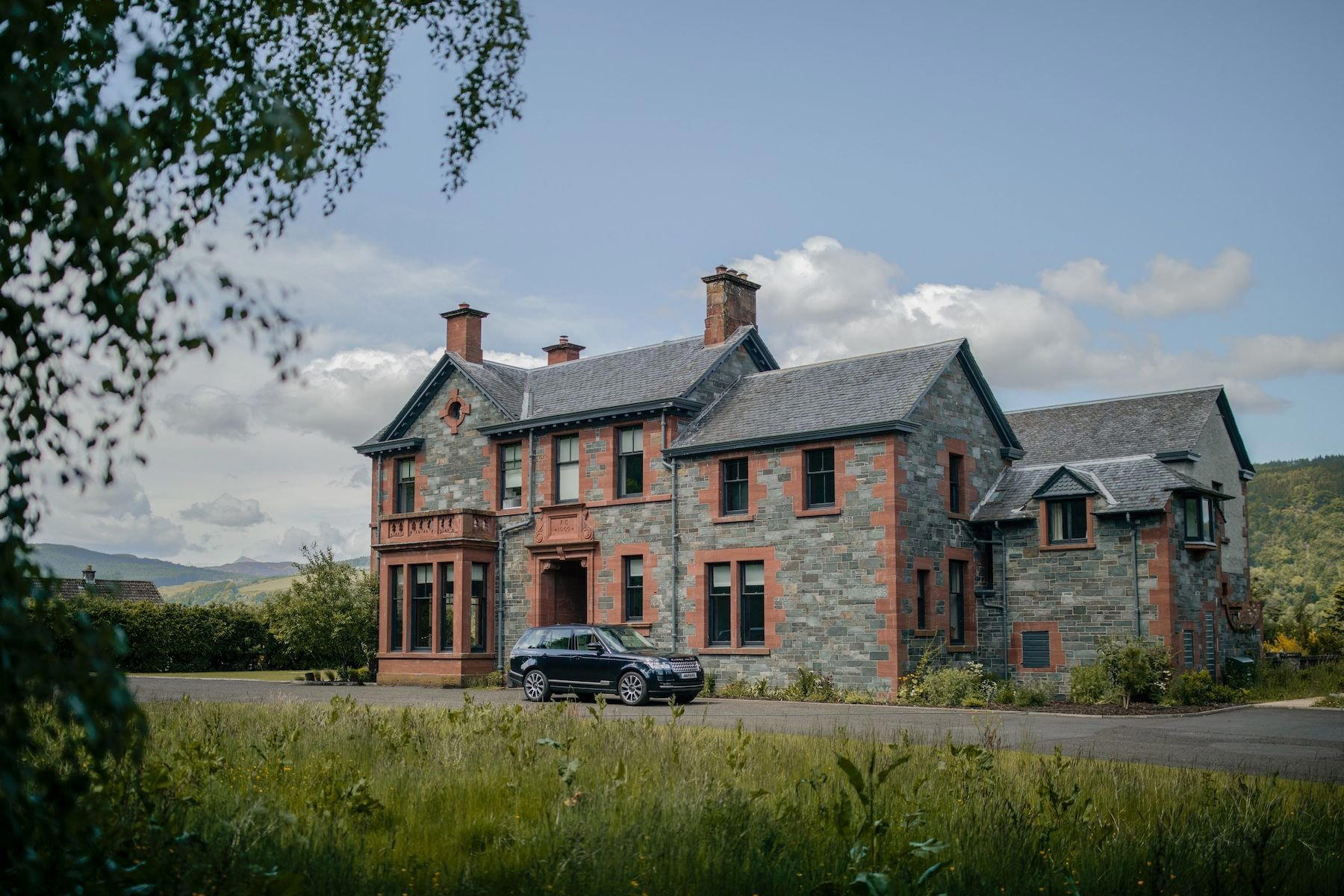
The approach to Cromlix sets a particular tone before you reach the front door. Mature woodland flanks the private drive, the noise of the A9 corridor drops away, and the house itself arrives as a statement of late-Victorian confidence: sandstone facades, pitched gables, and the kind of proportions that were designed to impress arriving guests from some distance. That architectural ambition has not softened with time. Cromlix operates as a country house hotel in Stirlingshire, the stretch of Scotland that sits between the urban pull of Glasgow and Edinburgh to the south and the Highland approaches to the north, and the building reads as a product of that intermediate geography: grander than a shooting lodge, more intimate than the palatial-scale properties that define the top tier of Scottish country hospitality.
In 2025, Michelin awarded Cromlix a One Key distinction under its hotels programme, a recognition that sits the property within a select tier of UK country house hotels judged on the quality of the guest experience rather than room count or amenity breadth alone. For context on what that signal means within the Scottish market: very few properties in the Central Belt carry Michelin hotel recognition, with the category dominated by larger Highland and island retreats. Cromlix holding that distinction in Stirlingshire positions it as the area's most formally credentialled country house stay. For comparable Michelin-recognised Scottish properties, Gleneagles in Auchterarder occupies a different tier entirely, with a resort scale and international profile that makes direct comparison awkward. Cromlix operates at a more contained, house-party register.
What the Architecture Is Actually Doing
Victorian country house hotels in Scotland present a recurring tension: the original buildings were designed around a social logic, a hierarchy of public rooms, servants' quarters, and guest wings that does not map cleanly onto contemporary hospitality. Properties that resolve this tension tend to do so in one of two directions. They either modernise aggressively, gutting period interiors to install a design-led aesthetic that treats the shell as backdrop, or they preserve the original spatial sequence and lean into the formal country house idiom. Cromlix takes the second path. The result is a guest experience organised around the rhythm of a Victorian estate house, with public rooms that carry genuine period character rather than reconstructed period character, a distinction that matters more than it sounds.
The chapel on the grounds is one of the details that places Cromlix in a specific architectural register. A functioning private chapel attached to a hotel is rare enough in Scotland to constitute a genuine distinguishing feature, and its presence signals the original estate's scale and pretension. It is now used for weddings and private events, which accounts for a significant portion of Cromlix's positioning in the premium events market. The building reads, in other words, as a complete Victorian estate composition rather than a country house that has had its ancillary structures repurposed or removed. That coherence is harder to maintain than it looks, and it shapes the guest experience in ways that go beyond aesthetics: the sense of moving through a designed, purposeful set of spaces rather than a collection of hotel rooms with shared corridors.
For guests orienting Cromlix against other design-serious UK country house hotels, Estelle Manor in North Leigh and The Newt in Somerset both represent the modernised-interiors approach, where the estate grounds provide heritage context while the interiors are reworked for contemporary comfort. Cromlix sits closer to the opposite end of that spectrum. Lime Wood in Lyndhurst represents a third approach, with a more deliberate blend of Georgian core and contemporary country-cool additions. None of these are direct peers, but the comparison helps locate Cromlix's particular architectural stance.
Stirlingshire as a Base: What the Location Offers
Stirlingshire is not a destination that generates the same level of travel interest as the Highlands or the Edinburgh-Glasgow corridor, which is part of why a Michelin-recognised property here occupies something of a gap in the market. Stirling Castle, the Wallace Monument, and the Trossachs National Park are all within reach, giving the area legitimate claim as a cultural and landscape base. The practical geography is also useful: Edinburgh Airport sits roughly forty minutes south by car under normal conditions, Perth is accessible to the northeast, and the Loch Lomond and The Trossachs National Park boundary begins close enough to the north that day access to Highland scenery is direct without requiring a full Highland drive.
For travellers routing through Scotland who want a country house stay that avoids the more heavily trafficked Perthshire or Speyside circuits, Stirlingshire represents a credible alternative. The area lacks the whisky tourism infrastructure of Speyside, covered in different form by properties like Whisky Lodges (Coleburn) in Longmorn, but that absence works in favour of a quieter, less programmatic stay. For guests who want coastal remoteness rather than inland estate, Kilchoan Estate in Inverie and Langass Lodge in Na H-Eileanan An Iar represent a different register of Scottish rural hospitality entirely. See our full Stirlingshire restaurants guide for dining context across the wider area.
Where Cromlix Sits in the Scottish Country House Market
The Scottish country house hotel category has stratified sharply over the past decade. At one end, large resort properties with spa facilities, multiple dining formats, and international marketing budgets compete for a global luxury audience. At the other, smaller estate properties with limited room counts operate on reputation, repeat guests, and word-of-mouth referrals. Cromlix sits in the second group. Its Michelin Key recognition for 2025 provides a formal quality signal that the smaller, quieter end of the market often lacks, and that distinction should matter to travellers choosing between properties where brochure quality and website design make objective comparison difficult.
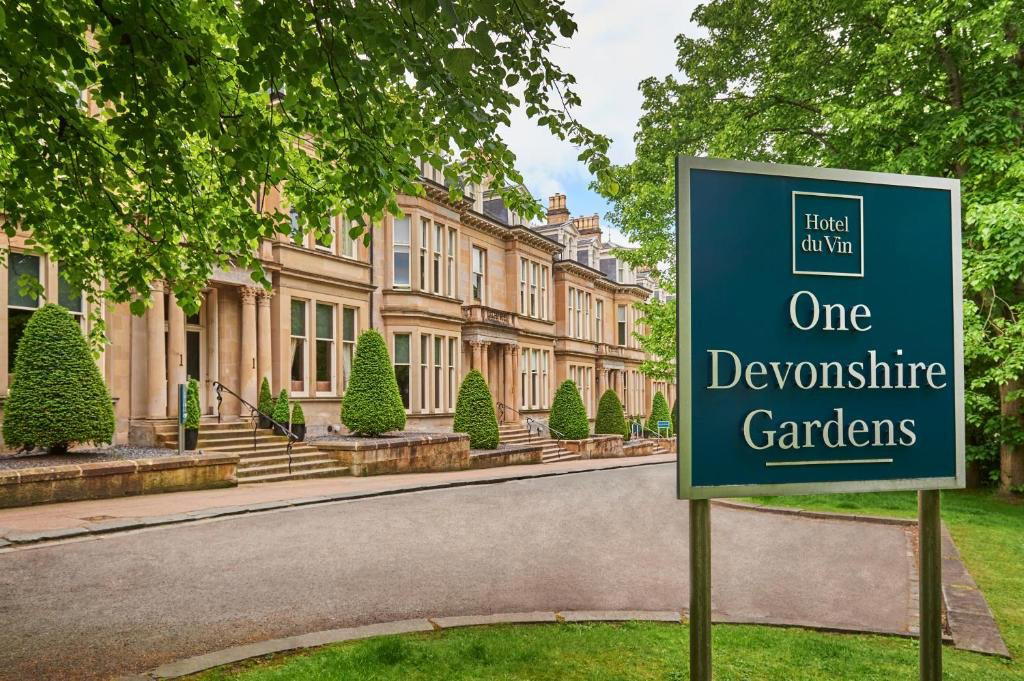
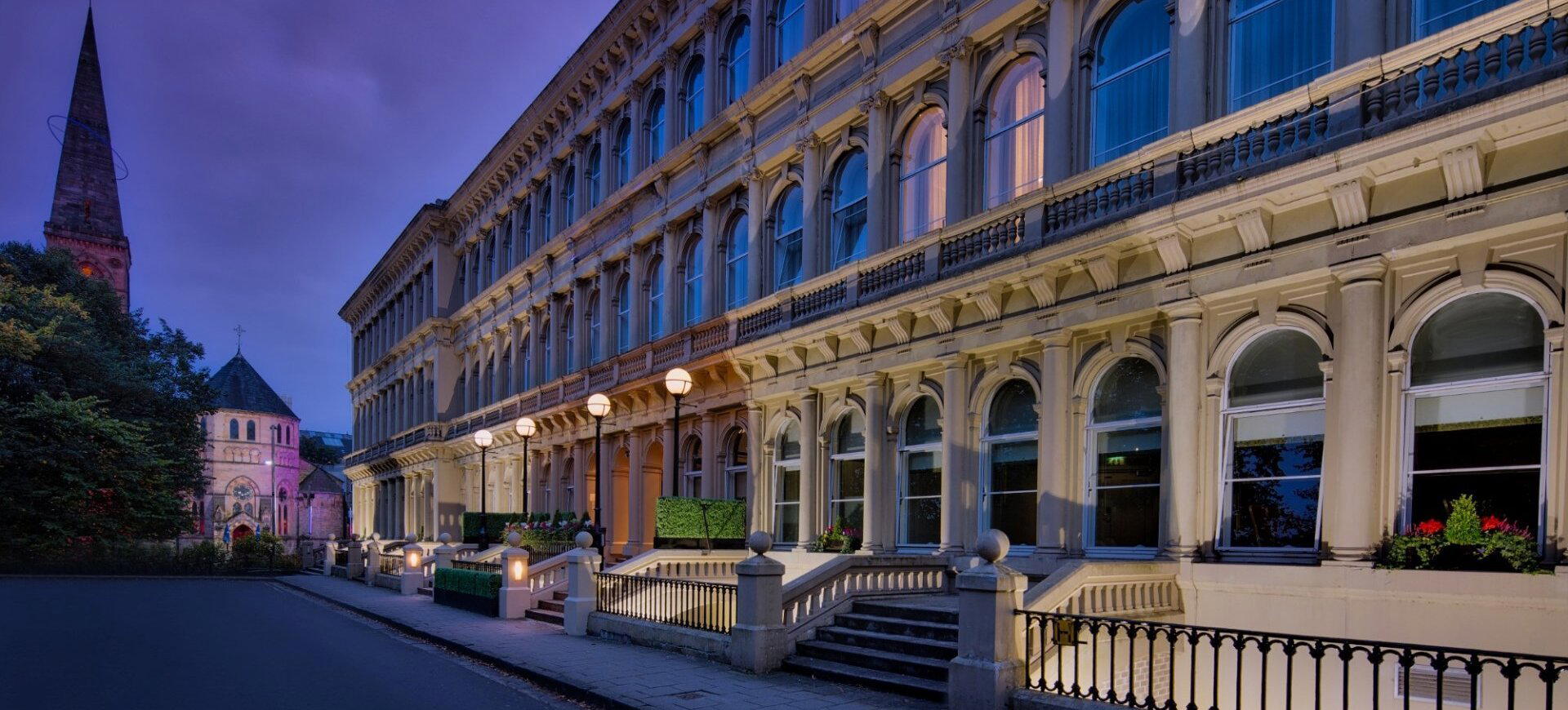
The closest Scottish urban alternatives, The Rutland in Edinburgh and Hotel du Vin at One Devonshire Gardens in Glasgow, offer city-based boutique stays with their own character, but neither provides the estate-house spatial experience that defines the country house category. Crossbasket Castle in High Blantyre represents a closer Scottish peer in the castle-conversion segment, though it operates at a smaller scale. For UK country house hotels operating at comparable intimacy outside Scotland, Farlam Hall Hotel and Restaurant in the Lake District and Longueville Manor in Jersey share the family-owned, formal-house register, each with their own regional character. For those considering international alternatives, Badrutt's Palace Hotel in St. Moritz and Hôtel de Paris Monte-Carlo belong to a different category of grand period hotels entirely, though the comparison illustrates where country house hotels sit in the broader taxonomy of historically significant properties.
Planning a Stay
Cromlix is located in Stirlingshire, Scotland. Given its event business, particularly weddings, weekend availability during peak summer months warrants early planning. Guests arriving by rail can reach Stirling station, the nearest mainline stop, from both Edinburgh and Glasgow in under an hour, after which a taxi or arranged transfer completes the journey to the estate. The property's website should be the first point of contact for current room availability and rates, as the hotel's boutique scale means room inventory moves faster than at larger resort properties. For guests building a wider Scottish itinerary, pairing Cromlix with an Edinburgh stop at The Rutland or extending northwest toward Highland properties provides natural routing options.
Comparison Snapshot
Comparable venues nearby, for context on price, style, and recognition.
| Venue | Cuisine | Price | Awards | Notes |
|---|---|---|---|---|
| Cromlix HotelThis venue (the venue you are viewing) | Victorian country house estate | $300–500 | 2 Michelin Keys | Not listed |
| Glencoe House | Historic luxury country house mansion with suites and lodges | $500–750 | Michelin Selected | Glencoe Village |
| Old Bank Hotel | Historic bank conversion with luxury boutique positioning | $200–300 | Michelin Selected | High Street |
| 45 Park Lane, Dorchester Collection | Contemporary luxury boutique hotel blending Art Deco heritage with modern design sensibilities | $1,500–2,500 | 2 Michelin Keys | Mayfair |
| Heckfield Place | Restored Georgian family home with contemporary interiors on a working estate | $750–1,000 | 2 Michelin Keys · La Liste Top Hotels | Heckfield |
| St. Pancras London | Victorian Gothic Revival heritage hotel blending historical grandeur with modern luxury | $300–500 | Michelin Selected · Forbes 4-Star | King's Cross |
Recognition history
Dated appearances from independent guides and award organizations, with the underlying list record or original source where available.
Michelin 2 Keys
Michelin
Full recognition history (2 entries)
Michelin 1 Key
Michelin
Continue exploring
More in Stirlingshire
Hotels in Stirlingshire
All hotels in Stirlingshire →
Bars in Stirlingshire
Browse all →
Restaurants in Stirlingshire
Browse all →
Wineries in Stirlingshire
Browse all →
Details
- Romantic
- Elegant
- Cozy
- Sophisticated
- Ornate
- Romantic Getaway
- Honeymoon
- Anniversary
- Weekend Escape
- Garden
- Historic Building
- Spa
- Room Service
- Concierge
- Garden
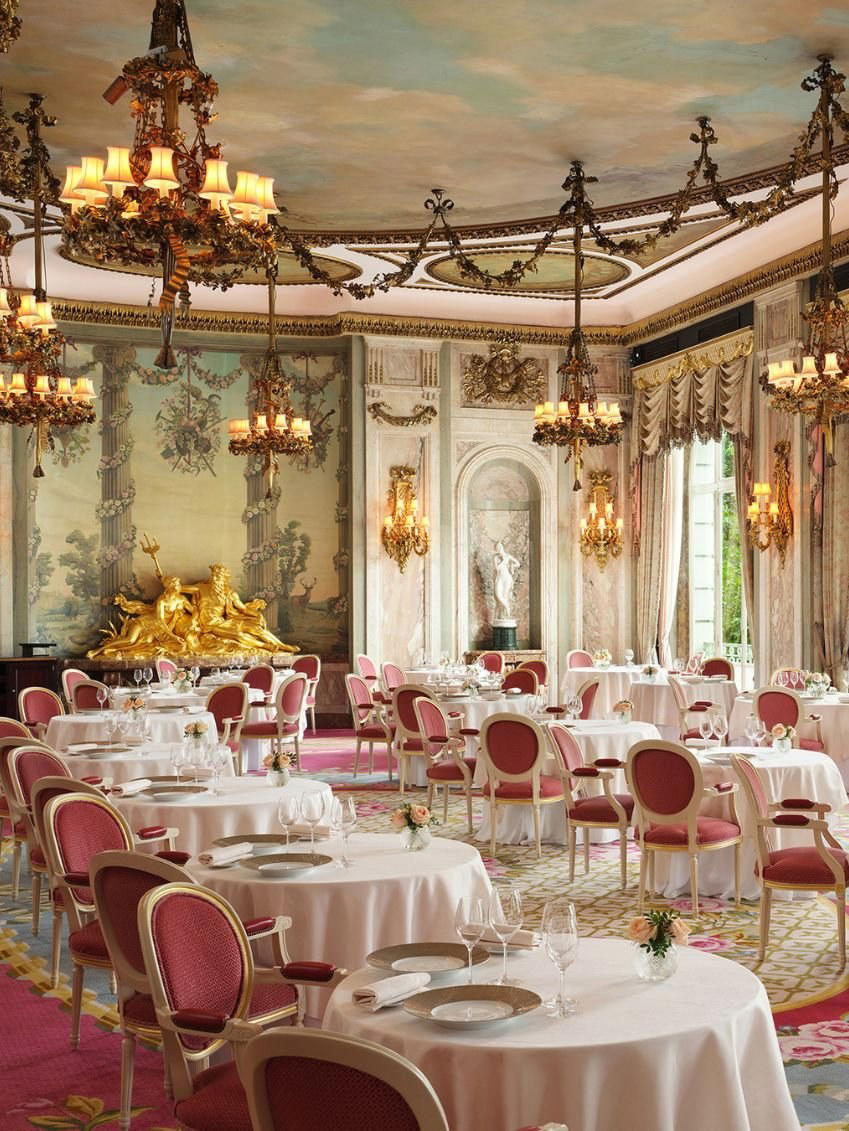
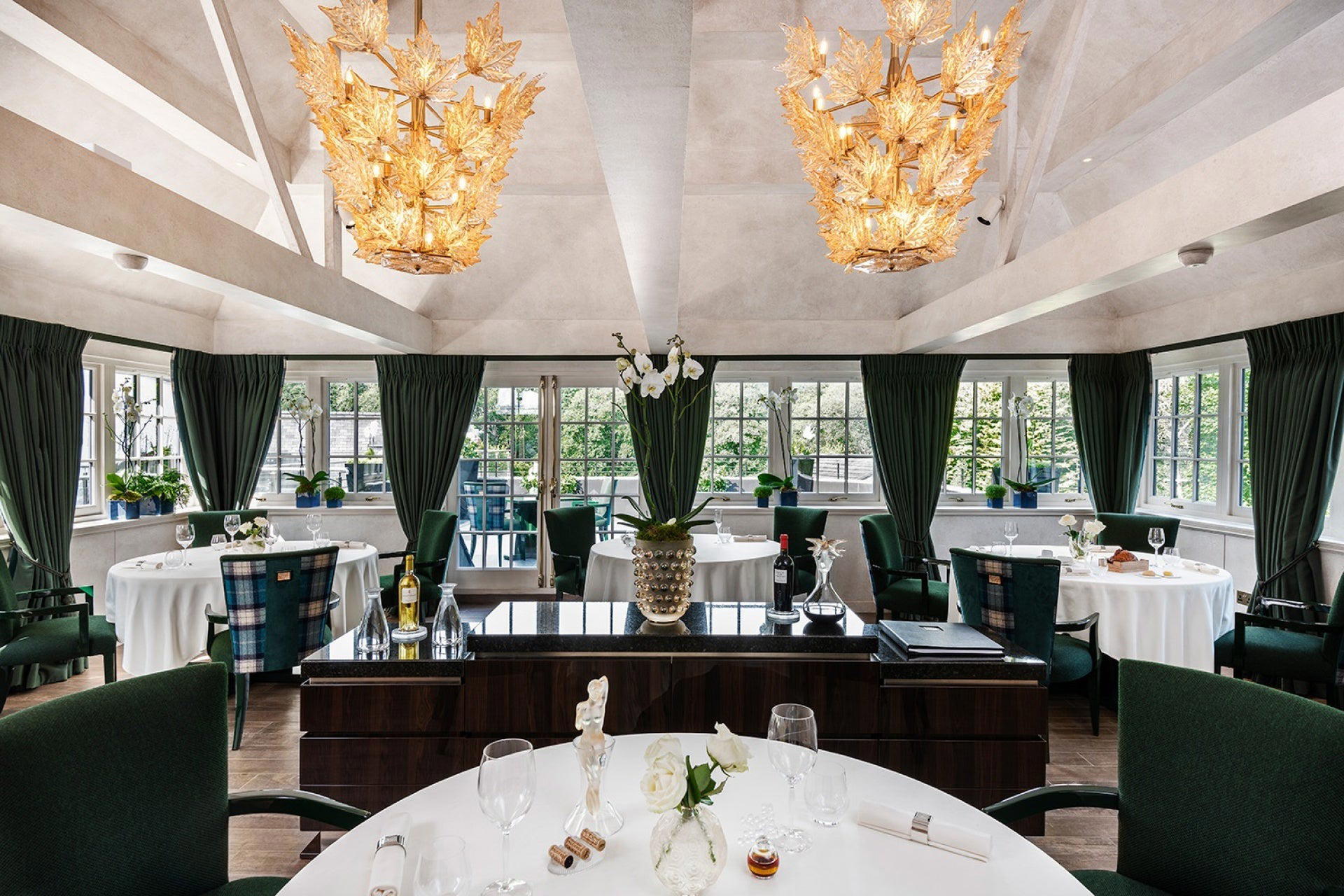
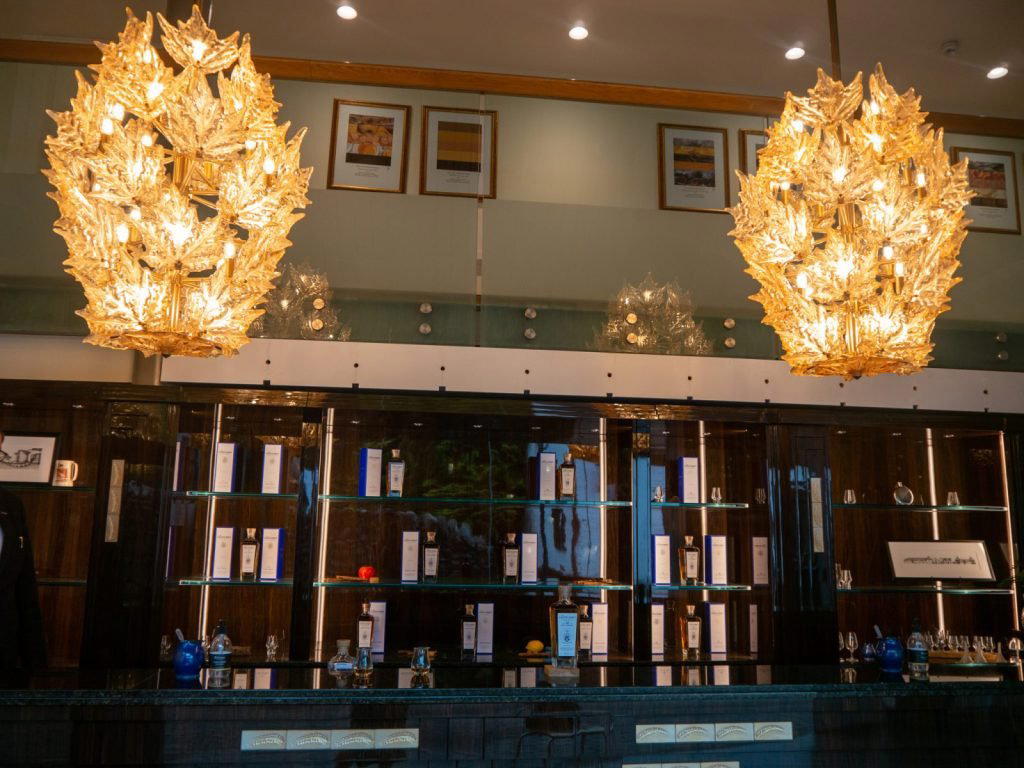
Cozy country house atmosphere with elegant drawing rooms featuring fireplaces, floral and dramatic interiors, and garden views from the conservatory restaurant.