
Michelin Selected
A 15th-century Crato monastery converted into a Pousada de Portugal property and selected by the Michelin Guide Hotels 2025, this former convent sits in the Alentejo town of Crato amid the plains of the Alto Alentejo. The architecture alone makes the case: vaulted stone corridors, a cloister garden, and centuries of monastic construction layered into a working hotel. It occupies a bracket of heritage hospitality that few Portuguese properties can match on purely architectural terms.

Pearl is the En Primeur Club membership app — saves, bookings, and concierge access live there. Same editors, same standards.
- Address
- R. do Mosteiro, Crato, Portugal
- Phone
- +351 245 997 210
- Directions
- Get directions
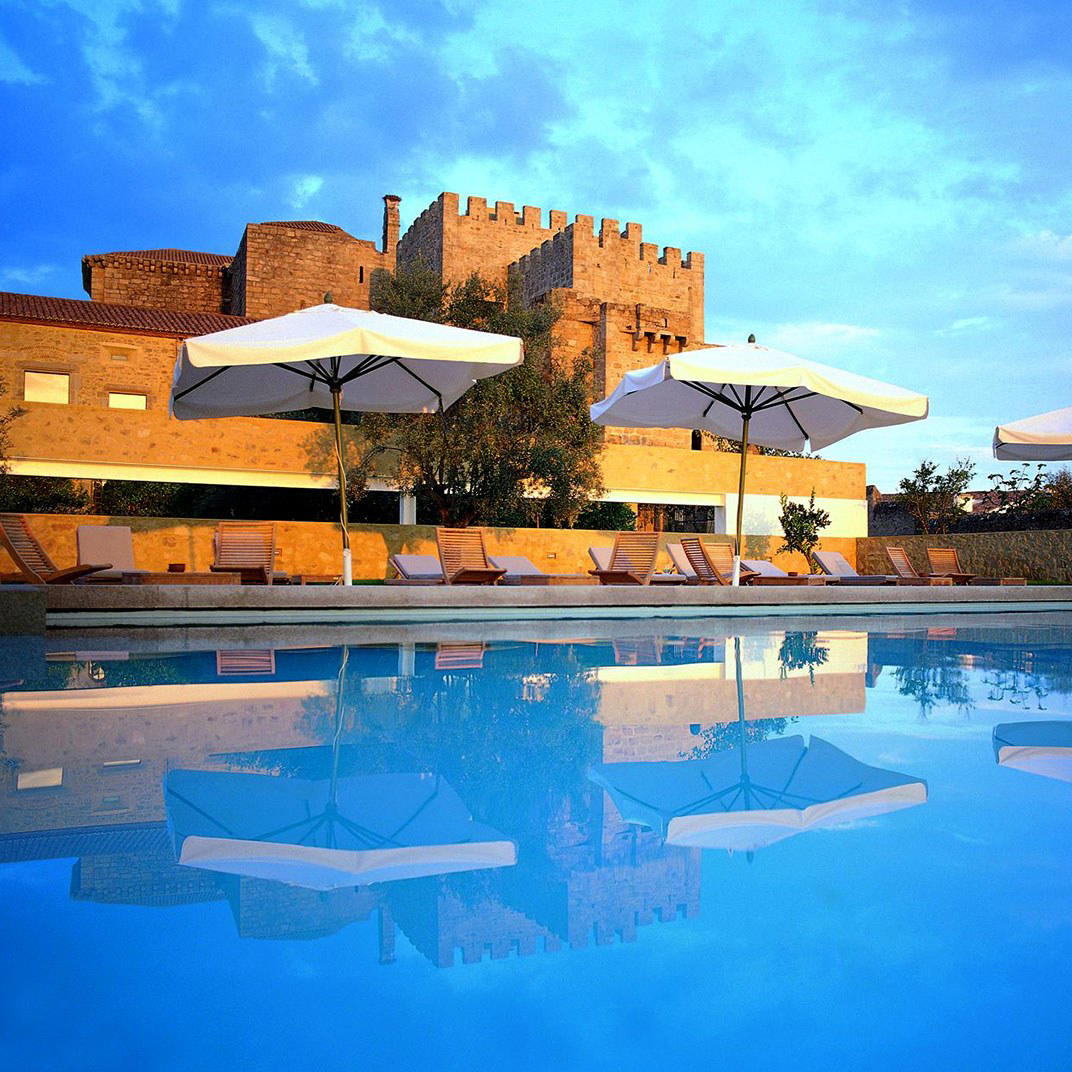
Stone, Silence, and the Long History of the Alto Alentejo
Arriving in Crato, a small Alentejo town roughly 200 kilometres east of Lisbon, means arriving somewhere that most of Portugal's coastal tourism circuit passes over entirely. The town sits on the high plains between the Tagus and Guadiana rivers, in a region defined by cork oak, whitewashed architecture, and a pace that has not shifted much in generations. It is in this context that Pousada Mosteiro Crato makes its argument: not as an interruption of the surroundings, but as the physical memory of them.
The building is a converted 15th-century monastery, and the approach to the property announces its age immediately. The facade carries the weight of several centuries of construction and alteration, the kind of layered stone surface that makes you read the building differently at each visit. The Pousadas de Portugal network, which operates under state heritage management, has placed some of Portugal's most architecturally significant buildings into hospitality use, and this property in Crato belongs to that tradition. Comparable heritage conversions in the country's interior include properties like The Lince Ecorkhotel Évora in Évora and Palácio de Tavira in Tavira, though neither occupies a monastic structure of this period or scale.
What the Architecture Actually Delivers
The interior of a converted monastery presents a specific set of spatial conditions that no purpose-built hotel can replicate. Cloister gardens impose a particular rhythm on movement through the building: corridors open outward onto a central courtyard, light arrives at angles determined by centuries-old proportions, and the relationship between interior and exterior is governed by the logic of monastic enclosure rather than hospitality convenience. At Pousada Mosteiro Crato, that cloister structure remains the organizing principle of the space.
Vaulted ceilings in the public areas carry the acoustic character of ecclesiastical construction, where sound behaves differently than in a hotel lobby designed with comfort in mind. Stone floors, thick walls, and the general thermal mass of the structure mean the building holds cool in Alentejo summers, when temperatures in this part of Portugal's interior routinely exceed 35 degrees Celsius. This is not incidental: it is the building doing what it was originally engineered to do, centuries before air conditioning became the default answer to heat.
In a country that has accumulated significant Michelin hotel recognition across its coastal and urban markets, a selection in the Alentejo interior carries some weight precisely because the region is less trafficked by international hotel infrastructure. For comparison, the densely awarded Algarve market includes properties like Conrad Algarve and Bela Vista Hotel & Spa in Praia da Rocha, where Michelin selection competes against a far denser field.
The Pousada Model and What It Means in Practice
Portugal's Pousada network represents a specific model of heritage hospitality that has no direct equivalent elsewhere in Europe at scale. The programme converts castles, convents, palaces, and historic civic buildings into hotels while maintaining a degree of state oversight on architectural preservation. The result is a category of property that sits between a private boutique hotel and a publicly mandated heritage site, with the management obligations that implies.
For guests, this means staying inside a protected monument rather than a building that merely references historic style. The tradeoff is that rooms and common areas must work within the constraints of a listed structure: walls cannot be moved, finishes must respect the fabric of the original building, and the architecture is always the governing logic. Hotels like MS Collection Aveiro - Palacete Valdemouro in Aveiro and Palacete Severo in Porto operate in a related register of historic building conversion, though both are privately managed urban properties with different preservation frameworks.
What this model consistently delivers, when the property is handled with care, is a sense of inhabiting history rather than observing it. Crato's monastery was built during the period of the Hospitaller Order's influence in the region, and the town itself carries a layered history of medieval Christian military orders, making the building's origins legible in the landscape around it. Our full Crato restaurants guide covers the surrounding town's food and drink options for guests planning extended stays.
Alentejo as a Travel Context
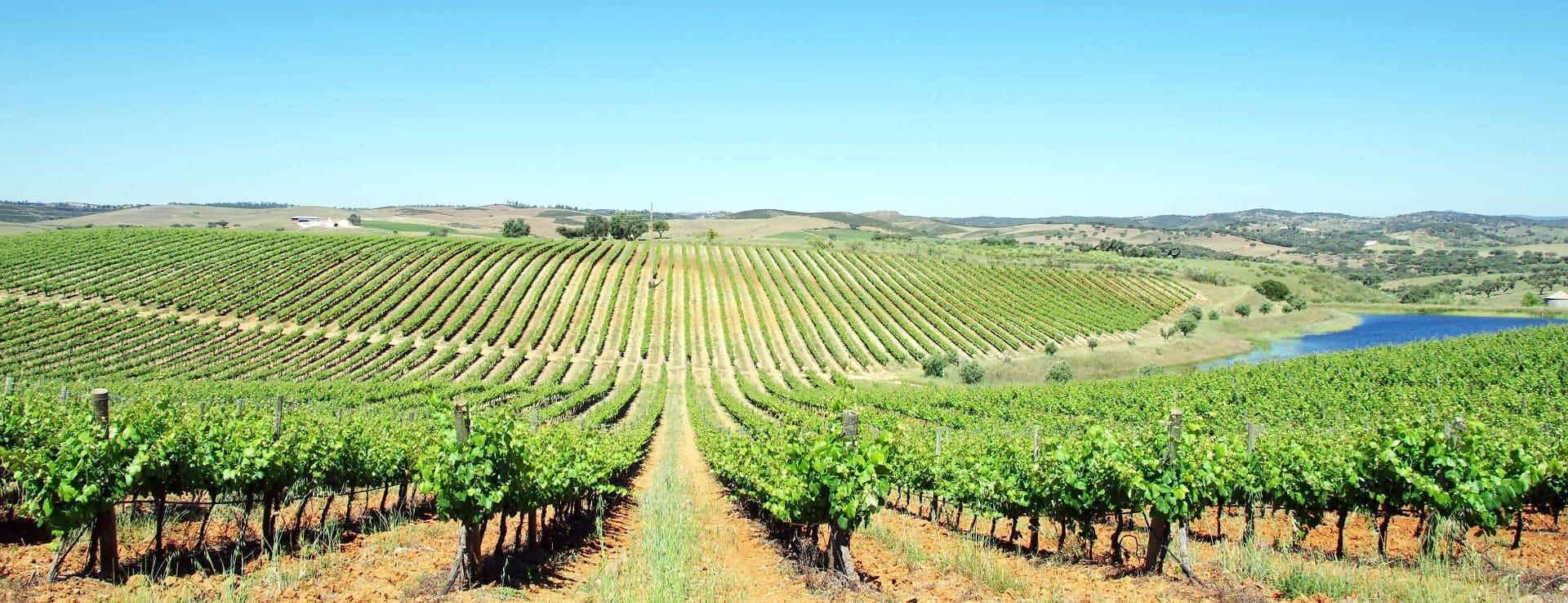
The Alto Alentejo region that surrounds Crato has been building a quiet case for serious travel attention over the past decade. Cork oak forests, olive groves, and a wine industry that produces some of Portugal's most interesting reds under the Alentejo DOC have given the region a degree of culinary and agricultural identity that supports longer stays. The pace is slower than Lisbon or Porto, the light is different, and the distances between points of interest are longer, which means this part of Portugal rewards travellers prepared to commit time rather than tick locations.
Staying in a converted monastery in this context aligns naturally with the region's character. The Alentejo does not reward rushing. The architecture of Pousada Mosteiro Crato, with its cloister proportions and stone weight, is itself an argument for slowing down. Properties in Portugal's more visited regions, from Sheraton Cascais Resort in Cascais to Casa Mãe Hotel in Lagos, operate at the tempo their surroundings demand. Crato sets a different tempo entirely.
For travellers building a wider Portuguese itinerary around heritage architecture, the comparison set extends across the country's regions. Northern Portugal offers properties like Vidago Palace in Norte and Carmo's Boutique Hotel in Ponte de Lima. The Azores present a completely different register at Octant Furnas in Furnas and Aqua Pópulo - Eco Village in Ponta Delgada. Against that full national map, the Alentejo interior remains the least visited tier, which is part of what makes the Pousada Mosteiro Crato proposition coherent for travellers who have already covered the more obvious circuits.
Planning and Logistics
Crato is most practically reached by car from Lisbon, with the A23 and IP2 making a drive of under two hours feasible from the capital. Train connections exist to nearby Portalegre, the district capital, though onward travel to Crato requires a car or taxi. The property's address on Rua do Mosteiro places it at the centre of the small town, walkable to Crato's main square and the surrounding streets. Given the Alentejo's summer heat, spring and autumn visits offer the most comfortable conditions for exploring the surrounding landscape on foot or by car. Booking through the Pousadas de Portugal central reservation system is the standard route, and the Michelin Hotels 2025 selection means the property appears on that platform's curated listings as well.
Comparison Snapshot
Comparable venues nearby, for context on price, style, and recognition.
| Venue | Cuisine | Price | Awards | Notes |
|---|---|---|---|---|
| Pousada Mosteiro CratoThis venue — the venue you are viewing | Converted 14th-century fortified monastery with Gothic architecture | Not listed | Michelin Selected | Not listed |
| The Standard | Contemporary luxury boutique hotel respecting heritage architecture with modern unconventional hospitality. | Not listed | Not listed | Alfama |
| Sublime Sand | Village-style resort with private villas blending modern Comporta architecture and natural surroundings | $1,000–1,500 | Not listed | Muda |
| Victoria Golf Resort and Spa | Modern golf resort with tranquil gardens and contemporary architecture | $200–300 | Michelin Selected | Vilamoura |
| Hotel Albatroz | Luxury boutique palace hotel blending historic Portuguese architecture with contemporary design, featuring three distinct buildings spanning from 1873 to modern construction. | $500–750 | Michelin Selected | Cascais |
| The Verse | Residential-style apartment hotel blending historic architecture with modern sophistication. | $300–500 | Michelin Selected · Mr & Mrs Smith Seal of Approval | Misericordia |
Recognition history
Dated appearances from independent guides and award organizations, with the underlying list record or original source where available.
Michelin Selected
Michelin


Details
- Historic
- Elegant
- Quiet
- Scenic
- Romantic Getaway
- Weekend Escape
- Historic Building
- Terrace
- Garden
- Pool
- Garden
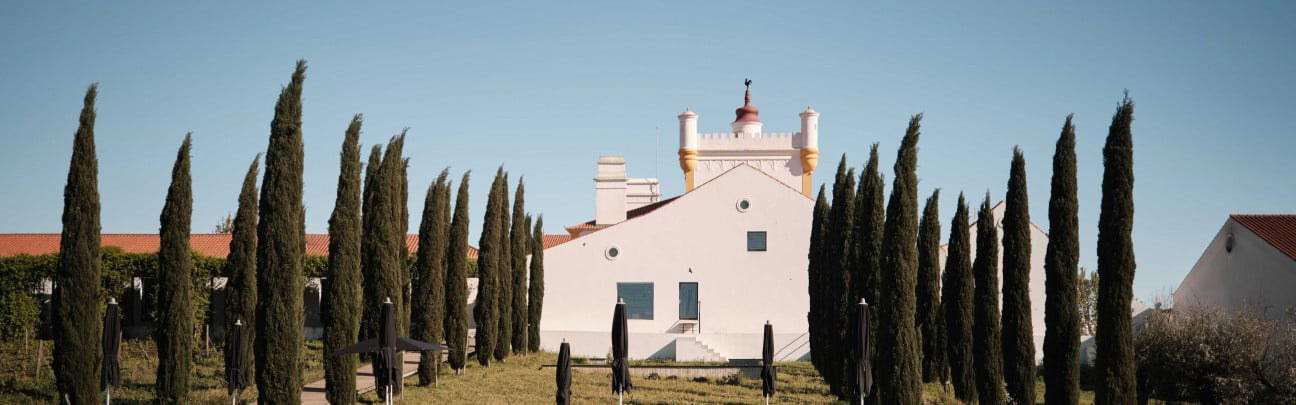
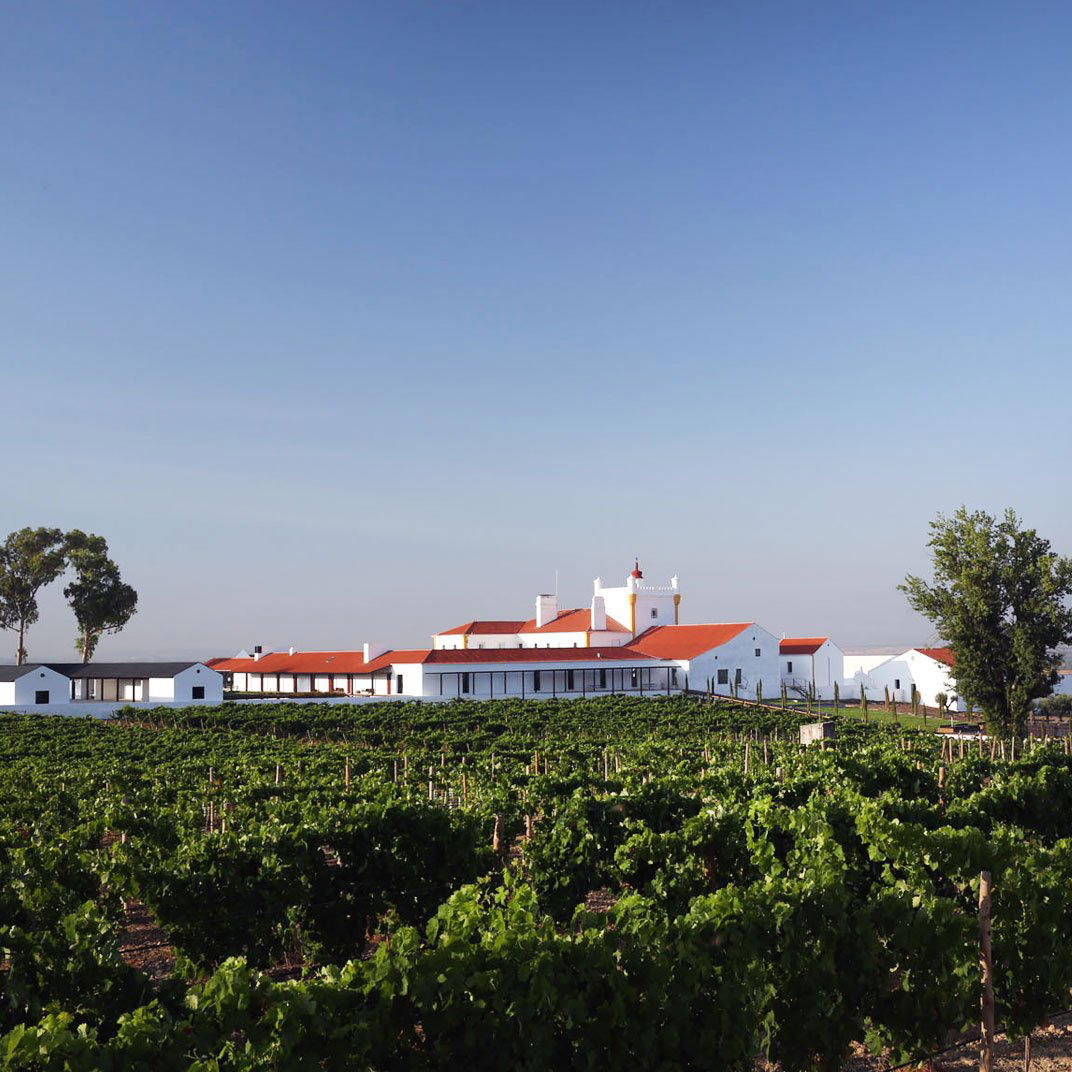
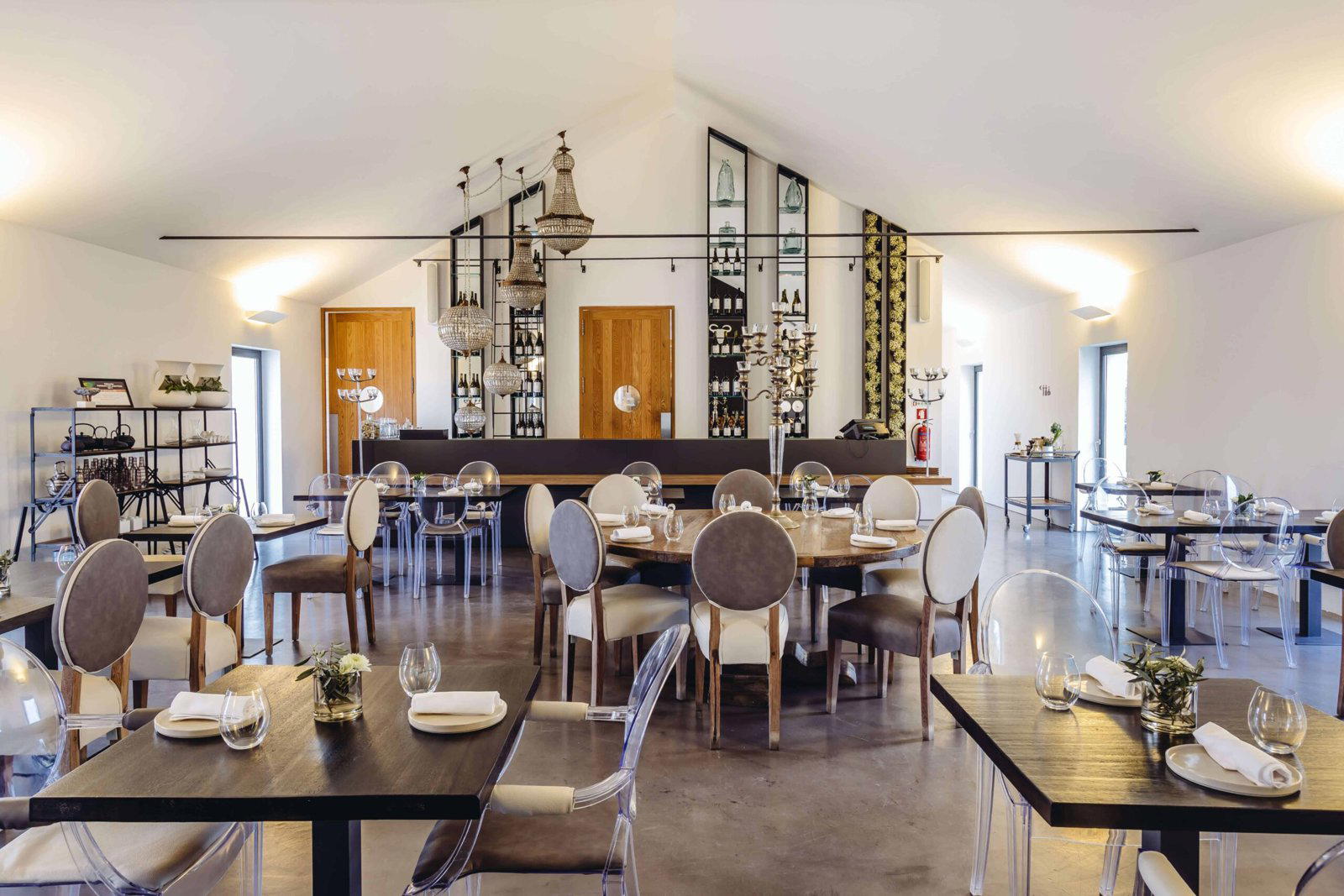
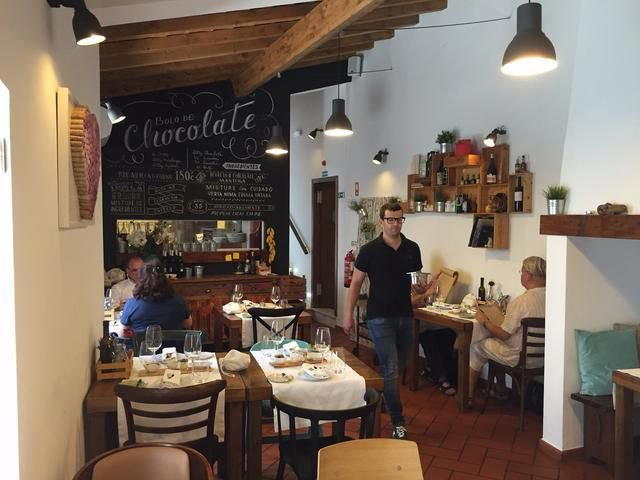
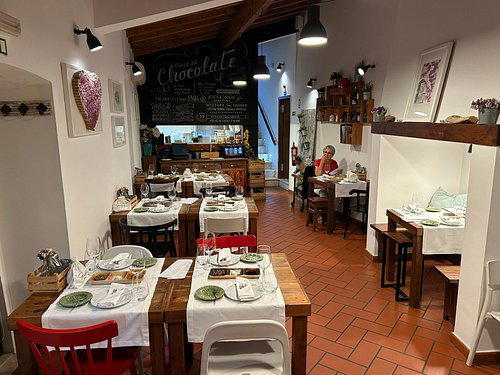
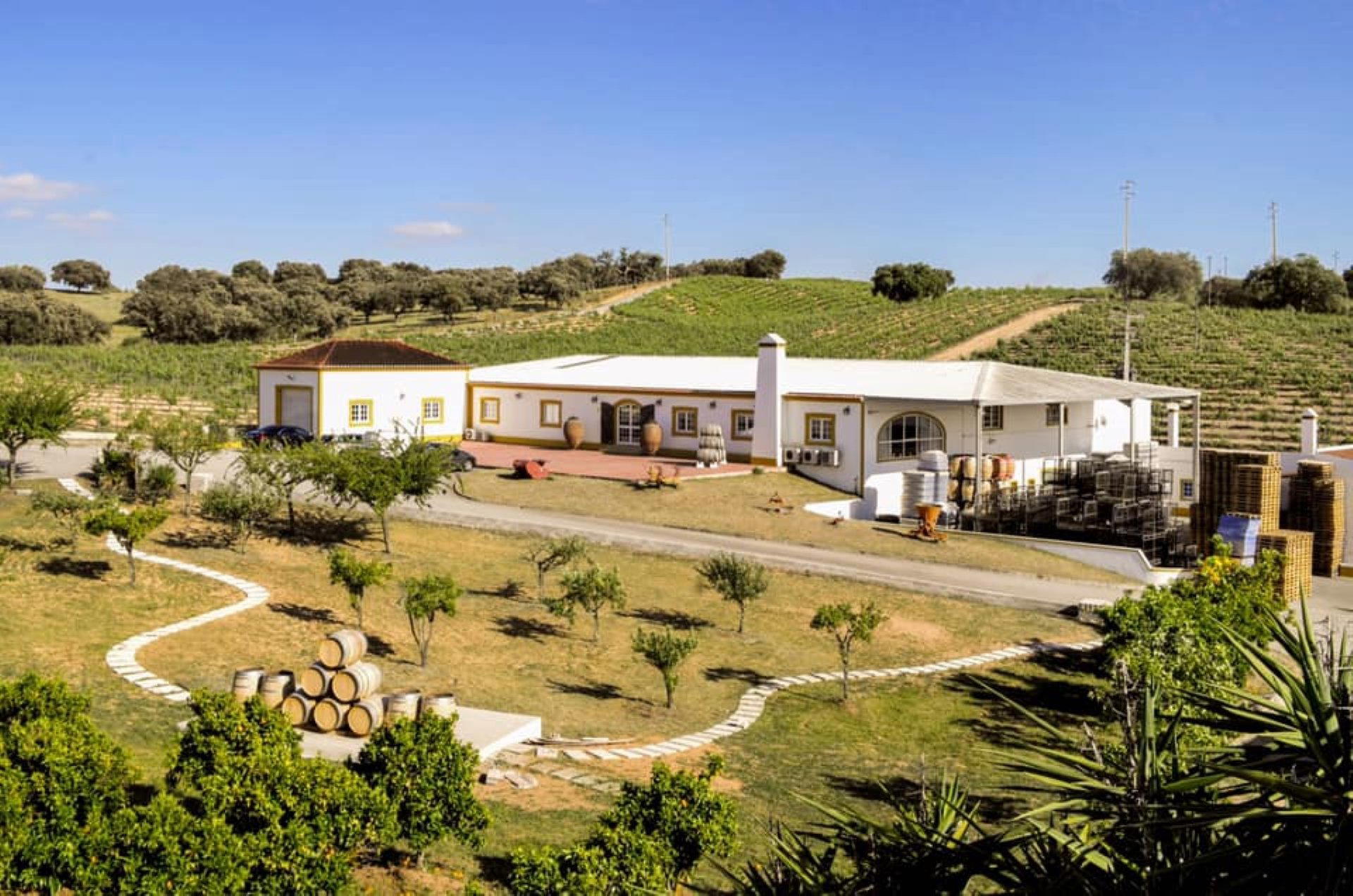
Tranquil and harmonious historic atmosphere with tall windows, immersed in greenery, gardens, and pool views.