Park Hyatt Vancouver belongs in a discussion about downtown Vancouver’s design-led hotel tier, where the room matters less as a trophy object than as a base for architecture, restaurants, harbour walks, and cross-city access. Public venue data is thin, so the useful reading is comparative: how it sits beside heritage grand hotels, boutique addresses, and resort-minded Canadian luxury.

Pearl is the En Primeur Club membership app — saves, bookings, and concierge access live there. Same editors, same standards.
- Address
- Vancouver, Canada
- Directions
- Get directions
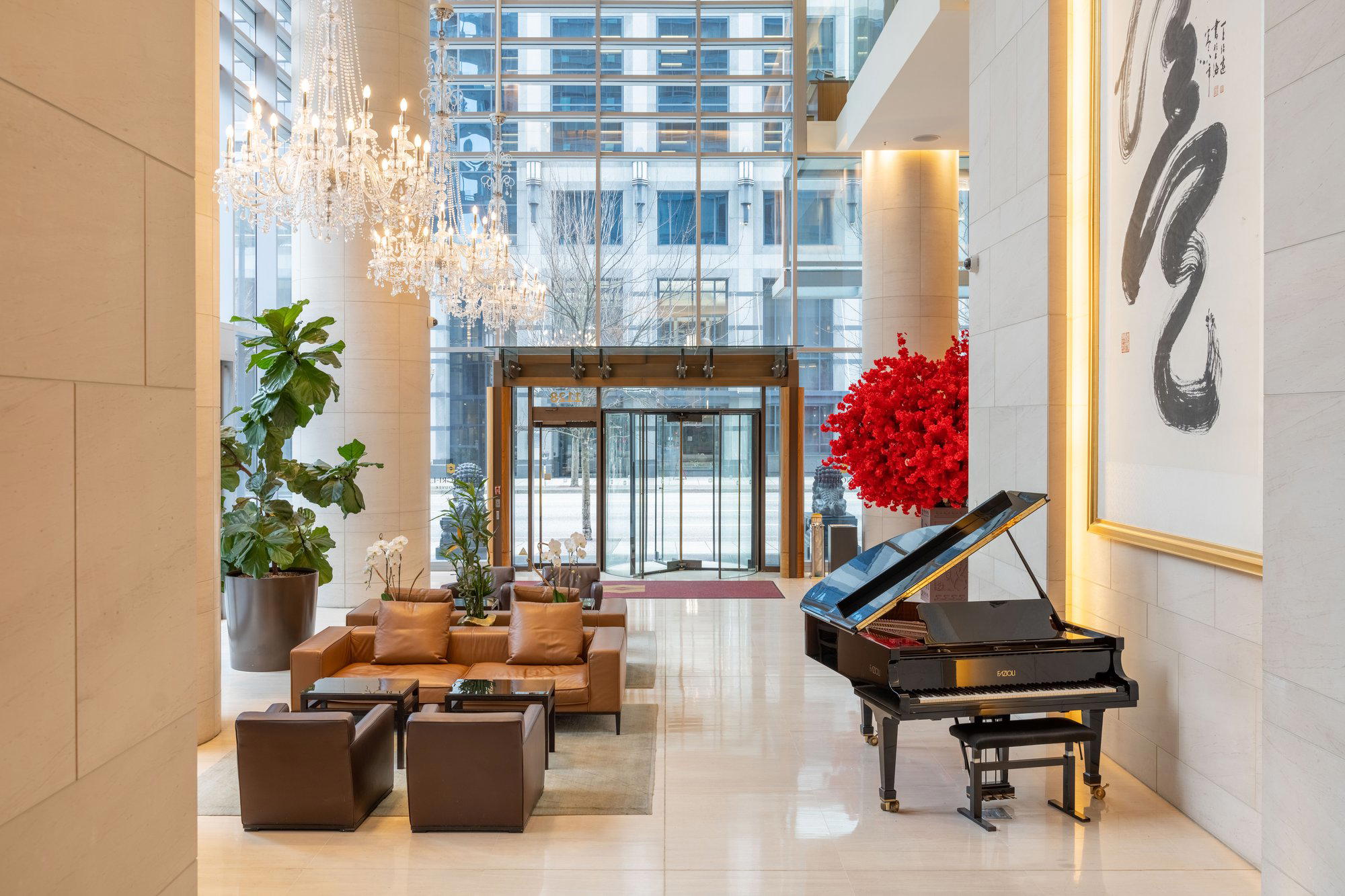
Downtown Vancouver Through a Design Lens
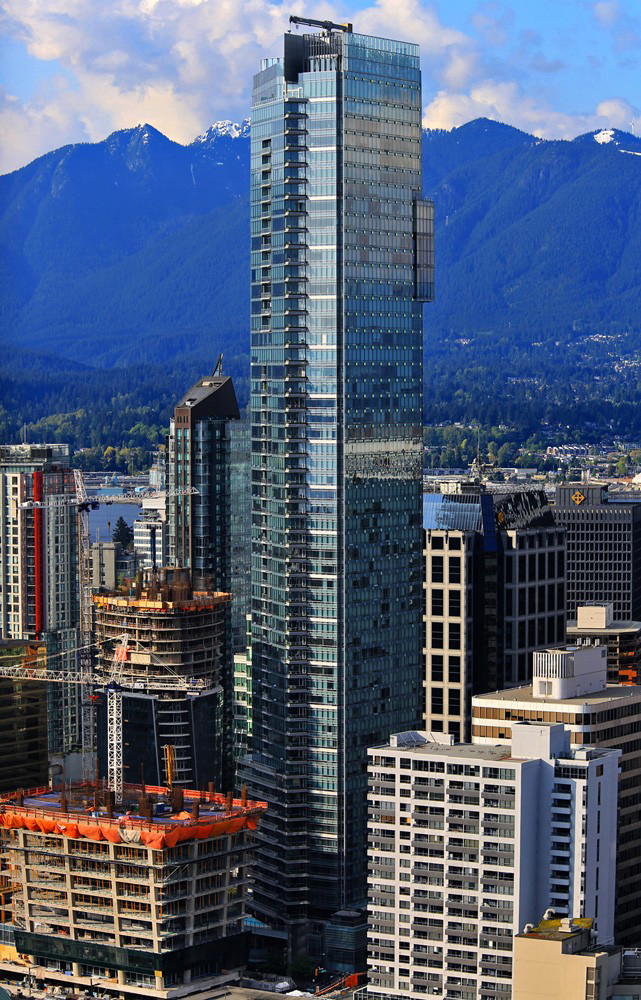
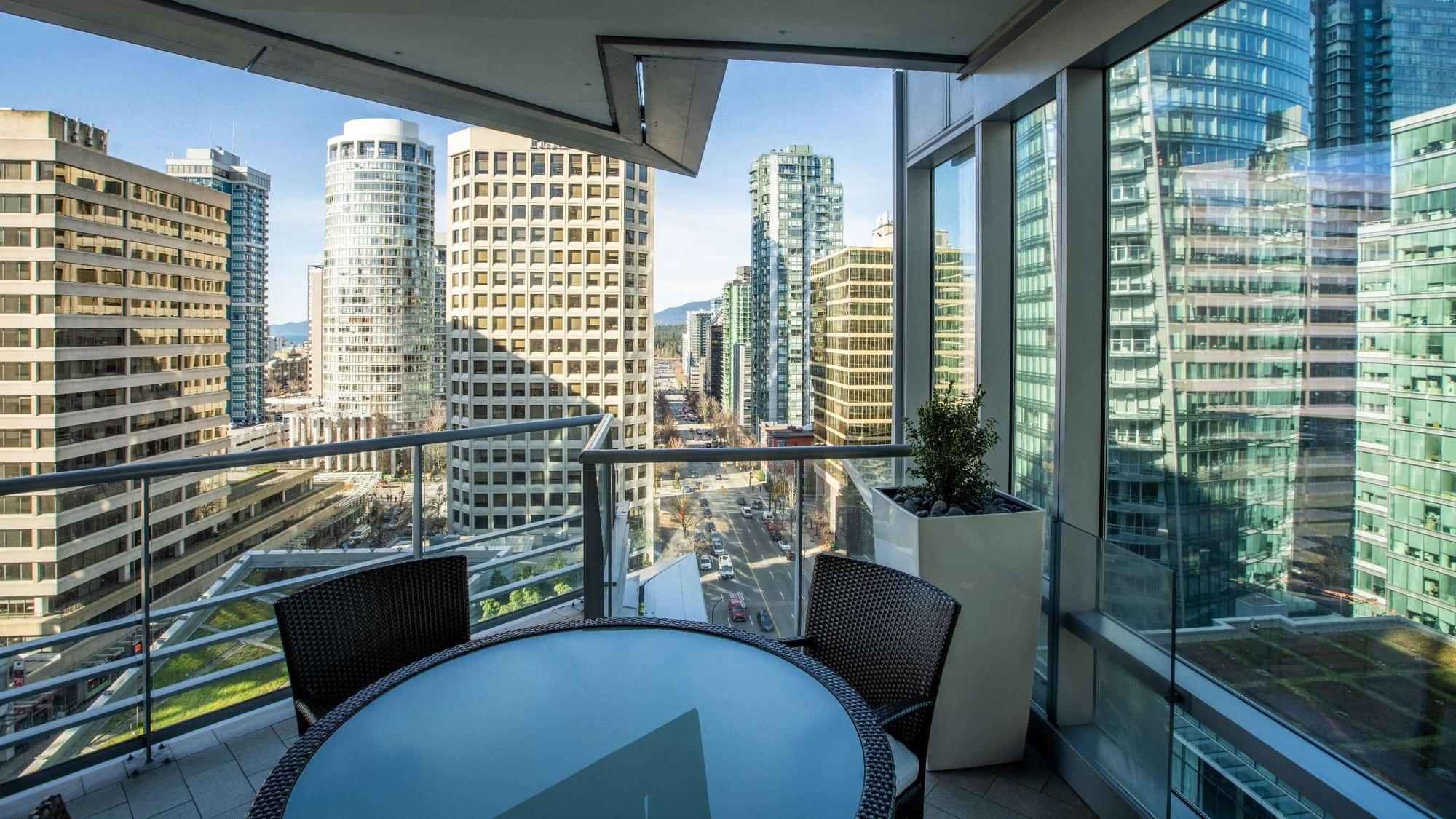
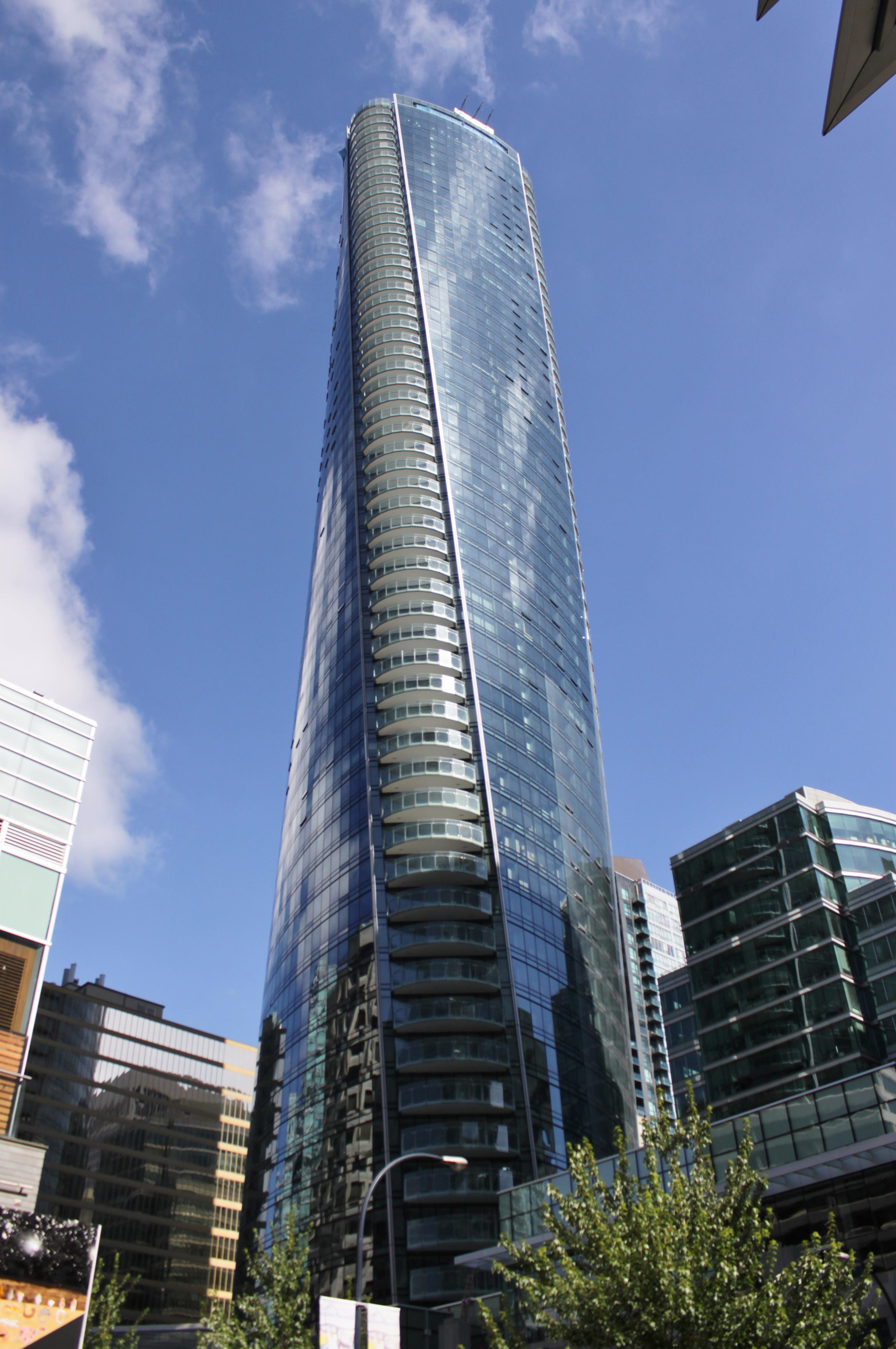
Approaching a Vancouver hotel is rarely only about the lobby. The city announces itself through glass towers, wet pavement, mountain breaks between buildings, and the sudden shift from corporate blocks to harbour edges. In that setting, Park Hyatt Vancouver reads as part of a downtown hotel conversation shaped by architecture first: vertical living, compressed public space, and a guest profile that expects quick access to restaurants, offices, seawall paths, and cultural districts without surrendering to resort sprawl.
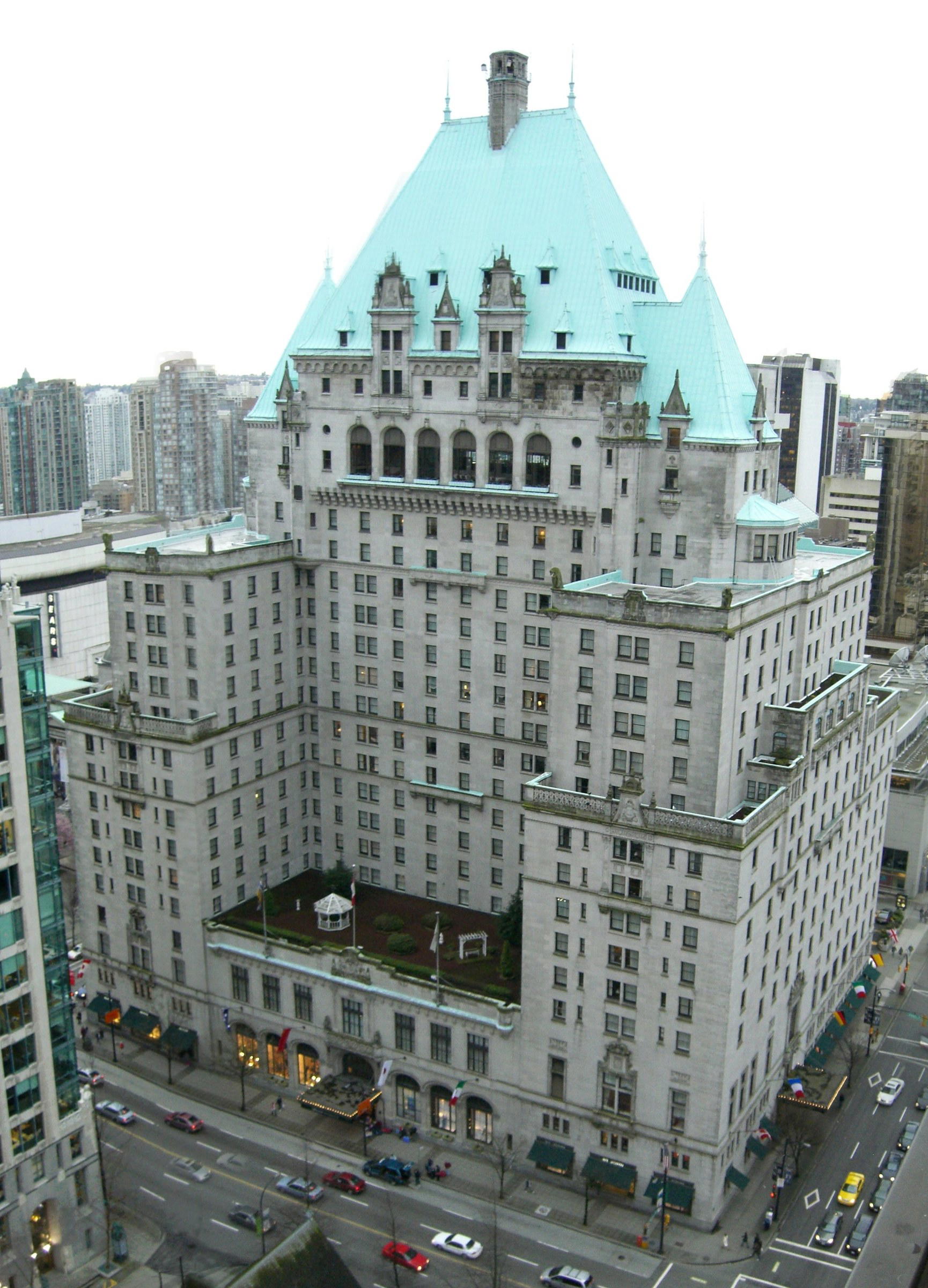
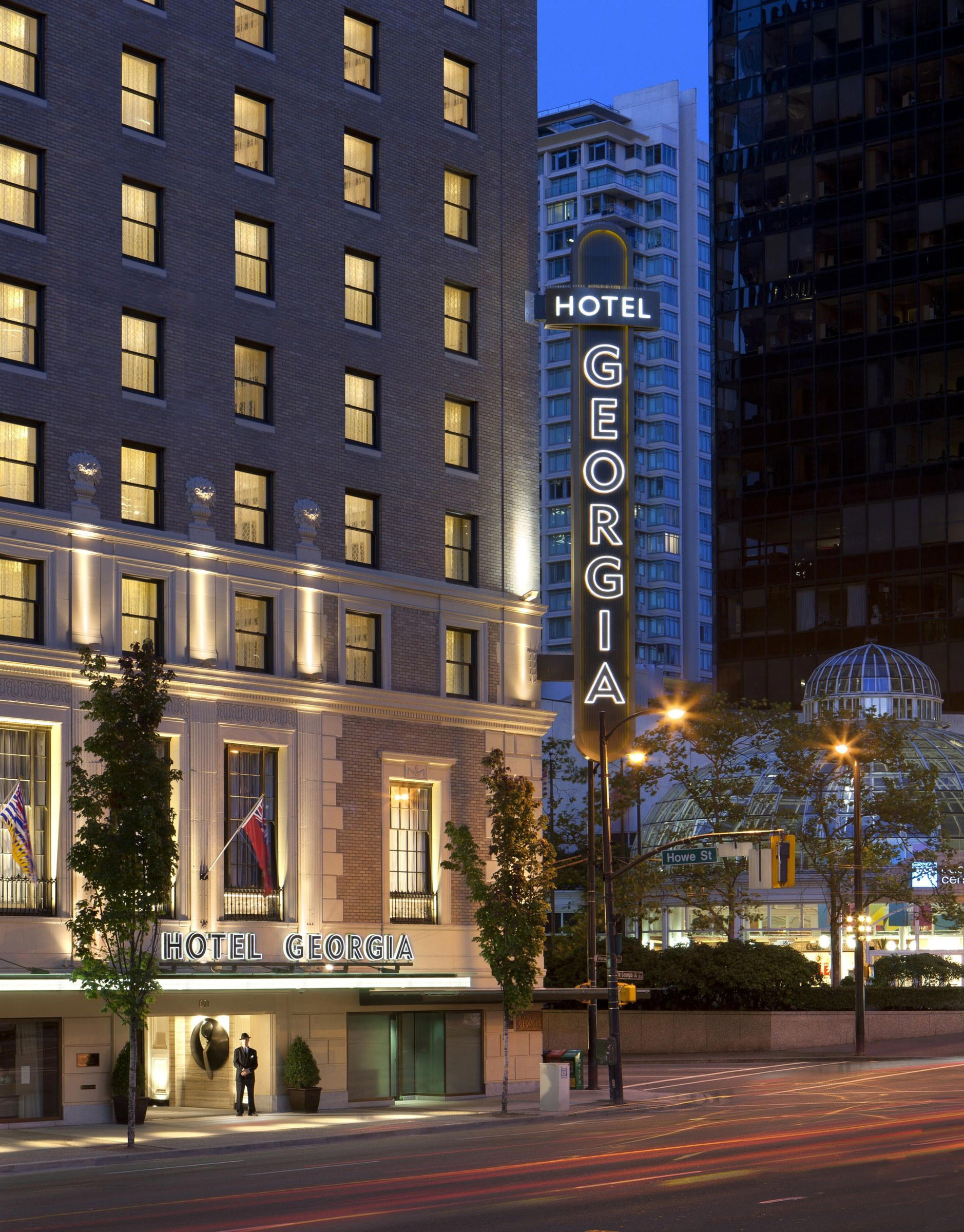
Vancouver luxury is not a single category. Heritage hotels trade on civic memory, small independents work through scale and service intimacy, and modern high-rise properties depend on location, view logic, and interior restraint. Park Hyatt Vancouver sits inside that urban-design bracket rather than the grand railway-hotel tradition represented by Fairmont Hotel Vancouver or the restored glamour associated with Rosewood Hotel Georgia. The distinction matters because Vancouver’s strongest hotel stays are often determined by neighbourhood fit, not by ornament alone.
The city’s premium hotel field also splits between international polish and local texture. Loden Hotel works the boutique angle in Coal Harbour territory, Hotel, Vancouver belongs to the high-rise luxury register, and Wedgewood Hotel carries a more traditional clubby cadence. Park Hyatt Vancouver is better understood against that spread than in isolation: the question is whether a traveller wants contemporary downtown utility, heritage atmosphere, or a smaller hotel with a stronger residential mood.
The Architecture of Vancouver Hospitality
Vancouver’s hotel architecture has been shaped by constrained land, glass-heavy development, and a travel market that mixes cruise passengers, finance, film production, convention traffic, and outdoors-led leisure. This creates a particular kind of luxury: efficient, view-conscious, weather-aware, and less ceremonial than London or Paris. Public rooms tend to work hardest at arrival and transition. Bedrooms are expected to function as quiet city apartments. Dining and bar spaces compete with a restaurant scene that sits outside the hotel door.
That is why the design question around Park Hyatt Vancouver should be framed broadly. The honest editorial reading is still useful: a Park Hyatt-branded Vancouver address would be judged against a city where luxury hotels must earn relevance through spatial calm, direct urban access, and a credible sense of place rather than excess decoration.
Among Canadian peers, the contrast is instructive. Fogo Island Inn in Joe Batt's Arm is inseparable from remote architecture and Atlantic cultural context. Clayoquot Wilderness Lodge in Tofino belongs to wilderness luxury, where logistics and landscape drive the stay. Vancouver operates differently. It is a city hotel market, and the strongest properties are those that make density feel composed.
There is also a regional restraint to West Coast hotel design. The local language often favours stone, timber, muted palettes, big windows, and lighting that flatters grey weather. This is not decorative minimalism for its own sake. It is a practical response to a city where rain, mountain light, and harbour views shape the guest experience. Hotels that overperform here usually understand that Vancouver does not need theatrical interiors as much as it needs rooms and public spaces that make the city legible.
Where It Fits Among Vancouver Hotels
The Vancouver comparison set is unusually varied for a city of its size. Heritage addresses lean into civic history. Business-luxury towers privilege efficiency and altitude. Boutique hotels often serve travellers who would rather trade ballroom scale for neighbourhood intimacy. Park Hyatt Vancouver belongs in the conversation because it points to a demand that has grown across North American cities: branded luxury with a design-forward urban base, a category that competes less on nostalgia and more on consistency, location, and calm execution.
For travellers comparing downtown options, AZUR Legacy Collection Hotel and EXchange Hotel Vancouver - An Executive Hotel show the city’s appetite for adaptive or design-conscious alternatives, while The Magnolia Hotel & Spa in Victoria offers a useful provincial contrast: smaller scale, slower rhythm, and a capital-city sensibility. Vancouver’s downtown hotels have to work harder at speed. A guest may be at a meeting in the morning, a sushi counter at lunch, a gallery or seawall walk by late afternoon, then a bar after dinner.
The practical implication is simple. Park Hyatt Vancouver should be assessed less as a self-contained escape and more as an urban instrument. The right stay is built around movement: restaurants, bars, waterfront walks, and neighbourhood shifts from downtown into Gastown, Yaletown, Mount Pleasant, or Kitsilano. For wider planning, Our full Vancouver hotels guide gives the broader hotel field, while Our full Vancouver restaurants guide is the better companion for deciding where the evenings should happen.
Food, Bars, and the City Outside the Lobby
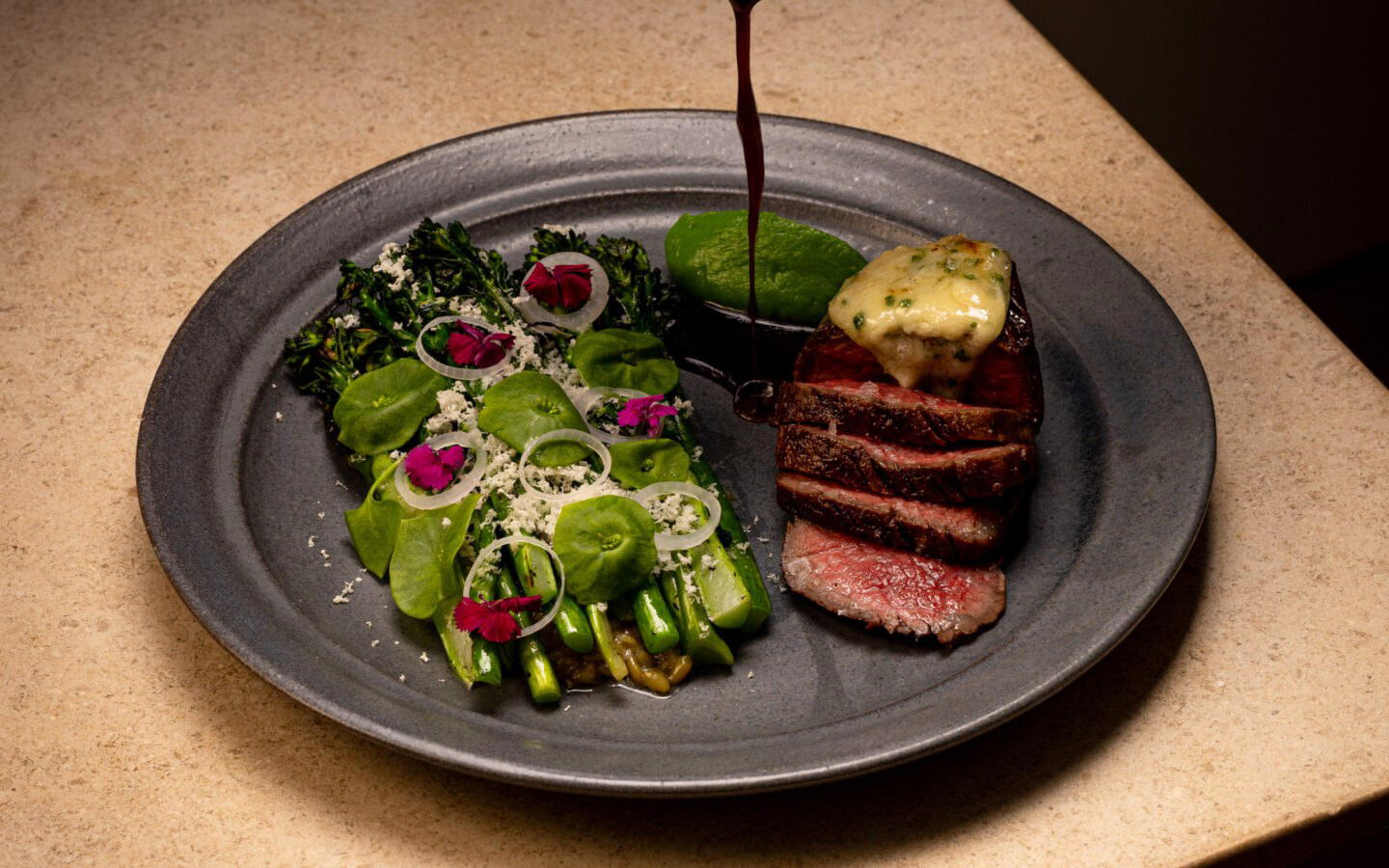
Vancouver’s dining culture is too strong for a hotel stay to be judged only by in-house amenities. The city’s premium food identity is built from Japanese counters, Cantonese and regional Chinese dining, Pacific seafood, wine-bar cooking, and vegetable-led West Coast menus. A downtown hotel earns points when it places those choices within easy reach. Park Hyatt Vancouver’s value, on the available record, should therefore be read through access rather than unverified restaurant claims.
That access matters because Vancouver is a reservation-sensitive city at the higher end. Small counters and serious neighbourhood rooms can fill early, especially around weekends, holidays, conference periods, and summer travel months. The hotel decision should be paired with dining planning rather than treated separately. A guest choosing a downtown base can use it to reach central restaurants without building the trip around taxis or long cross-city transfers.
The same is true after dinner. Vancouver’s bar culture has matured beyond hotel lounges and casual beer rooms into a serious cocktail and wine scene, though the city remains more relaxed in tone than New York or London. Our full Vancouver bars guide is useful for mapping the night around the hotel rather than defaulting to whichever bar is closest. For longer itineraries, Our full Vancouver wineries guide and Our full Vancouver experiences guide help extend the trip beyond the downtown core.
Canadian Luxury Context
Park Hyatt Vancouver also sits within a wider Canadian shift. The country’s high-end hotel scene is no longer defined only by grand railway properties and resort castles. Those still matter, but the field now includes wilderness lodges, restored urban mansions, lakefront retreats, and cosmopolitan towers. Four Seasons Hotel Toronto in Toronto represents the big-city luxury template in Canada’s financial capital, while Manoir Hovey in North Hatley works through country-house scale and Quebecois setting.
British Columbia adds its own split. Fairmont Chateau Whistler in Whistler is mountain-resort logic, built around skiing, summer trails, and large-format leisure. Vancouver’s downtown hotels have a different job: they must connect international travellers to a compact, water-bound city that can change register within a few blocks. That makes architecture, lobby flow, room quiet, and neighbourhood position more meaningful than resort-style acreage.
Canada’s luxury map also benefits from regional comparison. Le Mount Stephen in Montréal shows how heritage fabric can be absorbed into a contemporary stay. Fairmont Chateau Lake Louise in Lake Louise is tied to a single natural view corridor. Fairmont Empress Hotel in Victoria depends on ceremonial history and harbour presence. Hôtel Quintessence in Mont-Tremblant belongs to resort quiet. Vancouver, by contrast, rewards hotels that understand the modern city as a series of short transitions.
International comparisons sharpen the point. The Fifth Avenue Hotel in New York City trades in maximal urban character, Hôtel de Paris Monte-Carlo in Monte Carlo in historical grandeur, and Badrutt's Palace Hotel in St. Moritz in alpine social theatre. Vancouver luxury is quieter. Its stronger hotels tend to perform through proportion, view, access, and a refusal to overstate themselves.
Planning a Stay
That absence should guide planning. Travellers should verify current operating status, location, rates, inclusions, cancellation terms, and room categories through official channels before committing. In a city where hotel pricing can move sharply during cruise season, major conferences, summer weekends, and holiday periods, timing often affects the value equation as much as the property choice.
For Vancouver specifically, a downtown hotel works better when the itinerary is clustered. Pair restaurant reservations by neighbourhood, leave time for rain-adjusted movement, and avoid assuming that a short map distance means a frictionless transfer during peak traffic. Harbour walks, Gastown evenings, Yaletown dinners, and day trips toward the North Shore each create different hotel needs. Park Hyatt Vancouver is leading considered by travellers who want an urban base first and a resort experience second.
In Vancouver generally, higher floors, quieter exposures, and view orientation can materially change the stay, but those details require confirmation at the time of booking. The sensible approach is to ask for the room category that matches the trip’s purpose: workspace and quiet for business, more floor area for longer stays, or a view-forward category if the city itself is the point.
Comparable Venues Nearby
Comparable venues nearby, for context on price, style, and recognition.
| Venue | Cuisine | Price | Awards | Notes |
|---|---|---|---|---|
| Park Hyatt VancouverThis venue — the venue you are viewing | Urban luxury high‑rise hotel integrated into a landmark mixed‑use tower, combining Park Hyatt’s residential feel with contemporary West Coast design. | $300–500 | Not listed | Not listed |
| The Westin Bayshore, Vancouver | Contemporary luxury resort with West Coast design sensibility, emphasizing wellness and waterfront living in an urban setting. | $300–500 | World Luxury Hotel Awards WLHA Continent Winner | Coal Harbor |
| L'Hermitage Vancouver | Contemporary luxury boutique with West Coast architecture. | $200–300 | Michelin Selected | Downtown |
| Four Seasons Hotel Vancouver | contemporary urban luxury | Not listed | Not listed | Downtown |
| Fairmont Hotel Vancouver | Historic luxury heritage hotel with contemporary renovations, blending castle-like architecture with modern five-star amenities. | $300–500 | Michelin Selected · Forbes 4-Star | Downtown |
| The Sutton Place Hotel | Luxury urban tower with sophisticated suites and wellness amenities | Not listed | La Liste Top Hotels · Forbes Recommended | West End |
Details
- Elegant
- Modern
- Sophisticated
- Intimate
- Well Known
- Scenic
- Business Trip
- Romantic Getaway
- Weekend Escape
- Anniversary
- Wellness Retreat
- Celebration
- Panoramic View
- Design Destination
- Historic Building
- Destination Spa
- Terrace
- Private Dining
- Wi Fi
- Spa
- Fitness Center
- Room Service
- Concierge
- Business Center
- Valet Parking
- Pool
- Skyline
- Mountain
- Waterfront
- Wheelchair Accessible
- Elevator
- Accessible Parking
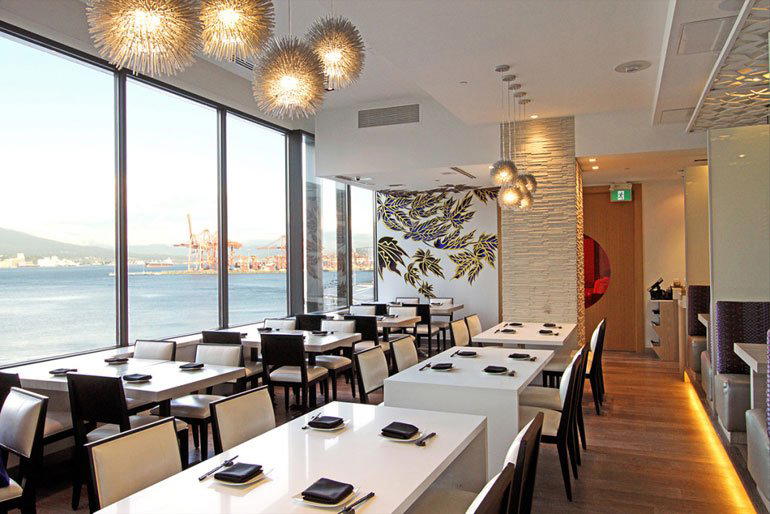
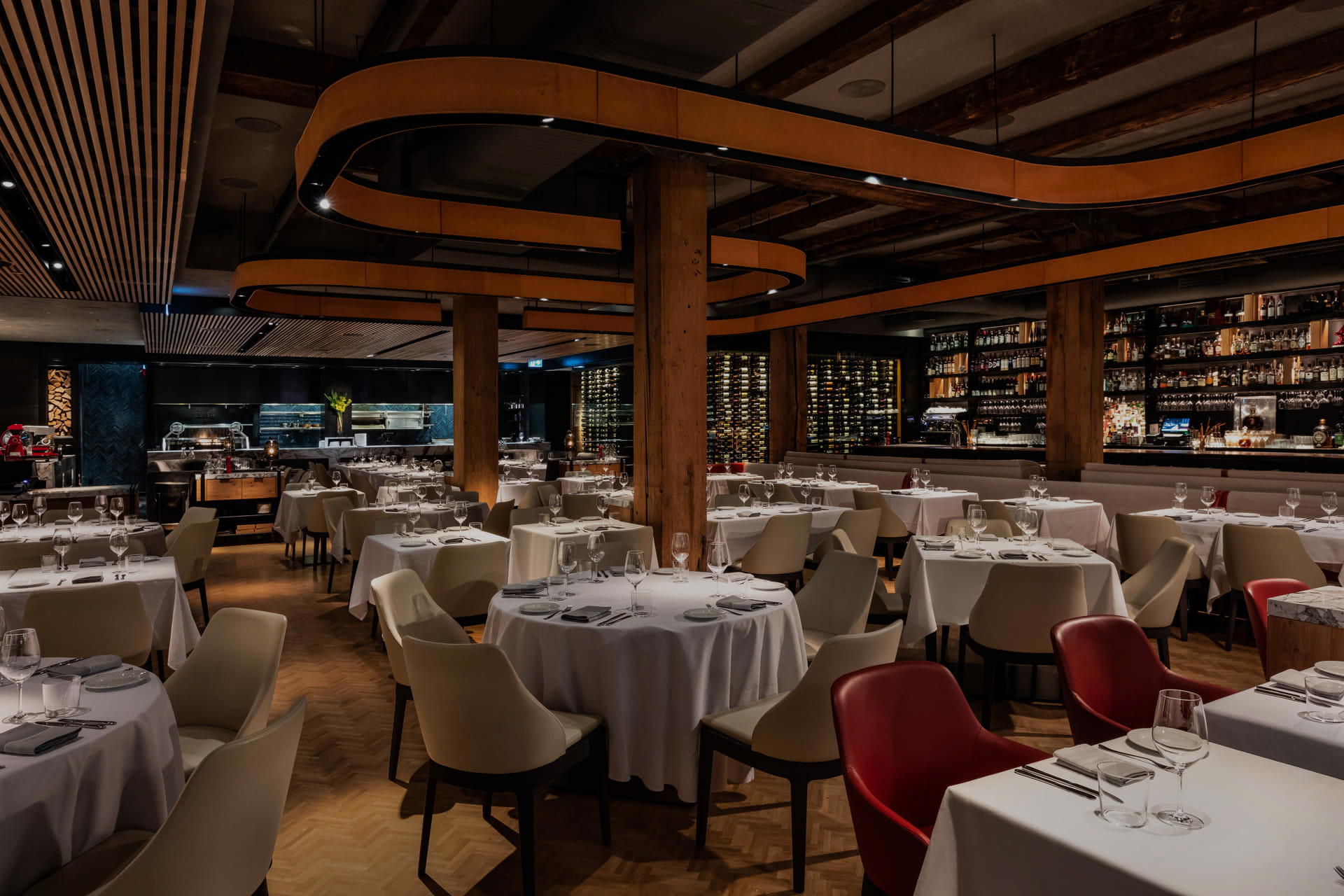
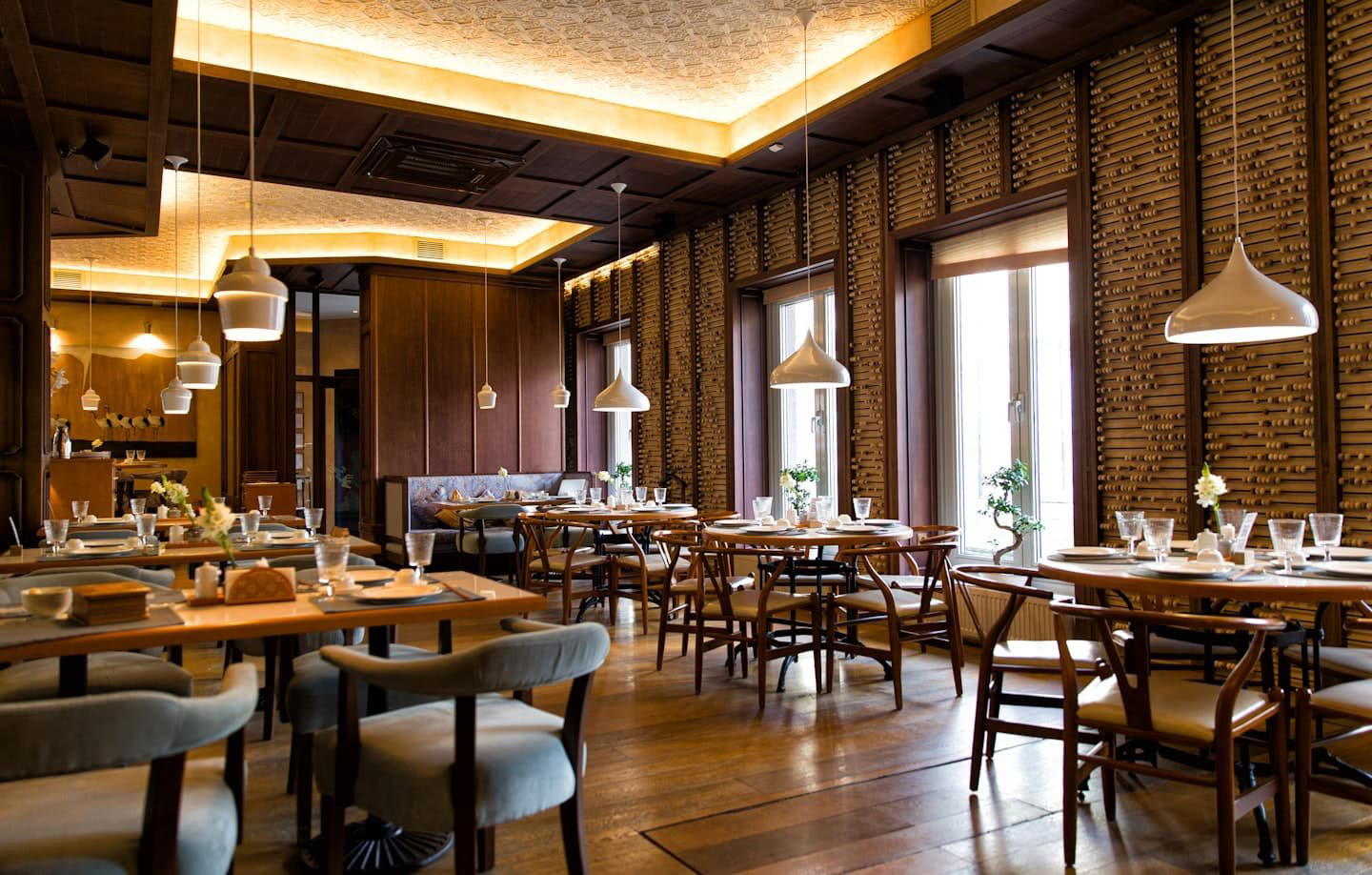
An intimate yet polished urban luxury atmosphere with contemporary décor, warm residential-style lobby spaces, and tranquil wellness areas high above the downtown streetscape.