Native
On the Pacific Coast Highway at the edge of Malibu's quieter northern stretch, Native occupies a position that the address alone communicates: close enough to the water that the light shifts with the tide, far enough from the Santa Monica corridor that the pace changes. For travelers calibrating a Malibu stay around place rather than amenity, it warrants attention on its own terms.
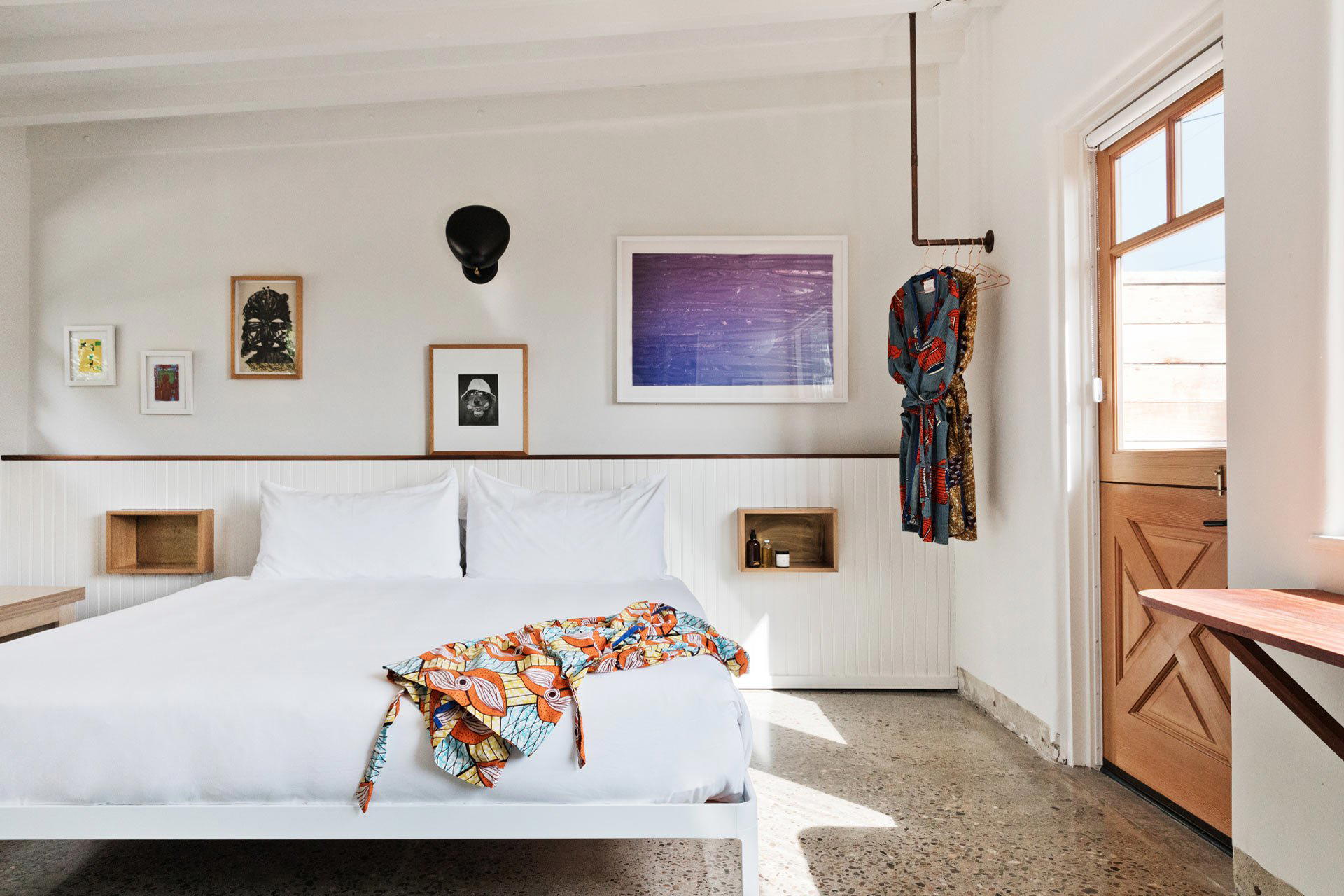
Where the Pacific Coast Highway Meets Its Own Silence
Malibu's relationship with the Pacific Coast Highway is not simply geographical. The road is the venue, the frame, and the filter through which every address on this stretch of coastline presents itself. Move north past Point Dume, and the character of the corridor shifts: lots grow wider, the retail thins, and the light arriving off the water carries a different quality in the late afternoon. Native, at 28920 CA-1, sits in that second register, where the built environment defers more readily to the coastal topography around it.
That address signals something before the architecture does. In a town where proximity to the water is the dominant variable in any property's positioning, the PCH corridor demands that buildings either compete with the view or disappear into it. The properties along this stretch that hold attention longest tend to choose the latter, letting the ocean become the room's primary design element rather than a backdrop to be framed with heavy molding or statement furniture. The architectural question along this stretch of coast is less about statement and more about calibration: how much structure, how much material, how much interior gesture is the right amount before the building starts working against the setting?
A Coastal Design Tradition Native Enters
California's relationship with architecture built for the coast runs through a long lineage: Case Study houses that dissolved the boundary between interior and exterior, mid-century structures in Malibu Colony that treated glass as a primary material rather than a finishing detail, and the resort and boutique hotel wave of the last decade that has revisited those gestures with contemporary sustainability considerations layered in. Across the Malibu market, properties in the premium tier have largely split between two approaches: the first favors a resort-scale confidence, multiple amenity categories, and a polished international-brand vocabulary; the second favors restraint, local materials, and a physical scale that keeps the guest closer to the coastal environment rather than insulated from it.
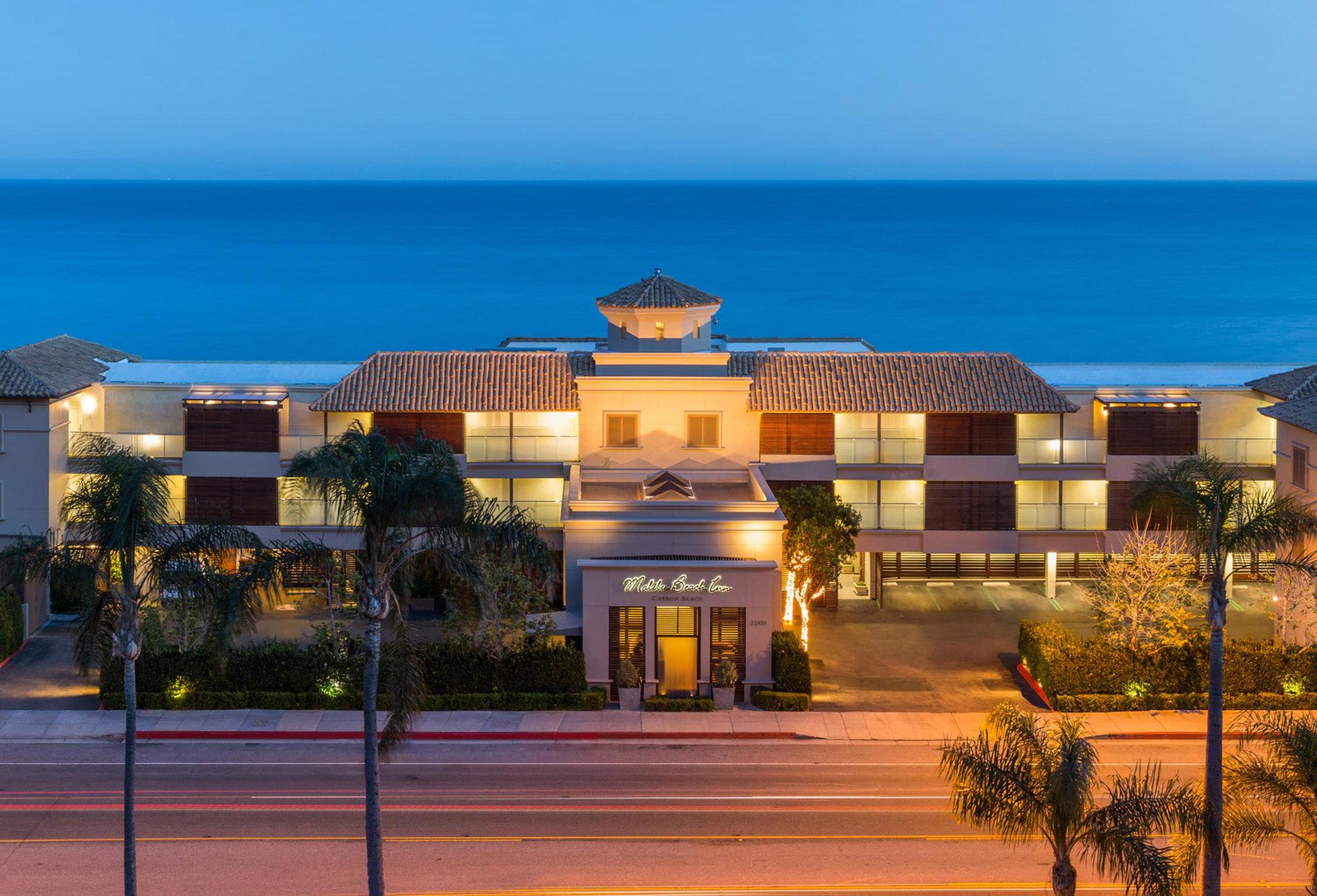
Native's position on the PCH places it in a conversation with this tradition. Malibu's current hospitality set includes the Malibu Beach Inn, which occupies the Carbon Beach frontage and prices accordingly, and The Surfrider Hotel, which has built its identity around a surf-culture design ethos and an environmentally conscious operational posture. Further inland, The Ranch Malibu operates in a different category entirely, organized around a structured wellness program rather than coastal access. Native's name and location suggest a design orientation closer to the land and water vocabulary than to the international resort tradition, though
The Malibu Context That Shapes Any Visit
Understanding what any Malibu address delivers requires understanding the town's structural realities. Malibu is not a walkable destination in any conventional sense. The PCH is a working highway, and the city's geography distributes restaurants, beaches, and services across a 27-mile coastal strip. That means every stay here is organized around a car, and the quality of a visit depends considerably on how well a traveler maps the geography before arriving. Zuma Beach, Malibu Lagoon State Beach, and the Malibu Pier cluster around the city's commercial center; the further north one travels, the more the experience depends on what the immediate property delivers rather than what surrounds it.
For dining, Malibu's serious options are concentrated around the Civic Center area and Malibu Village. The restaurant scene has grown in ambition over the past decade without losing the informality that the coastal setting seems to enforce. For travelers mapping a longer California coastal itinerary, the context stretches further: Post Ranch Inn in Big Sur represents the northern end of the state's luxury coastal spectrum, while Auberge du Soleil in Napa and SingleThread Farm Inn in Healdsburg anchor the premium inland California tier. Malibu sits between these poles, closer to Los Angeles's infrastructure than any of them, and that proximity is itself an asset and a complication, the city is accessible enough to do as a day trip from LA, which means its leading properties need to offer something worth staying for.
For comparison beyond California, the design-led coastal property model appears in other premium markets: Four Seasons at The Surf Club in Surfside on Florida's Atlantic coast, Little Palm Island Resort and Spa in Little Torch Key in the Florida Keys, and Kona Village, A Rosewood Resort in Kailua Kona in Hawaii each occupy their respective coastal contexts with properties whose physical setting is the central argument. Closer to Malibu's architectural sensibility, Ambiente, A Landscape Hotel in Sedona and Amangiri in Canyon Point represent the desert branch of the same design philosophy: architecture as response to landscape rather than imposition on it.
Planning a Stay: What the Address Tells You
The 28920 CA-1 address places Native in Malibu's northern stretch, which carries specific logistical implications. Access from Los Angeles runs north on the PCH through the city's commercial center; the drive from West Hollywood or Beverly Hills typically takes between 45 minutes and an hour and fifteen minutes depending on traffic, with Pacific Coast Highway congestion varying significantly by season and day of week. Summer weekends compress travel times substantially, and arriving mid-morning or mid-afternoon on those days can add thirty minutes or more to any coastal PCH drive. Travelers arriving from LAX should allow additional time regardless of season.
For travelers building a broader California coastal itinerary, Hotel Bel-Air in Los Angeles provides a reliable Los Angeles anchor before or after a Malibu stay.
Side-by-Side Snapshot
Comparable venues nearby, for context on price, style, and recognition.
| Venue | Cuisine | Price | Awards | Notes |
|---|---|---|---|---|
| NativeThis venue — the venue you are viewing | Mid-century bungalow motel revived as boutique retreat | $$$$ | 3-Star | |
| Hotel June Malibu | peaceful mid-century bungalows capturing the undone ease of Malibu | $$$$ | 3-Star | Malibu |
| Malibu Beach Inn | Oceanfront boutique transformed from a 1950s motel with patina modern design. | $$$$ | 4-Star | Carbon Beach |
| The Ranch Malibu | rustic yet refined wellness retreat nestled in nature | $$$$ | 1 recognition | Malibu |
| Malibu Beach Inn | Opulent boutique beachfront resort blending upscale European elegance with California's laid-back beach culture. | $$$$ | 4-Star | Carbon Beach |
| The Surfrider Hotel | Contemporary California beach house reimagined from a 1950s roadside motel, blending vintage Californian nostalgia with modern minimalist design. | $$$ | 4-Star | Eastern Malibu |
At a Glance
- Modern
- Scenic
- Cozy
- Rustic
- Minimalist
- Romantic Getaway
- Weekend Escape
- Garden
- Terrace
- Wifi
- Pool
- Spa
- Concierge
- Patio
- Mountain
- Garden
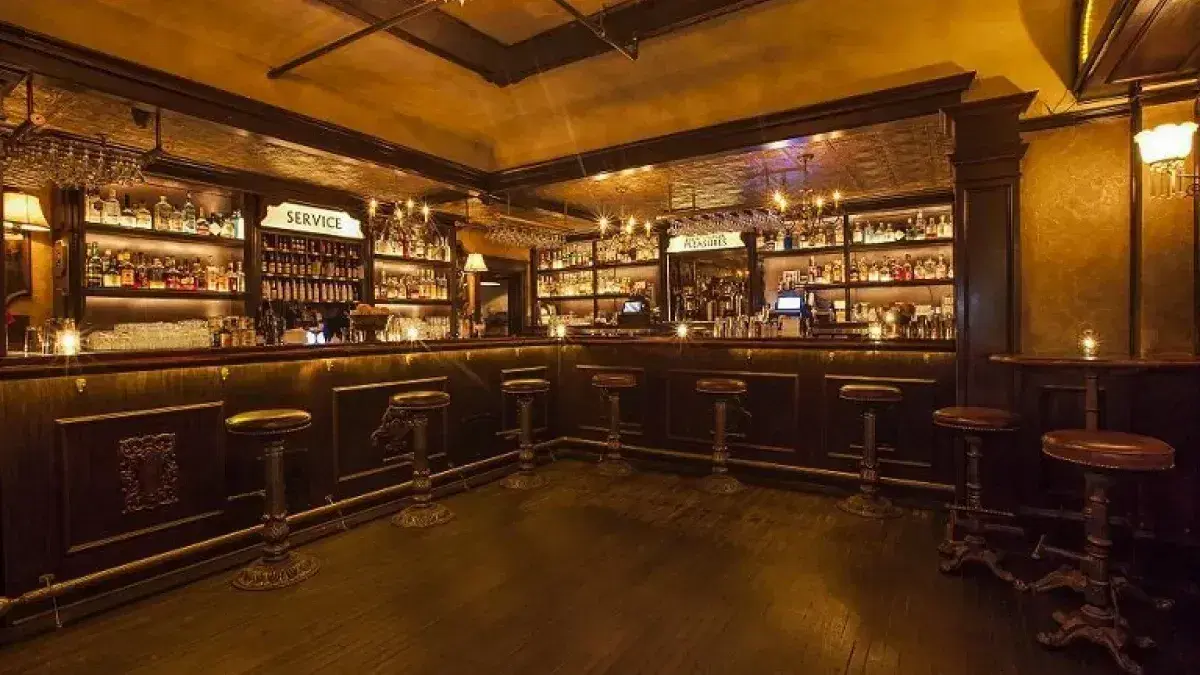
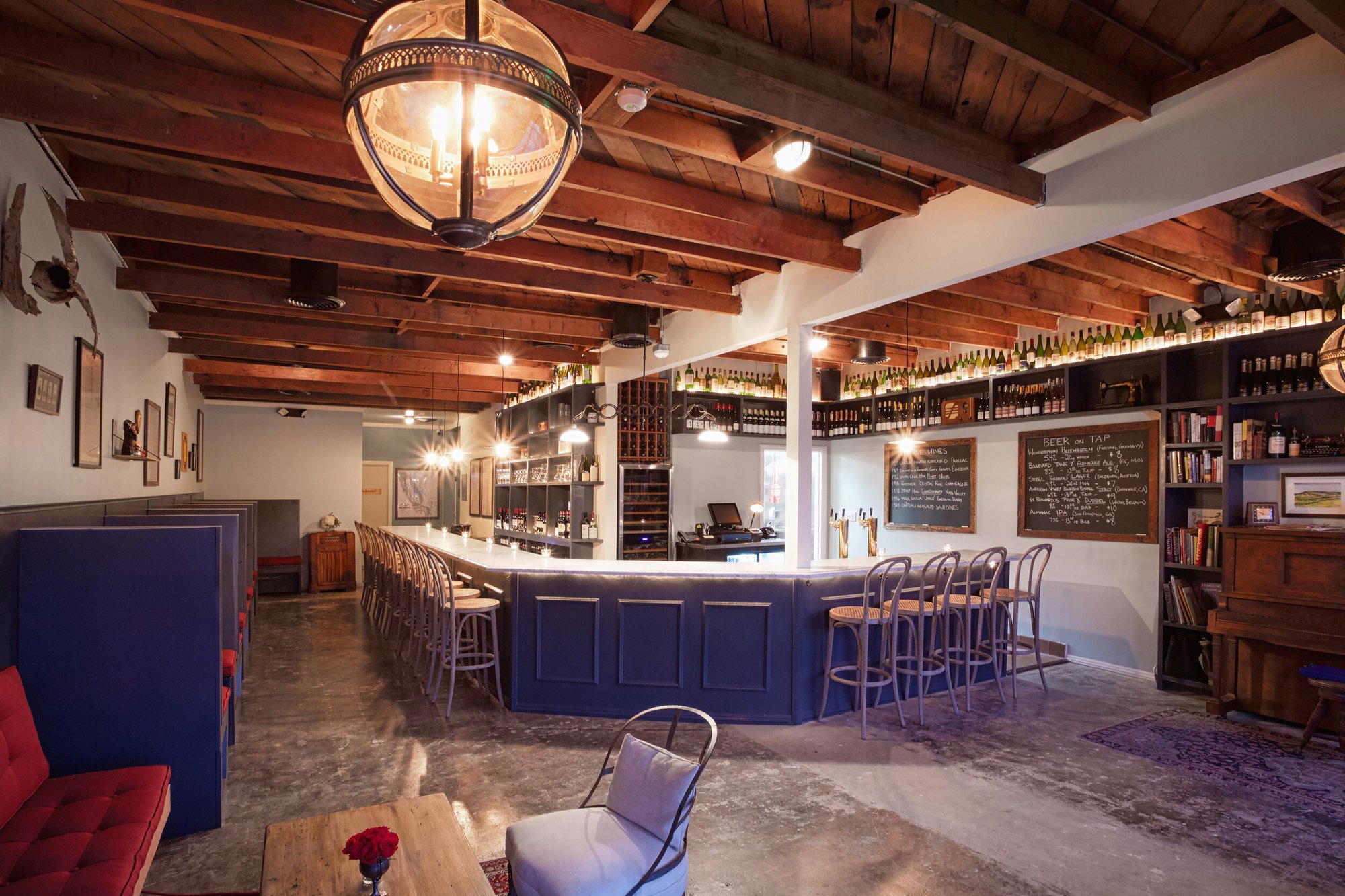
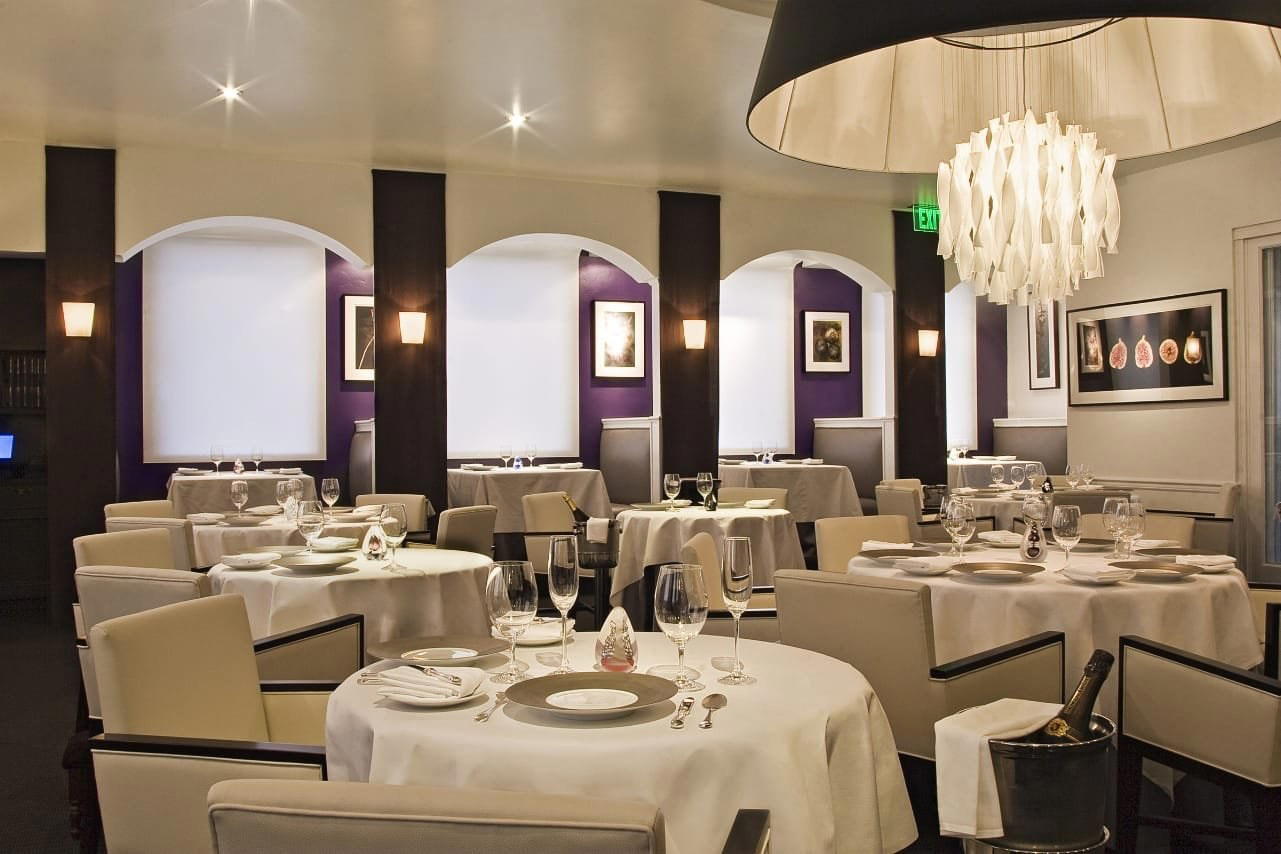
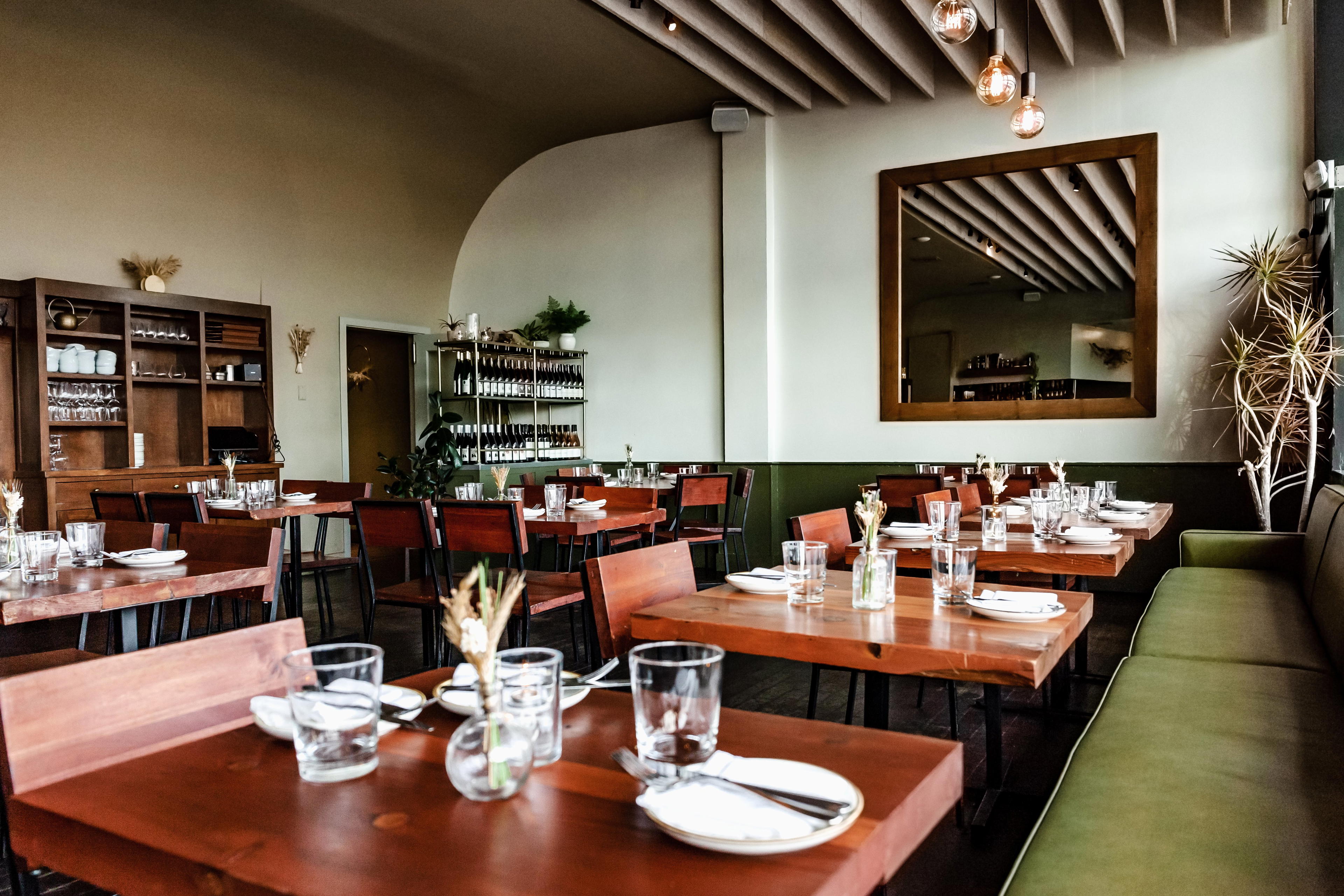
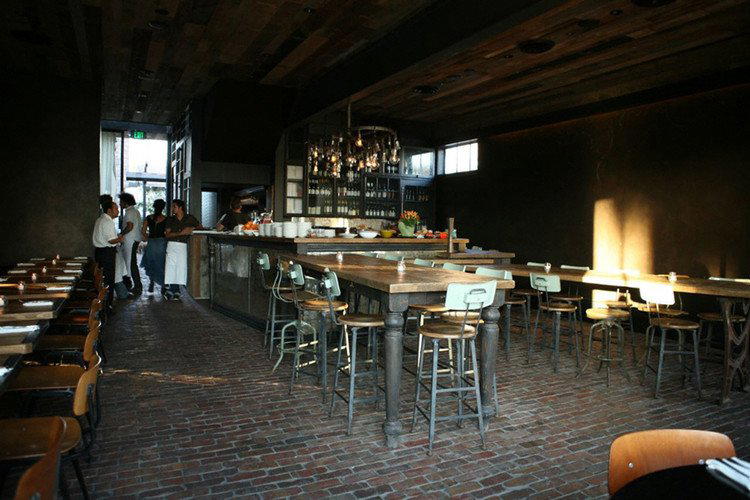
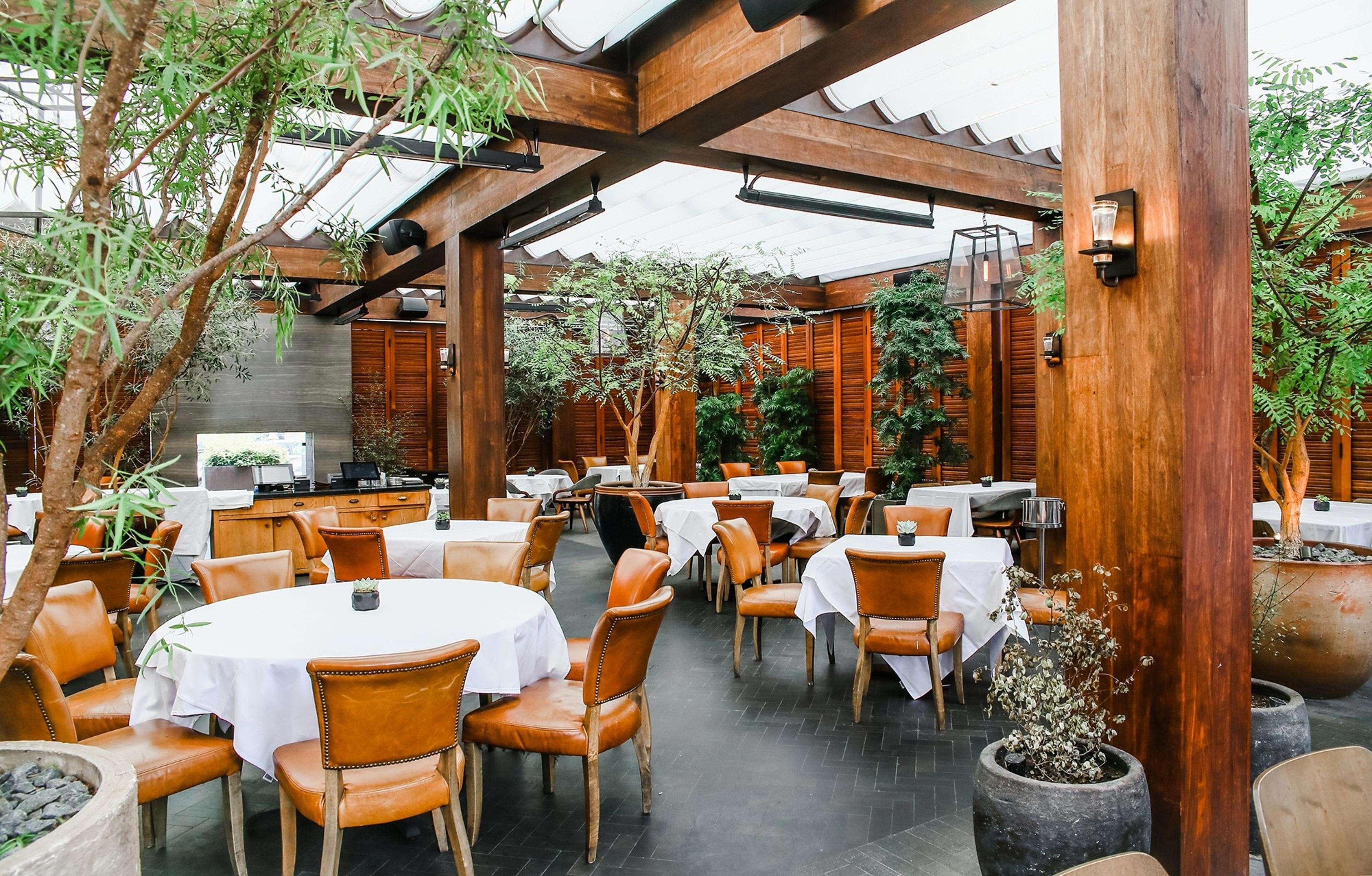
Laid-back mid-century modernism with exposed wood beams, natural light, and serene woodland surroundings for an intimate, unplugged retreat.