L'Hôtel Particulier occupies a historic private mansion on Rue Crémieux in Paris's 12th arrondissement, a street known for its painted facades and residential calm. The property sits in the smaller, design-led tier of Paris luxury accommodation, where intimacy and neighbourhood character take precedence over grand lobby spectacle. For travellers seeking a quieter counterpoint to the Right Bank palace hotels, this address offers a distinct entry point into the city.
Pearl is the En Primeur Club membership app — saves, bookings, and concierge access live there. Same editors, same standards.
- Address
- 15 Rue Crémieux, 75012 Paris, France
- Phone
- +33 6 83 53 12 10
- Directions
- Get directions
 Saves & bookings on Pearl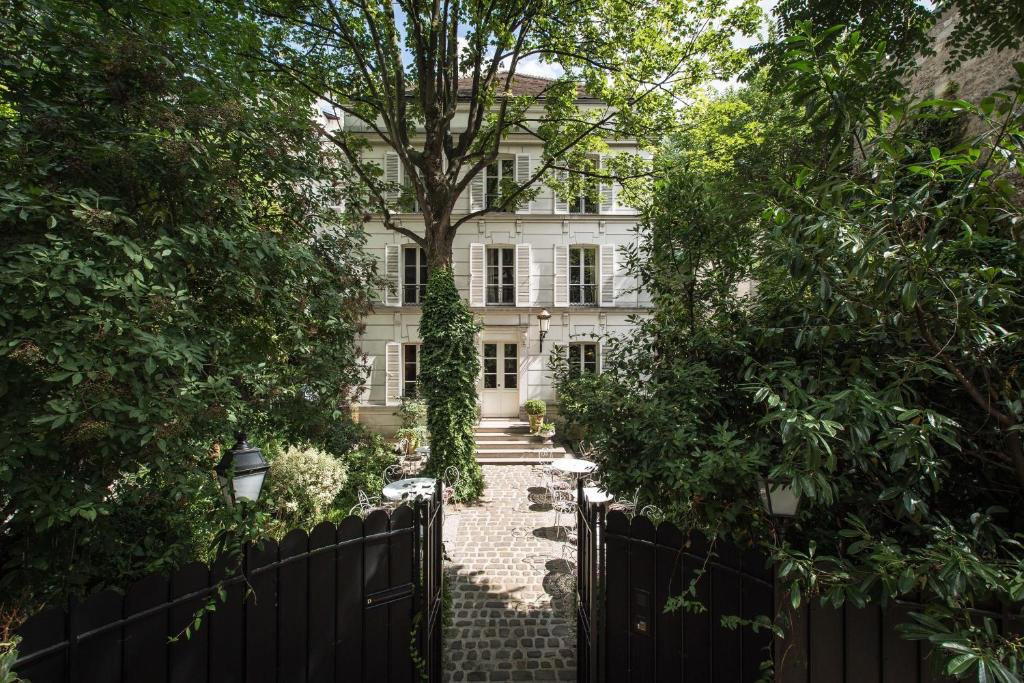
Rue Crémieux and the Logic of the 12th
Paris luxury accommodation has long been organised around a gravitational centre: the Triangle d'Or, the Palais Royal, the Seine-facing palaces that line the first and eighth arrondissements. Properties like Cheval Blanc Paris, Hotel Plaza Athénée, and Hôtel de Crillon operate from within that gravity, where the address itself is part of the product. The past decade, however, has produced a smaller, parallel category of Paris stay: the private-house hotel that trades symbolic location for neighbourhood texture, where the building reads as a recovered domestic object rather than a purpose-built hospitality monument.
L'Hôtel Particulier sits on Rue Crémieux, a pedestrianised lane in the 12th arrondissement whose brightly painted facades have made it one of the more photographed residential streets in the city. The street's visual character is not incidental to the hotel's positioning. Guests arrive not at a grand porte-cochère but into a quieter register of Paris, one defined by coloured render, potted plants, and the particular calm of a street closed to through traffic. That arrival sequence sets the tone for everything that follows.
The Particulier Format and What It Implies
The hôtel particulier building type, a private urban mansion historically associated with aristocratic or bourgeois ownership, has become a recurring template for Paris's smaller luxury properties. The format carries inherent constraints: limited keys, inherited architecture, rooms that vary in proportion because they were designed as domestic space, not hotel inventory. Those constraints, in the right hands, become the product. Properties that work within them tend to appeal to a guest who finds the uniformity of large international hotels actively undesirable.
In that context, L'Hôtel Particulier on Rue Crémieux belongs to a cohort that includes design-led maisons across the Marais and the quieter reaches of the Left Bank, where the comparison set is not Four Seasons George V or Le Meurice but rather properties of comparable scale and philosophy: fewer than twenty keys, a design approach rooted in the original architecture, and a service model that feels residential rather than procedural. For visitors drawn to this tier, the neighbourhood matters as much as the property itself, and the 12th offers a Paris that the first and eighth simply cannot replicate.
Lunch, Dinner, and the Rhythm of a Neighbourhood Hotel
The lunch-versus-dinner divide in Paris hospitality is rarely more legible than at smaller properties embedded in residential streets. At the palace hotels concentrated around the Champs-Élysées and the Place Vendôme, both services operate at the same register of formality, the dining room equally dressed and equally serious whether it is noon or nine in the evening. The smaller private-house hotel operates on a different rhythm. Lunch tends to be the lighter, more exploratory moment, with guests moving in and out of the neighbourhood rather than anchoring to a formal dining programme. Evening brings a different gravity, when the enclosed courtyard or garden, if one exists, becomes the property's most valuable square metre.
For a property on Rue Crémieux, the surrounding 12th arrondissement provides a genuine daytime dining context. The area's proximity to the Marché d'Aligre, one of the more active covered markets in Paris, gives the neighbourhood a food culture that functions independently of any hotel programme. That local density is itself a form of editorial value for the guest: the option to eat outward from the property, into the neighbourhood's own ecosystem, rather than being contained within a hotel dining room. Properties in this position sit in a different relationship to the city than palace hotels, which often function as self-contained destinations.
The evening shift is where the more intimate scale of the hôtel particulier format makes its strongest case. A walled garden in this part of Paris, if properly managed, delivers something the larger properties cannot match: genuine quiet in a city that rarely offers it.
Placing the Property in Paris's Broader Accommodation Spectrum
Paris's premium accommodation offer is unusually stratified. At one end sit the historical palace hotels, a formally designated category under French law, represented by properties such as La Réserve Paris and Le Bristol Paris. At the other end, the city has developed a strong market for smaller design properties, often occupying recovered domestic or industrial buildings, that compete on character rather than scale. L'Hôtel Particulier on Rue Crémieux operates in that second register.
Guests choosing between these tiers are making a decision about what kind of Paris they want to inhabit. The palace hotel delivers consistent, calibrated luxury in a location that announces itself. The private-house hotel asks the guest to do more interpretive work: to engage with the neighbourhood, to accept architectural idiosyncrasy, to find value in proximity to local life rather than distance from it. Neither is a superior choice in the abstract; they answer different questions about how to use a Paris stay.
For comparison, France's wider luxury hotel offer demonstrates the range of what this category can achieve. Properties like Domaine Les Crayères in Reims, La Bastide de Gordes in Gordes, and Baumanière Les Baux-de-Provence in Les Baux each work within recovered architectural forms, mansion, bastide, or mas, to produce a hospitality product inseparable from its physical container. The same logic applies in Paris, where the hôtel particulier format is the urban equivalent of those regional typologies.
For those extending travel beyond Paris, comparable approaches to intimate scale luxury can be found along the French coast at Hotel Du Cap-Eden-Roc in Cap d'Antibes and The Maybourne Riviera in Roquebrune-Cap-Martin, or in the vineyards at Les Sources de Caudalie in Bordeaux and Villa La Coste in Le Puy-Sainte-Réparade. The thread connecting them is a building-first logic that Paris's own smaller properties share.
Planning a Stay
Rue Crémieux sits in the 12th arrondissement, within walking distance of the Bastille and the Marché d'Aligre, and a short Metro ride from the Marais. The location is neither central in the conventional Paris tourist sense nor remote: it occupies a residential middle ground that suits guests who want to use the city as a network rather than a set of monument-adjacent hotels. Booking directly with the property, where possible, is advisable for smaller Paris maisons, as third-party availability often lags the actual room offer. Given the limited key count typical of properties in this format, advance planning of several weeks is sensible for peak travel periods, particularly spring and September. For broader Paris planning, see our full Paris restaurants guide.
Where the Accolades Land
| Venue | Awards |
|---|---|
| L'Hôtel ParticulierThis venue — the venue you are viewing | This venue |
| Cheval Blanc Paris | Michelin 3 Key |
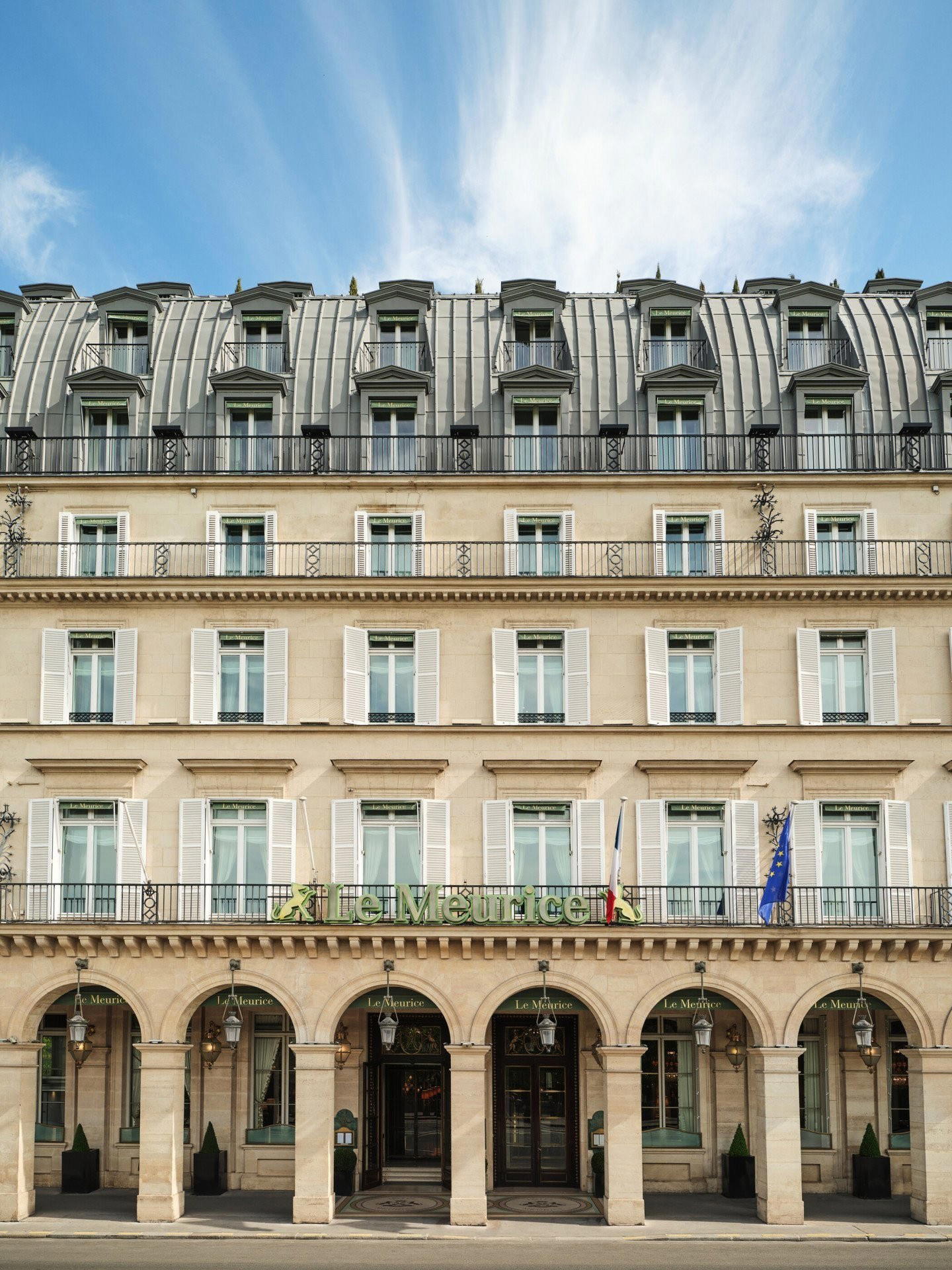
| Le Meurice | Michelin 3 Key |
| Shangri-La Paris | Michelin 2 Key |
| The Peninsula Paris | Michelin 2 Key |
| Soho House Paris | Michelin 1 Key |
Continue exploring
More in Paris
Hotels in Paris
Browse all →
Bars in Paris
Browse all →
Restaurants in Paris
Browse all →
At a Glance
- Romantic
- Elegant
- Intimate
- Sophisticated
- Romantic Getaway
- Honeymoon
- Anniversary
- Weekend Escape
- Garden
- Historic Building
- Terrace
- Garden
- Restaurant
- Garden
- Garden
- Restaurant
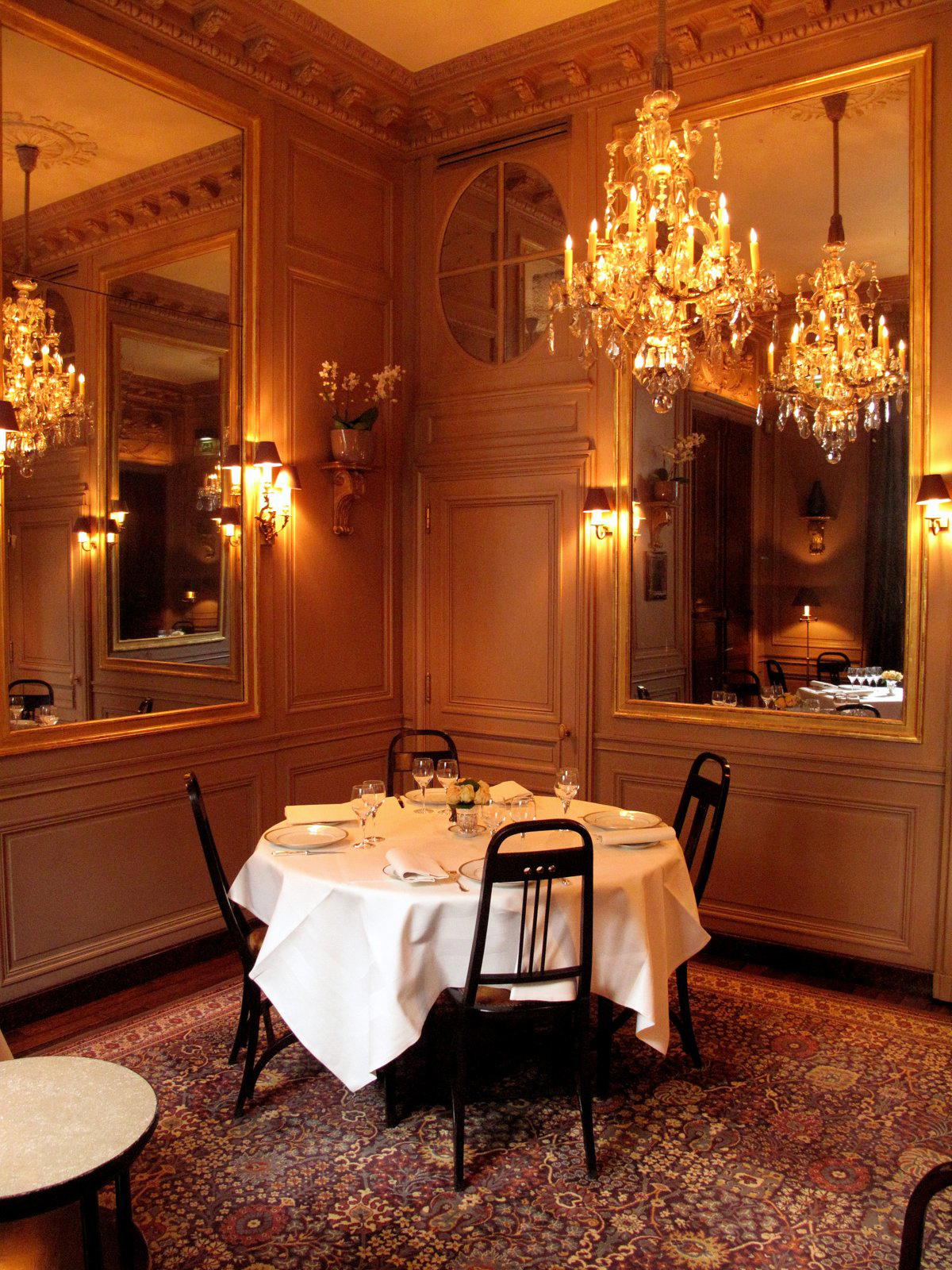
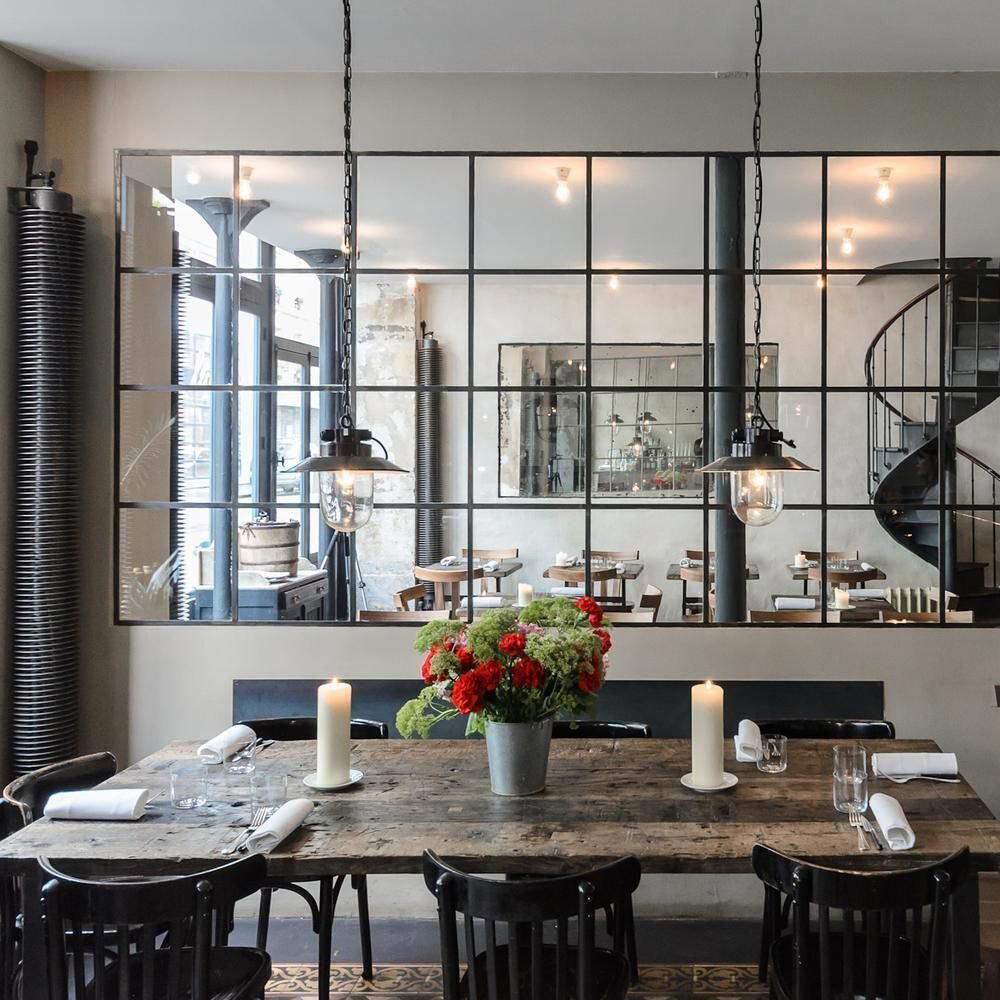
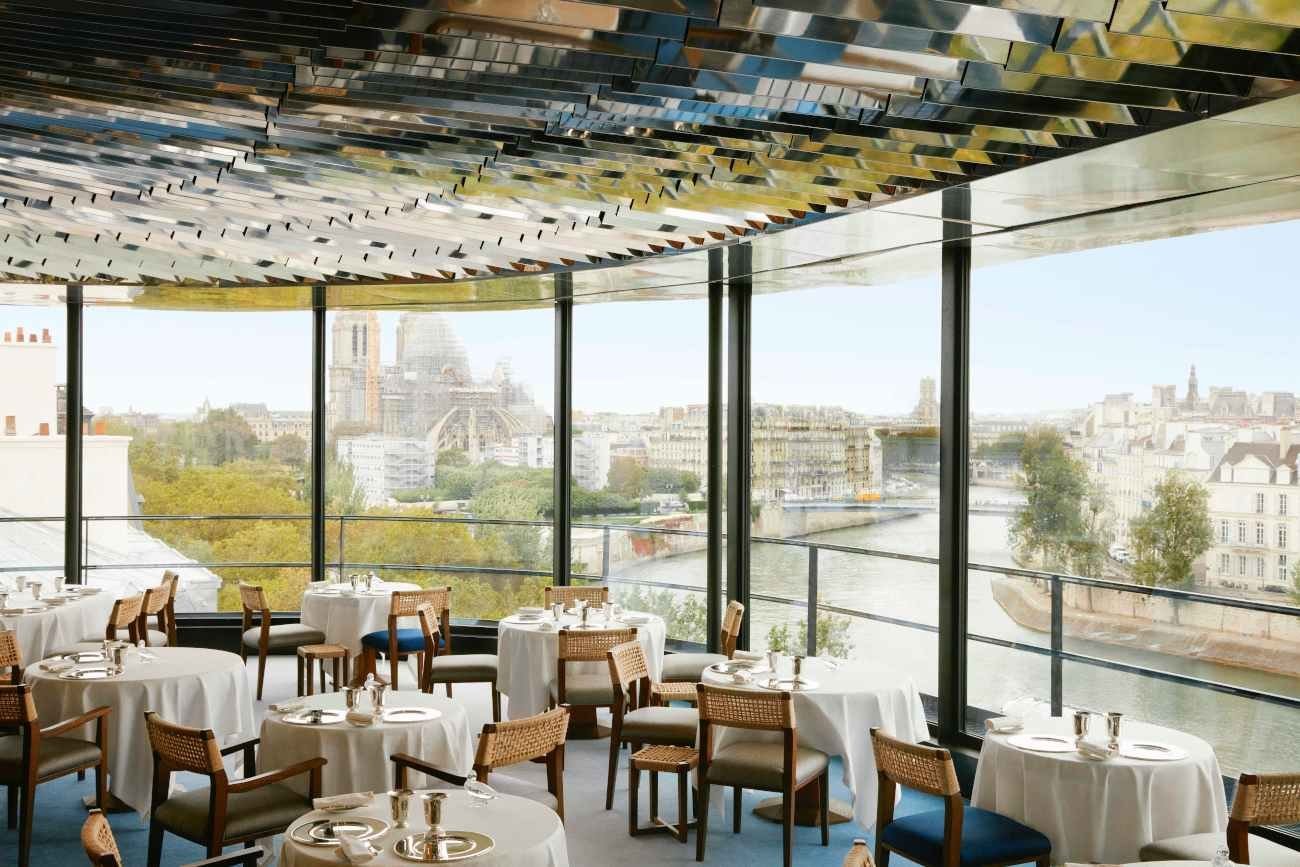
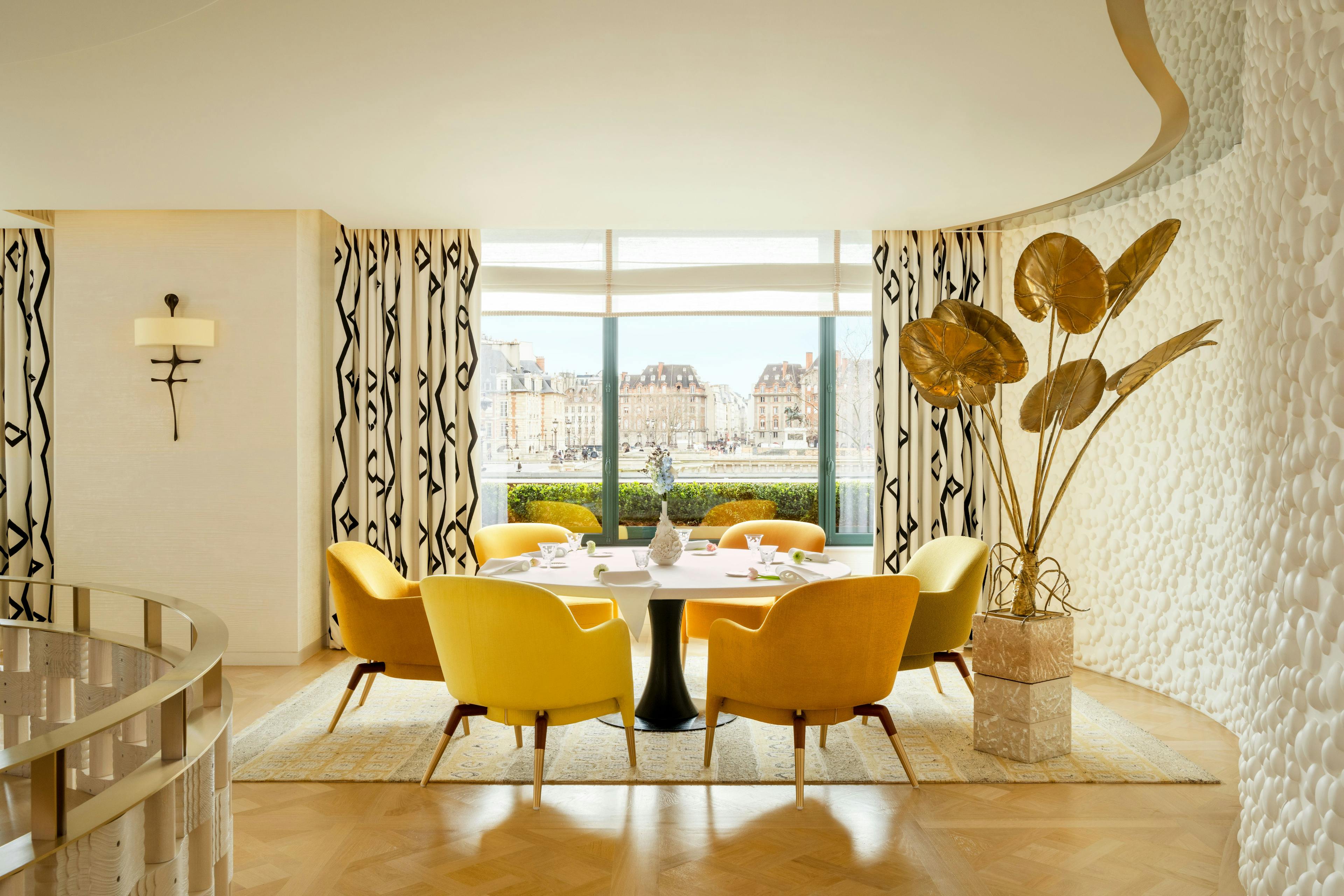
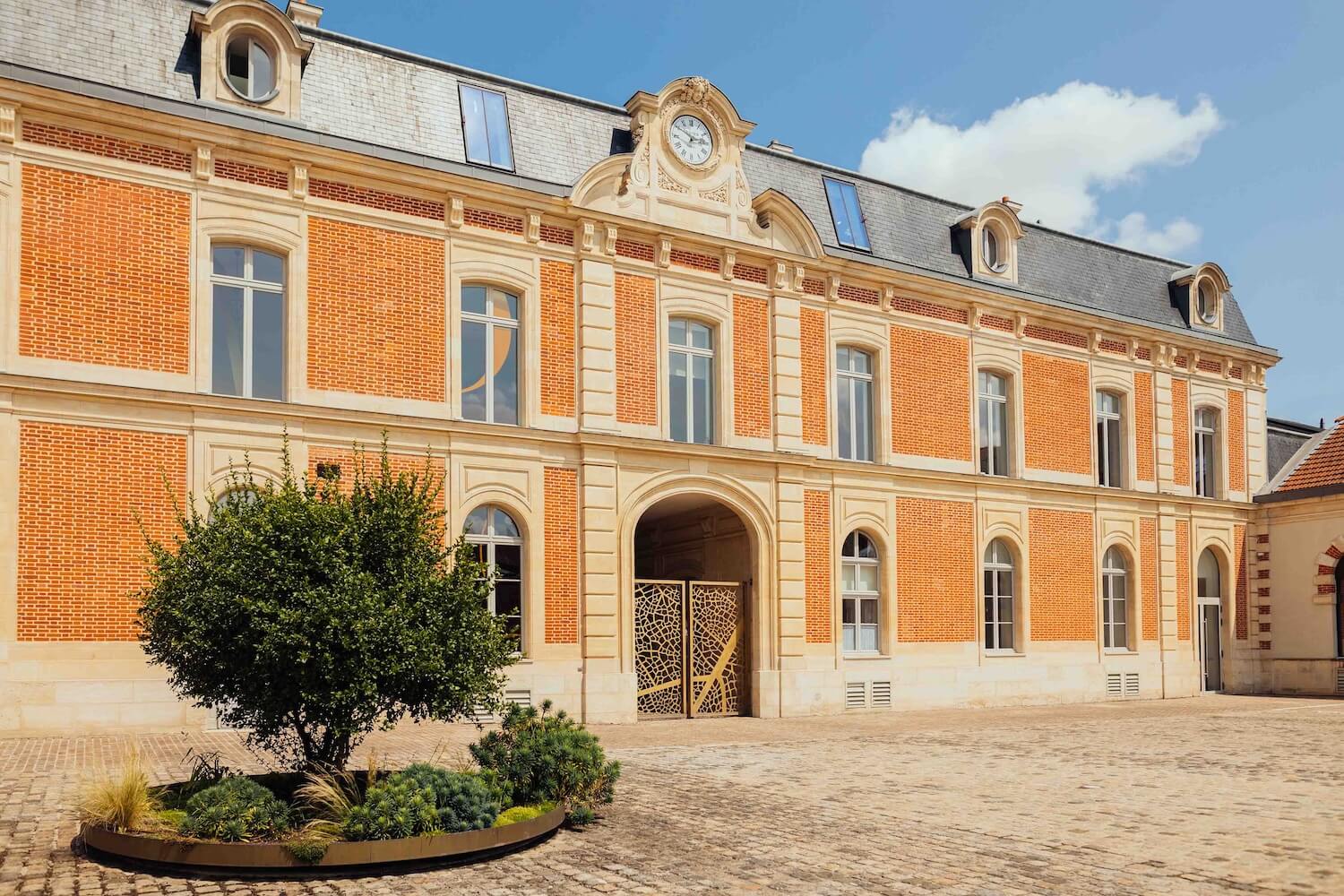
Ornate 18th-century atmosphere with elegant moldings, gold touches, and modern artistic elements creating an intimate, glamorous retreat.
Know Before You Go
- Getting there
- 15 Rue Crémieux, 75012 Paris, France