Legacy Hotel, Trademark Collection by Wyndham
Legacy Hotel, Trademark Collection by Wyndham sits inside Green Bay’s hotel conversation at the point where branded lodging meets local-trip practicality. With no published public sources for room count, pricing, awards, or dining program, the useful reading is comparative: treat it as a Wyndham-affiliated base for a city shaped by football travel, waterfront redevelopment, and short-stay Midwestern hospitality.
Pearl is the En Primeur Club membership app — saves, bookings, and concierge access live there. Same editors, same standards.
- Address
- Green Bay, United States
- Directions
- Get directions
 Saves & bookings on Pearl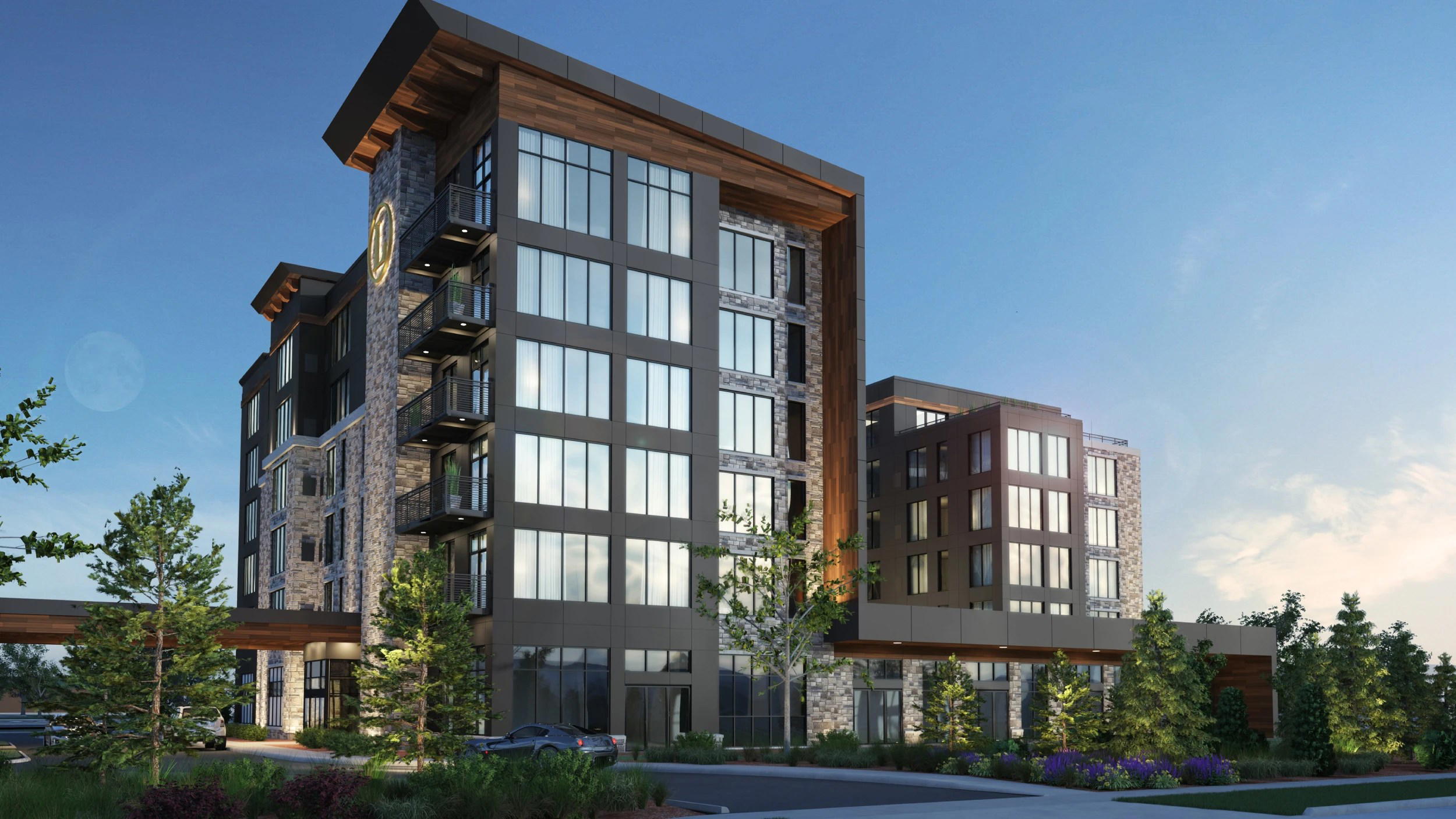
Green Bay lodging through the lens of place
Approaching a hotel in Green Bay is rarely a neutral act. The city’s hospitality rhythm is shaped by game weekends, winter weather, corporate midweek travel, and families building short trips around the Fox River, Lambeau Field, and the downtown waterfront. In that setting, design has to work harder than decoration. A lobby must absorb suitcase traffic, late arrivals, team colors, snow boots, and early coffee runs without turning into a transit hall. Legacy Hotel, Trademark Collection by Wyndham belongs to that practical Midwestern category: a branded hotel in a city where the physical experience is judged less by theatrical arrival than by how confidently the building handles the trip people are actually taking.
The name matters because Trademark Collection by Wyndham signals a soft-brand structure rather than a fully independent hotel. In the American hotel market, soft brands occupy a middle lane: they allow properties to keep some local identity while using the distribution, loyalty infrastructure, and operational standards of a larger group. That puts Legacy Hotel, Trademark Collection by Wyndham in a different comparable set from landmark design hotels such as The Fifth Avenue Hotel in New York City or historic resort properties such as The Beverly Hills Hotel in Los Angeles. The comparison is not about glamour. It is about category: Green Bay rewards hotels that read the local calendar, manage demand swings, and provide a composed base rather than a destination set piece.
Why design in Green Bay is a matter of use
Hotel architecture in smaller American cities tends to reveal its priorities quickly. In resort markets, architecture frames views and privacy; in dense urban markets, it compresses drama into public rooms; in event-driven cities, circulation, parking access, lobby clarity, and bedroom comfort become design decisions with real consequence. Green Bay falls heavily into the third group. A room that feels calm after a night game, a public area that does not choke during weekend check-in, and materials that tolerate winter wear carry more value here than grand gestures imported from coastal luxury.
That absence should not be disguised as mystery. It means the property should be assessed as part of Green Bay’s broader accommodation supply rather than through invented design claims. The Wyndham affiliation is the concrete trust signal in the record, and it places the hotel within a recognized international lodging network. For travelers comparing the city’s options, Legacy Hotel, Trademark Collection by Wyndham should be read against local needs first: event timing, proximity preferences, room category clarity, and how much branded consistency matters for the stay.
The soft-brand hotel as a modern American compromise
Soft-brand hotels have become one of the defining hospitality formats in the United States. They answer a specific market problem: travelers want properties with more local character than a standard chain box, while owners want access to reservation systems, loyalty members, and recognizable quality controls. The result can be compelling when the building has a clear point of view. It can also become vague when branding language substitutes for architectural identity. The difference usually appears in the public spaces, where the design either speaks to the city or merely dresses a lobby in regional cues.
Green Bay gives that format a useful test. This is not a market where a hotel can rely on skyline drama or resort seclusion. The city asks whether the property understands a trip built around football, meetings, family travel, and short regional escapes. That makes the hotel’s layout, acoustic separation, arrival sequence, and room practicality central to the guest experience.
Green Bay's hotel scene: event city, working city, weekend city
Green Bay hospitality operates on a compressed calendar. NFL weekends change room demand, restaurant pacing, bar traffic, and arrival patterns across the city. Weekdays bring a different tone, with regional business travel and Wisconsin road-trip itineraries taking over. In summer and early autumn, the waterfront and outdoor schedule broaden the market; in deep winter, practical comforts become part of the design brief. This rhythm makes planning more important than in cities with steadier year-round leisure demand.
For a wider view of the city, Green Bay’s hotels, restaurants, bars, wineries, and experiences shape how a stay comes together beyond the room.
How to read the room category question
Room-category decisions in a city like Green Bay should begin with timing, not aspiration. On event weekends, availability and rate movement can matter more than incremental square footage. For a short business stay, work surface, quiet, and quick exit routes tend to carry more weight than a view category. For families, bedding configuration and bathroom practicality usually determine comfort faster than decorative flourishes. The sharper advice is to define the trip: sleep-focused, event-focused, family-focused, or extended-stay focused, then compare the hotel’s published room descriptions through that filter.
That approach also avoids a common mistake in hotel selection: treating brand affiliation as a complete description. A soft-brand flag can indicate distribution and standards, but the room itself still does the work. This is why peer comparison matters. At destination resorts such as Kona Village, A Rosewood Resort in Kailua Kona, Post Ranch Inn in Big Sur, or Little Palm Island Resort & Spa in Little Torch Key, category choice often revolves around setting, privacy, and view. In Green Bay, the more useful questions are quieter: arrival time, expected traffic, number of guests, luggage volume, and whether the room needs to function as a retreat after a crowded public event.
Dining, bars, and the hotel-as-base decision
That matters. In hotel criticism, an absent dining record changes the way a property should be positioned. Some hotels are chosen because the restaurant anchors the trip; others serve as a lodging base while the city supplies the meals. Until verified dining details are available, the second reading is safer for this Green Bay property.
This distinction is useful for travelers accustomed to hotels where food and lodging are closely linked. SingleThread Farm Inn in Healdsburg is tied to a dining-led model; Auberge du Soleil in Napa and Meadowood Napa Valley in St. Helena sit in a wine-country tradition where restaurants, cellar access, and landscape define the stay. Green Bay asks for a different decision tree. The hotel should be evaluated as sleeping quarters, arrival point, and logistical anchor, while the city’s restaurants and bars carry the evening’s personality.
Architecture as expectation management
Design-led hotels often trade on a legible aesthetic identity: historic revival, wellness minimalism, coastal modernism, alpine grandeur, or adaptive reuse. Examples make the categories clear. Chicago Athletic Association in Chicago draws power from institutional architecture and downtown history. 1 Hotel San Francisco in San Francisco belongs to a sustainability-coded urban resort model. Dunton Hot Springs in Dunton depends on remoteness and preserved Western character. Hôtel de Paris Monte-Carlo in Monte Carlo, Badrutt's Palace Hotel in St. Moritz, and Aman Venice in Venice operate within European palace-hotel traditions where architecture is part of the cultural capital.
Legacy Hotel should not be forced into that lineage without evidence. Its more relevant architectural question is whether the building creates a composed stay within Green Bay’s event-and-business hotel economy. That is a legitimate design standard, and often a harder one than it appears. A hotel serving quick-turn leisure and regional business demand needs public spaces that can shift tempo, rooms that do not feel compromised by utility, and service points that make arrival readable. In that sense, the property’s soft-brand status sets an expectation: some individuality, some system, and a guest experience that should be judged by execution rather than mythology.
Planning notes for a Green Bay stay
Practical planning in Green Bay should begin with the calendar. Football weekends and major local events can reshape rates and availability across the city, so price comparisons should be date-specific rather than based on average impressions. Winter travel also deserves attention: arrival time, parking arrangements, and indoor circulation can influence comfort in ways that matter less in warm-weather destinations.
The sensible planning sequence is to confirm current rates, room categories, parking, cancellation terms, and any food-and-beverage availability through official booking channels before committing to a stay. For travelers comparing wellness-oriented properties, Canyon Ranch Tucson in Tucson sets a different model built around programming and health infrastructure. For mountain-lodge comparisons, Sage Lodge in Pray shows how outdoor setting can dominate the hotel decision. Green Bay’s calculation is more urban-regional: the right hotel is the one that makes the trip function cleanly.
Editorial verdict
Legacy Hotel, Trademark Collection by Wyndham is best understood as part of Green Bay’s practical lodging tier, shaped by a soft-brand framework and a city calendar that can change the hotel equation overnight. That limitation is not a weakness in the editorial reading; it is the reading. This is a hotel to assess through brand structure, local trip purpose, and design utility rather than through invented luxury language.
For travelers who want a Green Bay base with the familiarity of a major hotel network, the property’s Wyndham connection is the clearest available signal. For travelers seeking a hotel where architecture, dining, or resort setting defines the trip, comparisons should extend beyond Green Bay to properties whose identities are documented in those terms, from Raffles Boston in Boston to Four Seasons at The Surf Club in Surfside. In Green Bay, the sharper question is simpler: does the hotel match the timing, purpose, and logistical weight of the trip?
Comparable venues nearby, for context on price, style, and recognition.
| Venue | Cuisine | Price | Awards | Notes |
|---|---|---|---|---|
| Legacy Hotel, Trademark Collection by WyndhamThis venue — the venue you are viewing | Independent all-suites boutique hotel positioned as a landmark stay in Green Bay’s Stadium District near Lambeau Field. | $$$ | 4-Star | Not listed |
| Kinn Guesthouse | Modern boutique guesthouse concept fusing Airbnb-style residential living with curated hotel design and communal spaces. | $$$ | 4-Star | Juneau Town |
| Ironworks Hotel, Beloit | Luxury boutique hotel housed in a restored foundry celebrating American industrial heritage with modern amenities. | $$$ | 4-Star | downtown Beloit |
| Graduate by Hilton Madison | College-themed boutique hotel celebrating local university heritage | $$$ | 4-Star | Downtown Madison |
| Hyatt Regency Milwaukee | Contemporary downtown business hotel with skywalk connections to convention centers | $$$ | 4-Star | Kilbourn Town |
| Delafield Hotel | Modern boutique hotel with Four Diamond luxury positioning; emphasizes contemporary design with cozy elements and personalized service for leisure, romantic, and business travelers. | $$$ | 4-Star | downtown Delafield |
Continue exploring
More in Green Bay
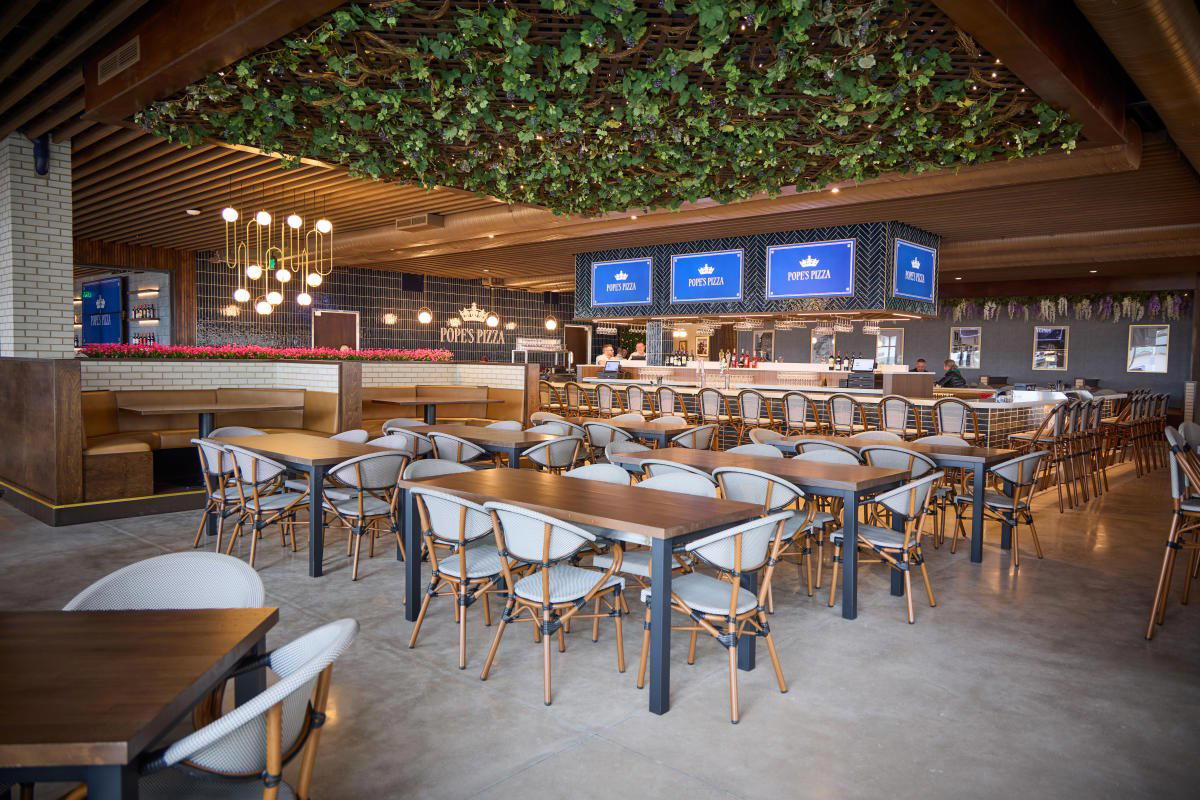
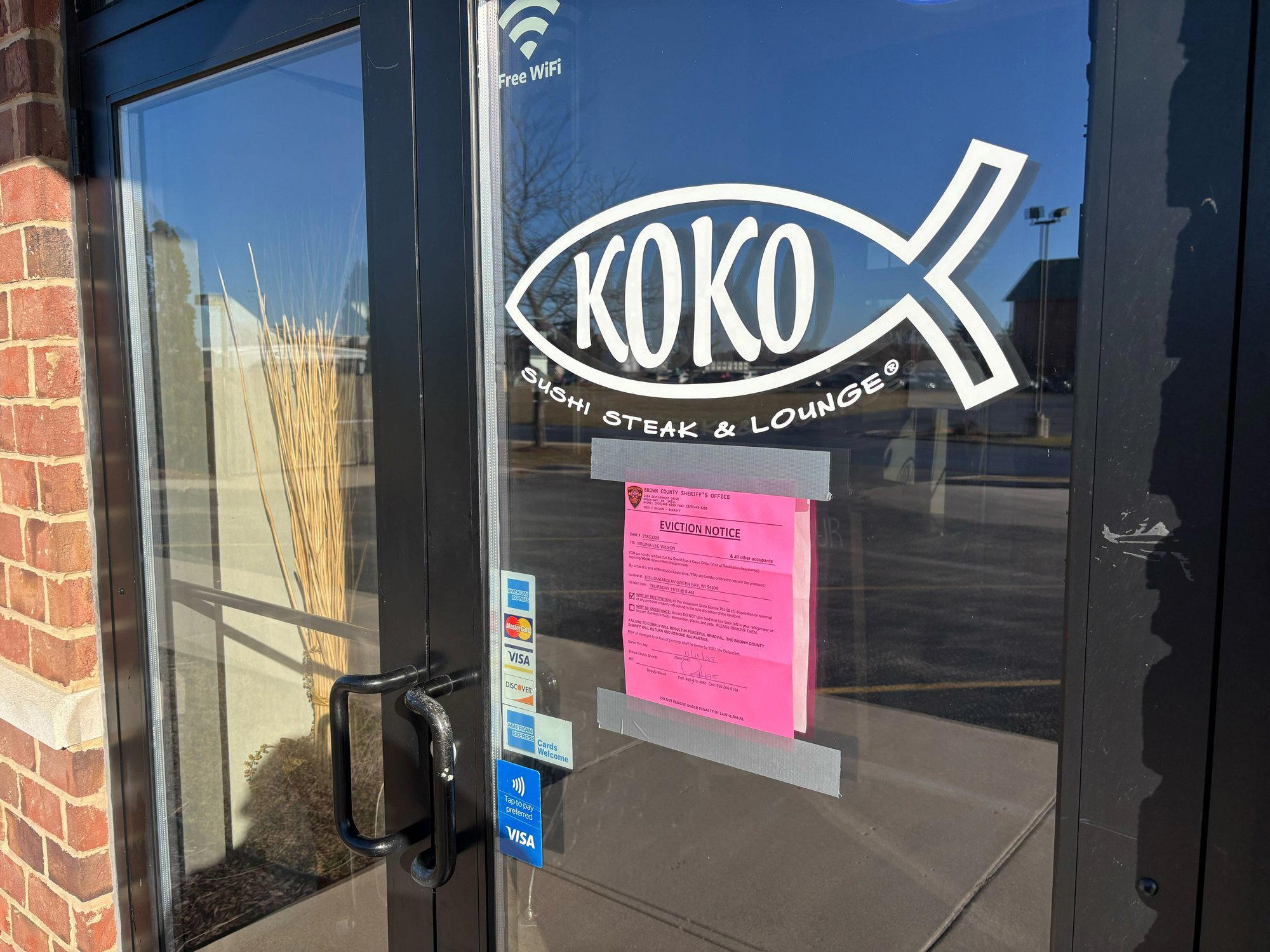
Bars in Green Bay
Browse all →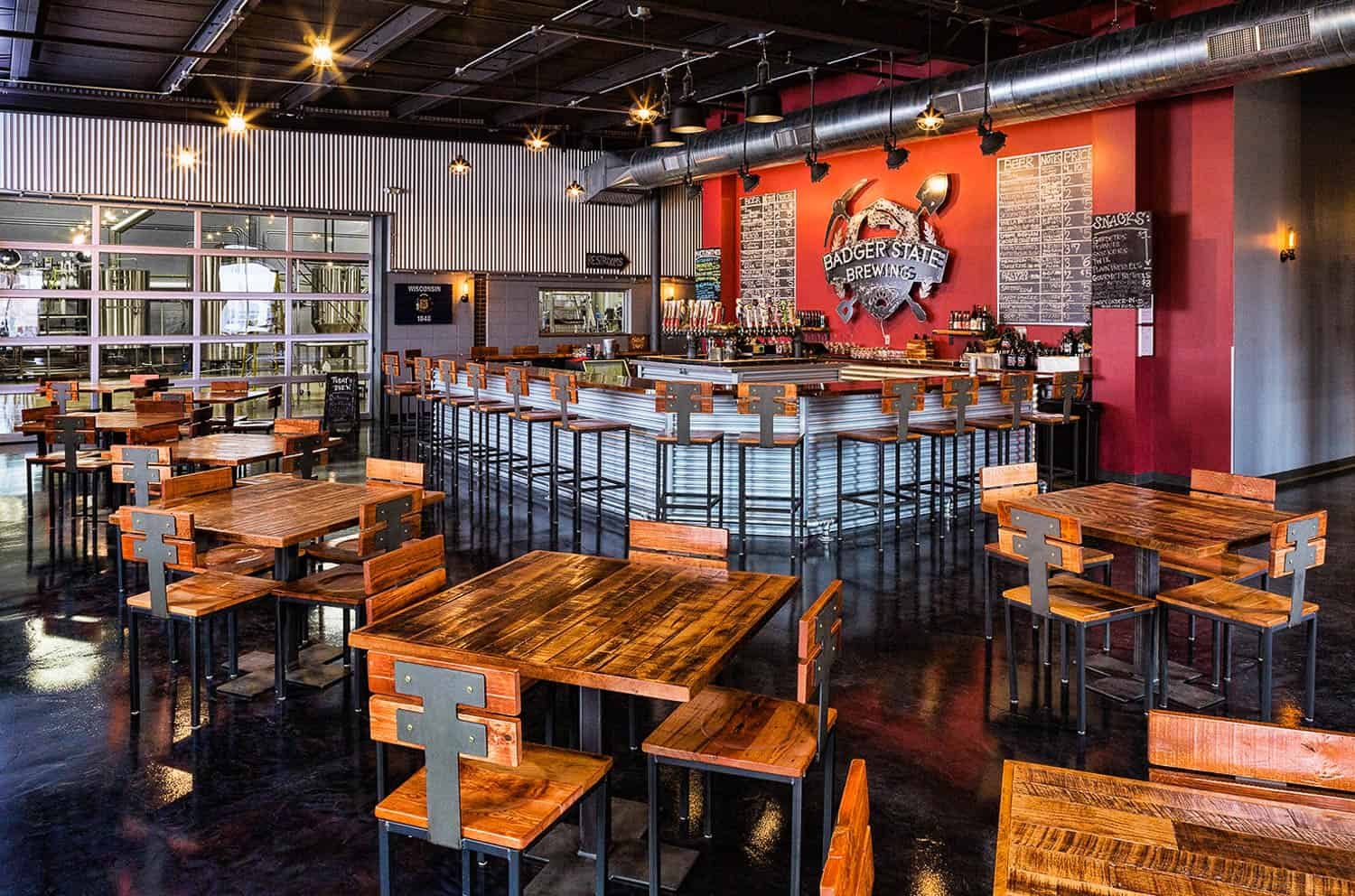


At a Glance
- Modern
- Elegant
- Trendy
- Sophisticated
- Weekend Escape
- Business Trip
- Group Retreat
- Family Vacation
- Romantic Getaway
- Celebration
- Rooftop Pool
- Terrace
- Design Destination
- Historic Building
- Wi Fi
- Spa
- Fitness Center
- Restaurant
- Bar
- EV Charging
- Street Scene
- Wi Fi
- Spa
- Fitness Center
- Restaurant
- Bar
- EV Charging
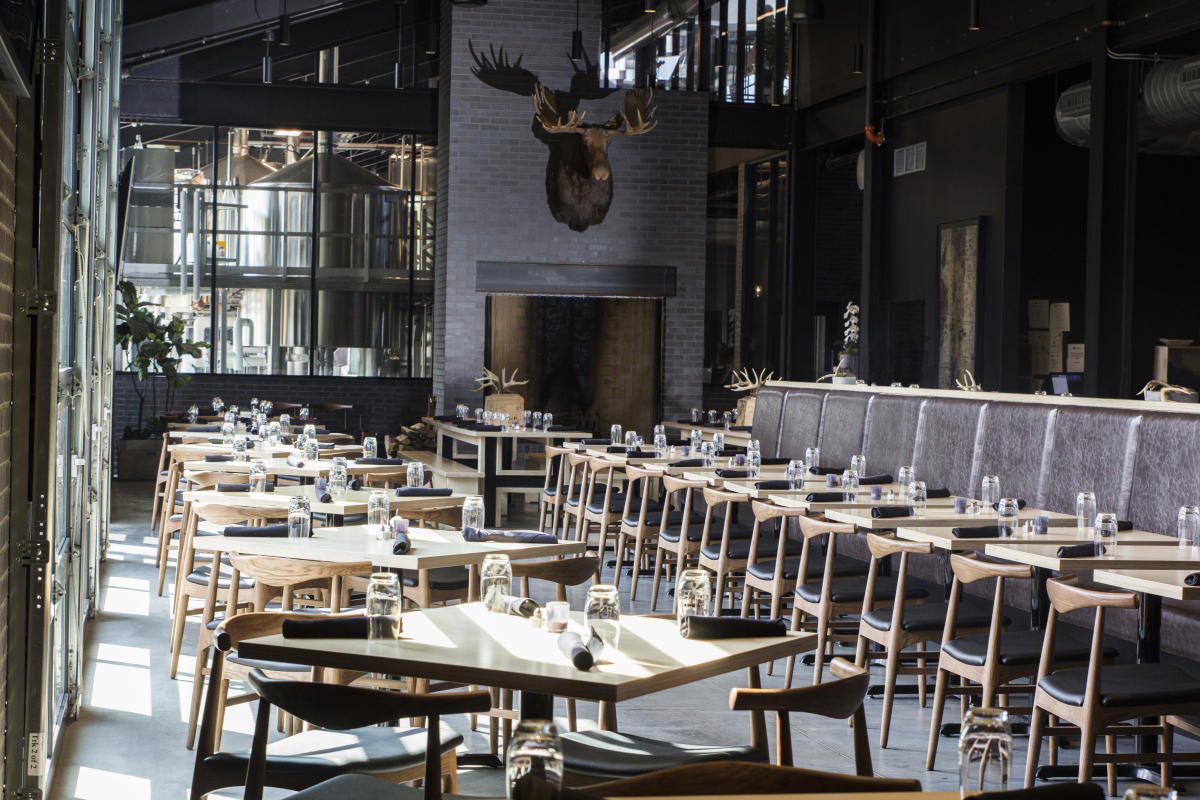
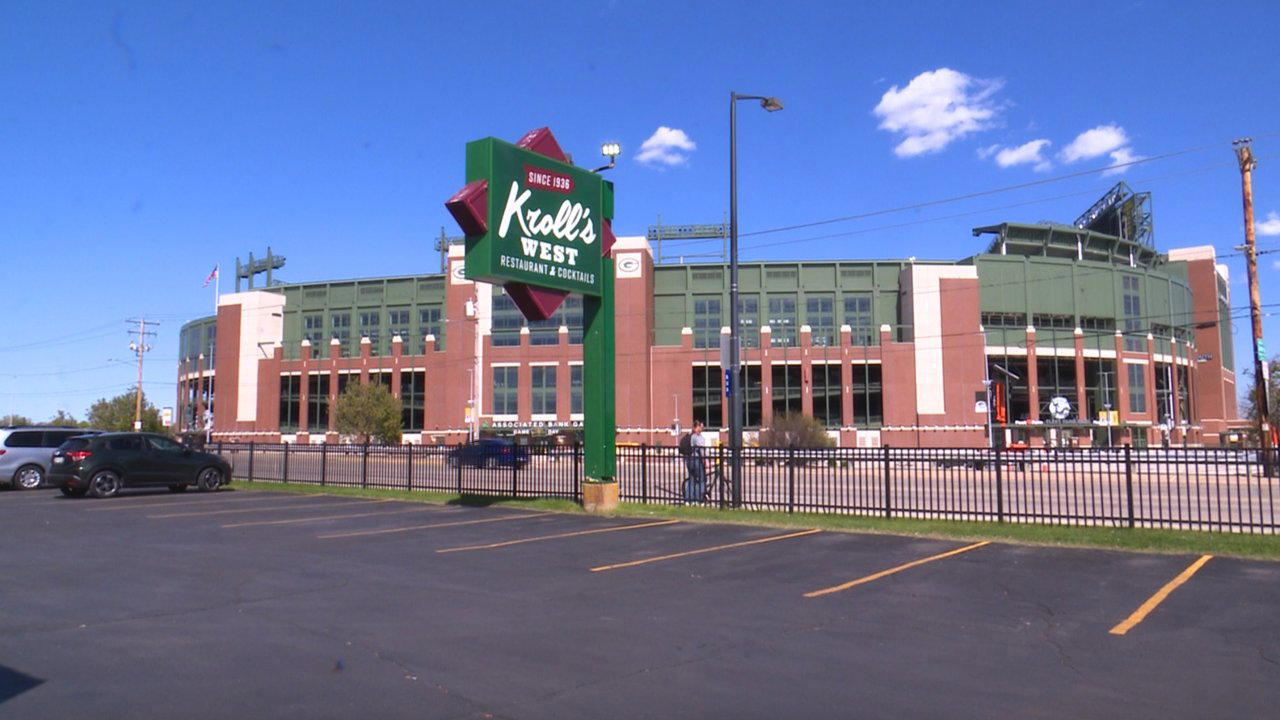
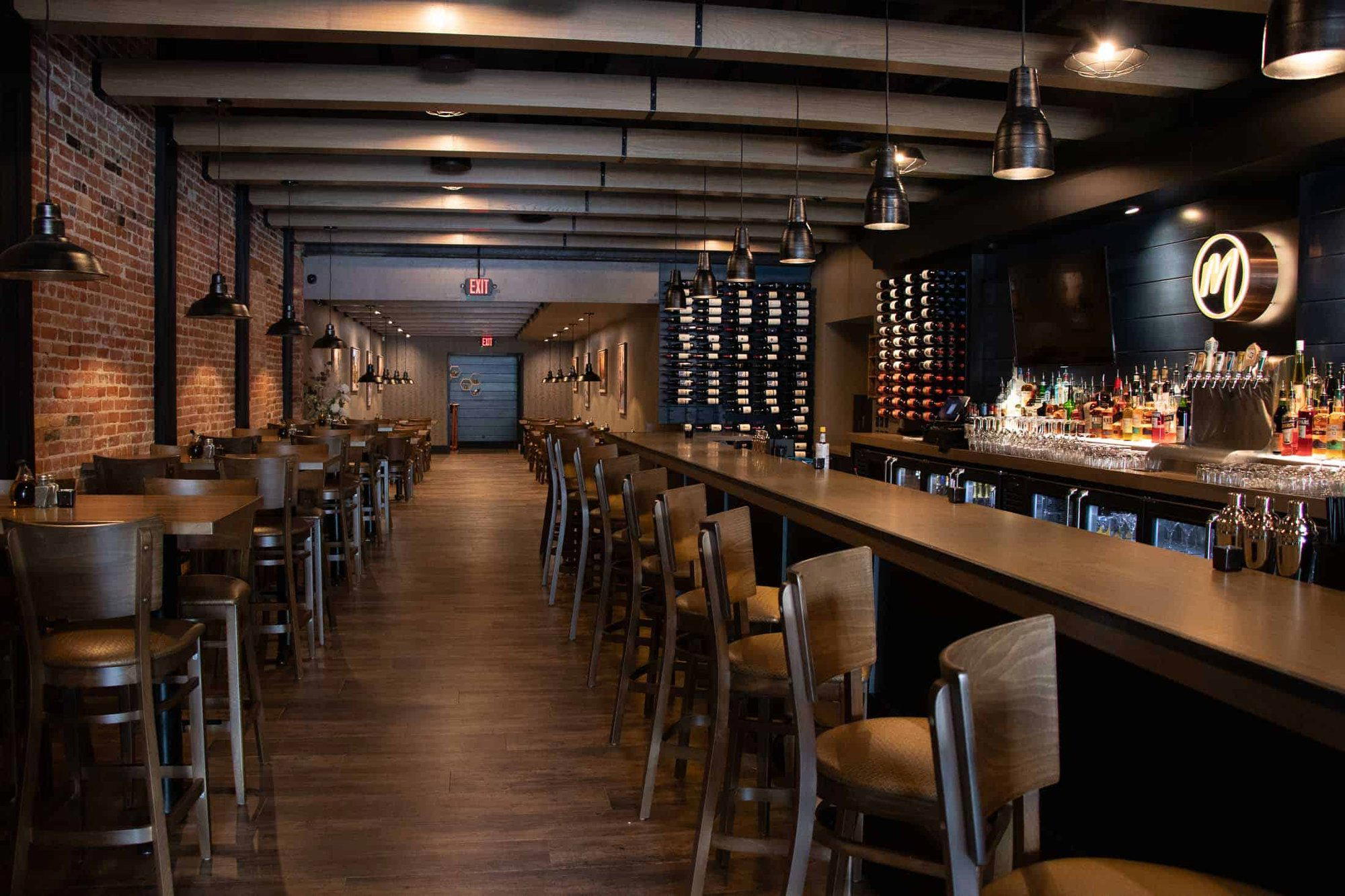
A modern boutique atmosphere with stylish bars, contemporary Midwestern design, and an upscale yet relaxed stadium-district energy oriented around suites, social spaces, and game-day proximity.