Le Refuge de Solaise


Michelin Selected · Gault & Millau Exceptional Hotel
Le Refuge de Solaise sits above Val-d'Isère at the top of the Solaise cable car, reaching it by gondola rather than road. A Gault & Millau Exceptional Hotel (5pts, 2025), the property occupies a position in the Alps that few hotels in France can match for altitude and access to ski terrain.

Pearl is the En Primeur Club membership app, where members save venues, book tables and use the concierge.
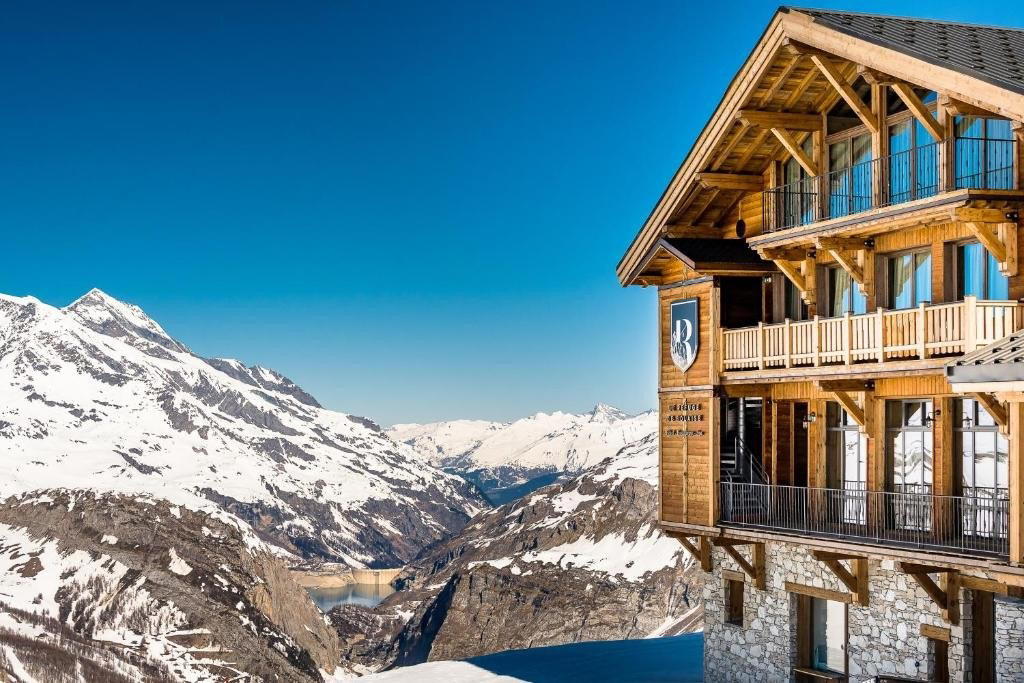
Arriving at Altitude: The Approach and Setting
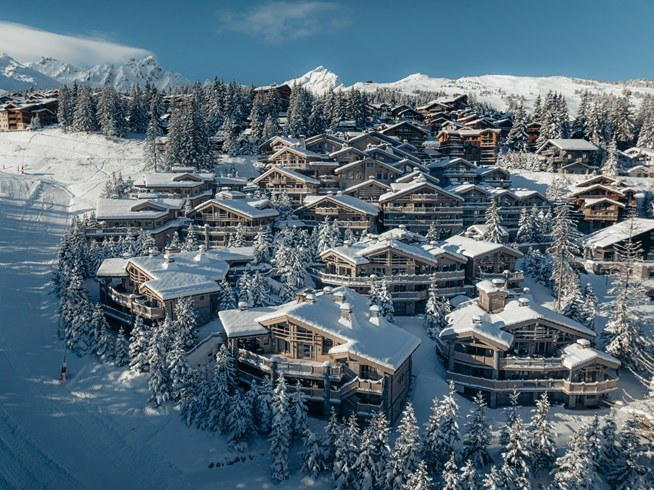
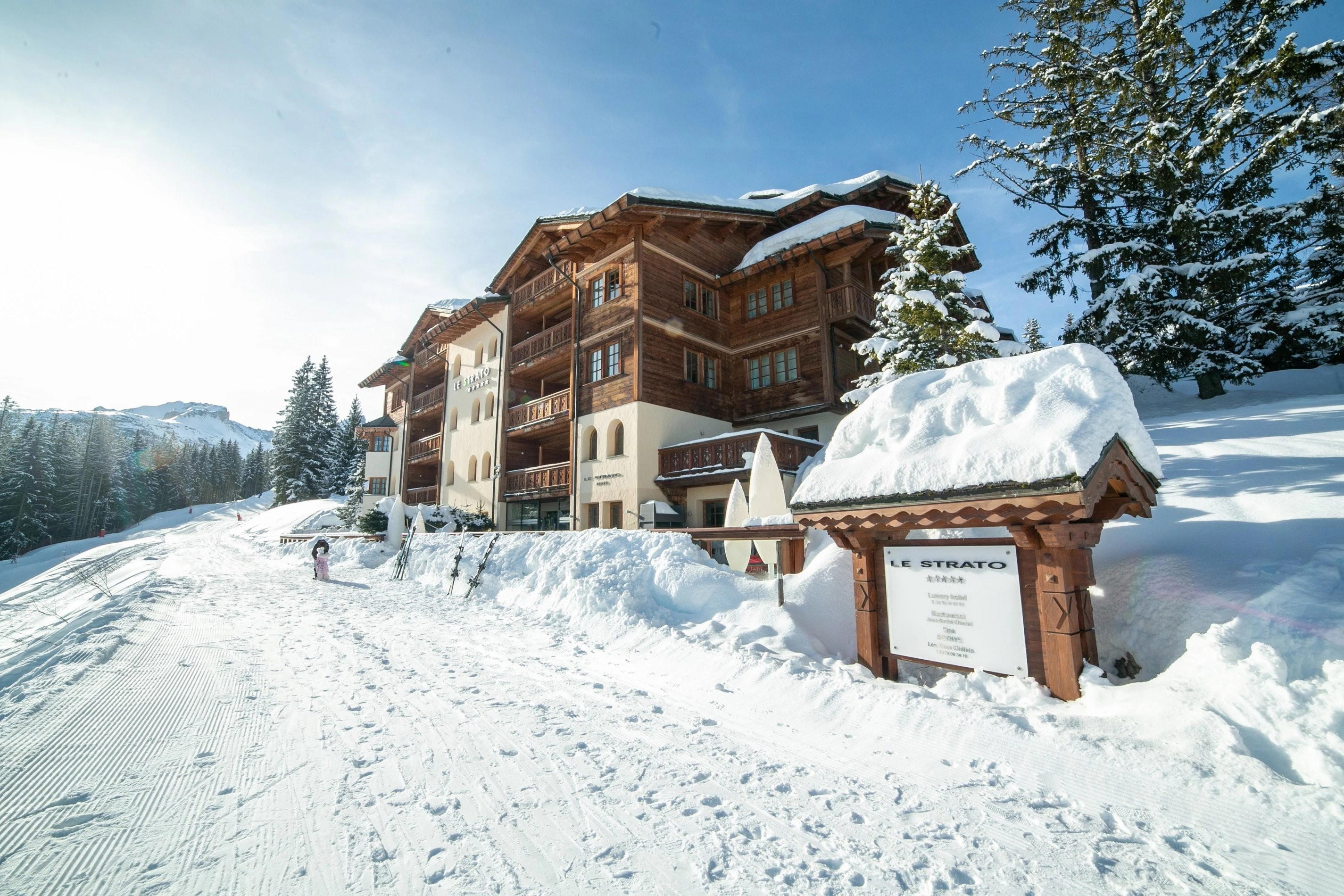
Not many hotels require a cable car for check-in. Le Refuge de Solaise sits at the summit of the Solaise massif above Val-d'Isère, accessed via the Téléphérique de Solaise rather than any road. That single fact shapes the entire guest experience: there are no cars pulling up, no street noise, no gradual urban-to-mountain transition. You step off the gondola and the hotel is already there, positioned against the high-altitude terrain that defines this part of the Tarentaise valley. In the Alps, the category of ski-in/ski-out has become crowded with properties that technically touch a piste but sit firmly within village infrastructure. Le Refuge de Solaise occupies a different position entirely, one where the mountain is not a backdrop but the actual operational context.
Val-d'Isère's hotel market has evolved considerably. Properties like Le K2 Chogori, Les Barmes de l'Ours, Airelles, Val d'Isère, and Silverstone anchor the luxury tier within the village itself, offering immediate access to the resort's dining and après-ski circuit. Le Refuge operates on a different logic: isolation is the amenity. The distance from the village's social infrastructure is precisely what makes it appealing to guests who want the mountain, not the scene around it. Explore our full Val-d'Isère restaurants and hotels guide for a broader view of the resort's tier structure.
The Gault & Millau Signal and What It Implies
In 2025, Gault & Millau awarded Le Refuge de Solaise its Exceptional Hotel designation, scored at 5 points. That classification within the Gault & Millau framework is not handed to volume or scale, it reflects a specific judgement about the coherence of a property's hospitality offer relative to its category and setting. Across France, Gault & Millau Exceptional Hotels include properties such as Cheval Blanc Paris, Hotel Du Cap-Eden-Roc in Cap d'Antibes, Domaine Les Crayères in Reims, and Baumanière Les Baux-de-Provence. That company is instructive: it suggests that what's being recognised at Le Refuge is not novelty or spectacle, but the kind of consistent, considered hospitality that holds up against very different French luxury contexts.
Properties in operationally direct settings sometimes fail to reach that threshold. Here, the logistics work against consistency, which makes the rating more meaningful than it might appear at face value.
Service at Altitude: The Operational Reality
The editorial angle on Le Refuge de Solaise is ultimately about service philosophy under constraint. Mountain hotels across the Tarentaise, Courchevel, and Megève corridor, properties like Cheval Blanc Courchevel and Four Seasons Megève, operate with supply chains and staff logistics that are challenging by urban standards but manageable. Hosting guests at genuine summit elevation, where every linen delivery, food resupply, and staff rotation is mediated by a cable car and seasonal weather patterns, creates a different class of operational problem. The fact that Le Refuge maintains a Gault & Millau Exceptional Hotel rating in that context suggests an approach to service that has been engineered for the specific constraints of the location rather than simply adapted from a lowland model.
In practice, this means the guest experience at Le Refuge carries a particular character. Anticipatory service at altitude-isolated properties tends to be tighter by necessity: there is no popping out to find an alternative, no easy recourse if something is missing. Staff working within those parameters typically develop a more precise read of guest needs because the margin for improvised fixes is narrow. That dynamic, present across high-altitude properties from the Dolomites to the Pyrenees, is part of what Gault & Millau's 5-point classification implicitly validates here.
Val-d'Isère and the Broader French Luxury Context
Val-d'Isère sits within a French luxury hospitality conversation that spans alpine, coastal, and rural categories. For comparison: La Réserve Ramatuelle, Les Sources de Caudalie in Bordeaux, Villa La Coste in Le Puy-Sainte-Réparade, La Bastide de Gordes, Royal Champagne Hotel and Spa in Champillon, and The Maybourne Riviera in Roquebrune-Cap-Martin each earn their ratings within very different environmental and operational contexts. What Le Refuge shares with those properties is the recognition category. What distinguishes it is the degree to which geography becomes the defining variable of the guest experience rather than one of several atmospheric elements.
The resort town itself is one of the higher-profile ski destinations in Europe, part of the Espace Killy domain alongside Tignes, with terrain that draws serious skiers rather than purely the après-ski circuit. That guest profile matters for understanding what Le Refuge offers: the property sits at the convergence of terrain access and high-end accommodation, a combination that a meaningful portion of the mountain travel market actively prioritises over village amenity. Outside Europe, analogues include high-altitude retreats in destinations from Aspen to Niseko, but the French alpine version carries its own formal hospitality expectations, shaped by a national culture where food and service quality are not optional extras even at 2,000 metres.
The broader French luxury context also extends to properties beyond alpine settings: Hôtel and Spa du Castellet in Le Castellet, Airelles Saint-Tropez Château de la Messardière, Casadelmar in Porto-Vecchio, Castelbrac in Dinard, and Château de la Chèvre d'Or in Èze each illustrate how the Gault & Millau framework applies across completely different regional settings. Le Refuge earns its place in that national conversation on the strength of its award, not its profile.
Planning a Stay: Access, Timing, and Booking
Access via the Téléphérique de Solaise shapes the timing of any stay in concrete ways. Cable car operations are subject to wind closures and seasonal schedules, which means arrival and departure windows are not as flexible as they would be at a road-accessed hotel. The property operates within the ski season by definition, placing it in the December-to-April window that governs Val-d'Isère's operational calendar. Peak weeks around school holidays in France and the United Kingdom historically represent the highest-demand period across the resort, and a property with the recognition level of a Gault & Millau Exceptional Hotel in that window is not one that rewards late booking decisions.
For guests considering the broader French alpine market, Cheval Blanc Courchevel and Four Seasons Megève represent the highest-profile alternatives in adjacent resorts, each with different terrain and village character. Internationally, those considering comparable altitude-isolation formats might look at Aman New York, Aman Venice, or The Fifth Avenue Hotel in New York City for reference points on the service culture that the Aman and comparable independent brands have developed at the premium tier, though the operational specifics of alpine isolation remain a category of their own.
Cuisine Lens
Comparable venues nearby, for context on price, style, and recognition.
| Venue | Cuisine | Price | Awards | Notes |
|---|---|---|---|---|
| Le Refuge de SolaiseThis venue (the venue you are viewing) | High-altitude mountain refuge blending luxury and alpine seclusion | Not listed | Michelin Selected · Gault & Millau Exceptional Hotel | Not listed |
| Airelles Val d'Isère | Medieval-inspired alpine luxury resort blending traditional Savoyard architecture with haute époque contemporary design; positioned as a refined family home rather than a conventional hotel. | $1,000–1,500 | 1 Michelin Key · Virtuoso Luxury Hotel Partner | Place de Neige |
| Ormelune | Family-run boutique hotel with playful mountain style | $200–300 | Michelin Selected | Val d'Isère |
| Experimental Chalet Val d'Isère | Contemporary alpine luxury with nostalgic 1970s design elements and Savoyard charm; positioned as a sophisticated yet casual mountain escape. | $300–500 | Michelin Selected · Tablet Hotels Best New Hotel Designs (Europe) | Val d'Isère village center |
| Le Tsanteleina | Chalet-style luxury hotel blending traditional Alpine architecture with contemporary hospitality, emphasizing family warmth and historic authenticity since 1948. | $500–750 | Michelin Selected | Val d'Isère center |
| Avancher | Modern Alpine boutique hotel with contemporary interiors crafted from rustic materials, blending 21st-century design with traditional Savoyard chalet heritage. | $500–750 | Michelin Selected | Val d'Isère center |
Recognition history
Dated appearances from independent guides and award organizations, with the underlying list record or original source where available.
Michelin Selected
Michelin
Gault & Millau Exceptional Hotel
Gault & Millau
Continue exploring
More in Val-d'Isère
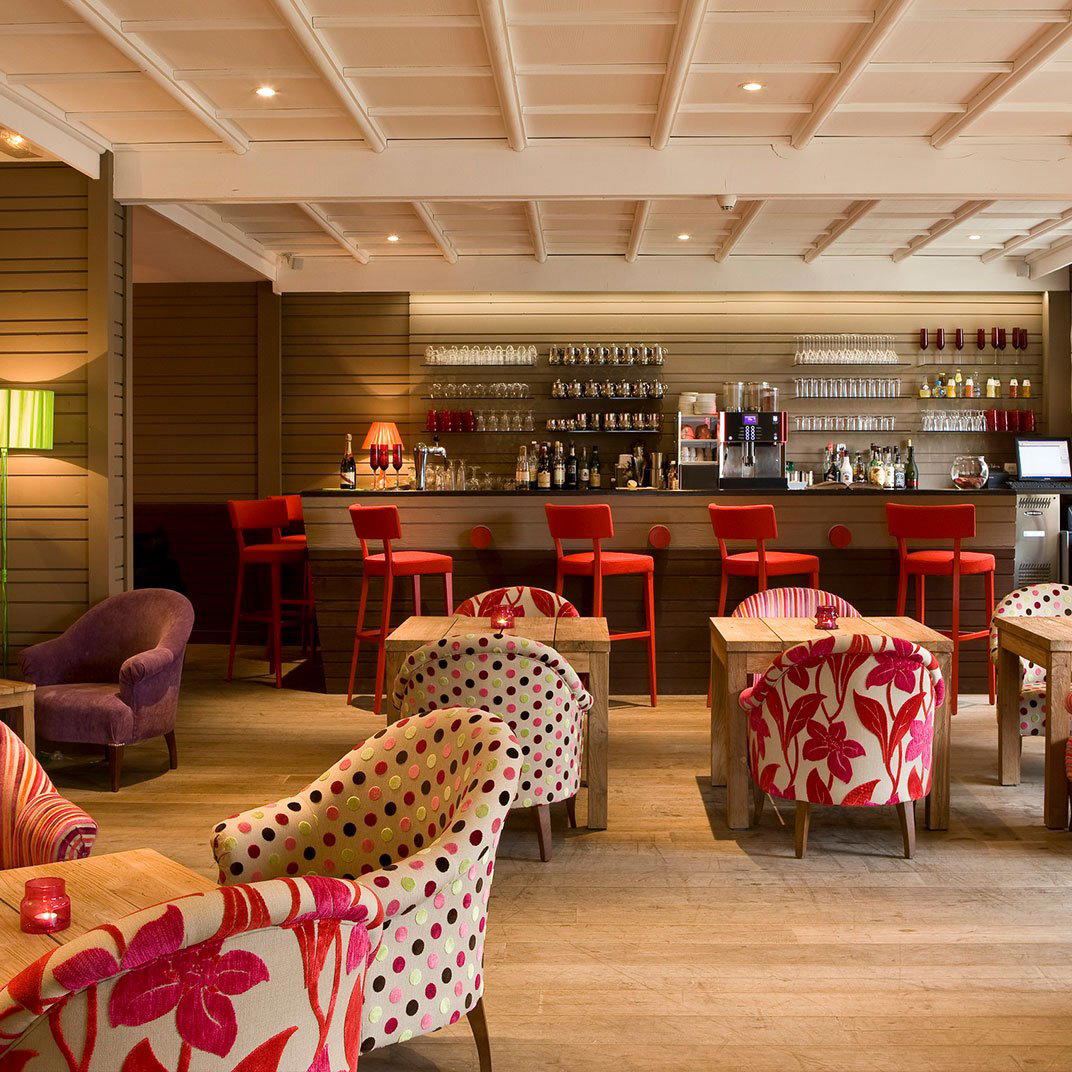
Hotels in Val-d'Isère
All hotels in Val-d'Isère →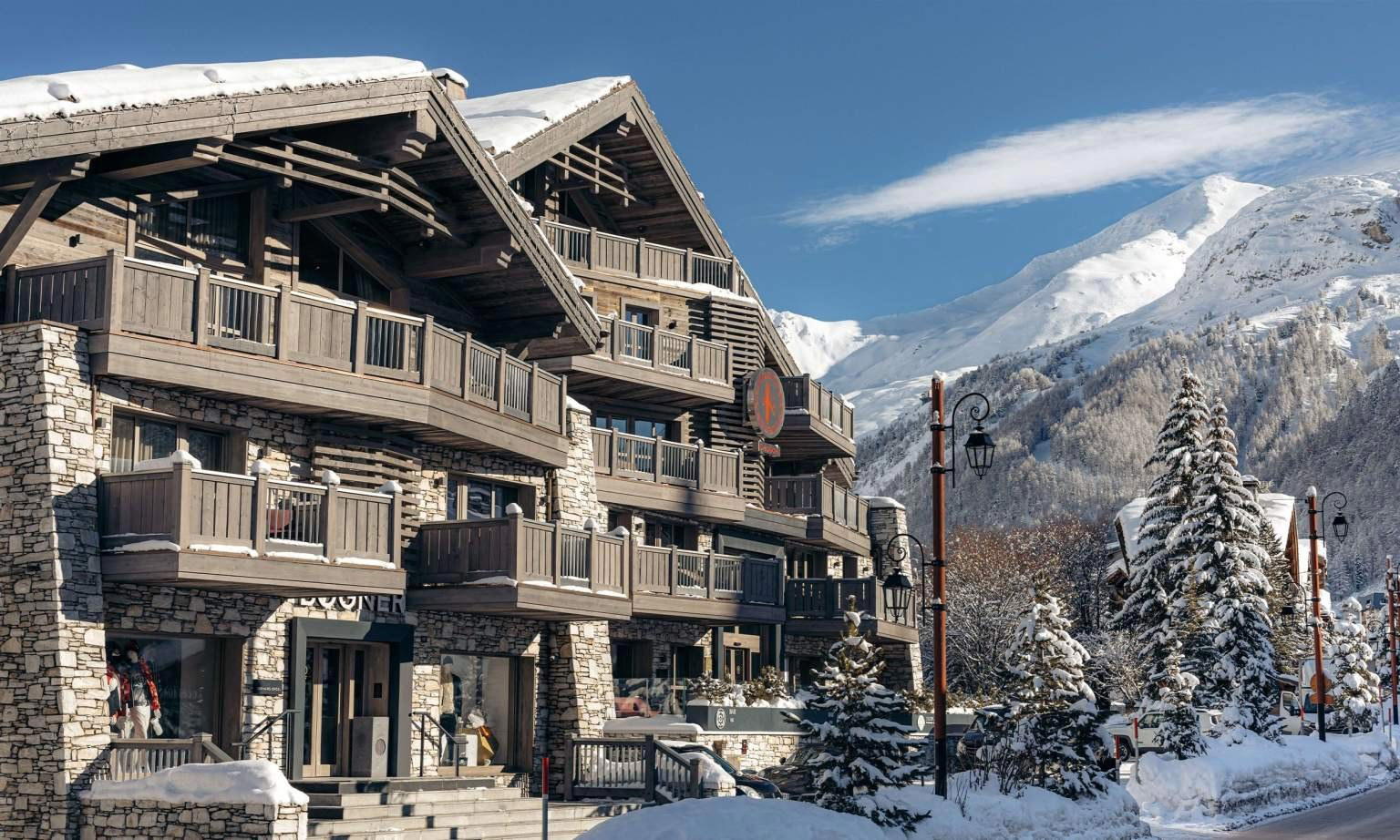
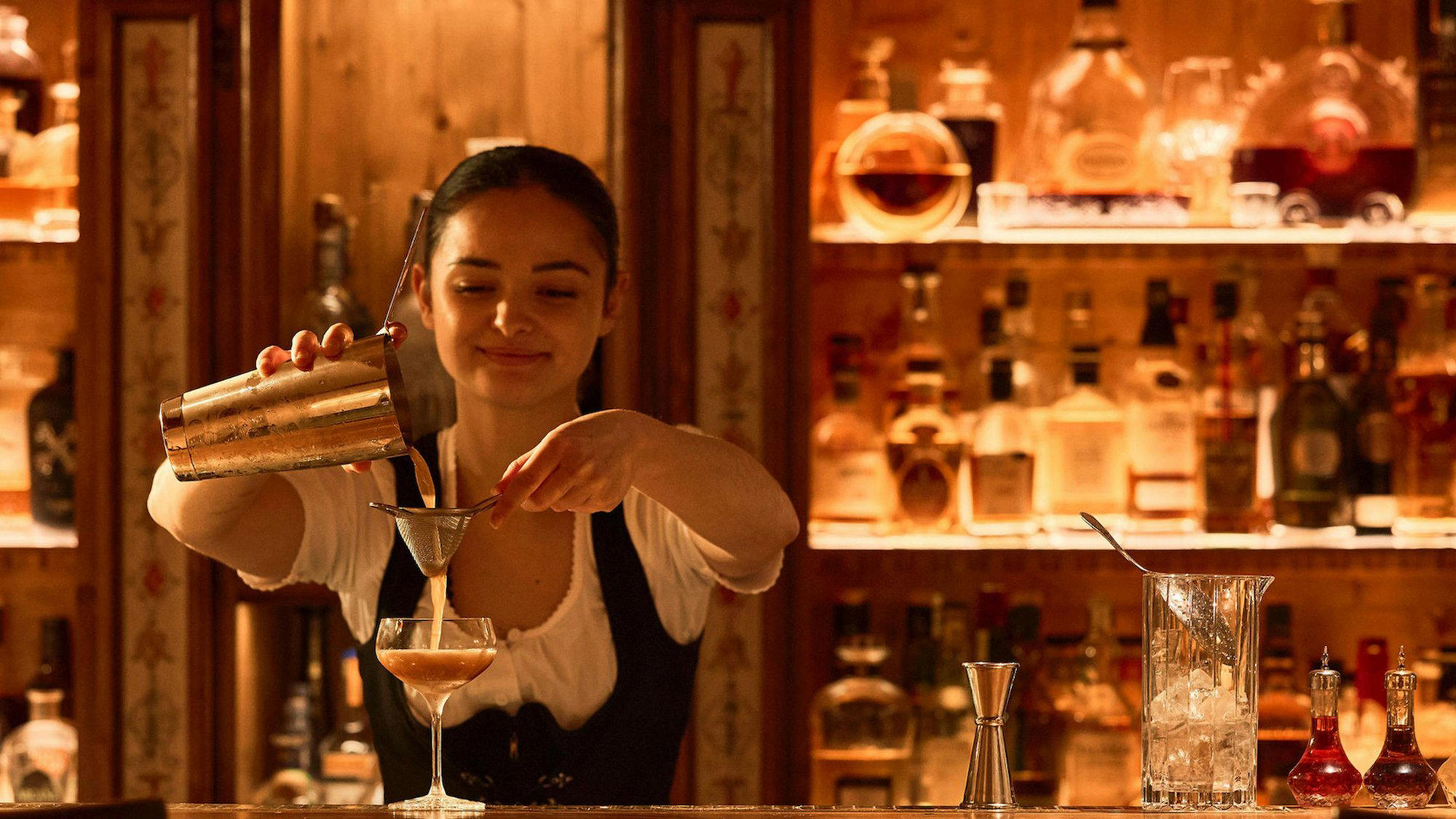
Bars in Val-d'Isère
Browse all →
Restaurants in Val-d'Isère
All restaurants in Val-d'Isère →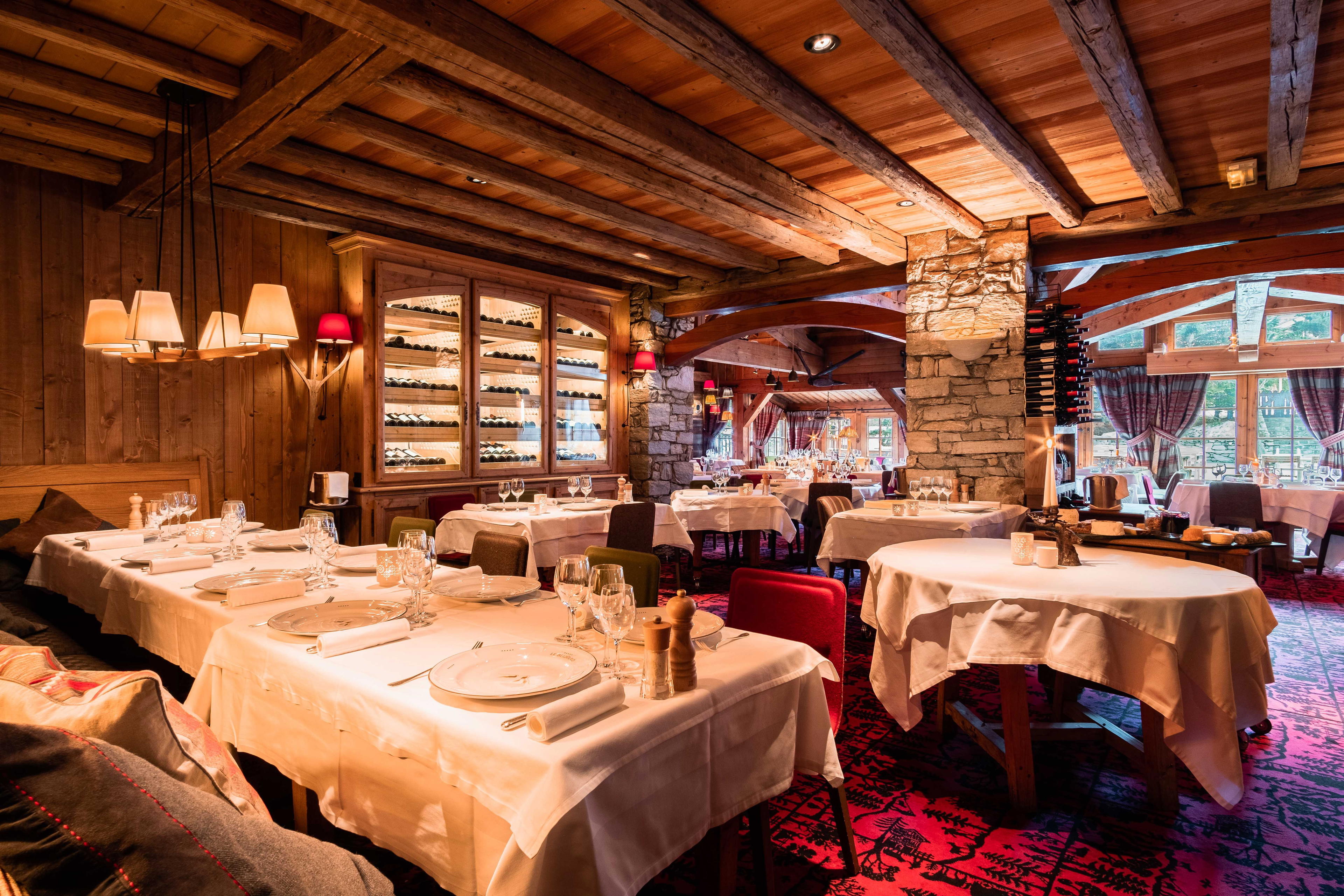
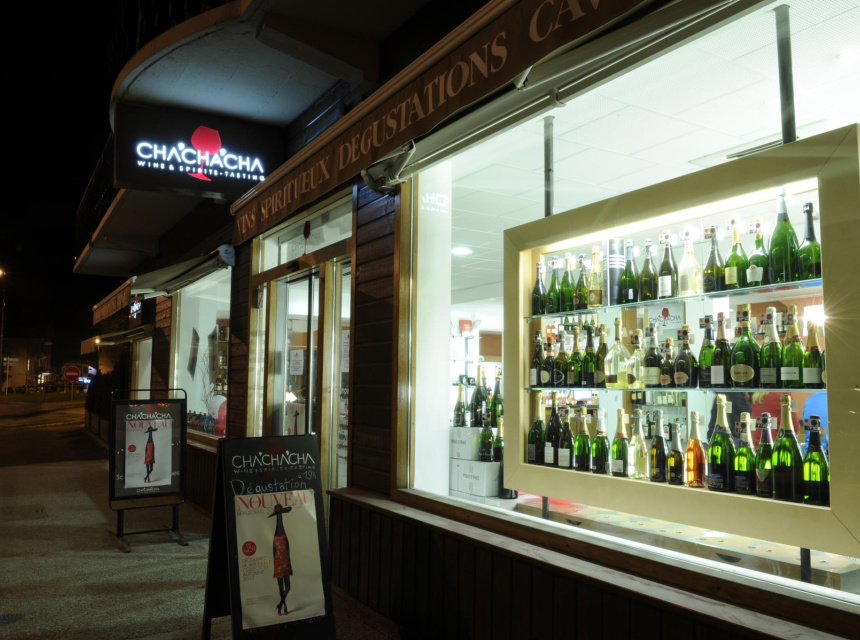
Wineries in Val-d'Isère
Browse all →
Details
- Scenic
- Cozy
- Elegant
- Romantic
- Intimate
- Romantic Getaway
- Family Vacation
- Weekend Escape
- Ski In Ski Out
- Panoramic View
- Wi Fi
- Pool
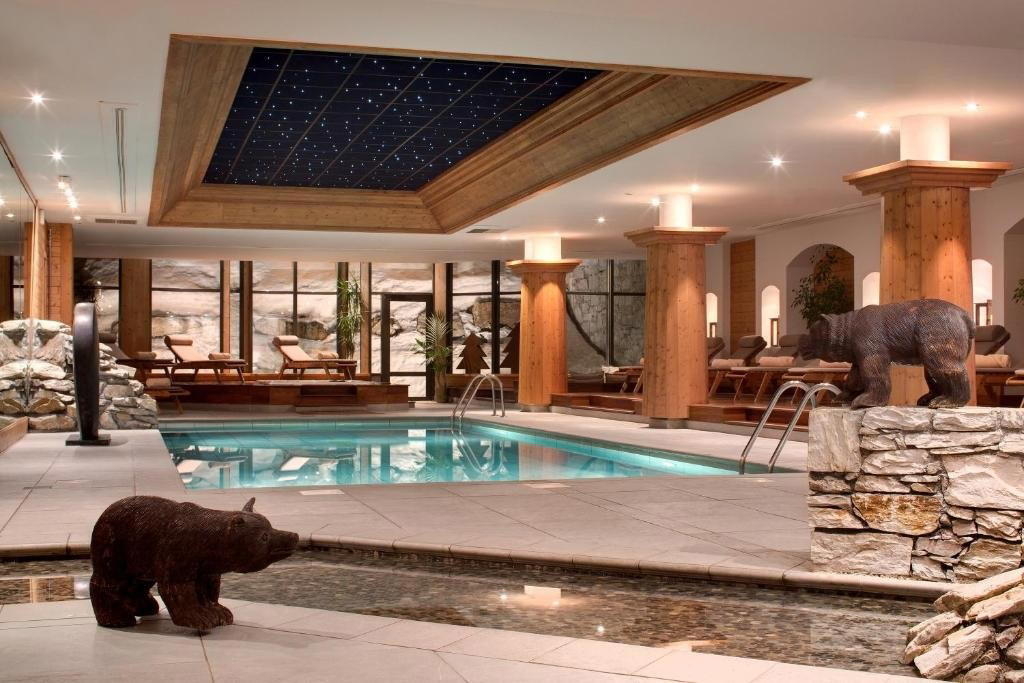
- Spa
- Fitness Center
- Room Service
- Concierge
- Sauna
- Mountain
- Elevator
- Step Free Entrance
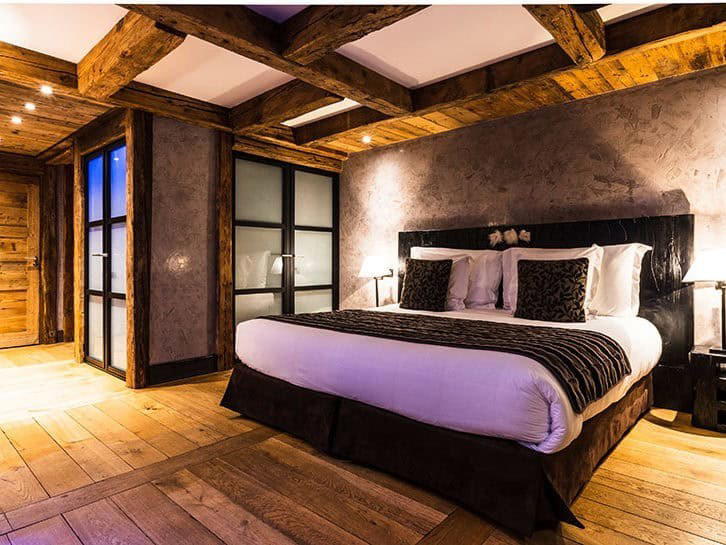
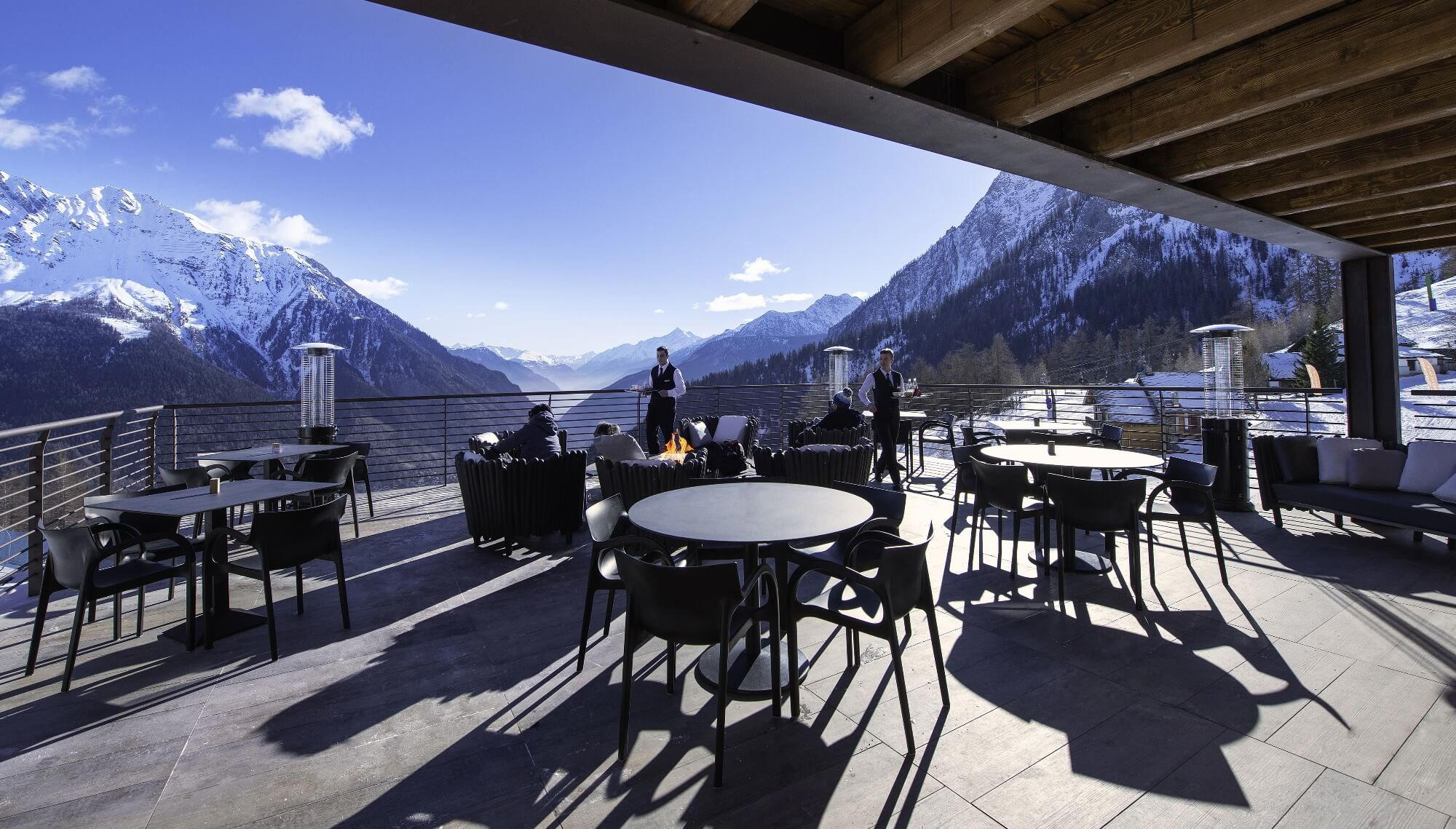
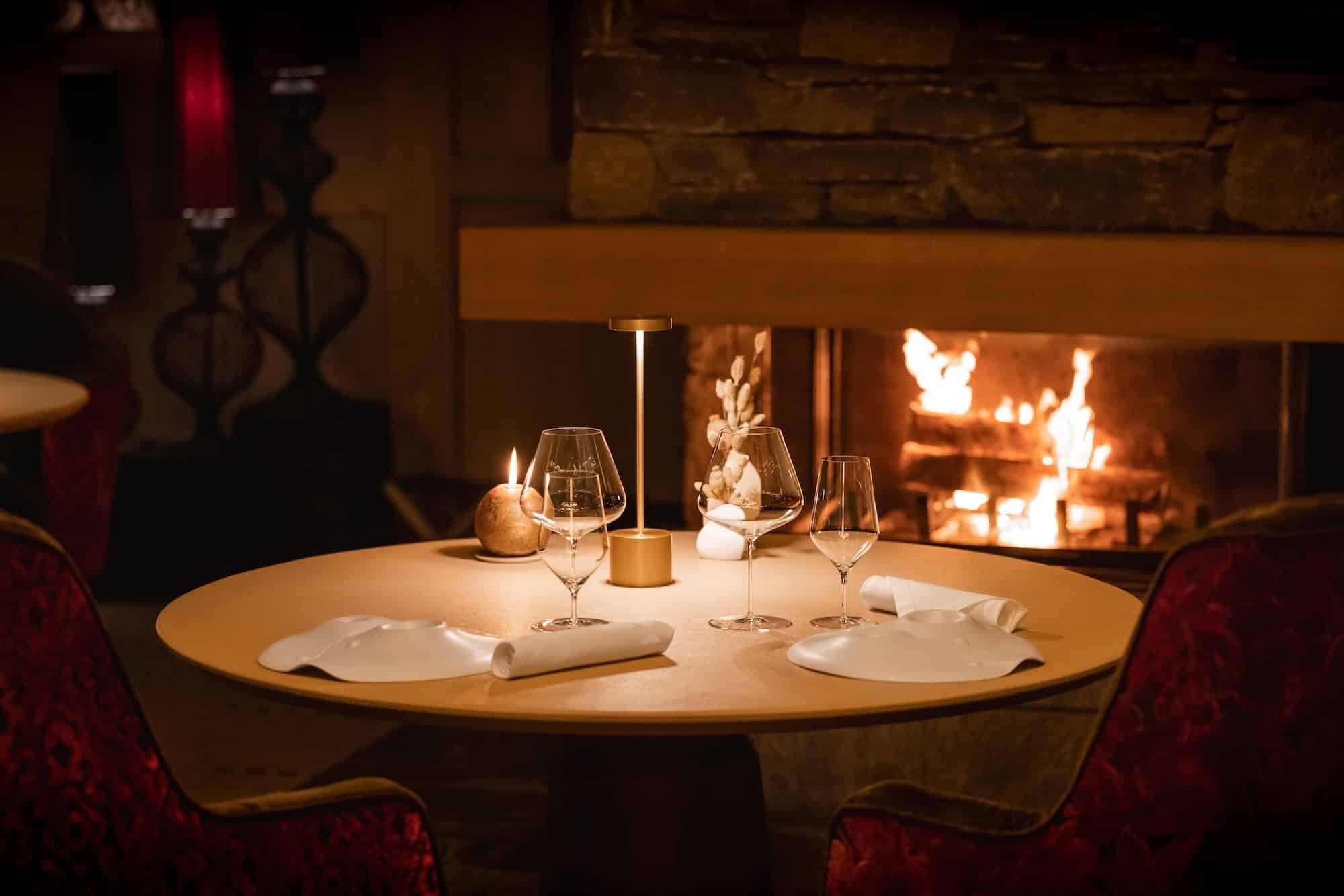
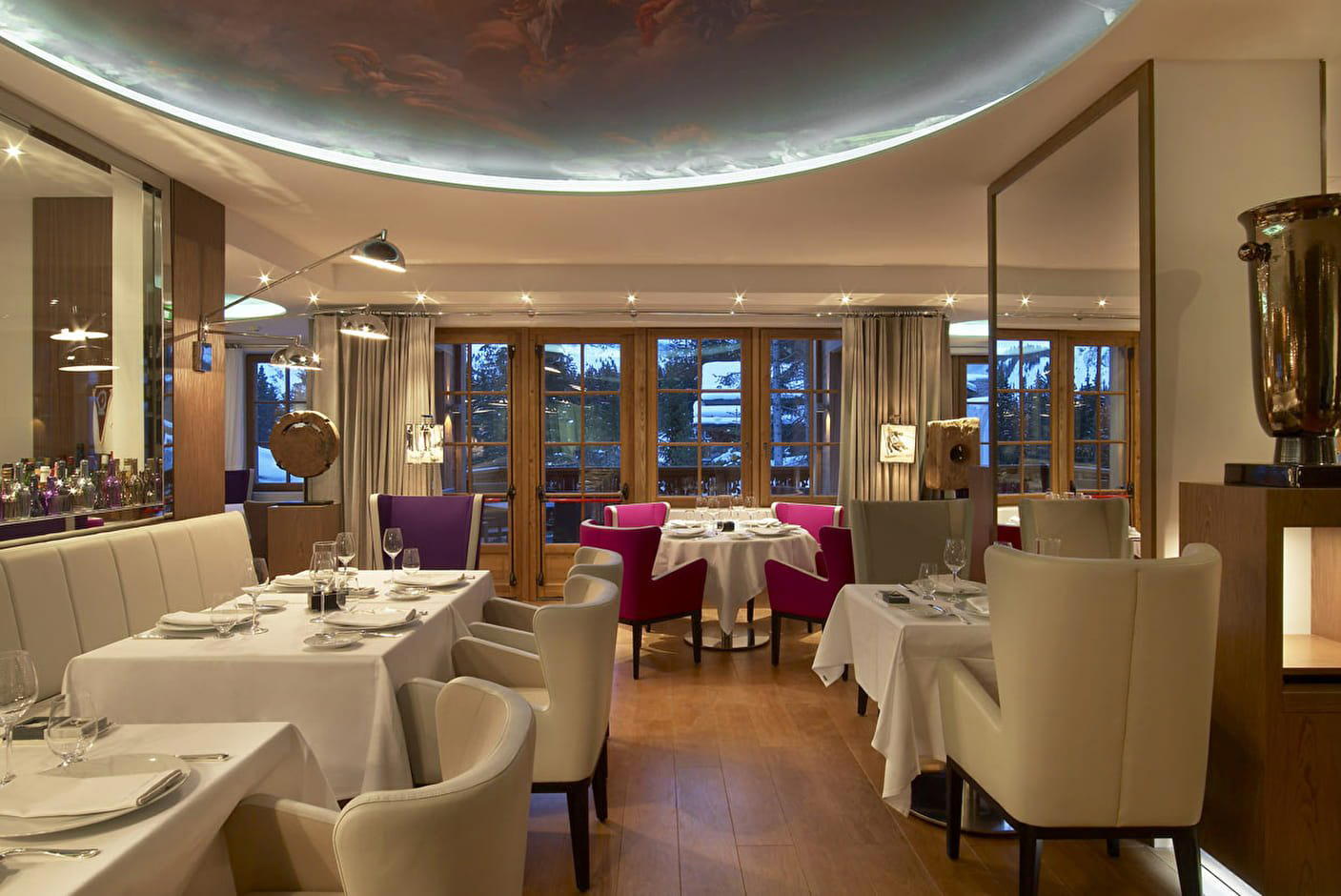
Rustic-chic with warm wooden interiors, panoramic windows framing far-reaching sunrises and sunsets, cozy lighting, and a serene high-altitude atmosphere.