Annapurna Bar
Where the Alps Come Indoors Courchevel's bar scene operates on a logic that few other ski resorts match. The altitude, the clientele, and the compressed season create a hospitality environment where proximity to the slopes matters less than what a room feels like once the boots come off. At the address on Rue de l'Altiport, Annapurna Bar occupies that precise position: a place that makes sense only in the context of Courchevel 1850's broader ecosystem, where après-ski has long since outgrown the foam-party format and settled into something more considered. The name itself signals an orientation. Annapurna — the Himalayan massif, one of the world's most demanding ascents — carries associations of elevation, seriousness, and a particular kind of earned pleasure. Whether that register is intentional or inherited, it shapes how the room reads before a single drink arrives. In a resort where branding decisions are rarely accidental, a name drawn from high-altitude mountaineering places this bar firmly in the register of restrained luxury rather than exuberant celebration. The Bar Programme in the Context of Alpine Drinking Mountain bars across the French Alps have undergone a quiet professionalization over the past decade. The shift mirrors what happened in urban cocktail culture roughly five years earlier: a move away from volume-driven, sweetness-forward drinks toward programmes with genuine technique, seasonal logic, and product sourcing that can withstand scrutiny. Annapurna Bar sits within this shifting context. The bar's address on Rue de l'Altiport places it in the orbit of the resort's most concentrated luxury accommodation, which tends to attract guests who drink with some intention, they may have come from La Bar du Plaza Athénée in Paris or similar reference-point hotel bars in the capital, and they carry those expectations into the mountains. That peer pressure from the guest side has historically pushed Alpine bar programmes toward more substantive offerings. What distinguishes a strong cocktail programme in this environment is not the presence of premium spirits, those are table stakes at this price tier anywhere in 1850, but rather the degree to which the programme acknowledges the mountain context without retreating into cliché. Warming drinks built on gentian bitters, alpine herb distillates, and local eau-de-vie can be done with genuine craft or can be assembled formulaically. The bars that hold attention across a season are those where the cold-weather canon is treated as a starting point rather than a ceiling. Placing Annapurna Bar Among Its Peers France's bar scene, considered nationally, ranges from destination cocktail programmes at urban independents such as Papa Doble in Montpellier and Trokson in Lyon, to hotel bars in resort contexts that serve a different function entirely. The latter category is not lesser, it simply operates under different constraints and different guest expectations. A hotel bar in Courchevel is asked to cover post-ski recovery, pre-dinner socializing, late-night wind-downs, and sometimes all three within the same evening across the same counter. For comparison, regional French bars that have built strong followings, La Vertu in Reims, Papillon in Bordeaux, Le Cercle Rouge in Angers, have the advantage of year-round operation and a local loyal clientele that sharpens the programme over time. A seasonal resort bar must achieve coherence within a narrower window, which places different demands on both the cocktail list and the team running it. The bars that manage this well in Courchevel tend to build a tight menu, perhaps twelve to fifteen drinks, that can be executed with consistency at volume, rather than sprawling programmes that dilute attention. Further afield, bars like [Au Brasseur in Strasbourg]() and [Liquides resto à boire in Toulouse]() represent the urban end of the French drinking spectrum, high craft, lower price points, different atmospherics entirely. They share with good mountain bars a seriousness about product but operate in environments where the room does less of the work, which in some ways raises the technical bar for the drink itself. The Courchevel Context Any bar in 1850 benefits from and is constrained by the resort's position at the top of France's ski-station hierarchy. The concentration of five-star hotels and high-spend visitors along the Altiport axis means that a bar here competes not just with other bars but with chalet private service, hotel room deliveries, and the kind of private entertaining that never appears in any reservation system. The addressable market is smaller than it looks from the outside, and the guests who do walk in tend to have high reference points. Courchevel's season peaks between Christmas and New Year, again in February during French school holidays, and again in mid-March. During those windows, the resort operates at near-total capacity and bar seats at the better addresses require the same forward thinking as restaurant reservations. Outside those peaks, the crowd thins and the experience becomes more accessible, less competitive on entry, but with reduced energy in the room. For those who prefer a quieter read of a space, early January or late March can offer the setting without the seasonal crush. For a fuller picture of the resort's dining and drinking options, our full Courchevel restaurants guide maps the broader landscape across price points and formats. Internationally, the comparison set for bars operating at this altitude and price tier is short. Café La Trova in Miami represents the opposite end of the climate spectrum, a bar built on Cuban heritage and tropical context, but shares the quality of being embedded in a distinct destination identity rather than floating free of geography. [Le Mas Du Langoustier in Hyères]() and [New Ti Paris in Le Gosier]() represent French resort drinking at sea level: different seasonal logic, different drink vocabulary, the same underlying requirement that the bar earn its place in a leisure context rather than relying on the destination to do all the work. Planning a Visit Rue de l'Altiport is well-positioned within 1850's core, accessible on foot from the main gondola area and the concentration of luxury hotels that define this part of the resort. Transport into Courchevel typically arrives via Chambéry or Grenoble airports, with road transfers running approximately ninety minutes to two hours depending on conditions. The resort is also reachable by train to Moutiers followed by a road transfer of around forty-five minutes. During peak season, arrival logistics reward early planning; accommodation and bar seats at the better-known addresses fill well ahead of the high-traffic weeks. Dress code at Courchevel bars of this register tends toward smart-casual after skiing hours, though the resort's informality relative to, say, a Paris palace hotel means that standards are applied with some flexibility. Frequently Asked Questions What is the atmosphere like at Annapurna Bar? Annapurna Bar sits in Courchevel 1850, France's highest-grade ski resort, and the atmosphere reflects that positioning: the room reads as deliberately unhurried rather than high-volume, shaped by a guest demographic that skews toward experienced resort visitors rather than first-time ski-holiday travellers. The location on Rue de l'Altiport places it within the resort's most concentrated luxury corridor, which sets the ambient register before the first drink arrives. What is the leading thing to order at Annapurna Bar? The mountain-bar canon in this part of the Alps leans heavily on alpine botanicals, aged spirits, and warming structures that make sense in a cold-weather context. At bars operating in this register in Courchevel, the more considered choice tends to be a cocktail that uses the alpine ingredient vocabulary with some technical purpose, a spirit built on gentian or génépi, a clarified or temperature-manipulated serve, rather than defaulting to a generic international classic that could come from any hotel bar in any city. What makes Annapurna Bar worth visiting? The case for any bar in Courchevel 1850 rests on the combination of location, season, and programme. At the Annapurna Bar's address on Rue de l'Altiport, the positioning within the resort's luxury core means the baseline expectation on quality is set high by the surrounding context. Visitors who time their stay outside the Christmas-to-New-Year and February school-holiday peaks will find the same setting with meaningfully more room. Is Annapurna Bar suitable for non-skiers visiting Courchevel? Courchevel 1850 increasingly markets itself as a destination with non-ski programming, spa facilities, fine dining, and mountain walks, and its bar scene is part of that offer. A bar on Rue de l'Altiport sits within walking distance of the resort's central amenities, making it accessible to guests who are in Courchevel for the mountain environment rather than the slopes. In the French Alps more broadly, the après-ski bar format has evolved into something that functions as much as an evening social anchor as a post-run recovery stop, which means the experience is legible and worthwhile for visitors regardless of whether they have spent the day on the mountain.
- Address
- 734 Rue de l'Altiport, 73120 Courchevel
- Directions
- Get directions
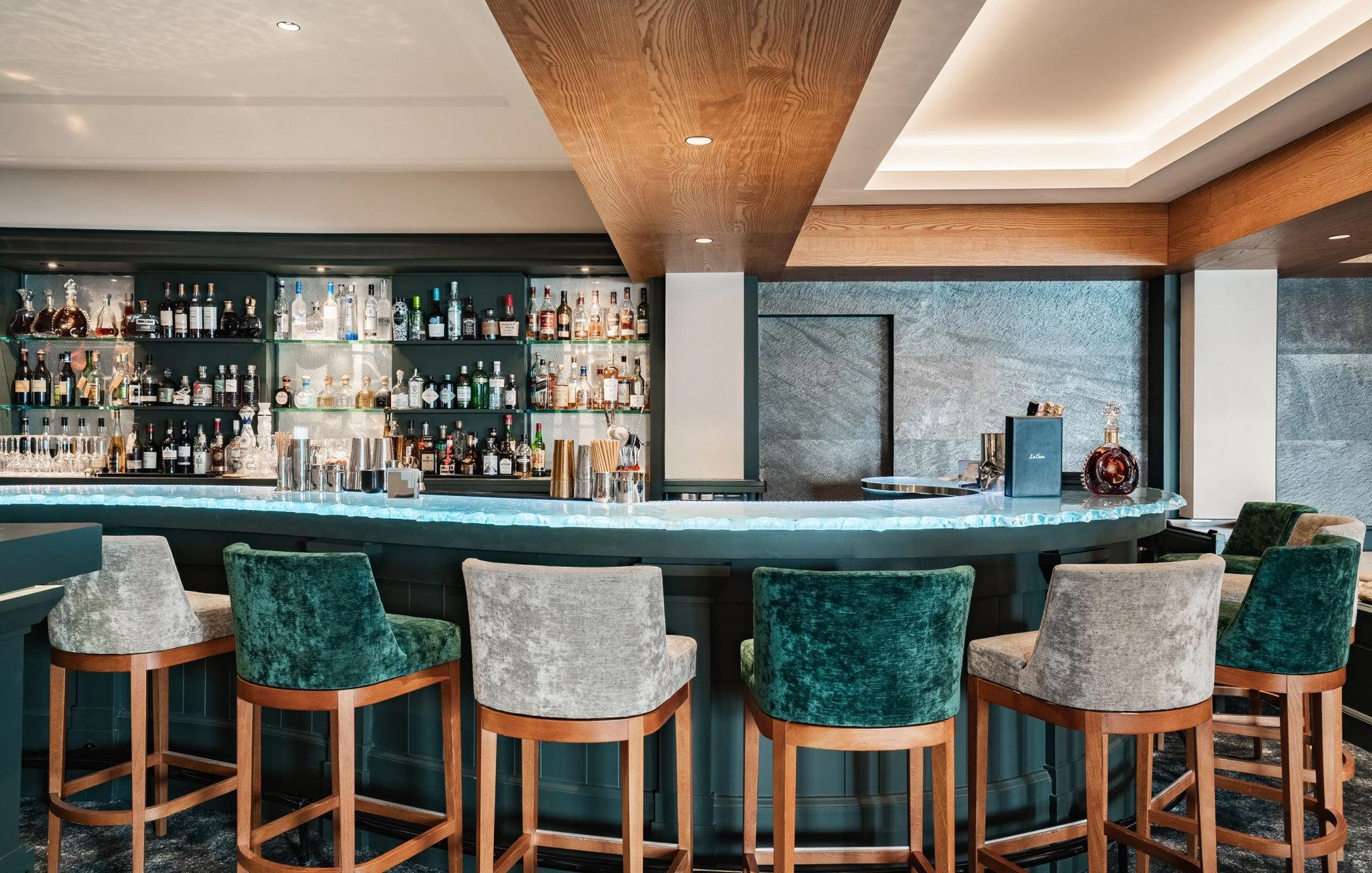
Where the Alps Come Indoors
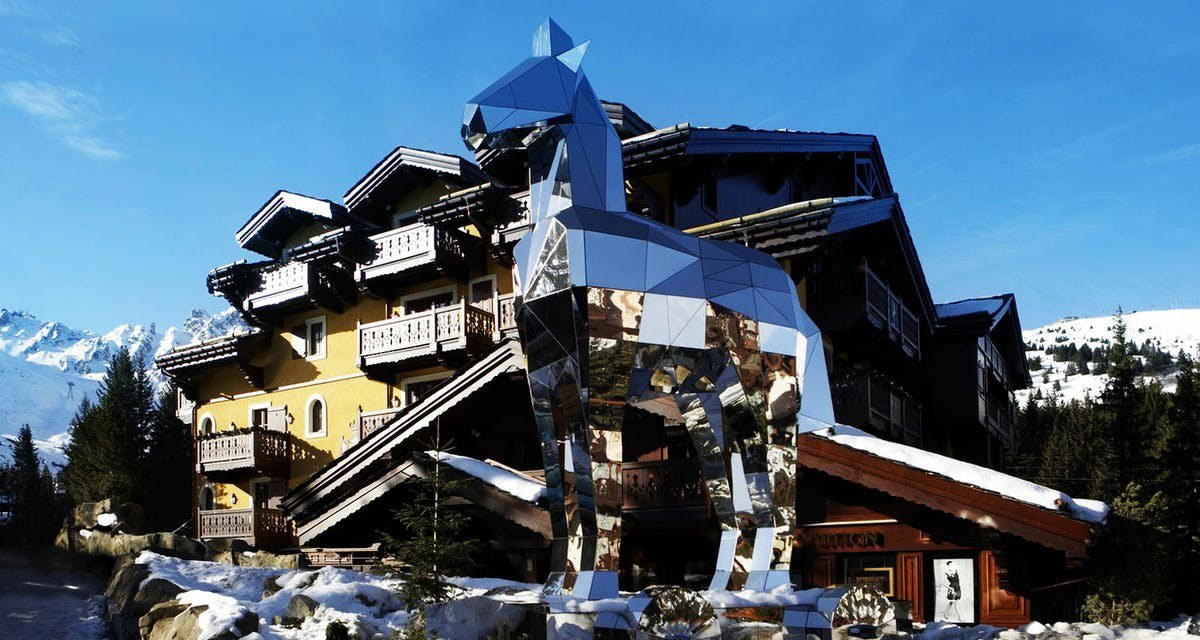
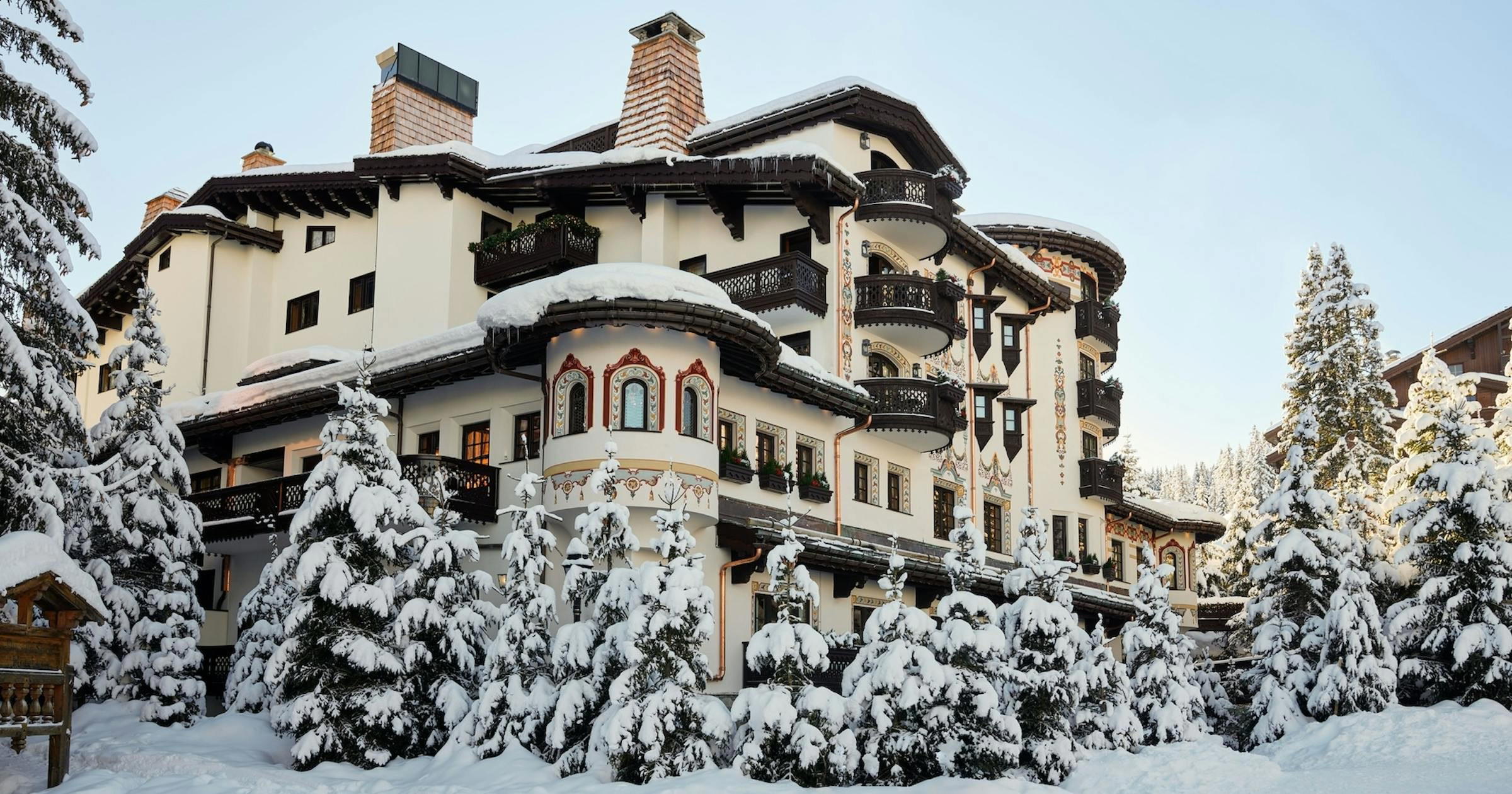
Courchevel's bar scene operates on a logic that few other ski resorts match. The altitude, the clientele, and the compressed season create a hospitality environment where proximity to the slopes matters less than what a room feels like once the boots come off. At the address on Rue de l'Altiport, Annapurna Bar occupies that precise position: a place that makes sense only in the context of Courchevel 1850's broader ecosystem, where après-ski has long since outgrown the foam-party format and settled into something more considered.
The name itself signals an orientation. Annapurna — the Himalayan massif, one of the world's most demanding ascents — carries associations of elevation, seriousness, and a particular kind of earned pleasure. Whether that register is intentional or inherited, it shapes how the room reads before a single drink arrives. In a resort where branding decisions are rarely accidental, a name drawn from high-altitude mountaineering places this bar firmly in the register of restrained luxury rather than exuberant celebration.
The Bar Programme in the Context of Alpine Drinking
Mountain bars across the French Alps have undergone a quiet professionalization over the past decade. The shift mirrors what happened in urban cocktail culture roughly five years earlier: a move away from volume-driven, sweetness-forward drinks toward programmes with genuine technique, seasonal logic, and product sourcing that can withstand scrutiny.
Annapurna Bar sits within this shifting context. The bar's address on Rue de l'Altiport places it in the orbit of the resort's most concentrated luxury accommodation, which tends to attract guests who drink with some intention, they may have come from La Bar du Plaza Athénée in Paris or similar reference-point hotel bars in the capital, and they carry those expectations into the mountains. That peer pressure from the guest side has historically pushed Alpine bar programmes toward more substantive offerings.
What distinguishes a strong cocktail programme in this environment is not the presence of premium spirits, those are table stakes at this price tier anywhere in 1850, but rather the degree to which the programme acknowledges the mountain context without retreating into cliché. Warming drinks built on gentian bitters, alpine herb distillates, and local eau-de-vie can be done with genuine craft or can be assembled formulaically. The bars that hold attention across a season are those where the cold-weather canon is treated as a starting point rather than a ceiling.
Placing Annapurna Bar Among Its Peers
France's bar scene, considered nationally, ranges from destination cocktail programmes at urban independents such as Papa Doble in Montpellier and Trokson in Lyon, to hotel bars in resort contexts that serve a different function entirely. The latter category is not lesser, it simply operates under different constraints and different guest expectations. A hotel bar in Courchevel is asked to cover post-ski recovery, pre-dinner socializing, late-night wind-downs, and sometimes all three within the same evening across the same counter.
For comparison, regional French bars that have built strong followings, La Vertu in Reims, Papillon in Bordeaux, Le Cercle Rouge in Angers, have the advantage of year-round operation and a local loyal clientele that sharpens the programme over time. A seasonal resort bar must achieve coherence within a narrower window, which places different demands on both the cocktail list and the team running it. The bars that manage this well in Courchevel tend to build a tight menu, perhaps twelve to fifteen drinks, that can be executed with consistency at volume, rather than sprawling programmes that dilute attention.
Further afield, bars like [Au Brasseur in Strasbourg]() and [Liquides resto à boire in Toulouse]() represent the urban end of the French drinking spectrum, high craft, lower price points, different atmospherics entirely. They share with good mountain bars a seriousness about product but operate in environments where the room does less of the work, which in some ways raises the technical bar for the drink itself.
The Courchevel Context
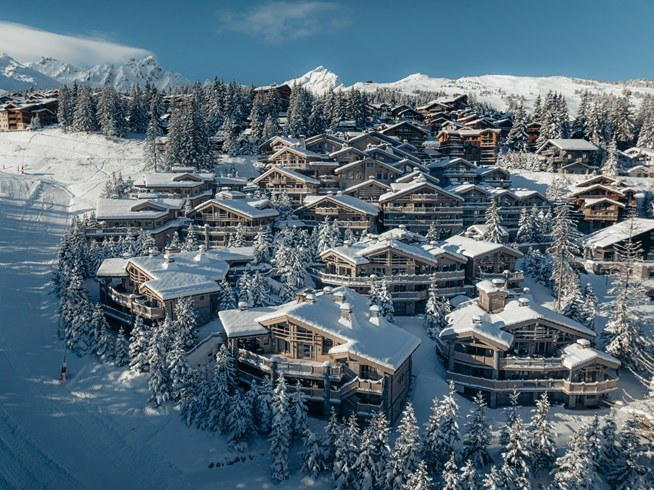
Any bar in 1850 benefits from and is constrained by the resort's position at the top of France's ski-station hierarchy. The concentration of five-star hotels and high-spend visitors along the Altiport axis means that a bar here competes not just with other bars but with chalet private service, hotel room deliveries, and the kind of private entertaining that never appears in any reservation system. The addressable market is smaller than it looks from the outside, and the guests who do walk in tend to have high reference points.
Courchevel's season peaks between Christmas and New Year, again in February during French school holidays, and again in mid-March. During those windows, the resort operates at near-total capacity and bar seats at the better addresses require the same forward thinking as restaurant reservations. Outside those peaks, the crowd thins and the experience becomes more accessible, less competitive on entry, but with reduced energy in the room. For those who prefer a quieter read of a space, early January or late March can offer the setting without the seasonal crush. For a fuller picture of the resort's dining and drinking options, our full Courchevel restaurants guide maps the broader landscape across price points and formats.
Internationally, the comparison set for bars operating at this altitude and price tier is short. Café La Trova in Miami represents the opposite end of the climate spectrum, a bar built on Cuban heritage and tropical context, but shares the quality of being embedded in a distinct destination identity rather than floating free of geography. [Le Mas Du Langoustier in Hyères]() and [New Ti Paris in Le Gosier]() represent French resort drinking at sea level: different seasonal logic, different drink vocabulary, the same underlying requirement that the bar earn its place in a leisure context rather than relying on the destination to do all the work.
Planning a Visit
Rue de l'Altiport is well-positioned within 1850's core, accessible on foot from the main gondola area and the concentration of luxury hotels that define this part of the resort. Transport into Courchevel typically arrives via Chambéry or Grenoble airports, with road transfers running approximately ninety minutes to two hours depending on conditions. The resort is also reachable by train to Moutiers followed by a road transfer of around forty-five minutes. During peak season, arrival logistics reward early planning; accommodation and bar seats at the better-known addresses fill well ahead of the high-traffic weeks. Dress code at Courchevel bars of this register tends toward smart-casual after skiing hours, though the resort's informality relative to, say, a Paris palace hotel means that standards are applied with some flexibility.
Continue exploring
More in Courchevel
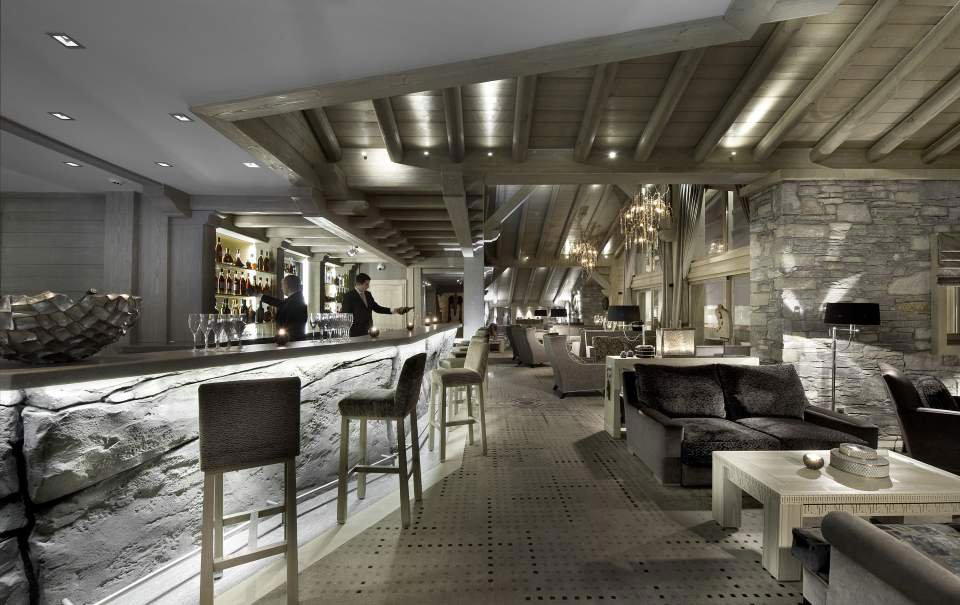
Bars in Courchevel
Browse all →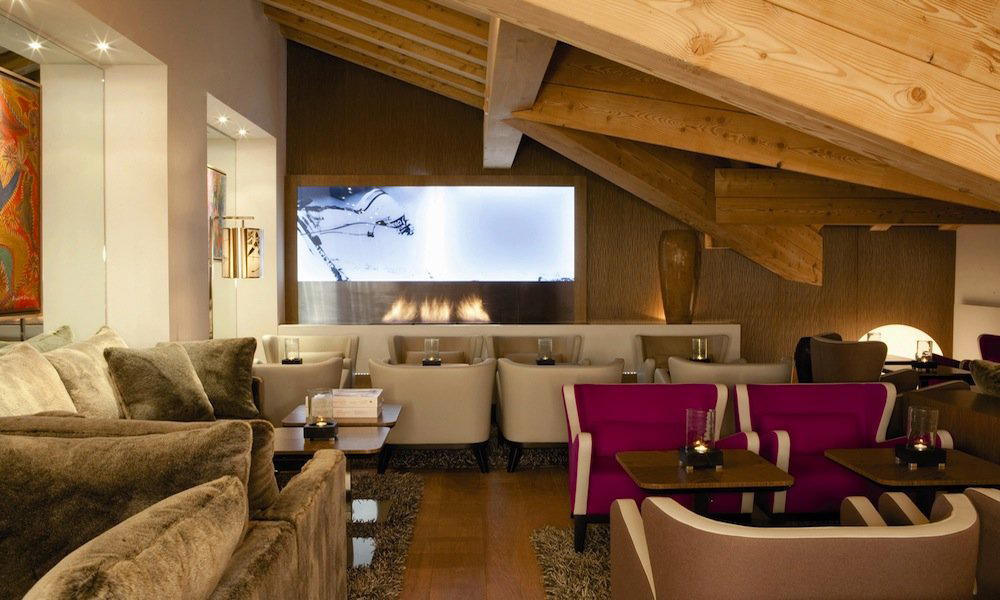
Restaurants in Courchevel
Browse all →
At a Glance
- Scenic
- Elegant
- Classic
- Intimate
- Date Night
- After Work
- Group Outing
- Casual Hangout
- Special Occasion
- Hotel Bar
- Live Music
- Terrace
- Panoramic View
- Standalone
- Seated Bar
- Lounge Seating
- Outdoor Terrace
- Classic Cocktails
- Craft Cocktails
- Mountain
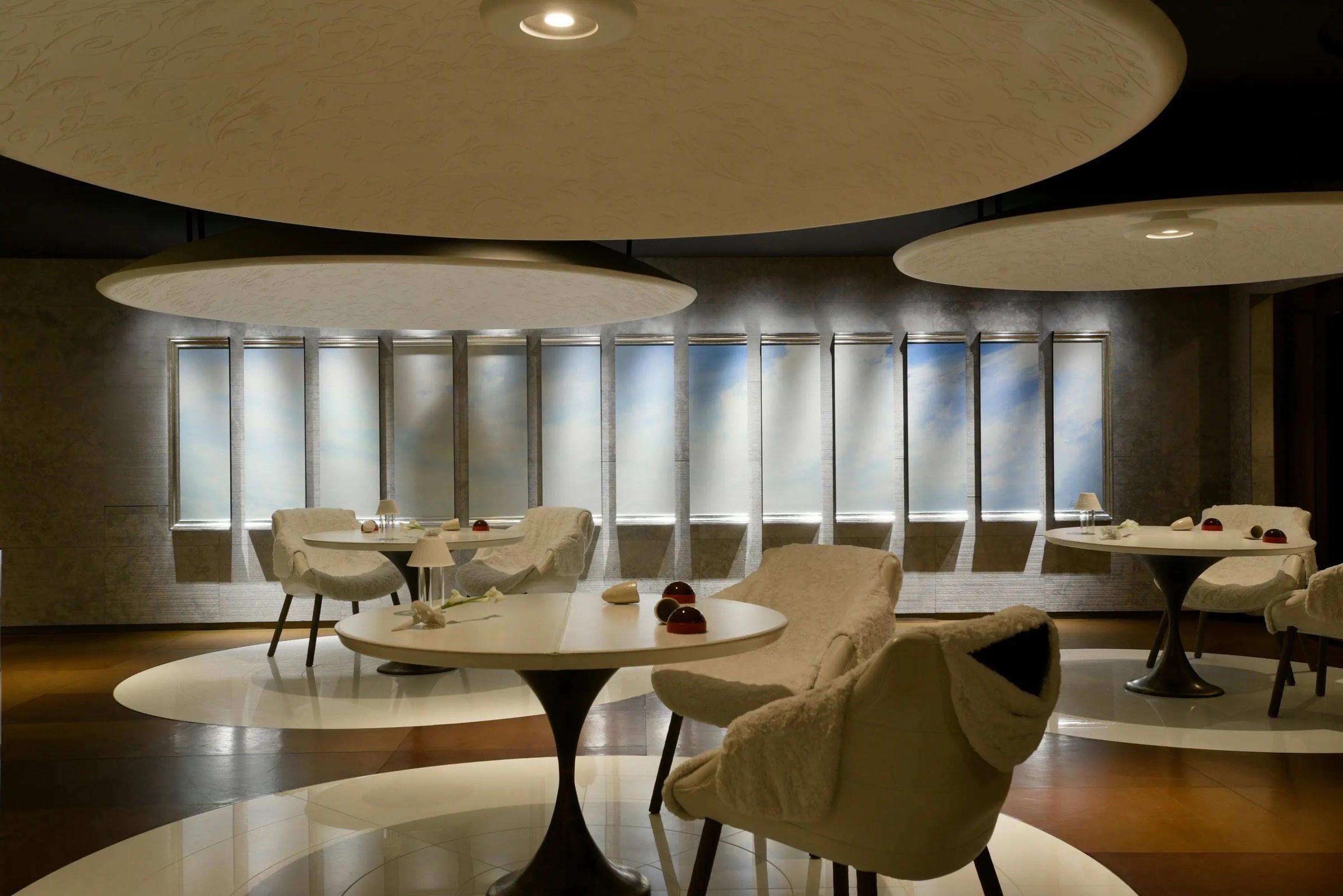
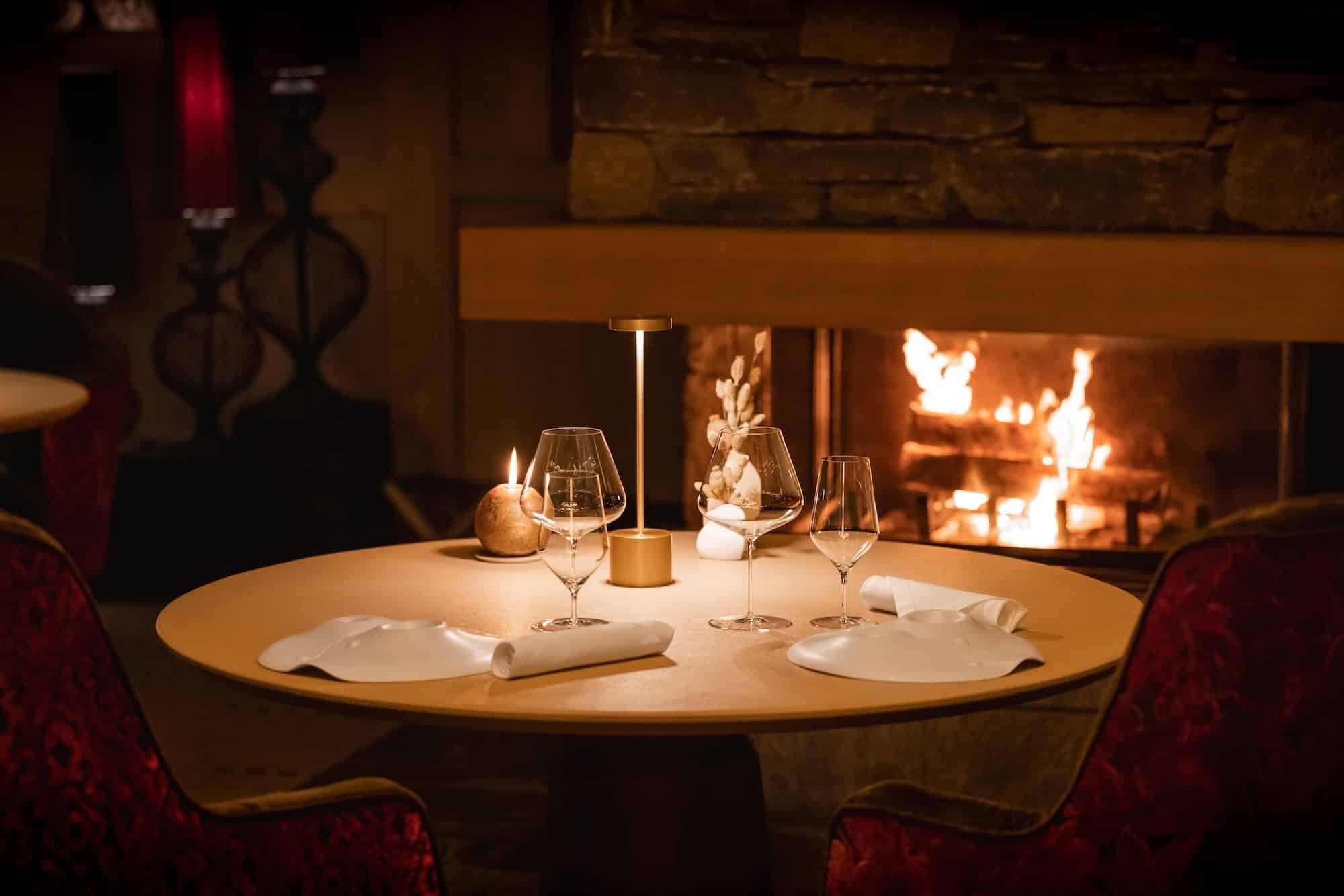
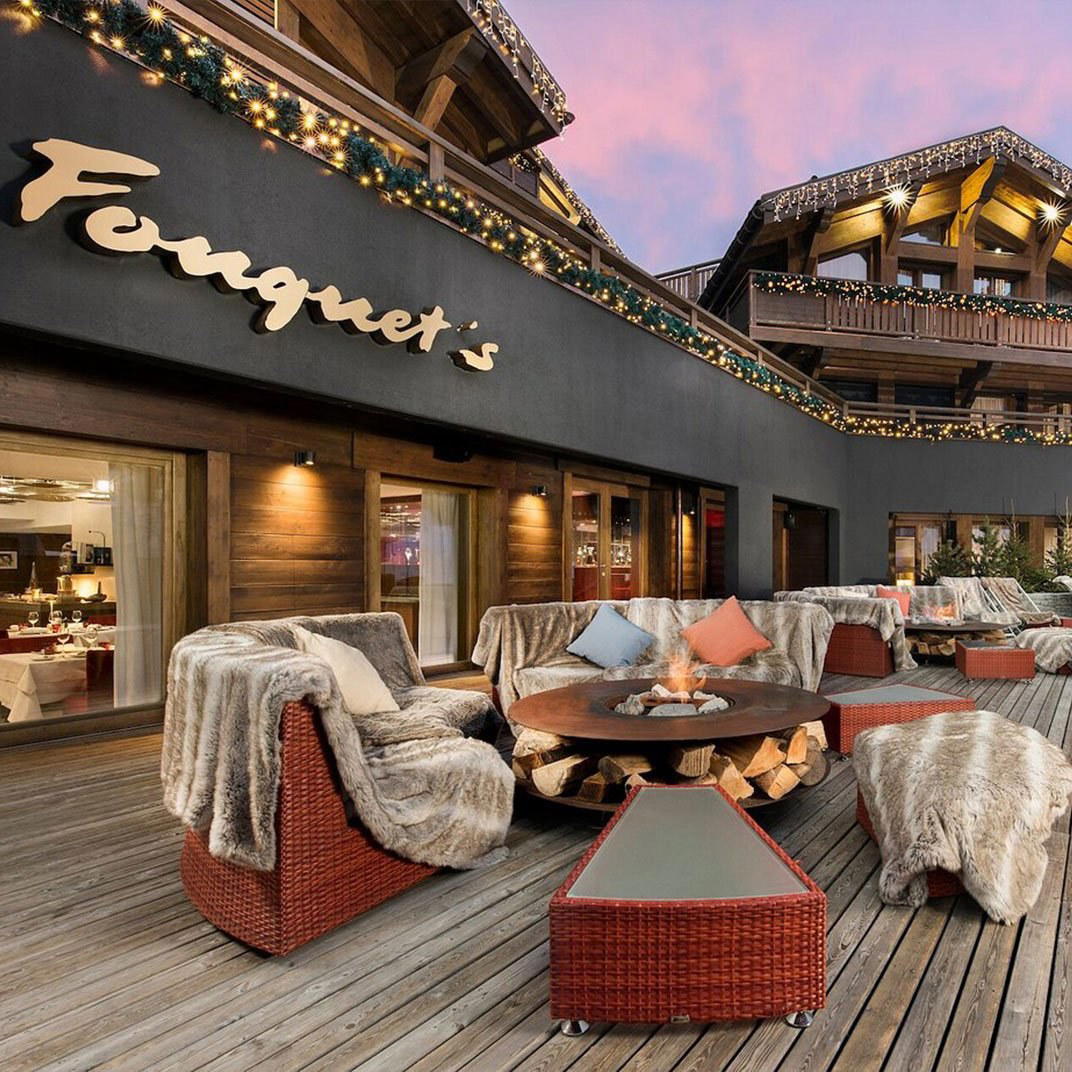
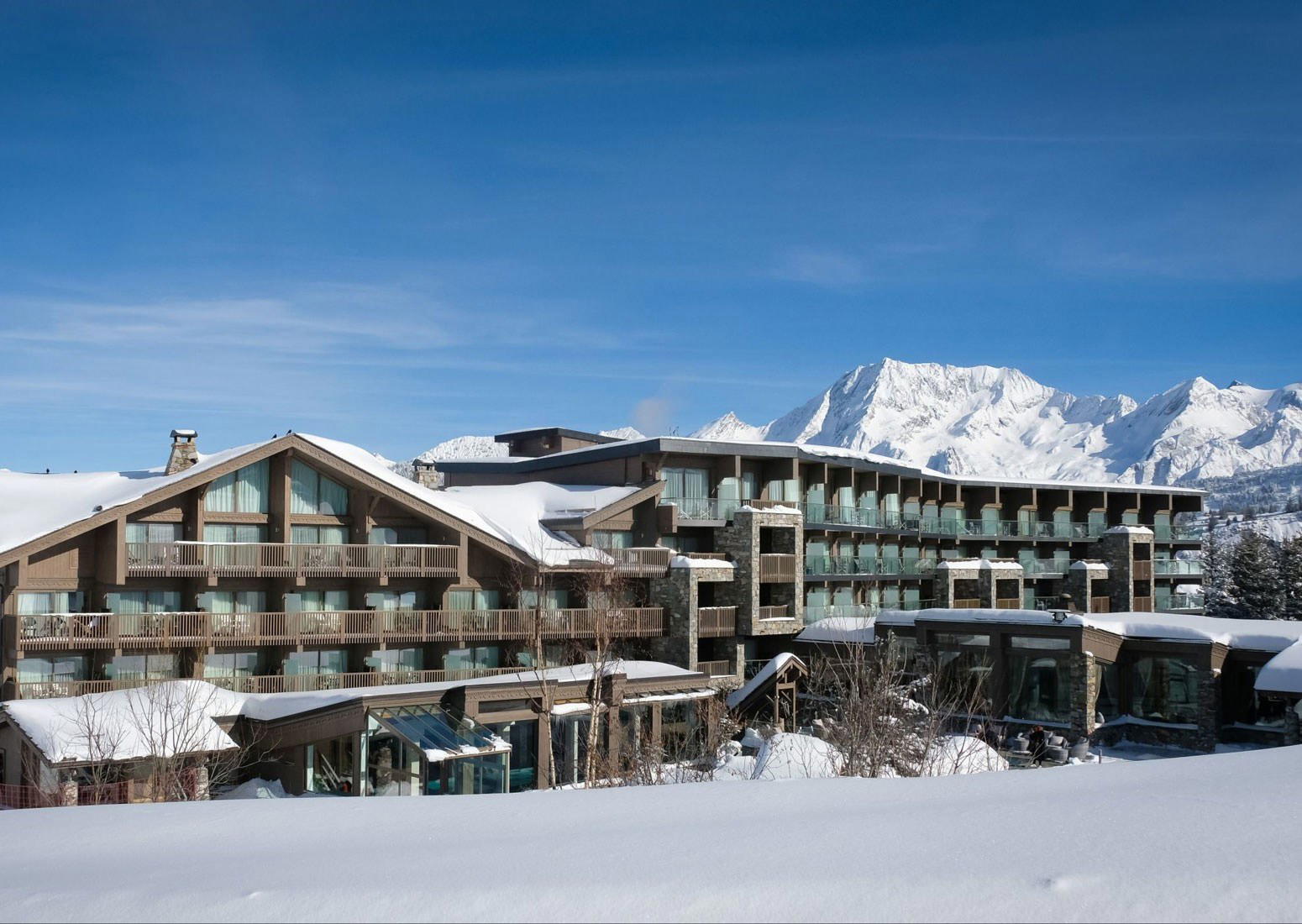
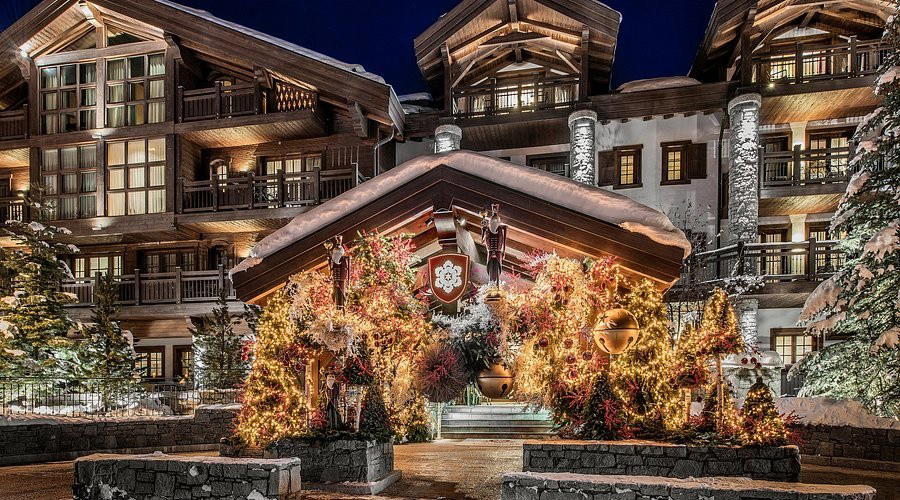
Cosy, warm, and refined, with a fireplace-focused lounge atmosphere, mountain-view terrace seating, and occasional live piano or terrace music.
Know Before You Go
- Getting there
- 734 Rue de l'Altiport, 73120 Courchevel