Last Word Kitara

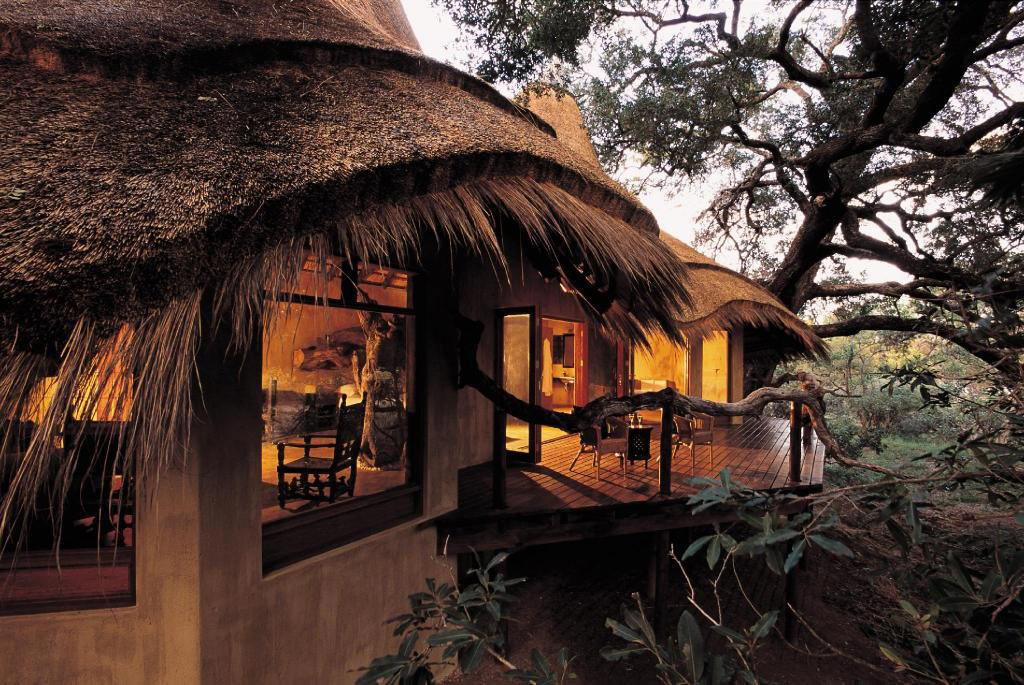
Last Word Kitara sits within Klaserie Private Nature Reserve in Mpumalanga, operating as an intimate six-room lodge at the smaller, more deliberate end of South Africa's private reserve spectrum. Where larger safari operators in the region prioritise scale, Kitara's limited capacity shapes every element of the stay, from guiding ratios to how the physical space meets the wilderness around it.
Pearl is the En Primeur Club membership app — saves, bookings, and concierge access live there. Same editors, same standards.
- Address
- Klaserie Private Nature Reserve, 1380
- Phone
- +27 21 794 6561
- Website
- thelastword.co.za
- Directions
- Get directions
 Saves & bookings on Pearl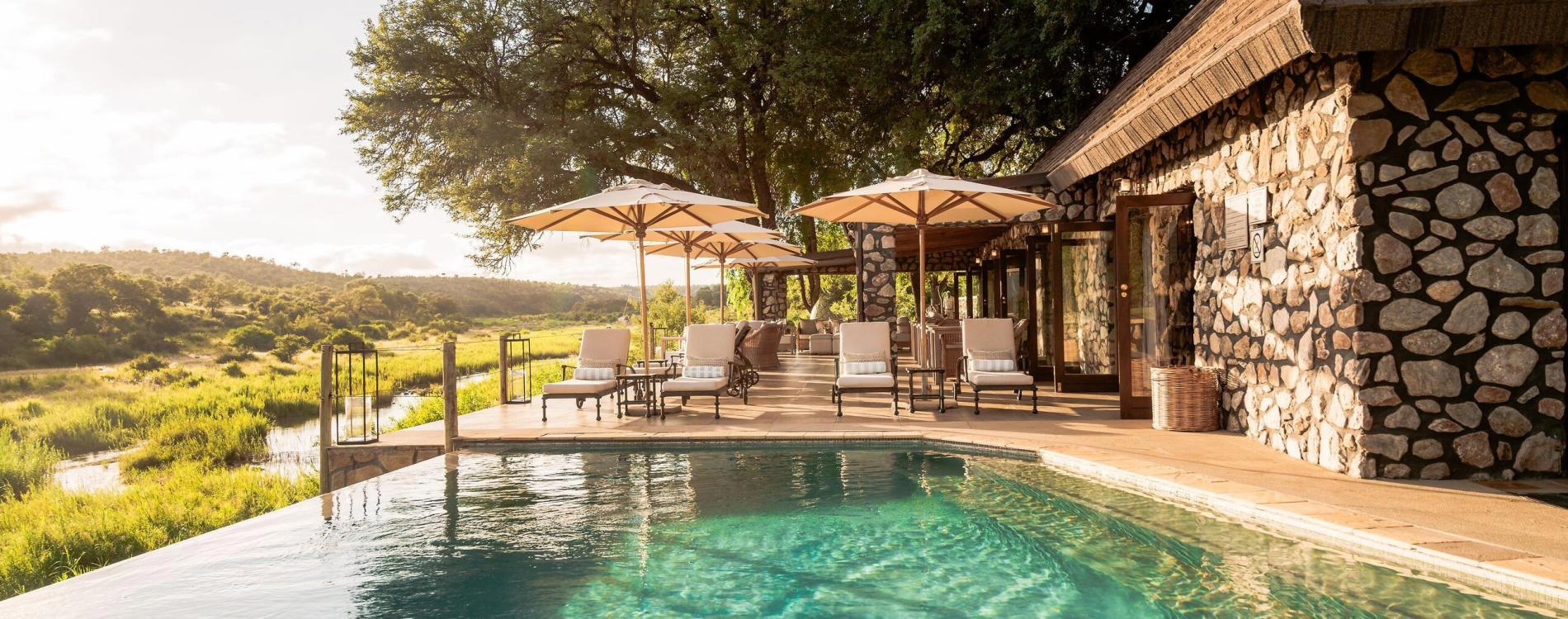
Where the Architecture Answers the Bush
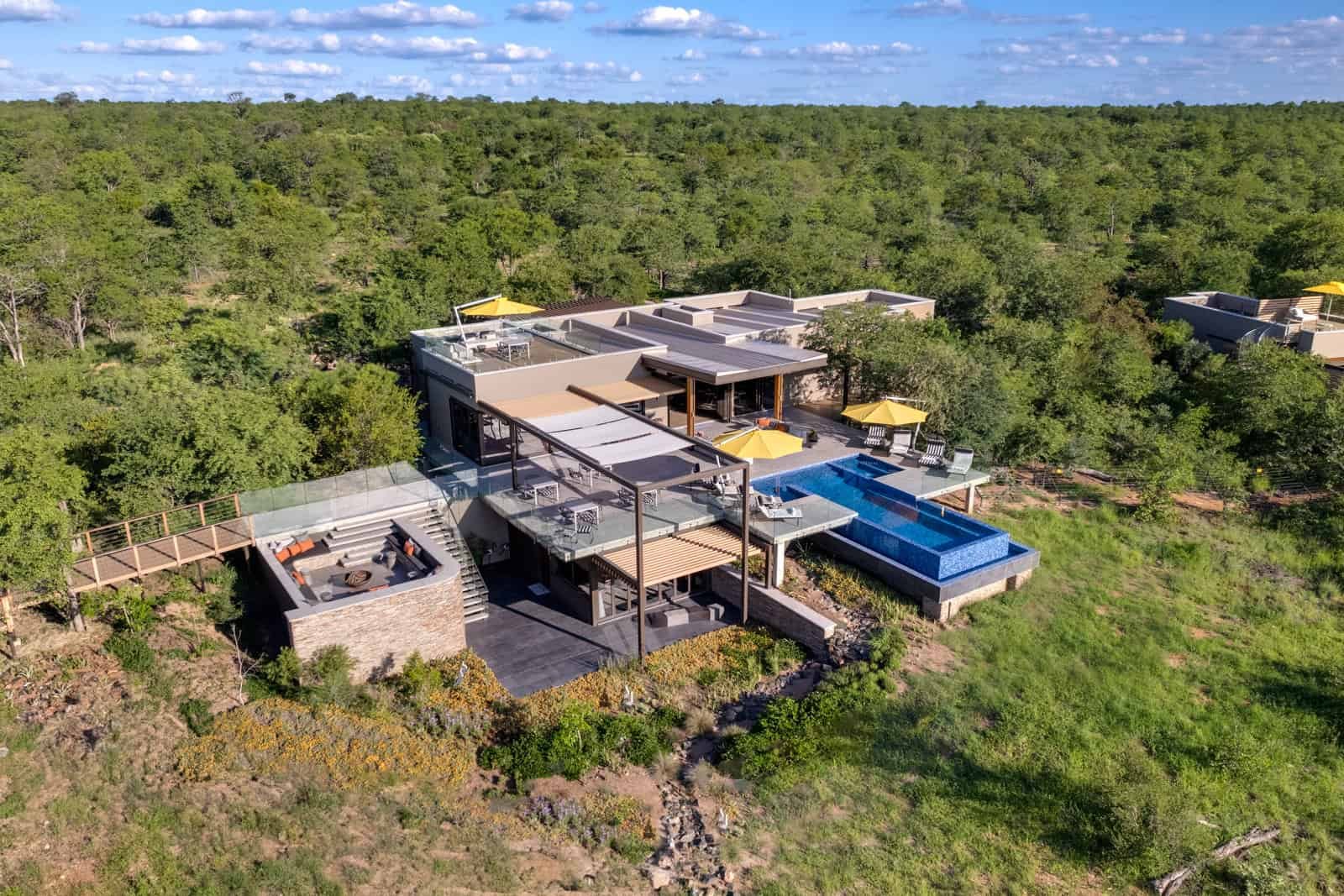
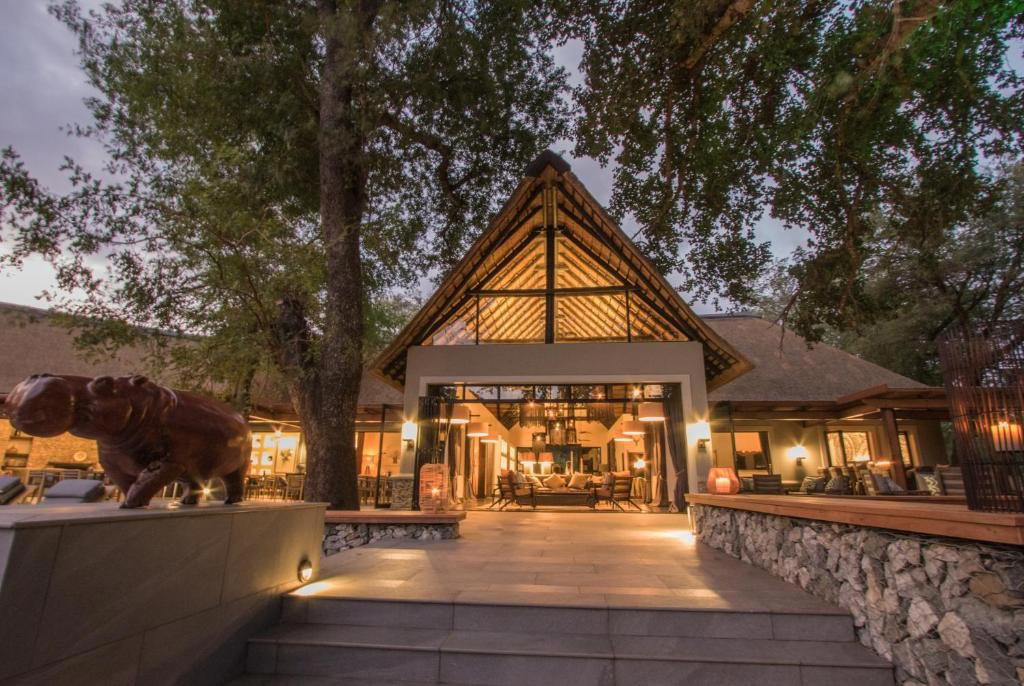
Klaserie Private Nature Reserve sits within the greater Kruger biosphere in Mpumalanga, a province whose lodges tend to split into two categories: large, branded operations with high vehicle counts and fixed itineraries, and smaller, capacity-controlled properties where the built environment is designed to recede into the surrounding terrain rather than impose on it. Last Word Kitara belongs to the second cohort. At six rooms, it operates within a scale where guest-to-guide ratios, sightline management, and architectural restraint shape the experience. For context, Singita in Kruger National Park occupies a different scale and price point; Kitara's size places it in a more contained peer group.
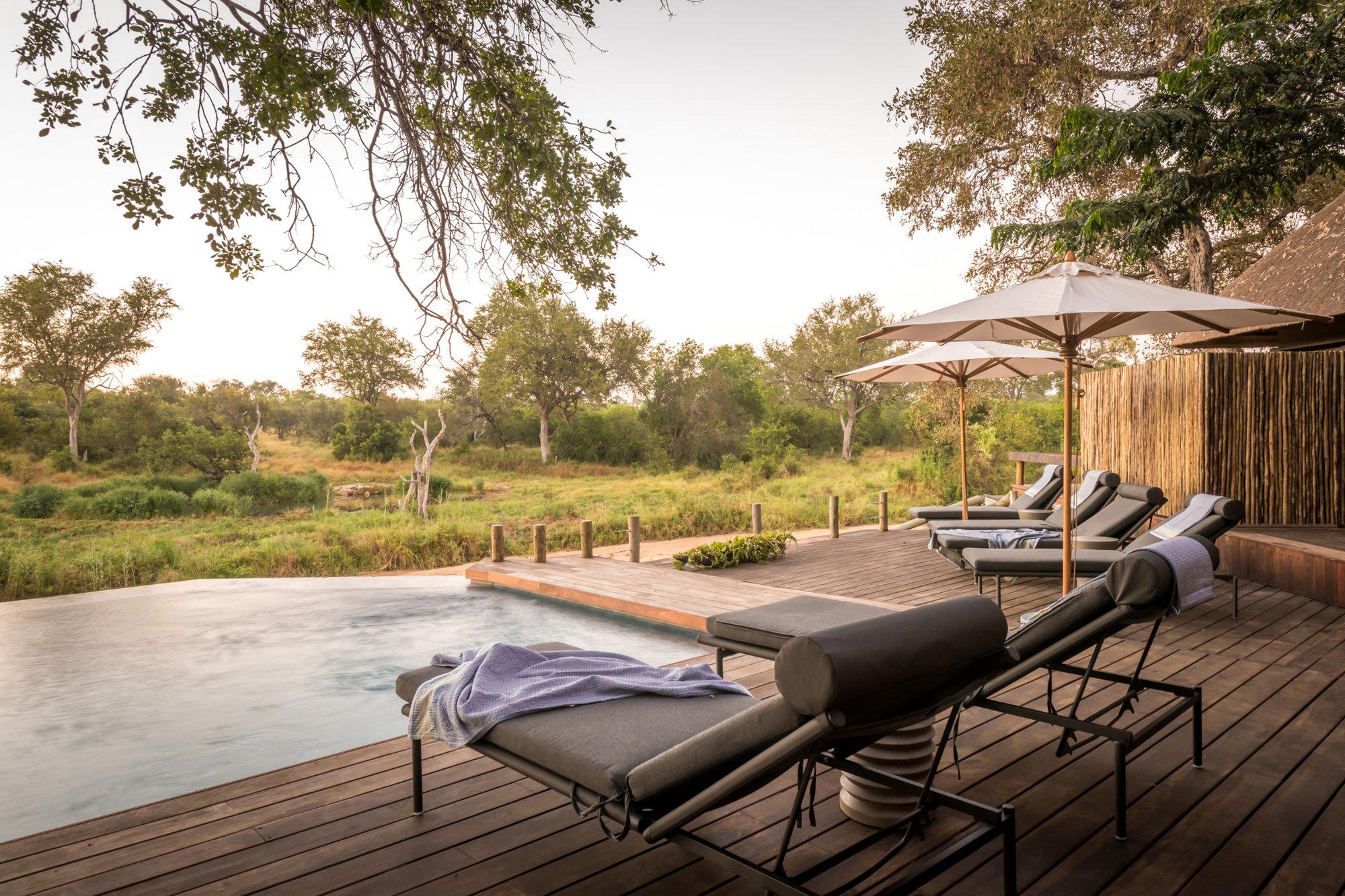
The Klaserie Private Nature Reserve is part of the Associated Private Nature Reserves, which share an unfenced boundary with the Kruger National Park. That open-boundary arrangement matters architecturally: lodges within Klaserie cannot treat the wilderness as backdrop because the wildlife moves through the property itself. The leading design responses to this condition are those that create shelter without enclosure, structures that read as permeable rather than sealed. How a lodge manages the threshold between built space and open bush, where you sit in relation to a waterhole or drainage line, whether interior volumes feel continuous with the exterior, are design questions that carry genuine operational consequences here.
Six Rooms, One Reserve
Last Word Kitara's six-room count is central to its character. At this scale, South African private lodge design typically concentrates on a different set of spatial priorities than larger operations. Rather than managing crowds through layout, smaller lodges must earn their atmosphere through material choices, proportion, and orientation. Sitting areas, dining, and communal spaces at lodges in this tier tend to be sized for the actual guest count rather than for event hosting, which shifts the architecture toward intimacy rather than grandeur. Comparable small-footprint lodges in the Limpopo and Mpumalanga corridor, such as Nkorho Bush Lodge, show how limited room counts allow for a more tailored positioning in the regional market.
South Africa's private game lodge sector has shifted from heavy teak and canvas camps toward more considered responses to specific biomes. The bushveld of the Klaserie, with its mopane woodland, riverbeds, and acacia thickets, calls for different material instincts than the fynbos coast around Hermanus (where Birkenhead House operates in an entirely distinct environmental register) or the winelands of Stellenbosch, where properties like Clouds Estate work with European agricultural idioms. In the lowveld, design credibility is measured against how well a structure holds up to the scale of the landscape around it, not against interior finish counts.
The Klaserie as Location Argument
Klaserie Private Nature Reserve is less heavily trafficked than neighbouring Sabi Sand, which houses several of southern Africa's most recognised lodges and carries the associated vehicle congestion on sighting. That lower profile reflects its quieter positioning rather than wildlife density. The Big Five are present in Klaserie, and the unfenced Kruger boundary means animal movement is not artificially constrained. For guests who want reduced vehicle pressure and longer time in situ, the reserve's quieter reputation is a practical advantage. Abelana River Lodge near Phalaborwa and African Flair Boutique Safari Lodge in Limpopo operate in adjacent territory and reflect the same logic: the lowveld's lesser-known reserves often deliver more consistent wildlife exposure per vehicle than the marquee destinations.
Mpumalanga as a province covers a broad stretch of terrain, from the Drakensberg escarpment at Blyde River Canyon to the flat lowveld bushveld near the Mozambique border. The private reserves cluster in the eastern lowveld section, close to the Kruger boundary. Access is typically via Hoedspruit Eastgate Airport or OR Tambo International in Johannesburg, with transfer times varying by lodge location within the reserve. Guests travelling from Cape Town or Johannesburg can compare the bush lodge format against urban South African accommodation, from the Mount Nelson in Cape Town to the African Pride Melrose Arch in Johannesburg, to understand how the private reserve product occupies a distinct category in the South African travel market. For more on what the region offers across accommodation types, the full Mpumalanga guide covers the broader context.
Planning a Stay
Last Word Kitara's address within Klaserie Private Nature Reserve (postcode 1380) positions it in the eastern Mpumalanga lowveld. Given the lodge's six-room capacity, availability is constrained during peak periods. Booking well in advance is essential. The dry season also brings cooler overnight temperatures in the lowveld. For guests considering other South African small-lodge formats before committing, properties like Makanyane Safari Lodge near Thabazimbi and andBeyond Phinda Forest Lodge offer points of comparison across different biomes and price tiers.
Side-by-Side Snapshot
Comparable venues nearby, for context on price, style, and recognition.
| Venue | Cuisine | Price | Awards | Notes |
|---|---|---|---|---|
| Last Word KitaraThis venue — the venue you are viewing | Exclusive safari lodge | $$$$ | 5-Star | Not listed |
| Nkorho Bush Lodge | Intimate safari retreat with thatched chalets blending modern African comfort and bushveld authenticity. | $$$$ | 4-Star | Sabi Sands Game Reserve |
| Singita Sweni | Contemporary safari lodge integrated into the African wilderness | $$$$ | 5-Star | Kruger National Park |
| Jock Safari Lodge | colonial safari lodge with historical heritage | $$$$ | 5-Star | Marloth Park |
| Malewane Lodge at Royal Malewane | Quintessential luxury African bush lodge with four distinct lodge styles: classic Malewane, colorful Waterside, contemporary Farmstead, and tented Masiya’s Camp. | $$$$ | 5-Star | Thornybush Private Game Reserve |
| andBeyond Kirkman's Kamp | Historic colonial safari lodge celebrating 1920s African heritage with modern luxury comforts, positioned as an exclusive wilderness retreat. | $$$$ | 5-Star | Sabi Sand Game Reserve |
Recognition history
Dated appearances from independent guides and award organizations, with the underlying list record or original source where available.
Preferred Hotels Member
Preferred Hotels
Continue exploring
More in Mpumalanga
Hotels in Mpumalanga
Browse all →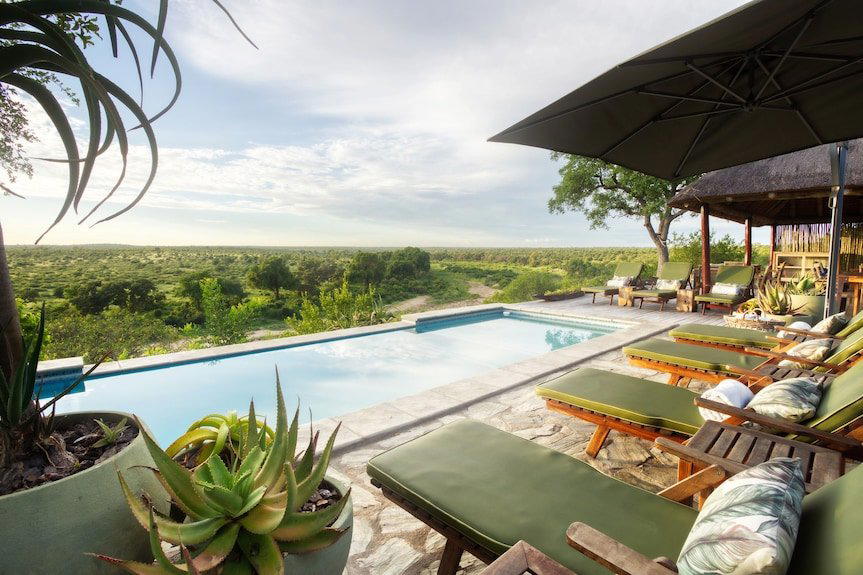
Restaurants in Mpumalanga
Browse all →
At a Glance
- Romantic
- Quiet
- Scenic
- Elegant
- Intimate
- Sophisticated
- Honeymoon
- Romantic Getaway
- Anniversary
- Weekend Escape
- Infinity Pool
- Panoramic View
- Wi Fi
- Pool
- Spa
- Room Service
- Concierge
- Laundry Service
- Air Conditioning
- Mountain
- Wi Fi
- Pool
- Spa
- Room Service
- Concierge
- Laundry Service
- Air Conditioning
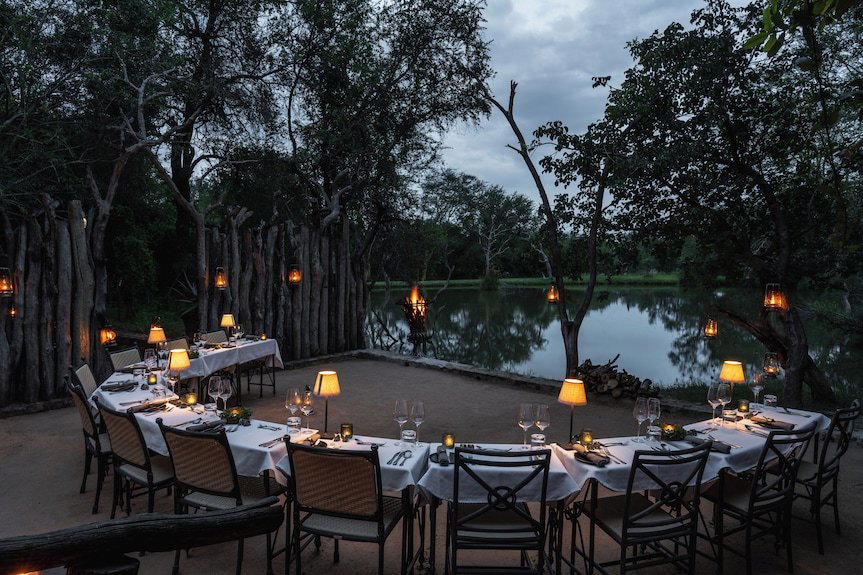
Serene and tranquil bush atmosphere with classic nature-inspired décor, relaxing river views from private balconies, and hypnotic nighttime wildlife sounds.