

Michelin Selected · Small Luxury Hotels of the World Member
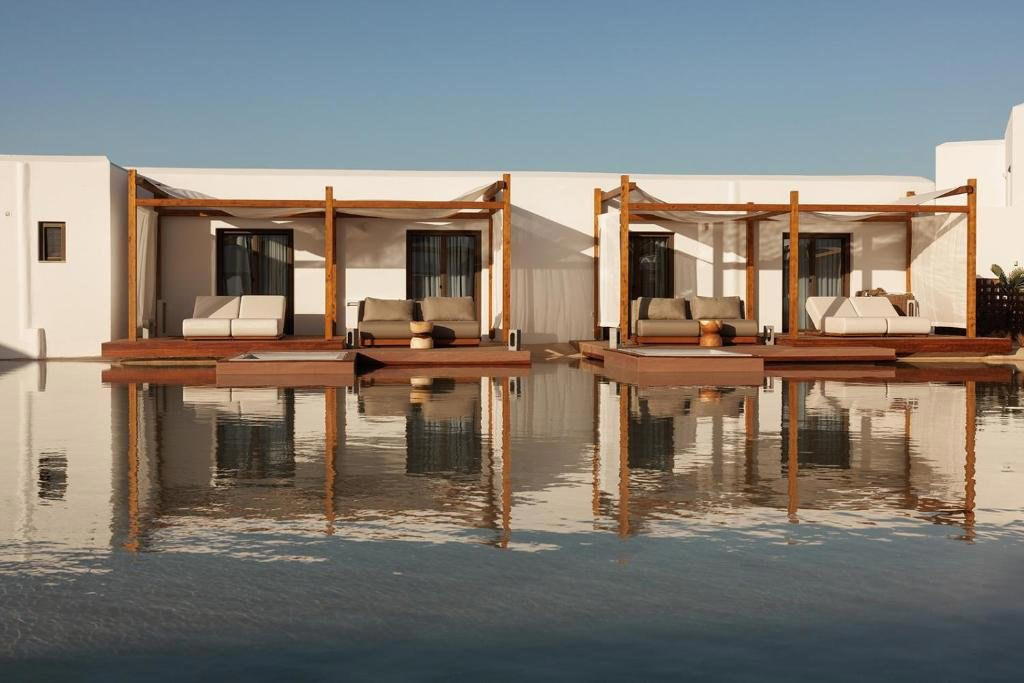
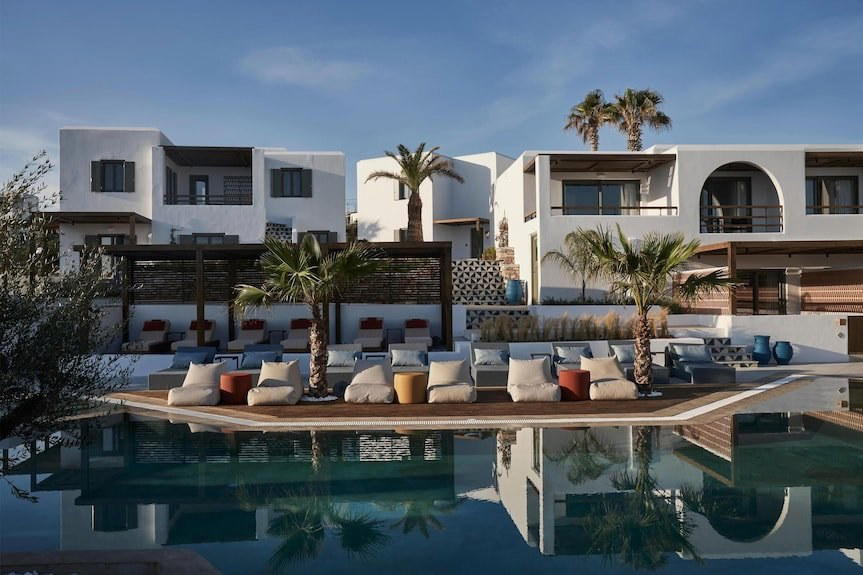
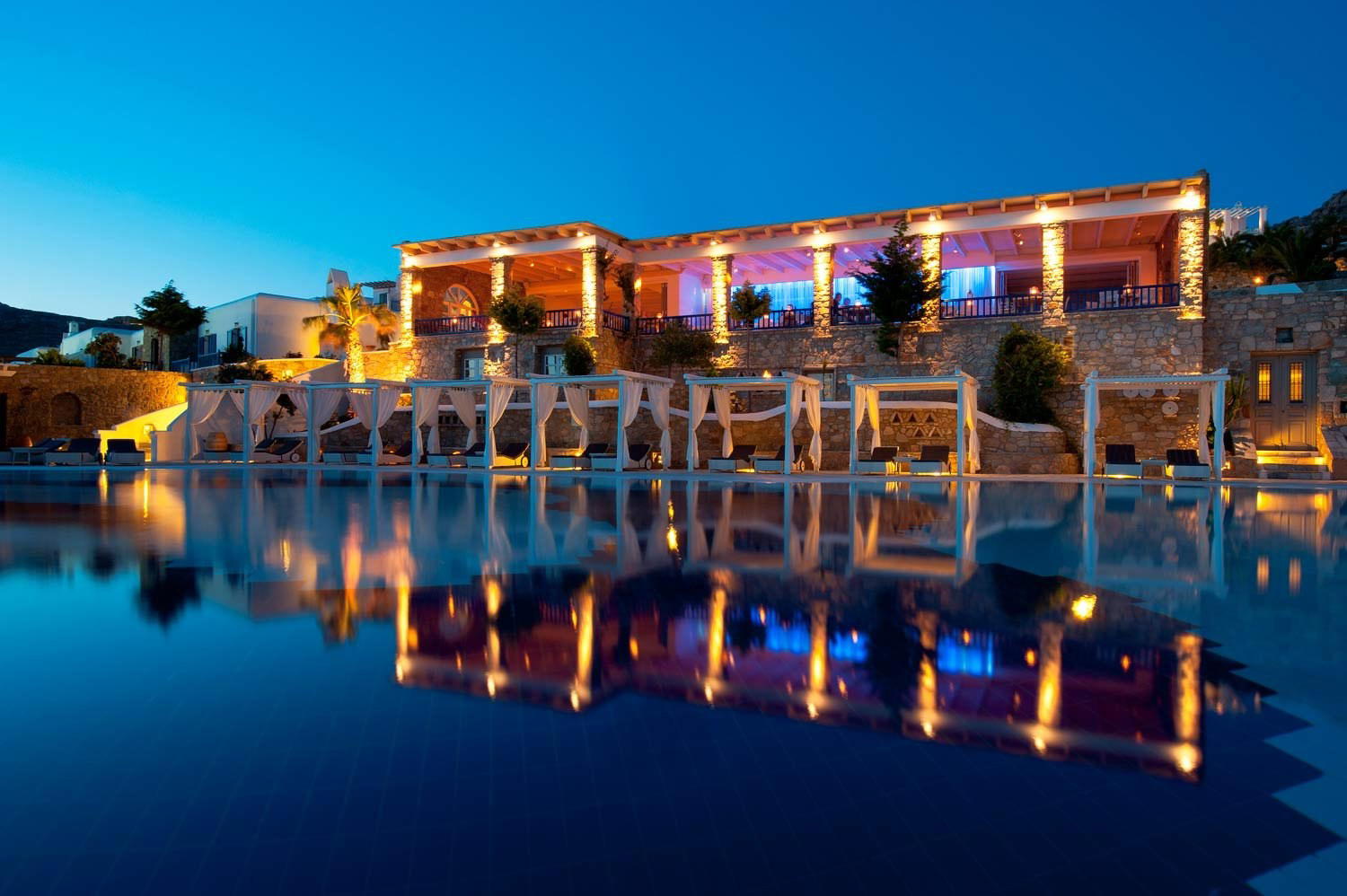
Laguna Coast Resort sits at the centre of the Cyclades' largest regeneration project, occupying 480 acres of wetlands and lagoon coastline on Naxos. Where most Greek island resorts turn inward toward pools and terraces, this property orients itself outward, toward a living ecosystem that shapes every design and programming decision. For travellers who want proximity to nature at a scale that most island properties cannot offer, it represents a genuinely different proposition.

Pearl is the En Primeur Club membership app, where members save venues, book tables and use the concierge.
Where the Wetlands Set the Terms
Approaching Naxos by ferry, most travellers fix their attention on the island's interior, the white Chora, the marble Apollo Gate, the mountain villages producing kitron liqueur. The Laguna coastline, south of the port, reads differently at first: flat, reed-edged, quieter in light and temperature than the island's windward beaches. It is exactly this quality, understated and ecologically dense, that makes it the right setting for a resort conceived around regeneration rather than spectacle. Laguna Coast Resort occupies 480 acres of pristine wetlands and lagoon, and that scale is not incidental to the experience. It is the experience.
Greek island resort design has, for decades, followed two dominant templates: the clifftop property exploiting caldera or sea views, and the beachfront complex maximising waterfront access through tiered pools and sun-platform choreography. Properties like Amanzoe in Porto Heli work a third register, drawing on classical Greek architectural vocabulary to create self-contained hilltop retreats. Laguna Coast Resort belongs to none of these categories with any precision. Its reference point is the land itself, specifically the ecological restoration of a coastal wetland system at a scale that no other Cycladic development has attempted.
Design Logic Rooted in Landscape
The architectural and design approach at a property of this type is typically shaped by a central tension: how to build substantial accommodation infrastructure within an ecologically sensitive zone without erasing the sensitivity that justified the location in the first place. On Naxos, where the Cycladic building tradition favours compact stone forms, whitewashed walls, and shaded courtyard geometries, there is at least a regional vocabulary to draw from, one that tends naturally toward low horizontal profiles and materials that absorb rather than reflect the harsh Aegean light.
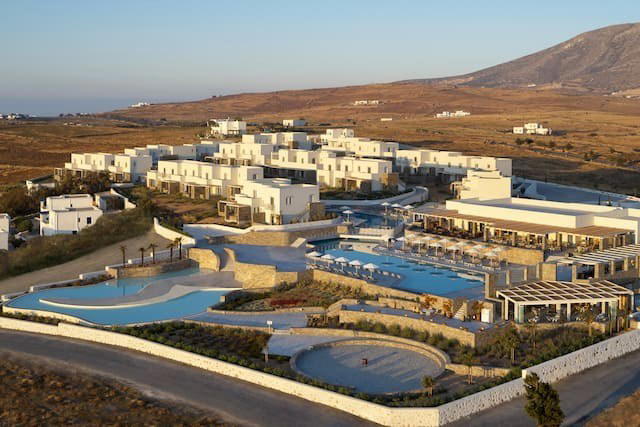
Resorts anchored in wetland settings internationally have increasingly oriented their structures along boardwalk corridors and refined platforms, allowing water and reed systems to persist underneath and between buildings. The 480-acre footprint here suggests that density is not the primary organising principle, which in design terms typically means buildings read as scattered across a larger ground plane rather than stacked or concentrated. This produces a different spatial experience from the compact clifftop or beachfront model: arrival sequences are longer, connections between accommodation and shared facilities are more dispersed, and the boundary between resort infrastructure and natural environment is deliberately blurred.
For travellers comparing this property against other Cyclades options, that dispersal requires a different mindset. Properties like the Naxian Collection or The Cycladic Pavilion on the same island operate at a tighter scale, with a more curated, boutique-hotel logic. The Laguna Coast proposition trades intimacy of scale for immersion in landscape, a meaningful distinction when deciding which property fits a specific trip.
The Regeneration Context
The resort is described as the centrepiece of the largest regeneration project in the Cyclades. That framing carries specific implications for how the property operates and what it prioritises. Regeneration projects of this type, as seen in comparable Mediterranean contexts from the Dalmatian coast to the Algarve, tend to involve active land management: controlled water flows, native planting programmes, monitored wildlife corridors, and visitor access protocols designed to protect sensitive habitat zones during nesting or breeding seasons.
On the Greek island circuit, where sustainability claims have become routine marketing language across properties from Abaton Island Resort and Spa in Chersonisos to Acro Suites in Agia Pelagia, the distinction between a property that trades on ecological aesthetics and one that operates within a genuine land management framework is worth interrogating. The Laguna Coast Resort's grounding in an active regeneration project, rather than simply a preserved or scenic natural backdrop, places it in the latter category in principle. Whether that translates into guest-facing programming, guided access to the wetland system, or restricted zones depends on operational details not yet available in full.
For comparison, Eréma in Milos and Gundari in Petousis both position themselves within the emerging category of nature-integrated Aegean properties, though at substantially smaller footprints. The Laguna Coast model operates at a fundamentally different land scale, which shapes both its possibilities and its limitations.
Naxos as a Setting
Naxos is the largest of the Cyclades and, relative to Mykonos or Santorini, significantly less saturated with high-volume tourism infrastructure. The island's agricultural interior, marble quarrying tradition, and fishing economy have historically supported a more heterogeneous visitor profile than its more photographed neighbours. That context matters for a resort whose identity is built around landscape and ecological restoration: the island already supports a relationship with its own geography that many other Cycladic destinations have largely paved over.
The Laguna coastline specifically sits within the western coastal zone, a stretch that combines beach access with wetland ecology in a way unusual for the Aegean. Travellers visiting in shoulder season, April to May or September to October, will find the wetland environment at its most active in terms of birdlife, and the light conditions that make this kind of low, water-adjacent landscape most legible. High summer on Naxos, as across the Cyclades, brings meltemi winds that shape outdoor programmes significantly, particularly on western exposures.
Travellers considering a broader Greece itinerary might also look at Four Seasons Astir Palace Hotel Athens as a complement, particularly given direct flight connections between Athens and Naxos. For those routing through the southern Aegean, Amoudi Villas in Oia or Pegasus Suites in Fira offer Santorini alternatives before or after a Naxos stay. For a wider sense of the Naxos accommodation and dining scene, our full Naxos guide covers the island in detail.
Planning a Stay
Specific room categories, pricing tiers, and booking channels for Laguna Coast Resort are not yet comprehensively published in accessible formats at time of writing. Given the property's positioning within a major regeneration project, it is likely that accommodation options will range across different proximity levels to the wetland and lagoon, with some categories offering more direct landscape access than others. When details are confirmed, booking directly with the property typically yields better communication about which units sit within or adjacent to the ecological zones, which is the more material choice here than room size or standard amenity upgrades.
For travellers comparing wider Greek island options before committing, Le Méridien Sissi Crete, Milatos Marriott Resort Crete, and Amirandes in Heraklion represent the larger-format Cretan resort tier, while Ajul Luxury Hotel and Spa Resort in Halkidiki and Alkyna Lifestyle Beach Resort in Corfu extend the search to northern Greece. The Laguna Coast proposition is distinct from all of them in its ecological ambition and land scale.
Comparable Venues
Comparable venues nearby, for context on price, style, and recognition.
| Venue | Cuisine | Price | Awards | Notes |
|---|---|---|---|---|
| Laguna Coast ResortThis venue (the venue you are viewing) | Barefoot luxury eco-resort with contemporary suites and villas | Not listed | Michelin Selected · Small Luxury Hotels of the World Member | Not listed |
| Naxian Collection | Contemporary Cycladic villas harmoniously integrated with nature | $200–300 | Small Luxury Hotels of the World Member | Stelida |
| Naxian on the Beach | laid-back luxury resort blending understated opulence with authentic island living | Not listed | Michelin Selected | Plaka |
| The Cycladic Pavilion | Neoclassical luxury private villa with Cycladic influences | Not listed | World Luxury Hotel Awards WLHA Regional Winner | Galanádhon |
| NAXIAN UTOPIA | Contemporary luxury boutique resort with Cycladic vernacular architecture, designed for informed travelers seeking privacy and natural beauty. | Not listed | Michelin Selected | Agios Prokopios |
| Mykonos Ammos Hotel | Beachfront luxury boutique | Not listed | Michelin Selected · Small Luxury Hotels of the World Member | Mikonos |
Recognition history
Dated appearances from independent guides and award organizations, with the underlying list record or original source where available.
Michelin Selected
Michelin
Small Luxury Hotels of the World Member
Small Luxury Hotels of the World
Continue exploring
More in Naxos
Hotels in Naxos
All hotels in Naxos →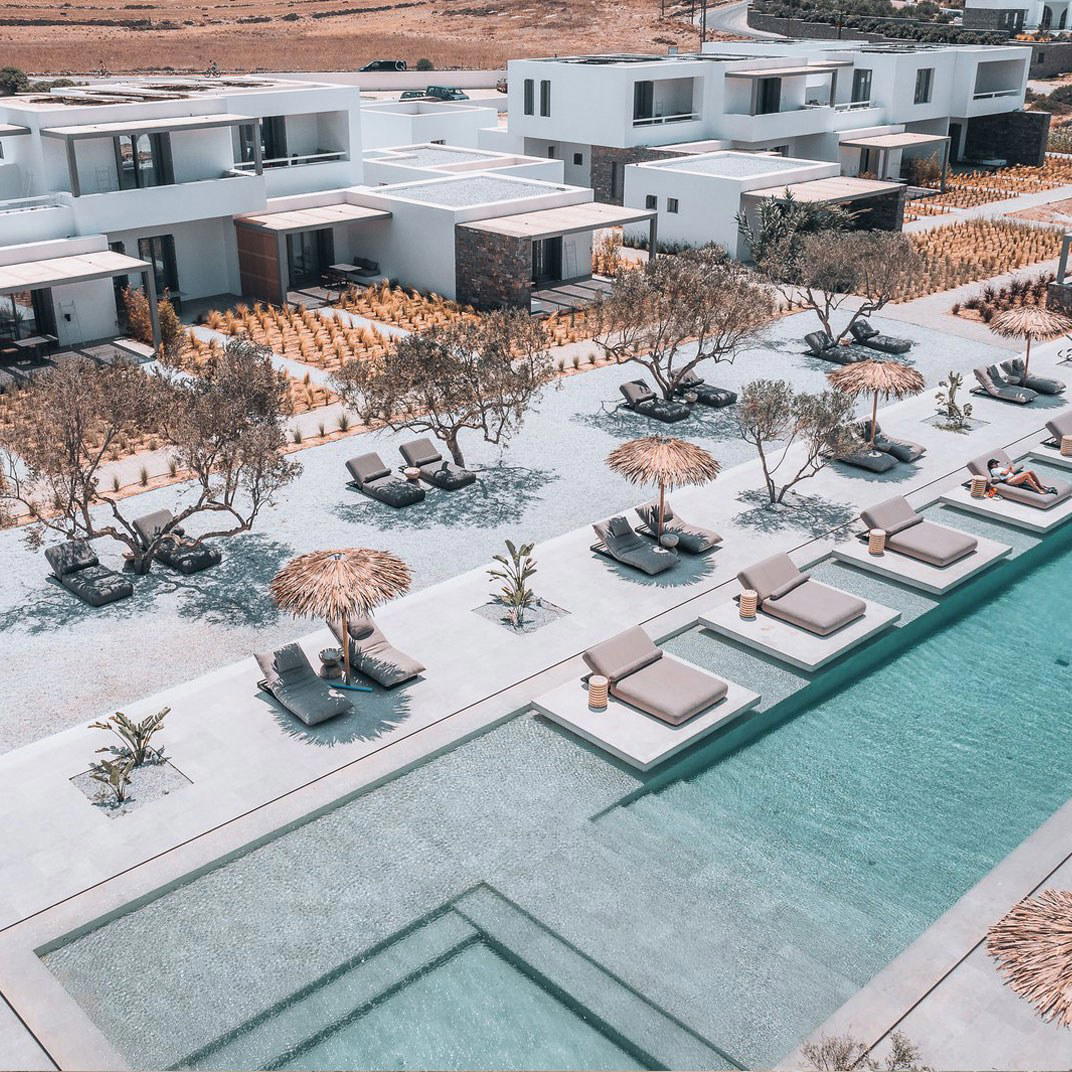
Bars in Naxos
Browse all →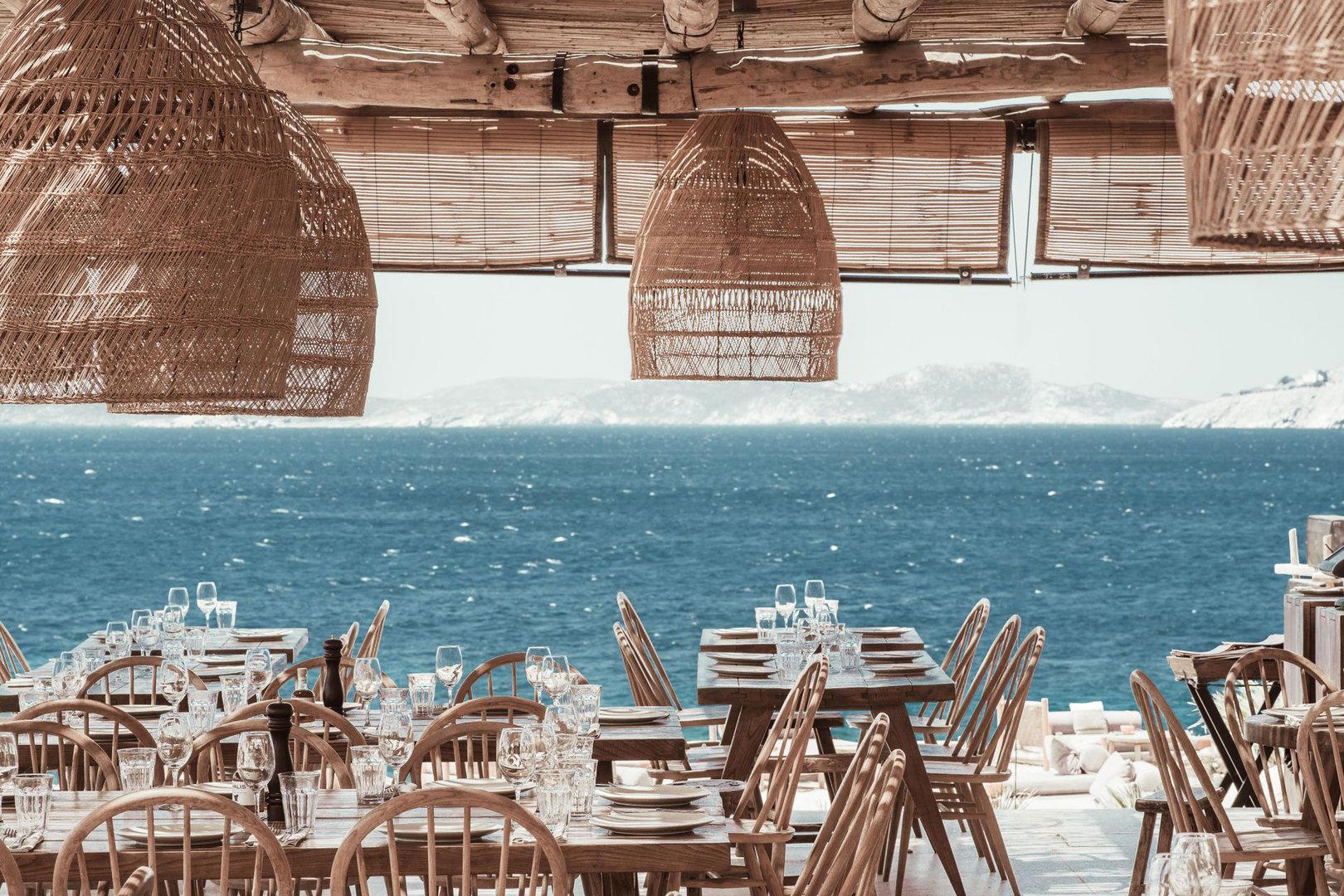
Restaurants in Naxos
Browse all →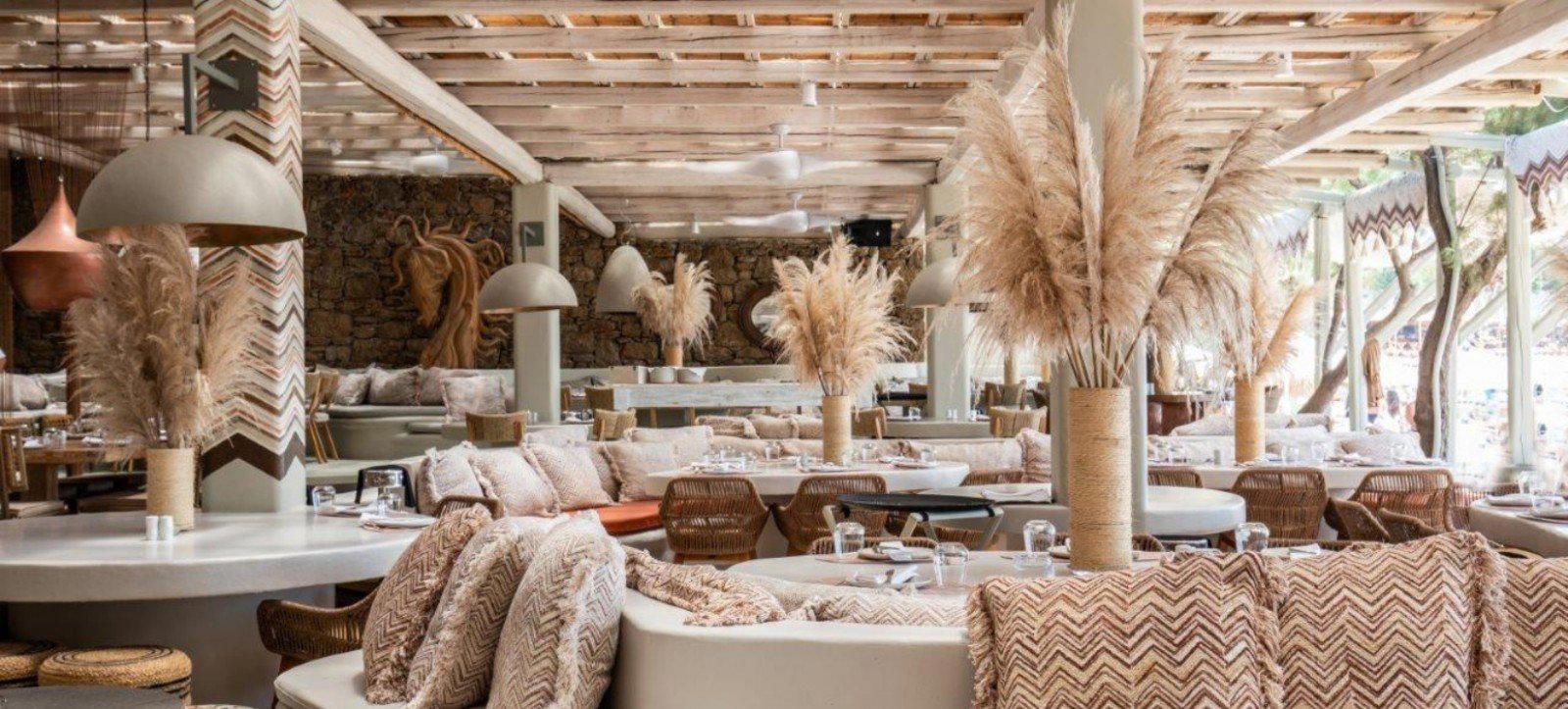
Wineries in Naxos
Browse all →
Details
- Romantic
- Scenic
- Elegant
- Sophisticated
- Cozy
- Honeymoon
- Romantic Getaway
- Wellness Retreat
- Weekend Escape
- Beachfront
- Infinity Pool
- Panoramic View
- Wi Fi
- Pool
- Spa
- Fitness Center
- Room Service
- Concierge
- EV Charging
- Beach Access
- Waterfront
- Mountain
- Wheelchair Accessible
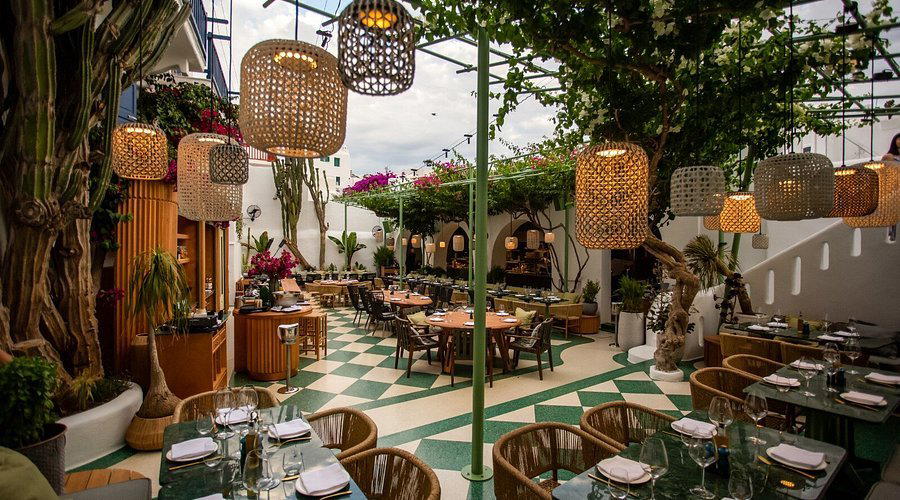
Modern earth-toned decor with lanterns and twinkling lights illuminating the chic open-air restaurant and beachfront bistro.