La Bastide en Gascogne

1 Michelin Key
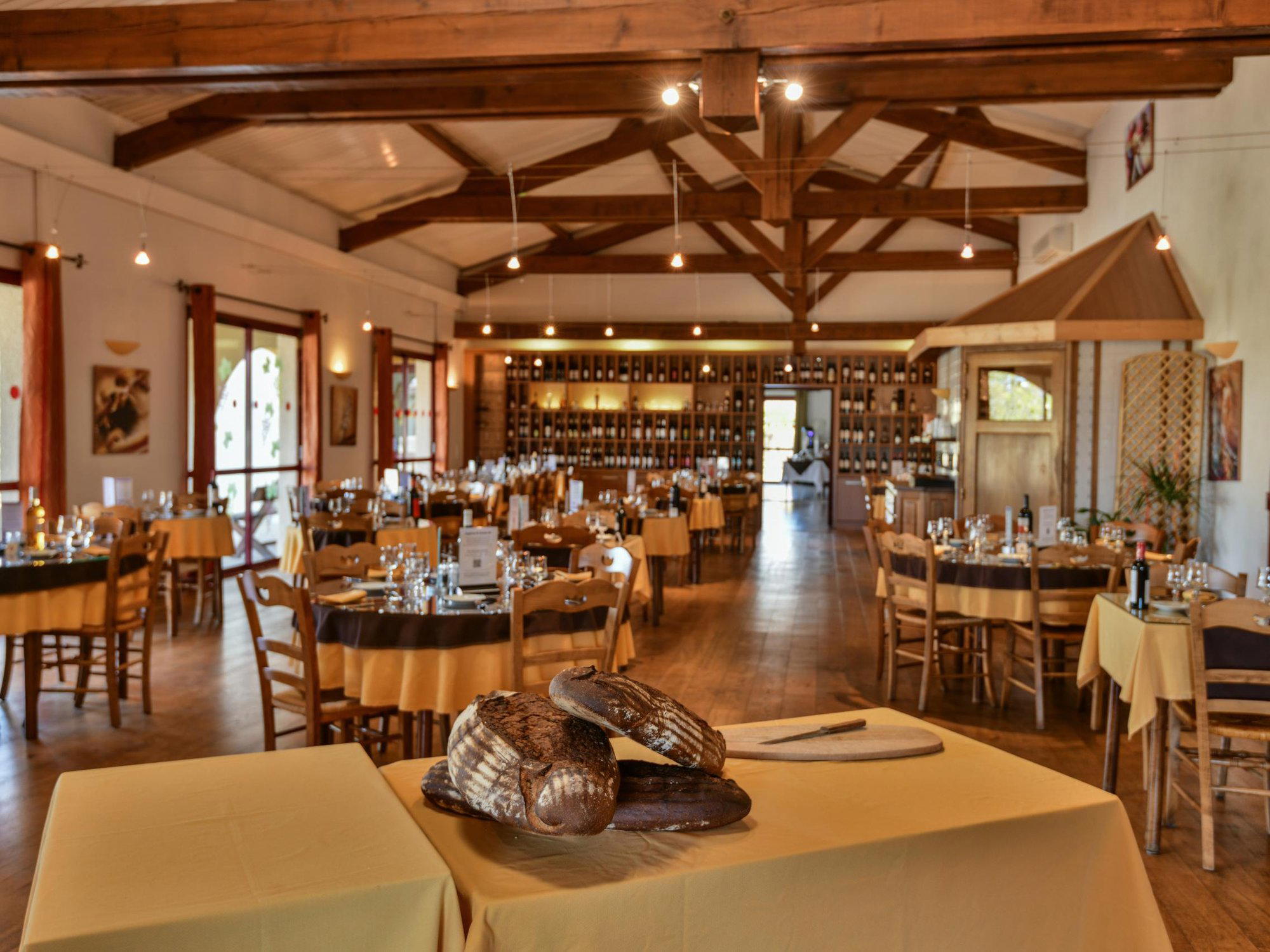
A former monastery beside the thermal springs of Barbotan-les-Thermes, La Bastide en Gascogne pairs 25 traditionally styled rooms with a dining room shaped by the Guérard family's commitment to seasonal French cooking. At around $395 per night, it occupies a distinct position in southwest France: a property where the architecture, the spa, and the table are genuinely integrated rather than incidental to one another.
- Address
- Avenue des Thermes, Barbotan-les-Thermes, 32150 Cazaubon, France
- Phone
- +33562083100
- Website
- bastide-gasconne.com
- Directions
- Get directions
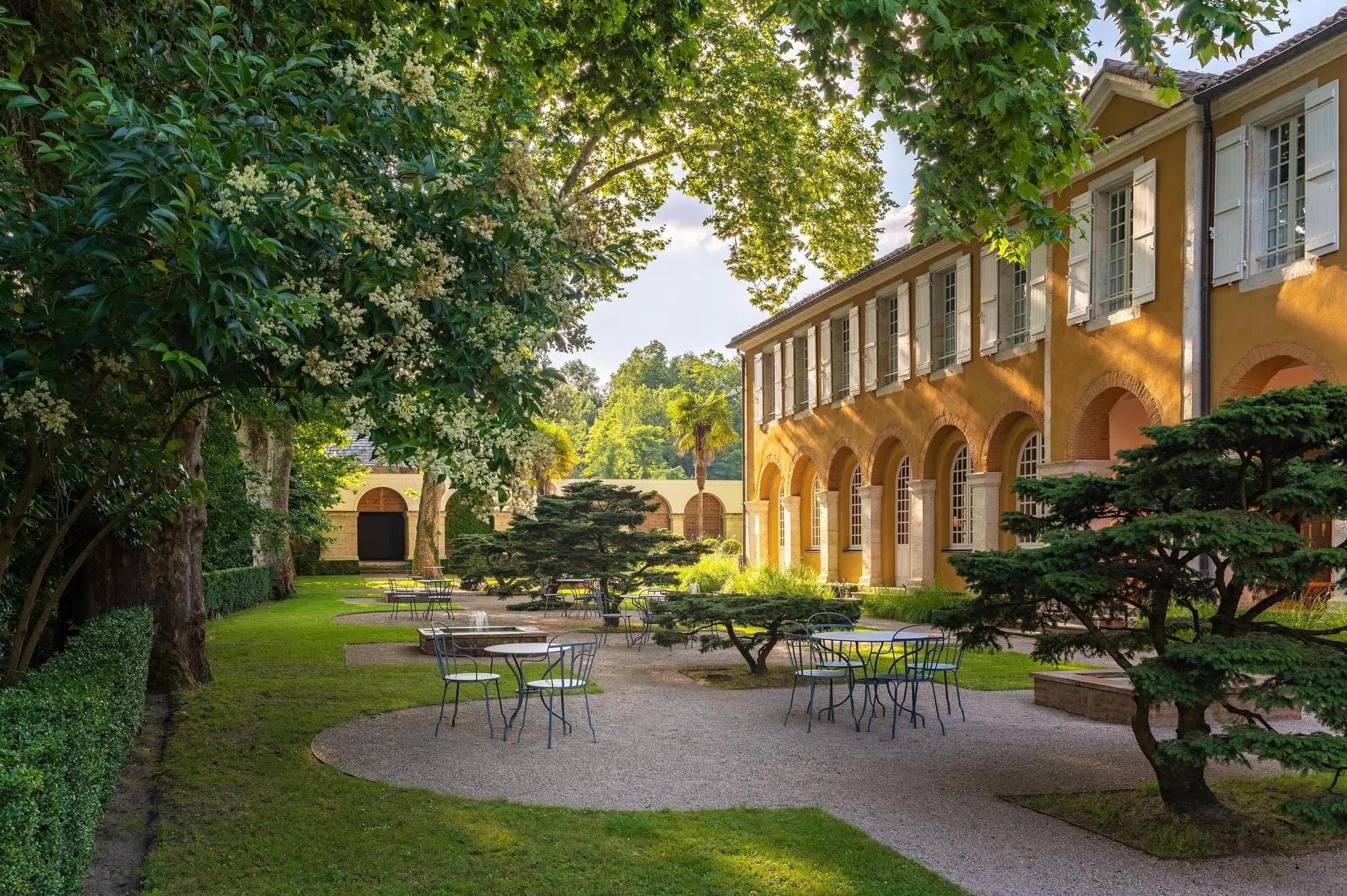
Stone Walls, Hot Springs, and a Dining Room With Lineage
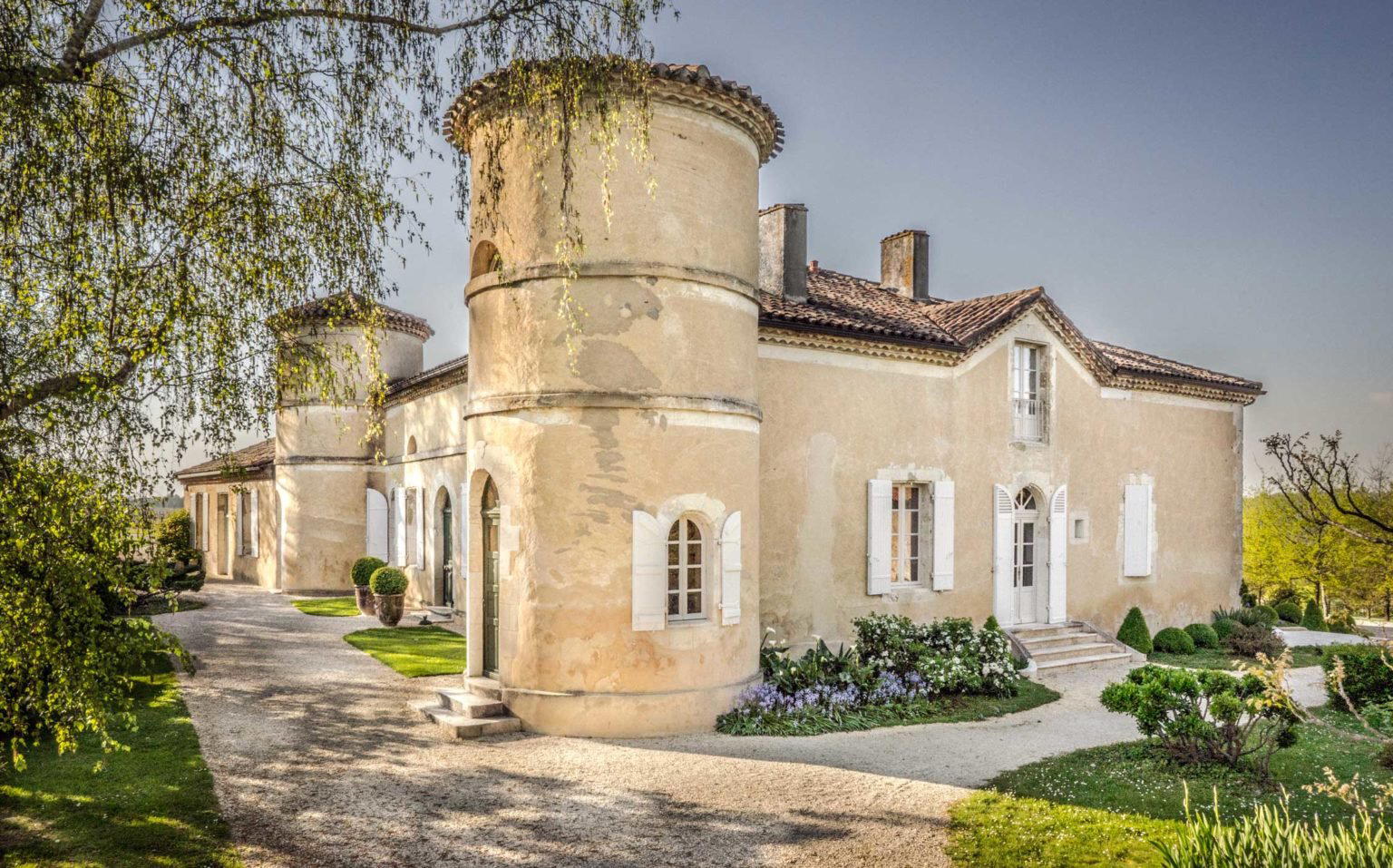
In the Gers department of Gascony, thermal spa towns follow a particular rhythm. The architecture is unhurried, the pace is defined by treatment schedules, and the dining room is often an afterthought. Barbotan-les-Thermes breaks that pattern, and La Bastide en Gascogne is the reason. The property occupies a former monastery directly adjacent to the Thermes de Barbotan hot-spring complex, and the physical history of the building is not decorative: the stone construction, the proportions of the rooms, and the general sense of enclosure that characterizes good monastic architecture all remain legible in the fabric of the place. For travellers who assess a hotel by what it communicates before they have even unpacked, this one communicates something specific and considered.
Converted religious buildings occupy a recognized niche in French provincial hospitality. At their leading, examples like Domaine Les Crayères in Reims or Château de Montcaud in Sabran demonstrate that historical fabric and contemporary comfort are not in tension. La Bastide en Gascogne belongs to this tradition: the building's identity is an asset, not a constraint, and the 25 rooms and suites have been finished in a style that reads as traditionally French without defaulting to reproduction furniture and heavy drapes. The effect is relaxing rather than museological, which is the correct outcome for a property whose primary proposition is recuperation.
The Thermal Logic of the Place
The positioning of La Bastide en Gascogne beside the Thermes de Barbotan is not coincidental. Barbotan has operated as a therapeutic spa destination for well over a century, drawing visitors for its sulphurous spring waters, and the village's built character reflects that long function: the thermal complex, the colonnaded promenades, and the hotel stock all speak to a tradition of measured, purposeful stays rather than the destination-hotel weekend market that now drives much of French provincial hospitality. The property's own spa draws on the same spring sources as the adjacent thermal complex, which means guests have access to the thermal waters in both an institutional and a more private register.
This matters architecturally and experientially. Properties that share a thermal resource with a larger public facility occupy a particular position: they function as a quieter gateway into a tradition that would otherwise require queuing alongside bus-tour groups. For the kind of traveller who plans around spa access, the proximity and the integration are meaningful practical details, not marketing copy. Planning around a midweek arrival in the shoulder season, April through June or September through October, will deliver the full atmosphere of a Gascon thermal town without the peak-summer compression.
The Guérard Connection and What It Means for the Table
The dining room at La Bastide en Gascogne operates under the influence of the Guérard family. Michel Guérard is among the most consequential figures in twentieth-century French cooking, responsible for developing cuisine minceur alongside classical Gascon technique at his three-Michelin-star restaurant Les Prés d'Eugénie in nearby Eugénie-les-Bains. The menu at La Bastide en Gascogne draws on that heritage through the family's ownership and the seasonal French cooking that defines the dining room's approach.
The significance for a guest is practical: this is not a hotel restaurant that treats food as a necessary amenity. The cooking has long been central to why people choose this property, not an optional supplement to the spa. In regional French hospitality, that distinction matters considerably. Properties in the southwest that carry genuine culinary credentials form a relatively small group; most thermal-town hotels default to safe, competent cooking calibrated not to disappoint rather than to engage. Here the standard is set against a different reference point, and that shapes the experience of a full stay.
Southwest France's broader dining context is relevant. This is foie gras and Armagnac country, a region where the raw ingredients are among France's finest and where the cooking tradition is defined by directness and seasonality rather than the abstraction of Parisian haute cuisine. A dining room in this region that takes seasonal French classics seriously is working with exceptional material, and the Guérard family's involvement provides the credibility that the execution matches the provenance.
Scale, Rates, and Where It Sits in the French Luxury Tier
At 25 rooms, La Bastide en Gascogne operates at a scale that keeps it well inside the small-hotel bracket. The rate sits around $395 per night, which positions it below the highest tier of French château and design hotels but above the midrange provincial market. For reference, the upper bracket of French luxury hotels, places like Cheval Blanc Paris, Hotel Du Cap-Eden-Roc in Cap d'Antibes, or La Réserve Ramatuelle, price at multiples of this level. La Bastide en Gascogne occupies a different position: more comparable to the category of serious, characterful French provincial hotels that prioritize quality of fabric and table over scale of facility, a group that also includes properties like Château du Grand-Lucé or Château Lafaurie-Peyraguey.
The value case is clearest for guests who intend to use both the spa and the dining room across a multi-night stay. At that length and intensity of engagement, the integration of the building's history, the thermal access, and the quality of the table produces something more coherent than the sum of its parts. A single-night stop on a drive through the southwest would underuse what the property offers.
Planning a Stay at La Bastide en Gascogne
Barbotan-les-Thermes is in the Gers, reachable from Bordeaux in roughly two hours by road and from Toulouse in a similar drive southeast via the N124 corridor. The village itself is small and oriented around the thermal complex, so the property functions as a self-contained base rather than a stepping stone into a larger urban scene. Guests should plan accordingly: this is a destination in itself, suited to stays of two nights or more where the rhythm of thermal treatments, walking the village, and dining well constitutes the program. For a broader view of what the region offers, our full Barbotan-les-Termes guide covers the town's dining and spa context in more detail.
Rates around $395 per night place it at a level where the decision is essentially direct if the combination of monastic architecture, thermal access, and cooking with Guérard family lineage aligns with what you want from a French provincial stay. Few properties in Gascony offer all three with this degree of integration.
| Venue | Cuisine | Price | Awards |
|---|---|---|---|
| La Bastide en GascogneThis venue — the venue you are viewing | This venue | Not listed | 1 Michelin Key |
| Cheval Blanc Paris | Michelin 3 Key, World's 50 Best | $2,500+ | 3 Michelin Keys · World's 50 Best #20 |
| Cheval Blanc Courchevel | Michelin 3 Key | $1,500–2,500 | 3 Michelin Keys · La Liste Top Hotels |
| Le Meurice | Michelin 3 Key | $1,000–1,500 | 3 Michelin Keys · La Liste Top Hotels |
| Aman Le Mélézin | Michelin 2 Key | $2,500+ | 2 Michelin Keys · La Liste Top Hotels |
| Hôtel Cheval Blanc St-Tropez | Michelin 2 Key | $200–300 | 2 Michelin Keys · La Liste Top Hotels |
Recognition history
Dated appearances from independent guides and award organizations, with the underlying list record or original source where available.
Michelin 1 Key
Michelin
Continue exploring
More in Barbotan-Les-Termes
Hotels in Barbotan-Les-Termes
Browse all →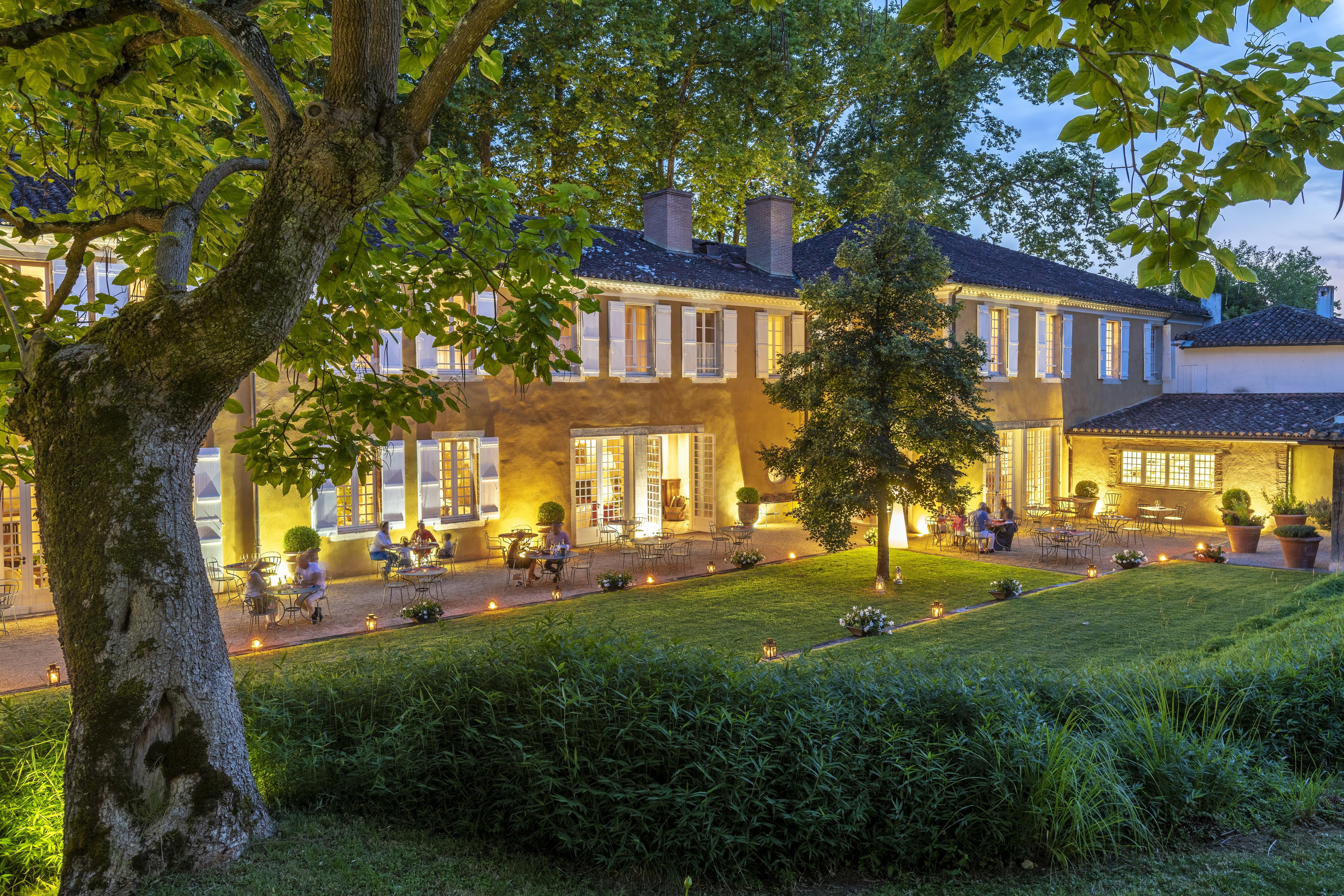
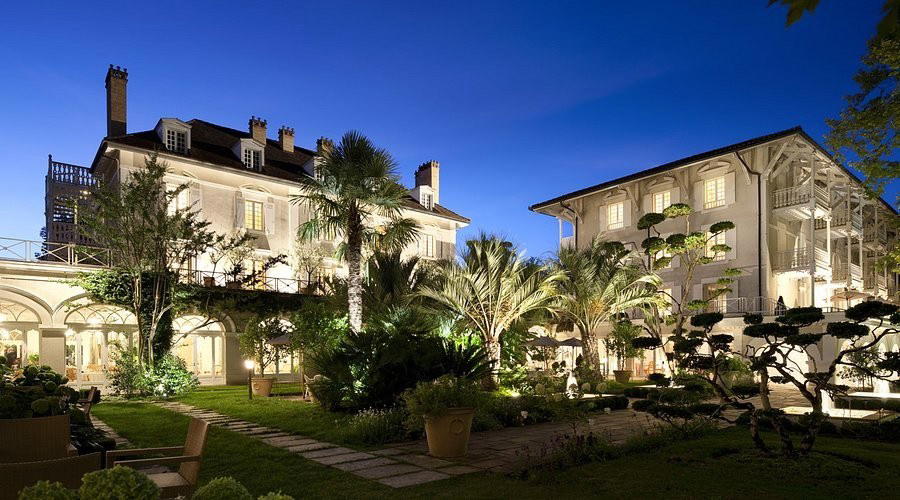
Restaurants in Barbotan-Les-Termes
Browse all →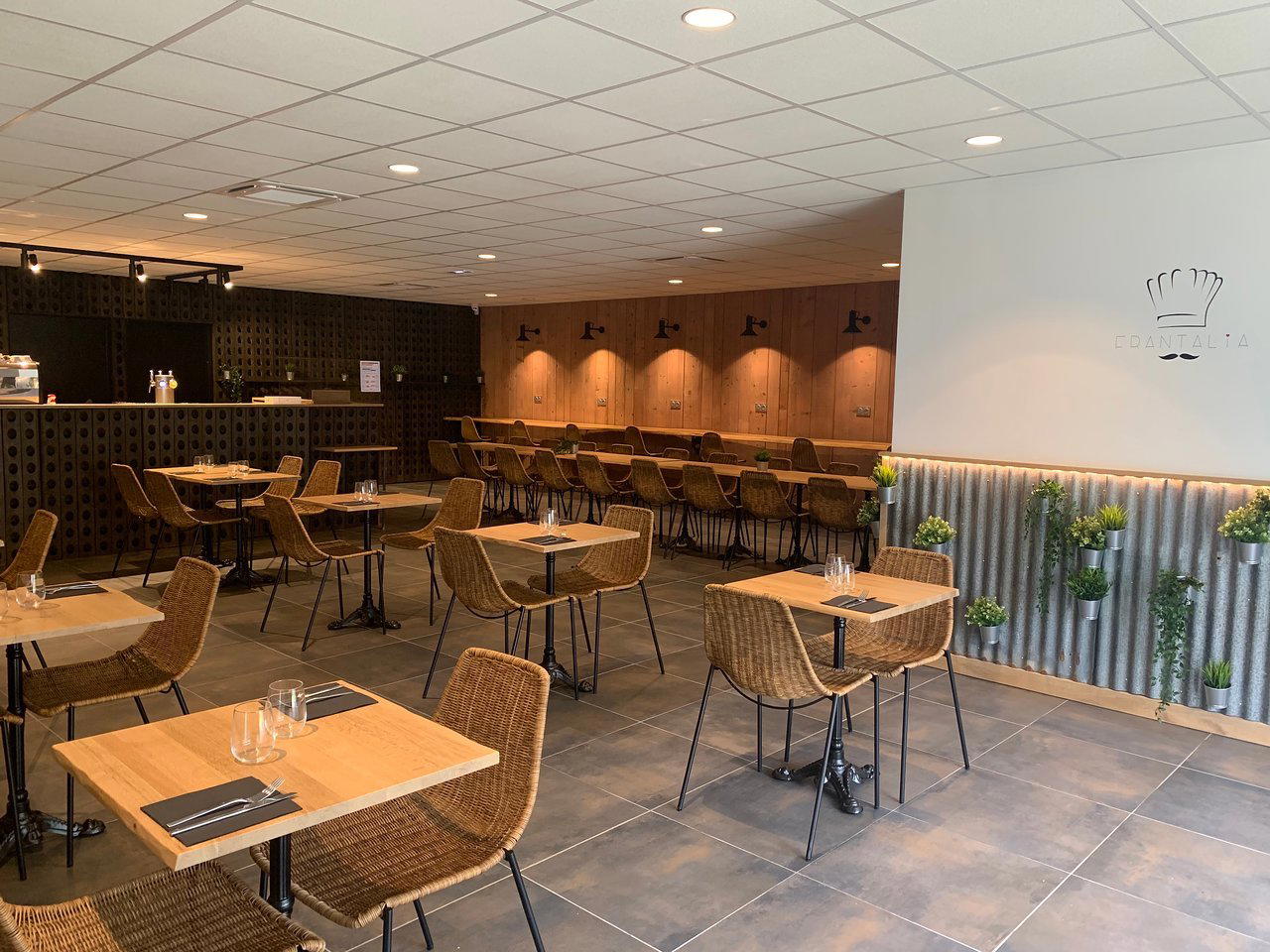

Details
- Romantic
- Quiet
- Elegant
- Rustic
- Scenic
- Cozy
- Sophisticated
- Romantic Getaway
- Wellness Retreat
- Anniversary
- Weekend Escape
- Garden
- Historic Building
- Wi Fi
- Pool
- Spa
- Fitness Center
- Room Service
- Restaurant
- Bicycle Rental
- Massage
- Garden
- Garden
- Elevator
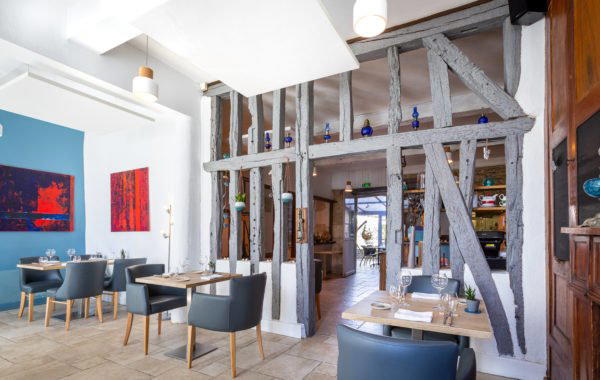
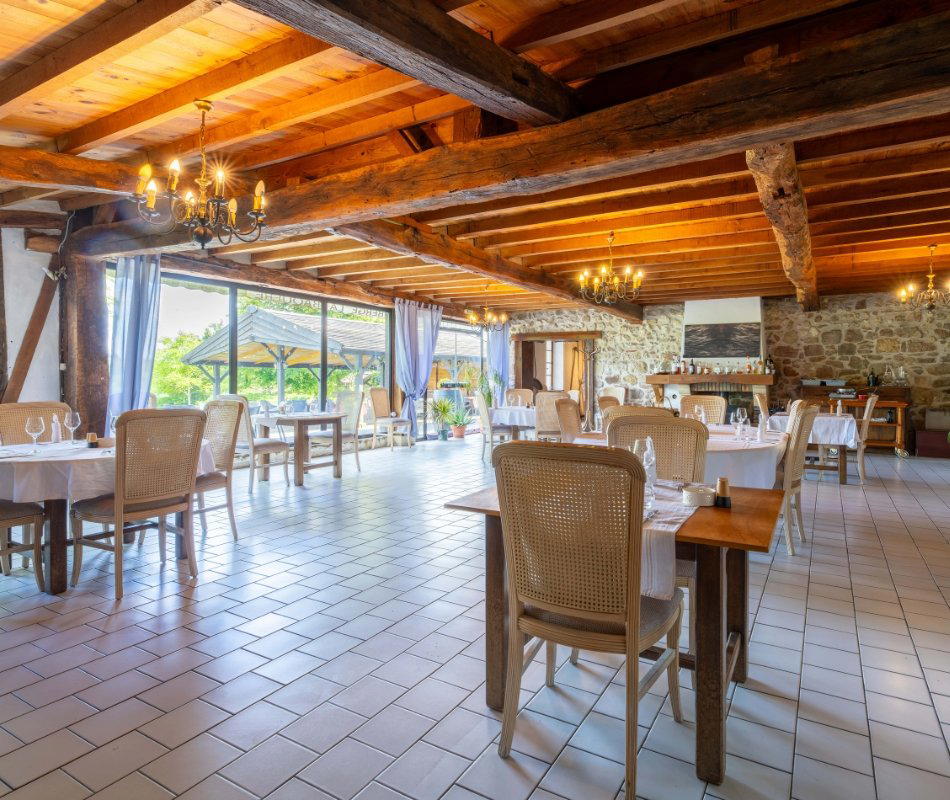
Light-filled spaces with soft tones, airy rooms overlooking manicured Italian gardens, warmed by fireplaces, creating a peaceful and refined retreat.