Kimpton Cottonwood Hotel

The Kimpton Cottonwood Hotel occupies one of Omaha's most architecturally significant buildings, a restored 1926 Tudor Revival landmark on 36th Street that earned MICHELIN Selected recognition in 2025. The property brings Kimpton's design-forward hospitality approach to a midwestern city that has quietly developed a credible independent hotel scene. For travelers who read physical space as a measure of intent, it earns its place in the conversation.
Pearl is the En Primeur Club membership app — saves, bookings, and concierge access live there. Same editors, same standards.
- Address
- 302 S 36th St, Omaha, NE 68131
- Phone
- (402) 810-9500
- Website
- thecottonwoodhotel.com
- Directions
- Get directions
 Saves & bookings on Pearl
A Building That Arrives Before You Do
On 36th Street in Omaha's Midtown Crossing district, the Cottonwood Hotel announces itself through masonry before it says a word about rooms or rates. The structure dates to 1926, built in a Tudor Revival idiom that was fashionable for civic and hospitality buildings in that era — steeply pitched rooflines, decorative half-timbering, and a facade weight that reads as permanence rather than novelty. In American hotel development, that kind of envelope is increasingly rare: most cities have lost or converted their pre-war lodging stock, and what survives tends toward museum-piece preservation rather than functional hospitality. The Cottonwood's restoration, undertaken as part of the Kimpton conversion, chose the harder path: restoring the architectural character while threading contemporary service expectations through a building not designed to accommodate them.
That tension between old envelope and current operation defines the experience here in ways that more purpose-built properties cannot replicate. The ceiling heights, the proportions of the public spaces, the weight of the original detailing — these are not design decisions made by an interior team. They are inherited facts that a good renovation respects and a careless one erases. From what the building's public record shows, the Kimpton team chose to respect them.
Where the Cottonwood Sits in Omaha's Hotel Conversation
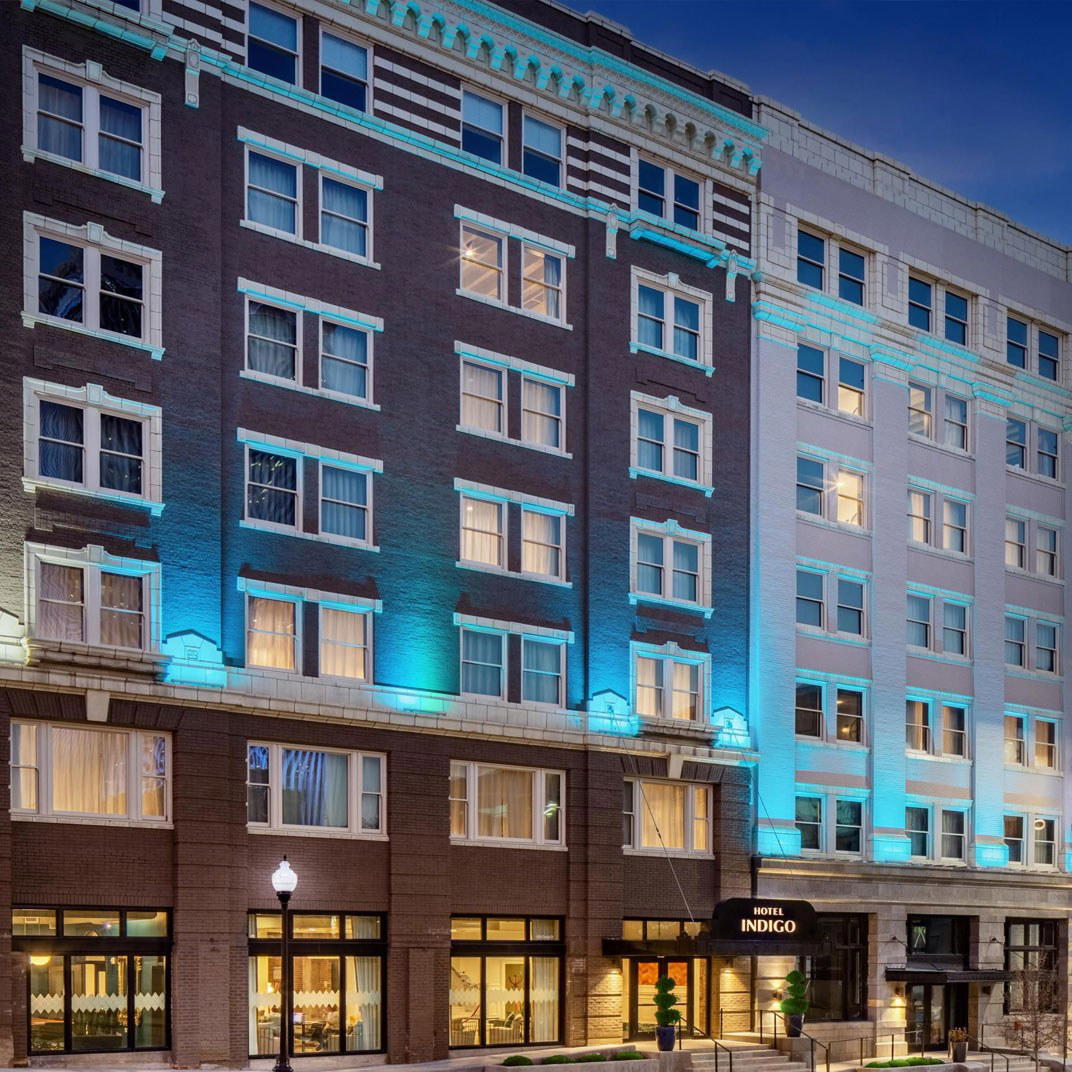
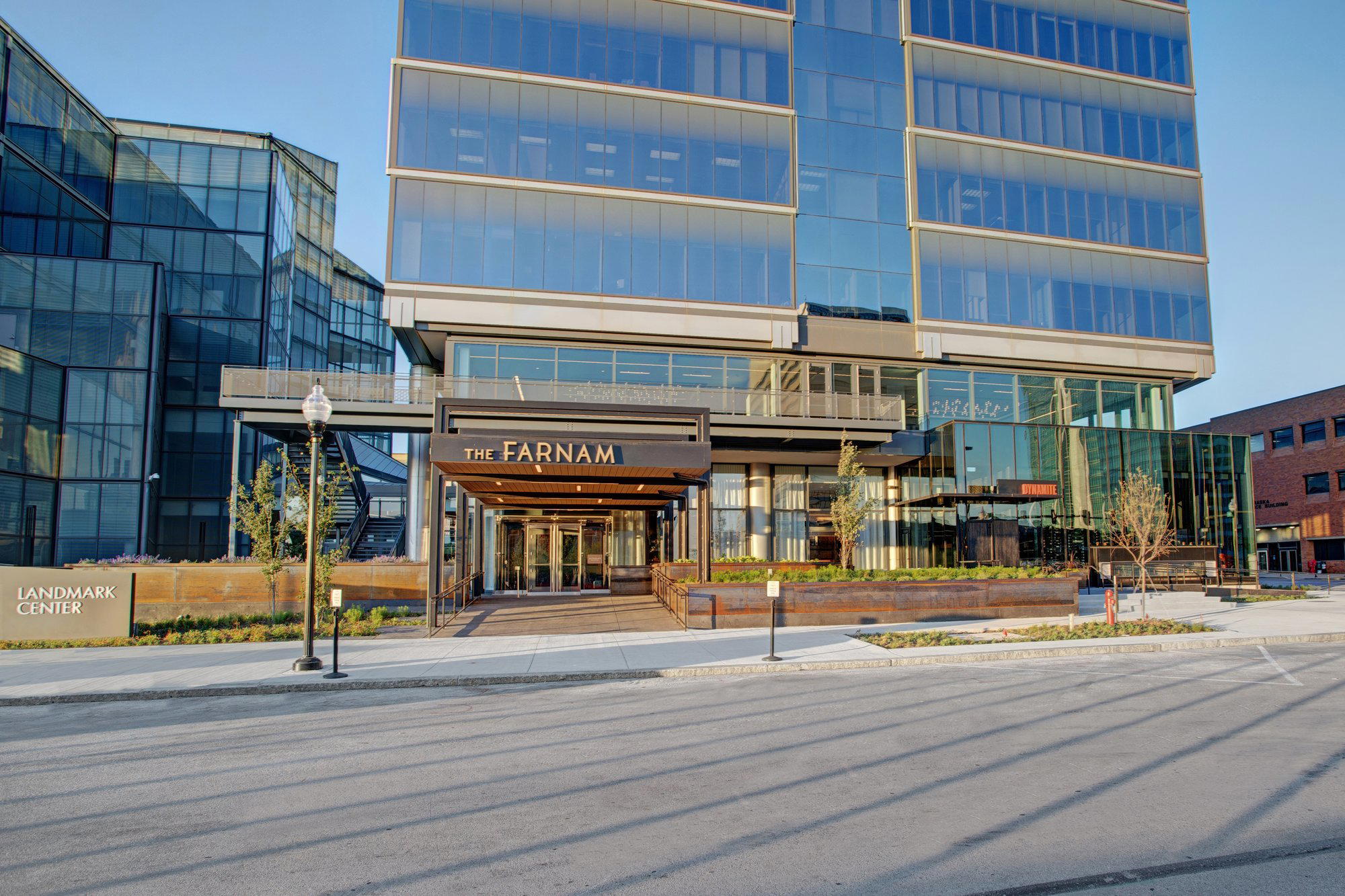
Omaha's upper-tier accommodation market is small but has grown more considered over the past decade. The city has added properties that take design seriously: Hotel Deco works within an Art Deco framework from a similar vintage, Hotel Indigo Omaha Downtown anchors the downtown core, and The Farnam, Autograph Collection occupies the Marriott design-brand tier. Each addresses a slightly different version of the same question: what does considered hospitality look like in a midwestern city that has historically been underestimated by national travel media?
The Cottonwood's answer involves architecture as the primary argument. In the broader Kimpton portfolio, individual properties tend to lead with distinctive physical spaces, the brand has made building character a consistent differentiator since its founding. That approach translates well to a 1926 Tudor Revival building in Omaha, where the structure itself does more positioning work than any marketing language could.
The 2025 MICHELIN Selected designation places the Cottonwood within a cohort of hotels that the Guide's inspectors consider worthy of attention without awarding a formal star rating. In the MICHELIN hotel framework, Selected properties meet a quality threshold across accommodation, atmosphere, and service that excludes the majority of the market. For Omaha, having a property in that cohort at all marks a shift: MICHELIN's hotel coverage has historically concentrated on gateway cities and coastal leisure markets, and its expansion into Nebraska reflects both the Guide's broadening scope and the city's rising hospitality standards.
The Design Logic Inside the Rooms
Historic buildings present specific room-configuration challenges. Pre-war floor plates were not designed around the bathroom footprints, closet depths, or connectivity infrastructure that contemporary travelers expect. The quality of a restoration is often most visible in how these constraints were handled: whether the solutions feel considered or compromised, whether the quirks of the original floor plan were treated as character or obstacles.
At the Cottonwood, the variety in room typology is partly a function of the original building's geometry. Corner rooms in Tudor Revival structures tend to carry more architectural interest, bay windows, angled walls, stronger natural light, and those configurations typically command the highest demand in converted historic properties. The public spaces benefit most directly from the original proportions: lobbies and common areas designed for a more formal era of travel tend to read as generous by contemporary standards, and that generosity is difficult to manufacture in new construction.
For travelers who have stayed in design-serious historic conversions elsewhere, the Chicago Athletic Association in Chicago, for instance, or Troutbeck in Amenia, the Cottonwood occupies recognizable territory: a building that carries genuine age and was restored with enough care to make that age feel like an asset.
Midwestern Context and What It Changes
Staying at a property like the Cottonwood in Omaha is a different proposition than staying at a comparable building in a city with a saturated premium hotel market. In Omaha, the Cottonwood occupies a more singular position: a building of genuine historical and architectural significance in a city where that category is thin.
That singularity affects the guest experience in practical ways. The Midtown Crossing location places the hotel in one of Omaha's more walkable mixed-use districts, within reach of the city's restaurant concentration and the cultural institutions along the Dodge Street corridor. For travelers using Omaha as a base for exploring the broader region, or those here for business in a city that hosts significant corporate headquarters, the combination of architectural character and functional location makes the Cottonwood a more useful base than the alternatives suggest at first glance.
Booking is handled through Kimpton's standard reservations infrastructure, accessible via the IHG loyalty platform for points redemption. Rates and availability follow typical patterns for a property in this tier and city: advance booking is advisable around major Omaha events, though the property does not face the same advance-window pressure as MICHELIN-selected hotels in higher-demand markets. For travelers planning around the city's fall event calendar, lead time of three to four weeks is generally sufficient.
For reference points outside the Midwest, the broader MICHELIN Selected tier in the United States includes properties as varied as Amangiri in Canyon Point, Meadowood Napa Valley, Post Ranch Inn in Big Sur, and Raffles Boston. The Cottonwood's inclusion in that company is a data point about where Omaha's hospitality market has arrived, not just where it is heading. Travelers with broader US itineraries who pass through Nebraska will find the full EP Club Omaha coverage in our full Omaha restaurants and hotels guide.
Other properties worth cross-referencing for the design-led historic-conversion category include The Hornibrook Mansion in Little Rock, Dunton Hot Springs, and Sage Lodge in Pray for a broader sense of how American boutique and independent properties are using architectural character as their primary differentiator.
Planning Your Stay
The hotel's address at 302 S 36th Street places it in Omaha's Midtown Crossing, roughly midway between the Old Market entertainment district to the east and the western suburban corridor. The location works well for both leisure visitors and business travelers, with the majority of Omaha's notable restaurants and cultural venues accessible without a vehicle. Kimpton properties are part of the IHG One Rewards program, which affects booking calculus for frequent travelers deciding between the Cottonwood and Omaha's other upper-tier options.
How Kimpton Cottonwood Hotel Omaha compares with similar nearby venues.
| Venue | Awards |
|---|---|
| Kimpton Cottonwood Hotel | MICHELIN Guide, Hotels Selected (2025) |
Recognition history
Dated appearances from independent guides and award organizations, with the underlying list record or original source where available.
Michelin Selected
Michelin


At a Glance
- Lively
- Modern
- Elegant
- Trendy
- Historic
- Romantic Getaway
- Business Trip
- Weekend Escape
- Rooftop Pool
- Historic Building
- Panoramic View
- Pool
- Fitness Center
- Restaurant
- Business Center
- Skyline
- Pool
- Fitness Center
- Restaurant
- Business Center
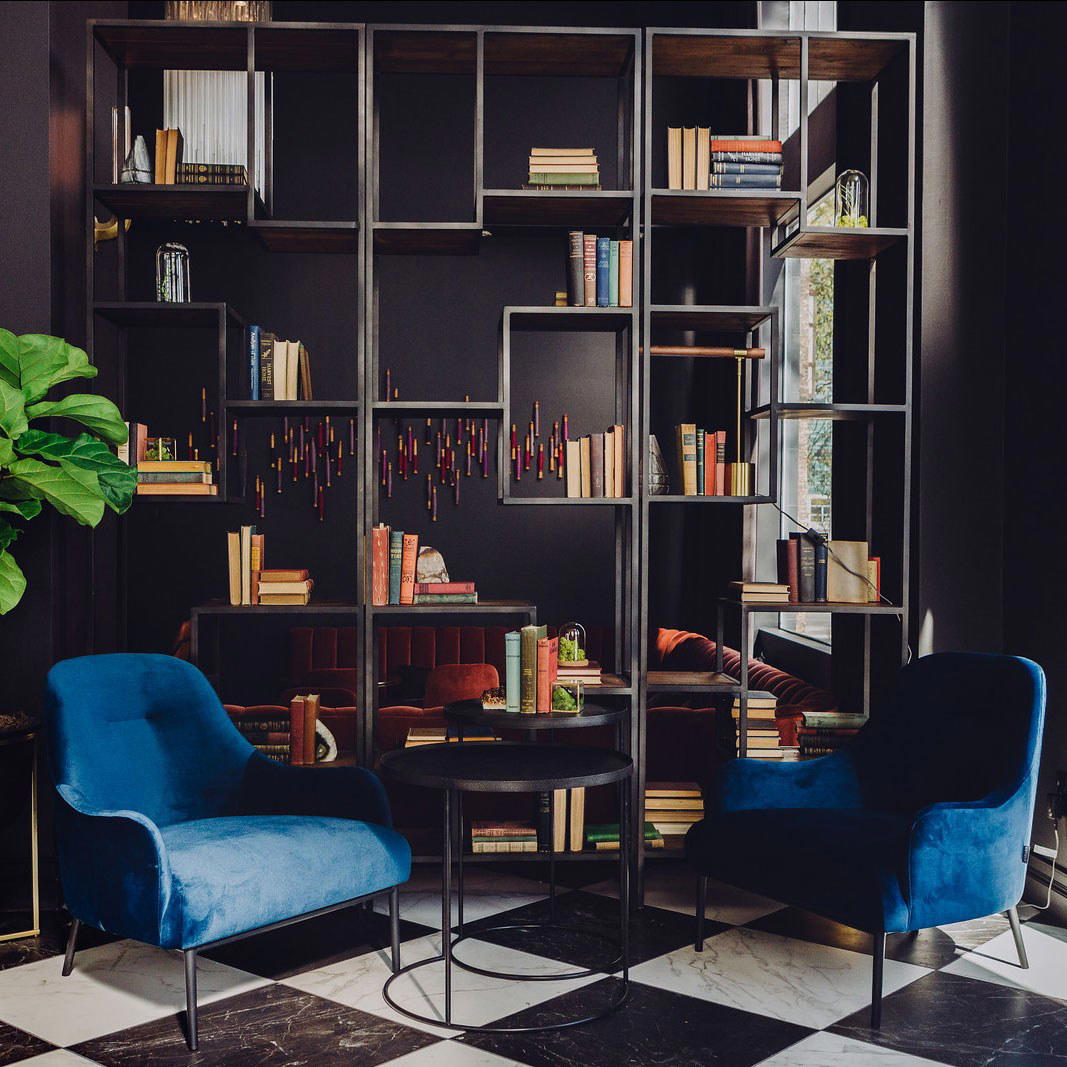
Elegant blend of roaring twenties grandeur, mid-century modern minimalism, and contemporary sophistication with light-filled spaces and local art.
Know Before You Go
- Getting there
- 302 S 36th St, Omaha, NE 68131