The Farnam, Autograph Collection

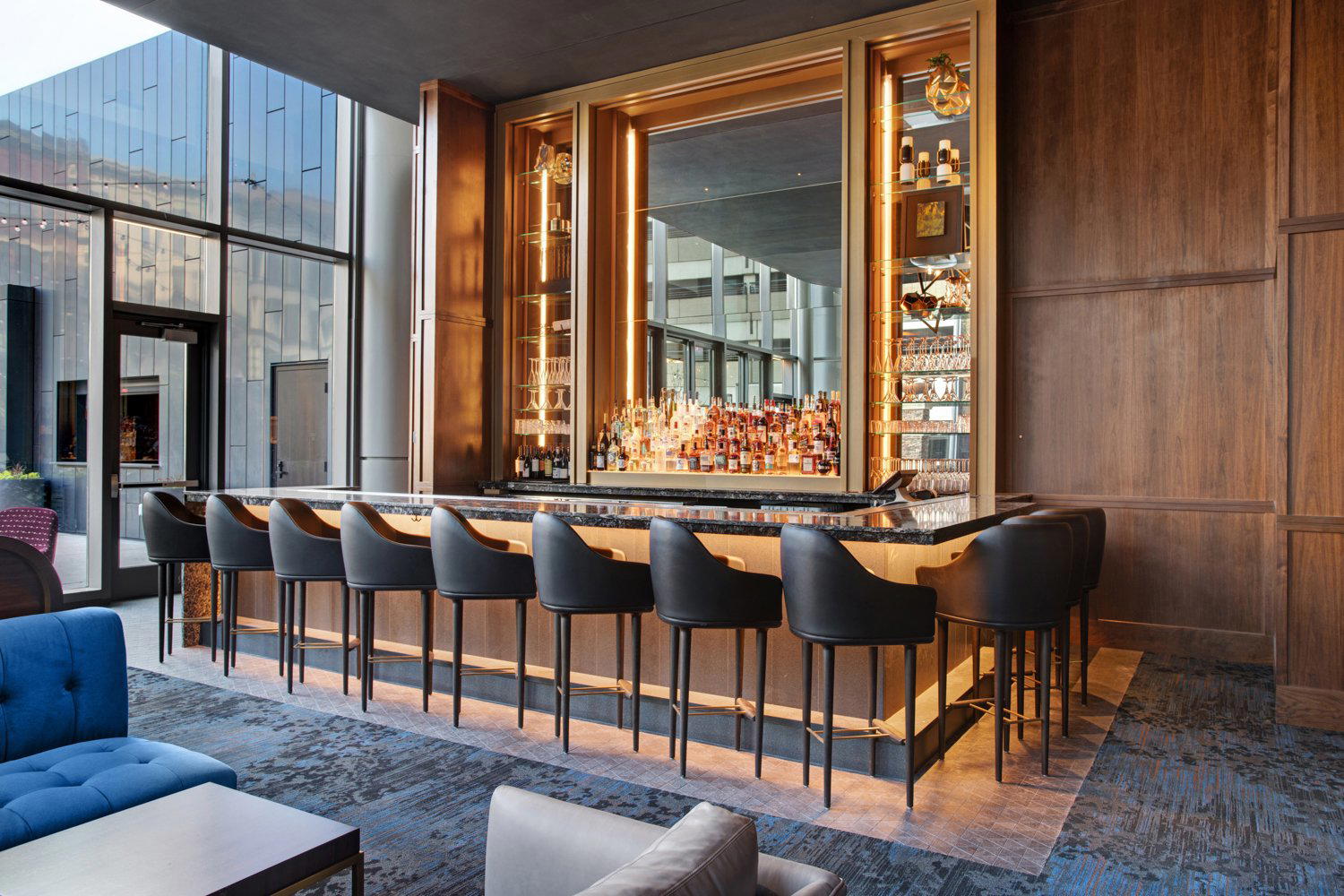
The Farnam, Autograph Collection occupies a design-forward position in downtown Omaha, drawing its identity from the city's 1862 transcontinental railroad heritage and translating it into a contemporary architectural statement. A 2026 Star Wine List recognition signals serious beverage programming above what most Midwest hotel bars attempt. For travelers moving through Nebraska's largest city, it represents the clearest case for staying downtown rather than at the airport corridor.
Pearl is the En Primeur Club membership app — saves, bookings, and concierge access live there. Same editors, same standards.
- Address
- 1299 Farnam Street
- Phone
- 855-610-2109
- Website
- thefarnamhotel.com
- Directions
- Get directions
 Saves & bookings on Pearl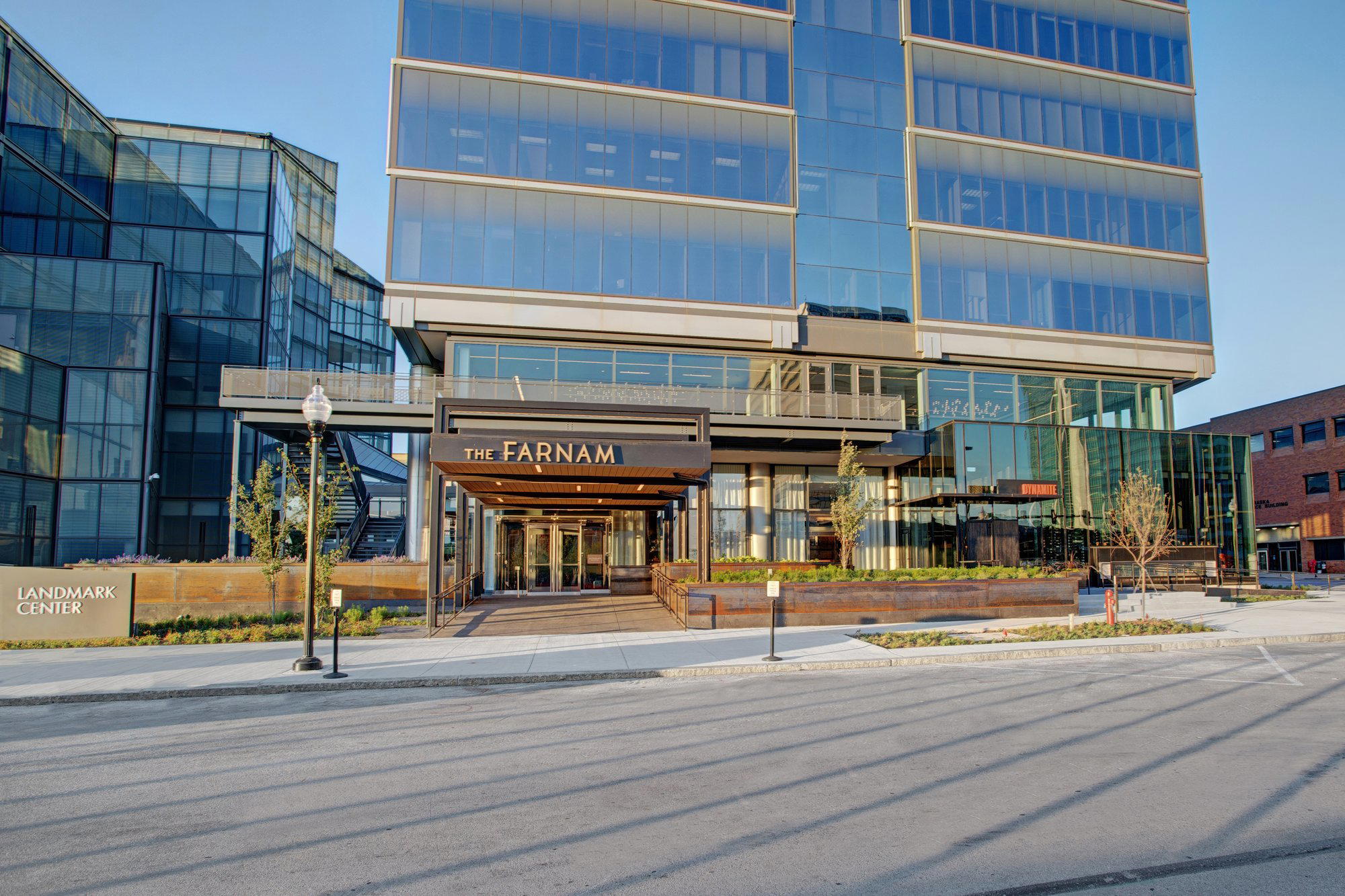
Where Railroad History Meets Contemporary Design
Omaha earned its place in American infrastructure history in 1862, when it became the eastern terminus of the first transcontinental railroad. That founding identity, built on iron, movement, and industrial ambition, has defined the city's self-image ever since. The Farnam, Autograph Collection plants itself firmly inside that tradition, using the railroad legacy not as nostalgic wallpaper but as the structural logic behind a design-forward hotel at 1299 Farnam Street in the heart of downtown. The street name alone carries weight: Farnam Street was one of Omaha's original commercial spines, running parallel to the Missouri River and the rail yards that transformed a frontier outpost into a regional capital.
What distinguishes the Autograph Collection as a Marriott brand tier is the explicit curatorial premise: each property in the portfolio is meant to reflect a specific place and personality rather than a standardized international template. In a mid-size American city where the hotel market often defaults to familiar brand flags, that premise matters. The Farnam sits in the same conceptual bracket as historically anchored urban properties like the Chicago Athletic Association in Chicago, where a building's original purpose is converted into the guest experience rather than erased by it. The difference here is that Omaha's industrial past is the inspiration rather than a physical legacy structure, which gives the design team more latitude and more responsibility in equal measure.
The Architecture of Industrial Memory
Design-forward hotels in American secondary cities face a specific tension: how to signal sophistication without alienating the local market, and how to honor history without producing a theme park. The Farnam resolves this by working in the register of contemporary design rather than period reconstruction. The aesthetic borrows from the visual grammar of 19th-century industry, materials and massing that read as substantial, and pairs that with the clean lines and considered detail work that define serious hotel design in the current decade.
This approach places The Farnam in a broader American pattern of properties that use design as a primary differentiator in markets where food-and-beverage or landscape cannot carry that weight alone. Compare it to geographically specific properties where the site does the work: Amangiri in Canyon Point or Post Ranch Inn in Big Sur operate in landscapes so dramatic that architecture becomes a framing device. In downtown Omaha, the building itself must generate the narrative, which is a harder architectural task and, when executed well, a more transferable one.
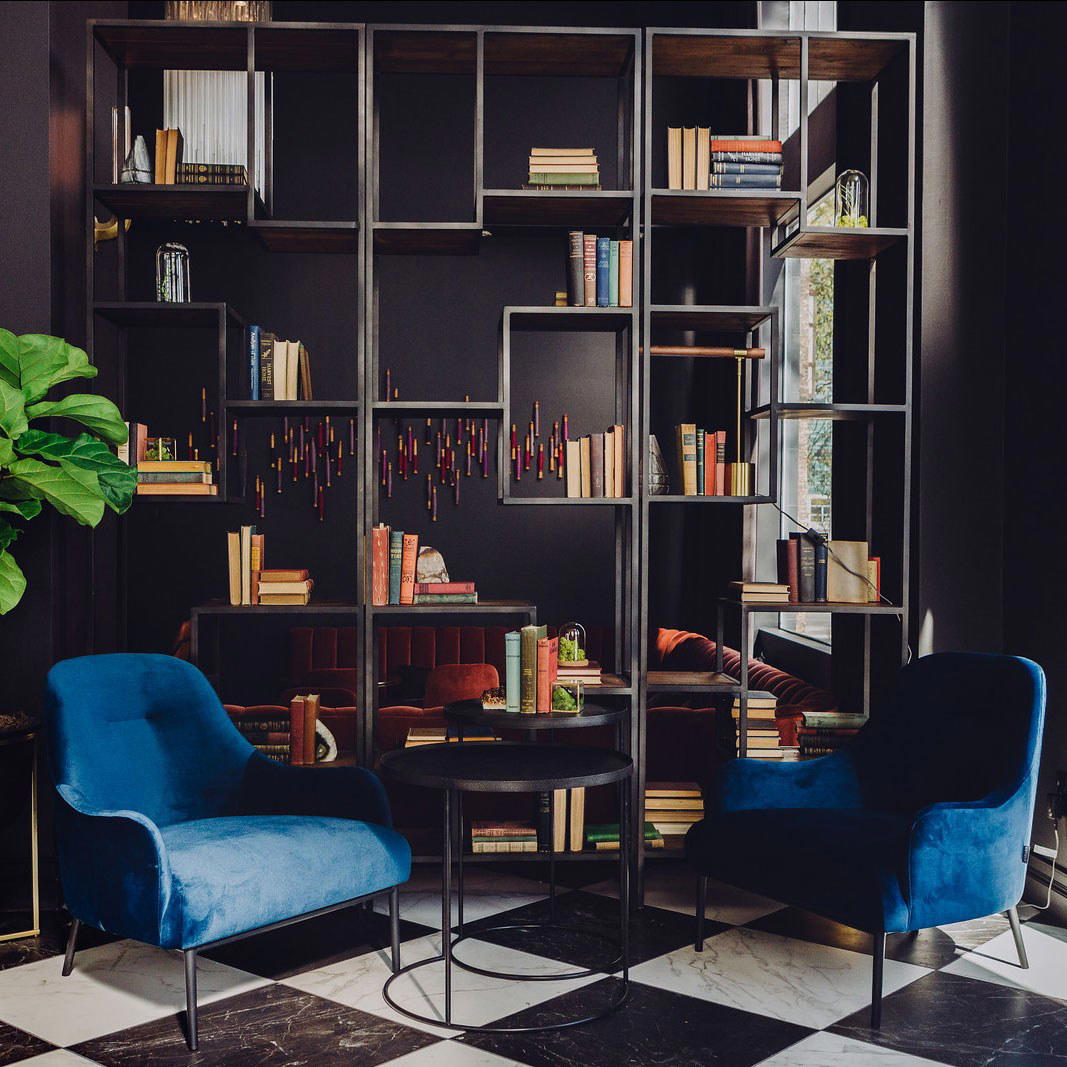
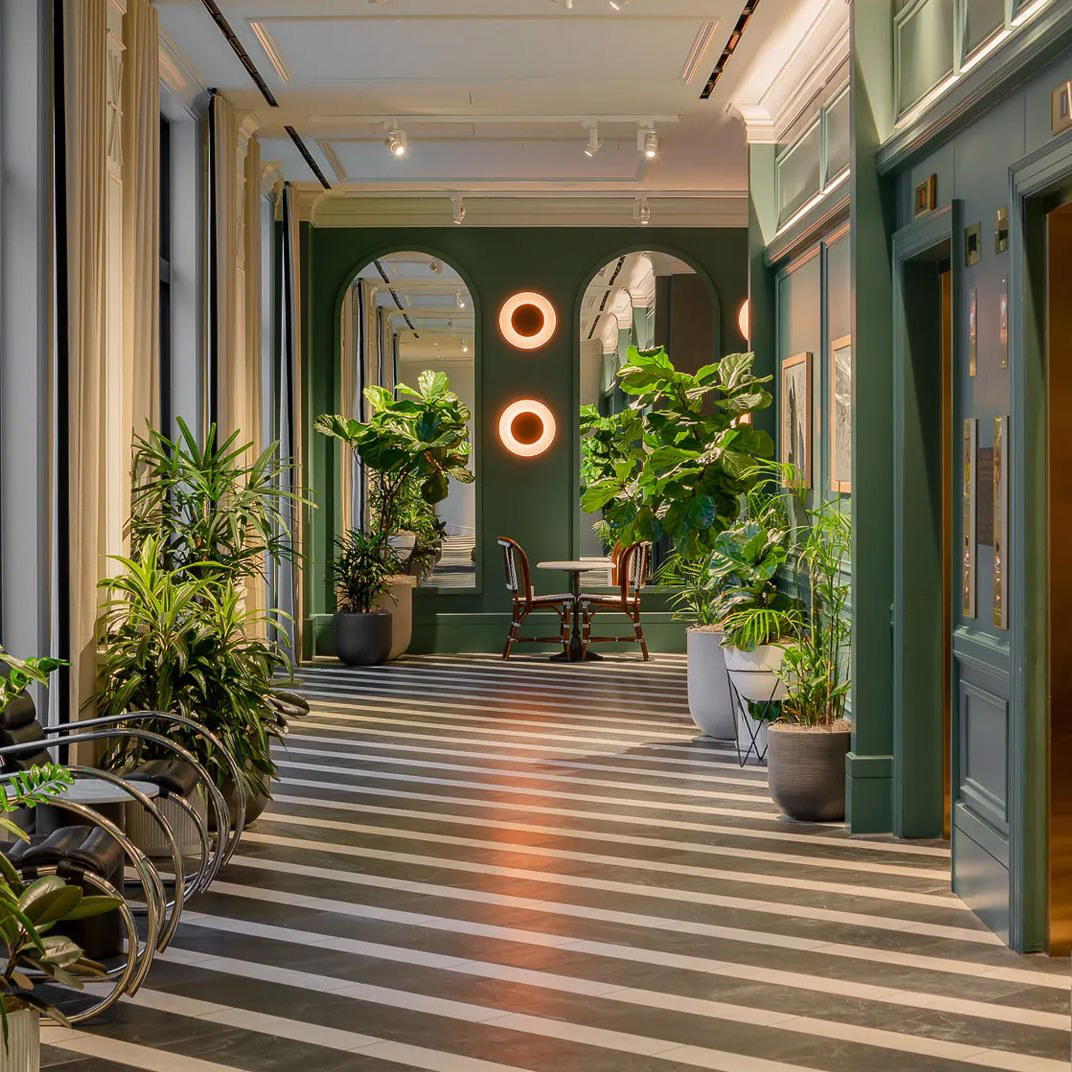
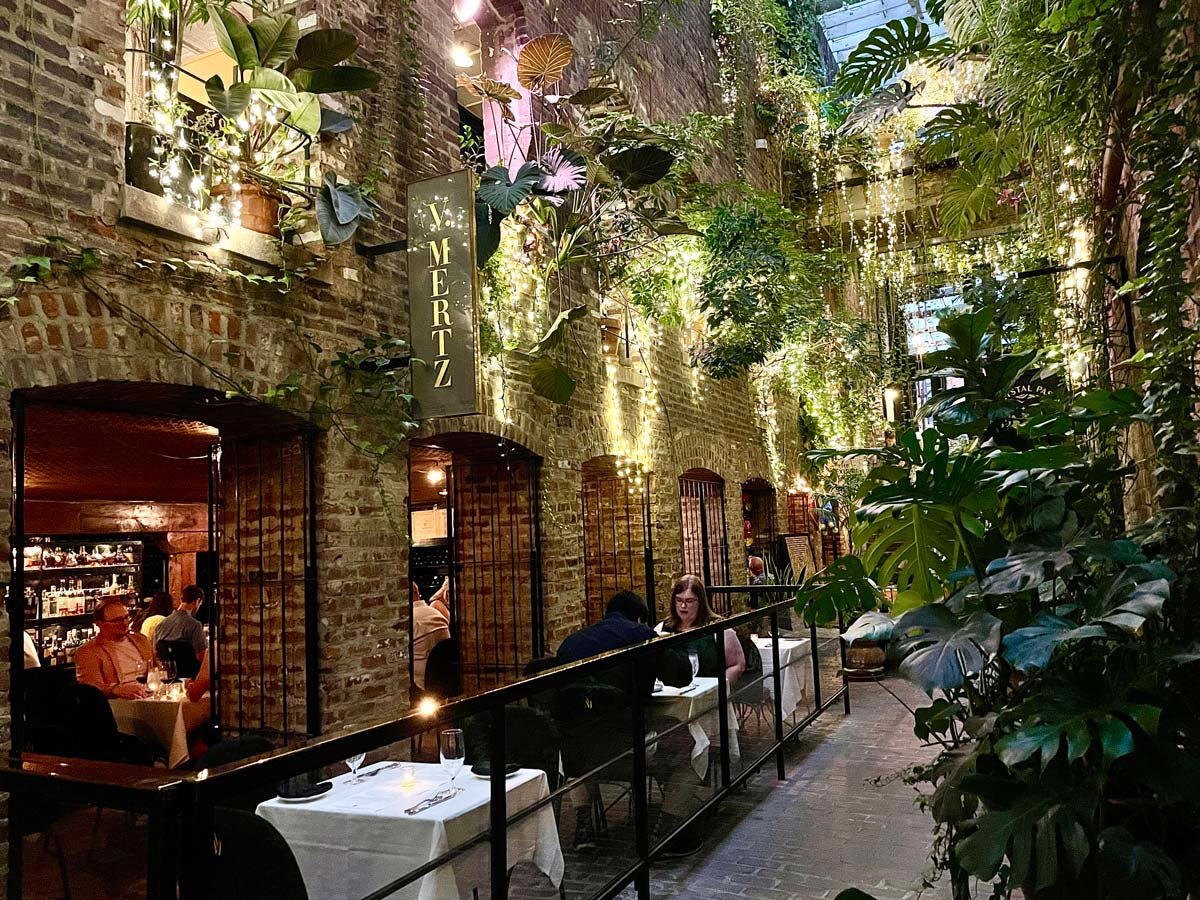
The interiors work through material selection and spatial sequencing rather than overt historical reference. Industrial memory in contemporary hotel design typically manifests in exposed structural elements, textural contrast between raw and refined surfaces, and a color palette that references metal, earth, and aged wood without literally reproducing them. Guests moving through the lobby, bar areas, and corridors encounter a consistent visual logic that connects back to the railroad founding without requiring interpretive signage to explain it.
Beverage Programming Above Its Weight Class
Star Wine List assesses programs on list breadth, producer selection, and presentation quality rather than volume or price point, which means recognition at this level reflects deliberate curatorial thinking rather than simply stocking an extensive cellar.
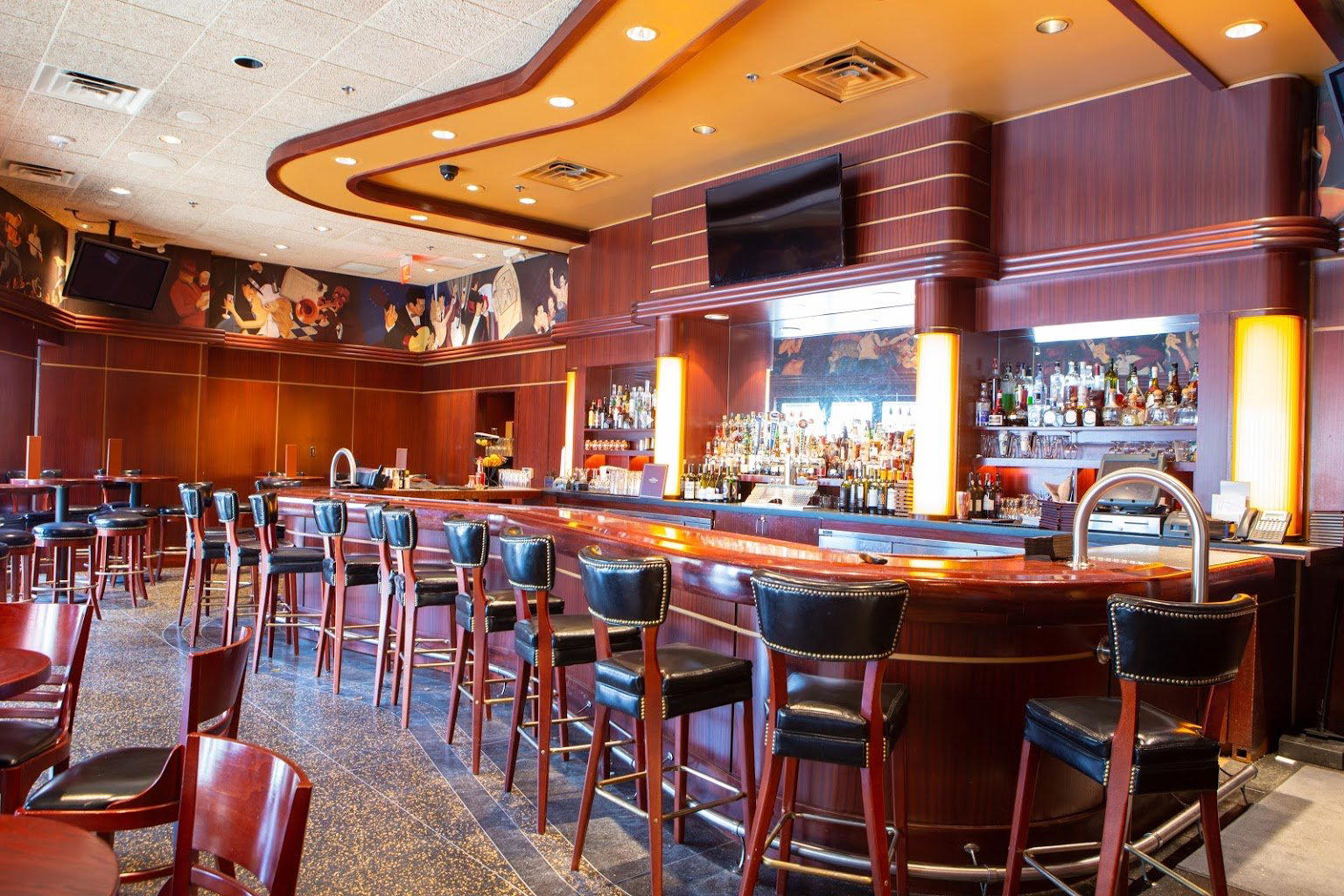
For a hotel bar in a Midwest city to earn this kind of specialist recognition, the beverage operation has to be running at a different standard than the surrounding market. Omaha has a serious restaurant scene for its size, with a downtown core that has grown considerably in sophistication over the past decade, but hotel bar wine programming rarely receives this kind of external validation. It positions The Farnam's bar alongside properties where the beverage experience is considered alongside the design and the rooms as part of the total offer, rather than as a secondary amenity. Travelers who prioritize serious wine lists when selecting accommodation should note this credential specifically: it is the kind of signal that separates properties in cities where you might otherwise default to a well-known luxury flag. See our full Omaha restaurants guide for context on where The Farnam's wine program sits relative to the city's broader drinking scene.
Placing The Farnam in the American Design Hotel Conversation
The premium hotel market in the United States has bifurcated over the past fifteen years into large internationally branded luxury flags and smaller, design-led independent or semi-independent properties. The Autograph Collection occupies a middle position in this structure: the backing and distribution of a major hotel company with the design mandate of a boutique. This is a genuine strategic advantage in secondary markets, where the independent boutique sector rarely reaches critical mass and the major luxury brands (Four Seasons, Aman, Rosewood) concentrate their footprint in gateway cities and major resort destinations.
Properties like The Fifth Avenue Hotel in New York City, Raffles Boston, and Hotel Bel-Air in Los Angeles operate in markets saturated with high-end options, where differentiation requires either an exceptional physical asset or a deeply embedded local identity. The Farnam's task in Omaha is different: it operates in a market where the design-forward tier is thin, which gives it more room to define the category on its own terms. For travelers who regularly move between gateway city hotels and secondary market destinations, properties like Troutbeck in Amenia or Bowie House in Fort Worth offer useful reference points: design-serious properties in non-primary markets where the local identity is the product.
Internationally, the pattern of converting industrial or infrastructural heritage into design hotel identity has a long track record, from converted rail stations in Europe to repurposed warehouses across major American cities. The Farnam's approach, drawing conceptual weight from railroad history rather than physical conversion, is a softer version of this formula but no less considered for it. The result is a property with a legible identity in a city where that kind of anchoring is in short supply.
Planning Your Stay
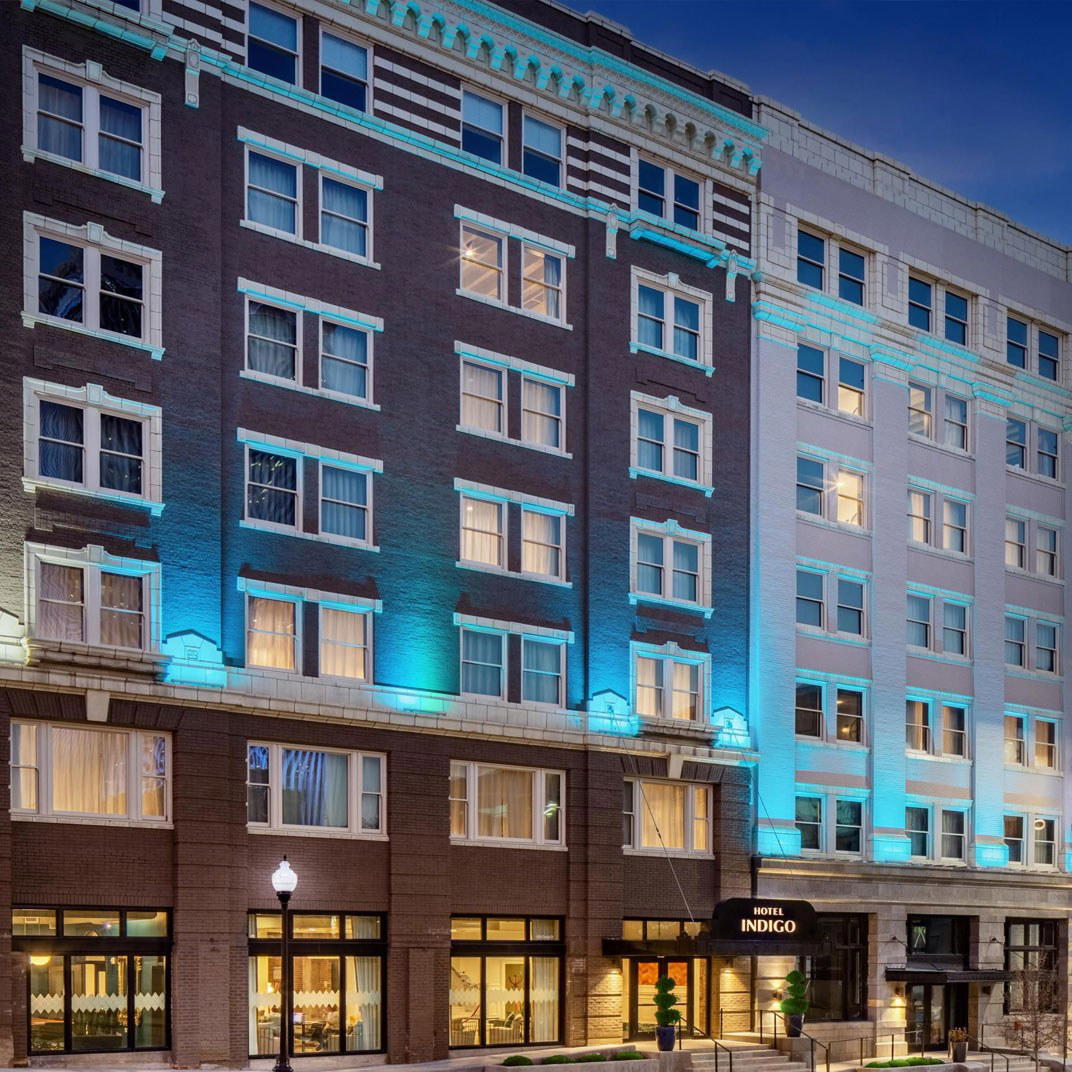
The Farnam sits at 1299 Farnam Street in downtown Omaha, within walking distance of the Old Market district, which concentrates the city's better independent restaurants and bars. Omaha's downtown core is compact enough that most points of interest are reachable on foot or with a short ride. The Star Wine List recognition makes the in-house bar a credible destination in its own right rather than a fallback option for tired evenings, and it is worth building time into your schedule for it. For travelers comparing Midwest design-forward options before booking, the Autograph Collection's positioning gives The Farnam a more distinct identity than the standard business hotel alternatives that dominate Omaha's lodging market. Booking directly through Marriott's channels or through a travel advisor with Bonvoy access will surface the full room category options.
Recognition history
Dated appearances from independent guides and award organizations, with the underlying list record or original source where available.
Star Wine List
Star Wine List
At a Glance
- Modern
- Sophisticated
- Elegant
- Business Trip
- Romantic Getaway
- Weekend Escape
- Historic Building
- Design Destination
- Terrace
- Wi Fi
- Fitness Center
- Room Service
- Concierge
- Business Center
- Valet Parking
- EV Charging
- Skyline
- Street Scene
- Wi Fi
- Fitness Center
- Room Service
- Concierge
- Business Center
- Valet Parking
- EV Charging
Sophisticated and modern atmosphere with spacious, quiet rooms featuring high ceilings, premium bedding, and notable showers; guests praise the welcoming staff and stylish lounge.
Know Before You Go
- Getting there
- 1299 Farnam Street