Positioned in Taipei's Beitou hot spring district at Guangming Road 236, 日勝生加賀屋 Kagaya Taipei transplants a flagship Japanese ryokan experience into northern Taiwan. Visitors planning a Beitou retreat should factor in both the onsen access and the structured meal programme when comparing options.

Pearl is the En Primeur Club membership app — saves, bookings, and concierge access live there. Same editors, same standards.
Beitou's Ryokan Tier and Where Kagaya Sits
Taiwan's hot spring resort market divides clearly into two categories: domestic wellness hotels that borrow hot spring credentials as an amenity, and properties where the thermal experience is the structural logic of the entire stay. Beitou, the volcanic district northwest of central Taipei that has supplied the city's onsen culture since the Japanese colonial period, hosts both types. 三二行館 Villa 32 represents the refined minimalist end of the local spectrum.
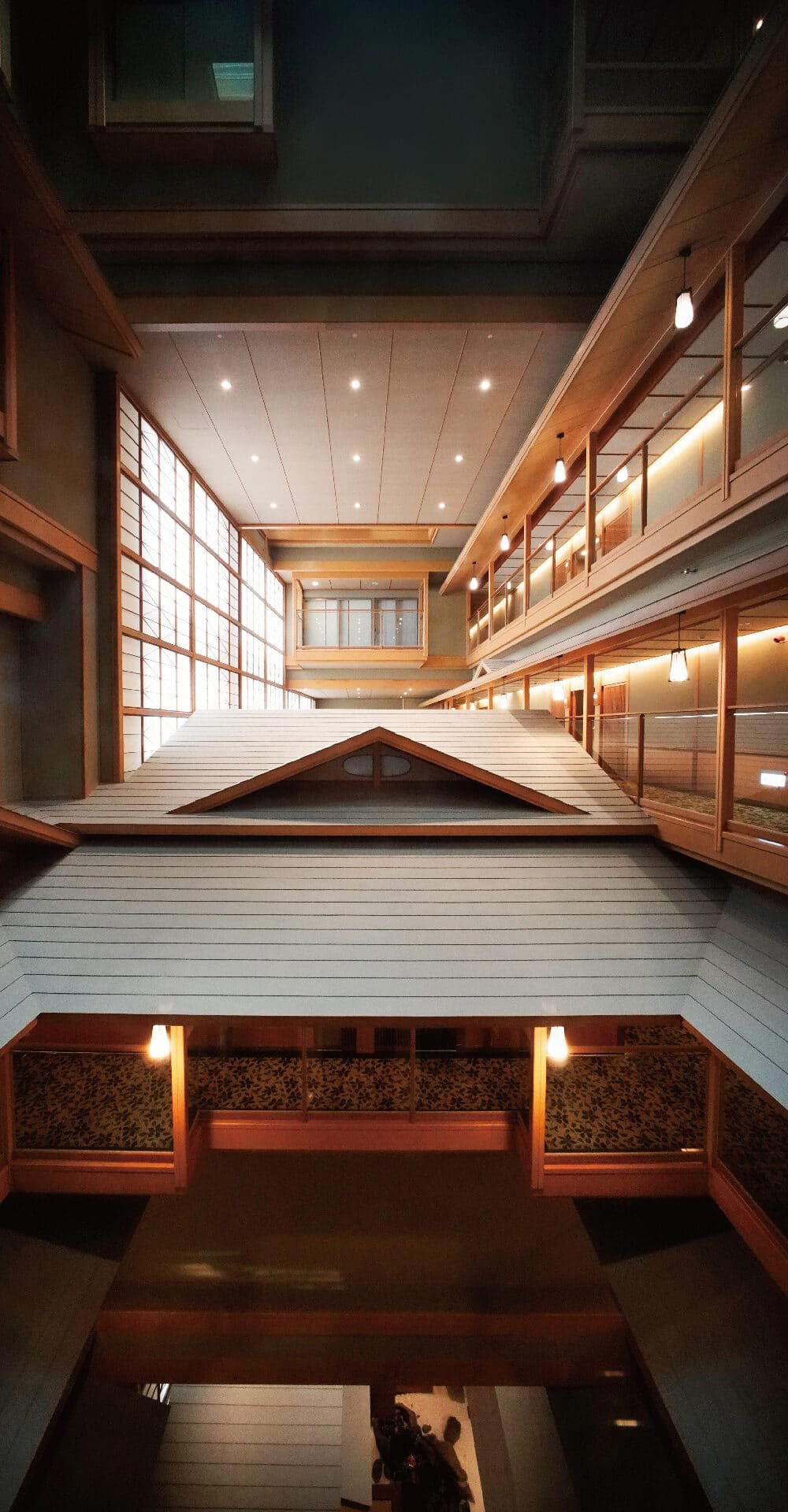
Kagaya's parent, the Kagaya Group, has operated out of Ishikawa Prefecture on Japan's Noto Peninsula for decades, building a reputation as one of Japan's most formally awarded ryokan operators. The Taipei outpost, addressed at 北投區光明路236號 in the Beitou district, applies that same framework to a Taiwanese context: tatami-floored rooms, structured multi-course meals served by attendants in traditional dress, and an onsen programme anchored to Beitou's sodium bicarbonate and radon-bearing waters. For travellers already familiar with the Japanese ryokan format, arriving here requires almost no recalibration. For first-timers, the learning curve is part of the appeal.
The Dining Programme as Architecture
In the ryokan model, the meal is not a supplementary offering. It is the primary reason the room rate is structured as it is. Most serious ryokan in Japan and their regional counterparts price on a per-person basis that includes dinner and breakfast, because the food programme is inseparable from the hospitality contract. 日勝生加賀屋 Kagaya Taipei operates within this same logic: the dining experience is not an add-on but a load-bearing element of the overall format.
The culinary identity at properties of this type sits within the kaiseki tradition, the Japanese multi-course format that sequences dishes by cooking method, temperature, and seasonal ingredient in a way that is more compositional than purely gastronomic. In kaiseki, the order of a meal, the vessel choices, the ratio of raw to cooked to simmered, all carry meaning. Transplanting this to Beitou means working with Taiwanese seasonal produce alongside Japanese technique, a negotiation that has become one of the more interesting fault lines in Taiwan's premium hospitality sector. Properties that do this well find a distinct identity; those that default entirely to imported Japanese ingredients lose the specificity that makes a location-rooted dining programme worth attending.
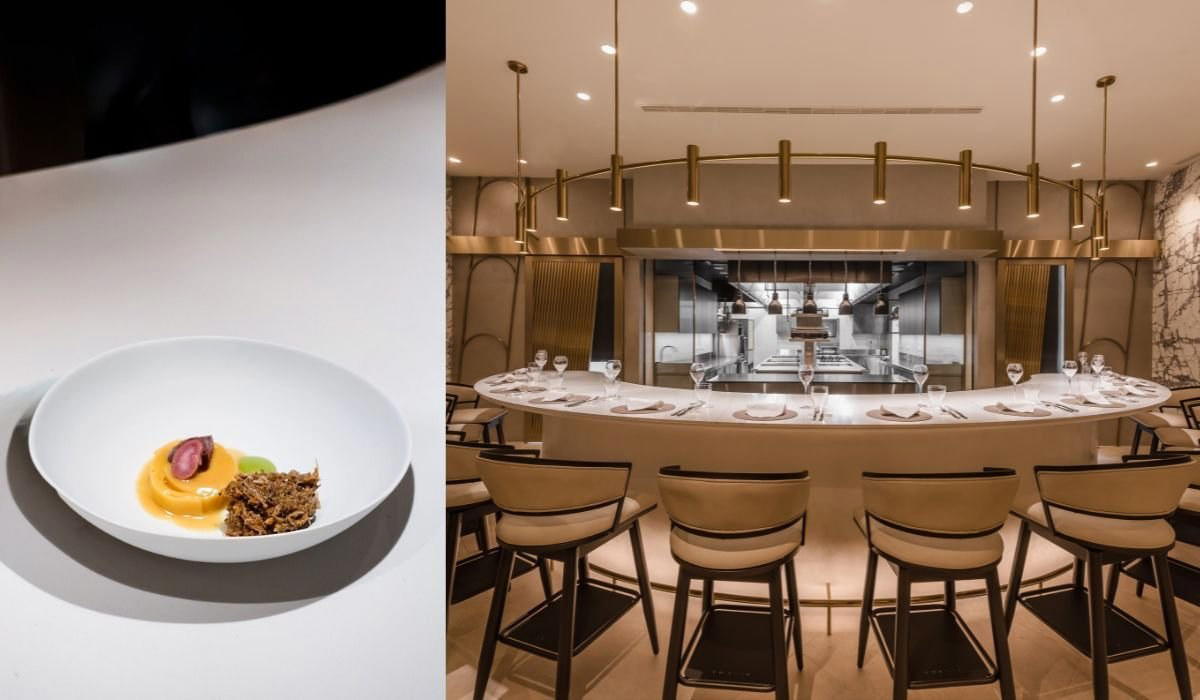
The dining room format at ryokan-model properties typically involves in-room service or dedicated private dining spaces rather than a centralised restaurant open to walk-in guests. This keeps the meal experience within the hospitality frame of the stay, rather than competing with Taipei's standalone restaurant market. Visitors comparing this against options like the Grand Hyatt Taipei or the Regent Taipei, both of which operate multiple open-access restaurant concepts, are comparing fundamentally different hospitality philosophies. The ryokan meal is curated, sequential, and time-governed. The hotel restaurant is flexible, à la carte, and guest-paced. Neither is superior; they answer different needs.
The Beitou Context and Thermal Programme
Beitou's appeal to the Taipei visitor has remained consistent for well over a century. The district sits roughly 30 minutes from central Taipei by MRT on the Danshui line, with a dedicated branch line serving Xinbeitou station, which is within walking distance of the main resort strip along Guangming Road. The accessibility is a significant factor: unlike hot spring destinations in Yilan, Nantou, or further afield, Beitou functions as a day-trip destination from the city, which means the overnight market is partly competing against the day-visitor format.
For properties like Kagaya Taipei, this actually works in their favour. The structured overnight experience, with its meal programme, onsen bathing schedule, and room-service choreography, offers something that a two-hour soak-and-leave visit cannot replicate. The comparison set for an overnight stay here is not the day-use bathhouse but rather properties like Volando Urai Spring Spa and Resort in Wulai District, Hoshinoya Guguan in Taichung, or Evergreen Resort Hotel in Jiaosi, all of which anchor their offer in a combination of thermal access, structured dining, and retreat-format accommodation.
Within the Beitou peer group specifically, Kagaya Taipei holds a distinct position by virtue of its Japanese corporate lineage. The operational standards, the service hierarchy, and the food programme all trace back to mainland Japan rather than being locally originated. For travellers whose benchmark is Japanese ryokan performance, that provenance carries real weight.
Service Format and What to Expect
The omotenashi service model that defines Kagaya's Japanese operations translates to Taipei as attentive, anticipatory, and formally structured. Attendants in kimono serving meals in-room, the sequencing of onsen use around meal times, and the guest-pacing through the evening are all standard features of this format when executed at the parent brand's level. Whether the Taipei property maintains absolute parity with Ishikawa is something individual travellers will assess on their own terms, but the operational intent is clear.
Practically, guests planning a stay should understand that the ryokan format requires a different kind of engagement than a conventional hotel. Arrival and departure times, meal service windows, and onsen scheduling are typically more structured than the flexible check-in culture of urban business hotels. This is not a limitation; it is the format. Travellers more comfortable with the freestyle approach of properties like amba Taipei Zhongshan in the city centre should factor that in before booking.
Taiwan's Premium Ryokan Tier in Broader Context
Taiwan's position as a testbed for Japanese hospitality formats exported to the broader region is not accidental. The island's historical relationship with Japan, its existing hot spring culture, and a domestic travel market that has absorbed Japanese aesthetic standards across food, design, and service make it a plausible home for ryokan-model properties in a way that neighbouring markets are not. Hotel Beore at Sun Moon Lake and The Lalu Hotel in Yuchi both indicate the depth of Taiwan's appetite for this type of experience, even when the operating framework is locally rather than Japanese-originated.
For international visitors, Kagaya Taipei functions as an accessible gateway to the ryokan format without requiring a long-haul flight to Japan. Given that properties like Bvlgari Hotel Tokyo or a dedicated Noto Peninsula stay represent considerably more logistical commitment, the Beitou option carries real practical logic for Asia-based travellers wanting to benchmark the format. You can read more about how this property compares within the broader Taipei hotel market in our full 台北市 restaurants guide.
Other Taiwan properties worth considering depending on your itinerary include Gloria Manor in Kenting National Park, Hotel Indigo Alishan, Grand Cosmos Resort Ruisui in Hualien County, and Grasse Grace Manor in Miaoli, all of which represent distinct corners of Taiwan's resort hospitality market. For those whose broader travels include Hotel Indigo Kaohsiung Central Park or southern Taiwan destinations like YOHO Beach Resort in Pingtung, Kagaya Taipei anchors the northern end of an island-wide itinerary with a format available nowhere else at this proximity to Taipei's city centre.
Planning Your Stay
The property sits at 北投區光明路236號, accessible from central Taipei via the MRT Danshui line to Xinbeitou, a transit option that keeps arrival logistics manageable from any central Taipei hotel. The ryokan format generally calls for advance reservation and an understanding that the meal programme is the backbone of the experience; guests who arrive planning to eat elsewhere and use the room as a base are working against the grain of what the property is designed to deliver. Booking windows for Japanese ryokan-model properties at this positioning tend to reward planning several weeks ahead, particularly for weekend and public holiday dates when Beitou's overnight market compresses significantly.
Price Lens
| Venue | Price | Awards |
|---|---|---|
| 日勝生加賀屋 Kagaya TaipeiThis venue (the venue you are viewing) | Not listed | Not listed |
| Grand Hyatt Taipei | $200–300 | Michelin Selected · Forbes Recommended |
| Mandarin Oriental, Taipei | $300–500 | 1 Michelin Key · La Liste Top Hotels |
| Shangri-La's Far Eastern Plaza Hotel, Taipei | Not listed | Michelin Selected · La Liste Top Hotels |
| Eslite Hotel | $100–200 | Forbes Recommended |
| Regent Taipei | $200–300 | Michelin Selected · La Liste Top Hotels |
Continue exploring
More in Taipei
Hotels in Taipei
All hotels in Taipei →
Bars in Taipei
All bars in Taipei →
Restaurants in Taipei
All restaurants in Taipei →
Wineries in Taipei
Browse all →
Details
- Elegant
- Sophisticated
- Classic
- Quiet
- Scenic
- Honeymoon
- Romantic Getaway
- Anniversary
- Wellness Retreat
- Weekend Escape
- Historic Building
- Panoramic View
- Private Villa
- Spa
- Room Service
- Concierge
- Valet Parking
- Garden
- Street Scene
- Elevator
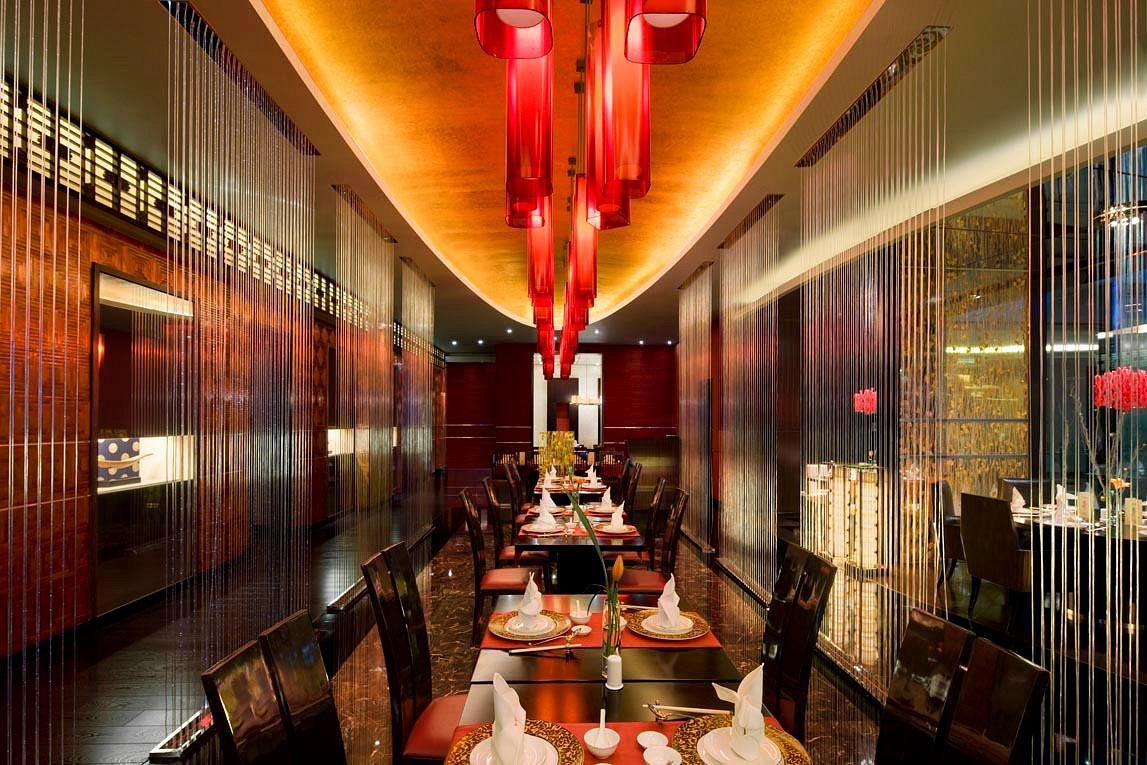
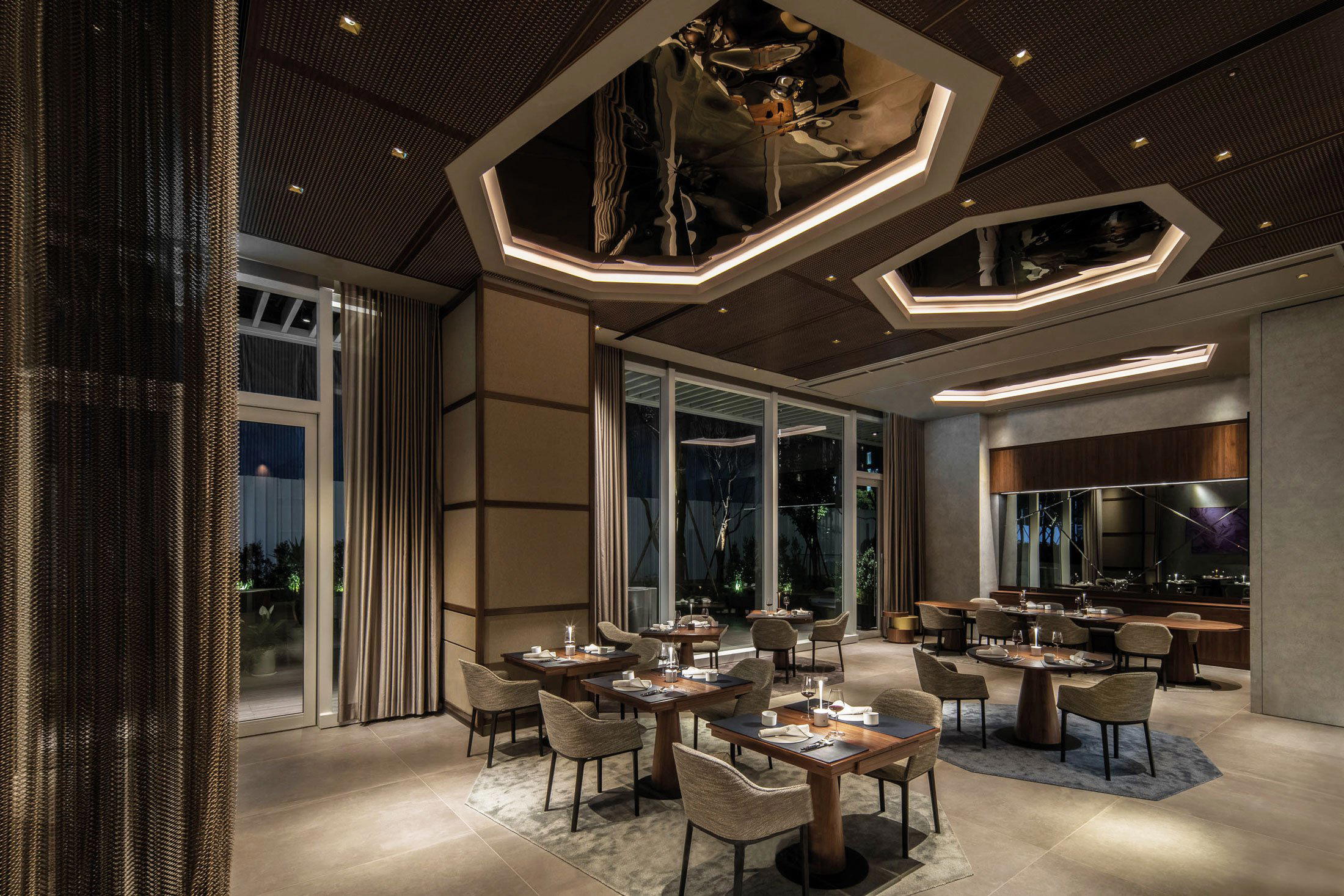
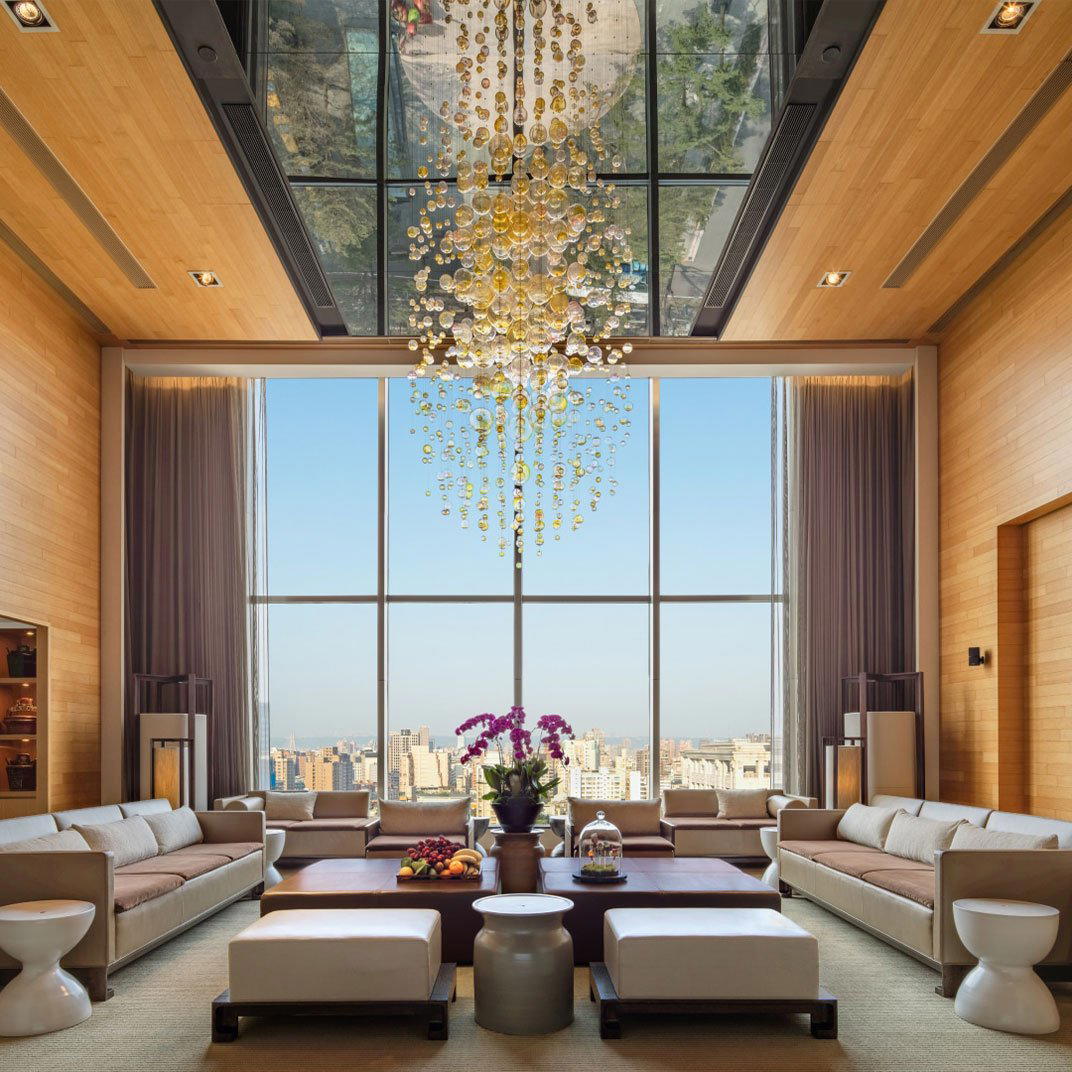
Inner tranquil and elegant Japanese ambiance with subtle lighting, tatami rooms, and refined details evoking traditional sukiya tea house serenity.