JW Marriott St. Maarten Beach Resort & Spa

World Travel Awards
The 2025 World Travel Awards winner for Sint Maarten's Leading Luxury Resort, the JW Marriott St. Maarten Beach Resort & Spa sits at the eastern end of the island in Oyster Pond, where the Atlantic coastline shapes both the architecture and the pace of stay. For travellers comparing full-service beach resorts in the Dutch Caribbean, it occupies the clearest position at the top of the local tier.

Pearl is the En Primeur Club membership app, where members save venues, book tables and use the concierge.
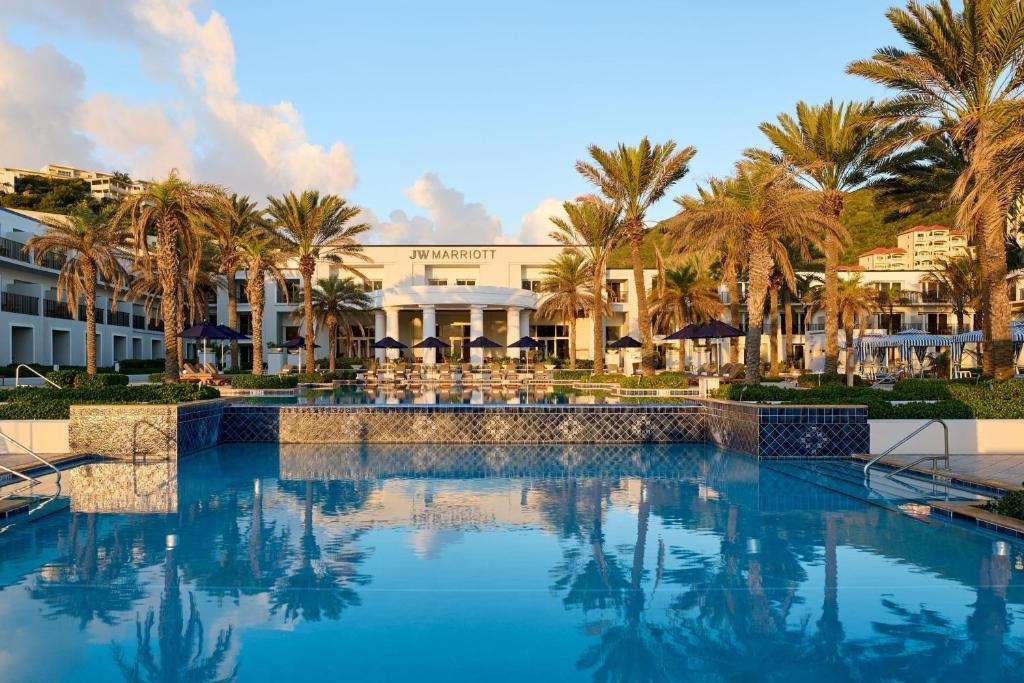
Where the Atlantic Shoreline Defines the Architecture
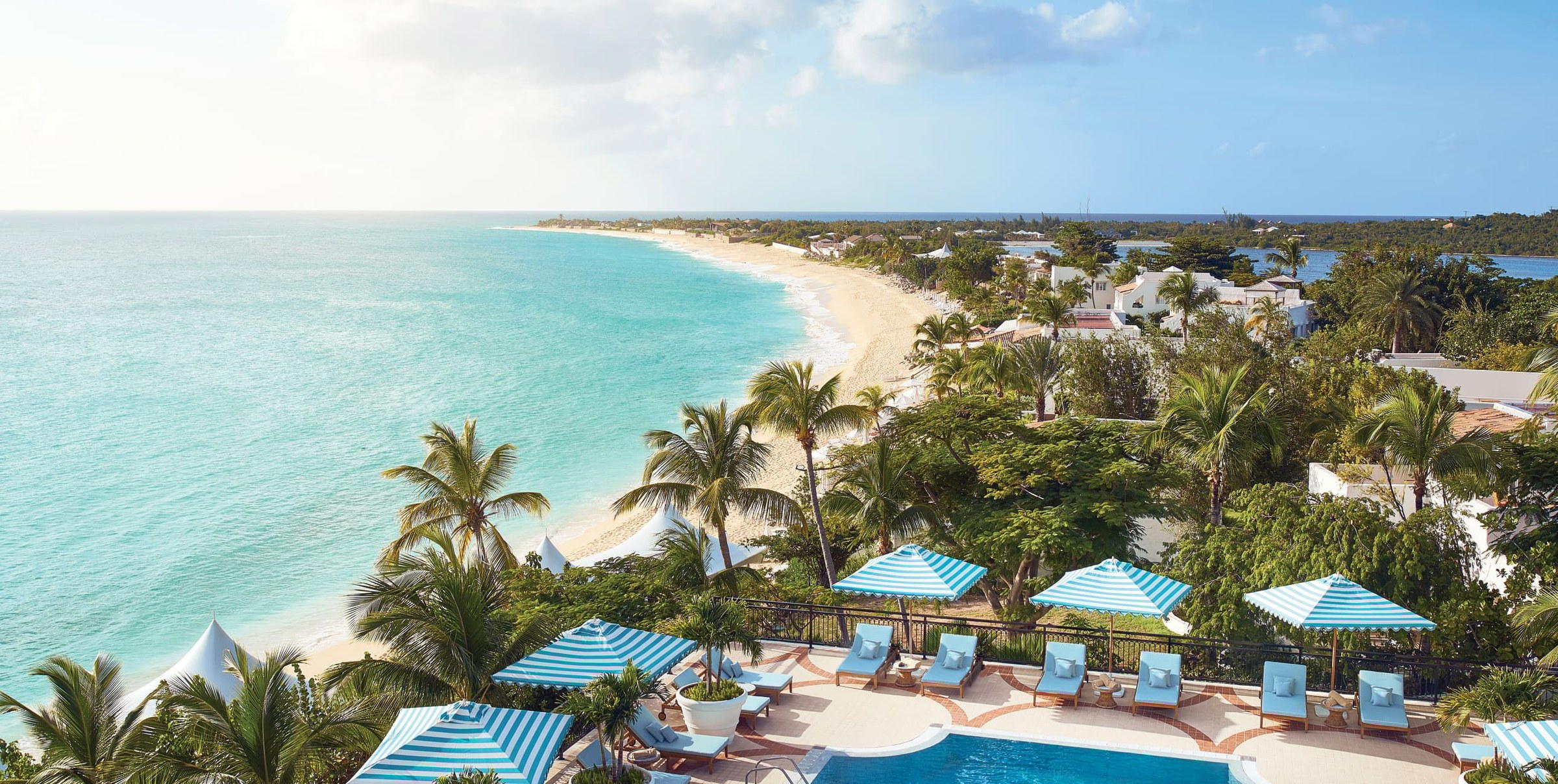
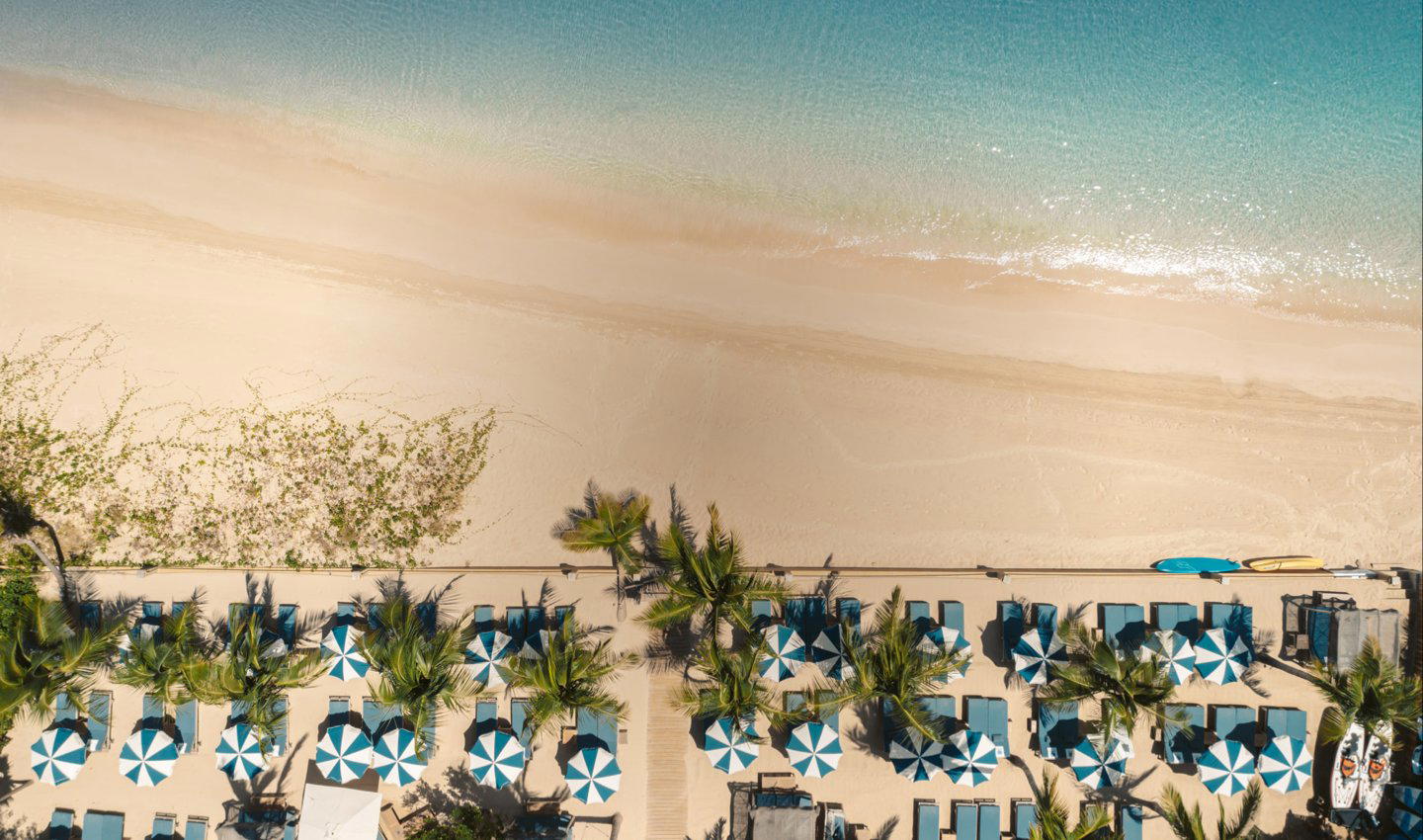
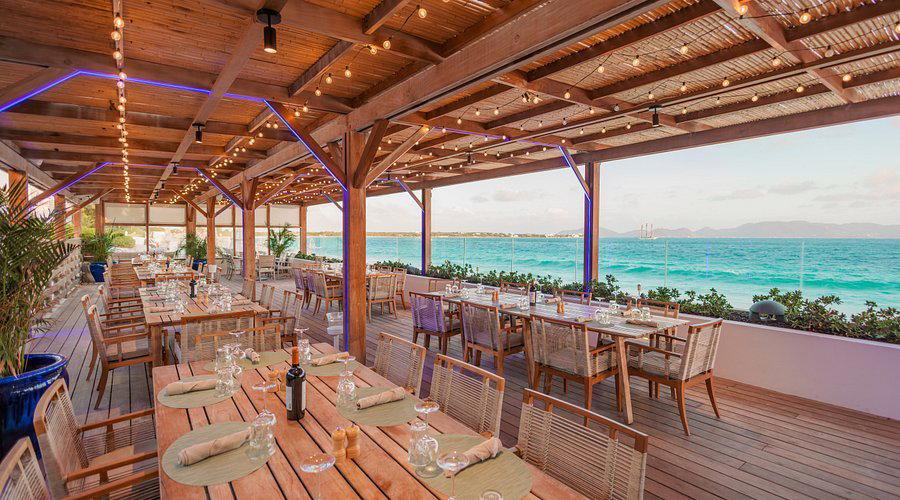
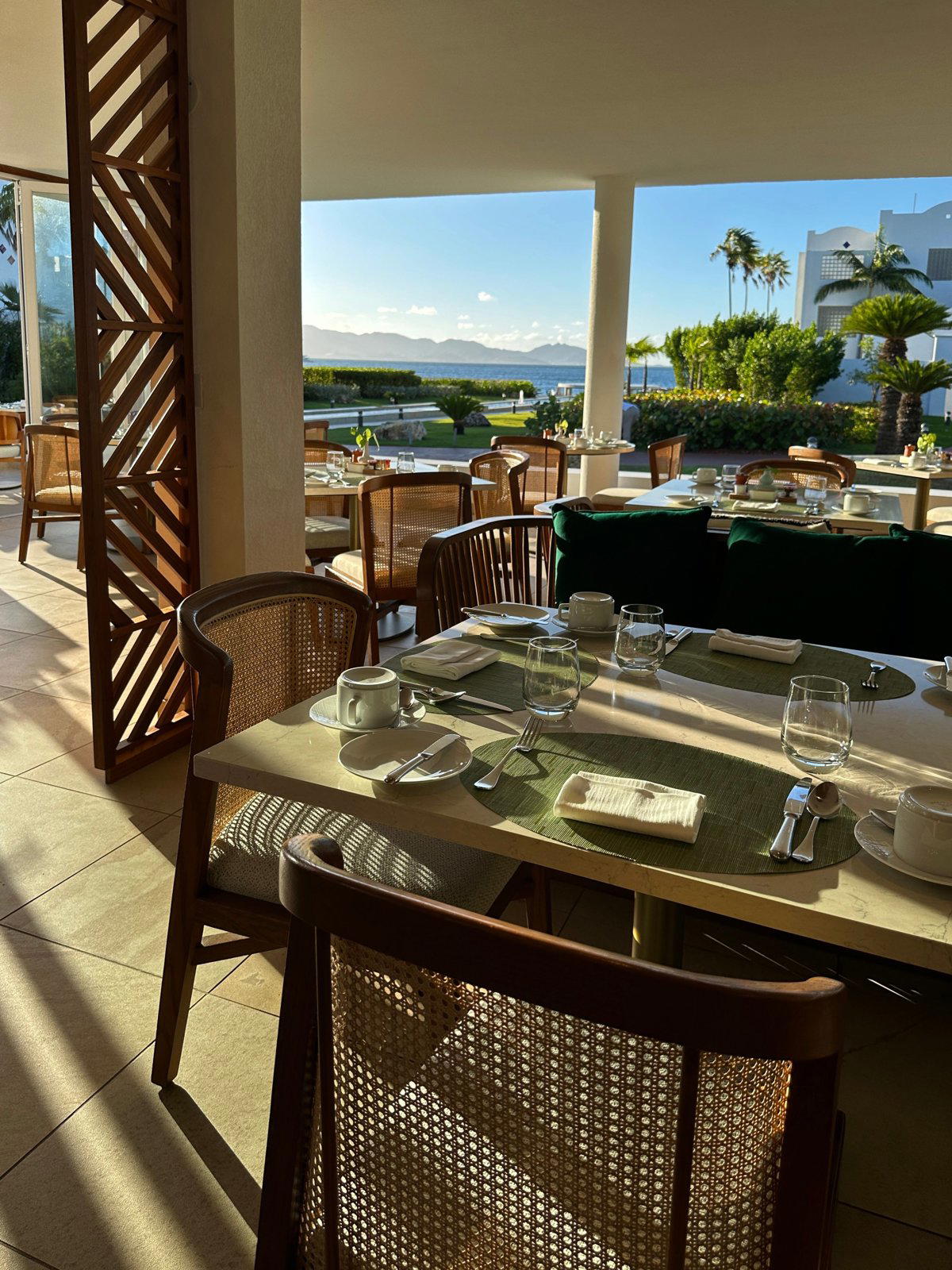
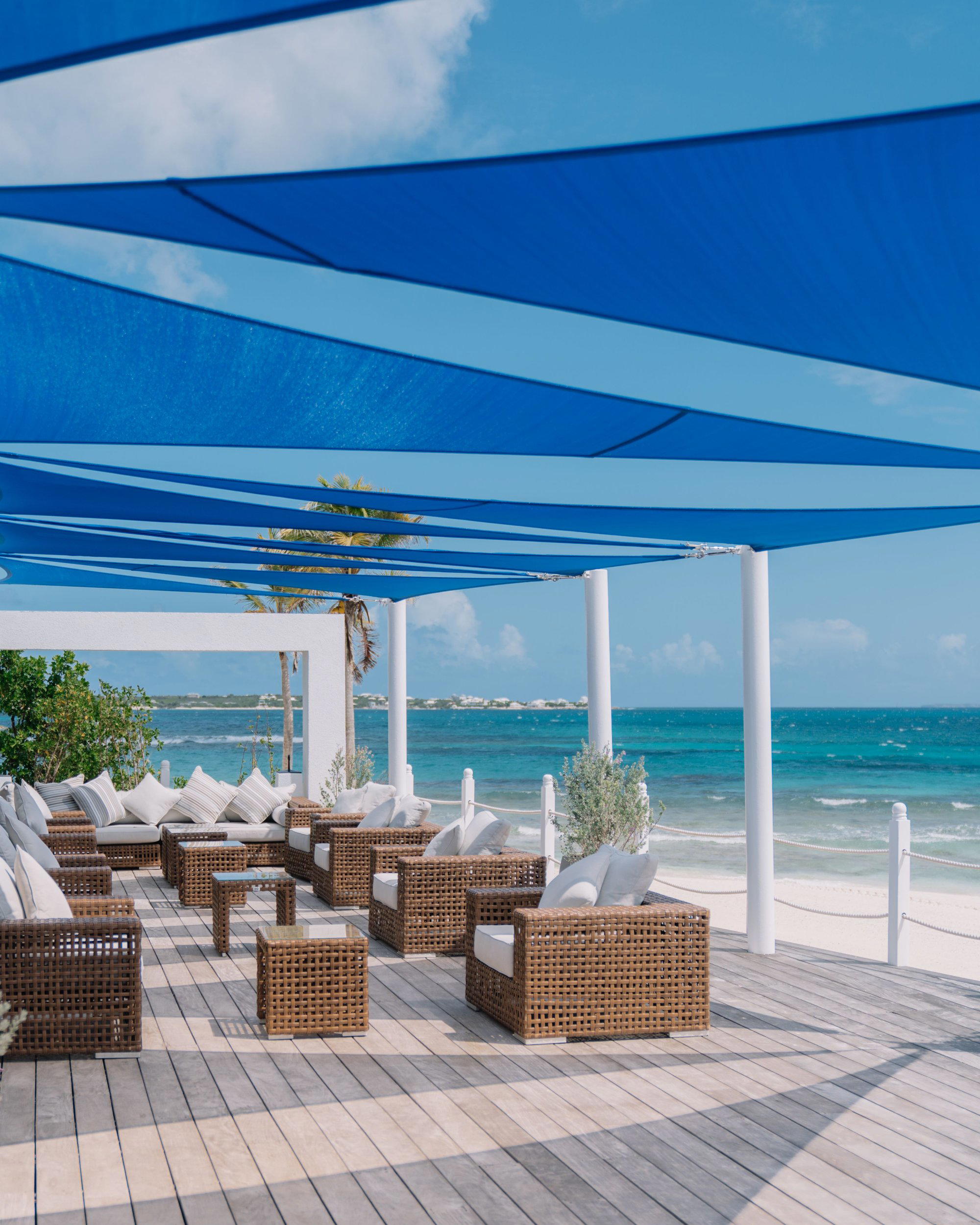
Oyster Pond sits at Sint Maarten's eastern edge, where the island narrows and the Atlantic side asserts itself in a way the calmer Dutch-side beaches do not. The light here is harder, the horizon wider, and the architecture that works well responds to that exposure rather than hiding from it. The JW Marriott St. Maarten Beach Resort & Spa is built into that coastal logic: the property faces the open water directly, with the kind of sightlines that make interior design secondary to what the building frames. In a region where luxury resorts frequently trade on lagoon-style pool arrangements that block the sea view from most rooms, a resort that positions its primary spaces toward the Atlantic rather than inward is making a deliberate architectural statement.
The design approach aligns the JW Marriott with a broader trend in Caribbean resort development that has moved away from the enclosed, village-like compound model toward properties where the landscape is the primary spatial experience. That shift is visible across the region's newer and refurbished inventory, from the hillside-integrated villas at Princess Heights a short distance along the same coastline, to beach-forward positioning that prioritises water access over amenity density.
Oyster Pond's Position in Sint Maarten's Resort Geography
Sint Maarten's luxury hotel market concentrates most of its recognisable international brands along Maho Beach and Simpson Bay on the Dutch side, where airport proximity and nightlife infrastructure make a different kind of stay. Oyster Pond operates on separate logic: quieter, more removed, with a guest profile that tends toward those seeking longer stays and less event-driven programming. The JW Marriott's placement here is a deliberate step away from the island's busier western corridor.
The nearest comparable full-service property on this stretch is the Oyster Bay Beach Resort, which occupies the same bay and pitches to a slightly broader market. The JW Marriott sits above that tier by both positioning and the weight of its 2025 World Travel Awards recognition as Sint Maarten's Leading Luxury Resort, a credential that places it in conversation with branded luxury properties across the Caribbean rather than just local competitors. For a broader view of what the area offers, the full Oyster Pond restaurants and hotels guide maps the options across both the bay and surrounding coast.
The Architecture of Coastal Luxury in the Caribbean
The Caribbean's most thoughtful resort architecture of the past decade has grappled with a specific problem: how to deliver shelter, comfort, and the privacy that premium travellers expect, while keeping the natural environment legible rather than decorating over it. The answer at properties across the region's top tier has generally involved restraint in material palette, generous ceiling heights that pull in sea breezes, and the elimination of the visual noise that mid-market all-inclusives tend to accumulate. Properties like Hotel Esencia in Tulum and One&Only Mandarina in Riviera Nayarit have set a regional benchmark for how architecture can serve landscape rather than compete with it.
In Sint Maarten's specific context, that challenge is complicated by the island's dual nationality, its relatively compact land area, and a construction environment shaped by hurricane resilience requirements. Resort architecture here carries engineering constraints that properties in calmer-water zones do not face to the same degree. The fact that the JW Marriott operates as a credentialled luxury product in that environment reflects both the investment scale behind a Marriott-branded property and the demands placed on any resort claiming a leading position on an island that has had to rebuild and reinforce its hospitality infrastructure in the years following major Atlantic storm activity.
How It Compares Across the Branded Luxury Tier
Placing the JW Marriott St. Maarten in the context of the international branded luxury tier is instructive. The JW brand operates as Marriott's upper-luxury flag, positioned below the Ritz-Carlton and Edition labels but above the standard Marriott and Sheraton lines. Across this tier globally, JW properties are expected to deliver a consistent spa offering, multiple food and beverage outlets, and room product that competes with independent luxury hotels rather than just other chain properties.
In that context, winning the 2025 World Travel Award for Sint Maarten's Leading Luxury Resort is a meaningful signal: it indicates the property outperforms not just within its brand family on the island but across the full local competitive set, including independent boutique properties. Compare this with how major branded properties perform in other high-competition markets: Mandarin Oriental Bangkok has held a dominant position on its river for decades through a combination of service standard and address. Hotel Bel-Air in Los Angeles operates as a branded property that reads as an independent estate. The JW Marriott St. Maarten holds a comparable structural role in its own market: the address that functions as the reference point for the island's luxury tier.
For travellers whose frame of reference includes properties like Badrutt's Palace Hotel in St. Moritz, Cheval Blanc Paris, or Hôtel de Paris Monte-Carlo, the JW Marriott Sint Maarten represents a different register: it is a volume-capable resort product rather than a house of fifty rooms with a culinary programme built around a specific chef. That distinction matters when choosing. If the priority is Caribbean beach access with consistent brand standards, full spa infrastructure, and the booking and loyalty integration that a Marriott property provides, the JW Marriott's position is clear. If the priority is architectural intimacy and a smaller guest community, properties like Amangiri in Canyon Point or Castello di Reschio in Umbria represent the structural opposite in a different geography.
Planning Your Stay
Sint Maarten's high season runs from mid-December through April, when the island draws the largest share of its international visitor traffic and rates across all properties climb accordingly. Travelling outside that window, particularly in the May-to-June shoulder period before hurricane season intensifies, typically offers rate reductions and shorter booking lead times without the weather trade-off of the September-to-November period. For the JW Marriott specifically, the 2025 World Travel Award recognition is recent enough to have reinforced demand, so booking ahead during the high season remains advisable.
Recognition history
Dated appearances from independent guides and award organizations, with the underlying list record or original source where available.
World Travel Awards
World Travel Awards
JW Marriott St. Maarten Beach Resort & Spa
Featured Guides

Continue exploring
More in Oyster Pond
Hotels in Oyster Pond
All hotels in Oyster Pond →
Bars in Oyster Pond
Browse all →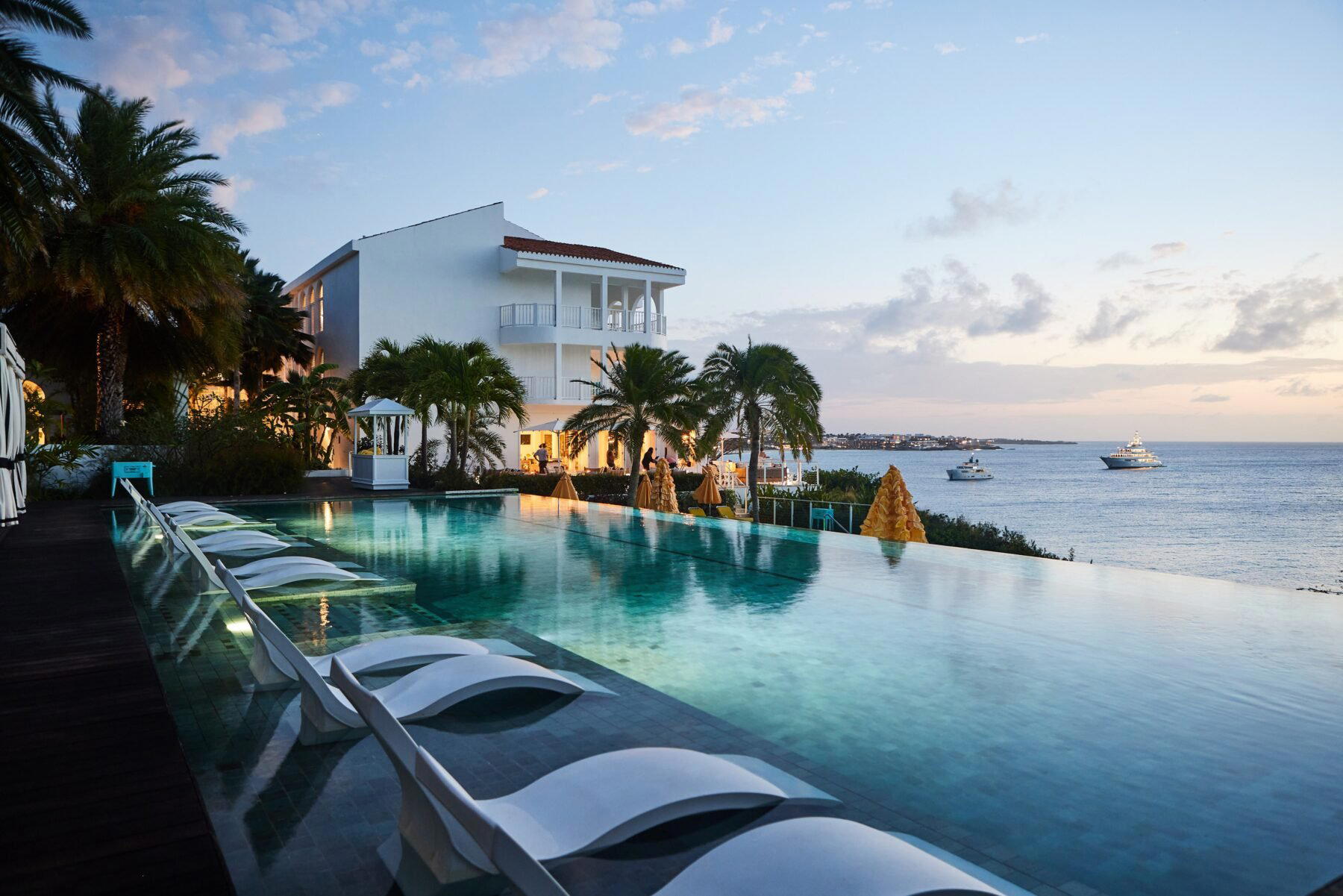
Details
- Romantic
- Elegant
- Scenic
- Sophisticated
- Honeymoon
- Romantic Getaway
- Family Vacation
- Wellness Retreat
- Destination Wedding
- Beachfront
- Infinity Pool
- Destination Spa
- Panoramic View
- Private Dining
- Waterfront
- Wi Fi
- Pool
- Spa
- Fitness Center
- Room Service
- Concierge
- Business Center
- Valet Parking
- Kids Club
- Beach Access
- Restaurant
- Waterfront
- Wheelchair Accessible
- Elevator
- Accessible Restroom
- Step Free Entrance
- Accessible Parking
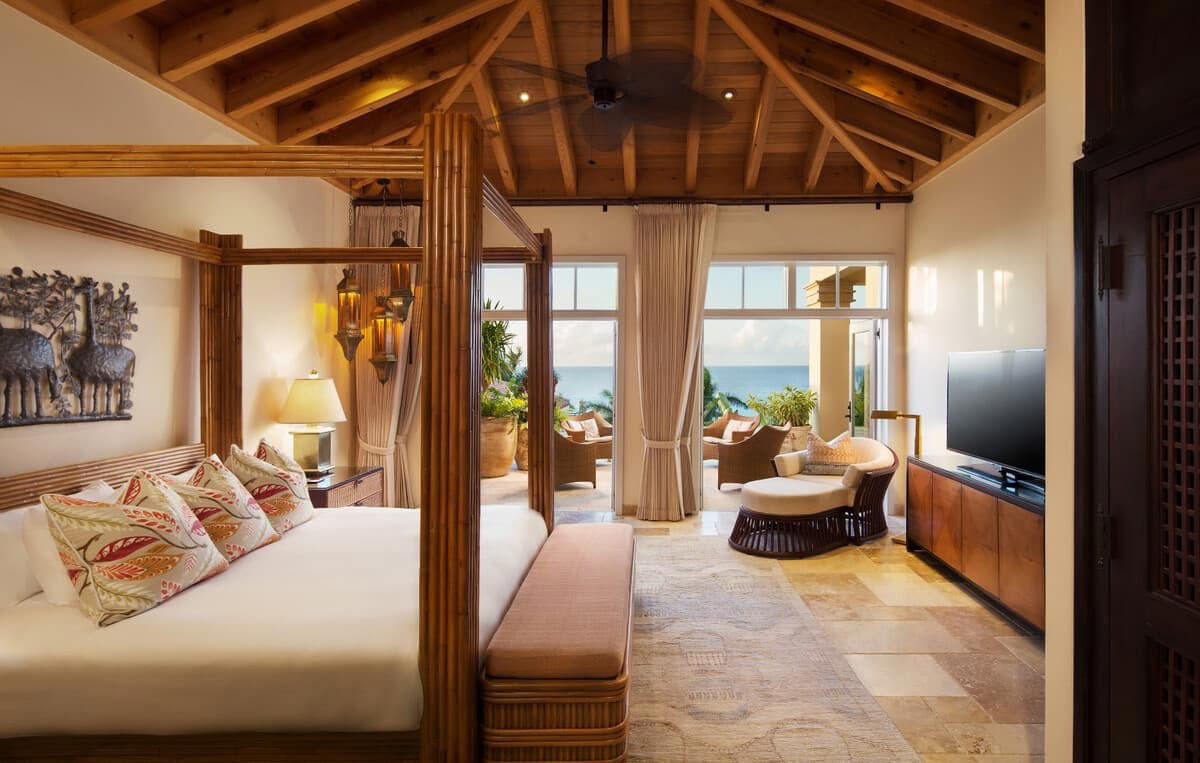
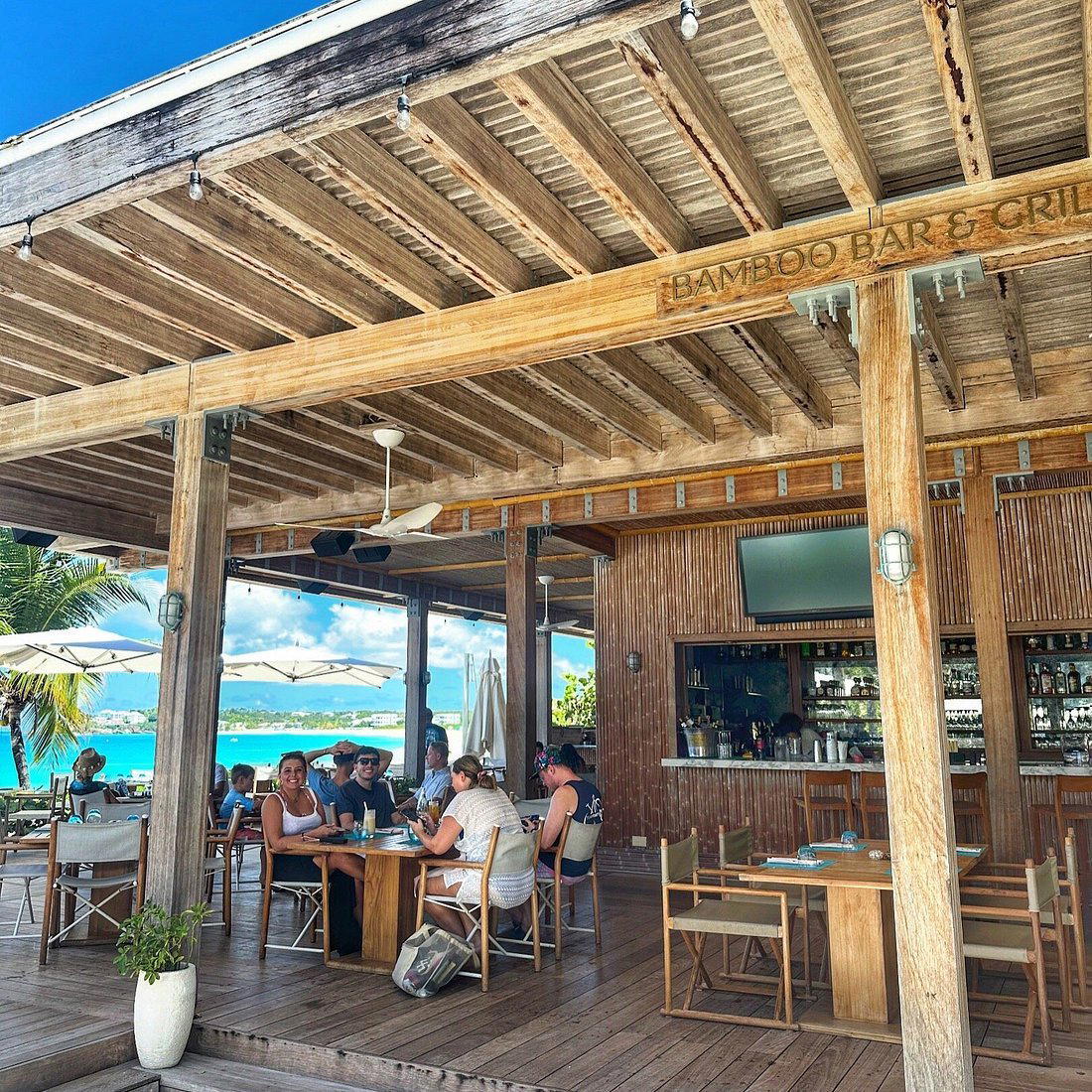
Serene and sophisticated with bright, airy spaces overlooking the Caribbean Sea and Atlantic Ocean; tranquil spa setting with modern wellness amenities and lively poolside atmosphere.