JW Marriott Desert Springs Resort & Spa

One of the Coachella Valley's largest resort properties, JW Marriott Desert Springs occupies a sprawling Palm Desert address where a 30,000-square-foot atrium lobby, Venetian-inspired waterways, and a 38,000-square-foot spa define the scale. Every room carries a private balcony with views toward the Santa Rosa Mountains, and the resort sits 25 minutes from Palm Springs and 10 minutes from the El Paseo shopping district.
Pearl is the En Primeur Club membership app — saves, bookings, and concierge access live there. Same editors, same standards.
- Address
- 74-855 Country Club Dr, Palm Desert, CA 92260
- Phone
- +1 760-341-2211
- Website
- marriott.com
- Directions
- Get directions
 Saves & bookings on Pearl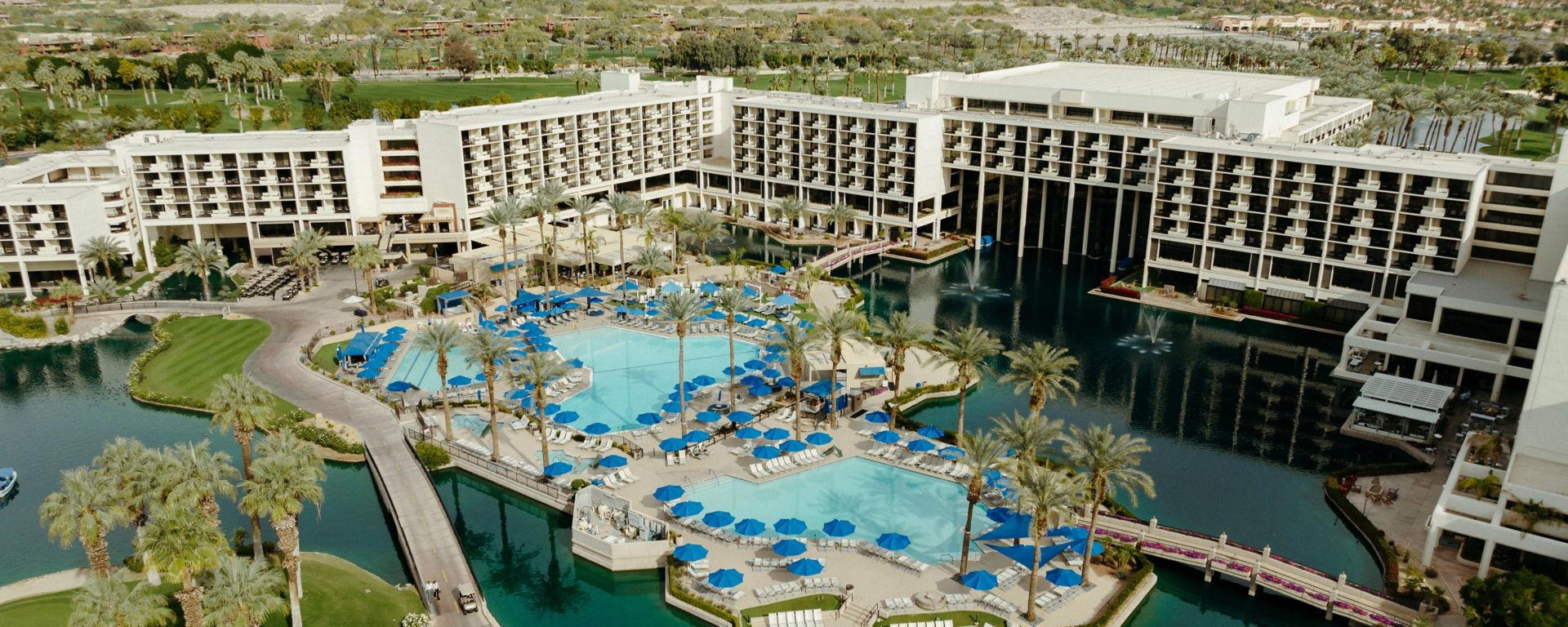
Desert Scale, Done Deliberately
Large-footprint desert resorts occupy a specific position in the Coachella Valley hospitality market: they trade intimate scale for a breadth of experience that smaller properties simply cannot replicate. The JW Marriott Desert Springs Resort & Spa sits squarely in that category, with a 4-star profile and 884 rooms, offering a scope of amenity, spa, golf, multiple pools, and a lobby that functions more like an indoor botanical environment than a reception hall, that positions it alongside major destination resorts rather than the design-led boutique tier represented by properties like Sparrows Lodge, Holiday House Palm Springs, or La Serena Villas, A Kirkwood Collection Hotel. Where those properties prioritize curation and compression, Desert Springs operates on a different logic: arrival should feel like entering a self-contained world.
That world begins before you reach the front doors. Palm tree-lined paths give way to freshwater lakes and rolling green golf courses, a sequence of visual transitions that reads almost theatrical against the raw backdrop of the Santa Rosa Mountains. It is a landscape engineering project as much as a resort approach, and it announces the property's intentions clearly.
The Atrium as Atmosphere
The lobby sets the register for everything that follows. At 30,000 square feet, it operates at a scale more commonly associated with airport terminals or convention centers, yet the design redirects that volume toward something genuinely sensory. Exotic birds move through the space, Venetian-inspired waterways trace through the floor plan, and a glass mosaic water wall anchors one end of the room. Large glass windows frame the green lawns, towering palms, and red mountain ridgeline beyond, the interior and exterior in deliberate conversation rather than opposition.
This approach to atrium design has precedent in the American resort tradition: the idea that arrival architecture should create immediate psychological separation from the outside world, a kind of pressurization chamber between the highway and the pool. At Desert Springs, it works because the views it frames are genuinely dramatic. The Coachella Valley's desert light, particularly in late afternoon, turns those mountains a deep rust-red that no interior design element could replicate.
The Spa as Anchor
Among American resort spas, scale alone rarely distinguishes a program, but it does define the type of experience possible. The 38,000-square-foot spa here, with 48 separate treatment rooms, a saltwater pool, and a beauty salon, belongs to the cohort of resort spas large enough to operate as a destination within a destination. Comparable in category (if not setting) to properties like Canyon Ranch Tucson, where the spa program is the primary draw rather than a supporting amenity, Desert Springs positions its spa as a place to build an entire day around rather than fill an afternoon gap.
The indoor configuration matters in this climate. Coachella Valley summer temperatures regularly exceed 110°F in August, making outdoor activity genuinely difficult during peak heat months. An enclosed spa of this size gives guests a credible reason to visit even when the pool deck becomes uncomfortable, a practical consideration that shapes how the resort functions across the calendar year rather than just during the cooler months of November through April.
Rooms and the View They're Built Around
The guest room design reads as a deliberate response to the surrounding geography. Sand-colored drapes and red-brown accent chairs echo the desert palette visible through every window. Woven mahogany headboards, granite-topped bedside tables, and limestone bathroom floors position the rooms in a tier consistent with the JW Marriott brand standard, solid materials, restrained finishes, nothing that draws attention away from the views. Every room includes a private balcony, which functions as more than a standard amenity in a location where the sunset sequence over the Santa Rosa Mountains is one of the resort's most reliable daily performances.
Suite range runs from 560-square-foot executive suites to 1,638-square-foot chairman's suites, a span that accommodates both extended-stay business travelers and larger groups or families who need the room to operate as a base rather than just a place to sleep. Five distinct suite configurations give the property flexibility across guest types in a way that single-category boutique properties cannot.
Location and the Valley's Geography
Desert Springs sits on Country Club Drive in Palm Desert, a distinction worth understanding before booking. The address is approximately 25 minutes from downtown Palm Springs, 10 minutes from the El Paseo dining and shopping district, and 20 minutes from The Living Desert Zoo and Gardens and the Children's Discovery Museum of the Desert. For guests oriented toward Palm Springs' mid-century architecture, vintage retail, and the denser cluster of independent restaurants, the Palm Desert location means a committed drive rather than a walkable connection.
For guests whose priorities run toward golf, spa, and resort containment, which is clearly the intended use case, the Palm Desert setting is a direct advantage: more space, quieter surroundings, and immediate access to the green courses and lakes that frame the approach road. Properties like Ace Hotel & Swim Club Palm Springs, Dive Palm Springs, or ARRIVE Palm Springs are better positioned for guests who want to walk into downtown's fabric daily. This property is oriented differently.
Timing and the Tournament Window
March brings a notable overlay to the area: the BNP Paribas Open at the Indian Wells Tennis Garden draws professional players to the valley, and Desert Springs' own courts have historically attracted players during tournament week. For guests interested in proximity to that event, the timing adds a dimension beyond the standard resort calendar. Avoiding late summer, specifically August, for any itinerary that depends on outdoor activity is a consistent piece of planning intelligence given the extreme heat conditions.
For a broader sense of how Desert Springs fits against other large-format American resort experiences, it belongs in a conversation with properties like Four Seasons at The Surf Club in Surfside or Kona Village, A Rosewood Resort in Kailua Kona, places where the resort is the experience, not the launchpad for one. Elsewhere in the design-led desert resort category, Amangiri in Canyon Point represents the opposite pole: minimal keys, extreme restraint, landscape-led architecture. Desert Springs and Amangiri serve fundamentally different guest intentions, which makes direct comparison less useful than understanding where each sits in the market.
Planning Your Stay
The resort is part of Marriott International's JW brand portfolio. For the spa, advance reservations are advisable given the property's size and the volume of guests it accommodates, 48 treatment rooms fill differently across a large resort than they would in a boutique spa context. March through May and October through November represent particularly comfortable outdoor periods; winter weekends during the Coachella Valley's high season can push occupancy, making earlier booking preferable. The Agua Caliente Resort Casino Spa Rancho Mirage and Avalon Hotel & Bungalows Palm Springs offer alternatives at different scales and price positions for guests still weighing options across the valley.
Price and Recognition
Comparable venues nearby, for context on price, style, and recognition.
| Venue | Price | Awards | Notes |
|---|---|---|---|
| JW Marriott Desert Springs Resort & SpaThis venue — the venue you are viewing | $$$$ | 4-Star | Not listed |
| L'Auberge Del Mar | $$$$ | 4-Star | Del Mar, Coastal estate resort with relaxed luxury positioning, blending traditional and contemporary design elements to evoke a private seaside home. |
| South Coast Winery Resort & Spa | $$$$ | 4-Star | Temecula Valley, Tuscan-inspired luxury resort centered around wine production and hospitality |
| Solage, Auberge Collection | $$$$ | 5-Star | Calistoga, Fresh modern take on wine country sophistication with clean lines and natural materials |
| The US Grant, A Luxury Collection Hotel | $$$$ | 4-Star | Downtown, Historic luxury Beaux Arts hotel with modern updates |
| Le Petit Pali at Ocean Ave | $$$$ | 4-Star | Downtown Carmel, evokes the delight of a traditional inn with bespoke design details |
Recognition history
Dated appearances from independent guides and award organizations, with the underlying list record or original source where available.
Forbes Recommended
Forbes
Forbes Recommended
Forbes
Continue exploring
More in Palm Desert
Hotels in Palm Desert
Browse all →
Bars in Palm Desert
Browse all →

At a Glance
- Elegant
- Scenic
- Sophisticated
- Ornate
- Family Vacation
- Wellness Retreat
- Romantic Getaway
- Weekend Escape
- Golf Course
- Infinity Pool
- Destination Spa
- Rooftop Pool
- Pool
- Spa
- Fitness Center
- Room Service
- Concierge
- Business Center
- Valet Parking
- Wi Fi
- Golf Course
- Tennis
- Kids Club
- Mountain
- Garden
- Pool
- Spa
- Fitness Center
- Room Service
- Concierge
- Business Center
- Valet Parking
- Wi Fi
- Golf Course
- Tennis
- Kids Club
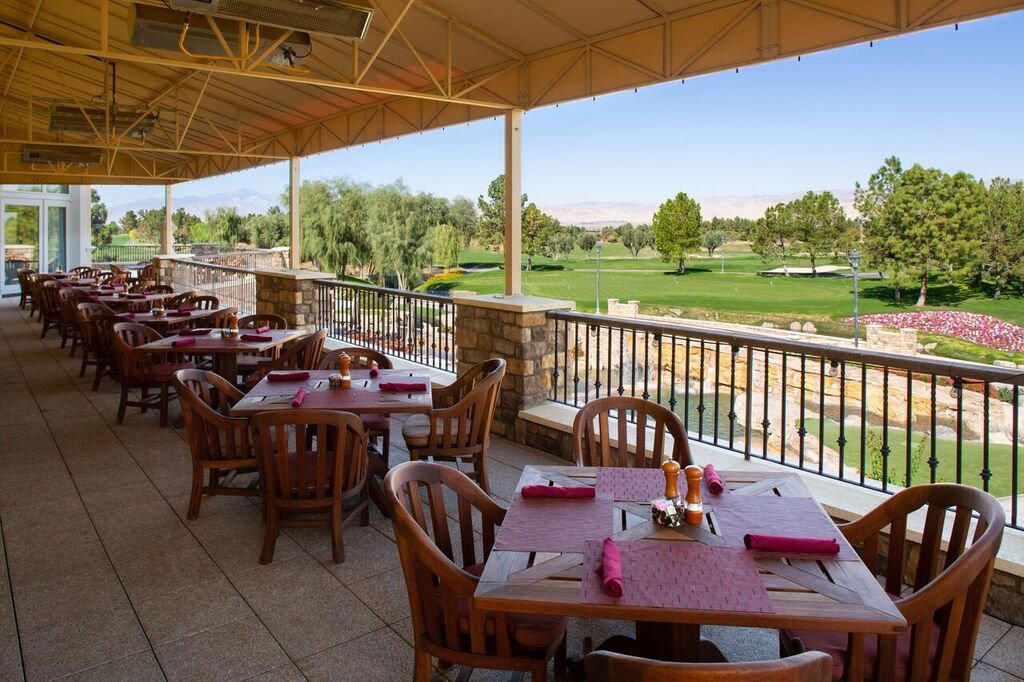
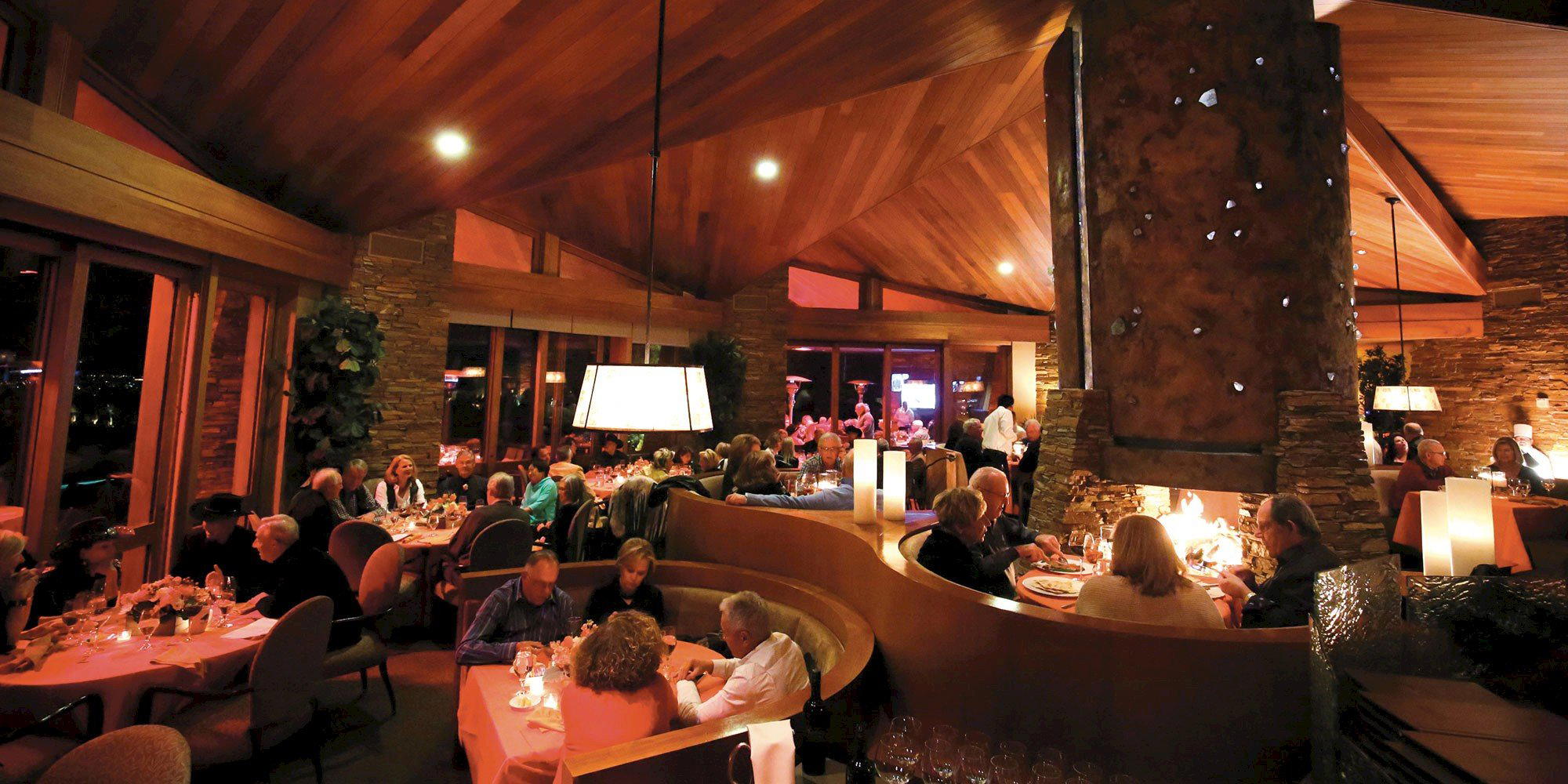
Lush tropical gardens, magnificent mountain and lake views, relaxed oasis atmosphere with pools and wildlife.