Skip to Main Content
← Collection
LocationSacramento, United States

<h2>Sacramento's Adaptive-Reuse Hotel Tier, and Where Hotel Eleanor Fits</h2><p>Sacramento has spent the better part of the last decade converting its stock of early-twentieth-century commercial buildings into boutique hotels. The pattern mirrors what happened in cities like Chicago and New York a generation earlier: as downtown cores shifted economically, developers found it more interesting — and often more profitable — to preserve structural bones and layer contemporary interiors on leading than to demolish and rebuild. The result is a city with a genuinely varied hotel offer, from large-flag convention properties near the convention center to smaller, design-conscious houses occupying repurposed warehouses, former bank buildings, and Victorian-era structures in Midtown and the Grid. Hotel Eleanor occupies this second tier, the one where physical fabric and interior sensibility carry the argument rather than brand recognition or room count. For a full picture of where it sits relative to other options in the city, see <a href="https://www.enprimeurclub.com/hotels/sacramento">our full Sacramento hotels guide</a>.</p><h2>The Architecture Question in Boutique Hotels</h2><p>The most instructive comparison for understanding what boutique hotels in mid-sized American cities are attempting right now is not the large resort formats , properties like <a href="https://www.enprimeurclub.com/hotels/amangiri-canyon-point-hotel">Amangiri in Canyon Point</a> or <a href="https://www.enprimeurclub.com/hotels/kona-village-a-rosewood-resort-kailua-kona-hotel">Kona Village in Kailua-Kona</a>, which are defined by landscape and scale , but the urban adaptive-reuse houses that must make their case through architectural coherence alone. Properties like <a href="https://www.enprimeurclub.com/hotels/chicago-athletic-association-chicago-hotel">Chicago Athletic Association</a> represent one model: landmark buildings where the history is the product, where a guest is purchasing proximity to a specific architectural moment as much as a room. A property like <a href="https://www.enprimeurclub.com/hotels/troutbeck-amenia-hotel">Troutbeck in Amenia</a> represents another: the estate conversion, where grounds and accumulated layers of occupancy give the space its texture. Hotel Eleanor operates in the same conceptual territory as these properties , where the physical environment is not background but primary content , though at Sacramento's scale and price point rather than theirs.</p><p>This matters for the traveler making a decision. A hotel that leads with design and atmosphere is making a specific promise: that the space itself will reward attention. The risk, which any honest editorial assessment must acknowledge, is that when the execution is uneven, the gap between promise and delivery is more visible than it would be at a property that never made the claim. Sacramento's boutique hotel cohort has not been uniformly successful in this regard, and Hotel Eleanor's positioning requires it to hold up on the terms it sets for itself.</p><h2>What the Physical Environment Communicates</h2><p>Hotels that compete on atmosphere rather than amenity scale tend to concentrate their design investments in transitional spaces: lobbies, corridors, stairwells, the moments between the street and the room. This is where guests form their first and most durable impressions, and it is where a designer can signal whether the project understands its own history or is merely costuming. The leading comparable executions in the United States , <a href="https://www.enprimeurclub.com/hotels/the-fifth-avenue-hotel-new-york-city-hotel">The Fifth Avenue Hotel in New York</a>, <a href="https://www.enprimeurclub.com/hotels/raffles-boston-boston-hotel">Raffles Boston</a> , use these transitional moments to establish a consistent design language that then pays off in the guest rooms. When a boutique hotel gets this right, the effect is a kind of spatial coherence: the guest understands where they are and what the place is trying to say before they reach the elevator. Hotel Eleanor's approach to these moments, and how consistently the design logic holds from public space to private, is the operative question for anyone considering it.</p><p>For travelers comparing options in California's broader Central Valley and wine country corridor, the design-led boutique category extends to properties like <a href="https://www.enprimeurclub.com/hotels/singlethread-farm-inn-healdsburg-hotel">SingleThread Farm Inn in Healdsburg</a> and <a href="https://www.enprimeurclub.com/hotels/auberge-du-soleil-napa-hotel">Auberge du Soleil in Napa</a> , both of which use architecture and landscape in combination to establish a sense of place. Sacramento's urban density means that Hotel Eleanor is working without the landscape advantage, which places more weight on interior decisions.</p><h2>Sacramento as a Hotel Destination</h2><p>It is worth contextualizing why Sacramento's boutique hotel tier has grown when it has. The city's food and drink scene , detailed in <a href="https://www.enprimeurclub.com/restaurants/sacramento">our full Sacramento restaurants guide</a> and <a href="https://www.enprimeurclub.com/bars/sacramento">our full Sacramento bars guide</a> , has developed substantively over the last decade, building on proximity to the Sacramento Valley's agricultural output and the Delta's wine and produce corridors. A city that has meaningful restaurants, a functioning bar culture covered in <a href="https://www.enprimeurclub.com/bars/sacramento">our bars guide</a>, access to regional wineries documented in <a href="https://www.enprimeurclub.com/wineries/sacramento">our full Sacramento wineries guide</a>, and a growing roster of cultural programming captured in <a href="https://www.enprimeurclub.com/experiences/sacramento">our full Sacramento experiences guide</a> can support boutique hotels in a way it could not when travel to the city was primarily transactional. Hotel Eleanor's existence and positioning are partly a function of this broader shift: Sacramento is now a destination that travelers arrive at by choice rather than necessity, and the hotel stock is adjusting accordingly.</p><p>The comparison to peer properties outside California is useful for calibrating expectations. <a href="https://www.enprimeurclub.com/hotels/hotel-bel-air-los-angeles-hotel">Hotel Bel-Air in Los Angeles</a> operates at a different price and recognition tier, but its method , using physical environment and a specific neighborhood identity to establish hotel character , is analogous. <a href="https://www.enprimeurclub.com/hotels/1-hotel-san-francisco-san-francisco-hotel">1 Hotel San Francisco</a> demonstrates how sustainability-led design can serve as a primary identity marker. <a href="https://www.enprimeurclub.com/hotels/ambiente-a-landscape-hotel-sedona-hotel">Ambiente in Sedona</a> takes the landscape-hotel concept to an explicit program. Each of these properties is legible in a sentence because the design philosophy is clear and consistently executed. The question for Hotel Eleanor, as for any property in the same tier, is whether the same clarity obtains.</p><h2>Planning a Stay</h2><p>Travelers considering Hotel Eleanor should approach the booking process directly through official channels to confirm current room configurations, rates, and availability, as the property's details are not comprehensively indexed in third-party systems. Given the boutique scale typical of this hotel category in Sacramento's historic core, room count is limited, and weekend dates in spring and fall , the city's strongest visitor seasons, aligned with the regional food and agricultural calendar , fill ahead of weekday periods. For travelers combining Sacramento with regional wine country, the eastern Napa and Lodi corridor is within a reasonable drive, making the city a plausible base for multi-day itineraries that extend beyond the Grid. Compared to larger-format properties like <a href="https://www.enprimeurclub.com/hotels/four-seasons-at-the-surf-club-surfside-hotel">Four Seasons at The Surf Club</a> or <a href="https://www.enprimeurclub.com/hotels/canyon-ranch-tucson-tucson-hotel">Canyon Ranch Tucson</a>, which manage scale through programmatic depth, a boutique property like Hotel Eleanor asks the guest to engage with the city itself as the program, using the hotel as a well-considered base rather than a self-contained destination.</p><h2>Frequently Asked Questions</h2><dl><dt><strong>What is the atmosphere like at Hotel Eleanor?</strong></dt><dd>Hotel Eleanor positions itself within Sacramento's design-led boutique tier, where physical environment and spatial coherence carry the guest experience. The atmosphere is defined by the building's architectural character rather than by resort-scale amenities. Travelers who find this format rewarding are typically those who engage with neighborhood context , Sacramento's restaurant, bar, and cultural programming , as part of the stay rather than expecting the hotel itself to provide comprehensive programming.</dd><dt><strong>What room should I choose at Hotel Eleanor?</strong></dt><dd>Without confirmed room-category data, the most reliable approach is to contact the property directly and ask which room type leading reflects the core design intent. In properties of this format, the rooms that most fully express the architectural identity tend to be those in the original building fabric rather than any added or modernized wing. Ask specifically about ceiling height, original structural features, and orientation relative to street or courtyard.</dd><dt><strong>What is the standout thing about Hotel Eleanor?</strong></dt><dd>Within Sacramento's hotel offer, Hotel Eleanor's distinguishing characteristic is its positioning as a design-conscious boutique property in a city whose hotel stock has historically been dominated by large-flag convention properties. Its value proposition is spatial and atmospheric rather than amenity-driven, which places it in a niche peer set that rewards a specific kind of traveler. For context on how this compares to the broader Sacramento hotel market, see <a href="https://www.enprimeurclub.com/hotels/sacramento">our full Sacramento hotels guide</a>.</dd><dt><strong>How far ahead should I plan for Hotel Eleanor?</strong></dt><dd>Boutique properties in Sacramento's historic core operate with limited room counts, and spring and fall travel windows , the region's peak visitor periods , fill earliest. Booking four to six weeks ahead is a reasonable baseline for midweek stays; weekend dates during the agricultural and food festival calendar warrant earlier action. Contact the property directly for current availability and rate structures, as booking platforms do not always reflect real-time inventory for smaller independent hotels.</dd><dt><strong>Is Hotel Eleanor a good base for exploring Sacramento's food and wine scene?</strong></dt><dd>Sacramento's position at the confluence of the Central Valley and the Sacramento-San Joaquin Delta makes it one of the more agriculturally grounded cities in the western United States, with a restaurant and bar scene that draws directly on that proximity. A property in the city's historic core is well-placed relative to the Grid's dining and drinking concentration, documented in <a href="https://www.enprimeurclub.com/restaurants/sacramento">our full Sacramento restaurants guide</a>. The Lodi and Clarksburg wine regions are reachable as day trips, making the city a functional base for travelers whose itinerary includes both urban dining and regional wine exploration.</dd></dl>

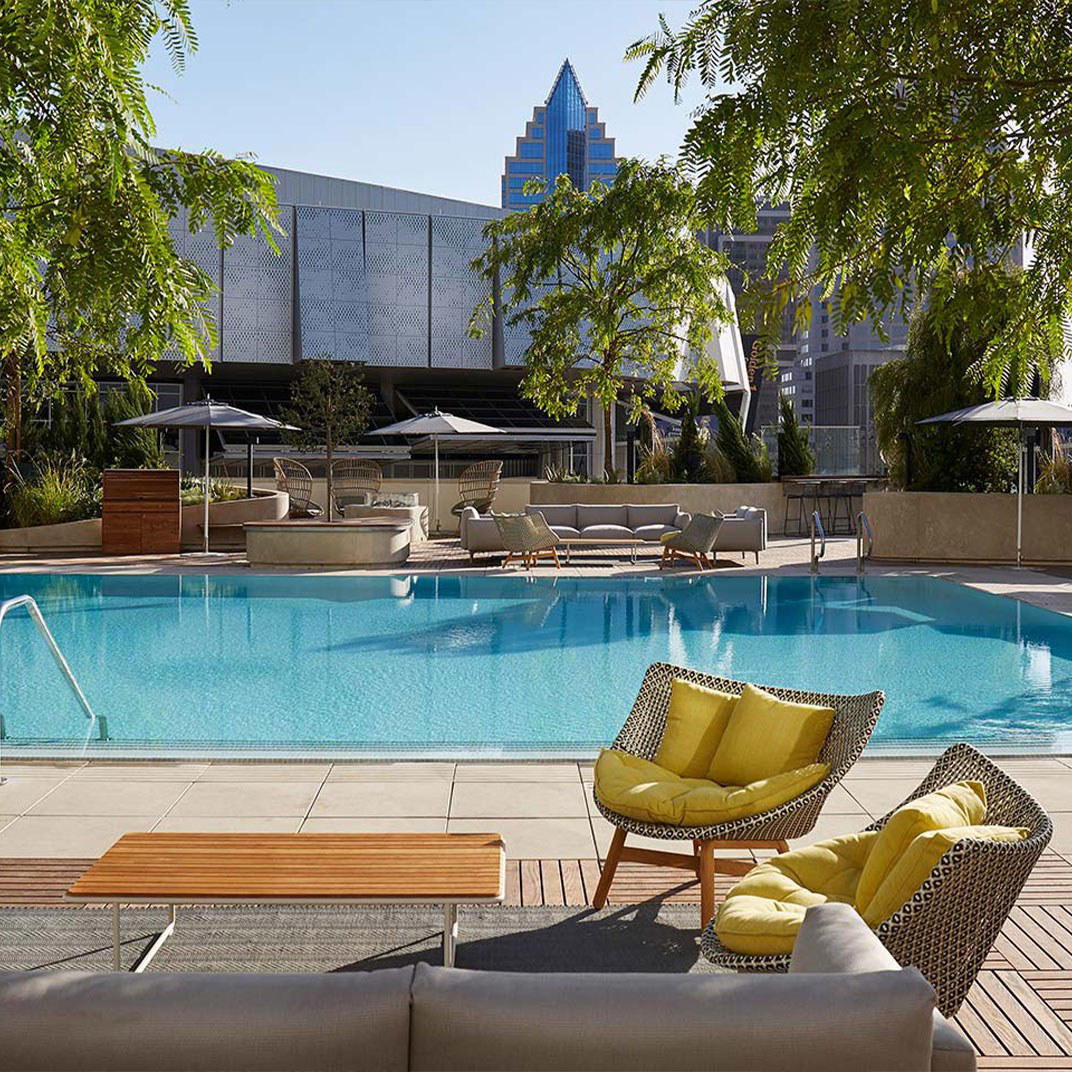
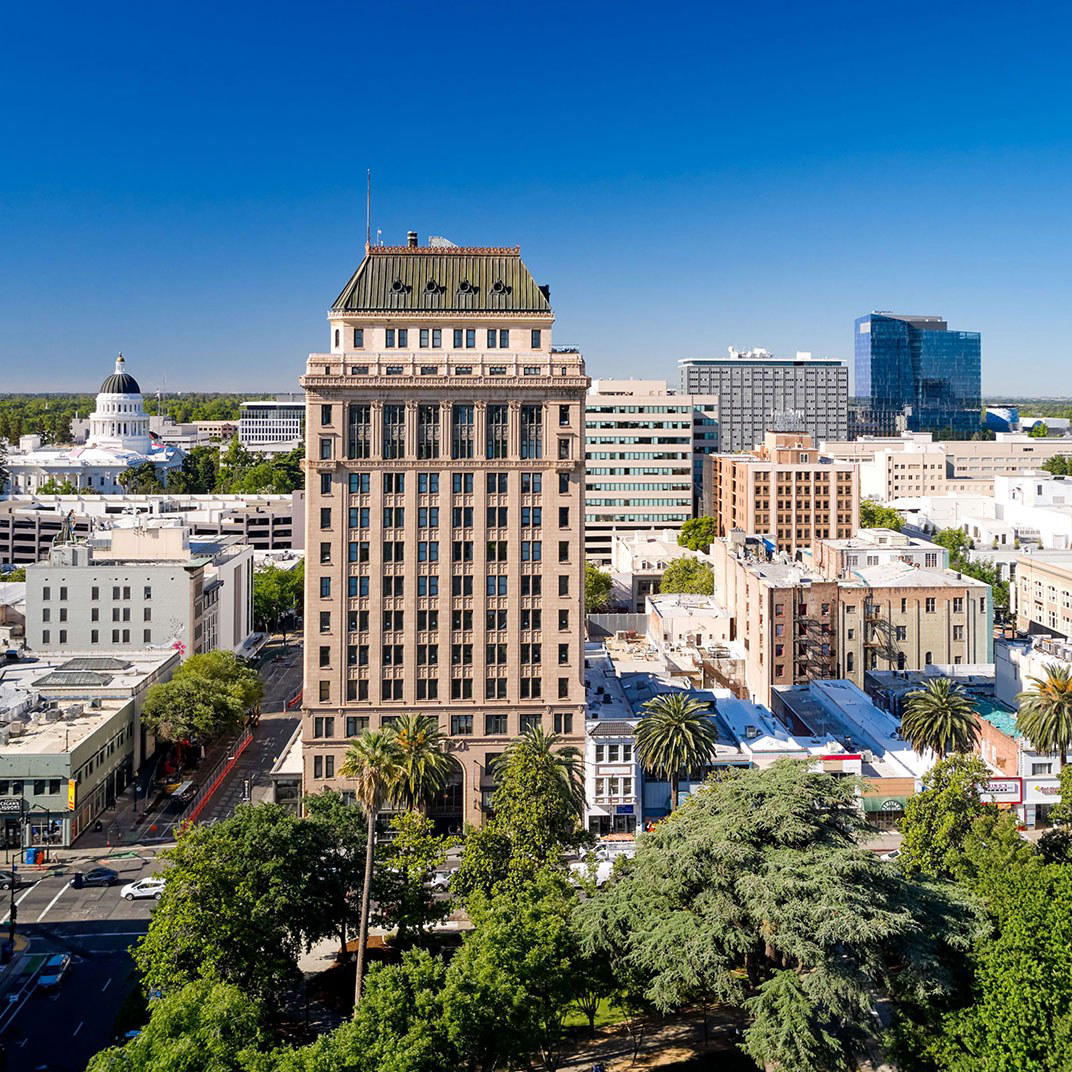
Hotel Eleanor hotel in Sacramento, United States
About

Sacramento's Adaptive-Reuse Hotel Tier, and Where Hotel Eleanor Fits

Sacramento has spent the better part of the last decade converting its stock of early-twentieth-century commercial buildings into boutique hotels. The pattern mirrors what happened in cities like Chicago and New York a generation earlier: as downtown cores shifted economically, developers found it more interesting — and often more profitable — to preserve structural bones and layer contemporary interiors on leading than to demolish and rebuild. The result is a city with a genuinely varied hotel offer, from large-flag convention properties near the convention center to smaller, design-conscious houses occupying repurposed warehouses, former bank buildings, and Victorian-era structures in Midtown and the Grid. Hotel Eleanor occupies this second tier, the one where physical fabric and interior sensibility carry the argument rather than brand recognition or room count. For a full picture of where it sits relative to other options in the city, see our full Sacramento hotels guide.

The Architecture Question in Boutique Hotels

The most instructive comparison for understanding what boutique hotels in mid-sized American cities are attempting right now is not the large resort formats , properties like Amangiri in Canyon Point or Kona Village in Kailua-Kona, which are defined by landscape and scale , but the urban adaptive-reuse houses that must make their case through architectural coherence alone. Properties like Chicago Athletic Association represent one model: landmark buildings where the history is the product, where a guest is purchasing proximity to a specific architectural moment as much as a room. A property like Troutbeck in Amenia represents another: the estate conversion, where grounds and accumulated layers of occupancy give the space its texture. Hotel Eleanor operates in the same conceptual territory as these properties , where the physical environment is not background but primary content , though at Sacramento's scale and price point rather than theirs.

This matters for the traveler making a decision. A hotel that leads with design and atmosphere is making a specific promise: that the space itself will reward attention. The risk, which any honest editorial assessment must acknowledge, is that when the execution is uneven, the gap between promise and delivery is more visible than it would be at a property that never made the claim. Sacramento's boutique hotel cohort has not been uniformly successful in this regard, and Hotel Eleanor's positioning requires it to hold up on the terms it sets for itself.

What the Physical Environment Communicates

Hotels that compete on atmosphere rather than amenity scale tend to concentrate their design investments in transitional spaces: lobbies, corridors, stairwells, the moments between the street and the room. This is where guests form their first and most durable impressions, and it is where a designer can signal whether the project understands its own history or is merely costuming. The leading comparable executions in the United States , The Fifth Avenue Hotel in New York, Raffles Boston , use these transitional moments to establish a consistent design language that then pays off in the guest rooms. When a boutique hotel gets this right, the effect is a kind of spatial coherence: the guest understands where they are and what the place is trying to say before they reach the elevator. Hotel Eleanor's approach to these moments, and how consistently the design logic holds from public space to private, is the operative question for anyone considering it.

For travelers comparing options in California's broader Central Valley and wine country corridor, the design-led boutique category extends to properties like SingleThread Farm Inn in Healdsburg and Auberge du Soleil in Napa , both of which use architecture and landscape in combination to establish a sense of place. Sacramento's urban density means that Hotel Eleanor is working without the landscape advantage, which places more weight on interior decisions.

Sacramento as a Hotel Destination

It is worth contextualizing why Sacramento's boutique hotel tier has grown when it has. The city's food and drink scene , detailed in our full Sacramento restaurants guide and our full Sacramento bars guide , has developed substantively over the last decade, building on proximity to the Sacramento Valley's agricultural output and the Delta's wine and produce corridors. A city that has meaningful restaurants, a functioning bar culture covered in our bars guide, access to regional wineries documented in our full Sacramento wineries guide, and a growing roster of cultural programming captured in our full Sacramento experiences guide can support boutique hotels in a way it could not when travel to the city was primarily transactional. Hotel Eleanor's existence and positioning are partly a function of this broader shift: Sacramento is now a destination that travelers arrive at by choice rather than necessity, and the hotel stock is adjusting accordingly.

The comparison to peer properties outside California is useful for calibrating expectations. Hotel Bel-Air in Los Angeles operates at a different price and recognition tier, but its method , using physical environment and a specific neighborhood identity to establish hotel character , is analogous. 1 Hotel San Francisco demonstrates how sustainability-led design can serve as a primary identity marker. Ambiente in Sedona takes the landscape-hotel concept to an explicit program. Each of these properties is legible in a sentence because the design philosophy is clear and consistently executed. The question for Hotel Eleanor, as for any property in the same tier, is whether the same clarity obtains.

Planning a Stay

Travelers considering Hotel Eleanor should approach the booking process directly through official channels to confirm current room configurations, rates, and availability, as the property's details are not comprehensively indexed in third-party systems. Given the boutique scale typical of this hotel category in Sacramento's historic core, room count is limited, and weekend dates in spring and fall , the city's strongest visitor seasons, aligned with the regional food and agricultural calendar , fill ahead of weekday periods. For travelers combining Sacramento with regional wine country, the eastern Napa and Lodi corridor is within a reasonable drive, making the city a plausible base for multi-day itineraries that extend beyond the Grid. Compared to larger-format properties like Four Seasons at The Surf Club or Canyon Ranch Tucson, which manage scale through programmatic depth, a boutique property like Hotel Eleanor asks the guest to engage with the city itself as the program, using the hotel as a well-considered base rather than a self-contained destination.

Frequently Asked Questions

What is the atmosphere like at Hotel Eleanor?
Hotel Eleanor positions itself within Sacramento's design-led boutique tier, where physical environment and spatial coherence carry the guest experience. The atmosphere is defined by the building's architectural character rather than by resort-scale amenities. Travelers who find this format rewarding are typically those who engage with neighborhood context , Sacramento's restaurant, bar, and cultural programming , as part of the stay rather than expecting the hotel itself to provide comprehensive programming.
What room should I choose at Hotel Eleanor?
Without confirmed room-category data, the most reliable approach is to contact the property directly and ask which room type leading reflects the core design intent. In properties of this format, the rooms that most fully express the architectural identity tend to be those in the original building fabric rather than any added or modernized wing. Ask specifically about ceiling height, original structural features, and orientation relative to street or courtyard.
What is the standout thing about Hotel Eleanor?
Within Sacramento's hotel offer, Hotel Eleanor's distinguishing characteristic is its positioning as a design-conscious boutique property in a city whose hotel stock has historically been dominated by large-flag convention properties. Its value proposition is spatial and atmospheric rather than amenity-driven, which places it in a niche peer set that rewards a specific kind of traveler. For context on how this compares to the broader Sacramento hotel market, see our full Sacramento hotels guide.
How far ahead should I plan for Hotel Eleanor?
Boutique properties in Sacramento's historic core operate with limited room counts, and spring and fall travel windows , the region's peak visitor periods , fill earliest. Booking four to six weeks ahead is a reasonable baseline for midweek stays; weekend dates during the agricultural and food festival calendar warrant earlier action. Contact the property directly for current availability and rate structures, as booking platforms do not always reflect real-time inventory for smaller independent hotels.
Is Hotel Eleanor a good base for exploring Sacramento's food and wine scene?
Sacramento's position at the confluence of the Central Valley and the Sacramento-San Joaquin Delta makes it one of the more agriculturally grounded cities in the western United States, with a restaurant and bar scene that draws directly on that proximity. A property in the city's historic core is well-placed relative to the Grid's dining and drinking concentration, documented in our full Sacramento restaurants guide. The Lodi and Clarksburg wine regions are reachable as day trips, making the city a functional base for travelers whose itinerary includes both urban dining and regional wine exploration.

Peer Set Snapshot

These are the closest comparables we have in our database for quick context.

Collector Access

Preferential Rates?

Our members enjoy concierge-led booking support and priority upgrades at the world's finest hotels.

Get Exclusive Access