Hilton Dhaka
Hilton Dhaka pairs 250 rooms with skyline views, parking, and a conversational setting, making it a practical Hilton Worldwide base in Dhaka, Bangladesh.

Pearl is the En Primeur Club membership app — saves, bookings, and concierge access live there. Same editors, same standards.
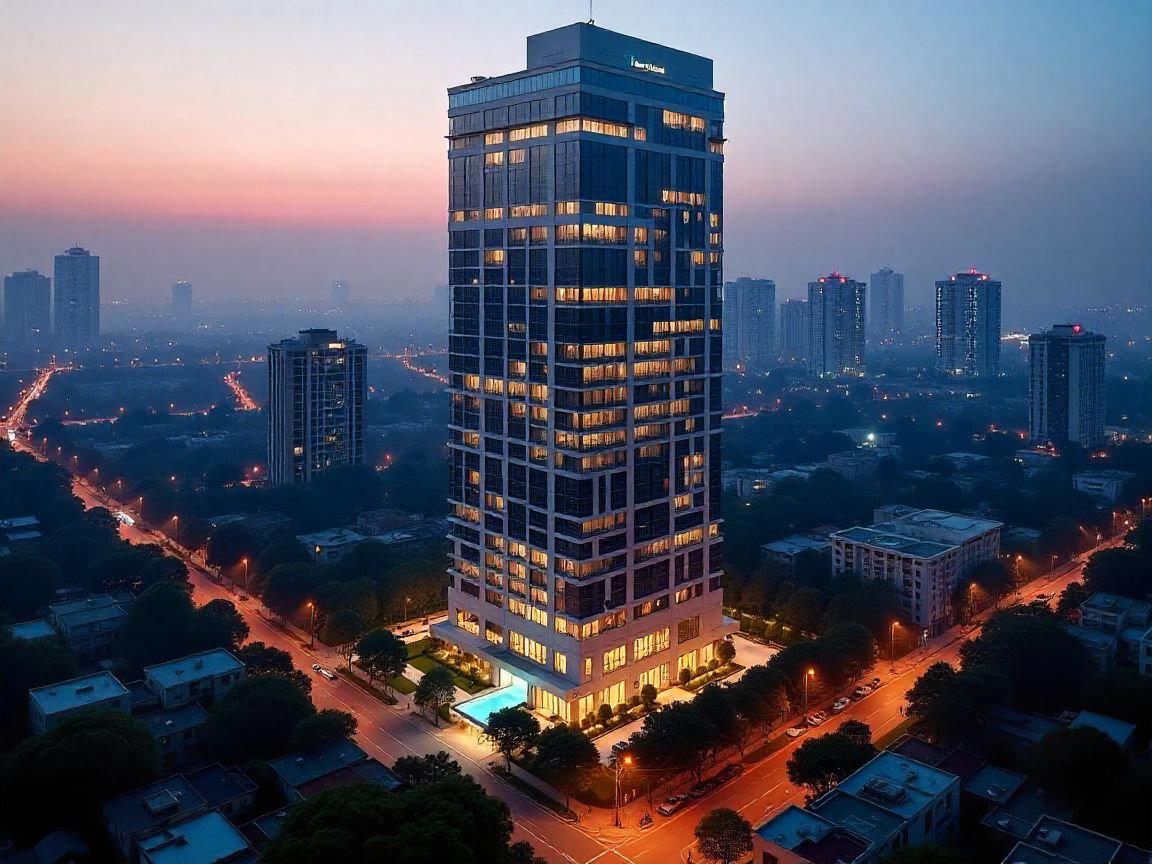
Arrival in a capital built around movement
Dhaka does not ease visitors in quietly. The city announces itself through traffic, security checks, office towers, construction dust, formal cars, and the compressed rhythm of a capital that carries government, finance, textiles, development agencies, and family ceremony in the same daily flow. In that setting, an international hotel is not judged only by décor or room count. It is judged by how convincingly it creates a controlled interior world, how quickly it separates guests from the street, and how clearly its public spaces work for meetings, waiting, dining, and transit between appointments. Hilton Dhaka belongs to that practical urban category: a hotel address whose meaning comes from Dhaka’s need for predictable hospitality infrastructure.
The design question in Dhaka is different from the one posed by palace hotels or beach resorts. A city hotel here has to absorb intensity rather than dramatize escape. The lobby matters as a threshold, the driveway matters as choreography, and circulation matters because arrivals are often layered: business travellers, local hosts, wedding guests, conference delegates, and visiting families may all be using the building for different reasons at the same hour. Where a leisure hotel can trade on views and silence, a Dhaka business hotel has to create order. That is the lens through which Hilton Dhaka should be read.
Dhaka's hotel architecture is shaped by function before fantasy
International hotel design in South Asian capitals often follows a pragmatic sequence. First comes access: cars, luggage, security, and the ability to receive guests without friction. Then comes volume: lobbies and event floors designed for people who are not necessarily staying overnight. Only after that does the property’s visual identity take over. This hierarchy is not a failure of imagination. It reflects the way hotels are used in cities where the private club, the banquet hall, the office extension, and the dining room often overlap inside the same building.
Hilton Dhaka sits inside that broader pattern. The record confirms Hilton Dhaka as a 5-star hotel with 250 rooms, so the serious editorial reading should stay with category and city context rather than unsupported specifics. The trust signal here is the Hilton name itself: a global hospitality group known for standardized service systems, loyalty infrastructure, and business-travel familiarity. In a city where some guests arrive after long-haul flights and others cross town through heavy traffic for a meeting, that kind of brand recognition carries practical value.
Dhaka’s hotel scene is also divided by neighbourhood logic. Gulshan and Banani draw embassies, corporate offices, residences, and a high concentration of dining rooms aimed at international and upper-income local audiences. Older central addresses carry state, diplomatic, and historic associations. Airport-adjacent properties solve a different problem, reducing exposure to cross-city transfers. Without verified address data for Hilton Dhaka in the provided record, it would be careless to assign it to one of these micro-markets. What can be said is that any premium hotel in Dhaka competes less on postcard romance than on the ability to make the city legible for guests with limited time.
The competitive set: brand comfort, local fluency, and event capacity
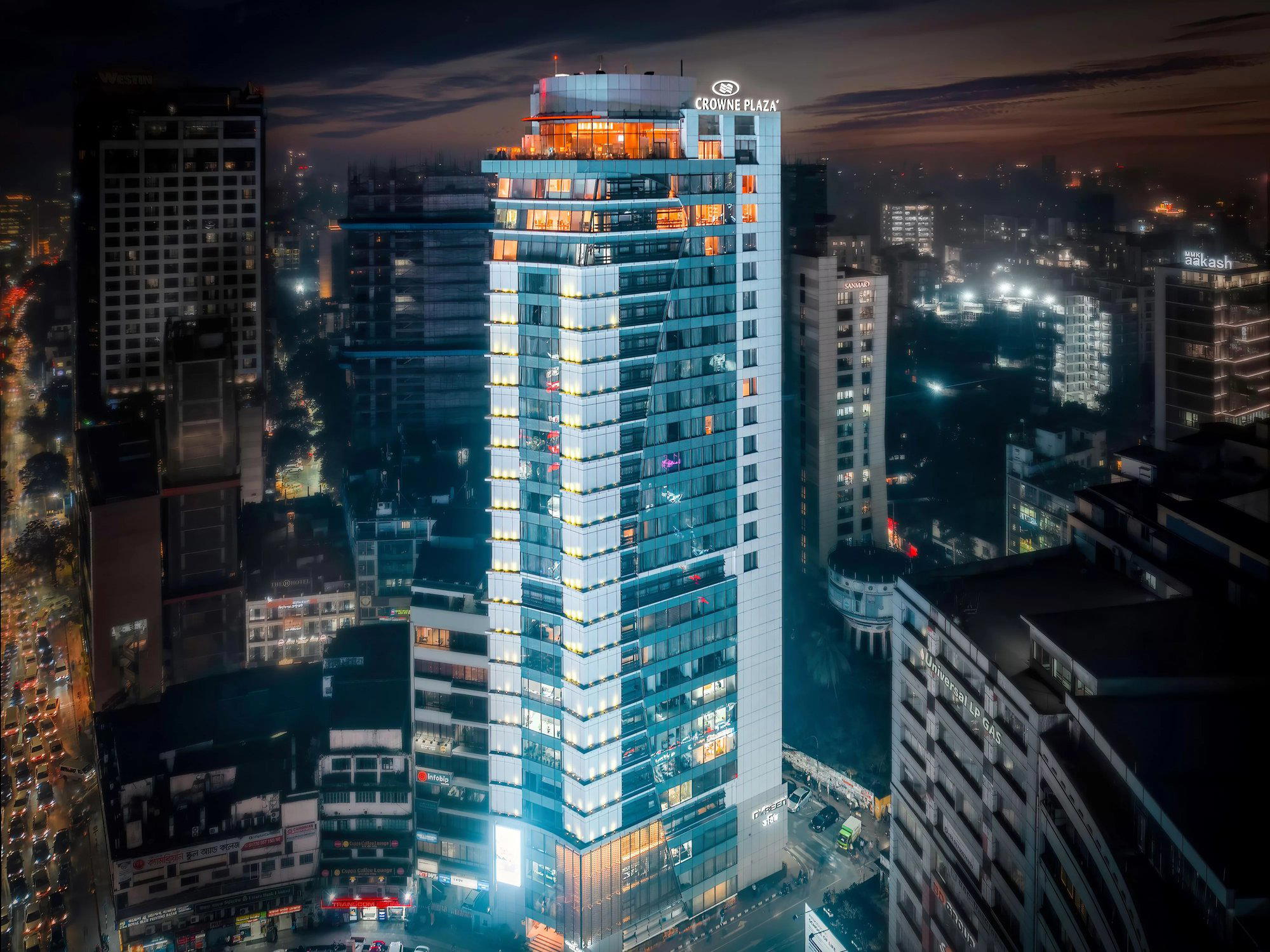
Dhaka’s upper-tier hotel market is not a single lane. It includes international chains, locally rooted business hotels, and long-established diplomatic addresses. The comparison matters because a traveller choosing among them is making a decision about how the trip will function. Crowne Plaza Dhaka Gulshan, an IHG Hotel speaks to the global-chain business segment in one of the city’s key commercial districts. Golden Tulip The Grandmark Dhaka sits in the same conversation around practical urban accommodation and international-name familiarity. InterContinental Dhaka carries a different kind of capital-city weight, with the InterContinental flag historically associated with diplomatic and state-adjacent travel in many postcolonial capitals. THE WAY DHAKA points toward a smaller city-hotel model, where scale and local positioning may appeal to travellers who prefer a tighter footprint.
Against that field, Hilton Dhaka is easiest to understand as part of the international-brand bracket rather than as a boutique design play. That distinction affects expectations. The value proposition is not artisanal eccentricity or a residential fantasy. It is consistency, recognizable operating standards, and a built environment that should make meetings, arrivals, and stays easier to manage. For some travellers, especially those on corporate itineraries, that is the point. In Dhaka, predictability is not bland; it is a form of luxury when the city outside runs on congestion and negotiation.
The city’s hospitality map is connected: a hotel decision often determines which dinners are realistic, which meetings can be reached without excessive transfer time, and how late evenings can be planned.
Design language: the city hotel as controlled interior
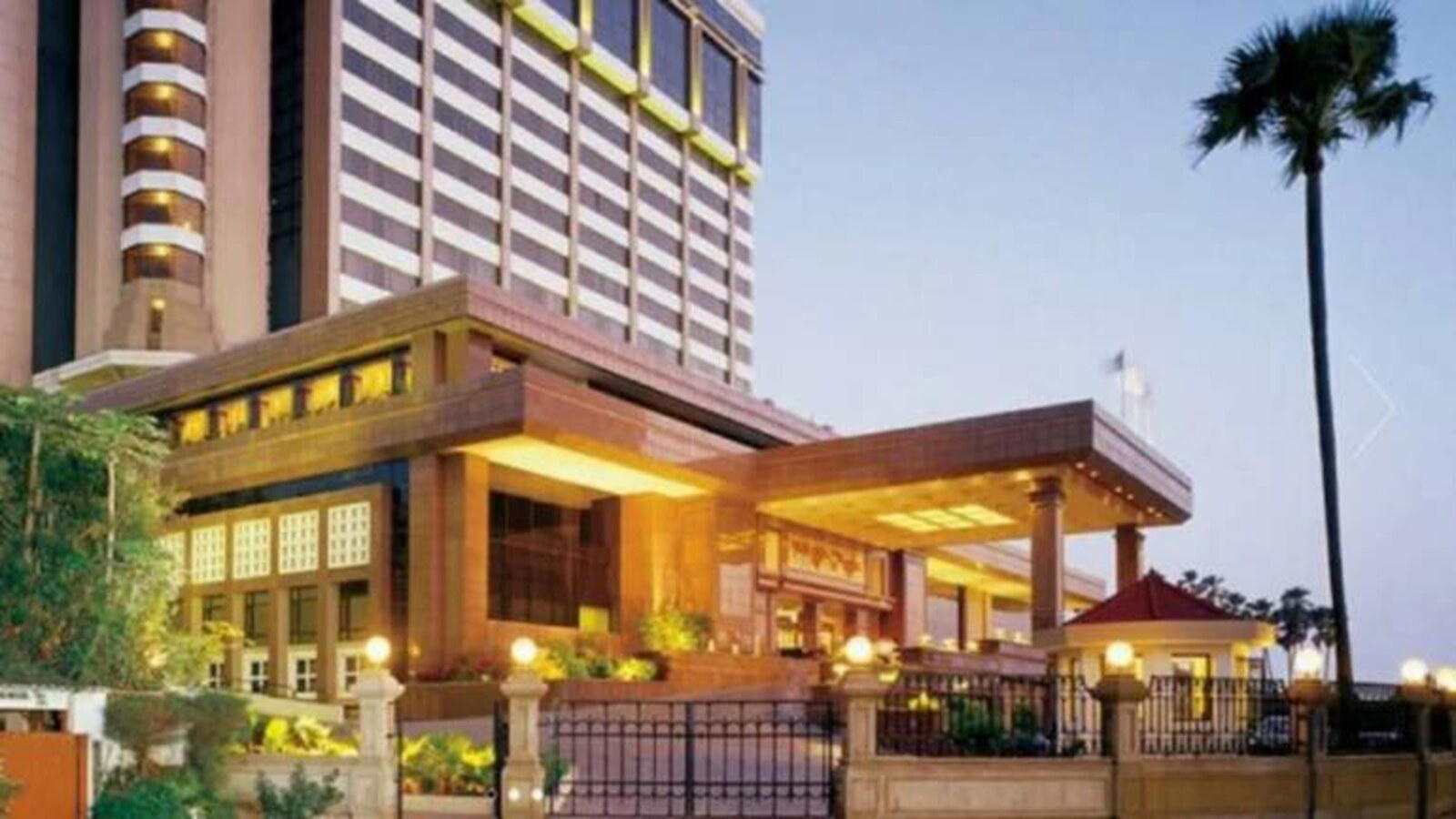
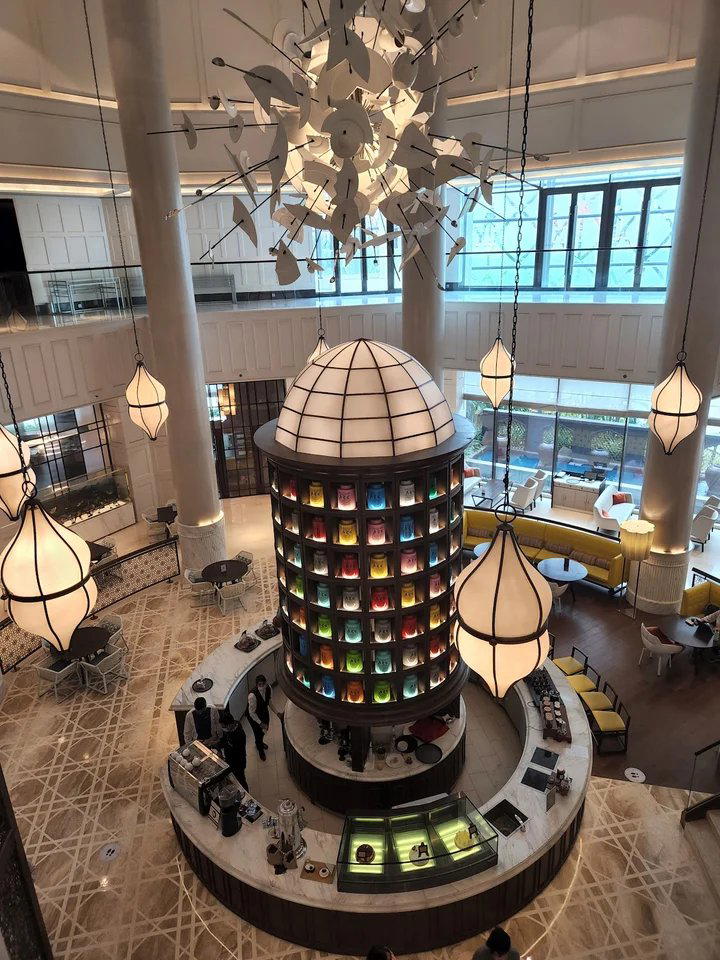
The assigned design angle matters because Dhaka’s urban hotels are architectural instruments before they are lifestyle statements. A successful capital hotel choreographs boundaries: public and private, guest and visitor, event and overnight stay, street and interior. In practice, that means wide arrival zones, clear vertical circulation, meeting floors that can operate independently from rooms, and restaurants that serve both residents and local guests. The building becomes a piece of civic infrastructure, not merely a place to sleep.
The hotel should therefore be assessed less by the vocabulary of spectacle than by the discipline of its plan. Does the hotel help guests conduct business without wasting energy? Does it offer enough spatial clarity for a first-time visitor to understand where to wait, where to meet, and where to retreat? Does the public realm feel secure without becoming airless? These are the questions that separate serious city hotels from properties that photograph well but work poorly. With no verified architectural credits or interior descriptions in the record, the responsible editorial stance is to focus on those functional standards rather than claim materials, views, or atmospheres not supplied.
This is also where Dhaka differs from hotel cities built around heritage restoration. In Paris, a property such as Le Bristol Paris trades partly on residential grandeur and long cultural memory. In Venice, Aman Venice and Cipriani, A Belmond Hotel, Venice in Venice are read through palazzo, lagoon, and arrival-by-water mythology. Dhaka’s premium hotels are shaped by a harder urban brief. They must make an intense city usable.
How Hilton Dhaka fits a global hotel conversation
It is tempting to compare every major hotel to the global trophy circuit, but that can flatten the point. Hôtel de Paris Monte-Carlo in Monte Carlo, Badrutt's Palace Hotel in St. Moritz, and Hotel Du Cap-Eden-Roc in Cap d'Antibes belong to resort and grand-hotel traditions built on leisure, society seasons, and historic spectacle. Dhaka’s hotel logic is closer to the operating efficiency of a capital-city business address. The comparison is useful only when it clarifies difference: some hotels are destinations in themselves; others are precision tools for a demanding city.
Contemporary design-led urban hotels have also pushed expectations higher. The Fifth Avenue Hotel in New York City, Aman New York in New York City, Bvlgari Hotel Tokyo in Tokyo, and Cheval Blanc Paris in Paris frame luxury through architecture, branded lifestyle, and highly controlled public spaces. They show how much the urban hotel has become a design statement. The hotel occupies a different but still serious lane: the global business-hotel model in a city where operational clarity has immediate value.
There is another comparison worth making. Hotels such as Mandarin Oriental Bangkok in Bangkok and Mandarin Oriental Ritz, Madrid in Madrid blend city identity with established hospitality ritual. Hotel Sacher Wien in Vienna operates through cultural association and historic continuity. Dhaka has fewer globally mythologized hotel narratives, which makes practical performance more important. The city does not give a hotel an inherited glamour script; the property has to earn relevance through usefulness.
Dining, meetings, and the public role of the hotel
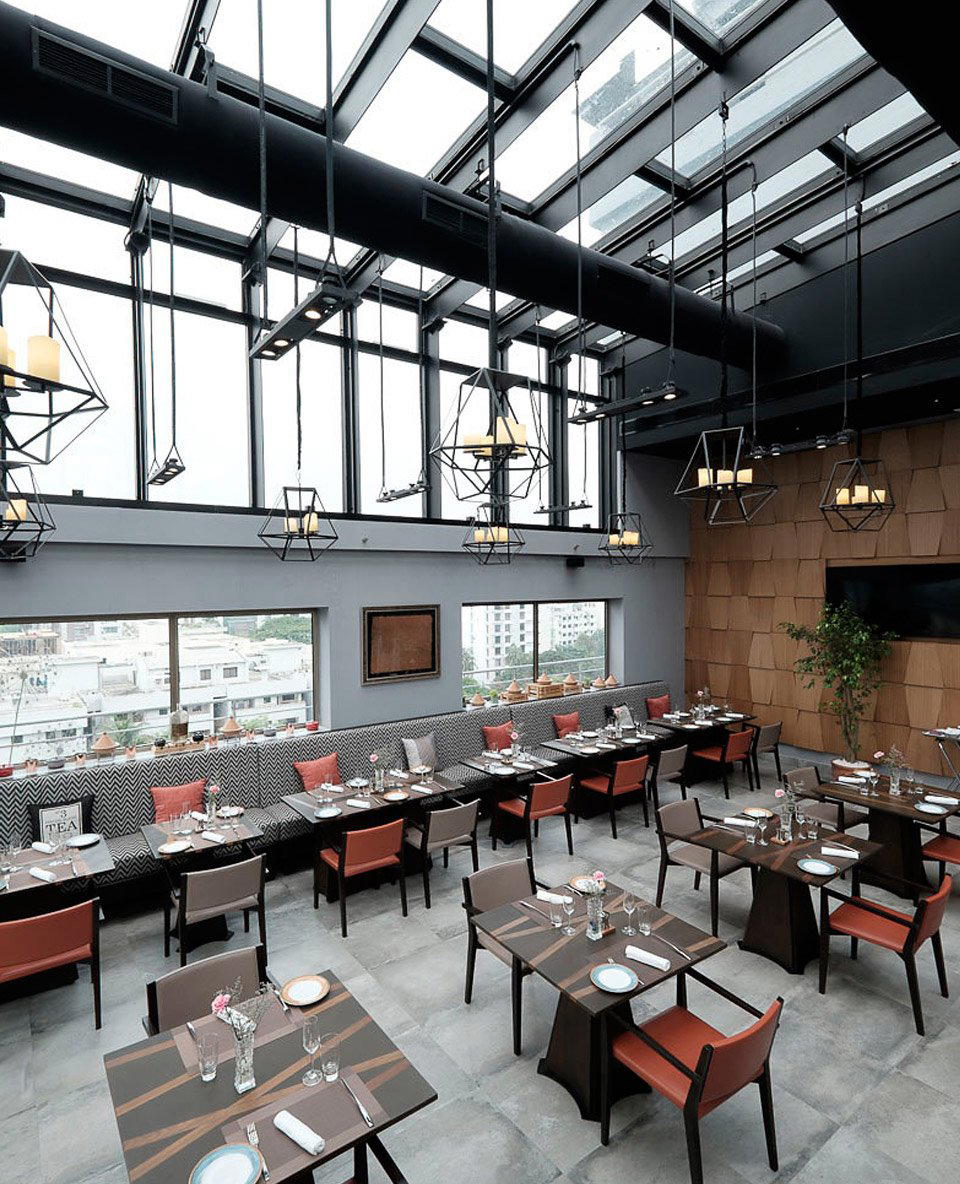
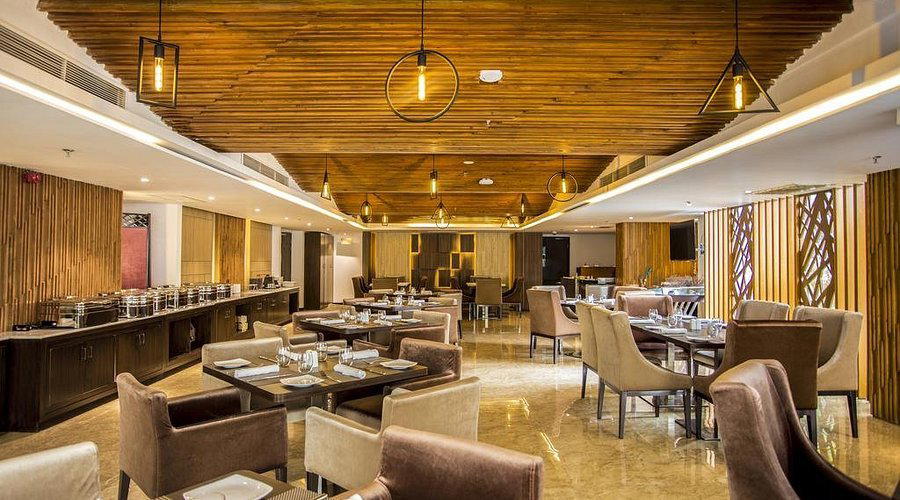
The record does not list cuisine type, restaurant names, chef, signature dishes, price range, or opening hours for the hotel. That absence should not be patched with invented menus. What can be discussed is the role hotel dining plays in Dhaka. In the city’s premium segment, hotel restaurants often serve as neutral ground: business lunches, family meals, visiting delegations, and hotel guests who need dependable service without making a separate urban expedition. The restaurant is part of the building’s social machinery.
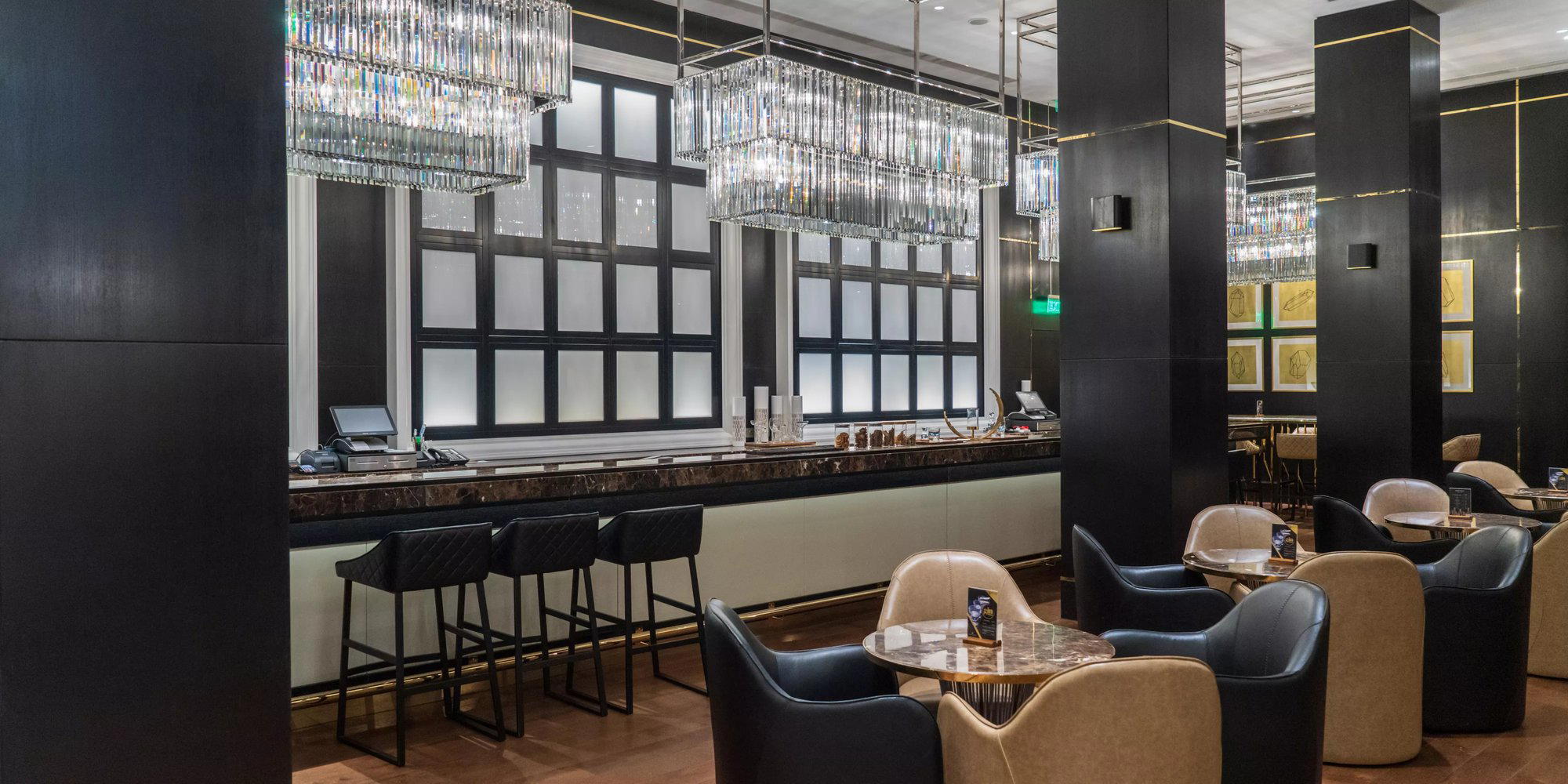
This matters because the international hotel in Dhaka often functions as a semi-public interior. Banquet rooms, cafés, lounges, and meeting spaces can be as central to the property’s identity as the guestrooms. For a traveller, that means the hotel may solve several needs at once: a meeting venue, a dining fallback, a secure waiting place, and a base for moving across the city. The practical value is especially clear during monsoon months, major traffic disruptions, or tightly scheduled business days, when adding another transfer across Dhaka can cost more time than the meal itself.
The stronger editorial claim, then, is that hotel belongs within a city-hotel ecosystem where dining and meetings are intertwined. The responsible claim is that its category positions it within a city-hotel ecosystem where dining and meetings are intertwined. In Dhaka, a hotel’s public floors are not decorative extras. They are where the building proves whether it understands the city.
Planning a stay without over-reading the record
That is not a minor detail in Dhaka. Transfer times can swing sharply by time of day, and travellers should confirm the exact location against meeting addresses before committing to a stay. In a capital where traffic can reshape an itinerary, neighbourhood fit often matters as much as brand preference.
For business travellers, the sensible sequence is to map meetings first, then choose the hotel. For leisure travellers, the same logic applies to dinners, cultural appointments, and airport transfers. If an itinerary is built around Gulshan, Banani, or diplomatic appointments, a hotel in the wrong part of town can turn simple plans into long cross-city movements. If the trip is brief, proximity beats decorative ambition. If the trip involves hosting local guests, public-area layout and dining capacity deserve more attention than room imagery.
Dhaka hotel pricing can shift with business demand, event calendars, international arrivals, and local holidays. The cleaner editorial advice is to compare total trip friction rather than nightly rate alone. A cheaper room that adds hours of transfers may not be the better decision. A familiar international brand can justify itself when it reduces uncertainty, particularly for first-time visitors, senior executives, or travellers managing meetings across a compressed schedule.ed schedule.
Who should consider it
The hotel makes the strongest editorial sense for travellers who value recognizable brand systems in a city where logistics carry weight. That includes corporate guests, visiting consultants, development and NGO travellers, families needing a formal hotel base, and international visitors who prefer a familiar operating model on arrival. The draw is the promise of an international business-hotel framework applied to Dhaka’s demanding urban rhythm.
Travellers seeking resort atmosphere, heritage narrative, or highly individualized boutique design may find the broader global hotel field more aligned with that mood. Castello di Reschio in Lisciano Niccone and Hotel Esencia in Tulum represent a different hotel idea, one built around retreat, landscape in the literal sense, and a slower stay pattern. The Beverly Hills Hotel in Los Angeles belongs to a social-history model tied to place and image. Dhaka asks a different question: can a hotel make an energetic, difficult, commercially important city easier to use?
For the hotel, that is the useful standard. Not myth, not borrowed glamour, not unsupported claims about interiors or menus. The hotel belongs in a capital-city conversation where design is measured by thresholds, circulation, security, meeting function, and the ability to give travellers a stable base. In Dhaka, that is not a secondary matter. It is the core of the stay.
Comparable Venues Nearby
Comparable venues nearby, for context on price, style, and recognition.
| Venue | Cuisine | Price | Notes |
|---|---|---|---|
| Hilton DhakaThis venue — the venue you are viewing | full-service urban high-rise hotel | $$$$ | Not listed |
| Crowne Plaza Dhaka Gulshan, an IHG Hotel | Polished business-luxury hotel in a sleek glass tower. | $$$$ | Gulshan |
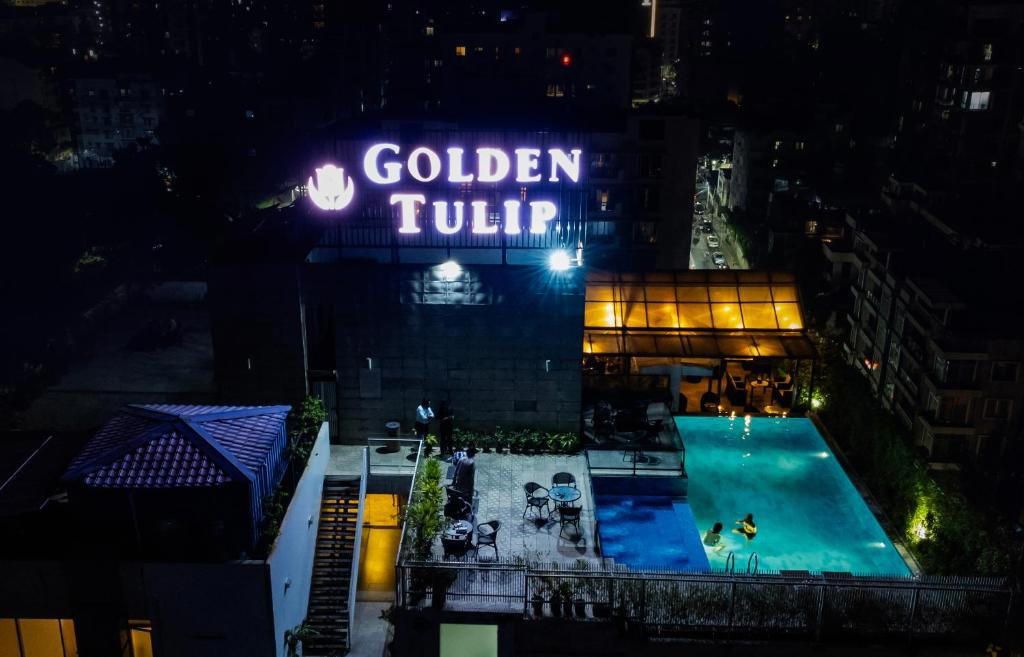
| Golden Tulip The Grandmark Dhaka | Modern 4-star urban hotel blending contemporary design with traditional Bangladeshi elements | $$$ | Gulshan |
| InterContinental Dhaka | Modern luxury with local cultural touches | $$$$ | downtown business district |
| THE WAY DHAKA | upscale boutique hotel | $$$ | Gulshan |
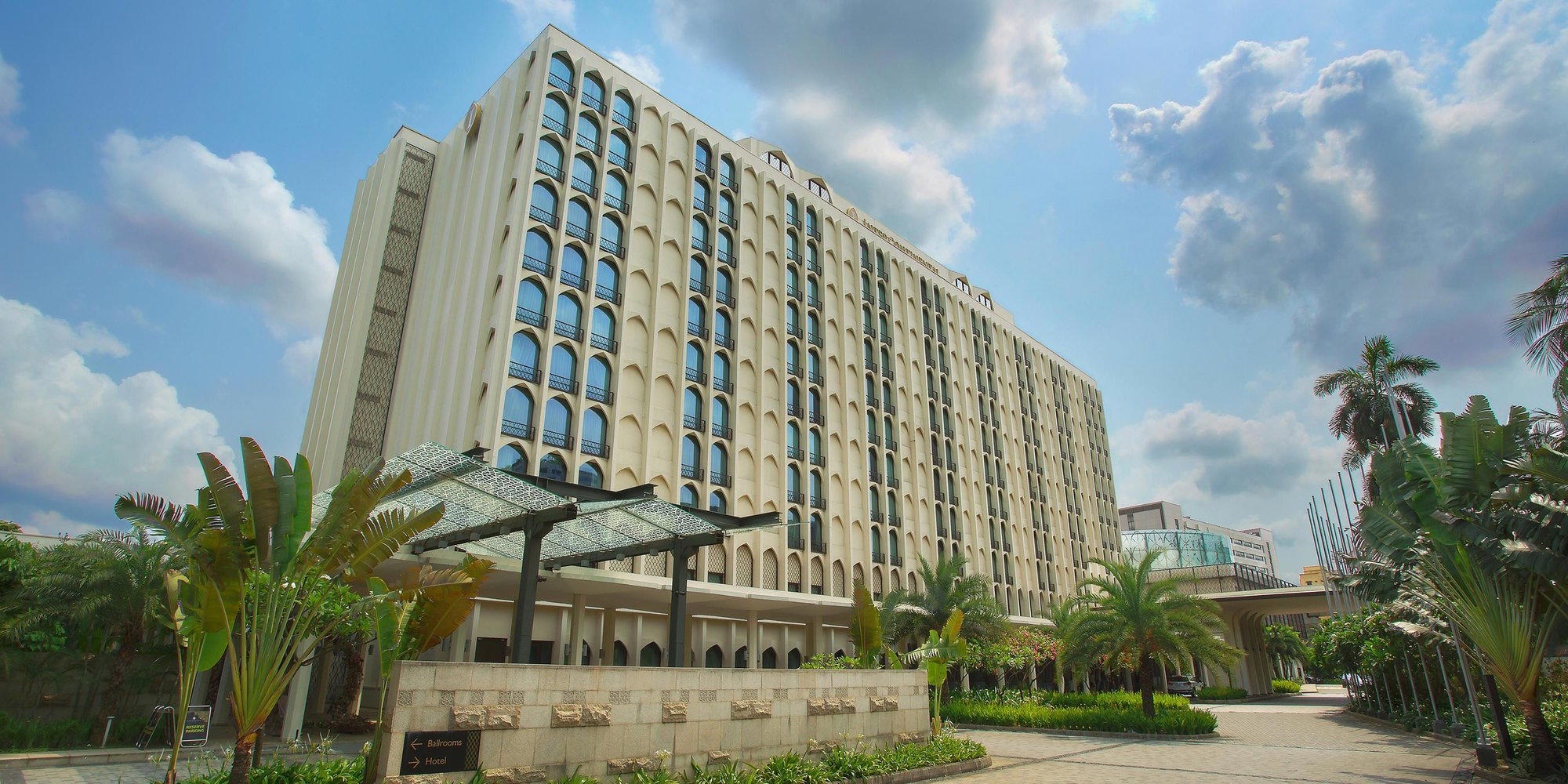


At a Glance
- Modern
- Sophisticated
- Elegant
- Business Trip
- Group Retreat
- Panoramic View
- Design Destination
- Parking
- Skyline
- Parking
Modern, business-oriented, and upscale, with a polished urban atmosphere suited to a major city hotel.