Gorilla Forest Lodge, an A&K Sanctuary


Travel + Leisure It List Hotels · AFAR Best New Hotels
The only lodge within Bwindi Impenetrable National Park, a UNESCO World Heritage Site, Gorilla Forest Lodge operates as an Abercrombie & Kent Sanctuary with ten rooms built around materials drawn from the surrounding culture. Woven banana-leaf walls and bark cloth details signal a design approach rooted in Buganda tradition, while a conservation model that channels direct income to local communities ties the physical space to the forest it inhabits.

Pearl is the En Primeur Club membership app, where members save venues, book tables and use the concierge.
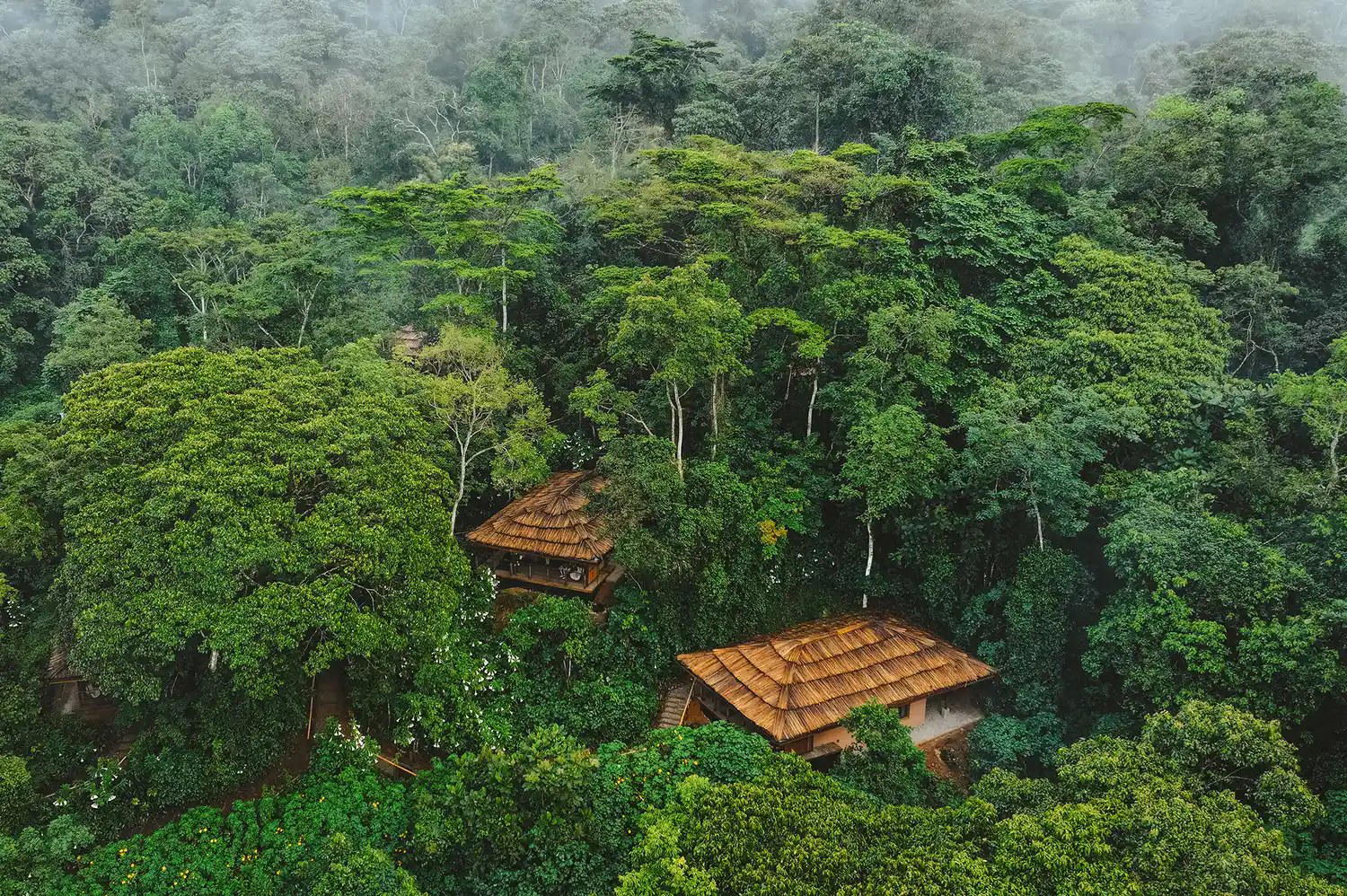
A Forest That Demands a Particular Kind of Attention
There is a specific quality of silence in Bwindi Impenetrable National Park that arrives before anything else. It is not the absence of sound but the presence of something older: the layered acoustics of a montane rainforest that has remained largely intact for more than 25,000 years. Arriving at Gorilla Forest Lodge, an A&K; Sanctuary, the first thing a guest registers is not the building but the canopy above it, and the understanding that roughly half the world's remaining mountain gorilla population moves through this same terrain. That context shapes everything about how the lodge was conceived and how it functions.
The property occupies a position no other lodge in the region can claim: it is the only accommodation sited within the boundaries of Bwindi Impenetrable National Park itself, placing guests inside the UNESCO World Heritage Site rather than at its edge. For travellers comparing options in this corridor, including properties like Nkuringo Gorilla Lodge in Kisoro and Gorilla Safari Lodge in Rushaga, that geographic fact is not a minor distinction. It determines how close the forest feels at dawn, how long the transfer to trekking trailheads takes, and how fully the surrounding ecology registers as immediate rather than visited.
Design Drawn from Local Material Culture
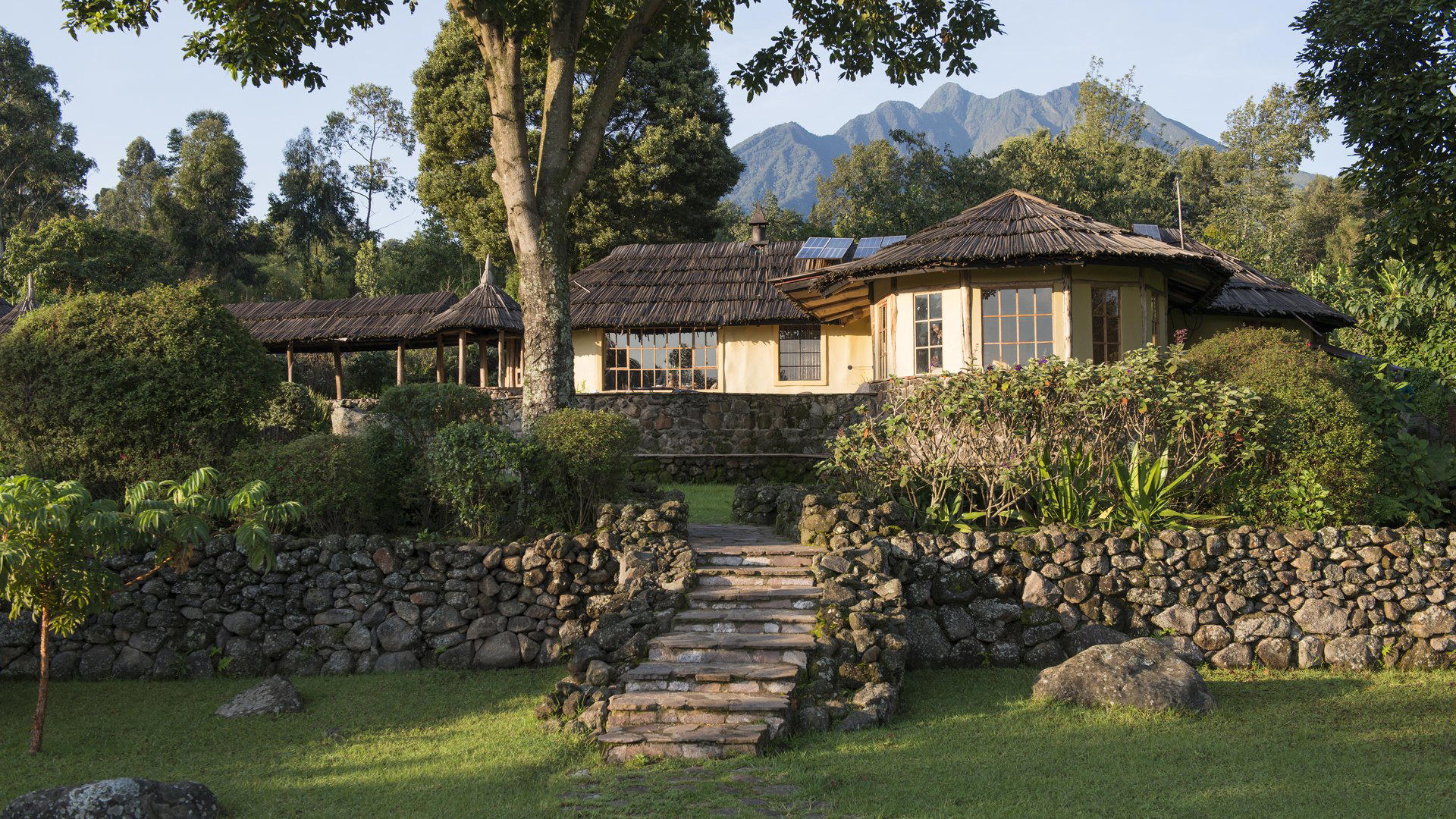
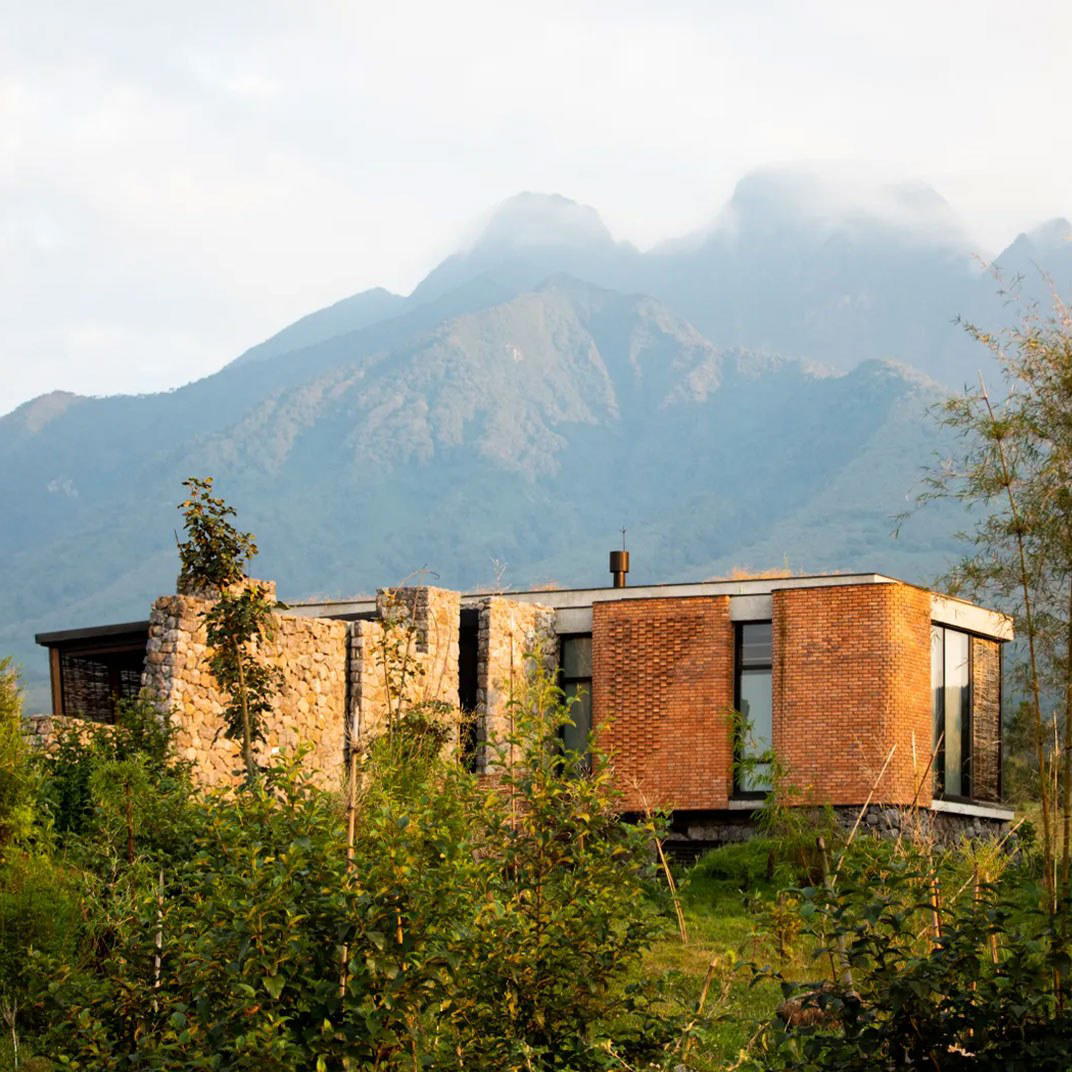
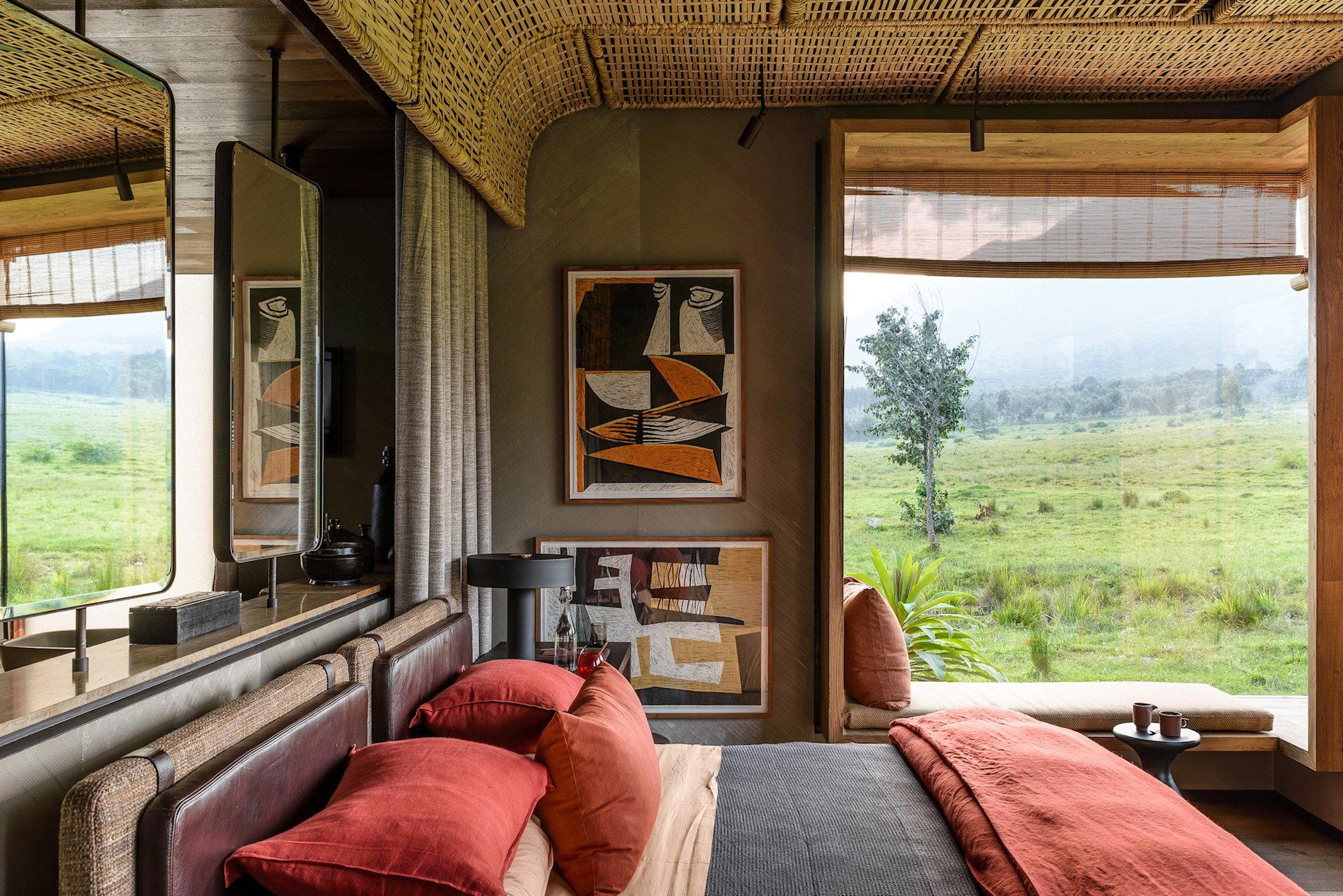
The ten guest rooms at Gorilla Forest Lodge are identical in configuration, a deliberate restraint that keeps the design program coherent without hierarchy among accommodations. The material choices read as a considered engagement with the region's craft traditions rather than a decorative overlay. Walls in parts of the lodge are constructed with woven banana leaves, a technique that connects directly to local building practice. Bark cloth, a material historically associated with the Buganda Kingdom and reserved under traditional protocol for royalty, appears on cushions throughout the property.
These are not decorative gestures applied after the fact. In the broader premium lodge category, properties across East Africa have increasingly adopted local craft as a signifier of authenticity, but the execution varies considerably. What distinguishes the approach here is specificity: the materials carry documented cultural weight within Uganda's own hierarchies and histories, and their presence in a lodge context is a deliberate citation of that weight. Guests who arrive with some knowledge of Buganda cultural traditions will register the bark cloth detail differently than those who do not, but the choice communicates something regardless.
Within the wider spectrum of design-led lodges that Abercrombie & Kent operates globally, and alongside peers in other markets, from Castello di Reschio in Lisciano Niccone to Hotel Esencia in Tulum, this property operates at the opposite end of the materials spectrum: no marble atria, no international luxury vocabulary. The architecture works through restraint and site-responsiveness rather than grandeur.
Conservation Architecture: The Lodge as Community Infrastructure
One of the more analytically interesting aspects of Gorilla Forest Lodge's model is how explicitly the property functions as conservation infrastructure. The lodge has built a direct-benefit framework into its operations: approximately half of boutique goods sold on-site are sourced from local village producers, safe drinking water is provided to surrounding families, and trekking porters earn structured income from guest activities. Evening programming at the lodge covers conservation challenges, local ecosystems, and cultural context in presentations designed to deepen guest understanding rather than provide ambient entertainment.
The underlying logic is stated openly by the property and reflects a view that has become increasingly central to serious conservation thinking in Africa: if surrounding communities do not receive material benefit from the presence of protected wildlife, the political and economic incentives that sustain conservation erode. Mountain gorilla populations have recovered significantly over the past three decades, from fewer than 300 individuals in the mid-1980s to over 1,000 today, and community-benefit models at properties like this one are considered a contributing factor by conservation organisations working in the region.
For travellers who have stayed at lodges that articulate conservation commitments in general terms, the specificity of the framework here is notable. This is a different tier of engagement from properties that plant trees or support unnamed local funds, and it sits within a broader shift in how premium safari operators structure their relationship to the landscapes they operate in. Across Uganda, the question of how tourism revenue moves through local economies is particularly visible, and properties operating in the Bwindi corridor are watched carefully by both conservation bodies and the communities themselves.
The Experience Programme
The central activity at Bwindi is, obviously, mountain gorilla trekking, and the lodge's position within the park boundary directly affects that experience. Gorilla permits in Uganda are controlled by the Uganda Wildlife Authority and must be arranged in advance; the number issued per gorilla family group per day is capped at eight visitors, making forward planning essential. The trekking season runs year-round, though the drier months of June to September and December to February are generally considered more manageable on the trails, which range from short walks to full-day treks depending on where the habituated families are ranging.
Beyond trekking, the evening programming referenced above functions as a structured intellectual component of the stay. Presentations on ecosystem dynamics, gorilla behaviour, and the conservation challenges specific to Bwindi provide context that most guests cannot assemble independently, and this kind of educational scaffolding is what separates a considered wildlife experience from a simple wildlife encounter. Other lodges in Uganda's broader national park circuit, including Kibale Lodge in Kasenda and Kulu Ora in Murchison Falls, offer their own interpretive programming, but the gorilla-specific depth available at Bwindi reflects the particular density of research and conservation activity concentrated in this one park.
Planning a Stay
Gorilla Forest Lodge operates under the Abercrombie & Kent Sanctuary brand, which typically packages accommodation alongside guiding and permit logistics as an integrated programme rather than a room-only booking. Travellers approaching this property independently should expect to coordinate gorilla trekking permits separately through the Uganda Wildlife Authority or through an in-country specialist. The lodge is accessed via Entebbe or Kampala, with the latter served by properties including Athena Hotel-Kampala for those staging a night before or after the Bwindi leg. The overland journey from Kampala to Bwindi takes approximately eight to nine hours; charter flights to Kihihi or Kisoro airstrips are the standard alternative and reduce transit to under two hours from Entebbe.
The ten-room capacity keeps the lodge within a small-group format where staff-to-guest ratios stay high and the communal areas do not feel crowded. For travellers calibrating this against other small-footprint premium properties, the comparison set is not the international city hotels, whether Le Bristol Paris, Aman Venice, or Bvlgari Hotel Tokyo, but rather the specialist small-lodge format where intimacy and access to a specific natural environment are the primary offering. On those terms, the combination of park-interior siting, cultural material integrity, and structured community benefit places this property in a narrow peer group. See our full Bwindi Impenetrable Forest guide for broader context on the region's accommodation options.
Comparison Snapshot
Comparable venues nearby, for context on price, style, and recognition.
| Venue | Cuisine | Price | Awards | Notes |
|---|---|---|---|---|
| Gorilla Forest Lodge, an A&K SanctuaryThis venue (the venue you are viewing) | luxury eco-lodge perched high in the treetops | $750–1,000 | Travel + Leisure It List Hotels · AFAR Best New Hotels | Not listed |
| Gorilla Safari Lodge | Contemporary luxury safari lodge with local materials and suite-style chalets | Not listed | Not listed | Rushaga |
| Kibale Lodge | Conservation-minded eco-lodge blending luxury with Ugandan home-like comfort. | Not listed | National Geographic Hotel Awards Winner · AFAR Best New Hotels | Kasenda |
| Kulu Ora | Luxury tented safari lodge in remote wilderness | Not listed | Not listed | Murchison Falls National Park |
| Mount Gahinga Lodge | Traditional Bufimbira-inspired eco-lodge with hand-built stone and papyrus bandas | Not listed | Conde Nast Gold List | Mgahinga Gorilla National Park |
| Athena Hotel-Kampala | Contemporary boutique hotel with refined elegance and Ugandan cultural touches, positioned as an upscale urban retreat. | $100–200 | World Luxury Hotel Awards WLHA Regional Winner | Kampala Central |
Recognition history
Dated appearances from independent guides and award organizations, with the underlying list record or original source where available.
AFAR Best New Hotels
AFAR · AFAR 40 Best New Hotels 2026
Travel + Leisure It List Hotels
Travel + Leisure
Continue exploring
More in Bwindi Impenetrable Forest
Details
- Scenic
- Elegant
- Intimate
- Rustic
- Sophisticated
- Romantic Getaway
- Honeymoon
- Wellness Retreat
- Panoramic View
- Private Villa
- Spa
- Breakfast Included
- Garden
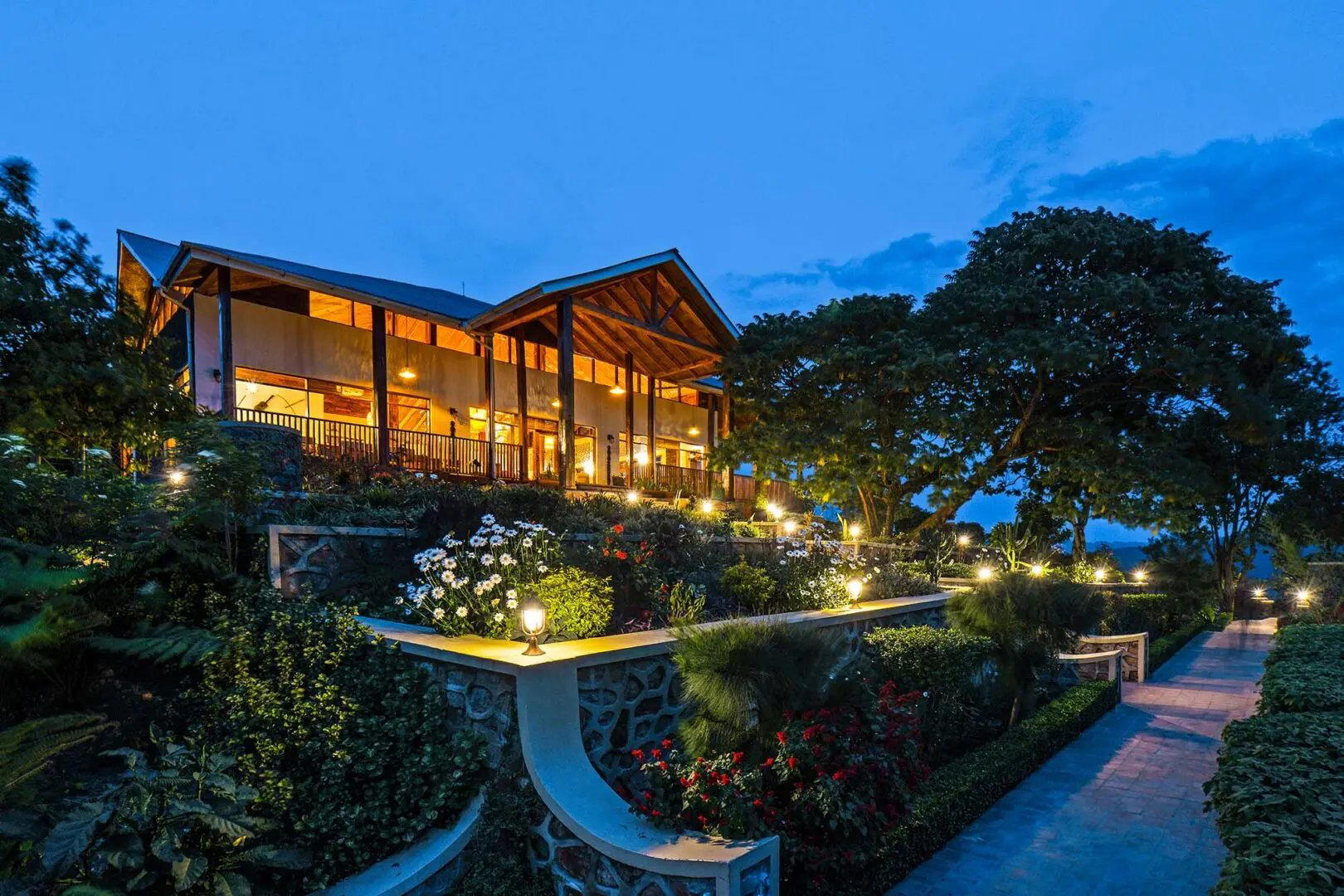
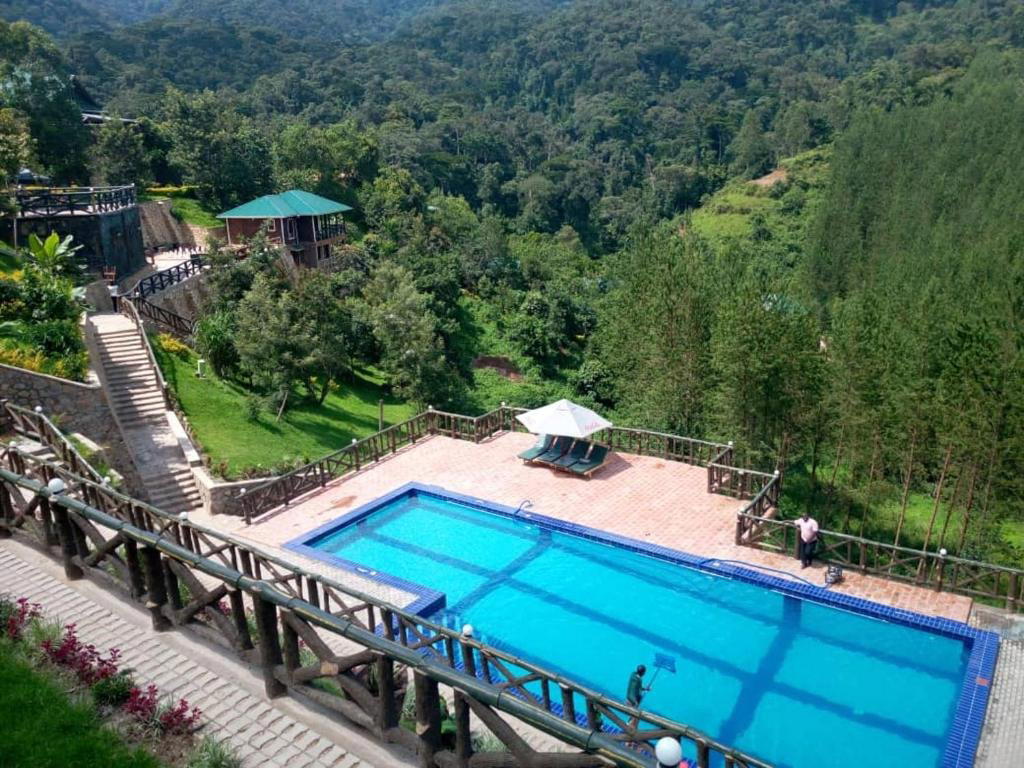
Warm, organic atmosphere with contemporary design using natural materials like papyrus thatch and barkcloth, floor-to-ceiling windows, and a habitat-inspired palette of greens and earth tones.