Fitger's Complex Duluth
Fitger's Complex at 600 E Superior Street occupies a converted 1881 brewery on the Lake Superior shoreline, making it one of Duluth's most architecturally layered addresses. The red-brick industrial complex now houses a hotel, restaurants, bars, and retail under one roof, operating as a mixed-use destination on the city's downtown waterfront.
Pearl is the En Primeur Club membership app — saves, bookings, and concierge access live there. Same editors, same standards.
- Address
- 600 E Superior St, Duluth, MN 55802
- Phone
- +1 218 722 8826
- Website
- fitgers.com
- Directions
- Get directions
 Saves & bookings on Pearl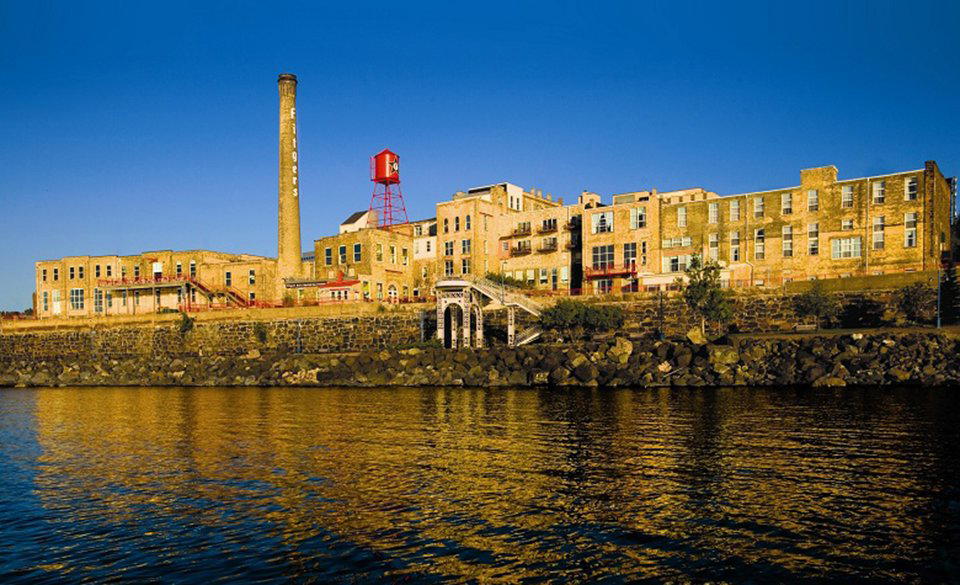
A Brewery That Became a City Block
Industrial adaptive reuse has reshaped American hospitality over the past two decades, converting grain elevators, textile mills, and foundries into hotels and mixed-use complexes. Duluth's version of that story is Fitger's Complex, a red-brick brewery at 600 E Superior Street that dates to 1881 and has been operating in its current form as a multi-use destination long enough that younger visitors may never think of it as anything else. The building faces Lake Superior from a position on the lakeshore that few properties in the Upper Midwest can match, which gives it a geographic advantage that no interior renovation could manufacture.
The Architecture: What the Brick Tells You
The physical substance of Fitger's Complex is its most immediate argument. Nineteenth-century Midwestern brewery construction followed specific conventions: load-bearing masonry, exposed timber framing, large-paned windows positioned for ventilation, and floor plans organised around the logic of brewing rather than human comfort. Converting that kind of structure into hotel rooms and restaurant spaces requires accepting constraints that new-build hospitality never faces. Ceilings land where they land. Corridors follow the original wall lines. The result is an architectural texture that purpose-built hotels rarely achieve, because the building's industrial past is present in every retained beam and arched window opening.
That approach to preservation places Fitger's in a recognisable American typology: the converted industrial property that treats its original structure as a design asset rather than an obstacle. Properties that follow this model, whether a mill in New England or a railway station in the Pacific Northwest, tend to attract guests who read layered material history as a form of authenticity. The alternative, stripping a historic shell and filling it with contemporary interiors, produces a different kind of property entirely. Fitger's has not gone that route. The exteriors, and much of the interior public space, retain the character of the original brewery complex.
For a sense of how this strategy plays out at the upper end of American adaptive-reuse hospitality, the Chicago Athletic Association in Chicago offers a useful comparison point: a historic athletic club converted into a hotel, where the original fabric is the central design statement. Fitger's operates on a smaller scale and in a less internationally trafficked city, but the underlying logic is similar.
Position on the Lake Superior Shoreline
Duluth's relationship with Lake Superior defines its identity as a city, and Fitger's sits directly on that shoreline. The lake behaves more like an inland sea than a freshwater body: weather arrives quickly, water temperatures stay cold through summer, and the horizon is genuinely open in a way that most lakefront properties cannot claim. For guests oriented by water, the complex's position is significant. The hotel rooms that face the lake capture light and scale that no downtown-facing room can replicate.
The shoreline location also places Fitger's adjacent to the Lakewalk, Duluth's paved trail system that runs along the Superior waterfront. That connection matters for guests who want to move between the complex and the broader Canal Park district on foot. Canal Park, immediately to the west, concentrates much of Duluth's visitor infrastructure, including the Aerial Lift Bridge, which draws consistent attention as one of the region's more recognisable pieces of functional engineering.
Mixed-Use Format and What It Means in Practice
Fitger's operates as a complex rather than a single-use hotel, which changes the nature of a stay. Restaurants, bars, retail, and the hotel occupy the same building, connected by interior passages through the original brewery floor plan. This format has a long precedent in American hospitality, particularly in cities where a single redevelopment project anchors a larger neighbourhood revitalisation. The mixed-use model means guests can move between venues without going outside, a practical advantage during Duluth winters, when temperatures regularly drop well below freezing and the lake wind makes Superior Street genuinely inhospitable.
The concentration of different food and drink options within one building also means that the question of where to eat is partially resolved before guests arrive. That framing suits some travellers and constrains others. For guests who prefer to range across a city's restaurant scene each evening, a complex format is less relevant. For those arriving in Duluth primarily to experience the lake, the surrounding landscape, and a historic building, having multiple options in one address simplifies logistics considerably.
Guests for whom a single integrated property in a dramatic natural setting is the appeal might also consider properties like Sage Lodge in Pray, which operates on a similar principle in the Yellowstone River corridor, or Post Ranch Inn in Big Sur, where siting within a landscape is the central premise. The scale and price point differ substantially, but the underlying guest logic of place-as-destination connects them. At the other end of the spectrum, properties like Amangiri in Canyon Point or Aman New York in New York City represent the international luxury tier for travellers whose itineraries extend beyond the Upper Midwest. Other notable North American options worth cross-referencing include Troutbeck in Amenia, Blackberry Farm in Walland, Auberge du Soleil in Napa, and SingleThread Farm Inn in Healdsburg for those building a broader American hospitality itinerary. For destinations with a similar emphasis on natural setting combined with considered accommodation, Alpine Falls Ranch in Superior, practically neighbouring Duluth across the state line, is worth considering alongside Fitger's.
Planning a Visit
Duluth's tourism peak runs from late June through August, when Lake Superior's weather is most predictable and the city's festival calendar is active. Fitger's Complex at 600 E Superior Street is accessible by car from Minneapolis in approximately two and a half hours via Interstate 35, and from the Twin Cities airport in a similar window. The complex's position on Superior Street places it within walking distance of Canal Park's main attractions. Winter visits require preparation for genuine cold, but the building's connected layout makes it more practical in that season than a dispersed set of venues would be.
A Quick Peer Check
Comparable venues nearby, for context on price, style, and recognition.
| Venue | Cuisine | Price | Awards | Notes |
|---|---|---|---|---|
| Fitger's Complex DuluthThis venue — the venue you are viewing | Historic industrial brewery converted to luxury hotel with integrated retail and dining complex. | $$$ | 4-Star | Not listed |
| The Grand Hotel Minneapolis | Historic boutique with masculine luxury and Midwestern hospitality | $$$ | 4-Star | Downtown West |
| Nicollet Island Inn | historic boutique inn | $$$ | 3-Star | Nicollet Island - East Bank |
| W Minneapolis - The Foshay | Historic Art Deco tower with modern luxury renovations | $$$$ | 5-Star | WeDo |
| The Marquette Hotel, Curio Collection by Hilton | Refined historic property with modern redesign showcasing local heritage. | $$$ | 4-Star | WeDo |
| Emery Hotel | Lifestyle luxury hotel in historic bank building | $$$$ | 4-Star | Downtown West |
Continue exploring
More in Duluth
Bars in Duluth
Browse all →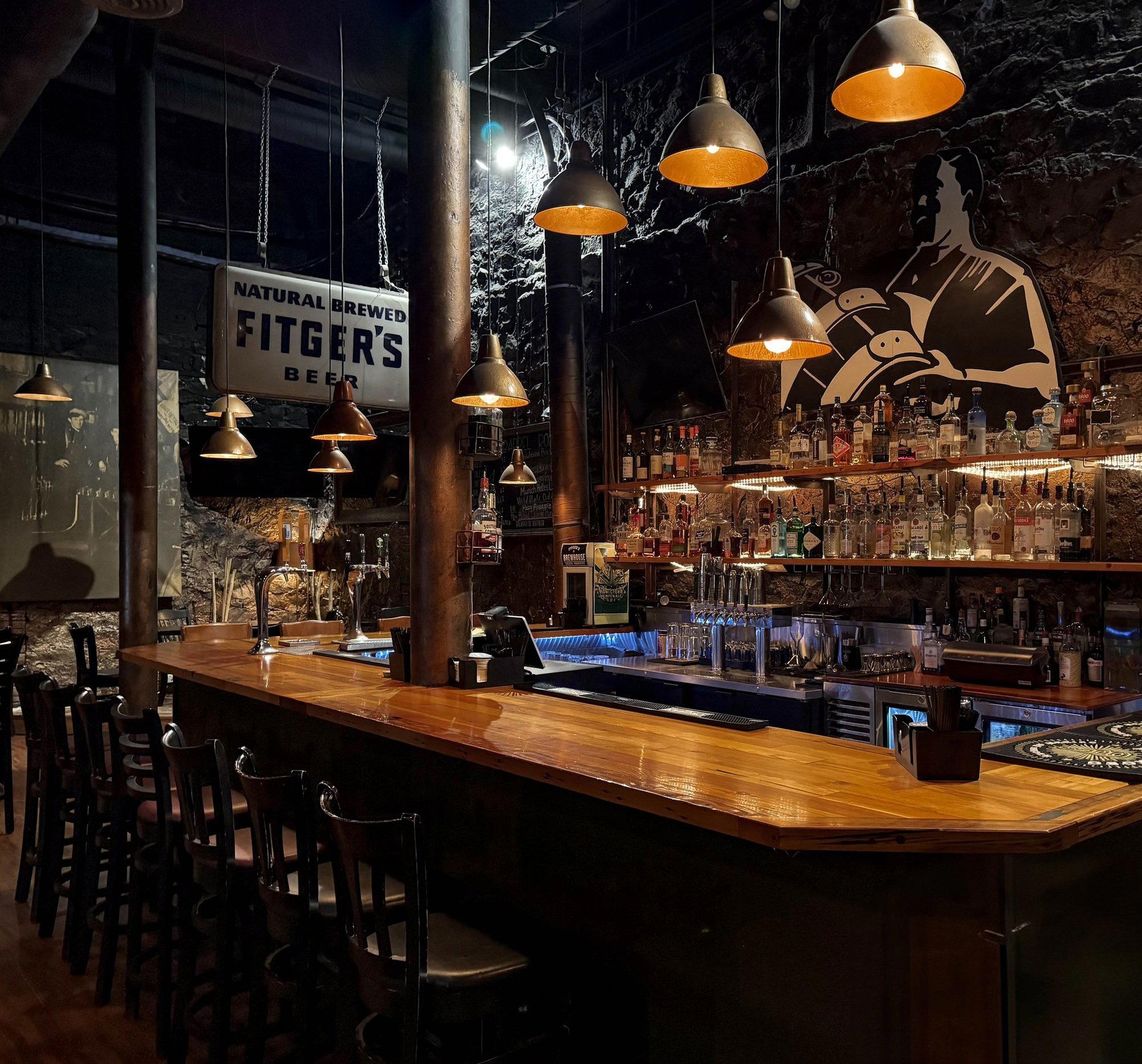
At a Glance
- Classic
- Scenic
- Cozy
- Elegant
- Rustic
- Family Vacation
- Romantic Getaway
- Weekend Escape
- Waterfront
- Historic Building
- Panoramic View
- Destination Spa
- Wi Fi
- Spa
- Fitness Center
- Room Service
- Valet Parking
- Waterfront
- Wi Fi
- Spa
- Fitness Center
- Room Service
- Valet Parking
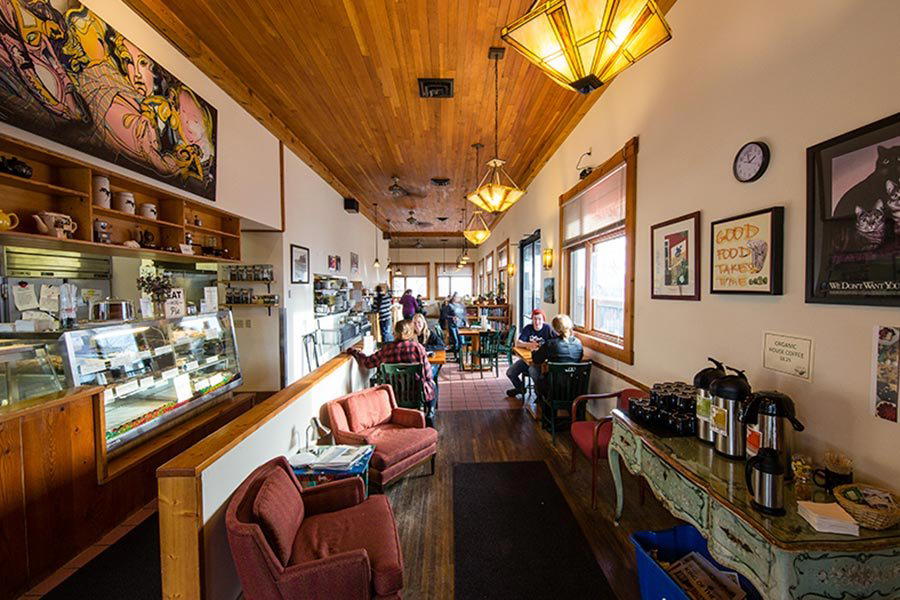
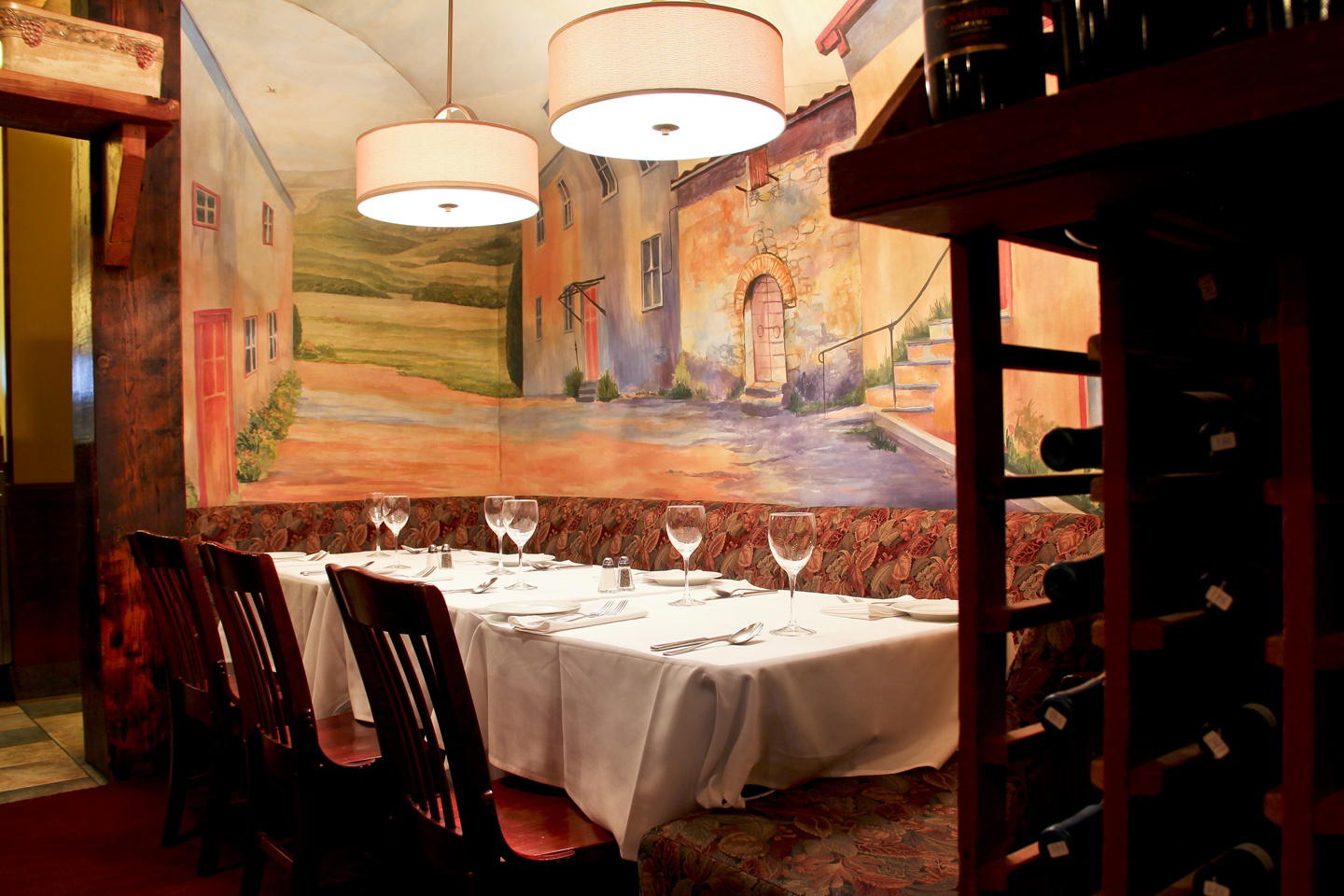
Cozy, lived-in historic charm with original antique woodwork, stone walls, and a front desk styled like old bank teller windows; warm and inviting with period character throughout.