Faulhorn
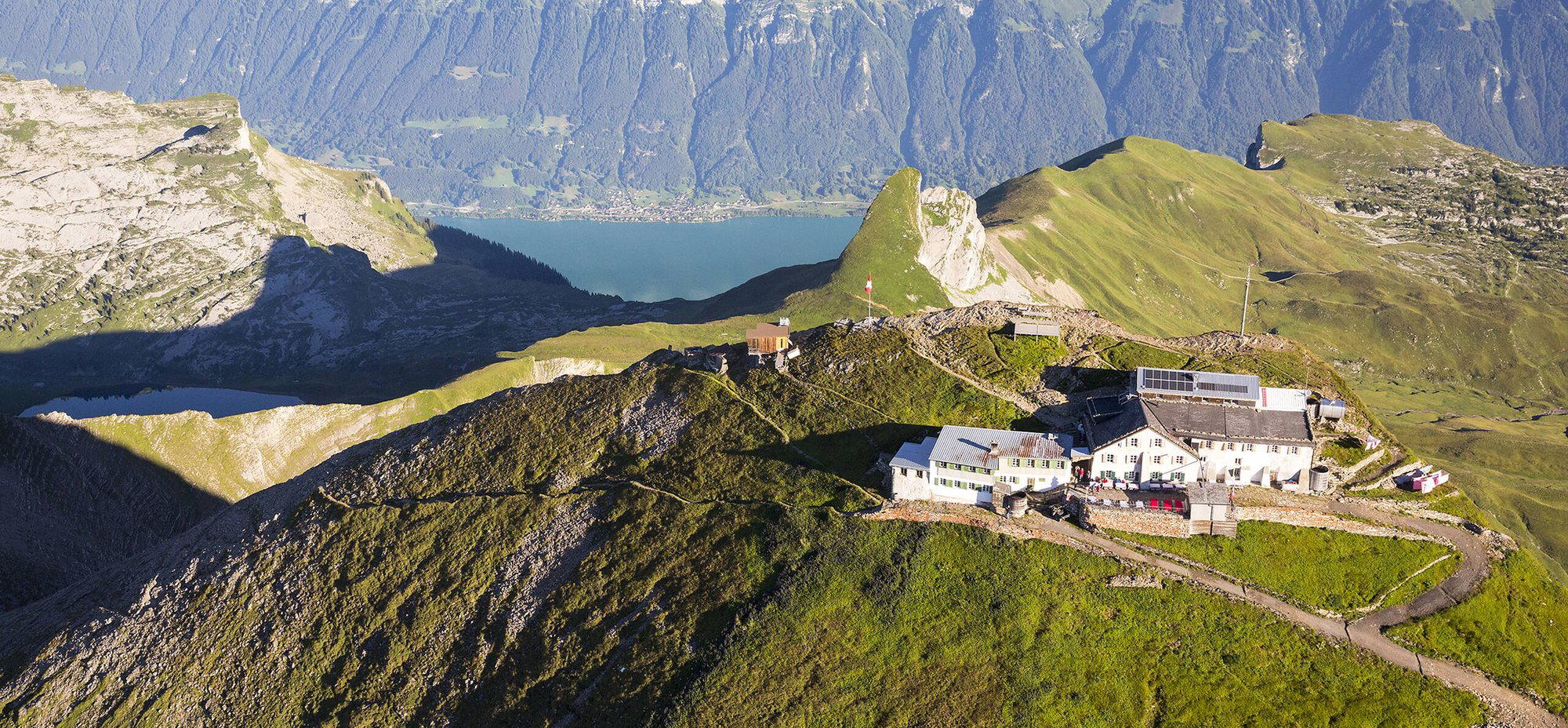
Faulhorn sits above Grindelwald at 2,681 metres, making it one of the highest permanently staffed mountain huts in the Bernese Oberland. The structure itself is the draw: a nineteenth-century stone refuge whose architecture has changed little since its construction, offering visitors a direct encounter with Alpine building tradition and the kind of panoramic exposure to the Eiger, Mönch, and Jungfrau that shaped early European mountain tourism.

Pearl is the En Primeur Club membership app — saves, bookings, and concierge access live there. Same editors, same standards.
- Address
- 3818 Grindelwald, Switzerland
- Phone
- +41 33 853 27 13
- Directions
- Get directions
Stone, Altitude, and the Architecture of Endurance
At 2,681 metres above sea level, the Faulhorn sits on a ridge above Grindelwald that was drawing visitors before Switzerland had a national railway system. The structure that greets walkers today is not a modern approximation of Alpine character — it is the original article. Built in the early nineteenth century, the Faulhorn mountain inn is among the oldest continuously operated mountain lodgings in the Alps, and its physical form has resisted the kind of renovation that strips historical buildings of their actual texture. Stone walls, low-pitched rooflines weighted against winter snowload, and windows sized for thermal retention rather than panoramic drama: every element reflects the engineering logic of high-altitude construction before the age of cable cars and helicopter supply drops.
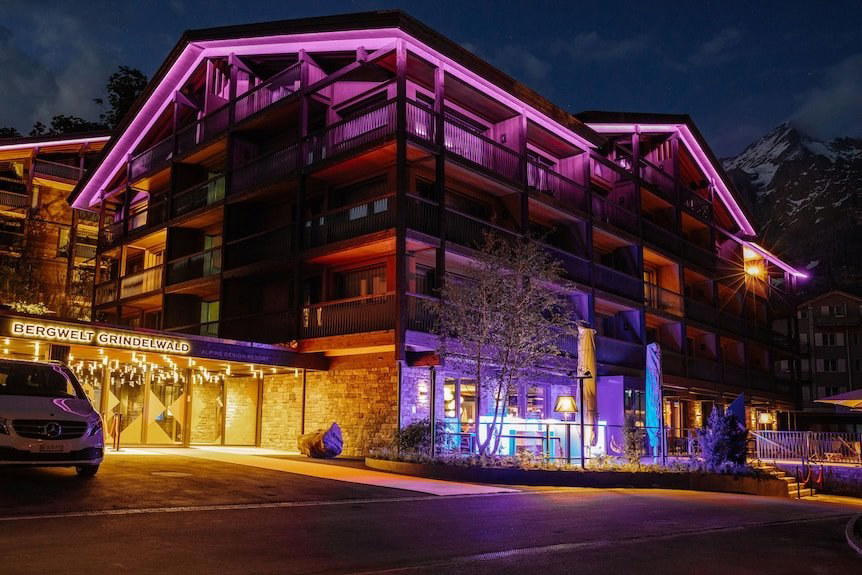
This is the building type that later Swiss mountain architecture — from the grand Victorian hotels of Grindelwald's valley floor to the design-led properties now operating at mid-altitude, spent a century both romanticising and departing from. Understanding the Faulhorn as an architectural object means reading it against that longer trajectory. Where properties like the Bergwelt Grindelwald - Alpine Design Resort and the ASPEN alpin lifestyle Hotel represent the contemporary interpretation of Alpine aesthetic, material warmth translated into curated interior schemes, the Faulhorn predates that interpretive layer entirely. It is not designed to look like a mountain refuge. It is one.
Position on the Ridge and What That Means Practically
The approach matters here more than at almost any comparable destination in the Bernese Oberland. Faulhorn is not accessible by cable car. Reaching the summit inn requires a committed walk, most commonly from First, itself reached by gondola from Grindelwald, or from Schynige Platte via the Bärentrek, a traverse that takes experienced walkers between four and six hours depending on starting point. The mountain is typically accessible on foot from late June through October, with conditions determining exact seasonal availability in any given year. Booking and operational details should be confirmed directly, as remote high-altitude huts operate on schedules that shift with weather and staffing.
This access model is not a limitation so much as a filter. The Faulhorn sits in a tier of Alpine experience where the physical effort of arrival is part of the proposition. That places it in a different category from the valley-floor properties, including the Tamar Valley Resort, Grindelwald, that offer Bernese Oberland scenery with immediate, frictionless access. Neither approach is wrong; they serve different orientations toward the mountains. The Faulhorn addresses those who want the full vertical relationship with the landscape, not just the view of it.
The Panorama as Architectural Context
Swiss Alpine architecture has always existed in dialogue with the surrounding topography, and at Faulhorn that dialogue is unusually unmediated. From the ridge, the north face of the Eiger is visible in direct profile, not as a postcard framing but as sheer rock face at approximately equal altitude. The Mönch and Jungfrau extend the line of the massif to the southwest. On clear days the view extends north across the Bernese Mittelland toward the Black Forest. This is the panoramic sequence that made the Faulhorn a documented destination in early Alpine tourism literature, it appears in nineteenth-century travel writing as a reference point for what Swiss mountain scenery could deliver at its most concentrated.
The building's siting was deliberate. Early mountain inn builders understood that orientation toward a specific peak or massif was a commercial and architectural decision, not a incidental one. The Faulhorn's position on the ridge maximises exposure on multiple axes in a way that no valley-floor property, however well-appointed, can replicate. This is the version of Swiss mountain hospitality that preceded the luxury hotel era entirely, and it remains structurally unchanged in that fundamental orientation toward landscape over interior refinement.
For the broader Swiss premium hospitality context, the contrast with grand properties elsewhere in the country is instructive. The Badrutt's Palace Hotel in St. Moritz and the The Alpina Gstaad in Gstaad represent one pole of Alpine hospitality, grand-hotel scale, complete amenity programs, winter-season architecture designed around social gathering at altitude. The 7132 Hotel in Vals represents a different pole: architecturally rigorous, Peter Zumthor-adjacent, focused on material intelligence. Faulhorn occupies a third position entirely, pre-luxury, pre-design, functional in the original sense of that word.
Overnight at Altitude: What the Experience Involves
The Faulhorn operates as an overnight destination as well as a day-walk waypoint. Sleeping at 2,681 metres in a nineteenth-century stone structure means accepting the conditions that structure was built for: limited thermal comfort by contemporary hotel standards, shared facilities, and the particular quality of alpine darkness and silence that no valley accommodation can reproduce. Sunrise from the Faulhorn ridge, with the Eiger's north face catching first light while the valleys below remain in shadow, is one of the documented draws for those who make the overnight stay, referenced consistently in Alpine walking literature as a compelling reason to book a bunk rather than descend the same evening.
Visitors planning an overnight should check availability and conditions well in advance of the operating season. High-altitude huts in the Bernese Oberland fill quickly on summer weekends, and the Faulhorn's historical reputation means it attracts walkers from across Europe, not just day-trippers from Grindelwald. For full context on what Grindelwald's broader accommodation offer looks like, the full Grindelwald restaurants and venues guide covers the valley's options across categories and price tiers.
Where Faulhorn Sits in the Grindelwald Picture
Grindelwald has developed a tiered hospitality infrastructure over the past two decades. At the valley floor and immediate cable-car access points, design-led and lifestyle-oriented properties have multiplied. Elsewhere in Switzerland, comparable altitude-and-design combinations can be found at the CERVO Mountain Resort in Zermatt, a property that has defined the boutique high-altitude category in recent seasons, and at the Beau-Rivage Palace in Lausanne for those seeking lakeside rather than mountain scale. The Mandarin Oriental Palace, Luzern in Lucerne and Baur au Lac in Zurich sit at the top of Switzerland's urban luxury tier, anchoring the national hospitality conversation from the city end. Faulhorn sits at none of these points.
Planning Your Visit
Faulhorn is located in the municipality of Grindelwald, Bernese Oberland, Switzerland (postal address: 3818 Grindelwald). Access is on foot year-round in theory but practically limited to late spring through early autumn by snow conditions on the approach routes. The most common approach runs from the First gondola station above Grindelwald, adding approximately two to three hours of walking each way. Visitors considering the Schynige Platte traverse should account for a full walking day and arrange transport at both ends. The inn offers food and overnight accommodation; specific availability, pricing, and current operational status should be confirmed through direct contact with the hut, as remote Alpine operations do not maintain fixed digital booking systems of the kind used by valley hotels. For broader Grindelwald trip planning, properties at the valley level including the Bergwelt Grindelwald - Alpine Design Resort and ASPEN alpin lifestyle Hotel provide comfortable bases from which to stage the ascent.
Fast Comparison
| Venue | Price | Awards |
|---|---|---|
| FaulhornThis venue — the venue you are viewing | $100–200 | Not listed |
| ASPEN alpin lifestyle Hotel | Not listed | Preferred Hotels Member |
| Bergwelt Grindelwald - Alpine Design Resort | $300–500 | 1 Michelin Key · Small Luxury Hotels of the World Member |
Continue exploring
More in Grindelwald
Hotels in Grindelwald
Browse all →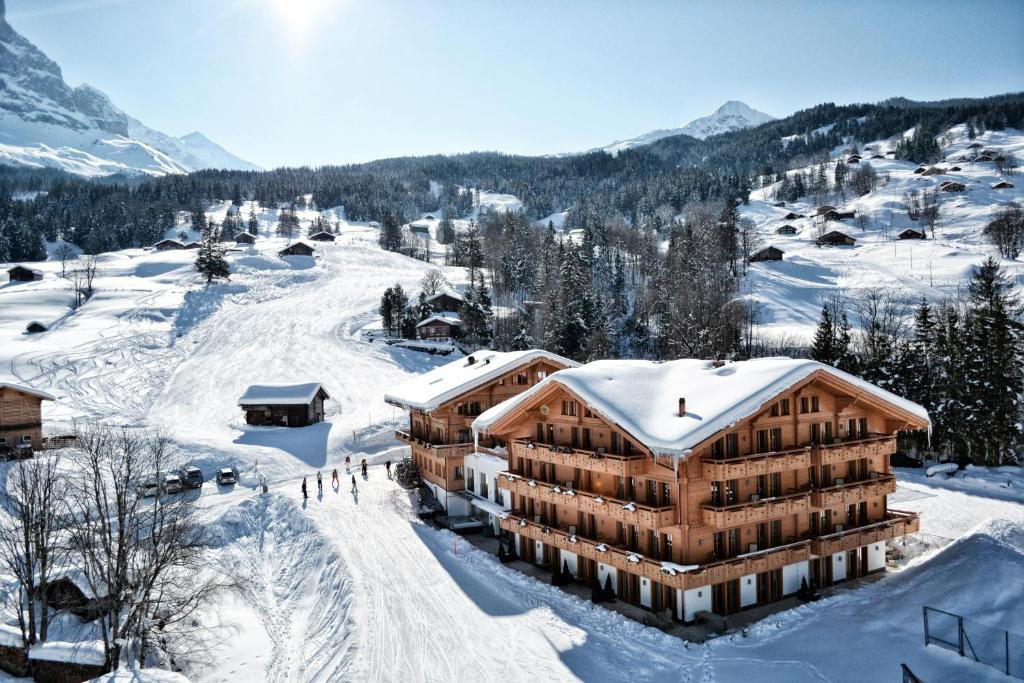
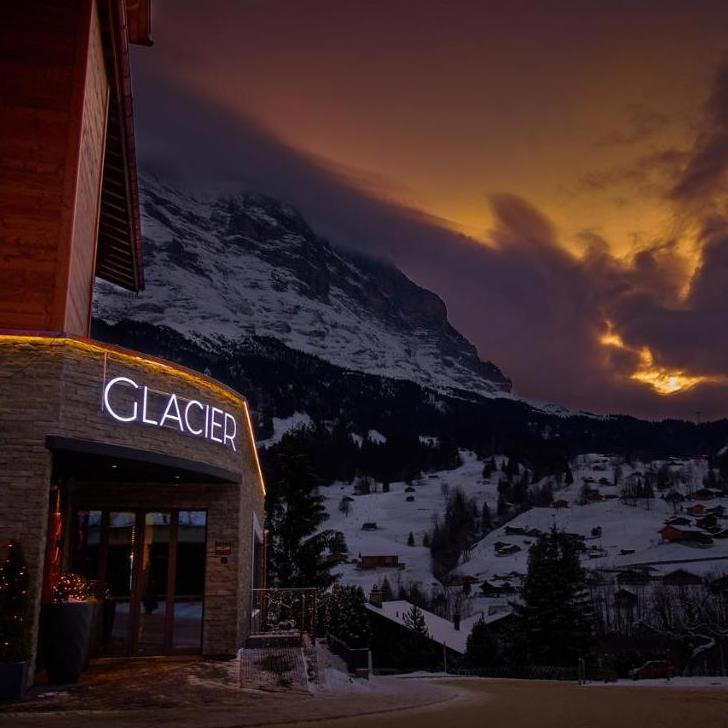
Bars in Grindelwald
Browse all →


Restaurants in Grindelwald
Browse all →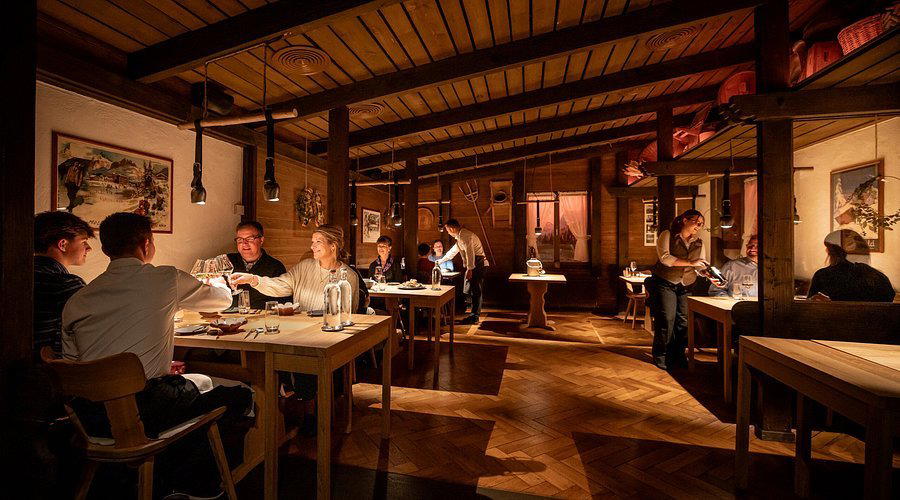



Details
- Rustic
- Scenic
- Cozy
- Historic
- Weekend Escape
- Group Retreat
- Panoramic View
- Terrace
- Restaurant
- Breakfast Included
- Mountain
Rustic Victorian-style rooms lit by candlelight with a cozy, historic mountain hut atmosphere.