Discovery Boracay

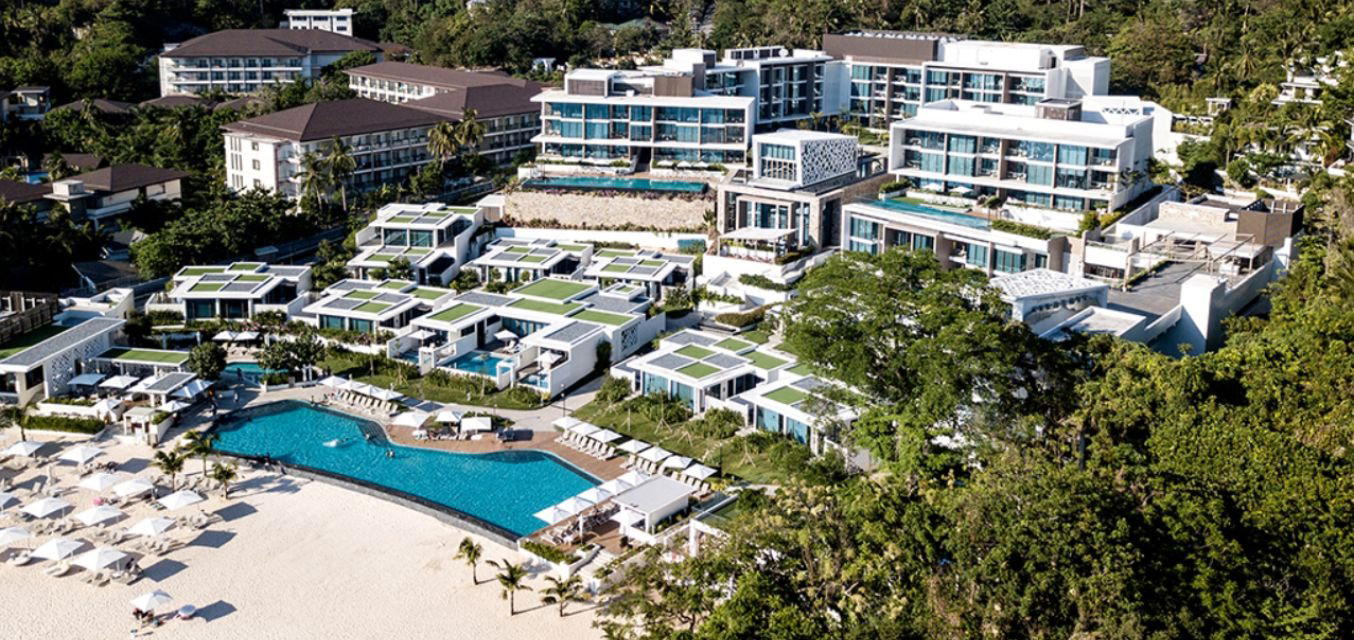
Discovery Boracay occupies a prime Station 1 address along Boracay's calmest stretch of White Beach, operating at a scale of 99 rooms that places it firmly in the mid-to-large resort tier. The property sits within the Discovery Hospitality portfolio, which also runs Discovery Coron, giving it a recognisable brand architecture across Philippine island destinations. Guests choosing between Boracay's resort options will find it positioned above boutique competitors and below the 's territory.
Pearl is the En Primeur Club membership app — saves, bookings, and concierge access live there. Same editors, same standards.
- Address
- Station 1 Barangay Balabag Boracay Island, Malay, 5608 Aklan
- Phone
- +63 2 7720 8888
- Website
- discoveryboracay.com
- Directions
- Get directions
 Saves & bookings on Pearl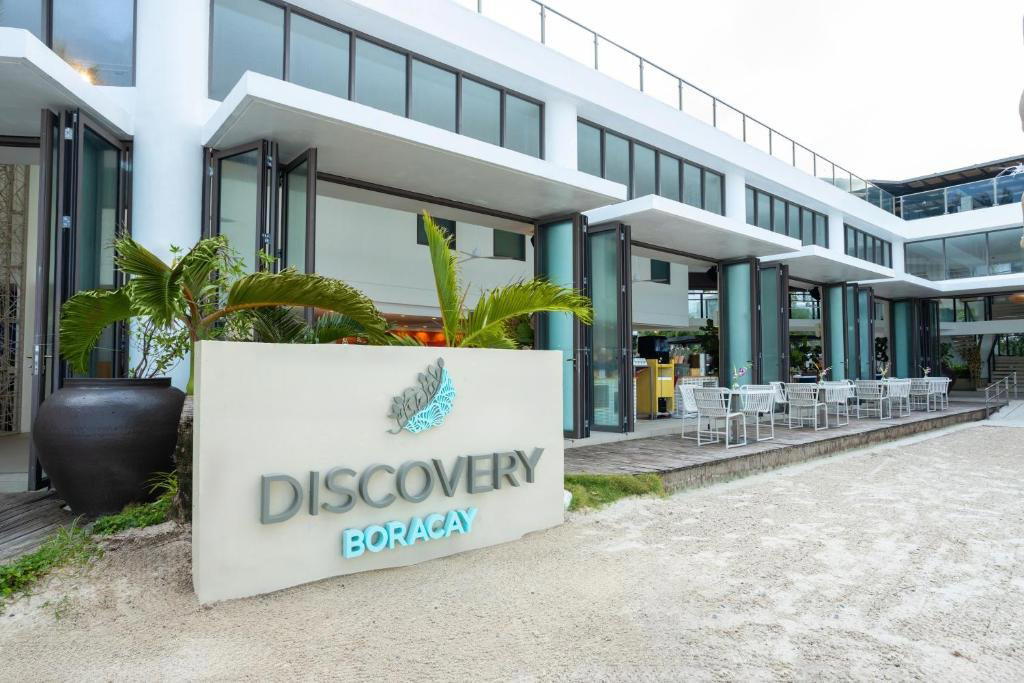
Station 1 and What It Signals
Boracay's beach is divided into stations, and that geography functions as a shorthand for the kind of stay on offer. Station 3 is where the party concentrates. Station 2 is the commercial centre, dense with restaurants and activity operators. Station 1, at the island's northern tip, is where the sand is widest, the water is calmer, and the resort density drops. Discovery Boracay's address at Station 1, Barangay Balabag, places it in the quieter, more composed end of the island, the end that attracts guests who want Boracay's sand without the full D'Mall noise. That positioning is a deliberate one, and it shapes everything about the experience here, from the pace of a morning on the beach to the likely demographic in the dining areas.
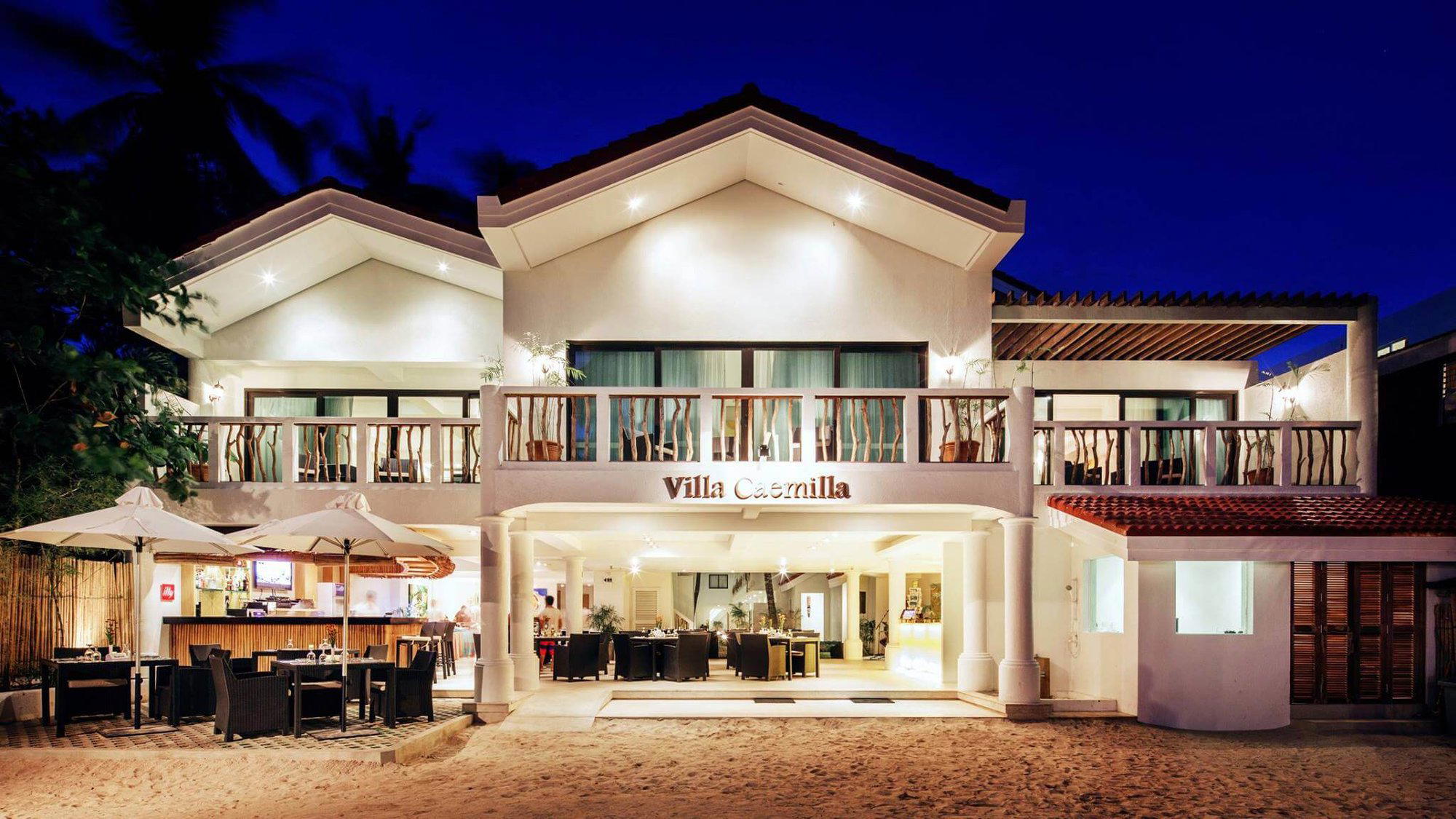
At 99 rooms, Discovery Boracay operates at a scale that sits between the island's boutique options, such as Villa Caemilla Beach Boutique Hotel, and the larger footprint of Boracay, which commands its own headland at the island's northern edge. That middle scale is significant: it means enough facilities to support food and beverage programming, but not so many rooms that the resort loses a sense of cohesion or controlled access to the beach.
The Discovery Brand Across Philippine Islands
Discovery Hospitality runs a small but coherent portfolio of Philippine island properties. Discovery Coron represents the brand's more remote, dive-focused expression, appealing to guests whose primary activity is underwater. Boracay is the opposite: a resort structured around the beach itself, with the dining and entertainment programming that a high-traffic leisure island demands. Guests familiar with the Discovery brand from Coron will recognise similar operational DNA, local hospitality emphasis, Philippine-rooted aesthetics, but the Boracay property operates in a far more competitive and tourist-dense environment, which pushes its food and beverage offering to work harder as a differentiator.
That wider Filipino resort context includes properties across the archipelago at varying price points and formats. Amanpulo in Pamalican Island defines the private-island ceiling. Banwa Private Island in Palawan operates in a similar ultra-exclusive register. Discovery Boracay pitches at a different tier entirely, a resort that functions as a full-service beach hotel on one of Southeast Asia's most visited islands, not a retreat from the world but an organised base within it.
Dining as the Organising Principle
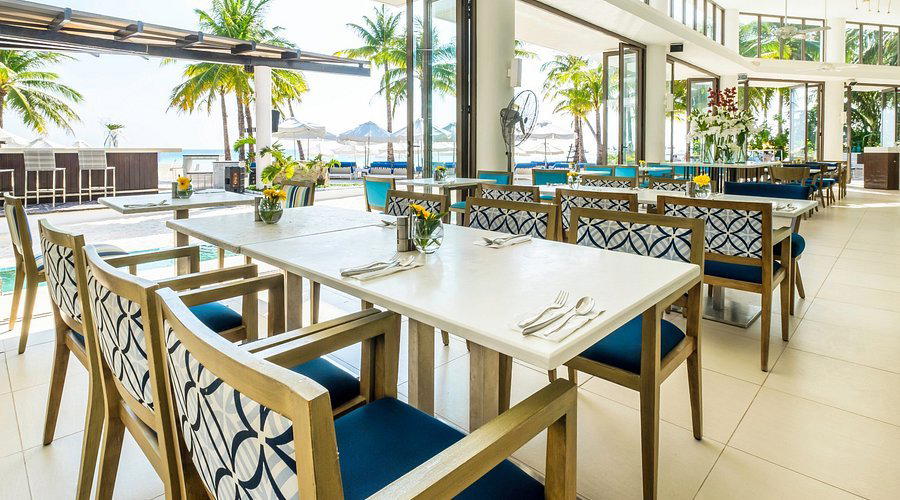
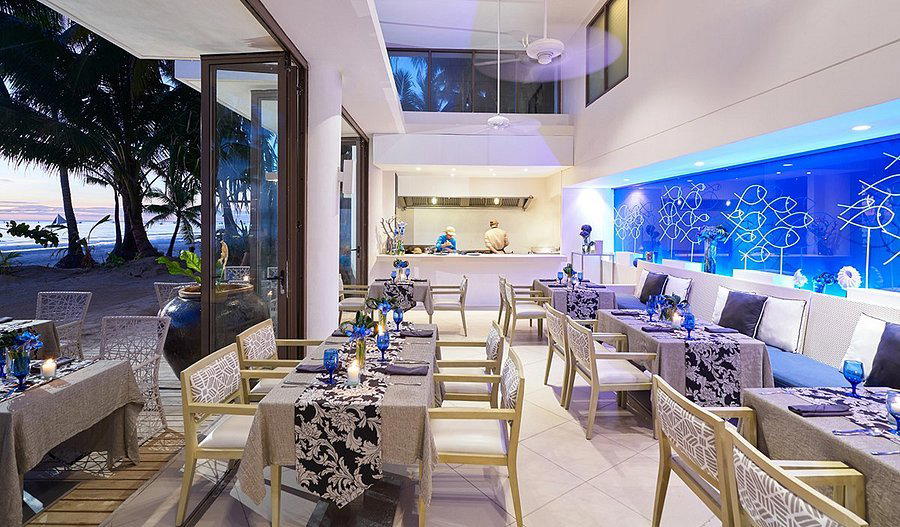
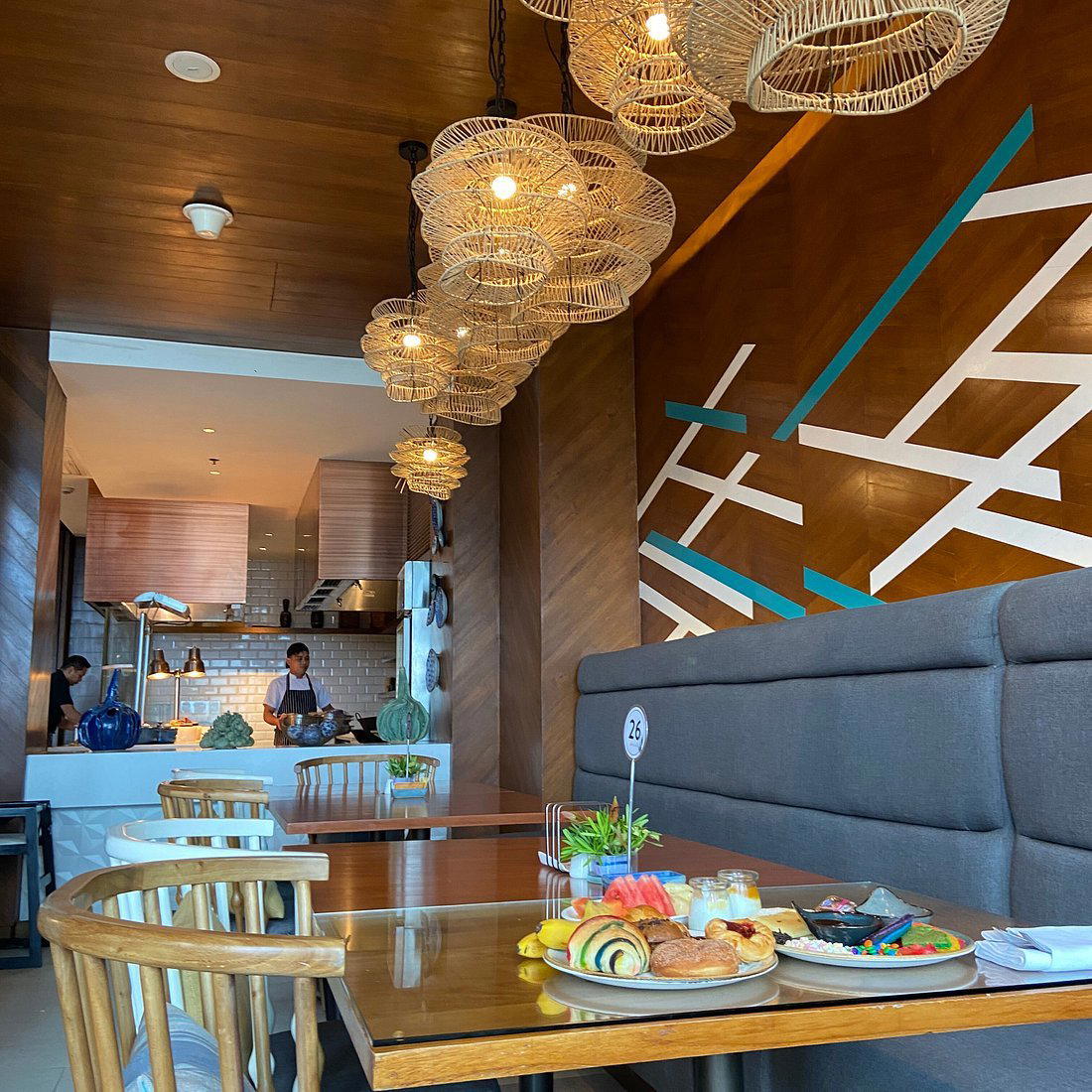
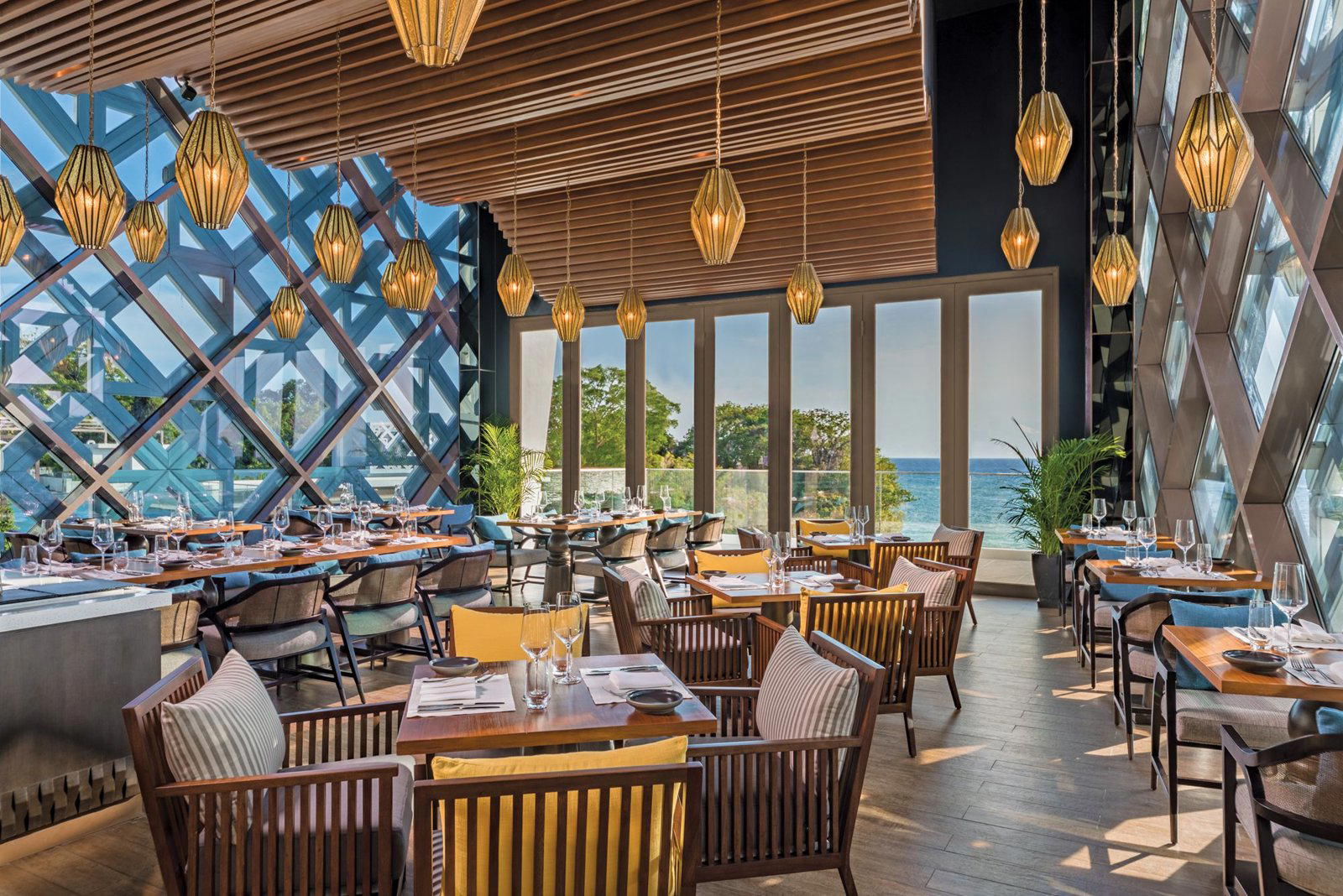
On an island where the beach and the sunset are free, resort dining is often the clearest differentiator between properties. Boracay's dining scene extends well beyond any single resort, the stretch of restaurants along White Beach, from Filipino barbecue to international chains, gives guests ample reason to eat out. What a resort's food and beverage programme needs to do, then, is give guests a reason to stay in, or at minimum, to return for a meal that feels distinct from what the strip offers.
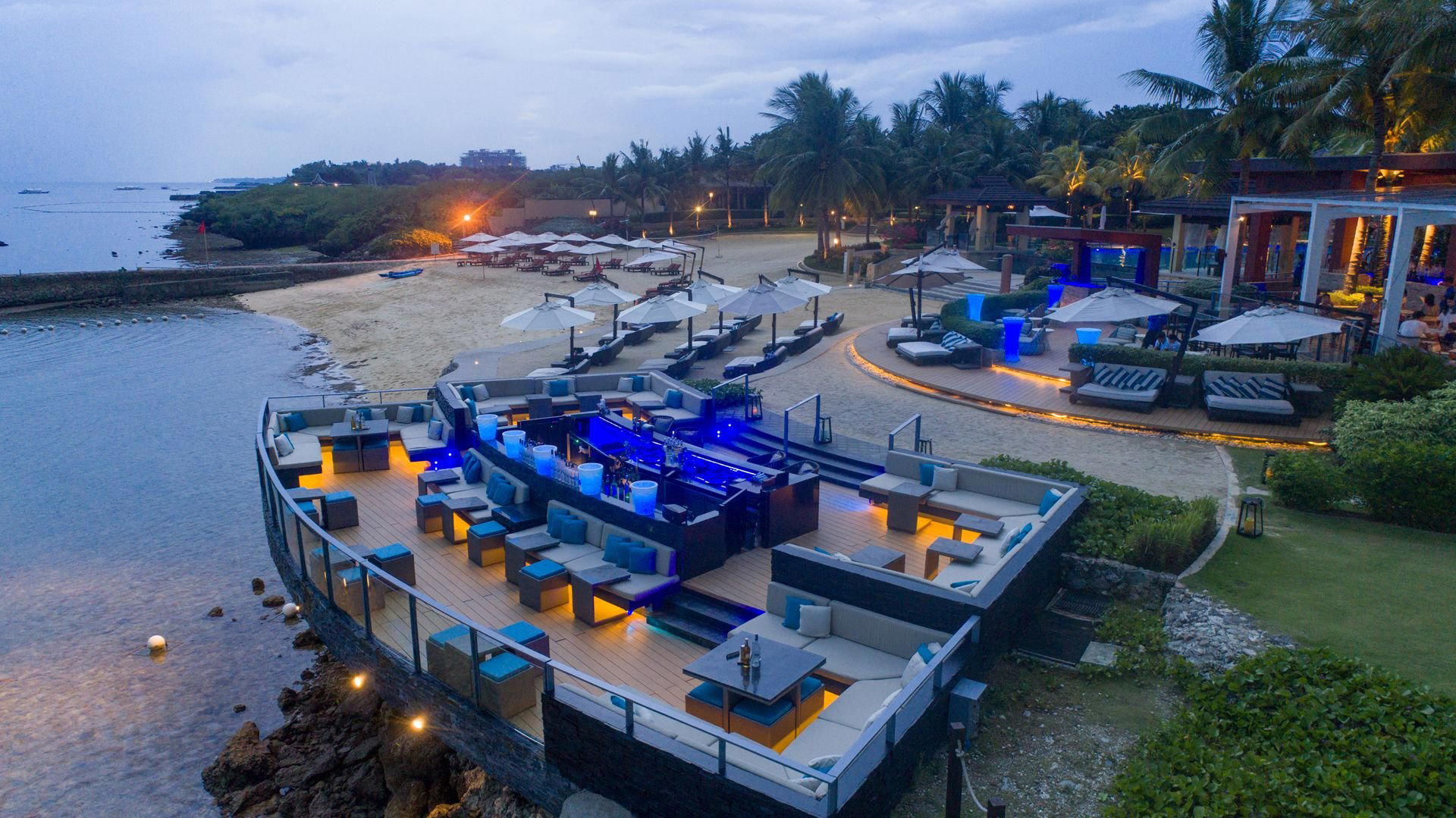
Resorts in this tier across the Philippines, comparable examples include Amorita Resort on Panglao Island and BE Grand Resort in Bohol, typically anchor their dining around a beachfront setting with Filipino and international tracks running in parallel. The beachfront breakfast format, where the meal becomes an extension of the beach itself, is now a genre expectation at Station 1 properties. The sunset-facing bar format carries similar weight: in a destination where the sky turns vivid orange over the sea most evenings, the bar positioned for that view is central to the resort's identity.
For guests who want to benchmark Boracay's resort dining against other Philippine island options, Crimson Resort and Spa, Boracay occupies a comparable tier on the island, with its own beachfront food and beverage setup. The comparison is useful: both properties operate on the same strip of White Beach, both target a similar guest profile, and the quality of the dining programme becomes one of the few meaningful differentiators in a context where the sand and the sea are identical.
Boracay's Place in the Philippine Island Matrix
Boracay is among the more frequently visited island destinations in Southeast Asia, a status it has held for decades despite periodic environmental interventions, including a government-mandated closure in 2018 that lasted six months and was followed by tightened development controls. That closure reset some of the worst overcrowding dynamics and eliminated a number of poorly maintained establishments. The island that reopened was more regulated, with stricter rules on wastewater, construction, and beach access. Discovery Boracay, as a formally established resort, sat within the category of properties that returned to operation after the closure rather than being removed from it, a distinction that matters when assessing the property's baseline compliance and operational continuity.
Guests choosing Boracay over other Philippine island destinations are making a specific trade: they get among the more reliably beautiful beaches in the country, with good flight connections from Manila via Caticlan airport, in exchange for a destination that is unambiguously a tourist resort rather than an undiscovered place. For guests who want quieter alternatives within the archipelago, Nay Palad Hideaway in Siargao Island, Cauayan Island Resort in El Nido, or Bluewater Sumilon Island Resort represent that alternative, smaller, more remote, with fewer amenities but considerably more seclusion.
The hotel accepts that Boracay is what it is, and builds its offer accordingly: a resort structured for guests who want a comfortable, managed base on a famous beach, with food and beverage programming that holds up to comparison with the strip outside its gates.
Planning a Stay
Boracay's peak season runs from November through April, when the amihan (northeast trade wind) delivers clear skies and flat seas on the western beach where the hotel sits. The habagat (southwest monsoon) from June through October reverses conditions, and the western beach faces choppier water and occasional grey days; some guests book this period for a less crowded island. Caticlan airport, the primary gateway, accepts flights from Manila on multiple airlines with journey times under an hour, making Boracay one of the more accessible island destinations in the Philippines. From Caticlan, a short tricycle ride reaches the jetty, followed by a brief bangka boat crossing to the island. Station 1's location means a slightly longer tricycle transfer from the Cagban jetty than Station 2 properties, though the difference is minimal.
For travellers mapping a wider Philippine itinerary, the hotel works as an entry or exit point alongside properties in other regions: Anya Resort Tagaytay for a highland contrast near Manila, Dusit Thani Mactan Cebu Resort as a Visayas alternative with direct international connections, or Cala Laiya in Batangas for a closer-to-Manila beach option. The hotel address at Station 1 Barangay Balabag, Malay, Aklan 5608 places it on among the more booked stretches of Philippine coastline; advance reservations, particularly for peak-season weeks around Christmas and Holy Week, are advisable.
Booking and Cost Snapshot
Comparable venues nearby, for context on price, style, and recognition.
| Venue | Cuisine | Price | Awards | Notes |
|---|---|---|---|---|
| Discovery BoracayThis venue — the venue you are viewing | Not listed | $$$$ | 5-Star | Not listed |
| Shangri-La Boracay | Not listed | $$$$ | 5-Star | Punta Bunga, Luxury beach resort with private beaches and expansive villas |
| Crimson Resort and Spa, Boracay | Boracay Island, luxury beachfront resort | $$$$ | 5-Star | Not listed |
| Villa Caemilla Beach Boutique Hotel | Not listed | $$$ | 4-Star | White Beach Station 3, luxury beachfront boutique |
| The Westin Manila | Not listed | $$$$ | 5-Star | Ortigas Center, Wellness-inspired urban high-rise with resort-like amenities |
| The Lind Boracay | Not listed | $$$$ | 5-Star | Station 1, Lifestyle beachfront resort with modern, warm, and chic sensibility |
Recognition history
Dated appearances from independent guides and award organizations, with the underlying list record or original source where available.
Preferred Hotels Member
Preferred Hotels
At a Glance
- Elegant
- Scenic
- Sophisticated
- Intimate
- Honeymoon
- Romantic Getaway
- Family Vacation
- Wellness Retreat
- Beachfront
- Infinity Pool
- Private Villa
- Rooftop Pool
- Destination Spa
- Pool
- Spa
- Fitness Center
- Room Service
- Concierge
- Kids Club
- Beach Access
- Waterfront
- Garden
- Pool
- Spa
- Fitness Center
- Room Service
- Concierge
- Kids Club
- Beach Access
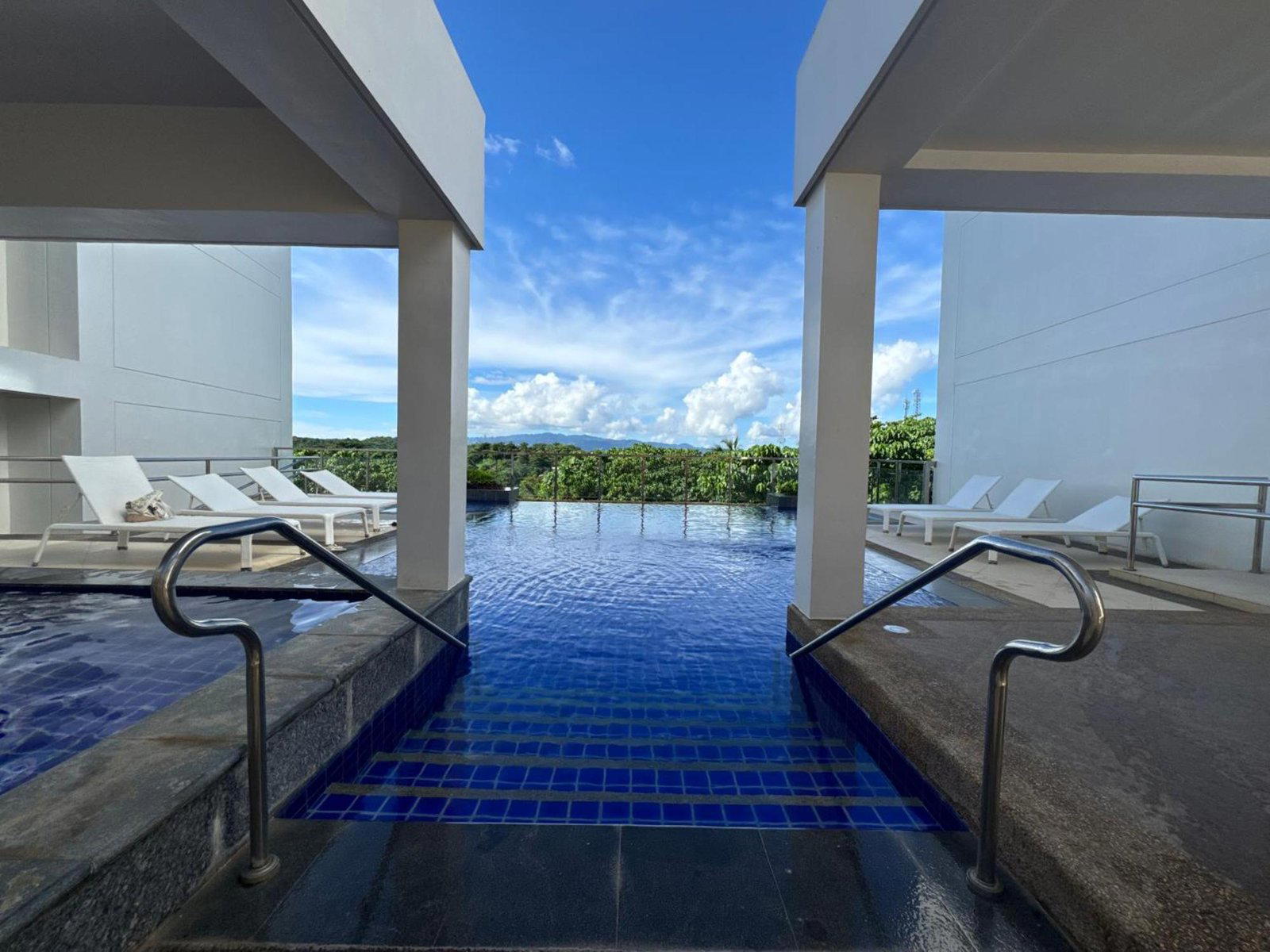
Inviting beachfront atmosphere with ocean views, soundproof rooms, and relaxing spa and poolside settings praised for privacy and attentive service.