Coco Point Lodge
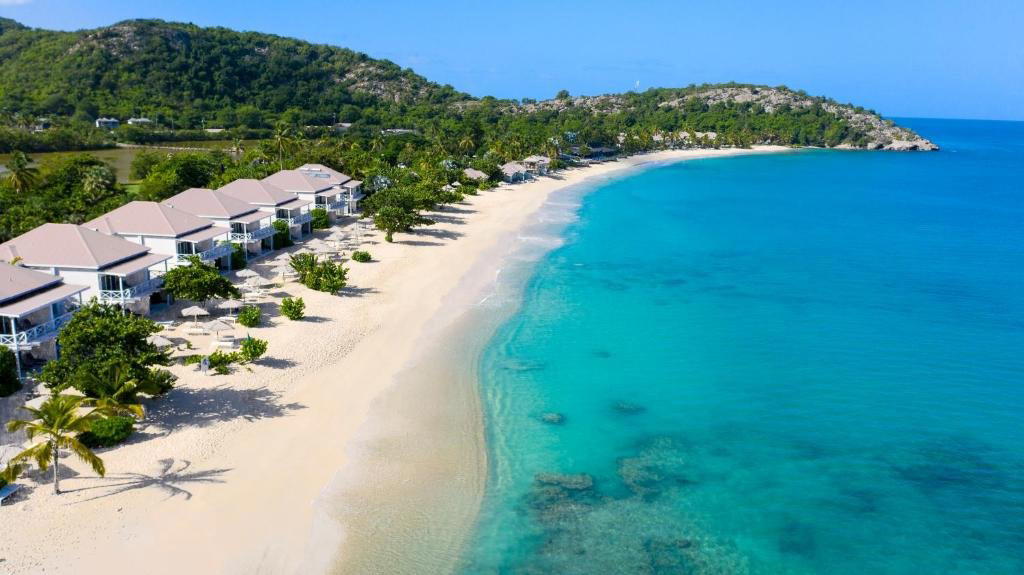
Coco Point Lodge occupies the southern tip of Barbuda, one of the Caribbean's least-visited islands, where the architecture keeps a deliberately low profile against the landscape and guests arrive by private charter rather than commercial flight. The property operates as a self-contained retreat, with direct beach access onto Barbuda's famous pink-sand coastline and a format that prioritises seclusion over resort amenities. Access and pricing place it firmly in the allocation-style, limited-availability tier of Caribbean luxury.
- Address
- G6XM+CP5, Codrington, Antigua & Barbuda
- Phone
- +1 268 462 3816
- Website
- cocopoint.com
- Directions
- Get directions
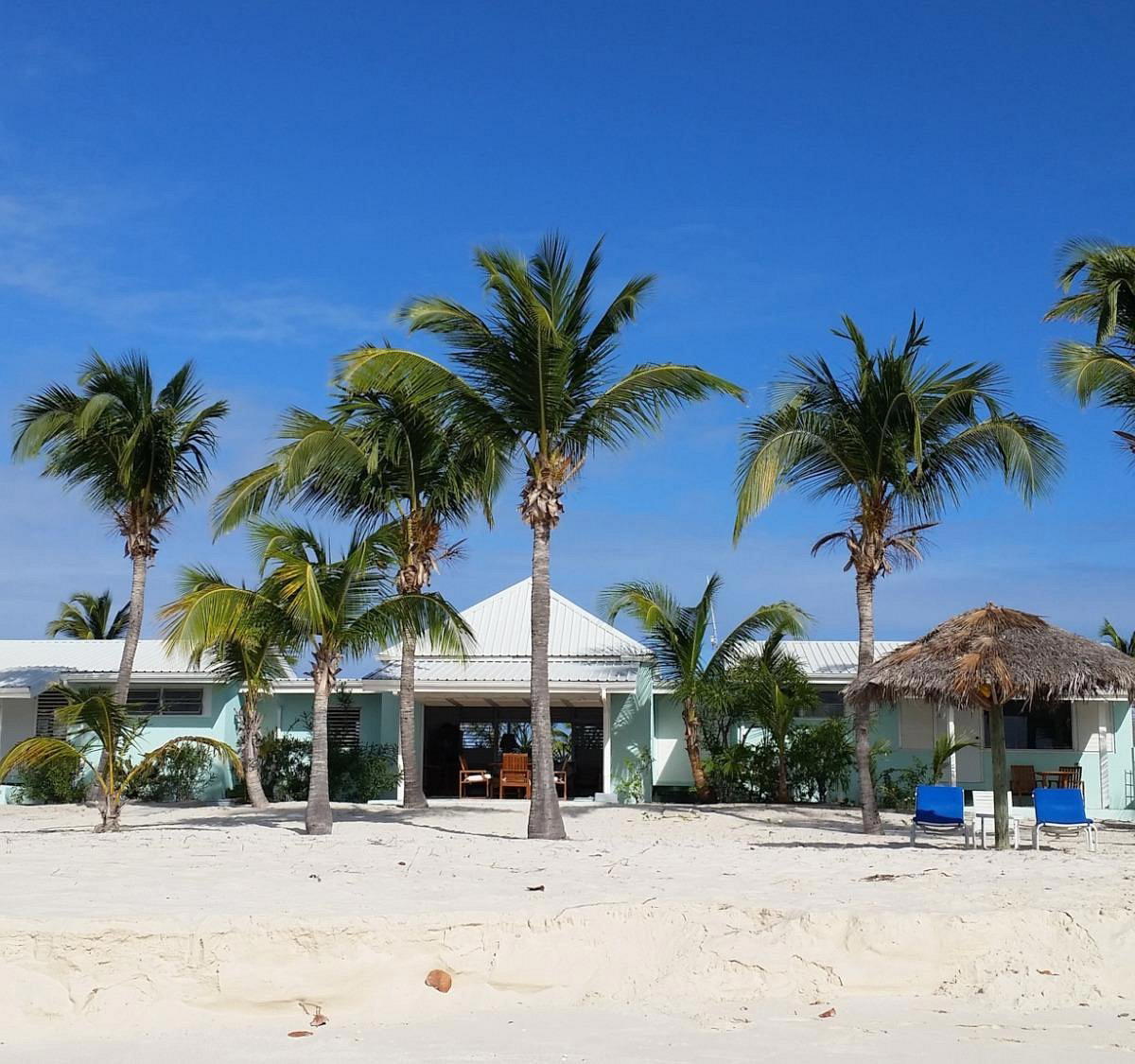
The Architecture of Disappearance: How Coco Point Lodge Sits on Barbuda
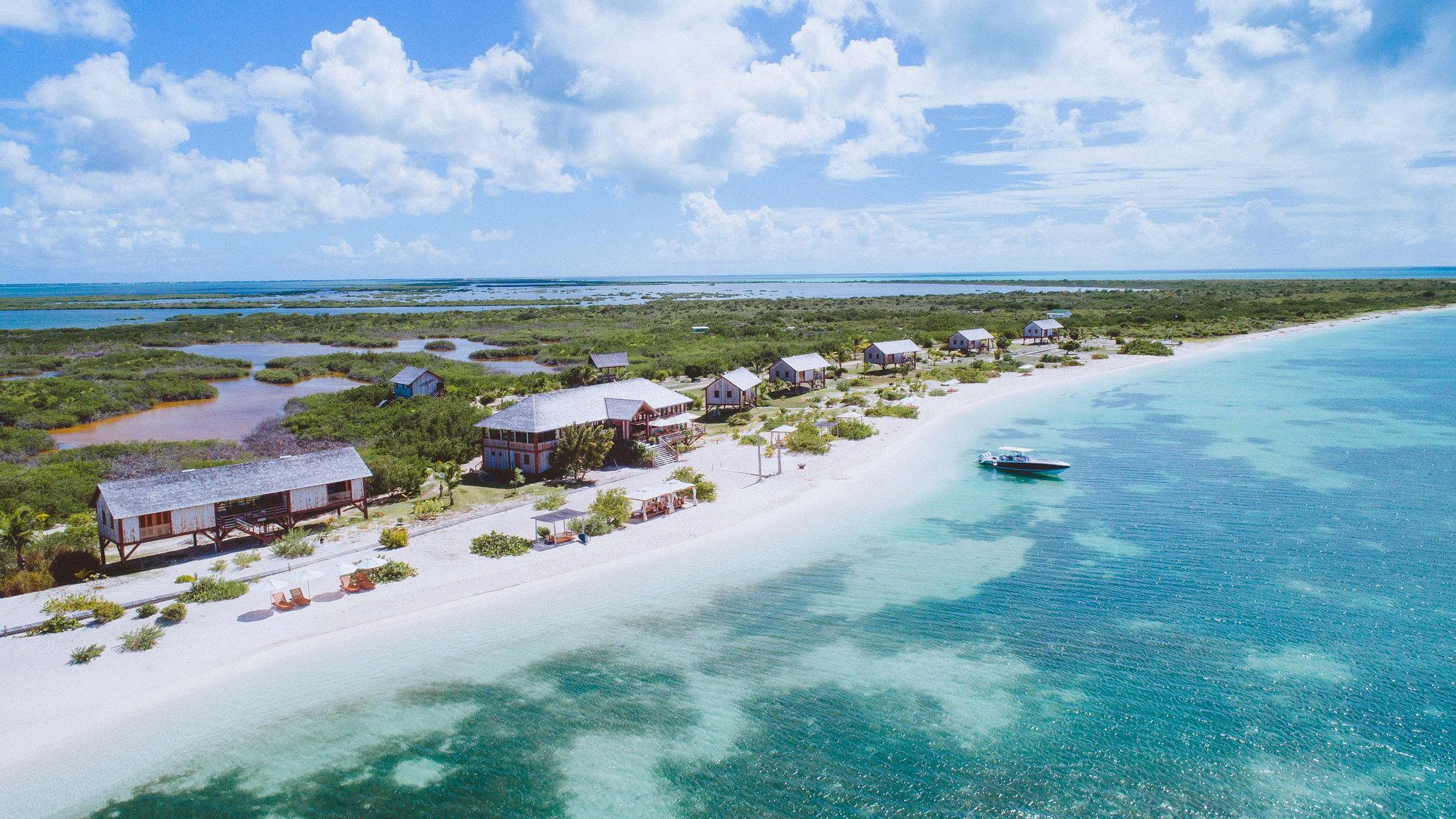
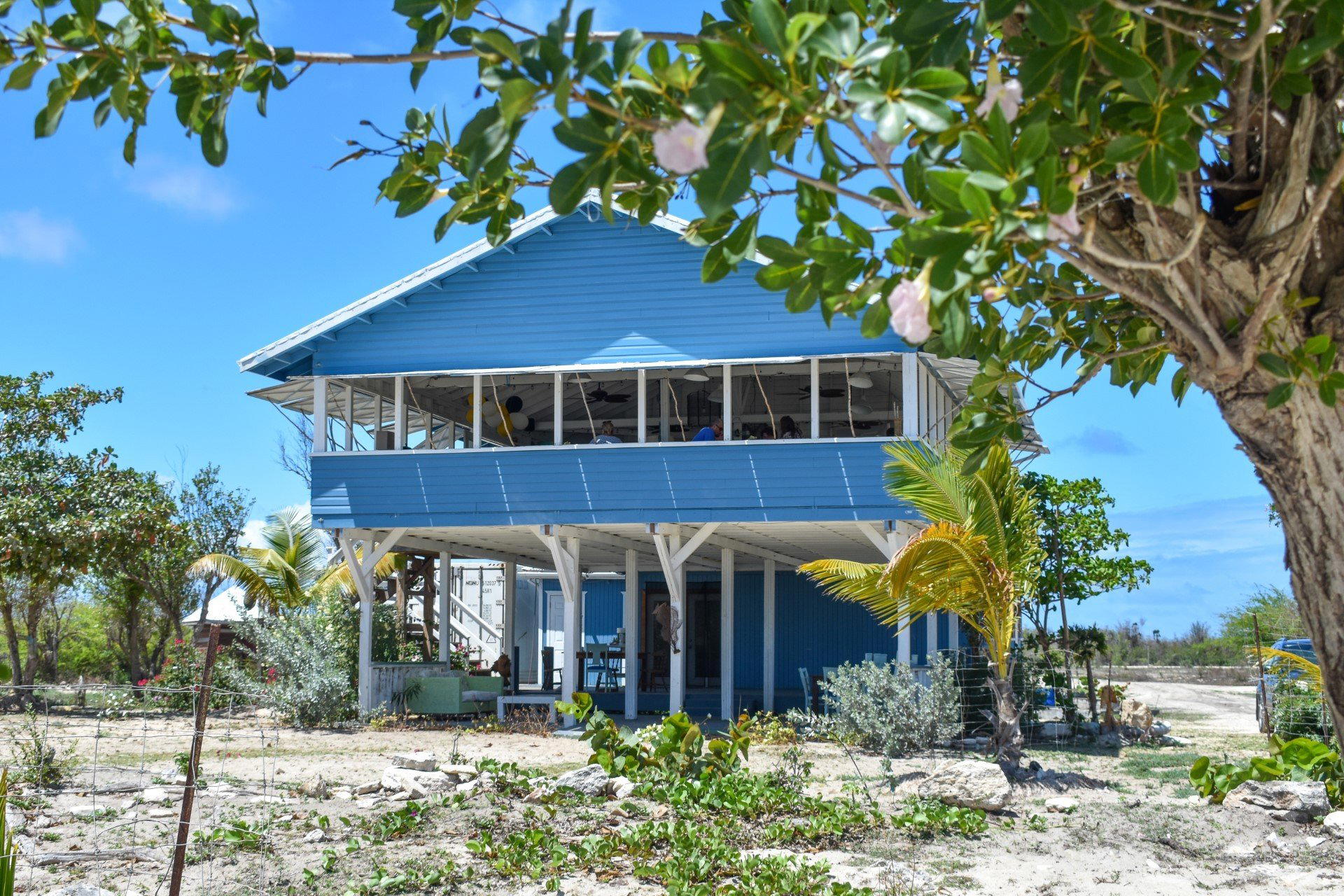
There is a particular design logic that governs the most serious private beach retreats in the Caribbean, and it runs counter to everything the large-resort model does. Rather than announcing itself, the structure retreats. Rooflines stay low, materials age toward the local palette, and the boundary between built form and coastline becomes deliberately ambiguous. Coco Point Lodge, positioned at the southern tip of Barbuda, operates entirely within this tradition. The property has long been cited in Caribbean travel circles as one of the clearest examples of the low-intervention beach lodge format, a category that values restraint in construction as much as service.
Barbuda itself shapes the architecture by constraint. The island sits roughly 30 miles north of Antigua and receives only a fraction of its neighbour's visitor traffic, partly by geography and partly by policy. There are no commercial flights into Barbuda's small airstrip from major hubs; access runs through Antigua, either by small charter aircraft or the inter-island ferry. That barrier is not incidental. It defines the guest profile, the pace of the stay, and the physical form the lodge can credibly take. A property this remote, on an island this quiet, would be architecturally false if it arrived with the scale of a branded resort. The low-key built environment is the correct response to the site, not a stylistic choice made in isolation.
For Caribbean luxury properties operating in a similar register, the comparison set is narrow. Barbuda Belle is the other key name on the island, applying a comparable philosophy of minimal intervention on the same coastline. Beyond Barbuda, properties like Jumby Bay Island in Antigua occupy a kindred bracket: private-island or private-point formats where access difficulty and limited capacity are structural features, not drawbacks.
Barbuda's Pink-Sand Coastline as a Design Given
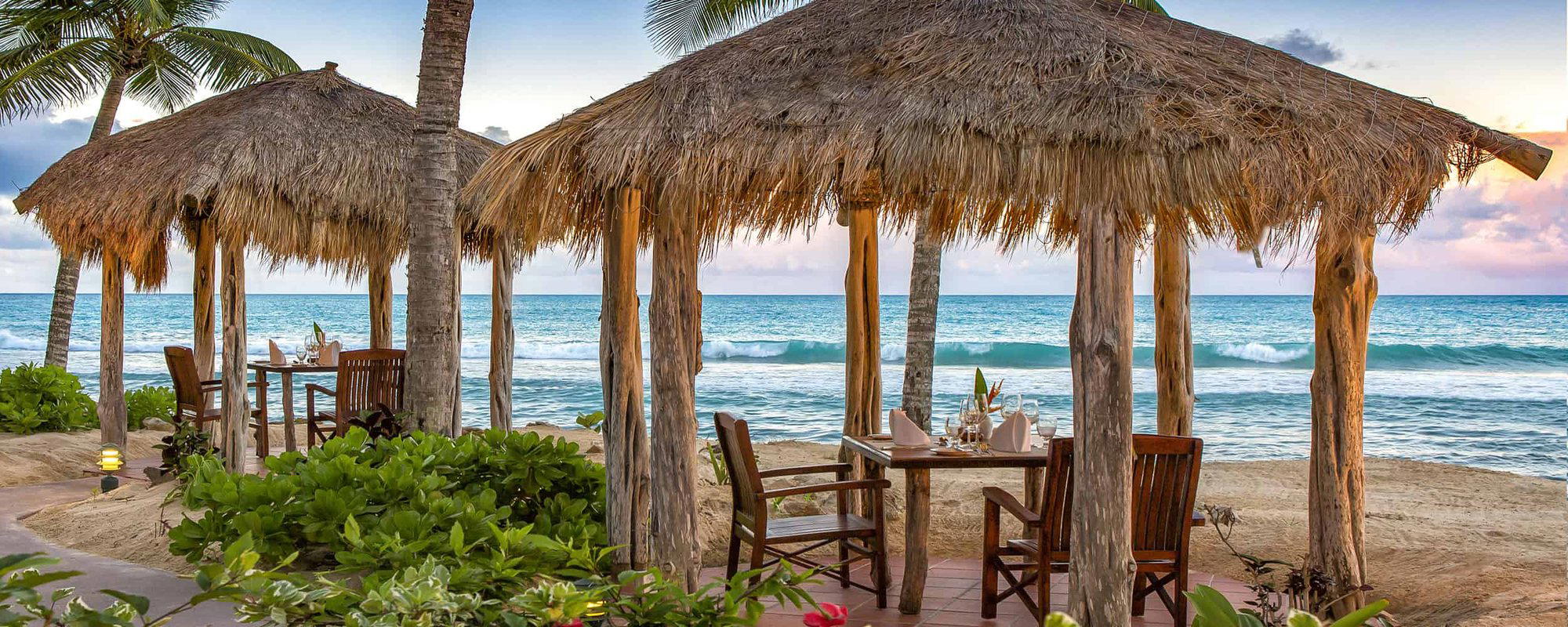
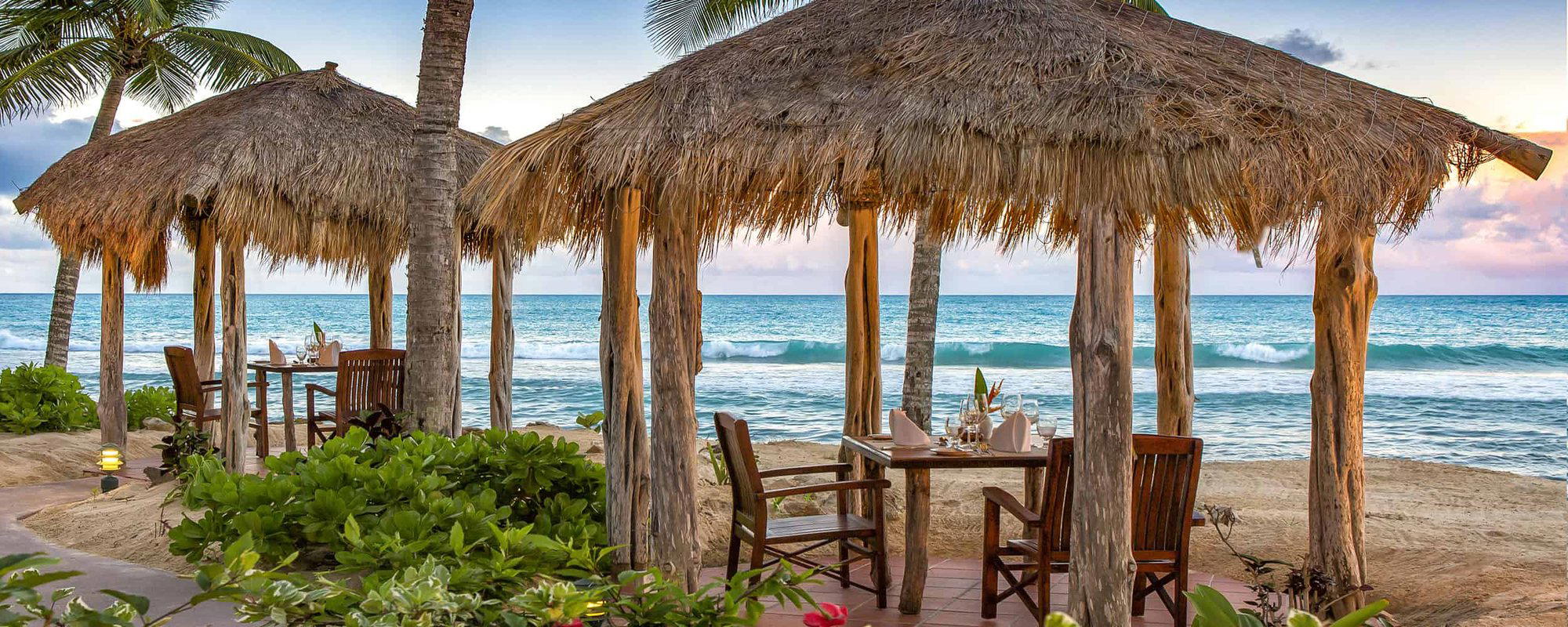
The beach at Coco Point is not a backdrop. It is the primary architectural element. Barbuda's western and southern shoreline produces sand with a visible pink tint, the result of crushed coral and shell content, and the lodge's position at the island's southern tip gives it direct access to this stretch without the foot traffic that would compromise it. In a region where beach quality has become a marketing point subject to significant inflation, Barbuda's coastline has a verifiable distinction: low development density, no cruise ship infrastructure, and a reef system that has shaped the sediment over a long period.
This is what separates the Barbuda experience from the more accessible luxury properties on Antigua's main island. Properties like Curtain Bluff, Galley Bay Resort and Spa, Carlisle Bay, and Hammock Cove Antigua deliver very strong beach and service propositions within Antigua's more connected geography. What they cannot replicate is the beach-to-guest ratio that comes from operating on an island with Barbuda's population density and visitor numbers. The trade-off is real: you gain isolation but surrender convenience, and the logistics of reaching Barbuda mean that the stay tends to be self-contained in a way that Antigua's hotels are not.
Approaching the Lodge: Logistics as Part of the Experience
The physical approach to Coco Point Lodge matters more than it would at most properties, because it takes long enough and involves enough decisions to function almost as an orientation sequence. From Antigua's V.C. Bird International Airport, guests transfer to a small charter flight or take the ferry service to Codrington, Barbuda's main settlement, and then transfer again by road or boat to reach the southern tip. The journey takes roughly an hour from Antigua under normal conditions, though weather, tides, and ferry schedules all introduce variability. Coordinating this in advance, rather than arriving and improvising, is the standard approach for guests who have made this trip before.
The address reference, anchored near Codrington, places the lodge within reach of Barbuda's limited village infrastructure, but the property operates as a self-contained unit. This is not a lodge from which guests walk to restaurants or bars in the evening. Planning the stay as a closed loop, with all dining and activities arranged on-site or through the property, is consistent with how this category of lodge functions globally, whether that is a remote lodge in the Maldives or a private point property in Belize.
Where Coco Point Sits in the Caribbean Luxury Tier
Caribbean luxury has divided into two distinct operating models over the past decade. The first is the branded, amenity-dense resort that competes on programme breadth: multiple restaurants, spa infrastructure, water sports, and concierge depth. Properties like St. James's Club and Villas, Curtain Bluff All Inclusive, Sugar Ridge Resort Antigua, and The Inn at English Harbour represent this model in various forms across Antigua. The second model is the limited-key retreat that competes on access difficulty, low guest density, and the quality of the natural setting. Coco Point Lodge belongs firmly to the second category, and its position on Barbuda rather than Antigua is the mechanism that makes that positioning credible. You cannot put a high-density resort on Barbuda without destroying the premise.
Internationally, the properties that occupy an analogous position include places like Hermitage Bay, Hermitage Bay All Inclusive, and, in a different geography, Tamarind Hills Resort and Villas. The logic in each case is the same: a defined site condition, a low-footprint built response, and a guest experience that derives its character from what is absent as much as what is present. For readers who have stayed at properties like Aman Venice or Cheval Blanc Paris, the comparison is not about price tier alignment so much as a shared disposition toward restraint as a form of luxury.
For an overview of the full accommodation options in Codrington and Barbuda, our full Codrington restaurants and hotels guide maps the island's limited but carefully chosen properties in context.
Planning Your Stay
Booking well in advance is standard practice for a property operating in this format: limited keys, an island with constrained access, and a guest profile that tends toward repeat visitors who plan months ahead rather than last-minute. Enquiries are leading directed through the lodge directly, as third-party availability for properties in this tier is often incomplete. Factor the inter-island transfer into your Antigua arrival timing, and allow for the possibility that weather conditions affect the small-aircraft schedule on any given day.
Comparison Snapshot
| Venue | Cuisine |
|---|---|
| Coco Point LodgeThis venue — the venue you are viewing | This venue |
At a Glance
- Romantic
- Quiet
- Elegant
- Intimate
- Scenic
- Honeymoon
- Romantic Getaway
- Anniversary
- Weekend Escape
- Beachfront
- Private Villa
- Private Dining
- Panoramic View
- Waterfront
- Beach Access
- Concierge
- Room Service
- Waterfront
- Beach Access
- Concierge
- Room Service
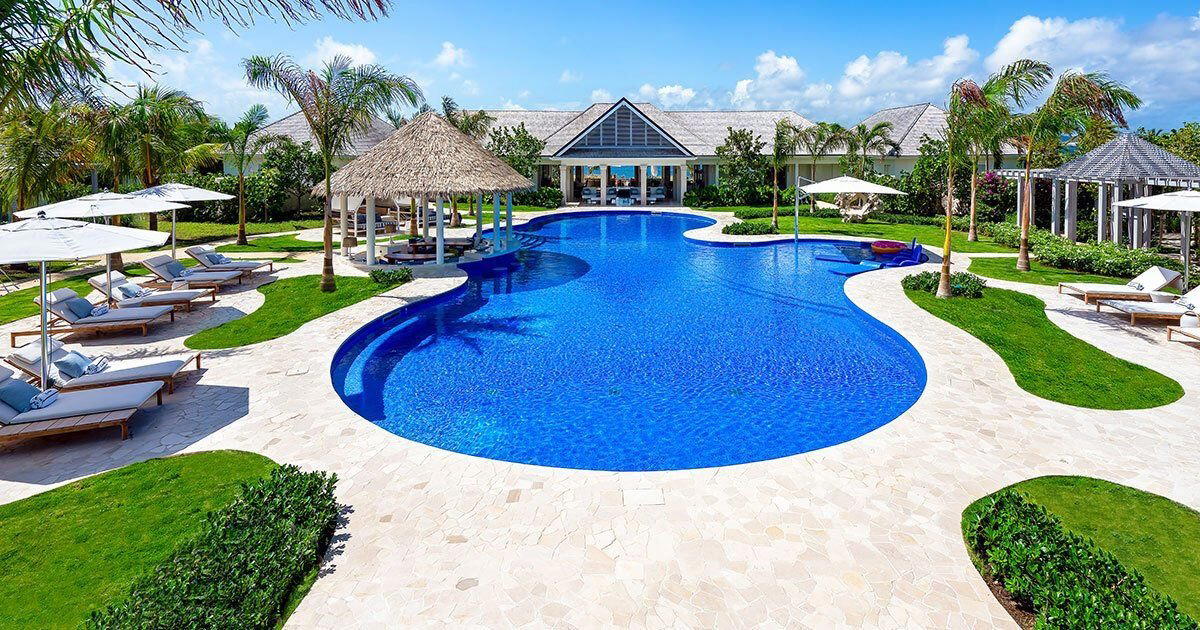
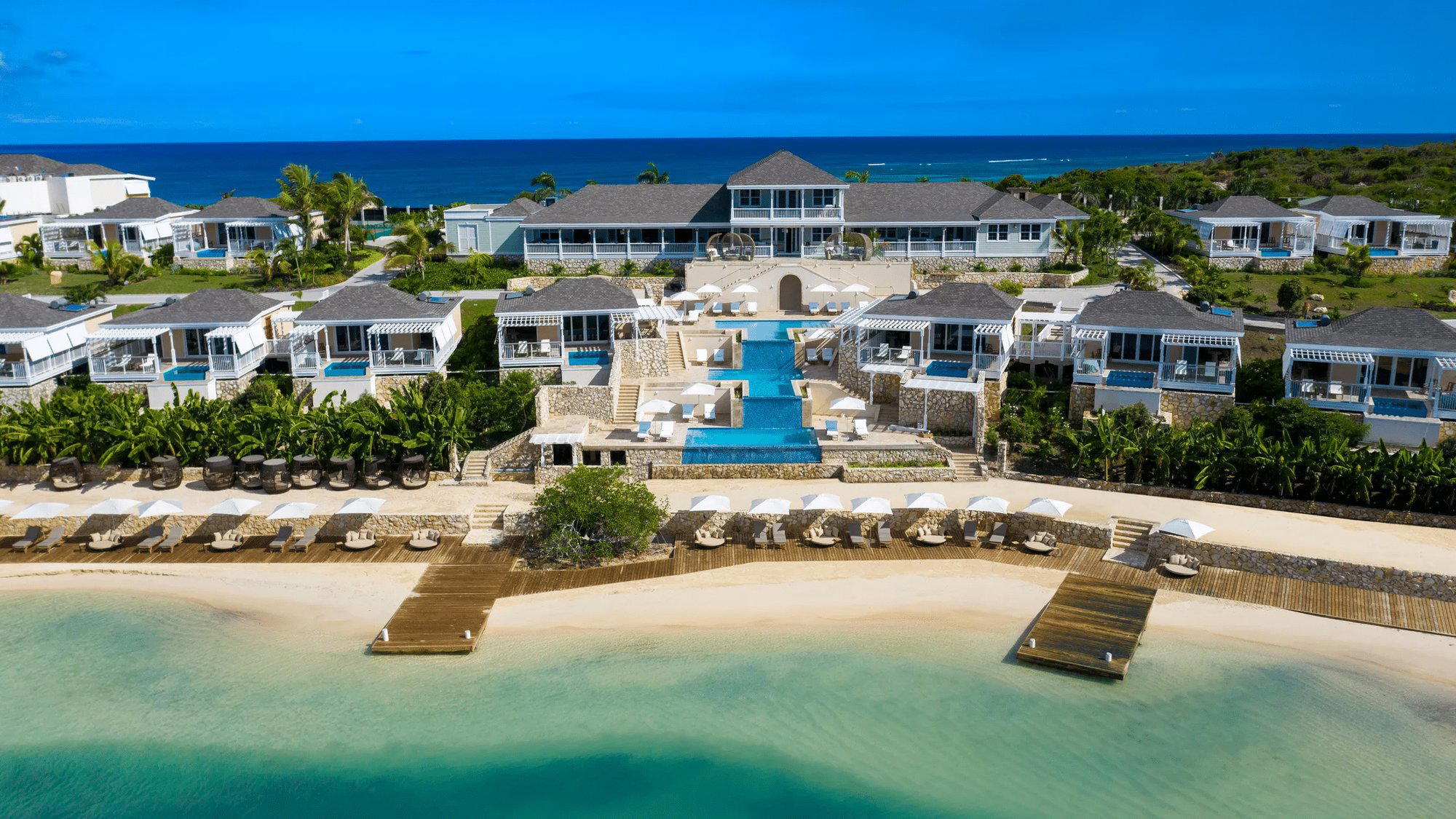
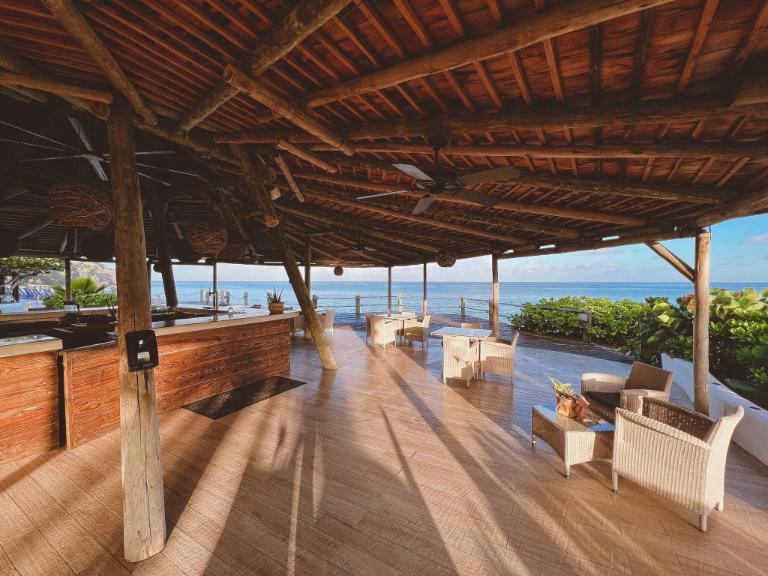
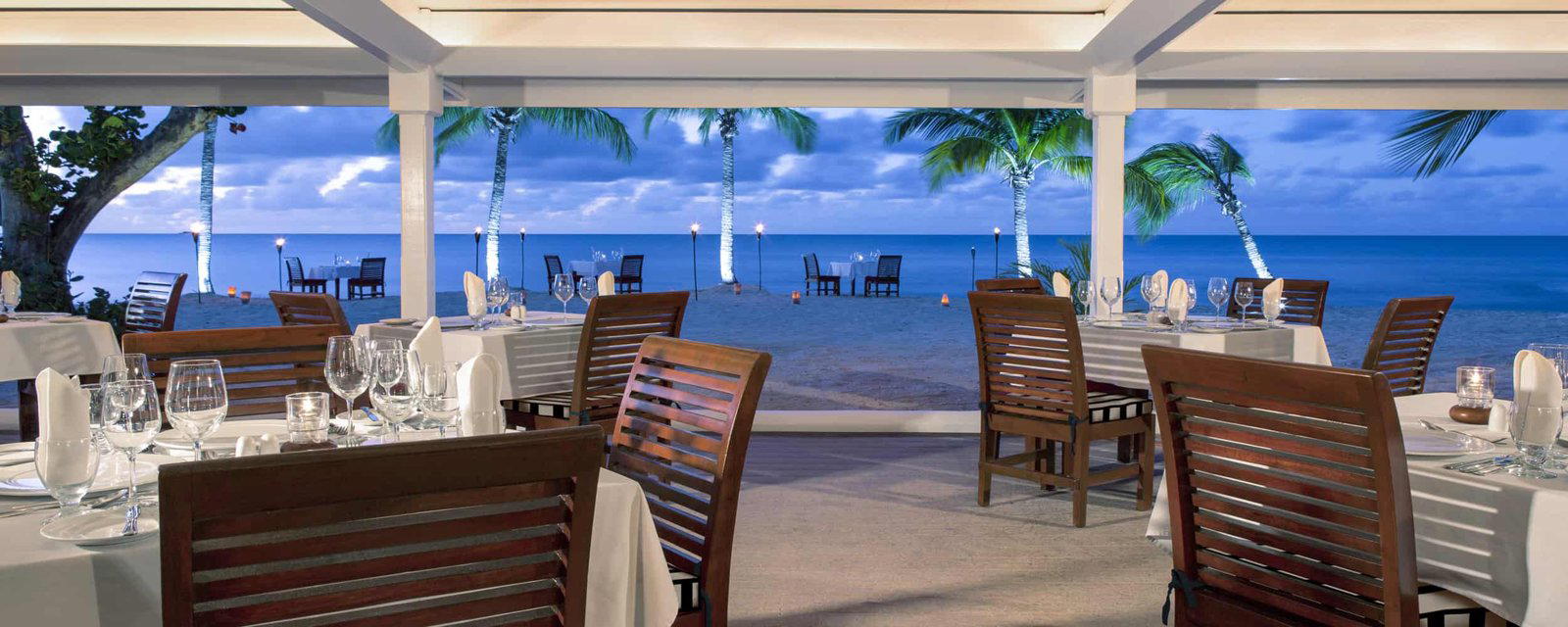
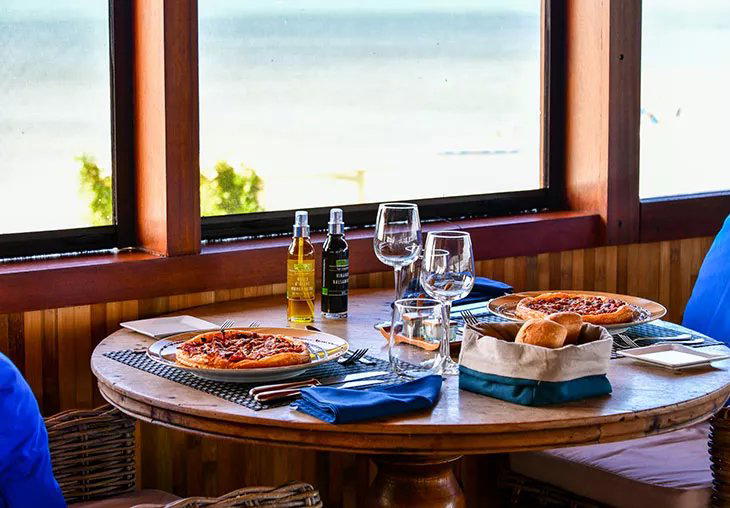
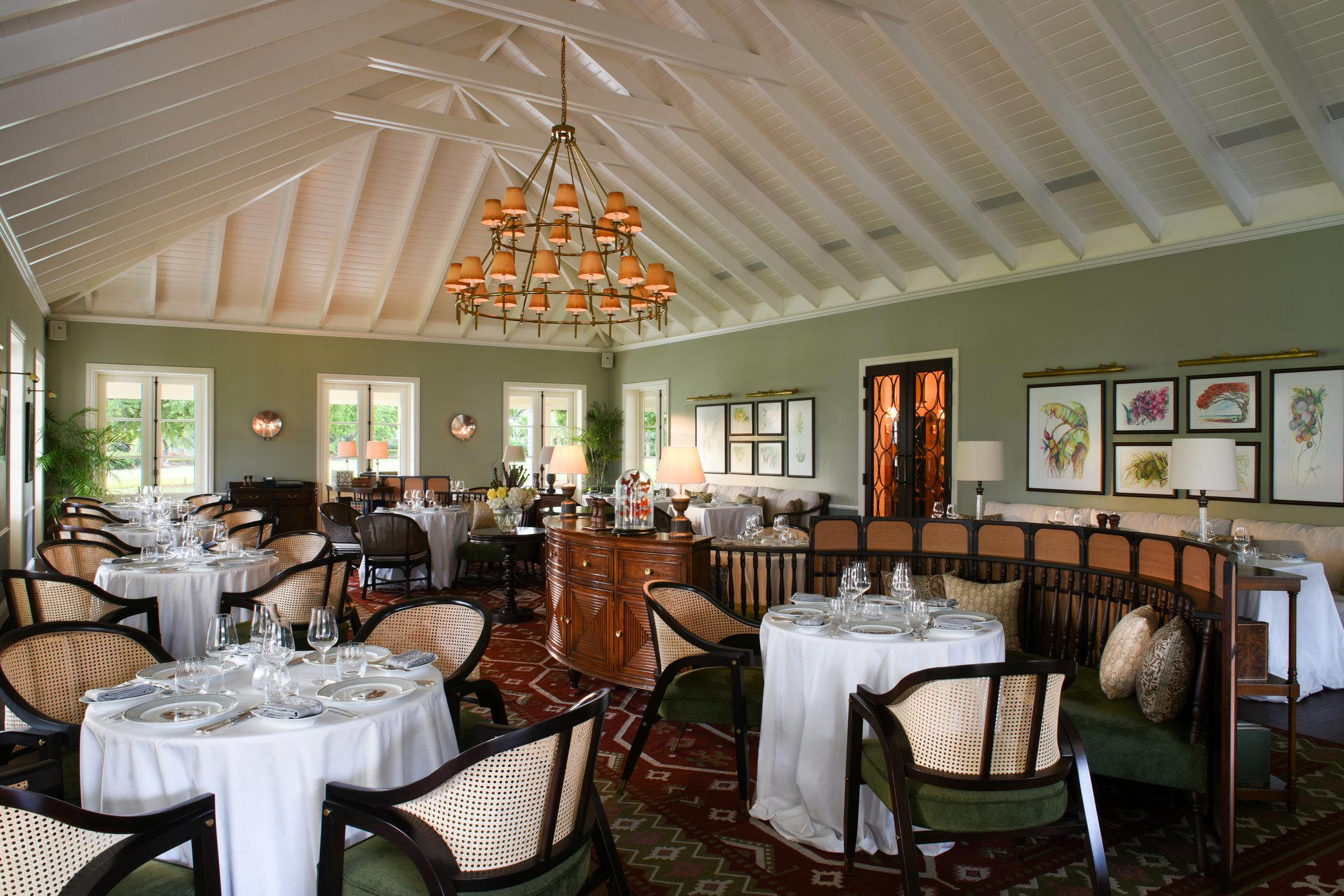
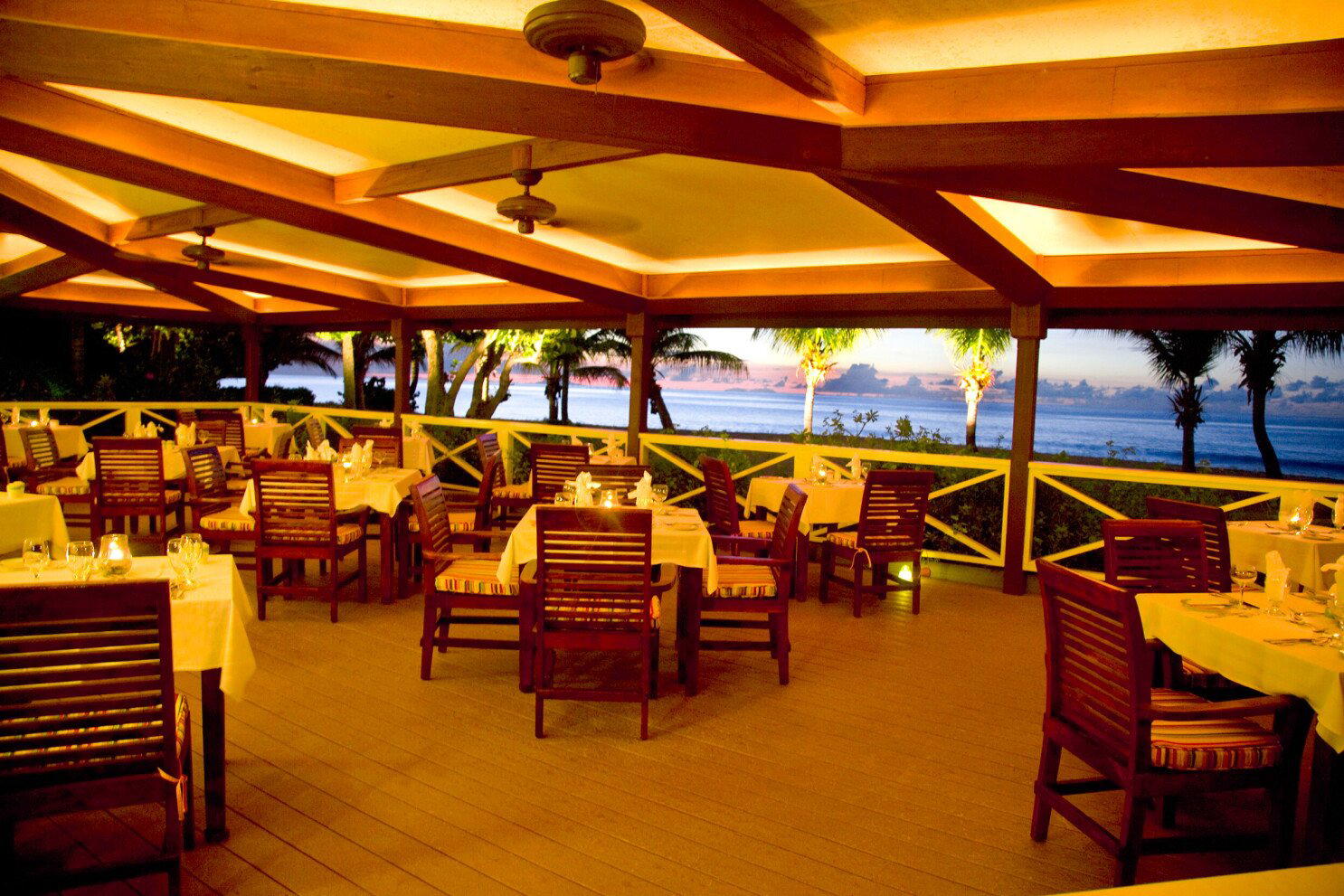
Serene tropical setting with high-quality furnishings in sunny colors, oceanfront suites, and intimate lounges designed for relaxation and privacy.