The Inn at English Harbour

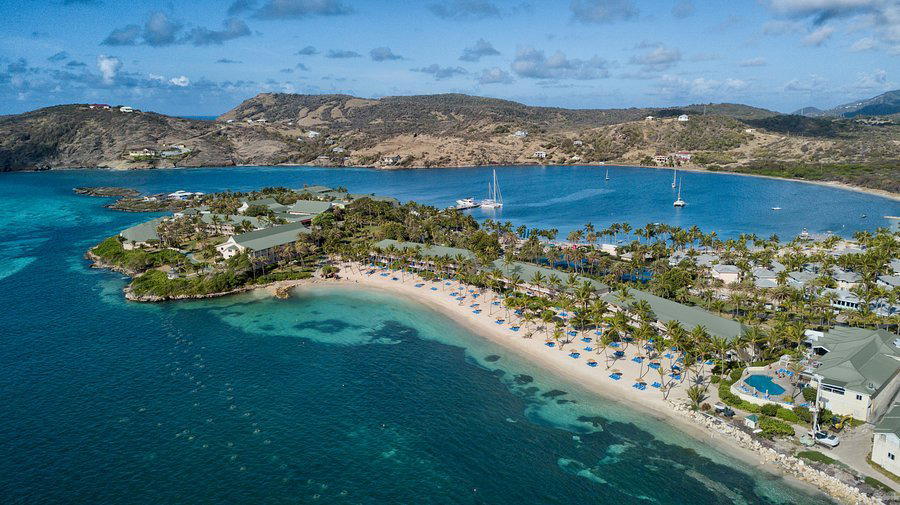
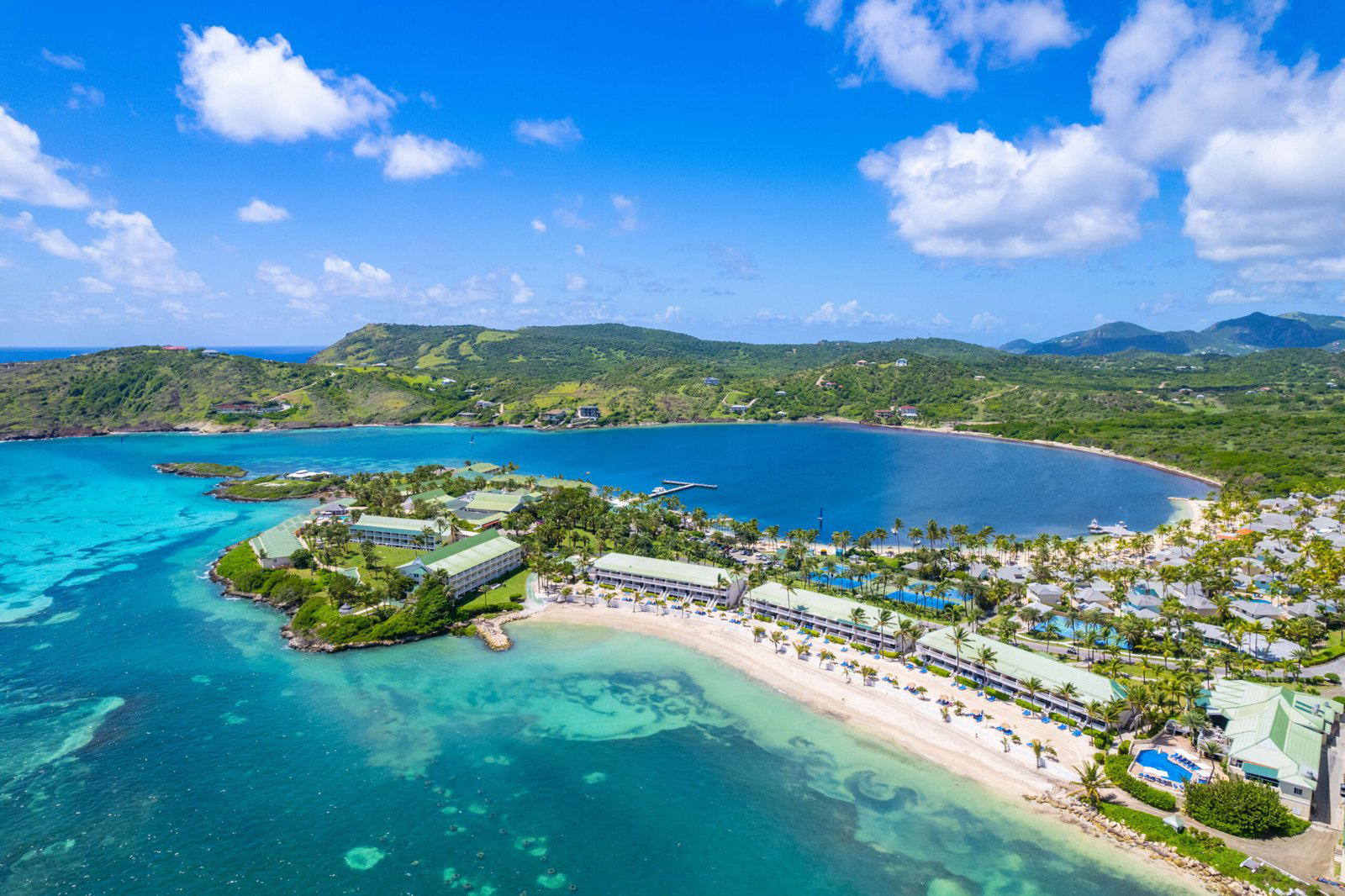
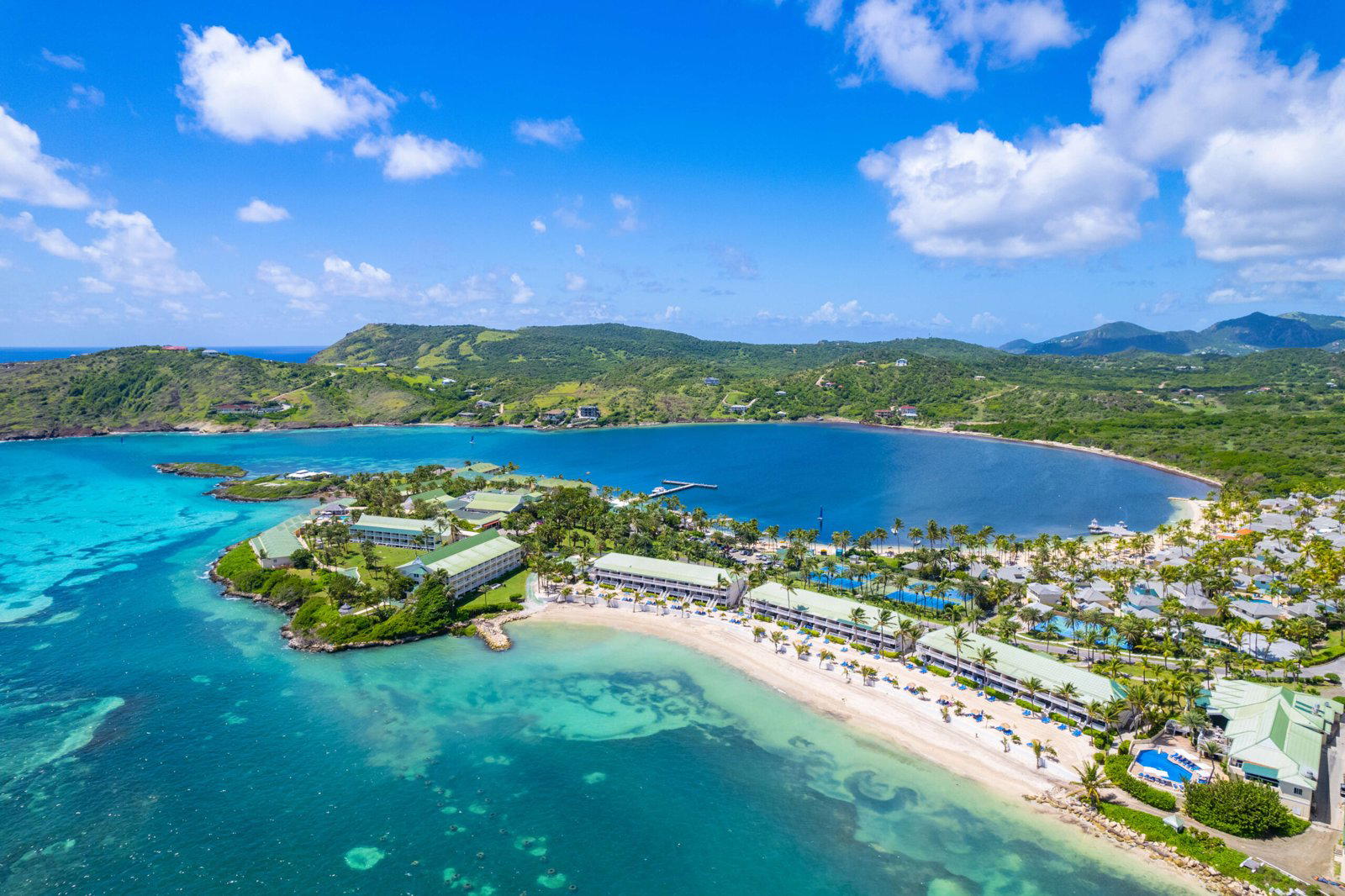
Positioned on wooded hillsides above Freeman's Bay in English Harbour, The Inn at English Harbour occupies one of Antigua's most historically layered settings. The property looks out over a white sand beach and the same protected waters that once sheltered Nelson's Dockyard. For travellers who want proximity to Antigua's sailing heritage alongside genuine natural setting, this address earns serious consideration.
Pearl is the En Primeur Club membership app — saves, bookings, and concierge access live there. Same editors, same standards.
- Address
- Freeman's Bay, no 1, English Harbour
- Phone
- +1 268-460-1014
- Website
- theinnantigua.com
- Directions
- Get directions
 Saves & bookings on Pearl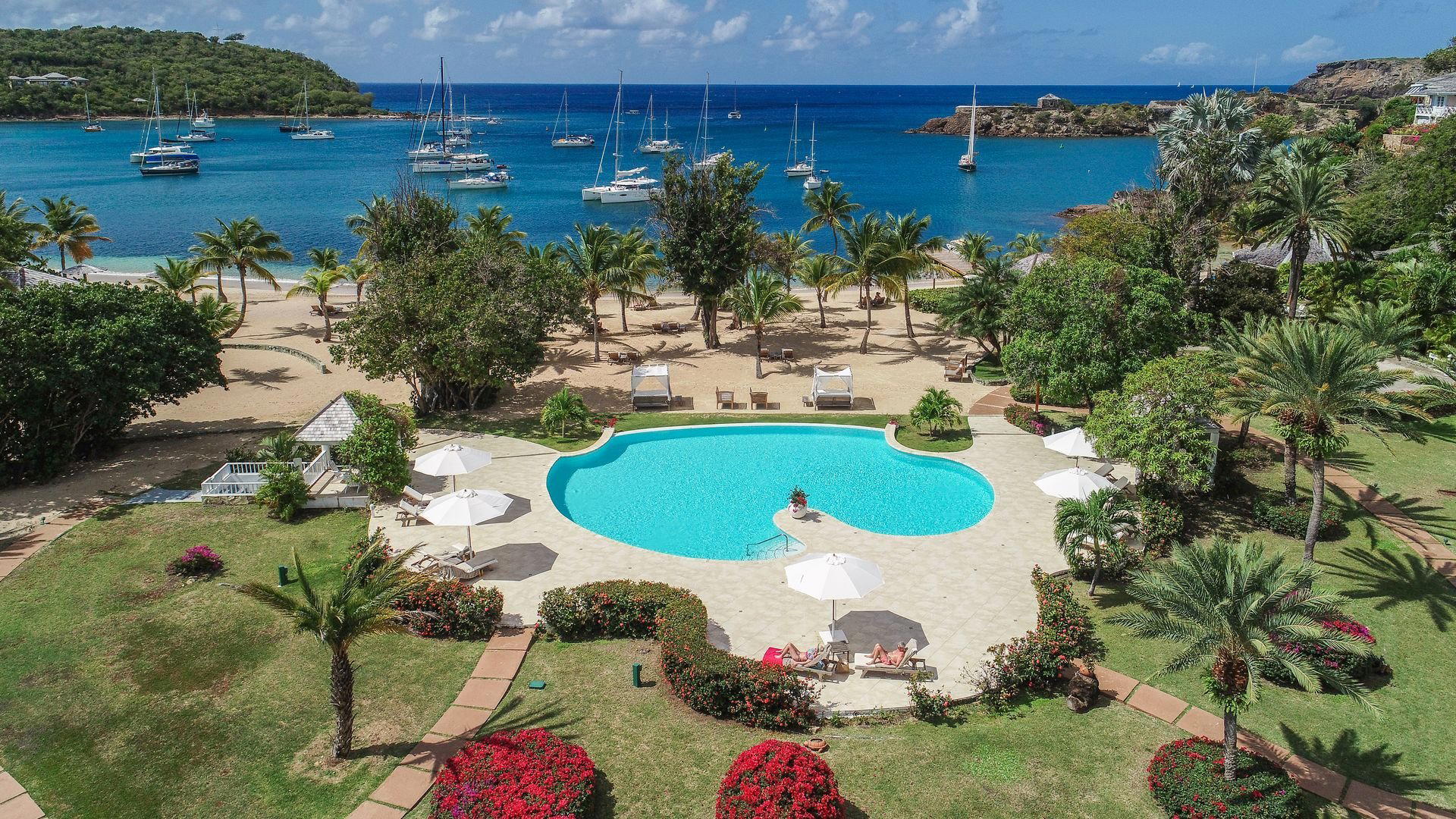
Where Georgian Naval History Meets Caribbean Hillside
English Harbour is not a typical Caribbean resort enclave. Freeman's Bay was, for two centuries, a working British naval station, and Nelson's Dockyard, now a UNESCO World Heritage Site, sits at its edge, its Georgian stonework largely intact. The harbour's reputation draws a particular kind of traveller: sailors competing in Antigua Sailing Week, architects interested in colonial-era engineering, and visitors who want a Caribbean base with genuine historical weight rather than manufactured character. The Inn at English Harbour belongs to that setting. Built into gently sloping wooded hills that descend toward the sea, the property's position is defined by its relationship to the landscape around it: the protected bay below, the ridgeline above, and the white sand beach that separates the two.
That physical arrangement matters editorially because it shapes everything about the experience the property offers. Unlike the flat, beachfront-first footprint that defines resorts on Antigua's western coast, hillside properties in English Harbour operate on a different spatial logic. Guests move between levels, through vegetation, with the water as a recurring visual reference rather than a constant foreground. For properties like Hermitage Bay on the northwest coast, that hillside-to-beach relationship is also central to the design identity. Here, the slope is steeper in character, framed by the naval history that surrounds the bay rather than by the more isolated cove settings found elsewhere on the island.
The Architecture of a Working Harbour Setting
Across Antigua's premium tier, properties tend to divide between two design orientations: the pavilion-style, open-plan aesthetic associated with newer resorts on the west coast, and the more enclosed, Colonial-inflected architecture that fits the English Harbour context. The Inn at English Harbour sits in the latter category. The wooded hillside setting constrains and directs the design in ways that open, flat sites do not, buildings must respond to gradient, sight lines are earned rather than given, and the vegetation becomes part of the spatial experience rather than a backdrop. This is a meaningfully different proposition from, say, the wide-arc beach views at Curtain Bluff, where the architecture faces the Caribbean in broad, unobstructed planes.
The material and tonal decisions in English Harbour properties are also shaped by the heritage context. The dockyard's Georgian brick and timber set a visual register for the area that newer development tends to acknowledge, even if only in the choice to use natural materials and restrained colour palettes. Properties that read against that register, high-gloss, maximalist, modernist, tend to feel displaced in this particular bay. The Inn's position on the hillside, with tree cover and a view down to the beach, aligns with the kind of architecturally considered approach that responds to place rather than imposing on it. Compare that to the more design-forward positions taken at Hammock Cove Antigua on the island's northeast tip, where the aesthetic is contemporary and the setting is dramatically different in character.
English Harbour in the Context of Antigua's Premium Tier
Antigua's high-end accommodation market is genuinely varied. At one end, there are all-inclusive properties like Curtain Bluff All Inclusive and Galley Bay Resort and Spa, where the pricing model and amenity set are structured around a contained experience. At the other end, small-footprint properties compete on seclusion, design, and access to specific natural or cultural assets. English Harbour's appeal has always been tied to the latter logic: it is a place people come for the sailing culture, the dockyard, and the concentrated character of a working harbour that still functions as one of the Caribbean's premier yachting destinations. The Inn sits inside that positioning, drawing guests who see historical and maritime context as part of the value rather than incidental to it.
Elsewhere on the island, the competition for the same traveller includes Jumby Bay Island, which occupies a private island off Antigua's north coast and competes on absolute exclusivity, and Coco Point Lodge on Barbuda, which operates in an even more remote register. English Harbour is not competing in the remote-seclusion tier. It is, instead, a place with operational infrastructure, restaurants, marina, chandleries, the dockyard itself, within walking or short driving distance. That combination of setting and access puts it in a distinct position within the island's accommodation map.
Planning Your Stay
English Harbour's peak season aligns with the wider Caribbean calendar: the dry months between December and April draw the majority of visitors, with Antigua Sailing Week in late April representing a particular intensity of demand in and around the harbour. During that week, the bay is populated with racing yachts and the social atmosphere of the harbour area shifts considerably, a worthwhile spectacle if sailing culture is part of the appeal, but worth factoring into room availability and pricing expectations if it is not. The hillside position of The Inn means the property is reasonably insulated from the harbour-level activity while remaining close enough to access it on foot. Additional Caribbean-adjacent comparisons include Tamarind Hills on Antigua's west coast and St. James's Club and Villas on the southeast coast, both of which offer a contrasting spatial and amenity logic. For those interested in exploring Antigua's full accommodation range across price tiers and locations, the Sugar Ridge Resort in Jolly Harbour and Hermitage Bay All Inclusive offer useful reference points for the island's structural range.
In Context: Similar Options
Comparable venues nearby, for context on price, style, and recognition.
| Venue | Cuisine | Price | Awards | Notes |
|---|---|---|---|---|
| The Inn at English HarbourThis venue — the venue you are viewing | Colonial-inspired luxury boutique resort blending vintage style with modern amenities on 19 acres of protected beachfront land. | $$$$ | 5-Star | Not listed |
| Hermitage Bay - All Inclusive | Secluded Balinese-inspired wooden cottages blending into lush tropical hillside gardens leading to private beach. | $$$$ | 5-Star | Saint Mary |
| Hammock Cove Antigua | luxury adults-only all-inclusive resort with private villas | $$$$ | 5-Star | Saint Philips |
| Barbuda Belle | Eco-friendly luxury beachfront bungalows | $$$$ | 4-Star | Codrington |
| Curtain Bluff | Low-rise colonial West-Indian style resort with modern updates on a rocky peninsula. | $$$$ | 5-Star | Saint Mary |
| Curtain Bluff Resort | Boutique, club‑like Caribbean beach resort with a relaxed yet upscale all‑inclusive concept. | $$$$ | 5-Star | St. Marys Parish |
Recognition history
Dated appearances from independent guides and award organizations, with the underlying list record or original source where available.
Small Luxury Hotels of the World Member
Small Luxury Hotels of the World
Continue exploring
More in English Harbour
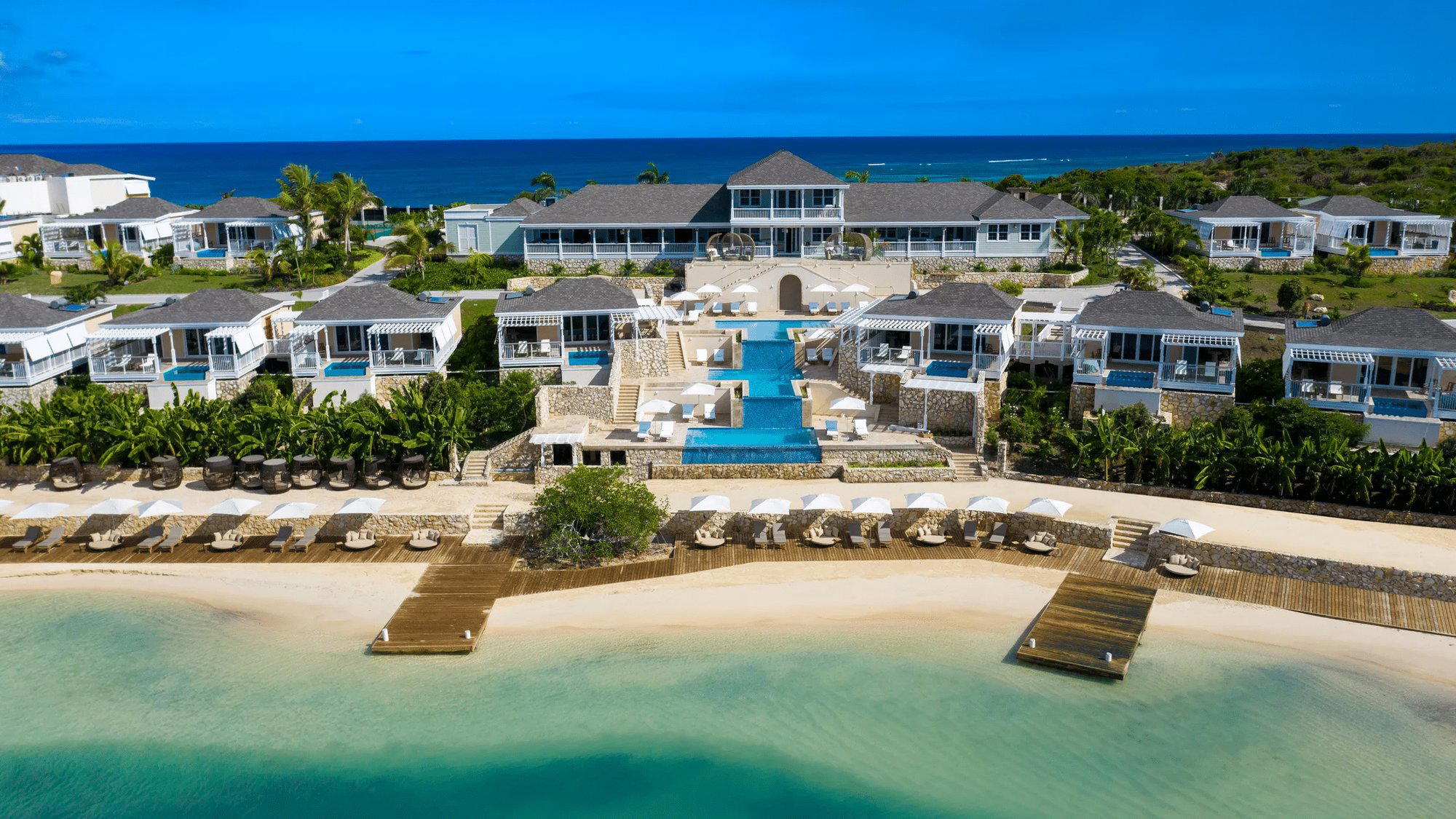
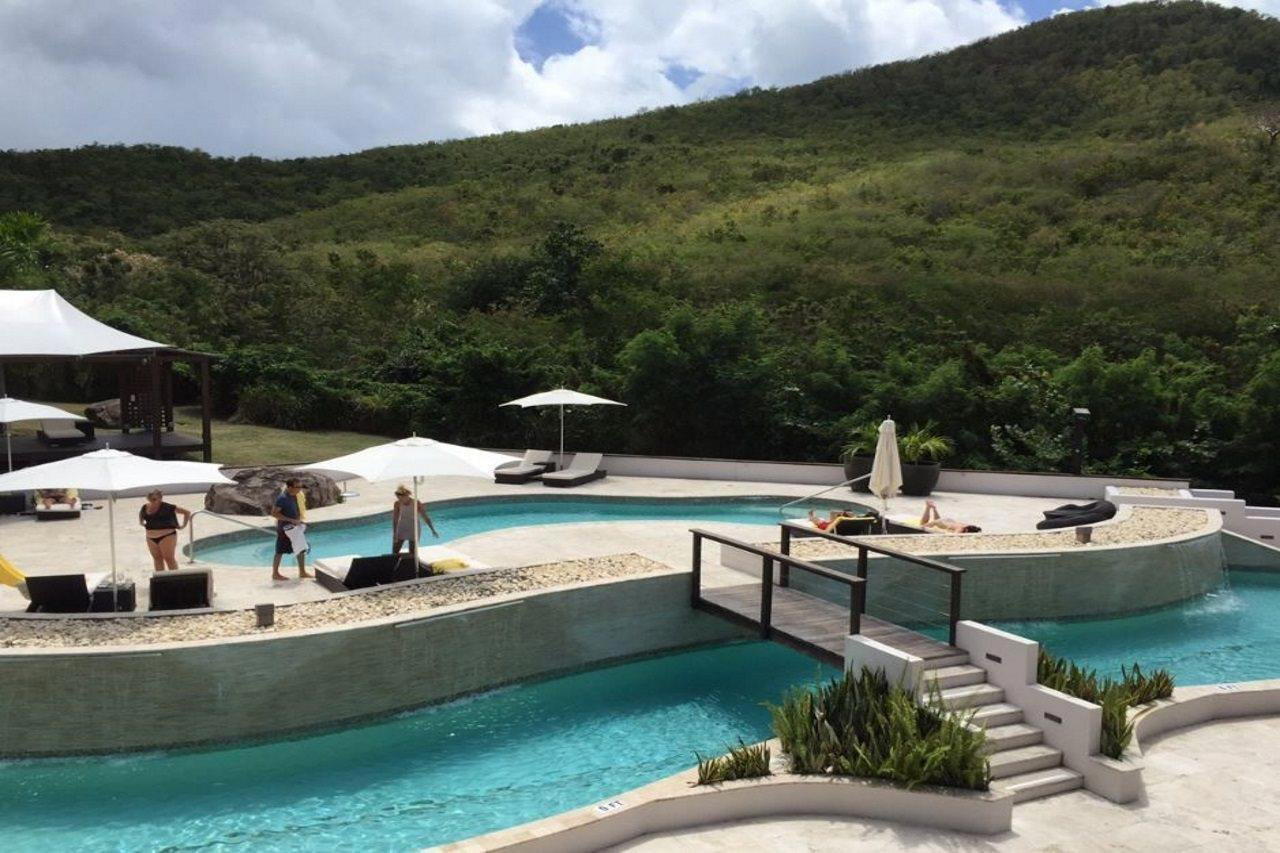
Hotels in English Harbour
Browse all →
Bars in English Harbour
Browse all →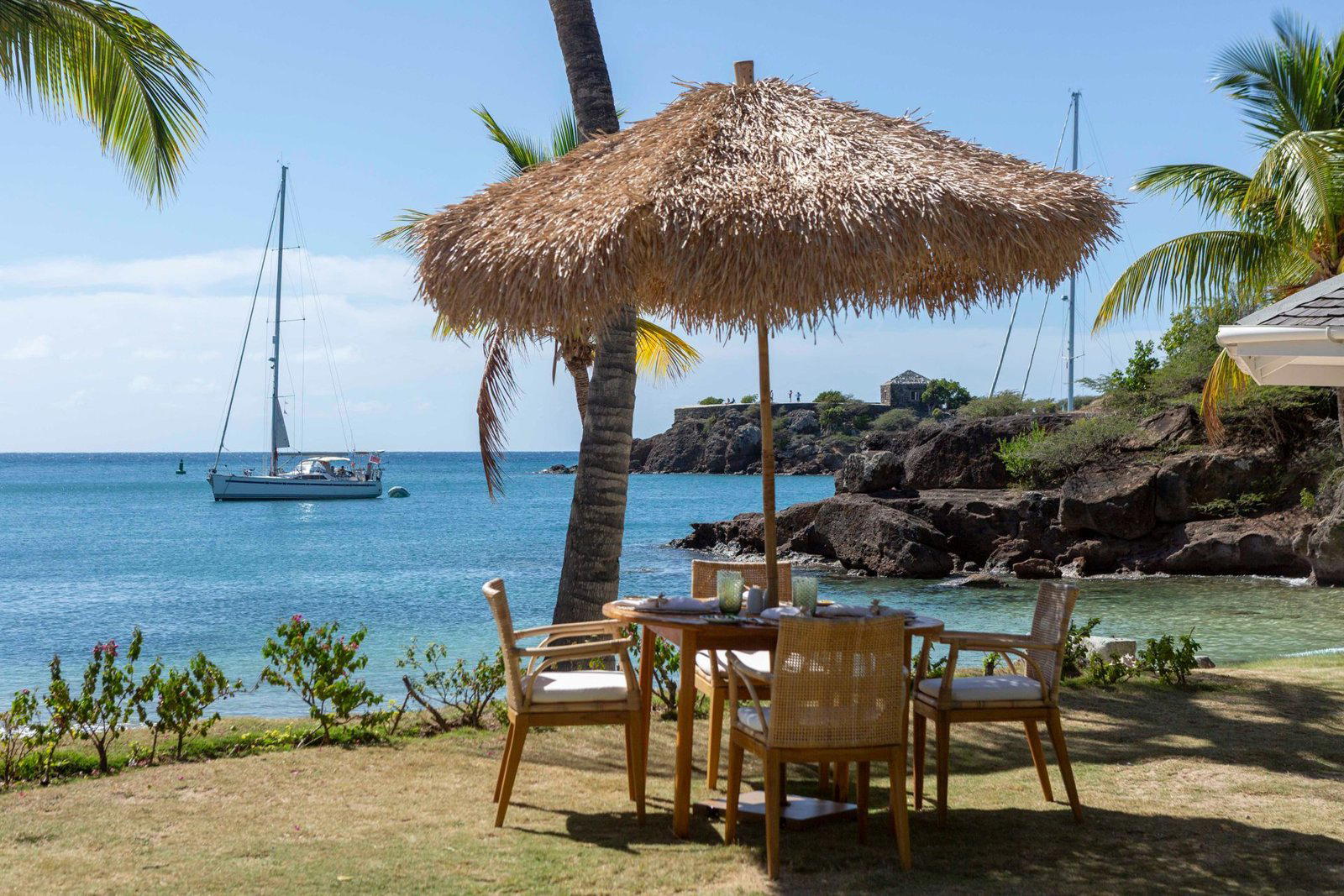


At a Glance
- Romantic
- Elegant
- Scenic
- Intimate
- Sophisticated
- Honeymoon
- Romantic Getaway
- Anniversary
- Destination Wedding
- Beachfront
- Infinity Pool
- Private Villa
- Wi Fi
- Pool
- Spa
- Fitness Center
- Room Service
- Concierge
- Tennis
- Beach Access
- Waterfront
- Garden
- Wi Fi
- Pool
- Spa
- Fitness Center
- Room Service
- Concierge
- Tennis
- Beach Access
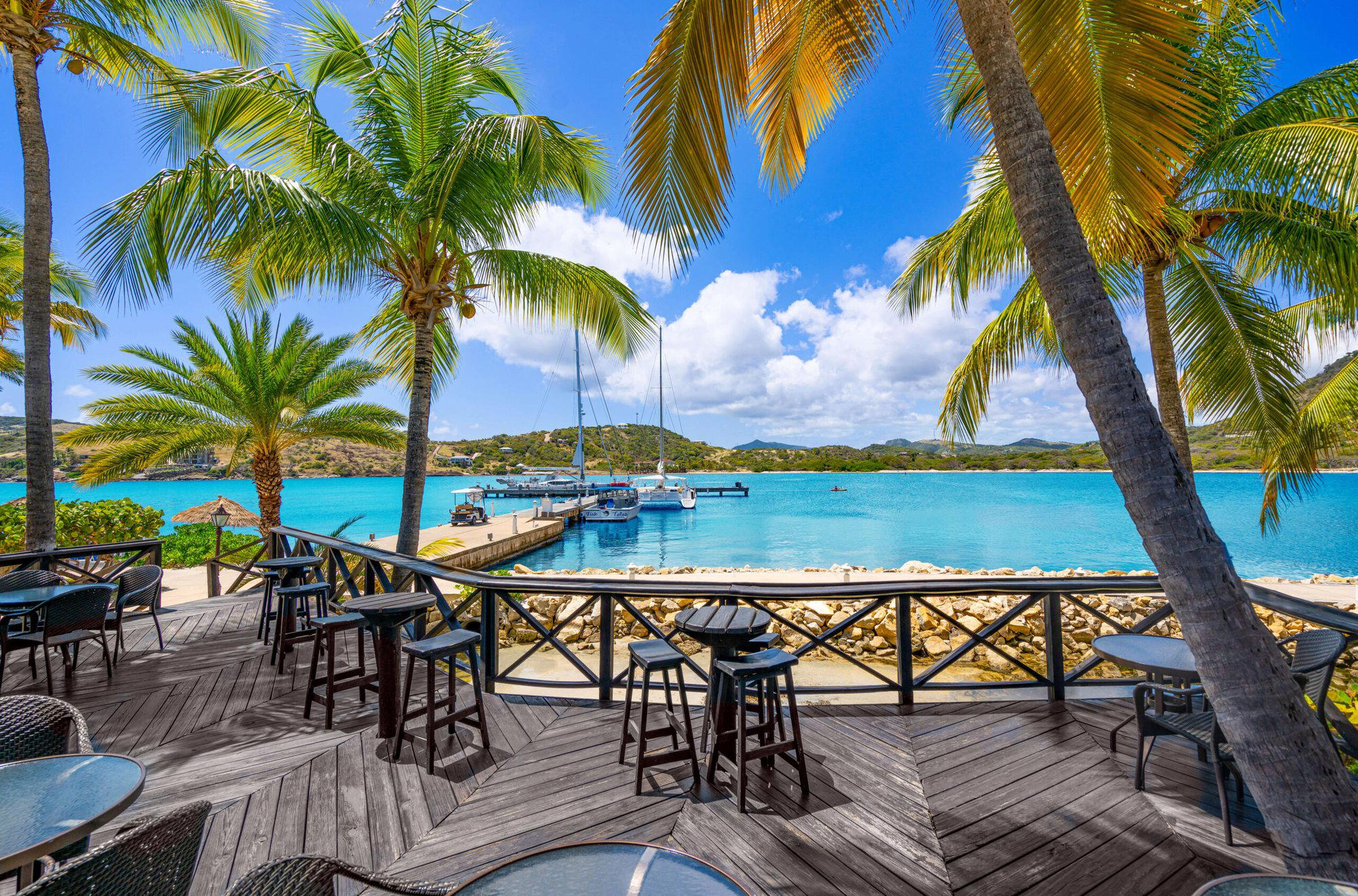
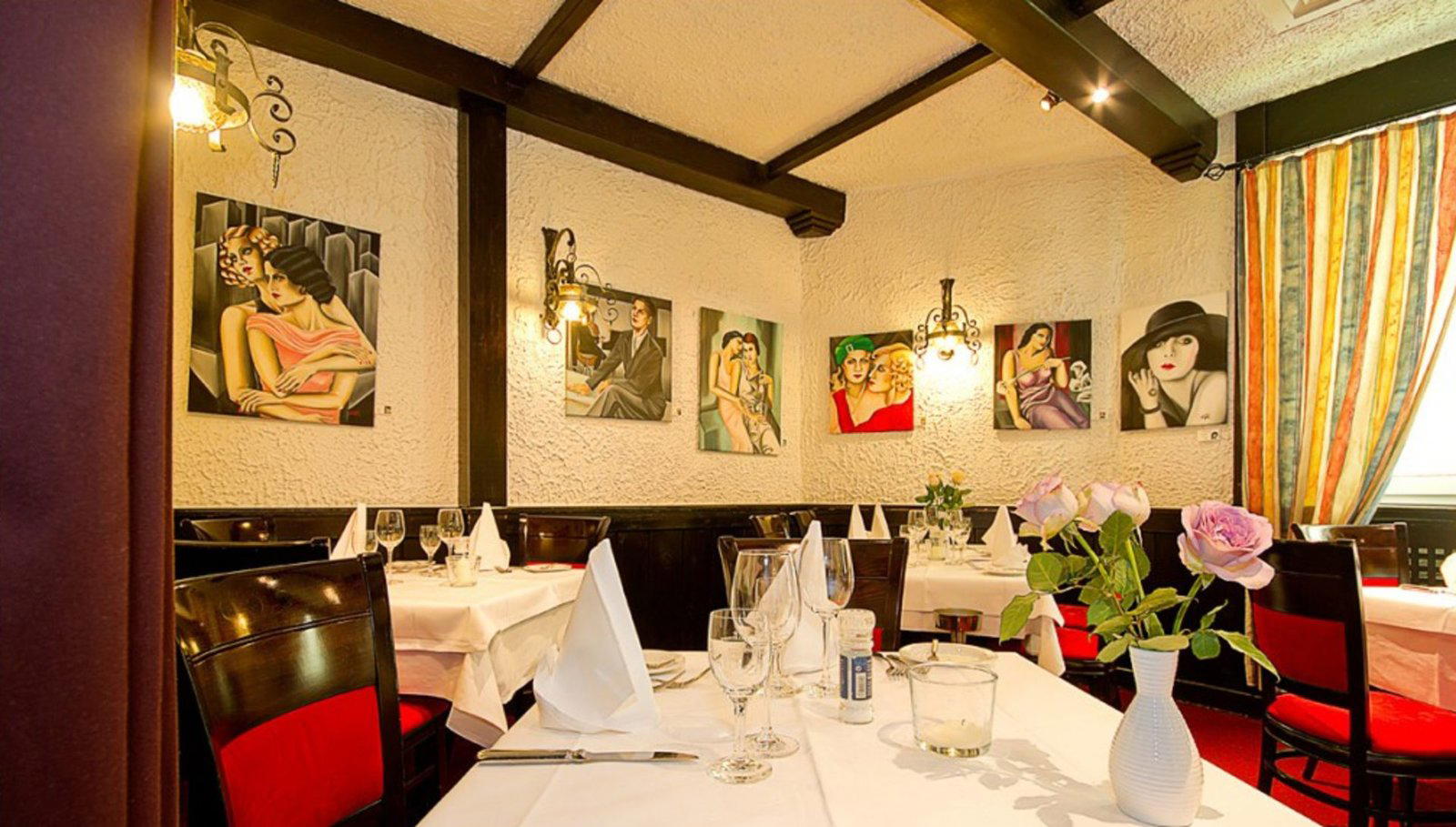
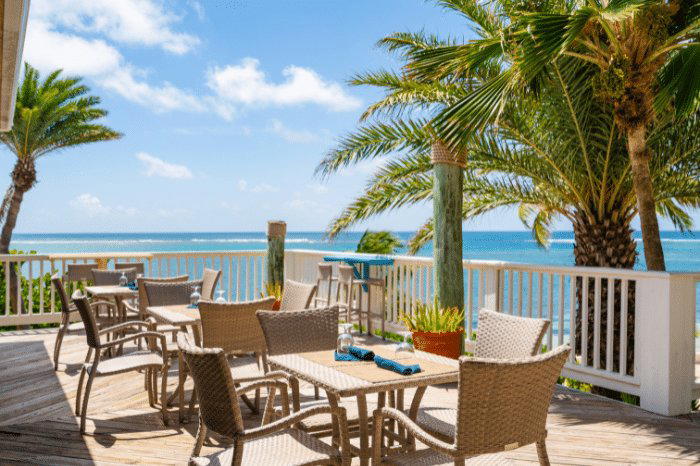
Cozy, elegant, and quietly refined with open-air dining, swaying palms, and serene beachfront views fostering unhurried, intimate evenings.