At Chemin du Taro in Chamonix-Mont-Blanc, Chalet Valhalla occupies a tier of alpine accommodation where the architecture does most of the storytelling. The chalet format sits within a broader French Alps tradition of timber-and-stone construction calibrated for high-altitude winters, and Valhalla positions itself at the more considered end of that local spectrum, where design coherence and mountain setting carry more weight than scale.

Pearl is the En Primeur Club membership app — saves, bookings, and concierge access live there. Same editors, same standards.
- Address
- 99 Chem. du Taro, 74400 Chamonix-Mont-Blanc, France
- Phone
- +33 4 50 55 83 08
- Website
- chalet.collineige.com
- Directions
- Get directions
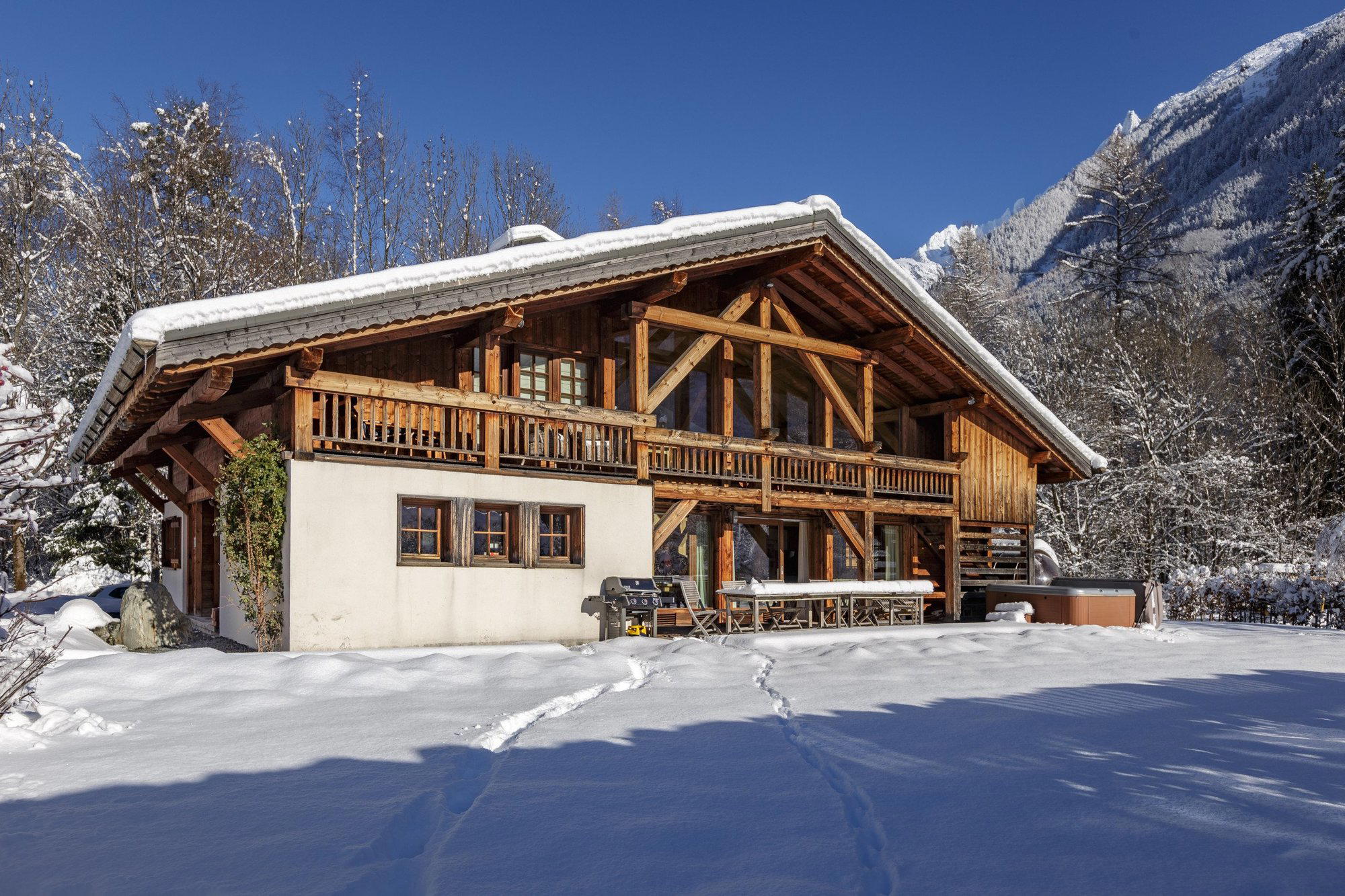
Where the Mountain Does the Work
Chamonix has long operated as something of a divided market. On one side sit the international hotel groups — properties like Cheval Blanc Courchevel or the Four Seasons Megève, which bring global brand infrastructure to alpine terrain. On the other sit privately held chalets and smaller properties that trade on local character, construction authenticity, and the kind of proximity to the mountain that large footprints can rarely sustain. Chalet Valhalla at 99 Chemin du Taro belongs to the second category: a property whose identity is shaped by place rather than brand.
That distinction matters more in Chamonix than in most French resort towns. The valley sits beneath Mont Blanc — the highest peak in Western Europe, and the mountain's scale has a way of rendering conventional luxury signals secondary. Guests arrive from Geneva (roughly 90 minutes by road) or via the Mont Blanc Express train from Saint-Gervais-les-Bains, and the approach through the valley already calibrates expectations. By the time you reach a chalet-format property at this address, the surrounding terrain has done more design work than any interior decorator could.
The Architecture of Altitude
The dominant building tradition in the Chamonix valley draws from Savoyard vernacular: steeply pitched roofs, heavy timber framing, stone bases built to manage snowload and thermal mass across winters that regularly push temperatures well below freezing. This is not decorative rusticism, these are structural responses to altitude and climate that have been refined over centuries. The most considered alpine properties in this corridor do not impose design on that tradition; they work within it.
Chalet Valhalla's position on Chemin du Taro places it within a residential zone that has historically attracted smaller, character-led properties rather than large resort complexes. The address is part of what separates Chamonix from purpose-built ski resorts like those in the Trois Vallées. Chamonix is a functioning town with a year-round population, and properties here tend to read as embedded in that civic fabric rather than dropped into a purpose-built ski village. That embeddedness shapes the architecture as much as any deliberate design choice.
For comparison, the French Alps properties that attract the most design-led attention, including Cheval Blanc Courchevel and similar tier properties, often work against vernacular grain to signal luxury through contrast and material expense. The chalet model inverts that logic: the materials and forms are familiar, and the quality signal comes from how rigorously they are executed. Timber joinery, stone sourcing, and the ratio of glazing to solid wall all carry meaning in this register in ways that marble lobbies simply do not.
Chamonix as a Year-Round Proposition
The property's context also needs to be understood seasonally. Chamonix draws two distinct visitor profiles across the calendar year. Winter brings skiers accessing the Grands Montets and Les Houches areas, along with off-piste and backcountry guides operating some of the most technically demanding terrain in Europe. Summer draws trail runners, mountaineers, and altitude hikers, the Ultra-Trail du Mont-Blanc, one of Europe's most followed trail races, routes through the valley each August, bringing significant international traffic and booking pressure across the accommodation market.
Chalet-format properties in Chamonix generally perform differently across those two seasons. In winter, demand is driven by ski access and proximity to lifts; in summer, the calculus shifts toward views, terrace space, and the quality of the surrounding walking network. A property at this address is positioned within reach of both seasonal profiles, which is part of what makes the chalet format in Chamonix more durable than comparable formats in single-season resorts.
Visitors planning around the UTMB window in late August should note that Chamonix accommodation across all tiers fills months in advance during that period. Outside that window, autumn offers the sharpest conditions for serious hiking with considerably lower pressure on accommodation availability. For those comparing Chamonix to neighbouring French Alps destinations, the resort operates at a different register than Megève's gastronomy-forward identity or the Courchevel tier's emphasis on ski-in access and large-format luxury, context that properties like Four Seasons Megève illustrate clearly on the other end of the spectrum.
Where Chalet Valhalla Sits in the Local Picture
The Chamonix accommodation market is more fragmented than most comparable French resort towns. It includes large hotels, apartment-style ski rentals, a handful of boutique hotels, and a tier of privately owned chalets that operate with varying degrees of hospitality infrastructure. Chalet Valhalla occupies the latter category, which means the experience is shaped by the property itself rather than by the systems of a hotel group.
That fragmentation is worth understanding before booking. Chalet-format properties at this level in Chamonix often operate with more restricted availability and less public-facing infrastructure than hotel-group properties, fewer public booking portals, less standardised pricing, and a guest profile that tends toward repeat visitors and referral bookings. For those accustomed to the transparency of properties like Cheval Blanc Paris or Aman Venice, the booking process at this tier of French alpine property requires a different approach.
For a broader orientation to the Chamonix dining and stay options at this level, our full Chamonix restaurants guide maps the wider scene across categories and price points.
Planning Your Stay
The property's address on Chemin du Taro is accessible by road from Chamonix town centre, with the valley's public transport network, including bus connections to the main lift stations, operating year-round. Geneva Airport remains the primary international access point, with transfers available by road or the TGV-connected rail route via Saint-Gervais-les-Bains. For those approaching the French Alps from other high-end base properties, Cheval Blanc Courchevel is approximately two hours south through the Tarentaise valley, and the Four Seasons Megève sits roughly 30 minutes from Chamonix by road, making multi-property itineraries across the northern Alps practical.
Given that specific pricing, room configuration, and booking contacts are not publicly listed at the time of writing, direct outreach to the property via its Chemin du Taro address or through a specialist travel advisor familiar with the Chamonix chalet market is the most reliable approach. Properties at this tier in Chamonix rarely publish availability openly, and the lead time for peak winter and UTMB-window summer bookings is typically measured in months rather than weeks.
Fast Comparison
| Venue | Price | Awards |
|---|---|---|
| Chalet ValhallaThis venue — the venue you are viewing | $1,500–2,500 | Not listed |
| Cheval Blanc Paris | $2,500+ | 3 Michelin Keys · World's 50 Best #20 |
| Cheval Blanc Courchevel | $1,500–2,500 | 3 Michelin Keys · La Liste Top Hotels |
| Le Meurice | $1,000–1,500 | 3 Michelin Keys · La Liste Top Hotels |
| Aman Le Mélézin | $2,500+ | 2 Michelin Keys · La Liste Top Hotels |
| Hôtel Cheval Blanc St-Tropez | $200–300 | 2 Michelin Keys · La Liste Top Hotels |
Continue exploring
More in Chamonix
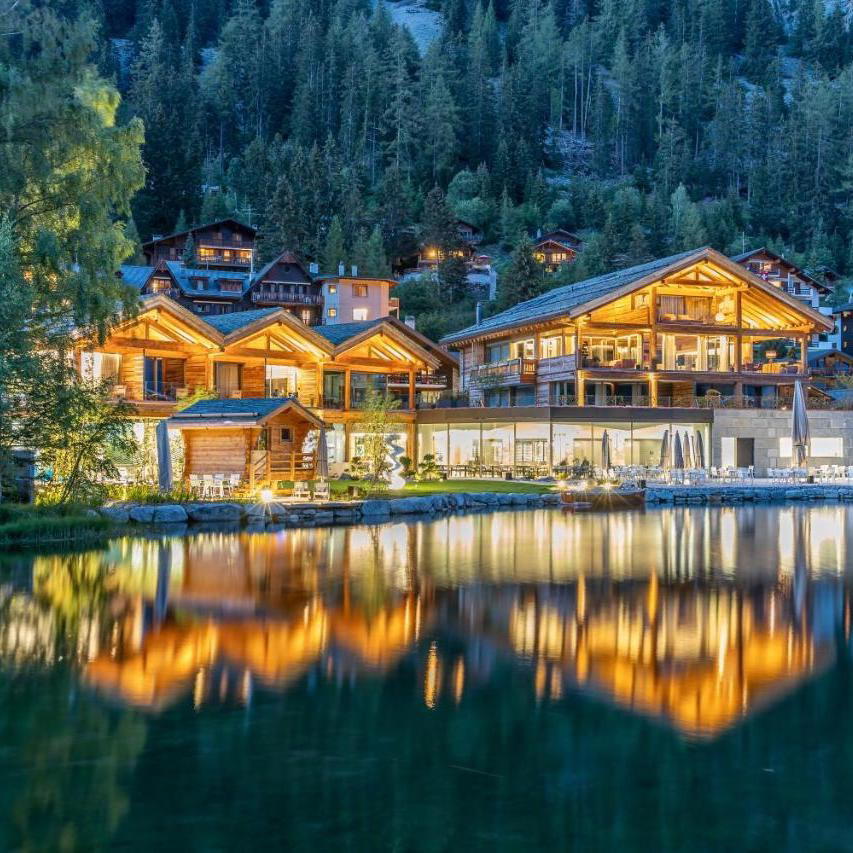
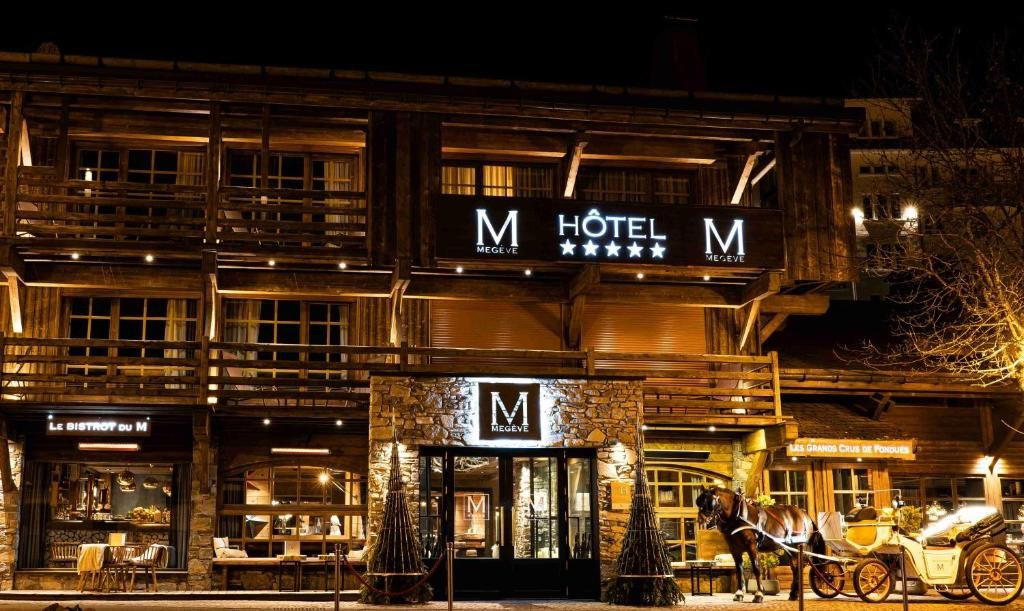
Hotels in Chamonix
Browse all →
Bars in Chamonix
Browse all →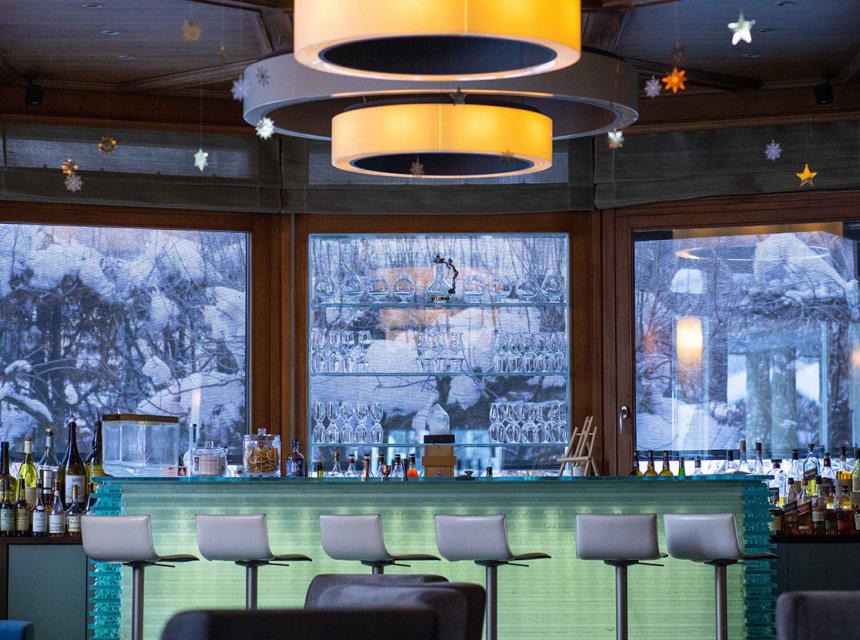
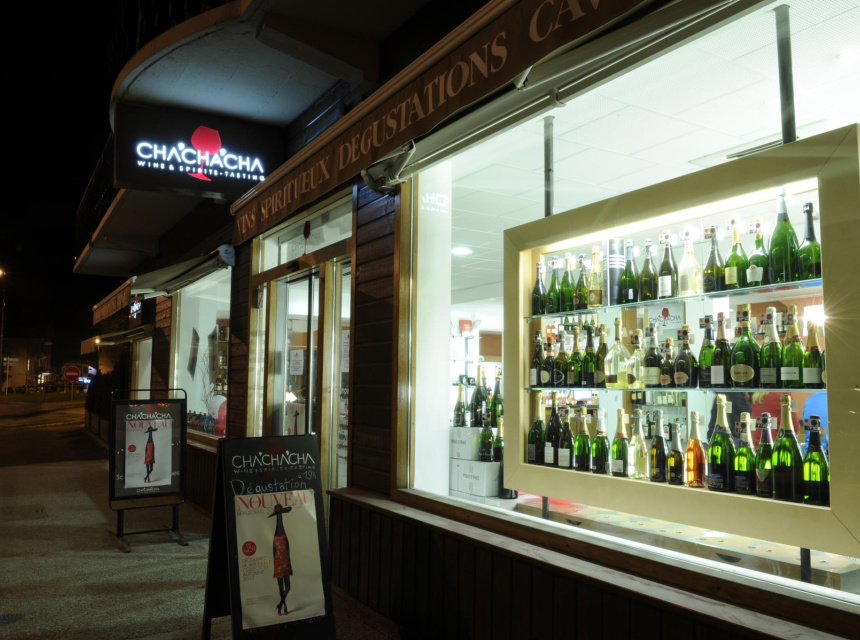
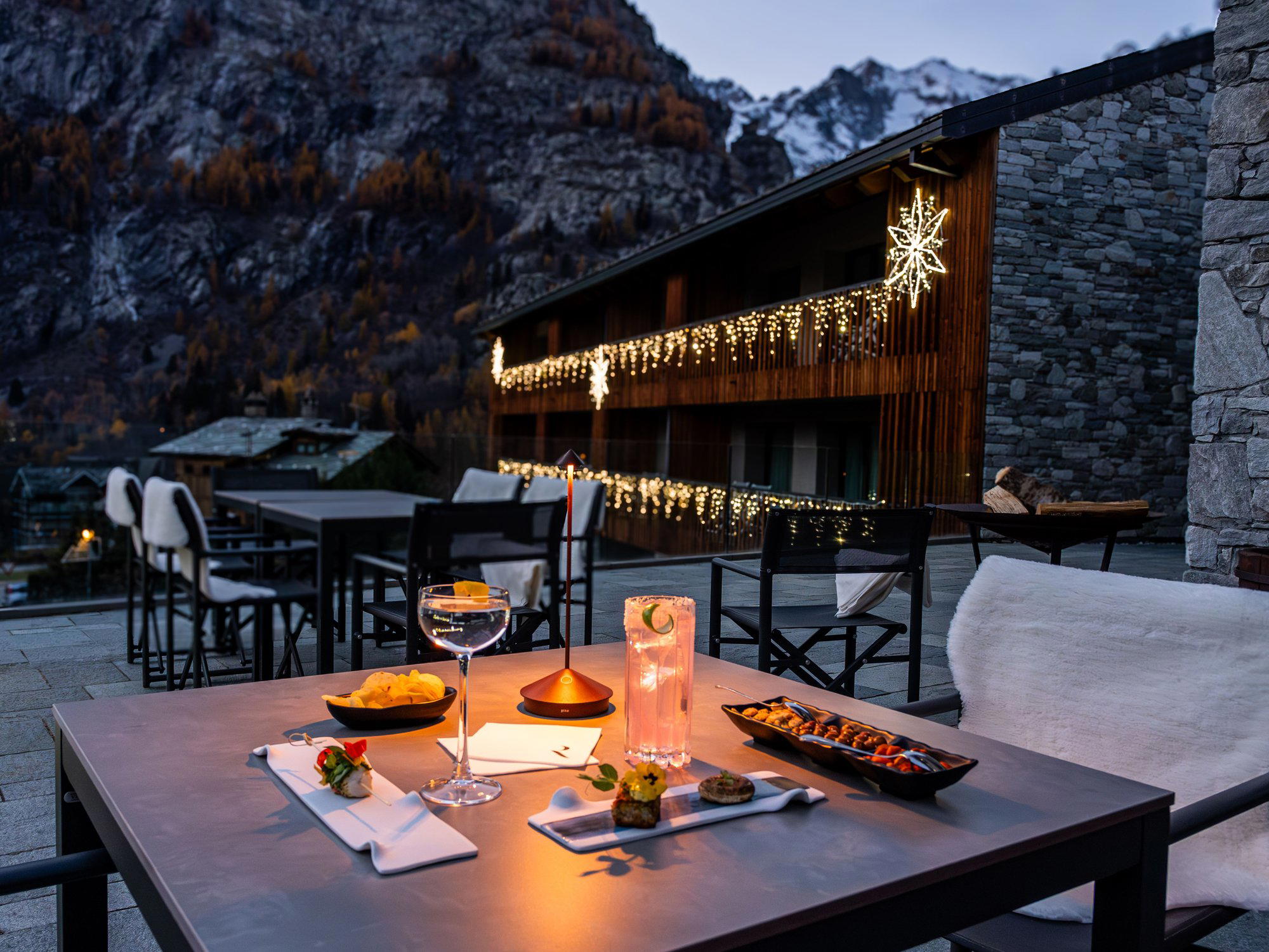
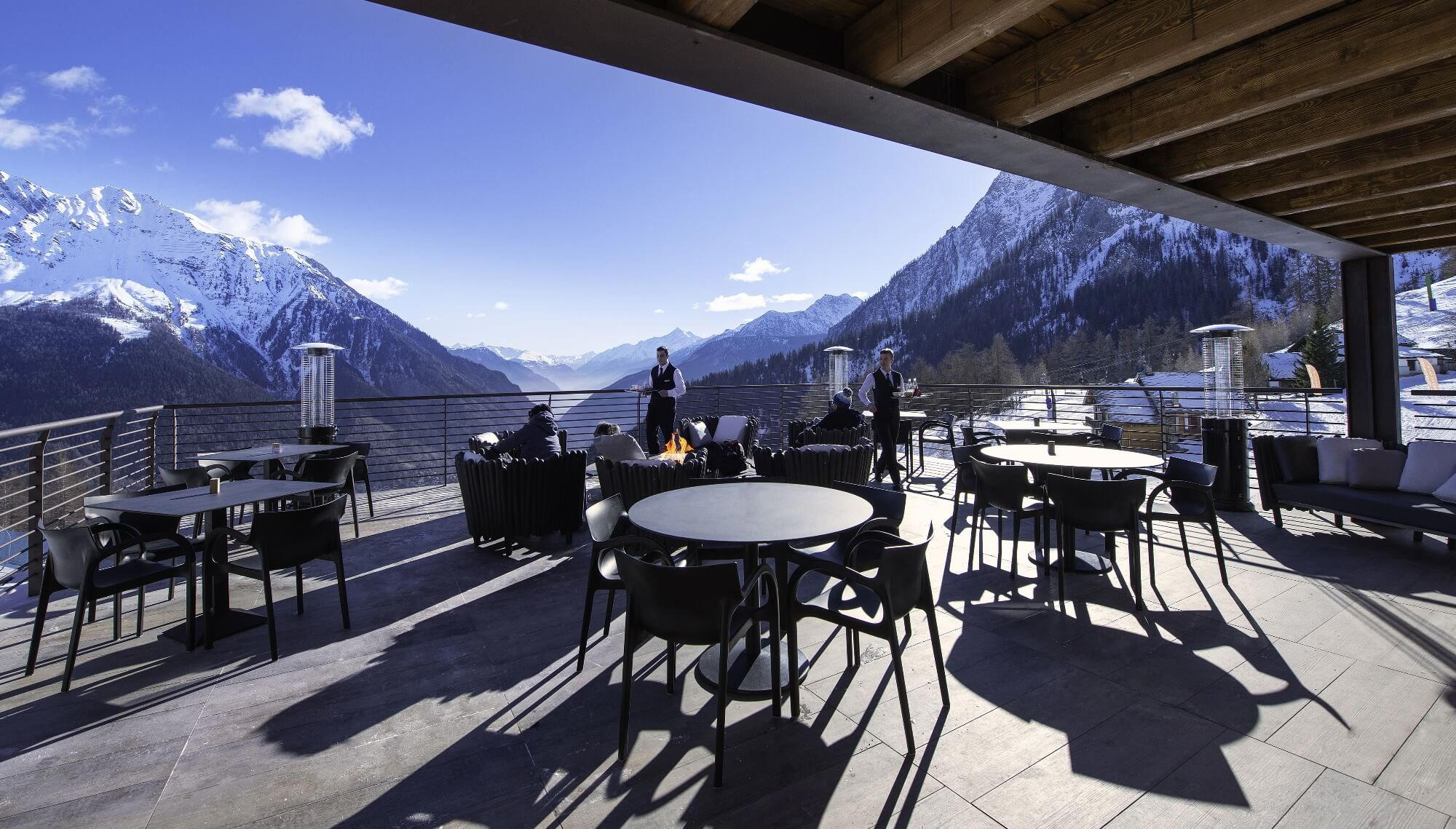
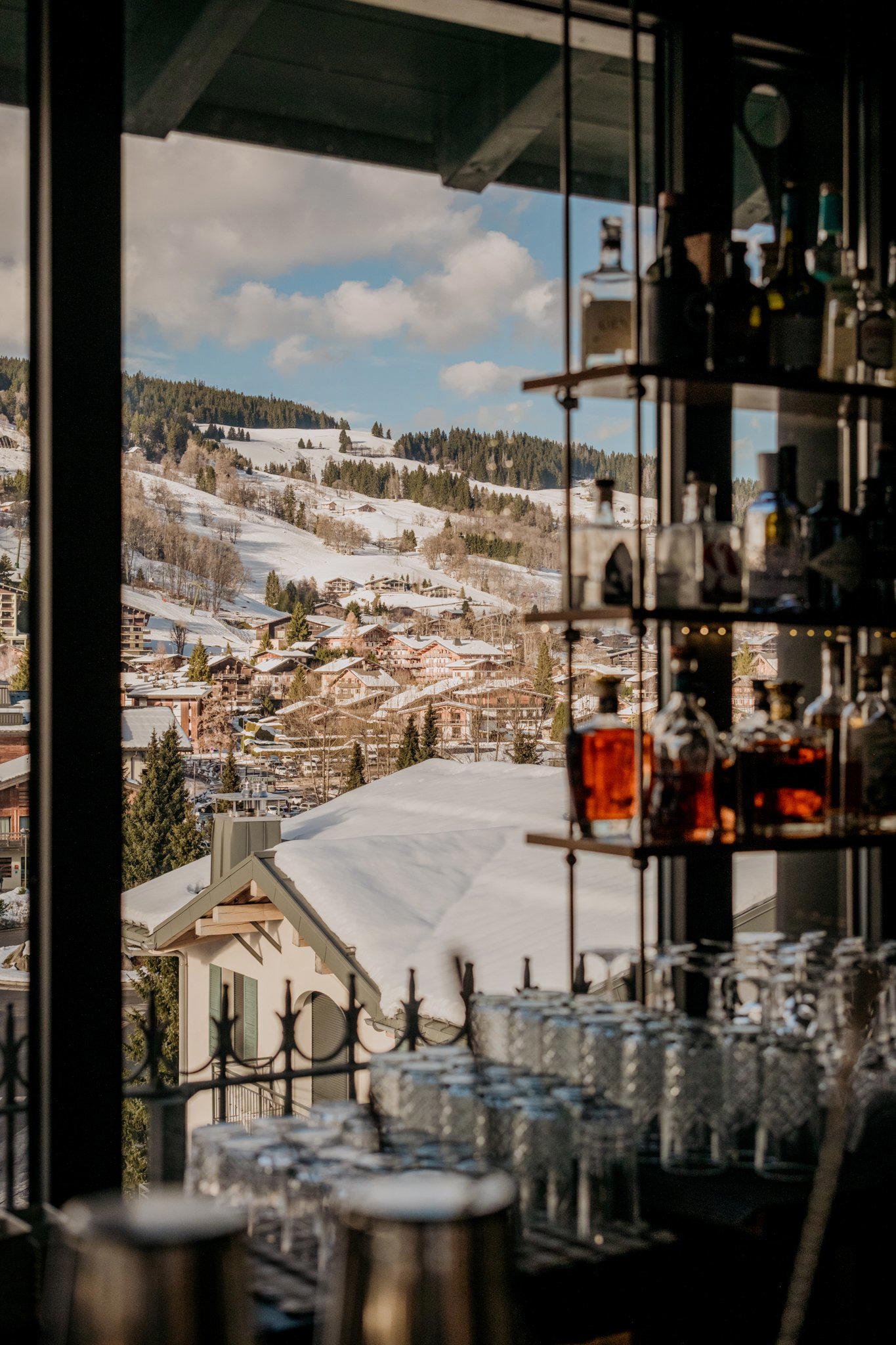
Restaurants in Chamonix
Browse all →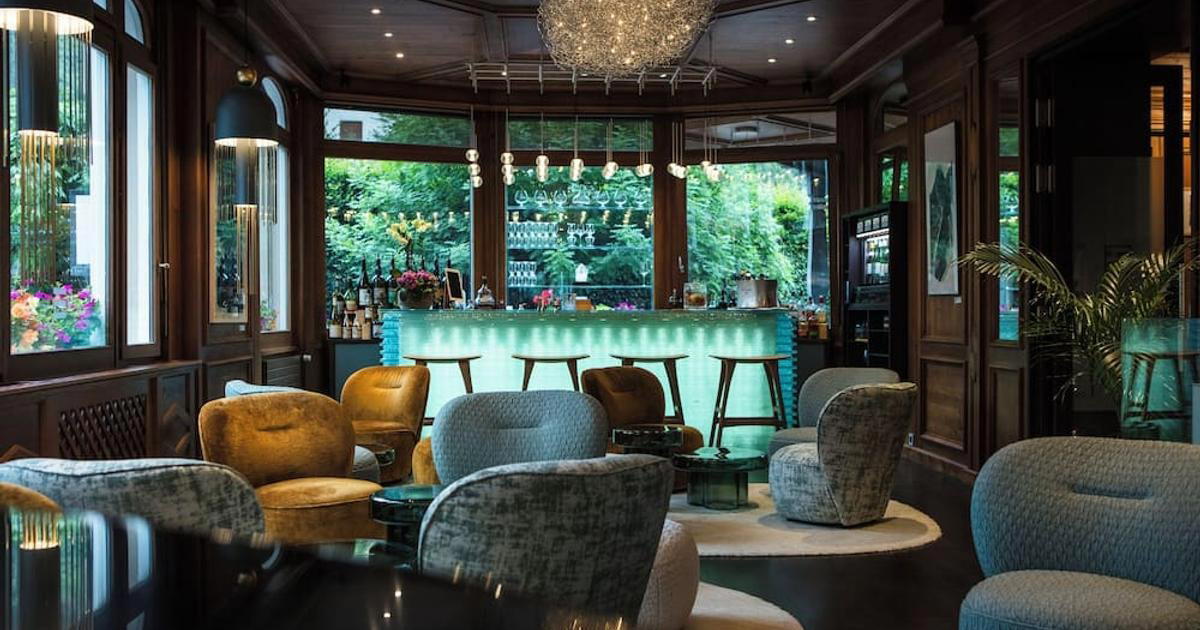

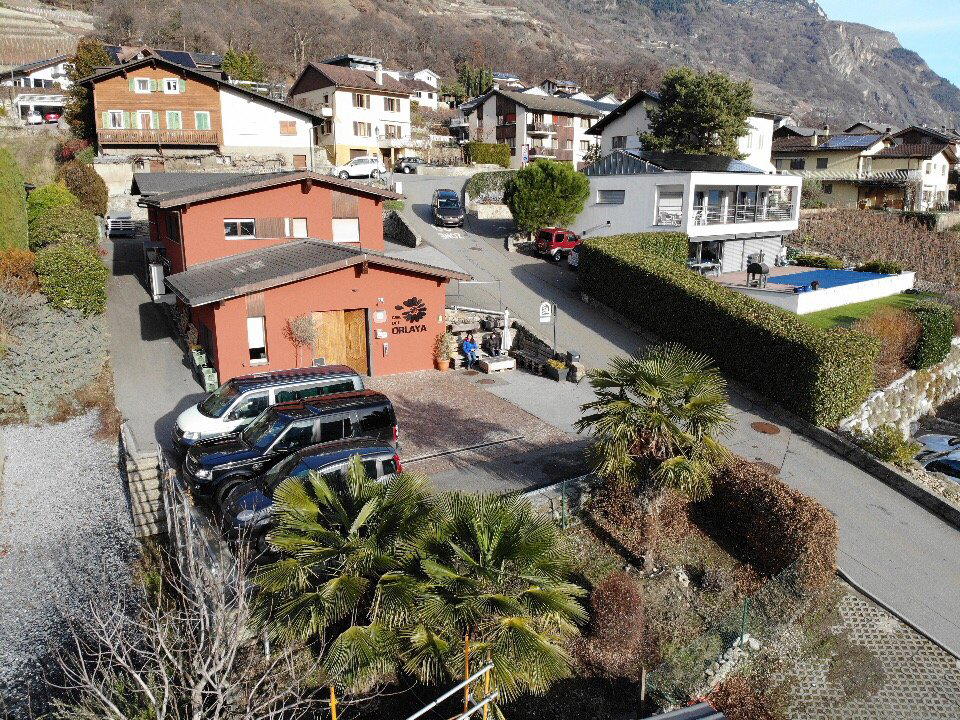
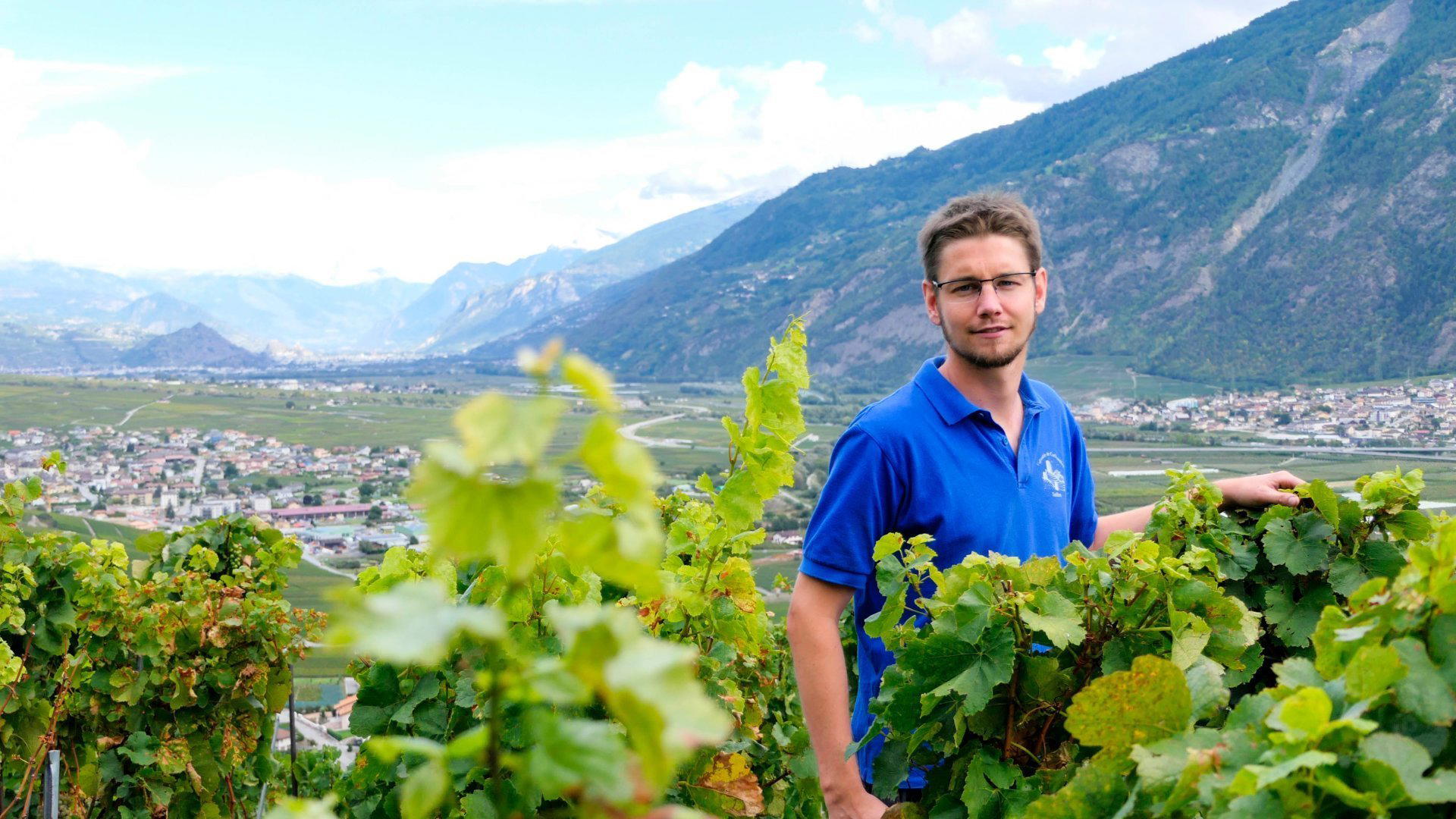
Details
- Cozy
- Rustic
- Scenic
- Elegant
- Family Vacation
- Group Retreat
- Weekend Escape
- Panoramic View
- Terrace
- Wi Fi
- Sauna
- Garden
- Parking
- Mountain
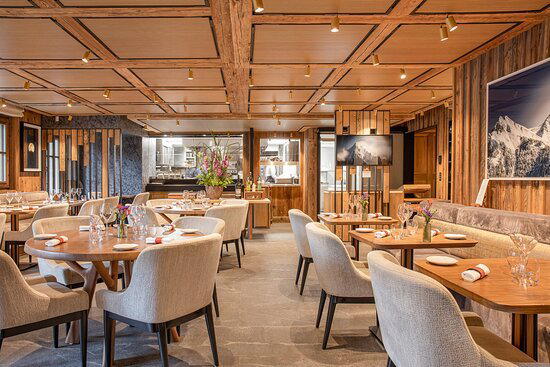
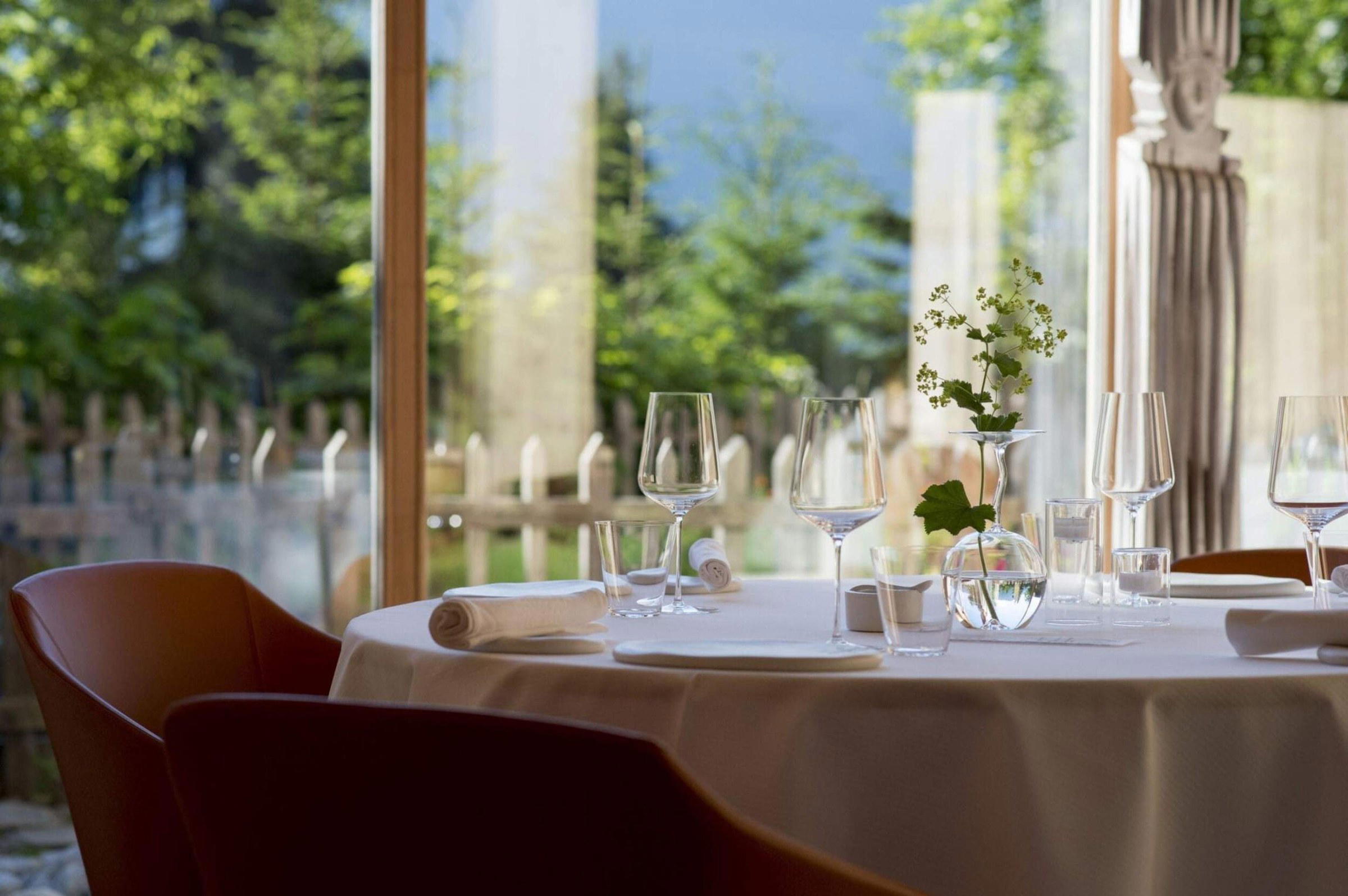
Light-filled open-plan living area with floor-to-ceiling windows, roaring fireplace, natural timbers, and a warm, laid-back luxurious atmosphere.