Cave Bianche Hotel

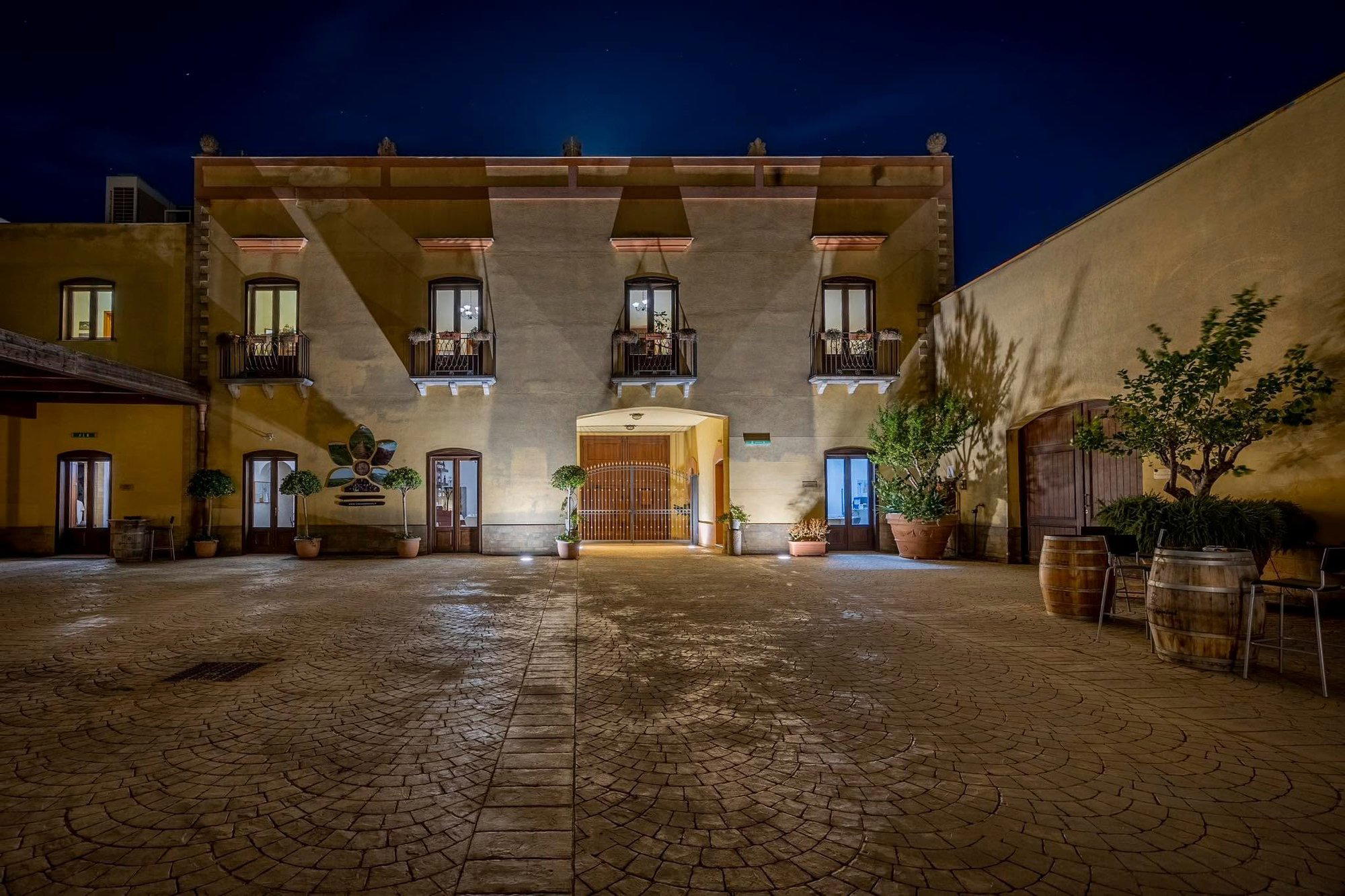
Cave Bianche Hotel occupies a converted quarry on Favignana, the largest of Sicily's Egadi Islands, where the island's signature golden tufa stone shapes both the architecture and the sense of place. Selected by the Michelin Hotel Guide 2025, it sits within a small tier of Italian coastal properties where the physical material of the building and the landscape around it are the same thing. For travellers who measure a stay by what they see from the terrace at dawn, this is the relevant address.
Pearl is the En Primeur Club membership app — saves, bookings, and concierge access live there. Same editors, same standards.
- Address
- Strada Comunale Fanfalo, Favignana, Isole Egadi, Italy
- Phone
- +39 0923 925451
- Directions
- Get directions
 Saves & bookings on Pearl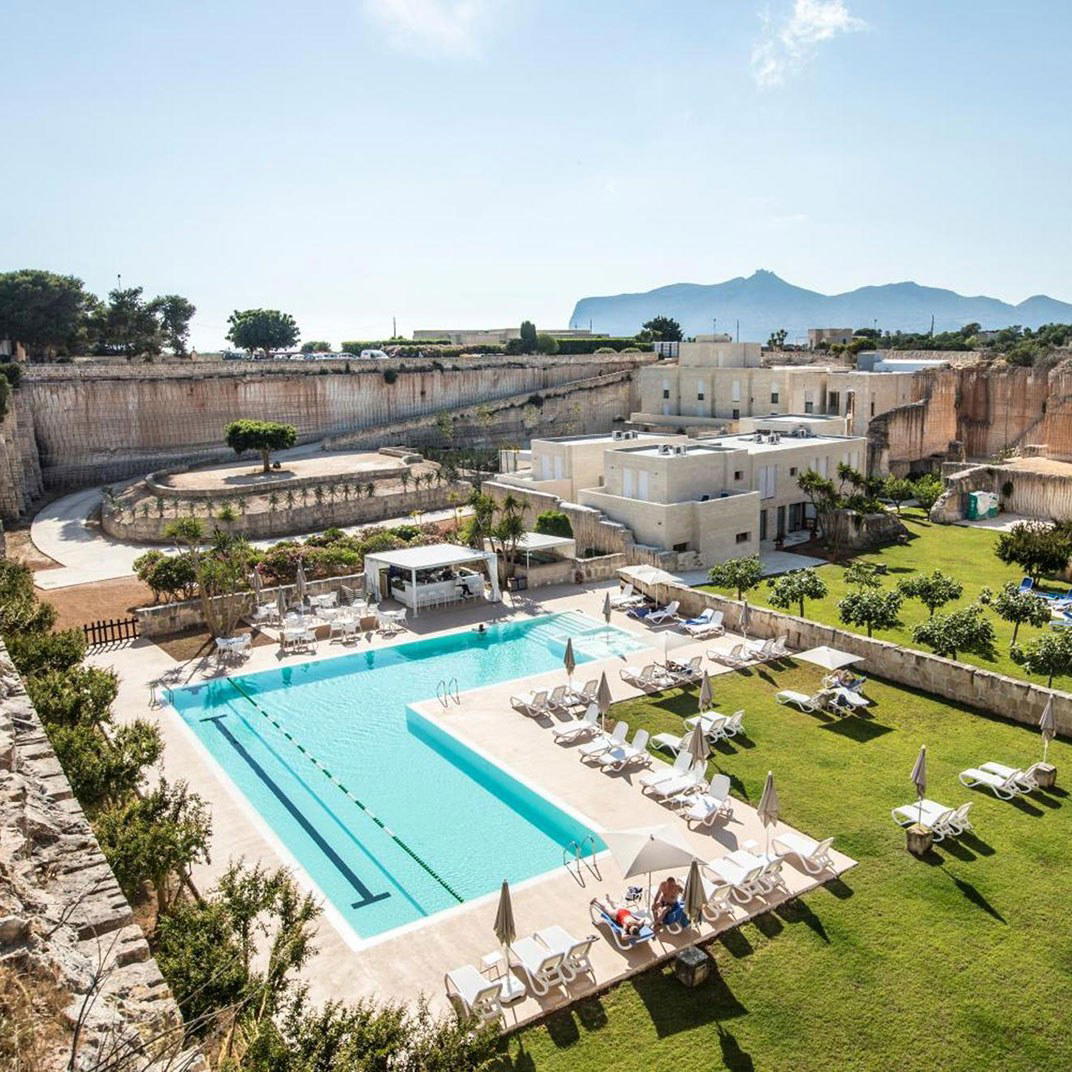
Stone, Sea, and the Architecture of Extraction
Favignana has been quarried for centuries. The golden tufa that built much of western Sicily came from this island, and the open-air cuts left behind, deep rectangular voids in the rock, became one of the Egadi's most photographed features long before anyone thought to build a hotel inside one. Cave Bianche sits at the intersection of that extractive history and contemporary hospitality design: the former quarry workings are not merely a backdrop but the organizing principle of the property. Guests move through spaces where the tufa walls are original, not reconstructed, and where the geometry of the stone has dictated the layout of the rooms and gardens rather than the other way around.
That approach to adaptive reuse places Cave Bianche in a specific strand of Italian hotel design that has become increasingly influential over the past two decades. Properties like Castello di Reschio in Lisciano Niccone and Rosewood Castiglion Del Bosco in Montalcino have made a point of letting the pre-existing structure govern the hospitality programme rather than imposing a standard luxury template onto it. Cave Bianche belongs to that lineage, though its material is not medieval stonework but industrial extraction, a distinction that gives the property a rawer, less pastoral quality than its Tuscan counterparts.
What the Quarry Gives You
The visual character of a tufa quarry is particular. The stone is warm in tone, shifting between cream and amber depending on the light, and the cut faces of the rock have a texture that changes through the day as the Sicilian sun moves across them. At midday the surfaces bleach almost white; by late afternoon they hold a deep ochre that reads as warm against the blue of the Tyrrhenian visible beyond the property's edges. The Egadi Islands sit off the western tip of Sicily, roughly opposite Trapani, and the sea light here is sharper and cleaner than on the mainland coast. The combination of reflective stone and high-contrast Mediterranean light is what makes the property photograph so compellingly, and it is also what makes it function as a place to sit and look at things.
For a direct comparison on the Italian island circuit, Therasia Resort in Lipari operates a similar logic, volcanic island terrain, limited access, design shaped by the geology underfoot. Both are properties where the island itself imposes conditions that a mainland resort would not have to accommodate, and both are better for it. The constraint produces character. Dimora Cala del Pozzo, also on the Egadi Islands, represents another local option for travellers drawn to this archipelago, positioned at a different scale and format.
Michelin Selection and What It Signals
Cave Bianche's inclusion in the Michelin Selected Hotels list for 2025 is a practical credential worth reading carefully. Michelin's hotel programme does not operate on the same star logic as its restaurant guide; selection indicates that the property meets a threshold of quality and coherence rather than ranking it against peers in a fixed hierarchy. For a property on a small Sicilian island with limited international profile, inclusion is meaningful precisely because the Michelin team evaluates hotels across a wide geographic range. It places Cave Bianche in a conversation with properties at a much larger scale, including Aman Venice in Venice, Bulgari Hotel Roma in Rome, and Four Seasons Hotel Firenze in Florence, all of which carry their own Michelin recognition. The selection does not suggest equivalence in scale or price, but it does confirm that the editorial judgement behind the property holds up to scrutiny at a national level.
Among smaller, design-led Italian properties that have achieved similar recognition, the comparable set includes Il Pellicano in Porto Ercole, Casa Maria Luigia in Modena, and Corte della Maestà in Civita di Bagnoregio. These are properties where the architectural or curatorial premise carries as much weight as the amenity list, and where the rationale for staying is as much about what the building teaches you about a place as what services are available inside it. Cave Bianche fits that pattern.
The Egadi Context
The Isole Egadi are a Marine Protected Area, the largest in the Mediterranean, a designation that shapes what development is possible on and around the islands. The clarity of the water and the condition of the sea floor around Favignana, Levanzo, and Marettimo are a direct consequence of that protection status, and they represent the primary argument for choosing this archipelago over more accessible Sicilian coastal destinations. The historic mattanza, the traditional tuna harvest that made Favignana economically significant for centuries, no longer operates, but the island's identity as a working fishing community rather than a purpose-built resort is still legible in its street plan and social geography. A hotel designed around the remnants of quarry infrastructure fits that character more honestly than one built to a generic coastal luxury template would.
For travellers calibrating between the Egadi Islands and other premium Italian island options, the choice is essentially about scale and access: the Egadi offer smaller, slower, less developed, and significantly less trafficked alternatives to Capri (where JK Place Capri represents the upper tier) or the Amalfi Coast (where Borgo Santandrea and Il San Pietro di Positano compete for the same premium traveller). The Egadi ask more of their guests in terms of logistics and reward them with a proportionally lower density of other tourists.
Comparison Snapshot
Comparable venues nearby, for context on price, style, and recognition.
| Venue | Cuisine | Price | Awards | Notes |
|---|---|---|---|---|
| Cave Bianche HotelThis venue — the venue you are viewing | Eco-designed hotel carved into ancient tuff quarries | $$$ | 4-Star | Not listed |
| Dimora Cala del Pozzo | Contemporary classic Italian country retreat preserving authentic rural farmhouse identity with refined modern comfort. | $$$ | 4-Star | Contrada Pozzo Vecchio |
| Nerocubo | Sophisticated contemporary design hotel | $$$ | 4-Star | Mori Stazione |
| Relais San Giuliano | Contemporary boutique hotel housed in a restored 18th-century noble estate with rural Sicilian heritage. | $$$ | 4-Star | Viagrande |
| Villa Lena Agriturismo | Contemporary classic with rustic earth tones and locally sourced custom furniture; a hybrid creative residence and agritourism hotel. | $$$ | 4-Star | Palaia |
| Locanda Palazzone | Medieval country residence with contemporary minimalist interiors; family-run winery and rural hotel blending 14th-century architecture with Scandinavian-chic design. | $$$ | 4-Star | Rocca Ripesena |
Recognition history
Dated appearances from independent guides and award organizations, with the underlying list record or original source where available.
Michelin Selected
Michelin
Continue exploring
More in Isole Egadi
Hotels in Isole Egadi
Browse all →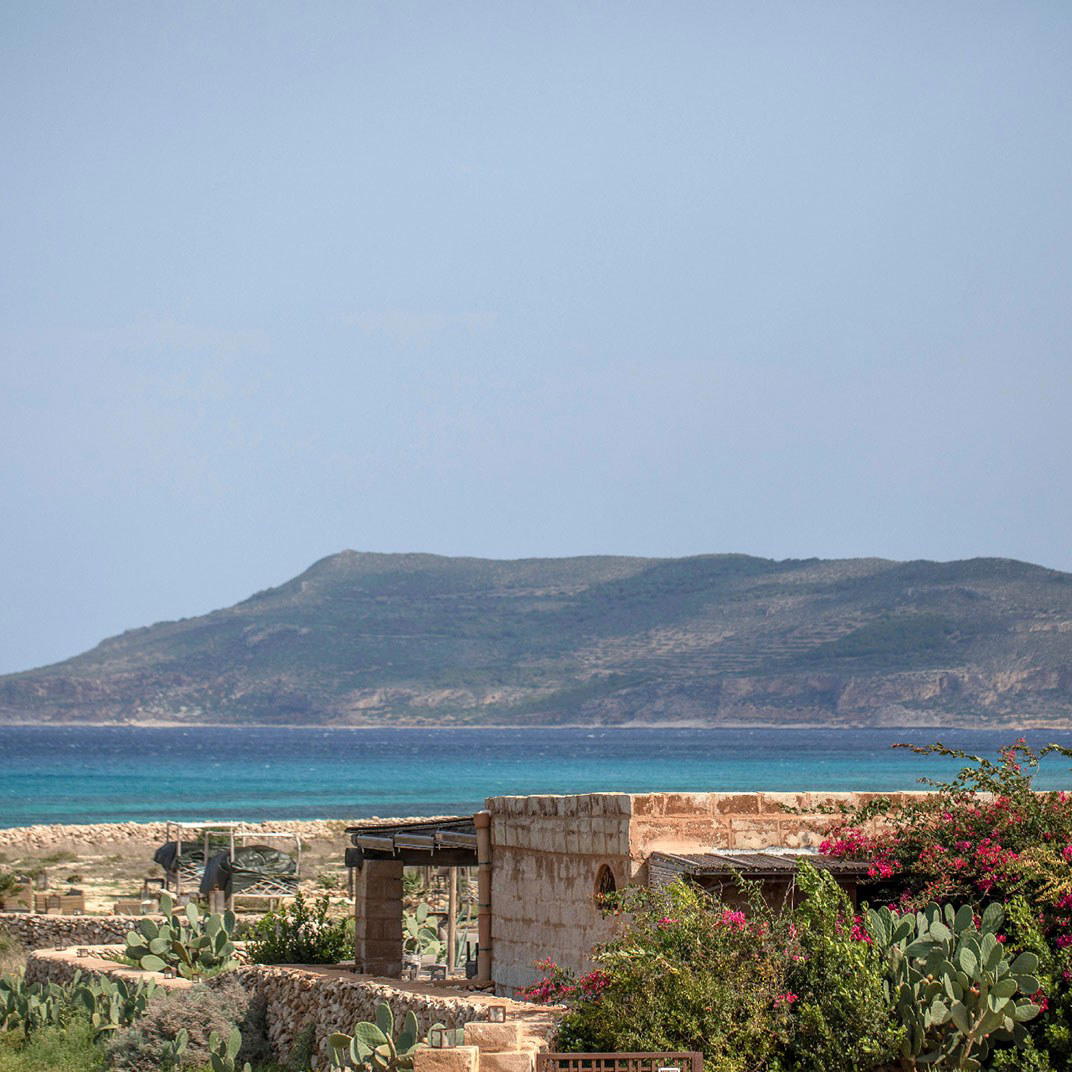
Bars in Isole Egadi
Browse all →
Restaurants in Isole Egadi
Browse all →

At a Glance
- Quiet
- Scenic
- Rustic
- Minimalist
- Romantic Getaway
- Family Vacation
- Weekend Escape
- Panoramic View
- Terrace
- Wi Fi
- Outdoor Pool
- Hot Tub
- Restaurant
- Bicycle Rental
- Airport Transfer
- Garden
- Wi Fi
- Outdoor Pool
- Hot Tub
- Restaurant
- Bicycle Rental
- Airport Transfer
- Garden
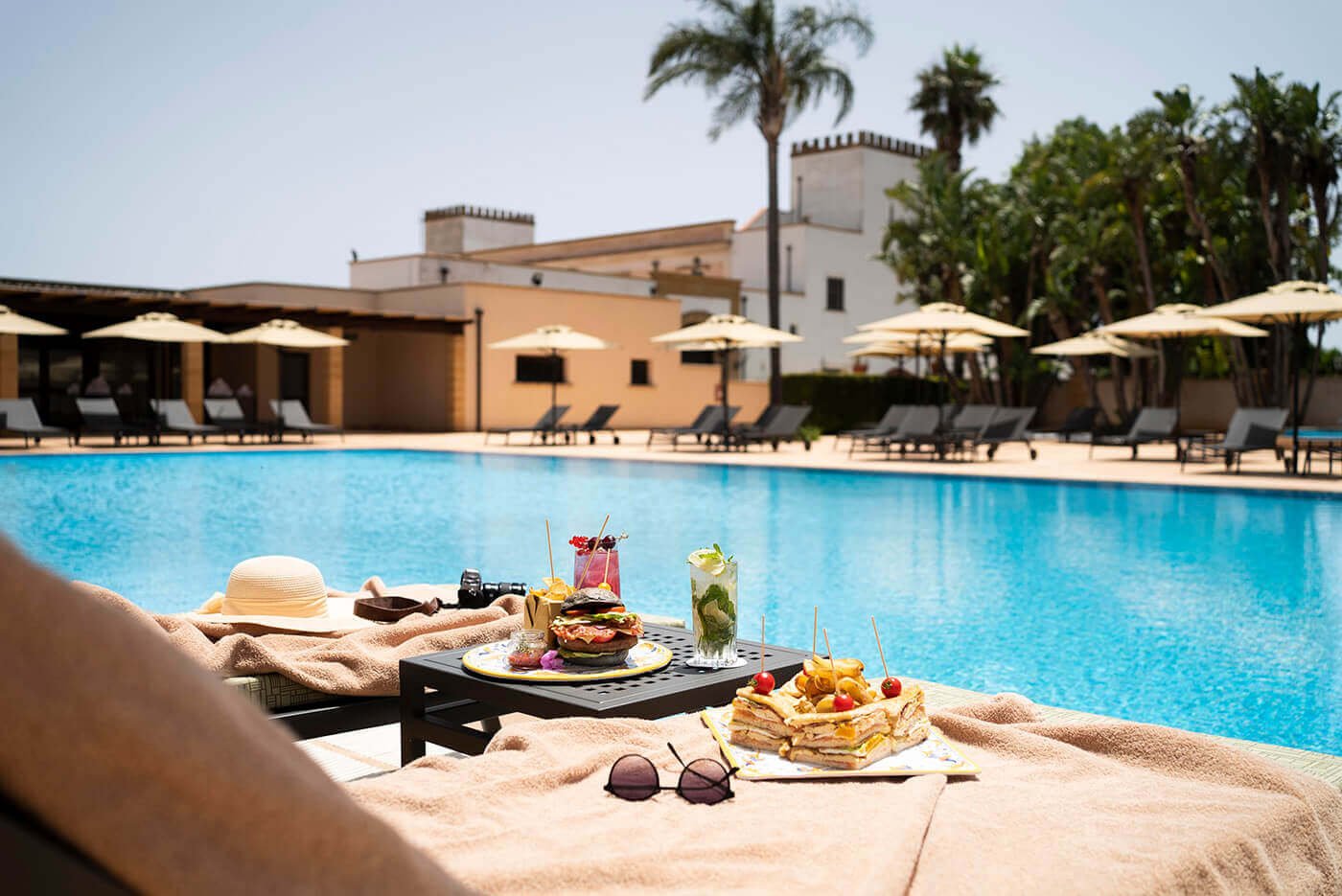
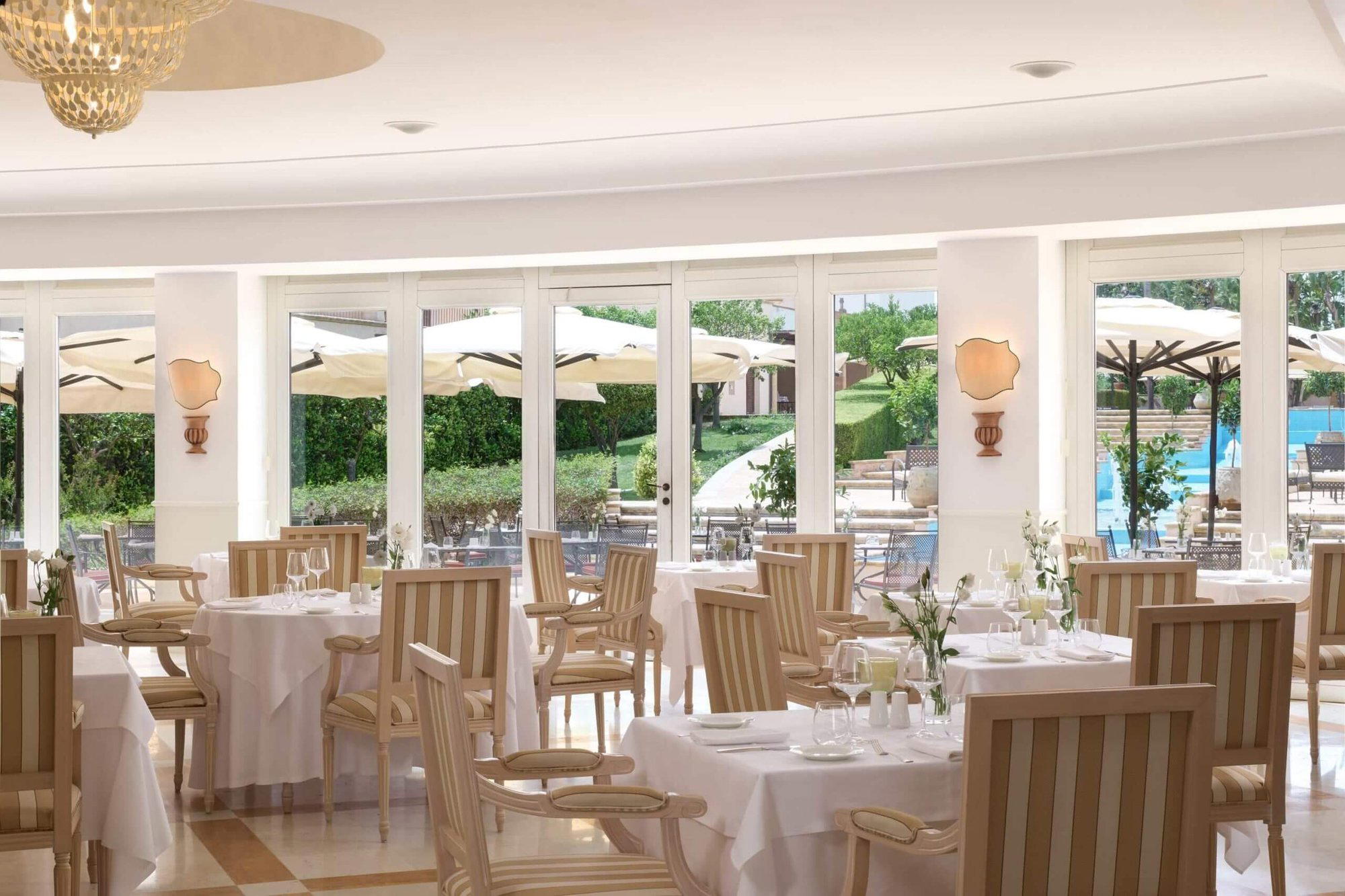
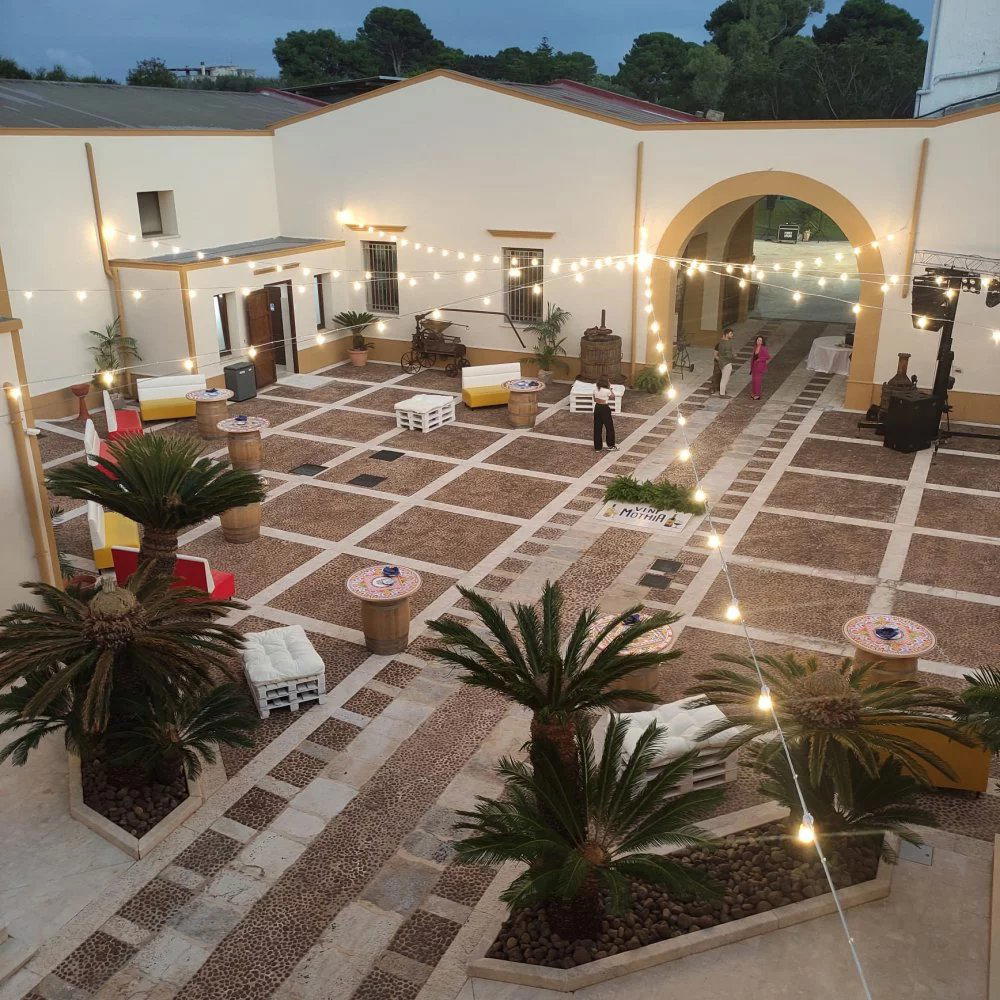
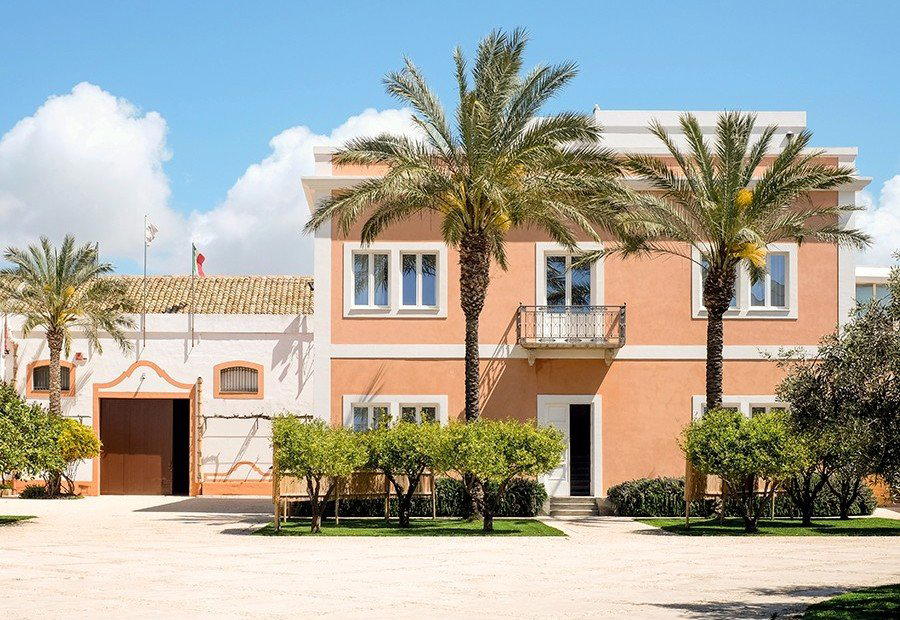
Tranquil and restful with clean, modern minimalist design amid white limestone, surrounded by gardens, lemon trees, and a serene pool area.