

Michelin Guide New Hotels New Hotel · Michelin Selected · Conde Nast Hot List Hotels
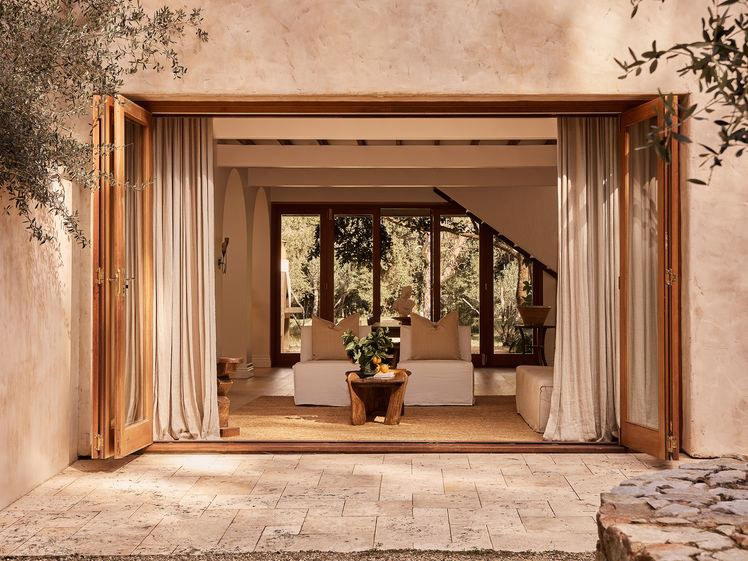
A 40-acre hinterland estate outside Eumundi, Casa Renoir channels the romance of southern Italian masserie through handcrafted stone walls, graceful arches, and interiors assembled from antique markets and regional makers. With only a handful of private villas and rates from $850, it sits at the intimate, design-led end of Queensland's emerging hinterland property scene — closer in spirit to a private estate than a conventional retreat.

Pearl is the En Primeur Club membership app — saves, bookings, and concierge access live there. Same editors, same standards.
- Address
- 140 Finley Rd, Eumundi QLD 4562, Australia
- Phone
- 0283770601
- Website
- casarenoir.com
- Directions
- Get directions
Where the Sunshine Coast Hinterland Is Heading
The gravitational pull of Australia's coastal holiday belt has long concentrated premium travel infrastructure along the beach strip — the towers of Surfers Paradise, the resort campuses of Broadbeach (see The Darling at The Star Gold Coast and Mondrian Gold Coast). The hinterland, by contrast, has developed more slowly and more idiosyncratically, shaped less by capital investment than by the particular people who chose to leave cities and build something in the hills. That second pattern is now accelerating. The Sunshine Coast hinterland, and Eumundi in particular, is accumulating a critical mass of makers, growers, and designers whose collective output is beginning to define a distinct regional character — slower, greener, and more handmade than the coast it sits behind.
Observers have noted the parallel with Byron Bay's earlier years, before the brand outran the community that built it. The hinterland towns around Eumundi currently occupy that earlier, less self-conscious phase. Casa Renoir, a 40-acre estate on Finley Road, is one of the more considered responses to that moment. For broader context on Queensland's premium property options, our full Eumundi restaurants guide maps the wider scene.
The Architecture of Arrival
Design-led rural retreats in Australia tend to draw on one of two reference points: the vernacular Australian farmstead or the imported idiom of Balinese resort architecture. Casa Renoir takes a less-travelled third route, looking instead toward the agricultural estates of southern Italy, the masserie of Puglia and Basilicata, where thick stone walls absorb daytime heat, arched openings frame views rather than expose them, and interiors accumulate over time rather than being installed in a single design pass.
At Casa Renoir, that reference manifests in handcrafted stone walls and graceful arches that read less as stylistic quotation than as genuine construction philosophy. The interiors follow a similar logic: pieces sourced from antique markets and regional makers are layered together in a manner that suggests still-life composition rather than interior design specification. The effect is materially specific in a way that distinguishes the property from the smoother, more reproducible aesthetic of larger resort groups. Properties like Capella Sydney and The Calile in Brisbane execute design at scale with considerable rigour; Casa Renoir operates at the opposite end of the size spectrum, where each room can hold the specific weight of objects chosen one at a time.
That specificity is also what separates it from other regional Australian retreats that use natural materials as a general gesture rather than a precise design language. The stone and arch vocabulary at Casa Renoir connects the physical structure to a particular Mediterranean tradition of building for climate and longevity, not just for appearance. It places the property in a peer conversation with design-led rural estates in Bundanoon, the Blue Mountains, and Dolphin Sands, smaller, owner-operated properties where the design vision is non-delegable.
Scale, Privacy, and the Logic of Limitation
Australia's premium rural accommodation market has bifurcated in ways that mirror global patterns. On one side sit the large lodge properties, some of which, like Emirates One&Only; Wolgan Valley and Southern Ocean Lodge, operate at a tier where the infrastructure investment is enormous and the guest experience is correspondingly managed and comprehensive. On the other side is a growing cohort of smaller, owner-run estates where limited keys are not a constraint but a structural choice, and where the intimacy that results is the core offering.
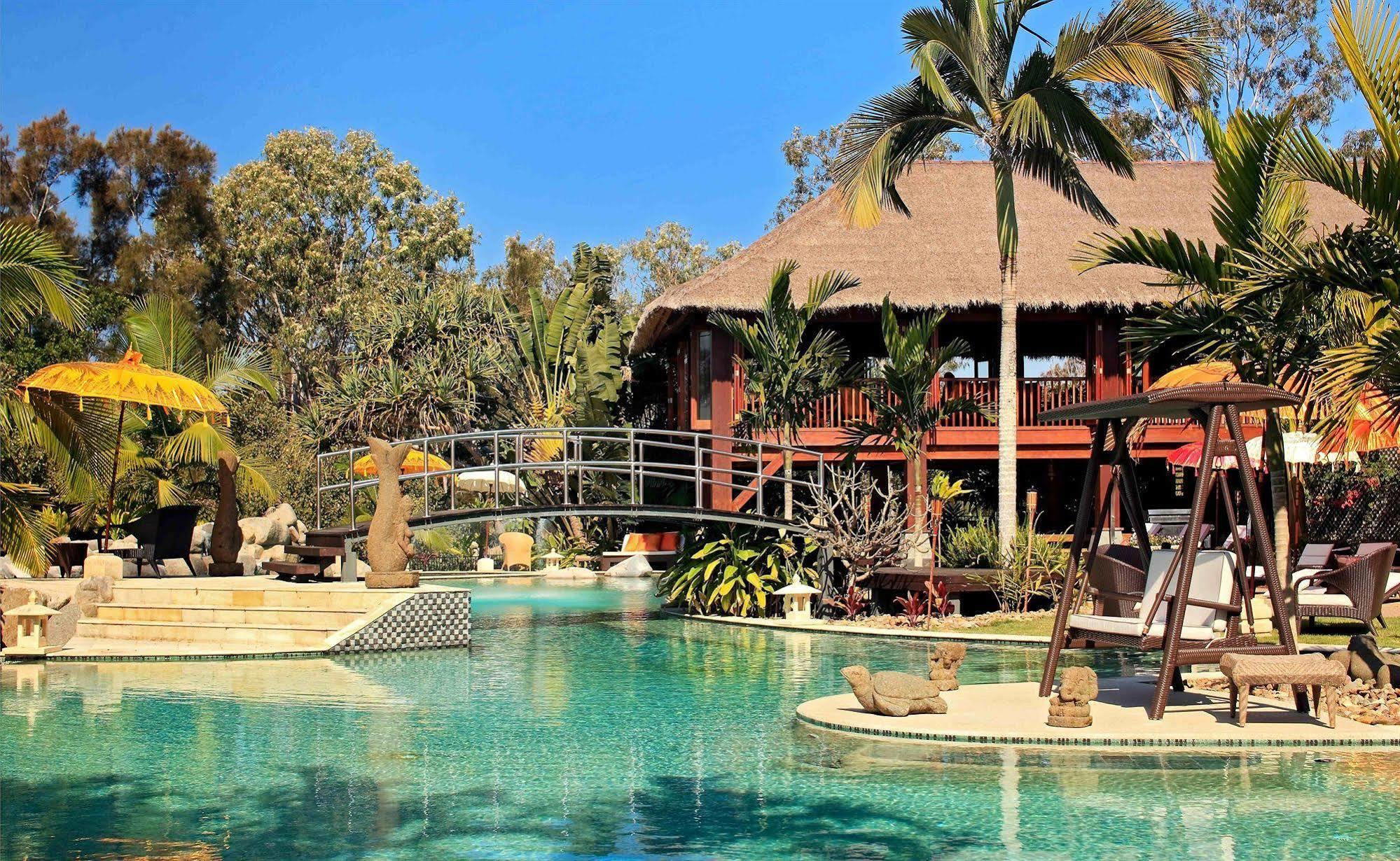
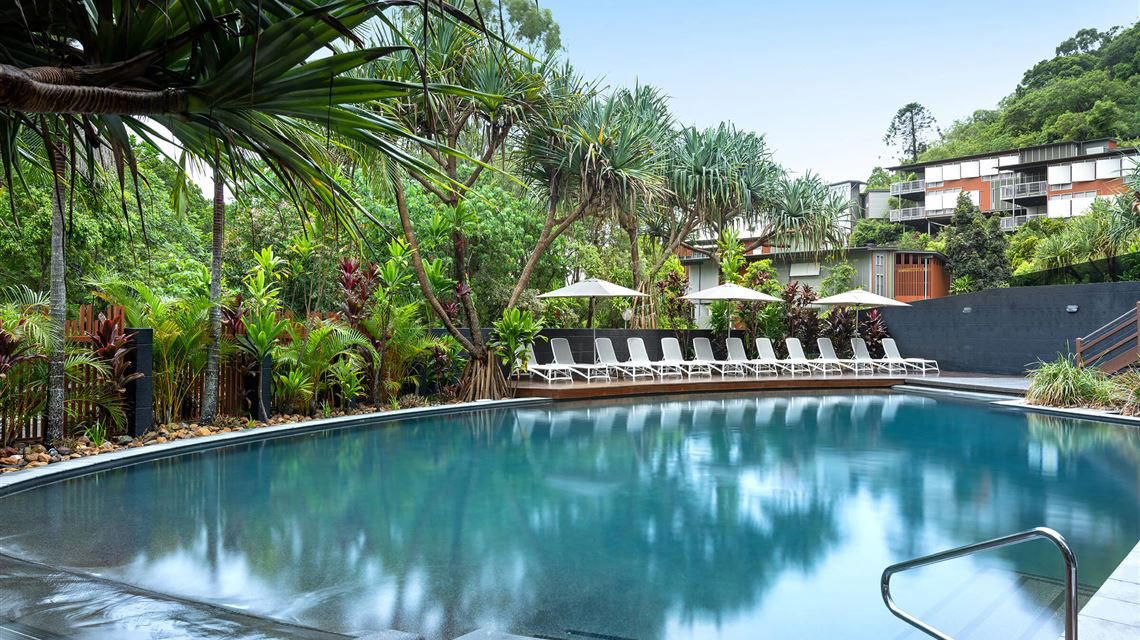
Casa Renoir positions clearly in the second category. With only a handful of villas planned across 40 acres, the ratio of land to guest is weighted deliberately toward privacy. The freshwater pool, La Plage, and private villa pools function as anchors for a pace of day that drifts rather than schedules, long lunches, the sound of cicadas in the afternoon, the kind of unstructured time that larger operations find commercially difficult to provide. That format has precedents in smaller Australian retreats and in the rural boutique hotel traditions of Tuscany and Provence, where the estate experience depends precisely on keeping numbers low enough that guests feel resident rather than hosted.
For travellers comparing options across the Queensland and northern New South Wales corridor, the scale difference between Casa Renoir and a property like JW Marriott Gold Coast is not merely quantitative. The guest relationship with the property is categorically different: one is serviced resort hospitality, the other is closer to borrowing someone's estate for a few days.
The Program Taking Shape
What distinguishes properties at this level from simply well-designed holiday houses is usually the programming layered over the physical experience. Casa Renoir has signalled a direction here: a program of visiting-chef suppers and creative gatherings, shaped by the community of makers and practitioners forming around the estate. That format, low-key, invitation-adjacent, quality-led, aligns with how the wider Eumundi hinterland community operates. It is not a fixed events calendar in the resort sense, but something closer to a private cultural program, contingent on who is around and what is happening.
This approach mirrors what has worked in other Australian contexts where creative communities have grown up around properties: the arts-hotel model explored by properties like Art Series - The Watson in Adelaide, The Olsen in Melbourne, and The Larwill Studio, though at Casa Renoir the emphasis is agricultural and culinary rather than visual-arts focused, and the scale is intimate enough that the program never risks becoming performative.
Planning a Stay
Casa Renoir is located at 140 Finley Road, Eumundi, Queensland, accessible from the Sunshine Coast and within reasonable driving distance of Brisbane. Rates start from $850, placing it at the premium end of the Queensland hinterland accommodation market but below the ceiling set by large-footprint lodge properties. Given the limited number of villas, forward planning is advisable; the property's small scale means availability can close quickly, particularly around the visiting-chef and creative event program. Travellers combining the hinterland with a wider Queensland itinerary might also consider The Calile in Brisbane or, further north, properties suited to the broader Sunshine Coast corridor. Those building an Australia-wide circuit of design-led smaller properties might compare notes with Melbourne Place, Harbour Rocks Hotel in Sydney, or Wildman Wilderness Lodge in the Northern Territory for a study in how different Australian landscapes shape small-property hospitality.
Comparable Spots, Quickly
Comparable venues nearby, for context on price, style, and recognition.
| Venue | Cuisine | Price | Awards | Notes |
|---|---|---|---|---|
| Casa RenoirThis venue — the venue you are viewing | Southern Italian inspired sustainable wellness retreat | Not listed | Michelin Guide New Hotels New Hotel · Michelin Selected | Not listed |
| QT Bondi | beachside apartment hotel | $300–500 | Michelin Selected · Mr & Mrs Smith Seal of Approval | Bondi Beach |
| Little National Hotel Adelaide | Contemporary luxury boutique hotel designed for modern travellers. | Not listed | Not listed | North Terrace |
| Kyah - Boutique Hotel | Mid-century modern Palm Springs-inspired boutique hotel with contemporary design elements and retro motel heritage. | $100–200 | Michelin Selected | Blackheath |
| Sequoia Lodge | Contemporary luxury lodge designed as a private sanctuary with bespoke architecture that honors the historic and natural environment of the Adelaide Hills. | $1,000–1,500 | 2 Michelin Keys · Relais Chateaux Award | Crafers |
| Spicers Tamarind Retreat | Private rainforest villas with Asian influences | Not listed | Michelin Selected | Maleny |
Recognition history
Dated appearances from independent guides and award organizations, with the underlying list record or original source where available.
Michelin Guide New Hotels New Hotel
Michelin Guide New Hotels
Michelin Selected
Michelin
Conde Nast Hot List Hotels
Conde Nast
Details
- Romantic
- Quiet
- Elegant
- Scenic
- Cozy
- Sophisticated
- Romantic Getaway
- Wellness Retreat
- Anniversary
- Weekend Escape
- Garden
- Terrace
- Pool
- Wi Fi
- Garden
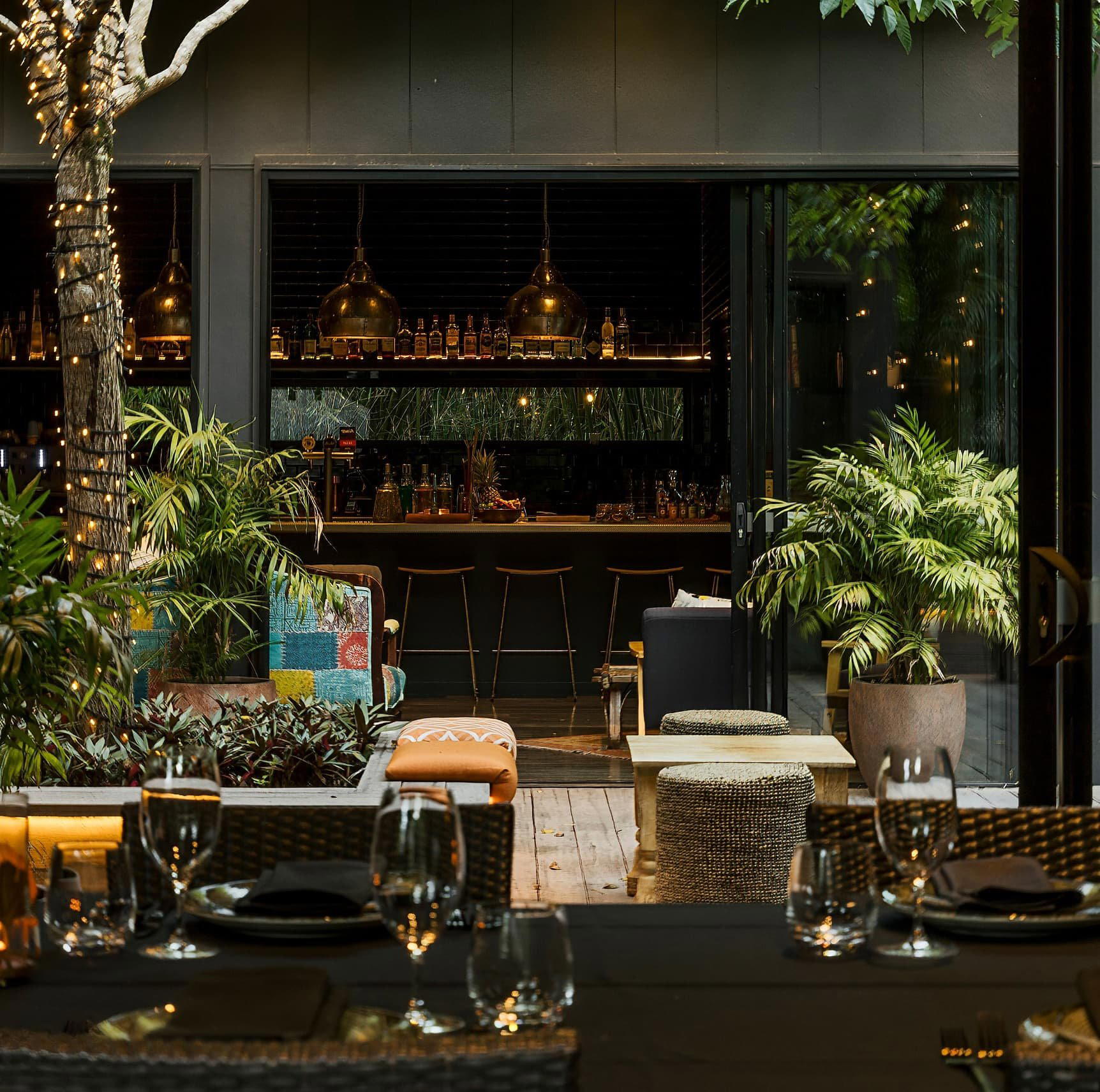
Serene and understated luxury with natural earth-toned finishes, sheltered courtyards, elegant arches, and handcrafted stone walls fostering genuine human connection.