Canyon Ranch Tucson



For more than four decades, Canyon Ranch Tucson has operated at the serious end of wellness travel, where pre-arrival planning, integrative health programming, and 150 acres of Sonoran desert set the terms of engagement. Holding a Michelin 3 Keys distinction (2024) and a La Liste Top Hotels score of 93.5 points (2026), it is the only US destination offering a fully integrative health and performance program on a single property. A two-night minimum stay applies.
 Discover on Pearl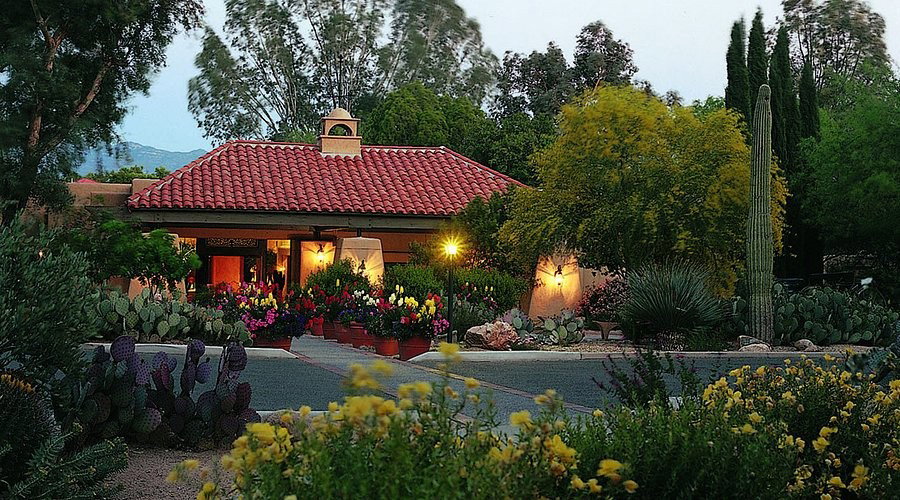
Where the Desert Does the Work First
The approach to Canyon Ranch Tucson along East Rockcliff Road tells you something before you arrive. The Santa Catalina Mountains fill the windshield, the city falls away behind you, and the Sonoran desert asserts itself on every side. By the time you reach the gates, the altitude and the silence have already begun their work. This is not accidental. The property sits on 150 acres of carefully preserved desert landscape, and the physical remove from Tucson proper is part of the program design, not merely a geographical fact. Properties that seek to shift guests' default behavior tend to benefit from geography that makes reverting to old habits inconvenient. Canyon Ranch has understood this since Mel Zuckerman opened it in the late 1970s, at a moment when American wellness culture was still synonymous with deprivation and mild punishment.
Redefining What a Wellness Property Does
The wellness resort category has fragmented considerably in the decades since. At one end sit spa hotels that use the language of wellbeing to dress up what are essentially luxury leisure stays. At the other sit clinical retreats oriented almost entirely around medical protocols. Canyon Ranch Tucson occupies a different position: it holds a Michelin 3 Keys distinction (2024) and earned 93.5 points from La Liste's Leading Hotels ranking for 2026, credentials that confirm its standing in the upper tier of the global hospitality peer set, while the program depth places it closer to a specialist health institution than a conventional hotel. It claims to be the only destination in the United States offering a fully integrative health and performance program on a single property, meaning guests can move between fitness programming, medical assessments, mental wellness support, and spa treatments without leaving the grounds. That claim, if accurate, is a significant competitive differentiator in a category where many properties excel in one lane.
The shortlist, unlocked.
Hard-to-book tables, cellar releases, and concierge-planned trips.
Get Exclusive Access →Comparison properties in the Tucson area illustrate the range. Miraval Arizona Resort & Spa operates in an adjacent wellness space, drawing guests seeking mindfulness-led programming in a desert setting. Hacienda Del Sol Guest Ranch Resort and Ventana Canyon Club and Lodge represent the luxury leisure end, where the emphasis falls on comfort and scenery. The Ritz-Carlton, Dove Mountain brings international-brand service to the Sonoran foothills. Canyon Ranch competes only partially with any of these: it addresses a guest with a specific, active intent that most luxury hotels are not designed to serve.
The Service Architecture: Planning Before You Land
The guest experience at Canyon Ranch Tucson is unusual in the hospitality sector because it begins before arrival. Advisors contact guests ahead of their stay to map out goals and pre-schedule activities, a practice that sits closer to concierge medicine than traditional hotel guest services. The purpose is to ensure that each day has structure without rigidity: fitness classes, medical consultations, coaching sessions, art instruction, and spiritual wellness programming are calendared in advance, while the schedule retains flexibility for opportunistic additions — a guided desert hike that departs at dawn, a workshop that suits the mood of a particular afternoon.
This model of anticipatory service reflects a broader shift in how premium experiential properties have reframed their value proposition. The most credentialed properties in the segment, from Amangiri in Canyon Point to Post Ranch Inn in Big Sur, have moved toward personalization systems that begin well before check-in. Canyon Ranch takes this further than most: the pre-arrival consultation is explicitly tied to health outcomes, not merely preference mapping. The result is a stay that functions more like a designed intervention than a passive retreat.
The 188 rooms and suites are equipped to a standard that would satisfy at a conventional luxury hotel — soothing, modern, and appointed with what the property describes as substantial but tasteful luxuries , though the accommodations are framed as a component of a larger experience rather than the centerpiece. No alcohol is served on the property, and the kitchen operates within a health-conscious framework. Mealtimes are presented as sources of pleasure within those parameters, not as a further discipline to endure.
Programming Depth and Desert Setting
The 150-acre grounds provide the physical context for a program that spans movement, medicine, and introspection. Guests who arrive with defined health objectives, whether weight management, stress reduction, or performance improvement, find a structure designed to address those goals directly. Guests who arrive with less specific intentions find enough programming density to discover an agenda once they are there. By the design's own logic, a full day of pre-scheduled and spontaneous activities should leave guests tired in a productive rather than depleted sense.
Sonoran desert setting contributes specific assets beyond atmosphere. The altitude, the dry air, the quality of light in the early morning and late afternoon, and the biodiversity of the desert floor all figure into the experience of outdoor programming. Guided hikes move through terrain that is genuinely varied, and the visible presence of the Santa Catalinas throughout the day provides an orientation that many guests find grounding. Properties in other desert settings, such as Amangiri, have similarly made landscape an active part of the guest experience rather than backdrop. Canyon Ranch draws on four decades of operating in this specific environment, which gives its outdoor programming a credibility that newer entrants in the wellness travel segment cannot yet match.
Where Canyon Ranch Sits in the Wider Conversation
Broader wellness travel market has seen significant new entrants in the past decade, including hotel groups that have attached spa brands to existing luxury properties and standalone retreats targeting short urban escapes. Canyon Ranch Tucson predates most of them, and its program architecture reflects accumulated institutional knowledge rather than a format assembled in response to market trends. Properties like 1 Hotel San Francisco and Kona Village, A Rosewood Resort in Kailua Kona address wellness as one dimension of a hospitality offering; Canyon Ranch treats it as the entire premise.
For guests evaluating alternatives in the Arizona region, the meaningful comparisons are Miraval Arizona and, at the luxury leisure end, Arizona Inn, Hotel Congress, and White Stallion Ranch. Those choosing between Canyon Ranch and Miraval are essentially choosing between two interpretations of intensive wellness programming in the Arizona desert. Those choosing between Canyon Ranch and a conventional luxury hotel are choosing between different categories of experience altogether. For broader US comparisons in the integrative or retreat-focused segment, properties such as Little Palm Island Resort & Spa in Little Torch Key and Troutbeck in Amenia offer points of reference, though neither operates a health program of comparable depth.
Planning a Stay
Canyon Ranch Tucson is located at 8600 E Rockcliff Road, Tucson, AZ 85750, a short drive from the city centre but sufficiently removed to feel operationally separate from it. The property requires a minimum stay of two nights, a policy consistent with its program-led model: shorter stays do not allow enough time for the pre-scheduled programming and adviser consultations to deliver meaningful results. The Google rating stands at 4.4 from 370 reviews, a figure that reflects a guest base with specific, often high-stakes expectations. The all-inclusive format means most costs are consolidated at booking rather than accumulated during the stay. Room availability fluctuates; prospective guests should expect to plan ahead given the property's consistent demand and its 188-room inventory. For context on the wider Tucson hospitality market, see our full Tucson restaurants and hotels guide.
The shortlist, unlocked.
Hard-to-book tables, cellar releases, and concierge-planned trips.
Get Exclusive Access →Frequently Asked Questions
Cuisine and Credentials
These are the closest comparables we have in our database for quick context.
| Venue | Cuisine | Awards | Notes |
|---|---|---|---|
| Canyon Ranch Tucson | Michelin 3 Key | This venue | |
| The Ritz-Carlton, Dove Mountain | |||
| Hacienda Del Sol Guest Ranch Resort | |||
| Miraval Arizona Resort & Spa | |||
| Ventana Canyon Club and Lodge | |||
| WHITE STALLION RANCH |
Preferential Rates?
Our members enjoy concierge-led booking support and priority upgrades at the world's finest hotels.
Get Exclusive AccessThe shortlist, unlocked.
Hard-to-book tables, cellar releases, and concierge-planned trips.
Get Exclusive Access →