
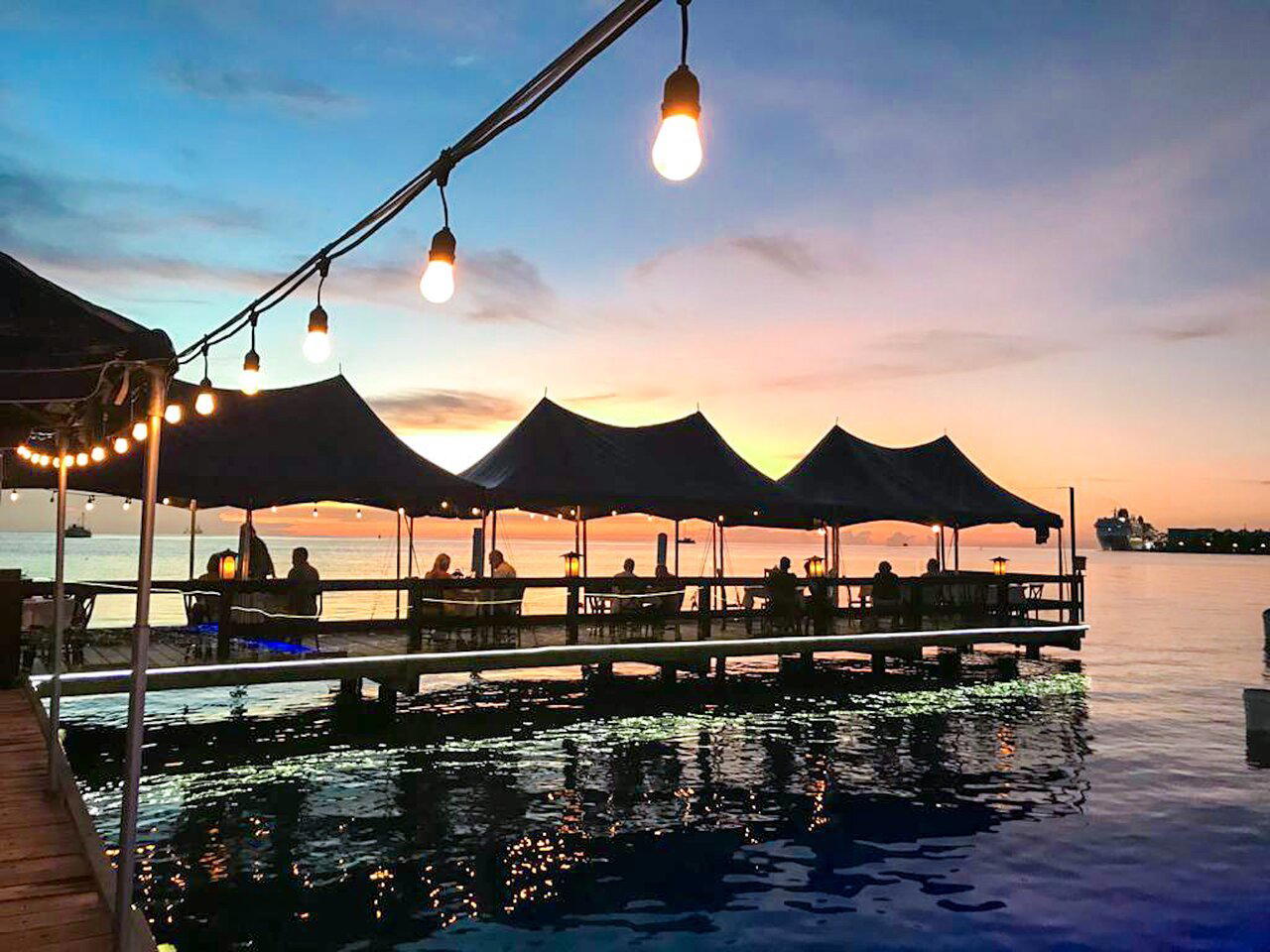
Aruba Ocean Villas occupies a quieter corner of the island in Savaneta, offering thatched-roof overwater villas that position it well outside the mass-market resort corridor of Palm Beach. The property is small, specific, and built around direct contact with the Caribbean — a format that draws travelers who want structure stripped back to water, light, and architecture.
Pearl is the En Primeur Club membership app — saves, bookings, and concierge access live there. Same editors, same standards.
- Address
- Savaneta 356a, Savaneta
- Phone
- +1 877-920-1381
- Website
- arubaoceanvillas.com
- Directions
- Get directions
 Saves & bookings on Pearl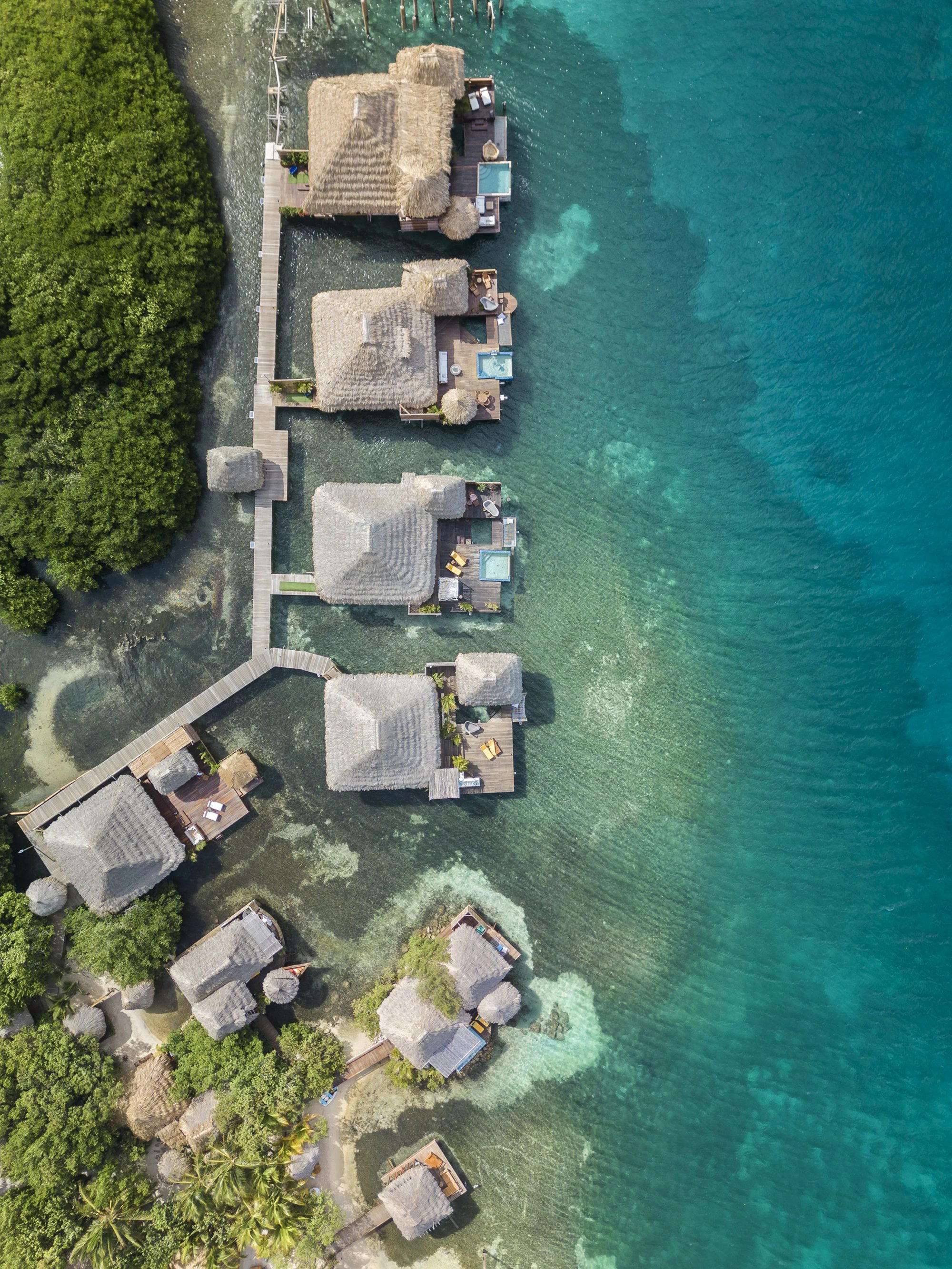
Overwater in Aruba: A Format That Still Surprises
The overwater villa format has become so associated with the Maldives and French Polynesia that its presence in the southern Caribbean registers as an anomaly — which is precisely what makes Savaneta worth a second look. Aruba's southwestern coastline sits outside the trade winds' full force, producing calmer, shallower water than the island's western hotel strip. That geography is what makes a structure like Aruba Ocean Villas possible: thatched-roof villas built directly over the sea, in a town most visitors drive through without stopping. Compared to the large-footprint resorts that anchor Palm Beach — properties like the Hyatt Regency Aruba Resort, Spa & Casino, this is a deliberately smaller, more direct proposition.
Savaneta and What It Means to Be Located Here
Savaneta is one of Aruba's oldest settlements, a fishing village on the island's southeastern side that sits roughly 10 kilometers from Oranjestad. It has none of the resort infrastructure of Palm Beach or the boutique density of the Eagle Beach corridor where properties like Manchebo Beach Resort & Spa operate. What it has instead is proximity to the water in a form that feels residential rather than resort-packaged: narrower roads, local fishing activity, and a coastline that hasn't been organized around tourism. For a property built on the premise of overwater living, that context matters. The address at Savaneta 356a places the villas at the edge of that community, where the built environment gives way to open Caribbean water.
This is a different spatial experience from the hotel corridors that cluster around Palm Beach, and it sits in a different competitive conversation from large flagged properties such as the Hilton Aruba Caribbean Resort & Casino. The trade-off is deliberate: less resort amenity infrastructure, more immediate contact with the water and the village character around it. Travelers who have stayed at smaller, location-led properties elsewhere, the kind of format represented globally by places like Hotel Esencia in Tulum or Amangiri in Canyon Point, will recognize the logic: when the physical setting is specific enough, the property can let the place do the work.
Architecture as the Primary Argument
The thatched-roof form is the most consequential design decision at Aruba Ocean Villas, and it's worth understanding what it signals. Thatch in overwater construction is a regional vernacular reference, it appears across Caribbean and Pacific overwater structures as a way of softening the contrast between engineered platforms and natural water. In Aruba's case, it also works with the climate: the island sits below the hurricane belt, which makes thatched construction more viable here than in other parts of the Caribbean. A thatched roof that would be an insurance liability in Barbados or Grenada reads as appropriate material intelligence on an island that averages fewer than 500 millimeters of rainfall per year.
The overwater format itself imposes a specific relationship between interior and exterior. There is no land buffer, the structure sits directly above the sea, which means water is present in the peripheral vision from almost any point inside or on the deck. That constant visual contact with the Caribbean is the architectural experience the property is organized around. It's a format that demands a relatively low villa count to work spatially; too many structures on a shared platform compromises the sense of isolation that makes overwater accommodation worth the premium over a beachfront room. Properties that have maintained this discipline in other parts of the world, whether design-led island retreats or the kind of architecturally specific properties represented at the top of the market by Castello di Reschio or Aman Venice, tend to do so by keeping the room count low and the spatial logic coherent. The question at any overwater property is whether the architecture delivers on that premise or undercuts it with density.
Aruba's Broader Hotel Market and Where This Property Sits
Aruba's hotel market is unusually polarized for a small island. At one end, large-scale flagged resorts dominate Palm Beach with casino infrastructure, multiple food and beverage outlets, and the kind of all-inclusive options that account for a significant share of the island's visitor nights. At the other end, a smaller set of independent and boutique properties operates on different logic: fewer keys, more specific settings, and a guest who is self-selecting away from resort programming. Aruba Ocean Villas sits in the second category, which places it alongside properties like Manchebo Beach Resort & Spa and the Hilton Aruba Caribbean Resort & Casino in the broader Aruba accommodation conversation, though with a different spatial and architectural premise than either.
The overwater format is rare in Aruba, which gives the property a degree of specificity in that market that it would not have in, say, the Maldives, where dozens of properties compete on precisely this premise. That relative scarcity is a meaningful positioning factor: travelers who want overwater accommodation in the Caribbean and want to stay in Aruba don't have a deep field to choose from. Our full Savaneta guide maps the broader options in this part of the island for context.
Practical Notes for Planning
Savaneta sits approximately 10 to 12 kilometers from Queen Beatrix International Airport, which serves Aruba with direct connections from multiple North American and European hubs. The southeastern location means guests will typically need a car or taxi to access the main restaurant and beach concentration on the western side of the island; Savaneta itself has limited dining infrastructure compared to Oranjestad or the Palm Beach strip. That's worth accounting for when planning stays, particularly for travelers accustomed to walking-distance resort amenity. Aruba's year-round climate, consistent temperatures in the high 20s Celsius, minimal rain, and reliable sunshine, means timing is relatively flexible, though the island sees higher visitor volumes between December and April when North American and European winter travel peaks.
How Aruba Ocean Villas Savaneta compares with similar nearby venues.
| Venue | Awards |
|---|---|
| Aruba Ocean Villas | Fodor's Most Incredible Hotels in the World (2026) |
Recognition history
Dated appearances from independent guides and award organizations, with the underlying list record or original source where available.
Fodor's Most Incredible Hotels in the World
Fodor's


At a Glance
- Romantic
- Intimate
- Scenic
- Bohemian
- Cozy
- Honeymoon
- Romantic Getaway
- Anniversary
- Weekend Escape
- Beachfront
- Private Villa
- Infinity Pool
- Waterfront
- Panoramic View
- Wi Fi
- Pool
- Spa
- Concierge
- Room Service
- Beach Access
- Waterfront
- Wi Fi
- Pool
- Spa
- Concierge
- Room Service
- Beach Access
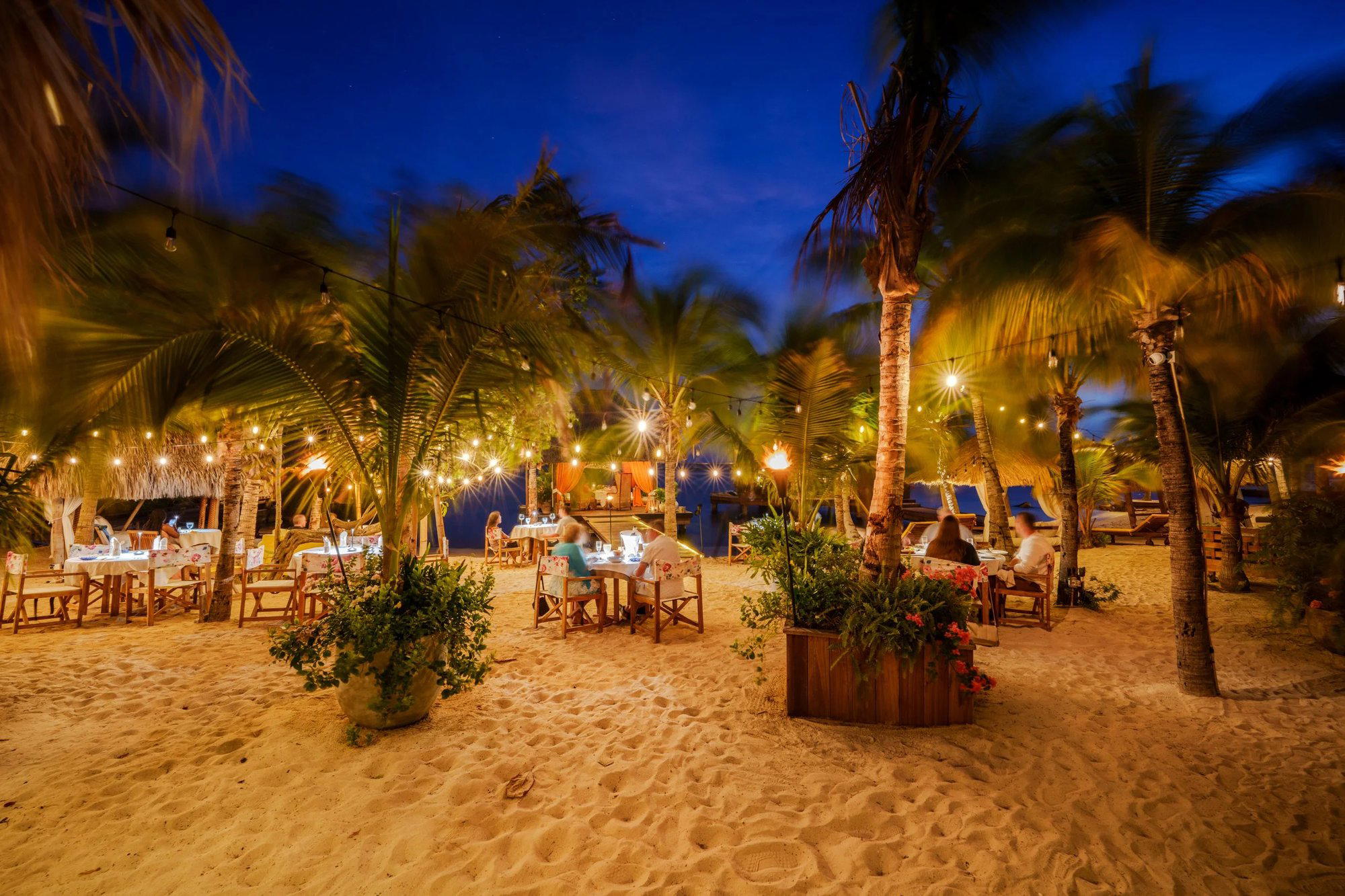
Serene and romantic with open-air designs, gentle sea breezes, beachfront dining, and tranquil ocean sounds fostering relaxation and intimacy.