Abadía Retuerta LeDomaine


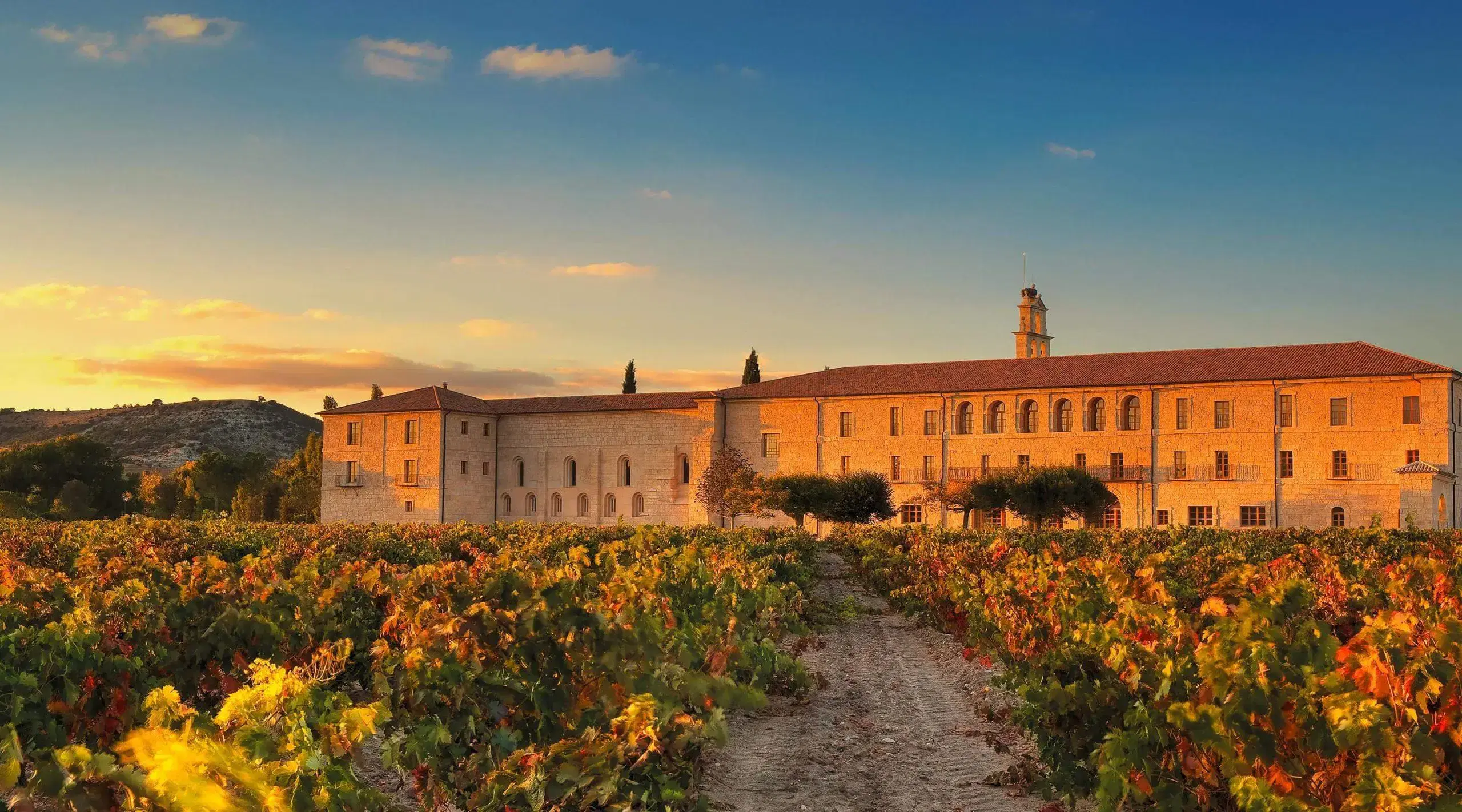
A 12th-century Cistercian abbey converted into a 30-room luxury hotel on a 500-acre estate in Valladolid's Ribera del Duero wine country. Architect Marco Serra's intervention preserves the medieval stonework while delivering contemporary comfort, with a Michelin-starred restaurant, vineyard-edge tasting bar, and a spa that draws on both local wine-country ingredients and Tibetan medicine traditions. Rated 98.5 points by La Liste (2026) and awarded Michelin 3 Keys (2024).
Pearl is the En Primeur Club membership app — saves, bookings, and concierge access live there. Same editors, same standards.
- Address
- Abadía Retuerta N-122, km. 332,5, 47340 Sardón de Duero, Valladolid, Spain
- Phone
- +34 983 68 76 00
- Website
- abadia-retuerta.com
- Directions
- Get directions
 Saves & bookings on Pearl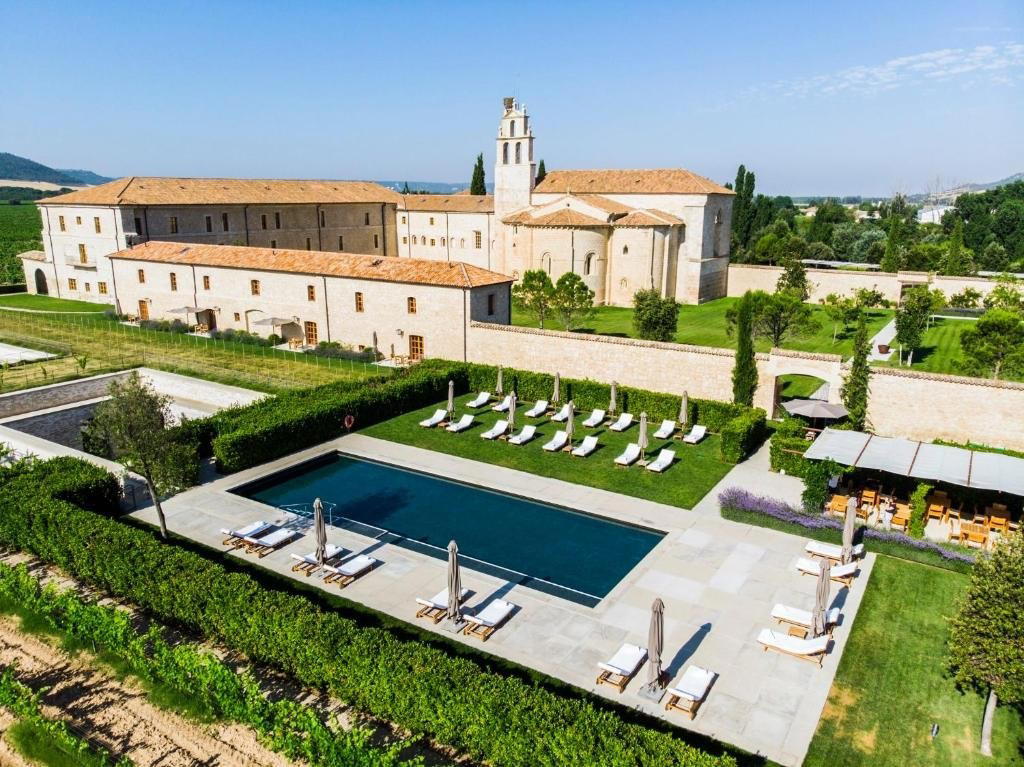
Where Cistercian Stone Meets Contemporary Design
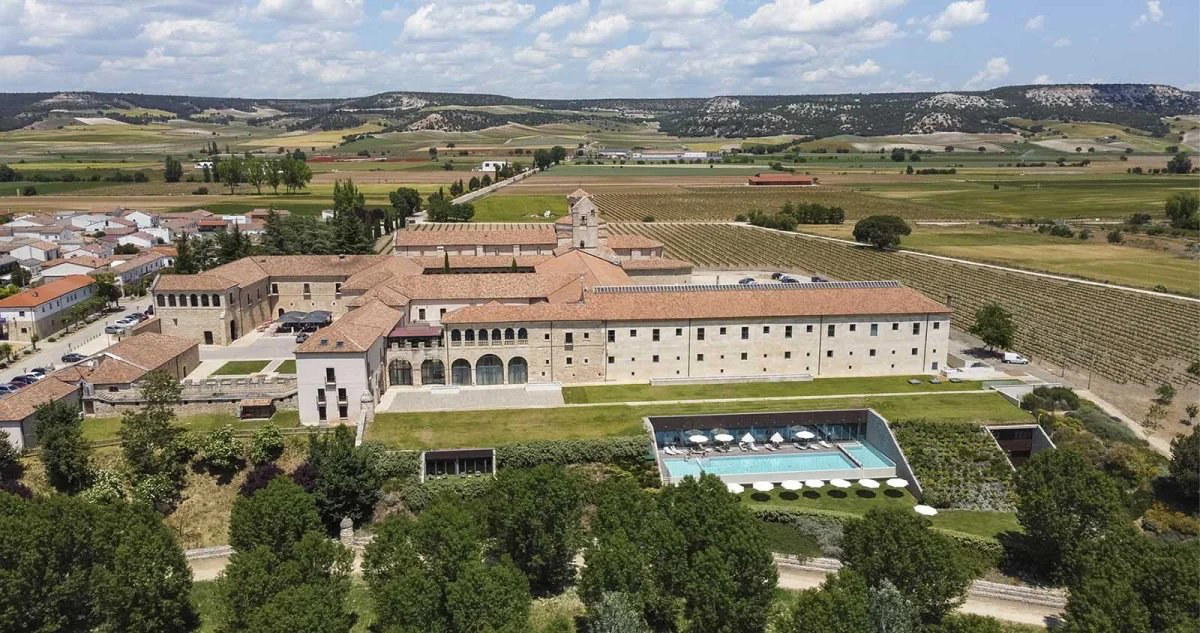
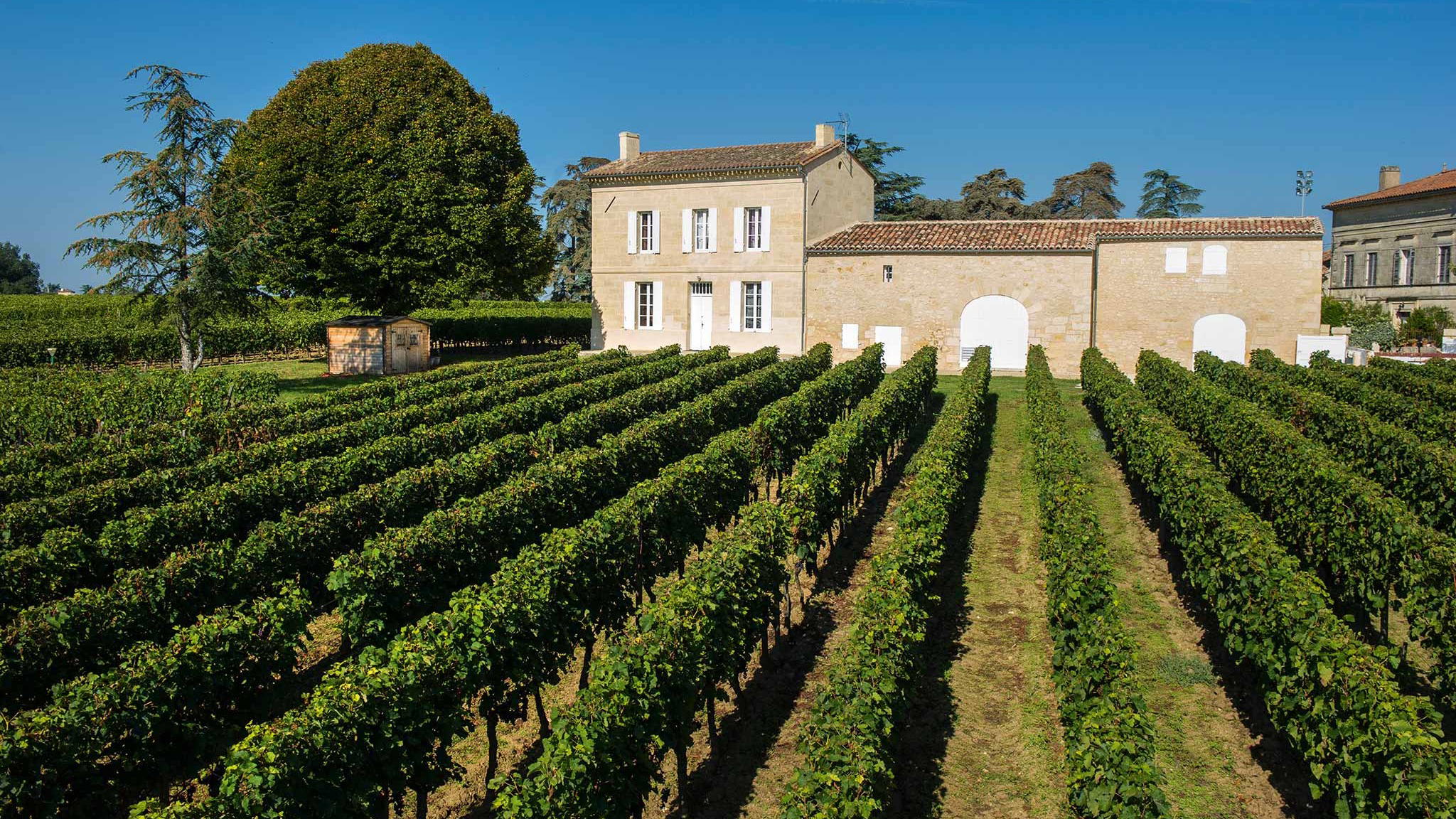
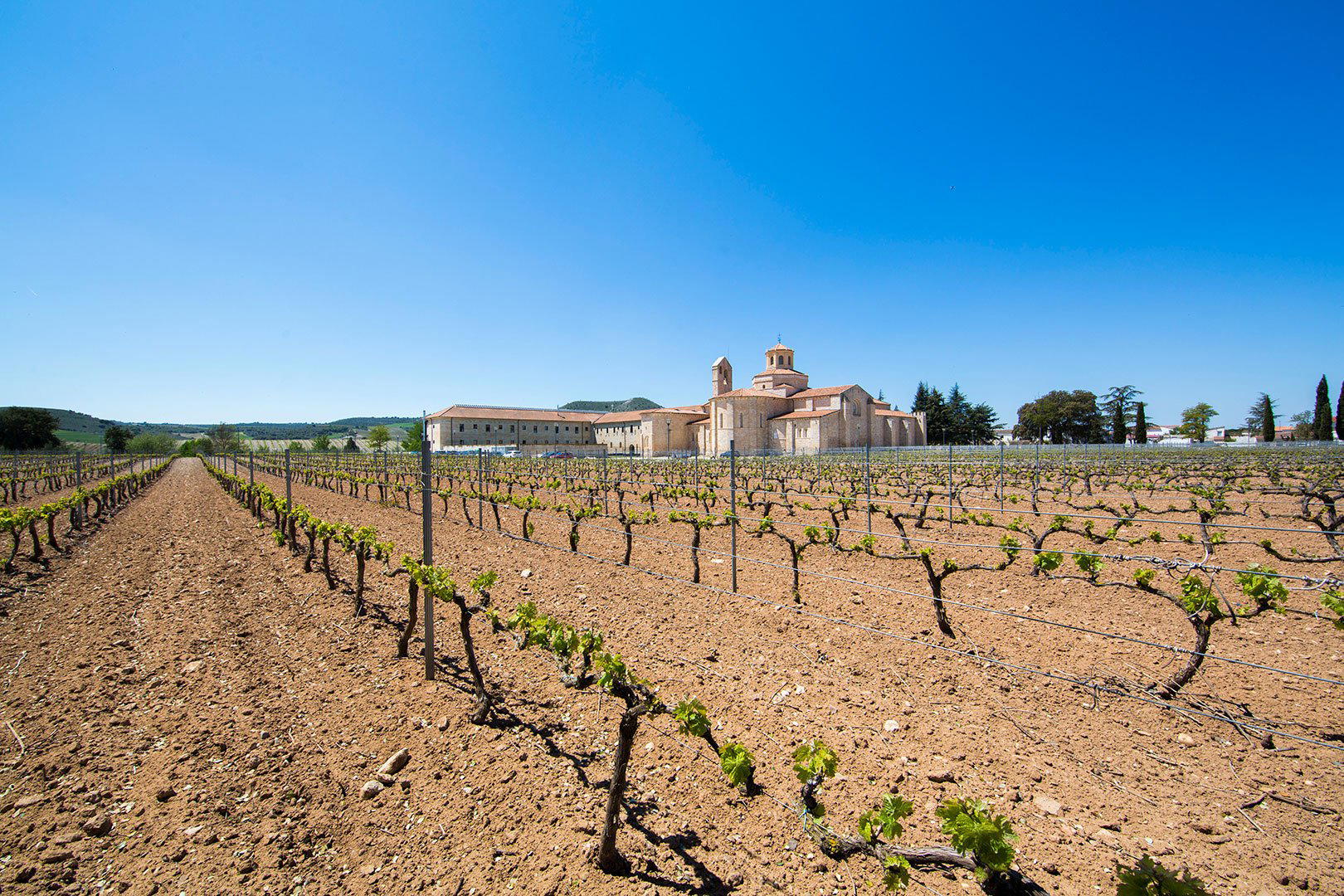
The approach along the N-122 outside Sardón de Duero prepares you for scale before it prepares you for beauty. Five hundred acres of Ribera del Duero vineyards stretch toward a horizon broken by pine groves, and then the abbey appears — 12th-century limestone walls intact, the kind of silhouette that would take a French château considerable effort to rival. What architect Marco Serra achieved at Abadía Retuerta LeDomaine is the harder version of historic conversion: preserving enough of the medieval fabric to feel genuinely ancient, while inserting a contemporary luxury interior that reads as deliberate rather than apologetic. The result is one of the most architecturally coherent estate hotels in Spain, and it earned Michelin's 3 Keys recognition in 2024 to go with a 98.5-point score from La Liste's 2026 Leading Hotels ranking — placing it among a small cohort of properties that can compete on both heritage depth and modern hospitality execution.
Spain's estate hotel category has developed in two directions over the past two decades. The larger international brands have planted flags in converted palaces and manor houses, layering their standard programs over historic envelopes. A smaller group of properties have taken a different approach: keeping the key count low, committing to a specific place and its produce, and building a guest experience that makes the estate itself, rather than the hotel's amenities catalogue, the reason to stay. Abadía Retuerta belongs firmly to the second group, with 30 rooms, a wine program rooted in the vineyards visible from the guest windows, and a food offering anchored by the Michelin-starred Refectorio. For comparable estate-driven ambition in Spain, the conversation includes properties like Terra Dominicata in Escaladei and Atrio Restaurante Hotel in Cáceres, both of which take a similarly place-rooted approach to wine and food within a historic structure.
The Architecture in Detail
Serra's intervention is most legible in the rooms themselves. Oak flooring and stucco plaster walls establish a palette that acknowledges the building's age without replicating it. Custom walnut furniture keeps the aesthetic from tipping into period pastiche. Where the abbey's original structure survives most clearly, the wood-beamed ceilings in select rooms, the stone-lined bathrooms filled with natural light, Serra has left those elements to carry the atmosphere rather than layering decoration over them. Suites take this further, with Carrara marble bathrooms and freestanding tubs that hold their own against the heritage surrounds.
The connection between interior and estate is a consistent design logic throughout the property. Many rooms feature floor-to-ceiling French doors and balconies oriented toward the vineyards and pine groves; a handful of ground-floor rooms open directly onto the lawn, removing even the threshold between room and landscape. This is a deliberate spatial choice, not just a view amenity, but an argument about why you are here. Butler service, sophisticated lighting systems, and a pillow menu are the expected infrastructure of this price tier (rooms from $755 per night), but the architectural decision to frame every sightline toward the vineyards is what makes the stay harder to replicate elsewhere.
The public spaces follow the same logic. The cloister garden, small and enclosed in the way that Cistercian architecture intended, offers a different register from the open estate, intimate, quiet, a good place to open a bottle and let an afternoon pass. The courtyard terrace operates at a larger scale, and the presence of a telescope for evening stargazing is one of those details that reveals how the property thinks about its remoteness: not as a limitation, but as an asset that most city-adjacent hotels cannot offer. Guests staying at properties like Mandarin Oriental Ritz, Madrid or Mandarin Oriental Barcelona are paying for urban access and institutional service; Abadía Retuerta is selling something categorically different, solitude, scale, and the particular silence of a working estate after dark.
The Vineyard and the Table
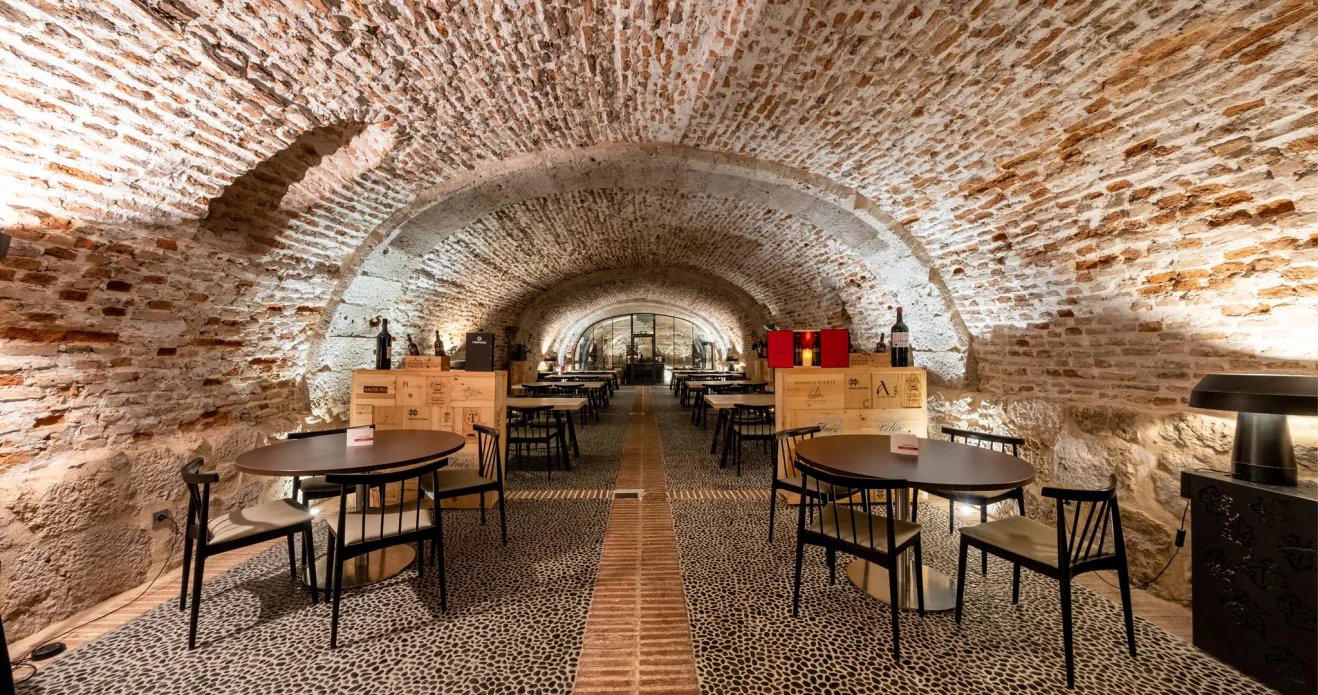
500-acre estate makes a standard hotel wine list a structural impossibility here, the vineyards are the property, and the wine program reflects that. The full scope of the estate can only be absorbed on a guided Jeep tour, which concludes with a tasting in the barrel rooms of the old winery. This is not a hotel excursion bolted onto a hospitality program; it is the legible continuation of what the architecture is already arguing about place and production.
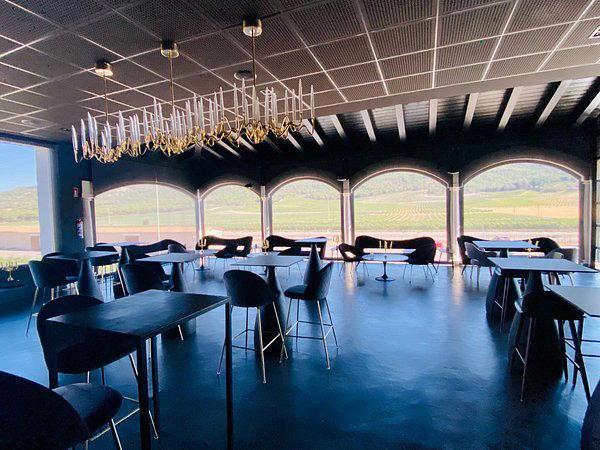
Calicata Terroir Bar sits at the vineyard's edge, which means guests are drinking wine within sight of where the grapes were grown. It is a format that requires a confident wine program to carry, and properties in similarly committed wine-country positions, such as Torre del Marqués Hotel Spa & Winery in Sardoncillo, understand the same logic. The Ribera del Duero appellation gives Abadía Retuerta a strong regional context: this is one of Spain's most serious red wine zones, built on Tempranillo at altitude, and the estate's scale within it gives the hotel a depth of vineyard access that smaller properties cannot match.
Refectorio restaurant, which holds a Michelin star, operates within the former refectory of the abbey, a spatial choice that is as historically resonant as anything in the property's design. A Michelin star in a room built for monastic communal eating is a particular kind of institutional continuity. The more casual Vinoteca provides a lower-stakes option for evenings when the tasting menu format feels like too much structure after a day on the estate. Both venues operate within walking distance of one another, which keeps the sense of containment that defines a stay at the property. For reference points elsewhere in Spain's food-hotel category, Akelarre in San Sebastián and Pepe Vieira Restaurant & Hotel in Poio demonstrate how Michelin-level kitchens inside small hotels operate as the primary reason to visit, Abadía Retuerta works by the same logic.
The Spa and the Estate Program
Spa's combination of wine-country ingredients and Tibetan medicine is an unusual pairing that reflects the broader Spanish luxury market's willingness to draw from non-European wellness traditions rather than defaulting to a single regional framework. Properties like Cap Rocat in Cala Blava and Mas de Torrent Hotel & Spa in Torrent have developed their own wellness identities tied to local landscape and produce; at Abadía Retuerta, the estate's vineyards supply a natural raw material that feeds logically into the spa program without requiring the property to look far for its source ingredients.
Planning a Stay
Hotel carries 30 rooms and suites, which keeps the occupancy dense enough to require forward planning, particularly during the Ribera del Duero harvest period in autumn when the estate is at its most visually dramatic and the wine program is at its most active. Rooms start at $755 per night, positioning the property within the same tier as La Residencia, A Belmond Hotel, Mallorca and above most regional Spanish boutique hotels. The address is N-122, km. 332.5, Sardón de Duero, Valladolid, the estate is within reach of Valladolid city and sits along a route that connects wine travelers moving through the appellation. Other properties in the wider Spanish wine-hotel category worth comparing include Caro Hotel in València and Canfranc Estación, a Royal Hideaway Hotel in Canfranc-Estación for different expressions of historic building conversion. Further afield, Marbella Club Hotel in Marbella, Bahia del Duque in Adeje, and BLESS Hotel Ibiza in Ibiza represent the coastal alternative for guests weighing estate solitude against resort accessibility. For those building a broader Spain itinerary, our full Teruel restaurants guide covers dining options in the wider region. Additional reference points for small, design-committed Spanish properties include Hotel Can Cera in Palma, Hotel Can Ferrereta in Santanyí, Can Alberti 1740 Hotel Boutique in Mahón, Casa Beatnik Hotel in A Coruña, Can Mascort Eco Hotel in Palafrugell, and A Quinta da Auga Hotel & Spa in Santiago de Compostela. For those who prefer to anchor a European wine trip in a city property, Aman New York, The Fifth Avenue Hotel in New York City, and Aman Venice in Venice represent the urban end of the Aman-tier benchmark this property effectively competes with on international traveler consideration sets.
How Abadía Retuerta LeDomaine compares with similar nearby venues.
| Venue | Awards |
|---|---|
| Abadía Retuerta LeDomaine | Michelin 3 Keys |
Recognition history
Dated appearances from independent guides and award organizations, with the underlying list record or original source where available.
La Liste Top Hotels
La Liste
Michelin 3 Keys
Michelin
Michelin 3 Keys
Michelin
Michelin 3 Keys
Michelin
Continue exploring
More in Sardón de Duero
Hotels in Sardón de Duero
Browse all →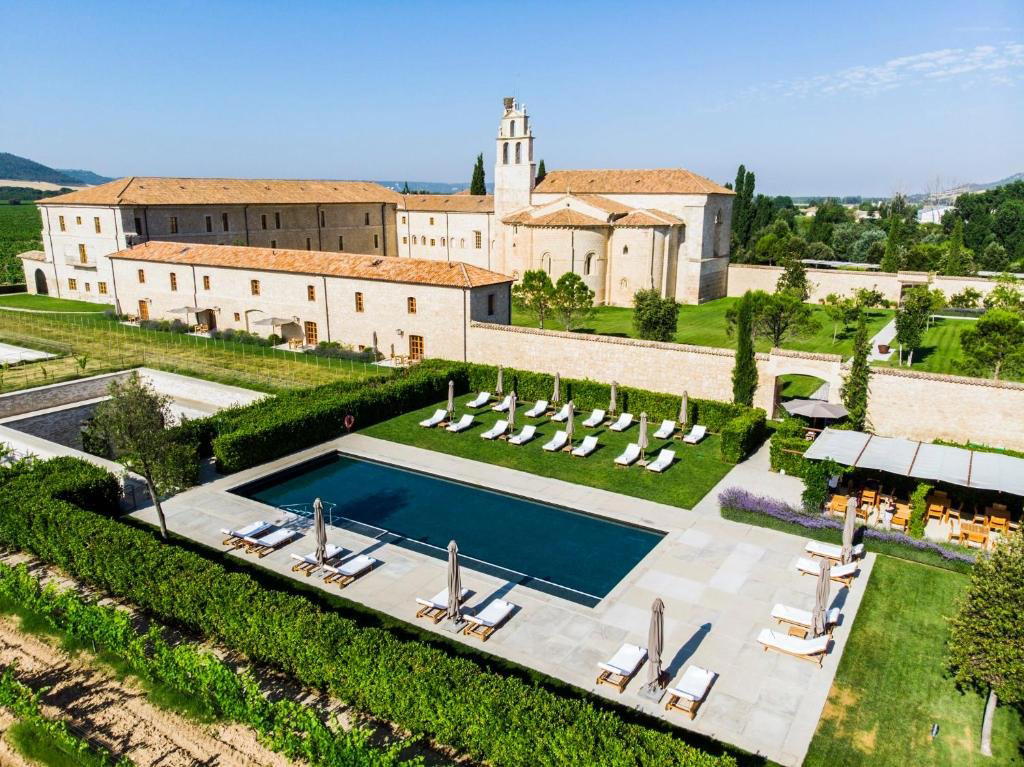
Bars in Sardón de Duero
Browse all →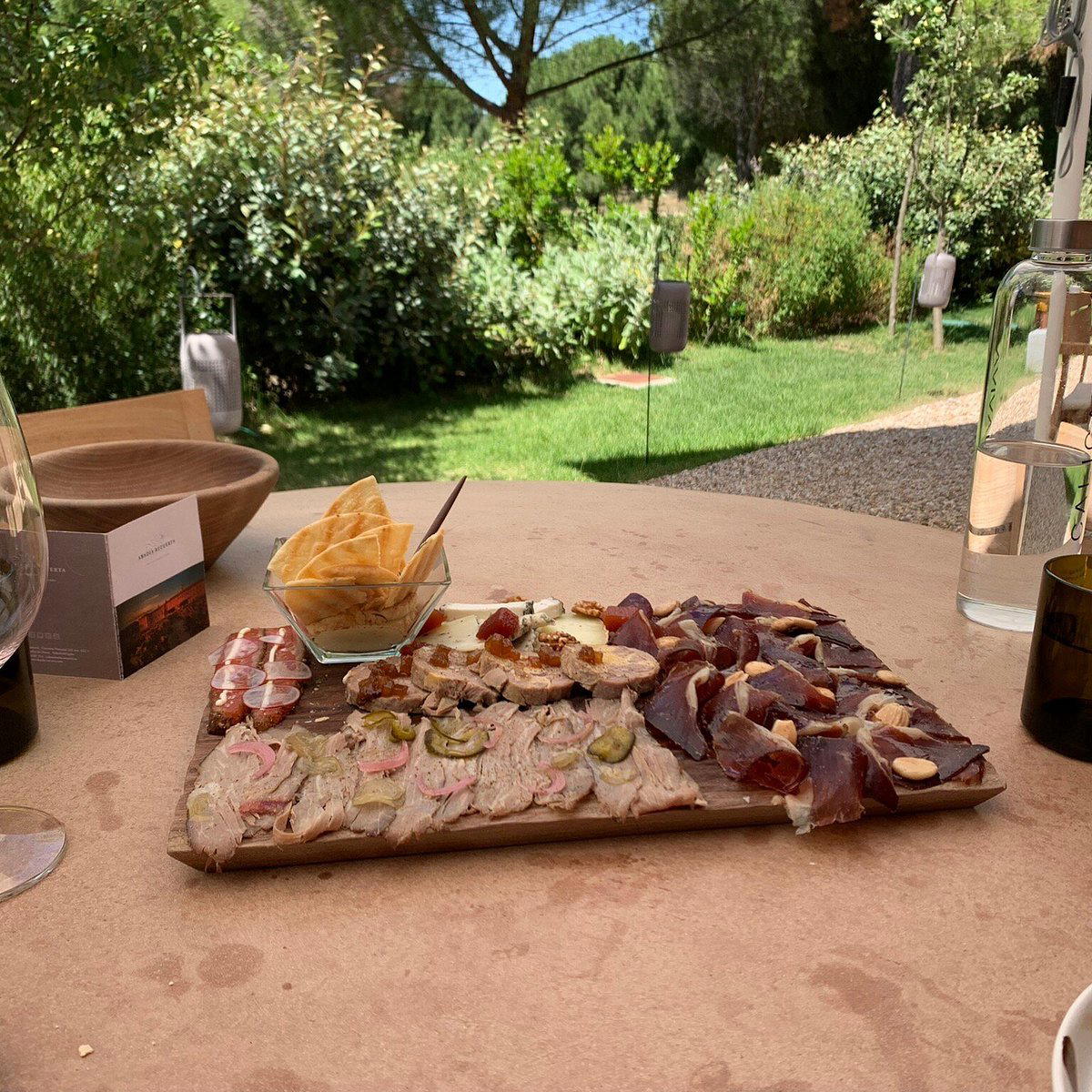
Restaurants in Sardón de Duero
Browse all →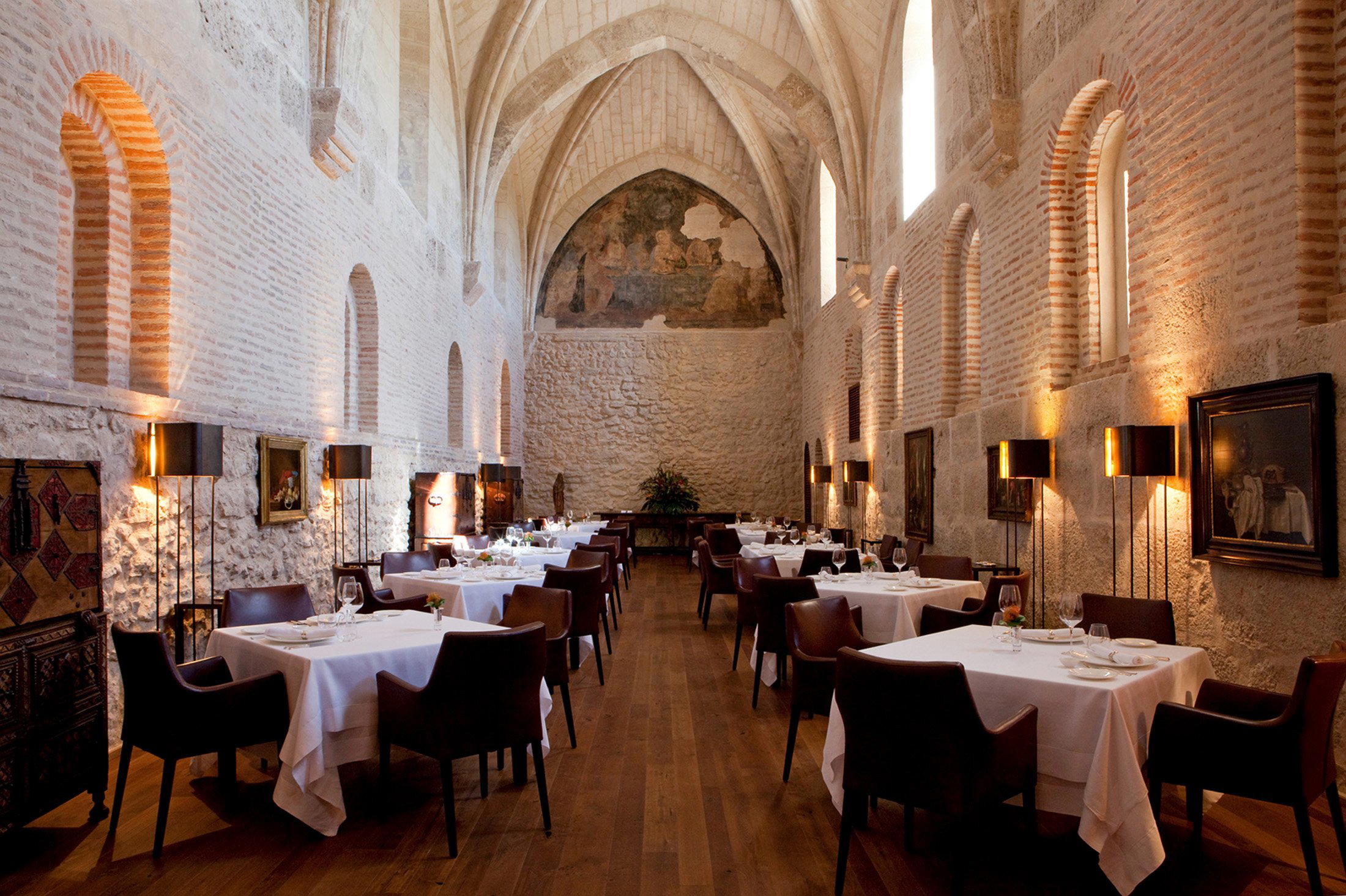
At a Glance
- Romantic
- Elegant
- Sophisticated
- Rustic
- Scenic
- Honeymoon
- Romantic Getaway
- Anniversary
- Wellness Retreat
- Weekend Escape
- Historic Building
- Panoramic View
- Private Dining
- Terrace
- Pool
- Spa
- Fitness Center
- Room Service
- Concierge
- Valet Parking
- Wi Fi
- Vineyard
- Garden
- Mountain
- Pool
- Spa
- Fitness Center
- Room Service
- Concierge
- Valet Parking
- Wi Fi
Elegant and serene with historic stone architecture, vaulted ceilings, vineyard views, and a relaxing spa atmosphere.
Know Before You Go
- Getting there
- Abadía Retuerta N-122, km. 332,5, 47340 Sardón de Duero, Valladolid, Spain