← Guides
Twenty years after phylloxera reached the Yarra Valley, producers from TarraWarra to Yeringberg are replanting smarter — and reshaping Australian cool-climate wine.
Twenty years after phylloxera reached the Yarra Valley, producers from TarraWarra to Yeringberg are replanting smarter — and reshaping Australian cool-climate wine.
At TarraWarra Estate, viticulturist Chris Beard points to a yellowing patch in the middle of the Southern Slope vineyard, source of one of the estate's top single-vineyard bottlings, and says simply: "That's the phylloxera there. It's about 10% of the vineyard now." The tone is matter-of-fact, not alarmed. That composure, repeated across the Yarra Valley in 2025, tells you something important: twenty years after Daktulosphaira vitifoliae was first confirmed in this cool-climate region an hour's drive east of Melbourne, the crisis has become a curriculum. Producers here are not just replanting vines, they are redesigning the region's flavour profile for the next four decades, one rootstock at a time.
Phylloxera's Australian history is long and painful. The louse first arrived from Europe in 1877, landing in Geelong across Port Phillip Bay from the Yarra, and proceeded to devastate Victoria's wine industry. The Yarra itself escaped, then went quiet for fifty years, its vineyards largely abandoned from the early 1920s as cheaper regions undercut it. When the modern Yarra wine scene restarted in the late 1960s and 1970s, around 70% of the new plantings were ungrafted vines. Nobody was thinking about phylloxera. It had been gone for generations.
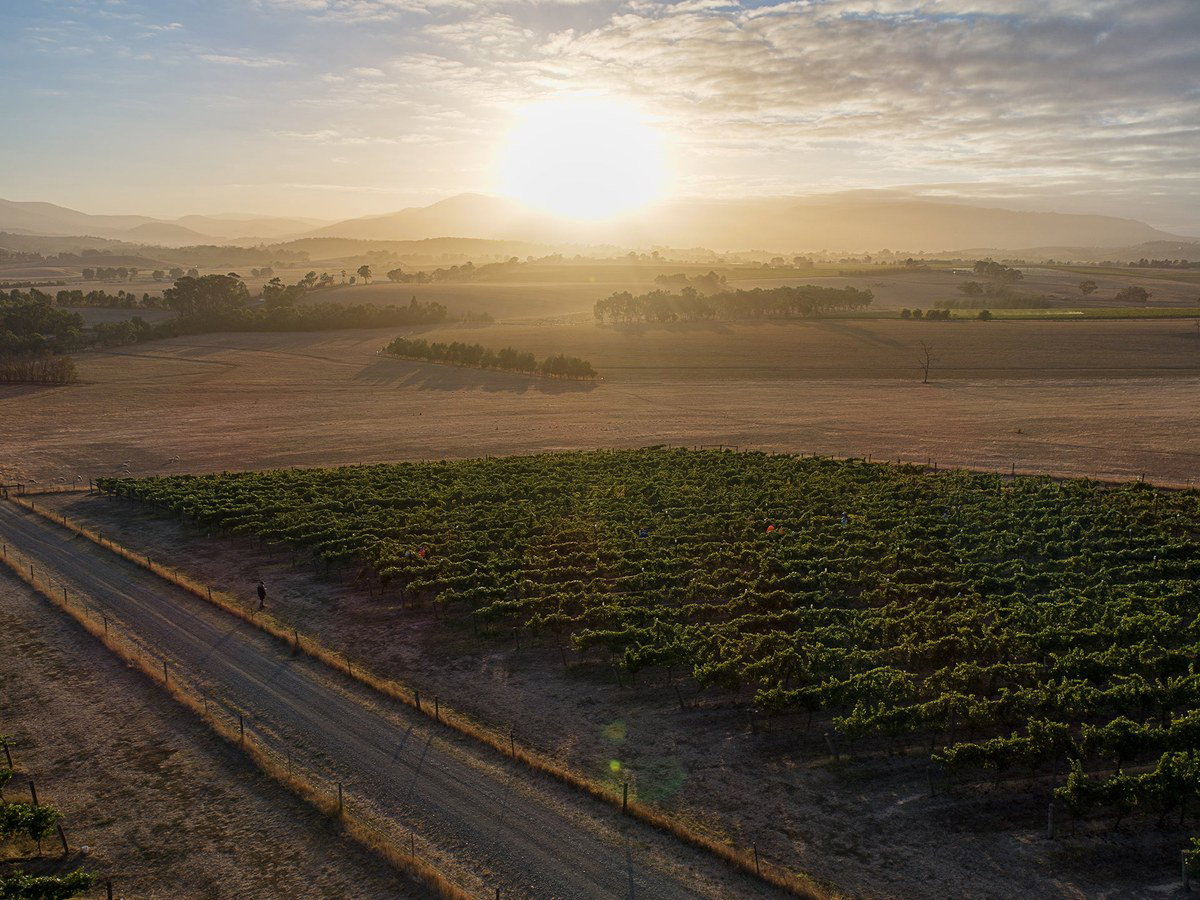
The warning came in 1991, when phylloxera was discovered in the King Valley, a couple of hours' drive to the north-east. The Yarra watched, and waited. Then, in 2006, the louse arrived. Ground zero, as Yeringberg's Sandra de Pury puts it, was about a kilometre from her estate. An officially designated Phylloxera Infestation Zone was drawn up, and has kept expanding ever since, now covering most of the lower Yarra Valley.
The Yarra Valley phylloxera replanting effort that followed is unlike anything the region has attempted before. At up to AU$120,000 (£62,000) per hectare, the cost of pulling out ungrafted vines and replanting on resistant rootstocks is not trivial. But the single genotype of the louse present in the Yarra has spread at roughly half the pace of the King Valley outbreak, giving producers time to plan rather than simply react. Upper Yarra producer Timo Mayer captures the insidious nature of the disease: "It takes seven years before you see it." That lag, between infection and visible damage, is precisely what makes phylloxera so difficult to contain, and why biosanitary discipline has become non-negotiable across the valley.
Producers no longer share tractors or equipment. Some use heat treatment on vehicles and tools after use. Chlorine foot baths at vineyard entrances are standard on many properties. Wildlife, kangaroos and deer moving freely across property boundaries, remains an uncontrollable vector. As Beard says of TarraWarra's approach: "We're of the opinion that there's no stopping it, but we're trying to contain it." The goal has shifted from eradication to managed coexistence, buying time for each block to be replanted on its own schedule.
What makes the Yarra Valley phylloxera replanting story genuinely compelling, for collectors as much as for wine tourists, is what is being planted, and why. The decisions being made now, in variety selection, clonal material, row orientation, and cover-crop regimes, will define the region's flavour profile well into the 2060s. The first serious vintages from today's new rootstock plantings will arrive in the early 2030s. Readers who understand that timeline can position their cellars ahead of the curve.
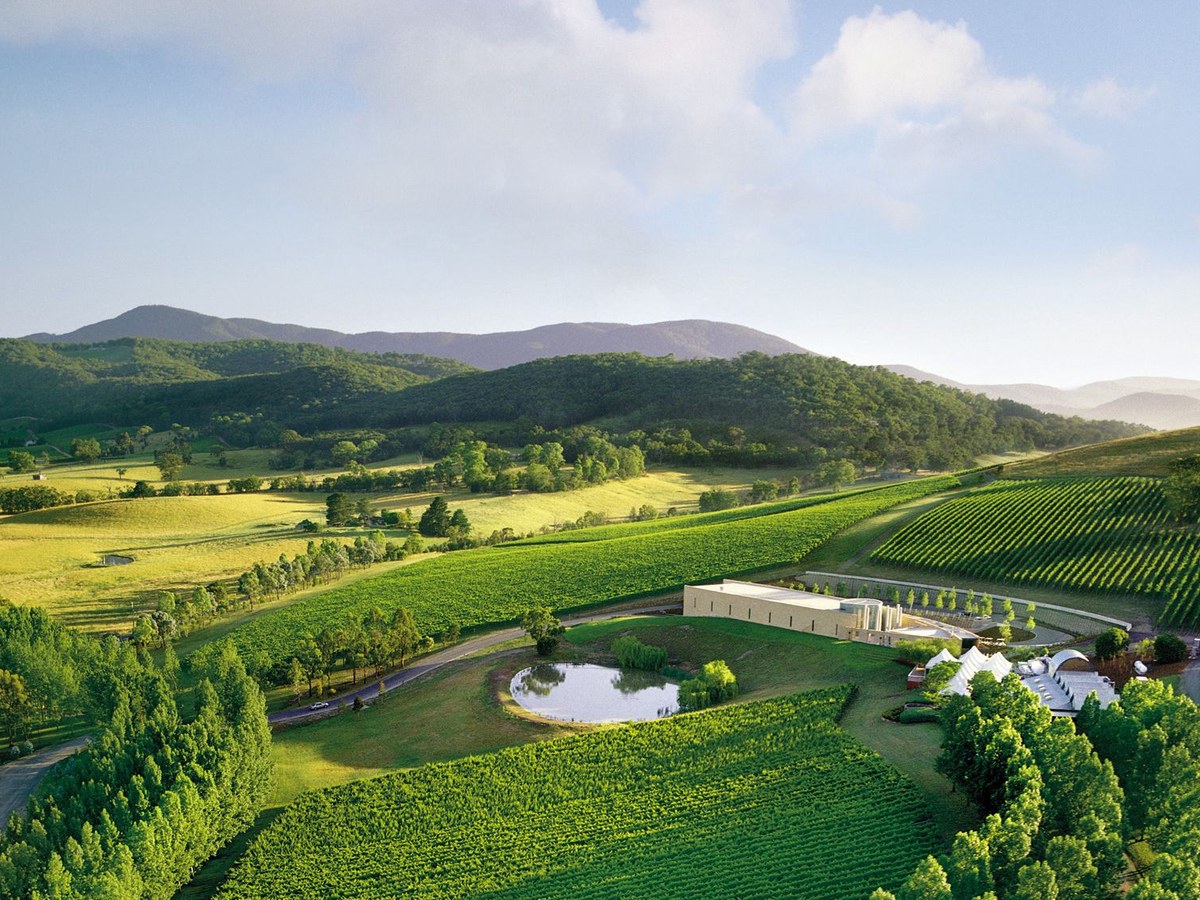
TarraWarra Estate sits in the lower Yarra Valley, where the infestation zone is most established. The disease has been present in the estate's Southern Slope vineyard since 2012, thirteen years of managed decline in a block that still produces wine. The estate continues to harvest from the affected vines, and will do so until phylloxera damages yields to the point where it becomes uneconomical. Badly affected vines eventually become stunted and unproductive, but the commercial damage shows up first in canopy destruction: grapes either underdeveloped or badly sunburnt.
Beard's approach is pragmatic. The Southern Slope block is not being ripped out prematurely, every vintage it still produces commercially viable fruit is a vintage that funds the replanting program elsewhere on the estate. That calculus, repeated across dozens of Yarra properties, explains why the valley's replanting pace is steady rather than breakneck. You cannot pull everything out at once. As Handpicked Wines' Ben Bussell puts it: "You can't just rip all your vineyard out and have all young vines."
For wine tourists visiting TarraWarra, the Southern Slope story has become part of the cellar-door narrative, a rare instance where a winery can point to a living, working example of phylloxera's progression and explain, in real time, how the replanting program is being sequenced around it. That transparency is unusual in Australian wine, and it gives TarraWarra's single-vineyard bottlings from this block a specific, time-stamped character: these are wines from a closing window.
Details: TarraWarra Estate, 313 Healesville, Yarra Glen Road, Yarra Glen VIC 3775. Cellar door open daily, check the estate website for current hours.
We're of the opinion that there's no stopping it, but we're trying to contain it1
Chris Beard, Viticulturist1
De Bortoli is the Yarra Valley's largest single landholder, with 250 hectares under vine. The scale gives winemaker Steve Webber a perspective that smaller producers cannot easily access: he has watched phylloxera move through the King Valley holdings as well as the Yarra, and he has trained a generation of Yarra winemakers in the process. His equanimity is earned. "I'll be sad when some of the old vines go," he says, "but I'm philosophical about it."
De Bortoli's foresight on rootstocks is concrete: all of the company's Yarra Valley plantings since 1995 have been on rootstocks. Thirty years of grafted vines means a significant portion of the estate's 250 hectares is already protected. The ungrafted blocks that remain are being managed through the same cost-benefit lens as TarraWarra, harvested until the economics no longer support it, then replanted.
Webber is using the replanting program to correct decisions made during the Yarra's 1980s boom, a period he describes as "the crazy days", when investor enthusiasm, partly ignited by Moët & Chandon's arrival in 1986 with its Chandon Australia venture, drove planting decisions that prioritised speed over suitability. Tax incentives in the 1990s, including generous depreciation allowances and deductions for capital expenditure on land preparation, compounded the problem. "People planted whatever they could get," Webber says. The replanting wave is, among other things, a correction of that era.
On Chardonnay, Webber is specifically seeking out pre-phylloxera heritage clonal material, a search that speaks to the depth of De Bortoli's commitment to getting the variety selection right this time. With 250 hectares to manage, the decisions made at De Bortoli carry outsized weight for the region's overall direction.
Details: De Bortoli Yarra Valley Estate, 58 Pinnacle Lane, Dixons Creek VIC 3775. Cellar door open daily, check the estate website for current hours and restaurant bookings.
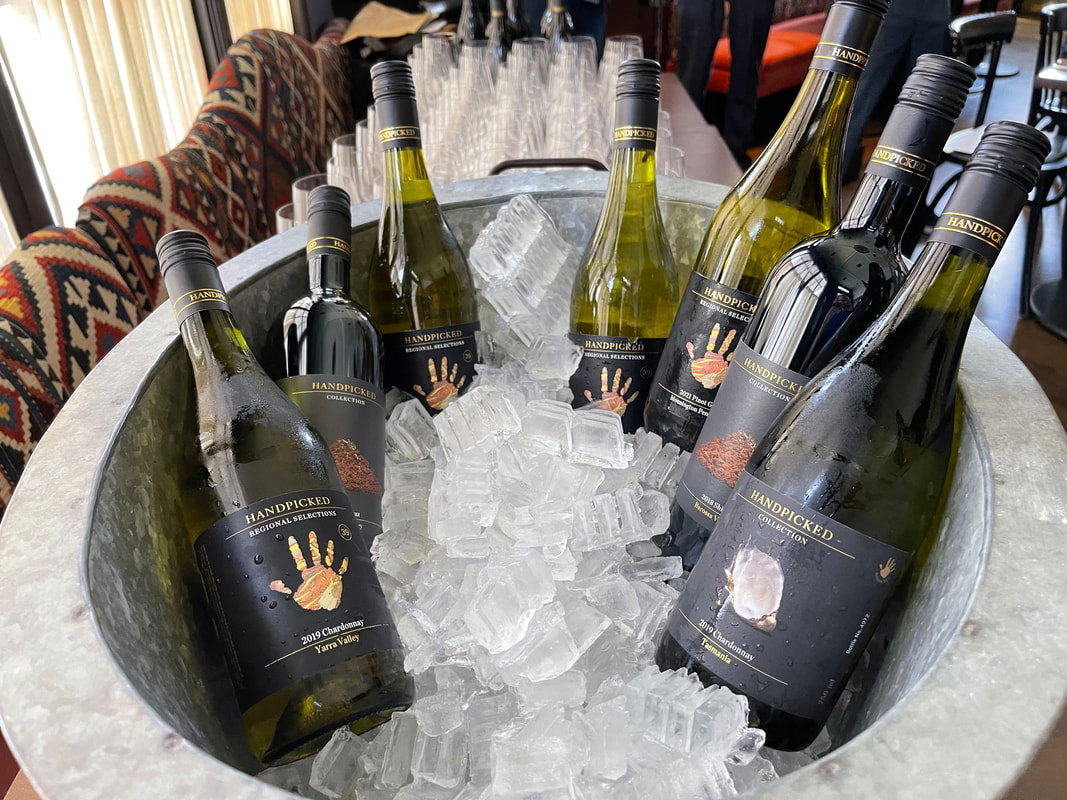
Handpicked Wines has moved further through the replanting process than most Yarra producers, most of its vines have now been replanted, though assistant vineyard manager Sam Parker describes it as "a slow march". Senior viticulturist Ben Bussell frames the exercise not as damage control but as a generational upgrade in viticultural knowledge.
"People are just more knowledgeable now about site, soil, clones and so on," Bussell says. "You could go to any region and think: 'Why did they do that 20 years ago?'" That self-awareness is driving specific choices at Handpicked. On clonal selection, Bussell favours material from France's ENTAV program, clones selected to be flavour-ripe at lower baumé, delivering lower alcohol in the finished wine. In a region where climate warming is already pushing ripeness earlier, that is a meaningful technical lever.
The Yarra Valley phylloxera replanting program at Handpicked also intersects directly with the climate change response. Row orientation is being reconsidered block by block: an east-west orientation reduces afternoon sun exposure on the flanks of vine rows compared to north-south planting, where the hottest part of the day hits the fruit directly. These are not cosmetic changes, they affect canopy temperature, water stress, and ultimately the flavour compounds that end up in the glass.
For collectors, Handpicked's replanted blocks represent a clean-slate experiment in cool-climate viticulture: new clones, new orientations, new rootstocks, all planted with the benefit of three decades of accumulated Yarra knowledge. The first vintages from these blocks that show real structural complexity are ones to add to your watchlist.
Details: Handpicked Wines Yarra Valley cellar door location and hours, confirm via the Handpicked Wines website, as visiting arrangements vary by property.
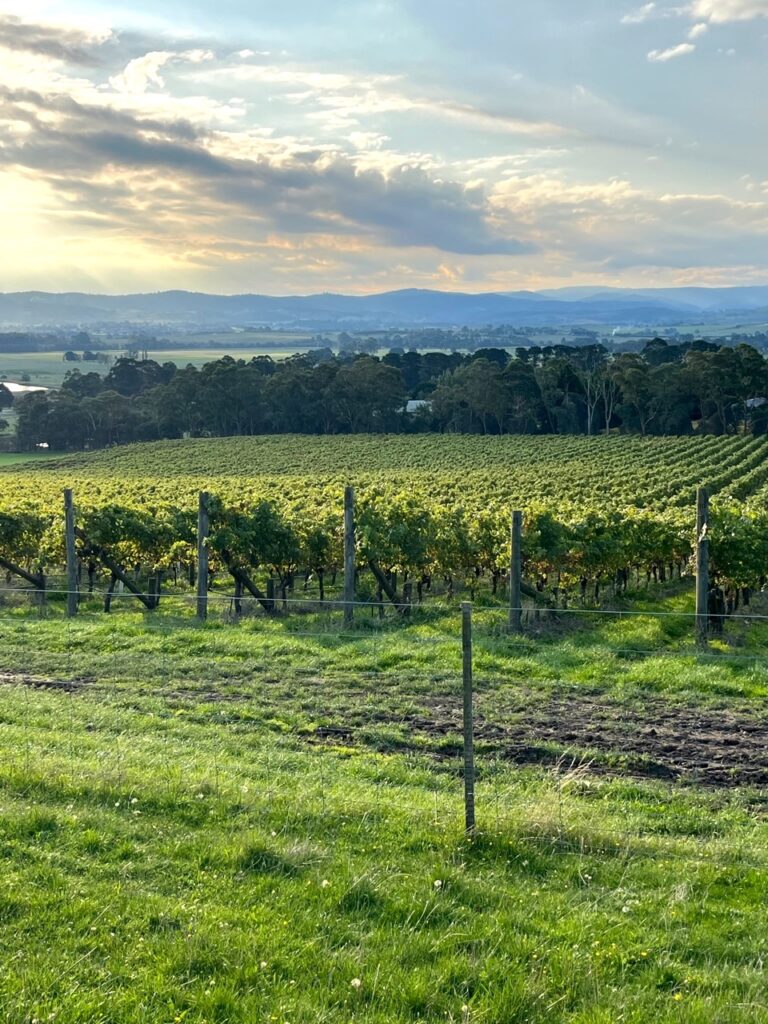
Yeringberg carries a weight that no other Yarra Valley producer quite matches. The estate's viticultural history traces back to the de Pury family's plantings in the 1860s, a lineage that makes every replanting decision there carry notable historical and sentimental freight. Sandra de Pury is clear-eyed about the situation. Ground zero for the 2006 Yarra Valley phylloxera discovery was about a kilometre from Yeringberg. The louse is coming.
De Pury's response has been to use the inevitability of replanting as a climate adaptation exercise. She has changed some rows' orientation from north-east to east, and has even replanted a Pinot Noir vineyard facing south. "That was unheard of 50 years ago," she says. South-facing aspects in the Yarra Valley, cooler, slower to ripen, would have seemed perverse to the region's founders. In 2025, with average temperatures measurably higher than they were when Yeringberg's older blocks were planted, a south-facing Pinot Noir vineyard is a hedge against a warming future.
De Pury's framing of the broader challenge is direct: "We can't all move to Tassie." Tasmania's cooler climate has attracted significant investment from mainland producers seeking relief from warming conditions, but for an estate as rooted in place as Yeringberg, relocation is not a strategy. Adaptation is. The wines from Yeringberg's pre-phylloxera blocks, the ungrafted vines that still survive, represent a closing window that no amount of careful replanting can fully replicate. Once those vines are gone, that specific expression of Yarra Valley Pinot Noir and Chardonnay goes with them. Collectors who understand this are already paying attention to the estate's back-label vintage information.
There are some vineyards that are doing quite ok with phylloxera sitting in the middle of them, we're not spooked by it2
Steve Webber, Winemaker2
Details: Yeringberg, Maroondah Highway, Coldstream VIC 3770. Visits by appointment, contact the estate directly.
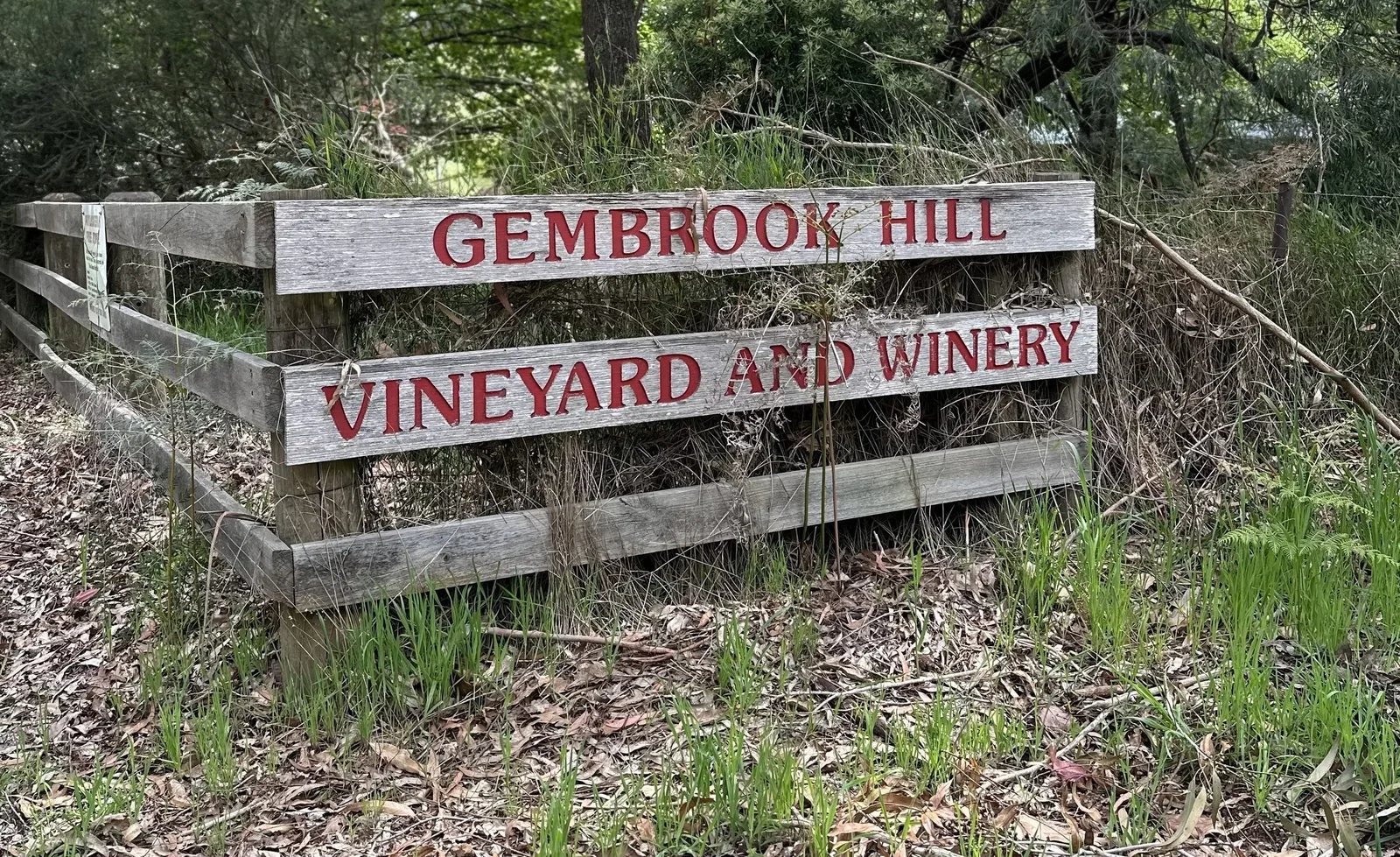
Climb into the upper Yarra Valley and the phylloxera picture changes. At Gembrook Hill, situated on a polished cool-climate site that has long championed Pinot Noir and Chardonnay, owner Andrew Marks is dealing with a different hierarchy of threats. "It's the least of our worries compared to trunk disease," he says of phylloxera, a reference to eutypa dieback, the fungal trunk disease that is prevalent throughout the Yarra and particularly damaging in the cooler upper valley.
That does not mean Gembrook Hill is complacent. Marks is gradually replanting his vines on rootstocks, getting ahead of phylloxera's seemingly inevitable spread into the upper valley. The precautionary logic is sound: the single genotype present in the Yarra has moved slowly so far, but it has moved steadily, and the officially designated Phylloxera Infestation Zone continues to expand. Waiting until the louse arrives before acting means losing the lead time that makes replanting manageable.
Gembrook Hill's high position gives it a different ripening profile from lower-valley producers, cooler nights, longer hang time, the kind of slow accumulation of flavour compounds that defines the upper Yarra's best Pinot Noir.
The replanting decisions being made here now, including which clones to select for a site that is already at the cooler end of the Yarra's range, will determine whether Gembrook Hill's distinctive character survives the transition intact.
The estate's pre-phylloxera blocks, like those at Yeringberg, carry a scarcity premium that collectors should factor into their buying decisions while those vines still produce.
Details: Gembrook Hill Vineyard, Launching Place Road, Gembrook VIC 3783. Visits by appointment, contact the estate directly.
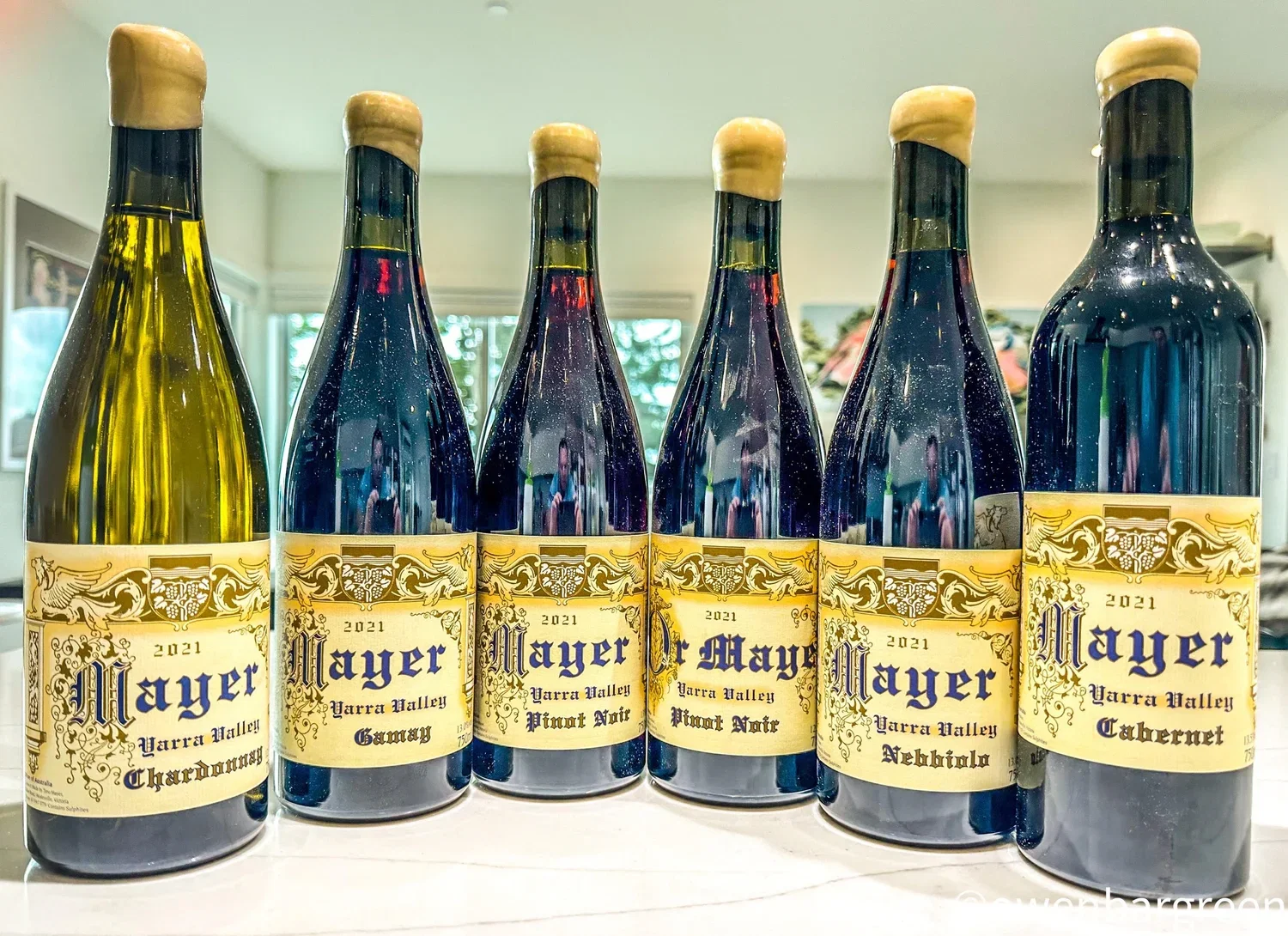
Timo Mayer is not waiting for phylloxera to arrive at his upper Yarra doorstep. His position is unambiguous: "We haven't got phylloxera yet, but we're not fucking around." Mayer is proactively replanting on rootstocks, a decision that reflects both his understanding of the louse's trajectory and his awareness of the seven-year lag between infection and visible damage. By the time you can see phylloxera in a block, it has already been there for years. Acting before the louse arrives is the only way to avoid that blind spot.
We haven't got phylloxera yet, but we're not fucking around3
Timo Mayer, upper Yarra producer3
Mayer's approach also speaks to the upper Yarra's particular character. His wines, Pinot Noir and Chardonnay from cool, polished sites, depend on a specific combination of old-vine intensity and slow ripening. Replanting on rootstocks means accepting a period of reduced vine age and, with it, reduced concentration in the fruit. That is a real cost, and Mayer is absorbing it voluntarily, ahead of necessity. The payoff, in ten to fifteen years, will be a replanted vineyard that is both phylloxera-resistant and optimised for the warmer conditions that are already reshaping the upper Yarra's growing season.
Details: Timo Mayer wines are available through the producer directly and selected Australian retailers. Vineyard visits are not a standard offering, contact the producer for current arrangements.
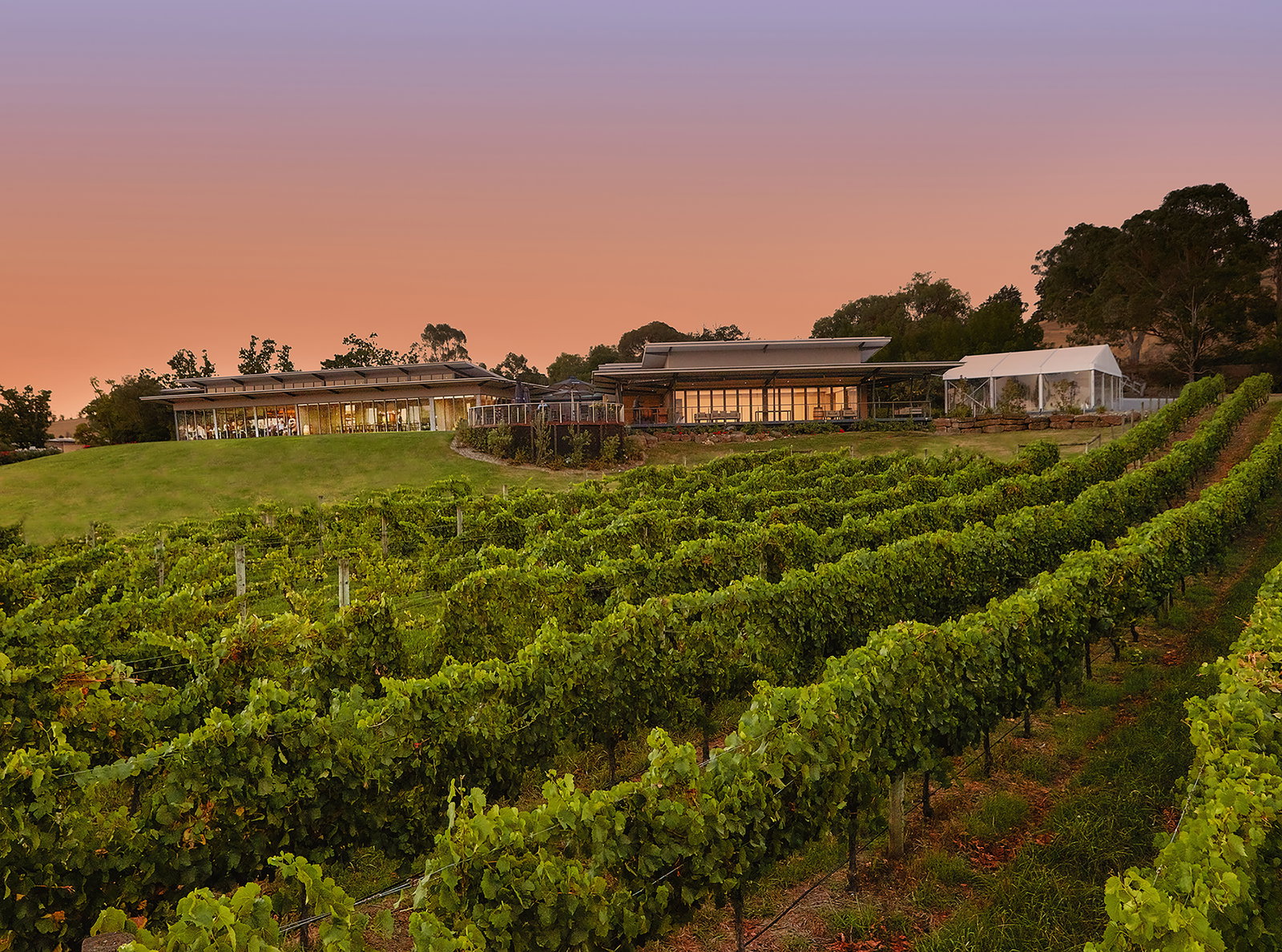
Anthony Fikkers, head of winemaking and viticulture at Joval Family Wines, brings a generational perspective to the Yarra Valley phylloxera replanting conversation. When Joval's home plot was first planted as a family business, the approach was scattershot: "In the 1980s we just didn't have the knowledge about the terroir," Fikkers says. The site was growing everything, a reflection of an era when variety selection in the Yarra was driven more by availability than by site suitability.
The replanting program at Joval is, in part, a correction of those early decisions. With the benefit of thirty-plus years of accumulated Yarra data, which varieties perform on which aspects, which clones handle the valley's cool, wet springs and warm summers, Fikkers is replanting with a specificity that the estate's founders simply did not have access to. The result will be a more focused range: fewer varieties, planted where they actually belong on the site, on rootstocks that will carry the vineyard through the next half-century.
Joval's position as a family operation also gives it a different relationship with the replanting cost than a corporate producer. At AU$120,000 per hectare, replanting is not a line item that can be absorbed across a large balance sheet, it is a generational commitment, made in the knowledge that the vines being planted today will outlast the people planting them. That long-term thinking, visible across the Yarra Valley's family producers, is precisely what makes the region's replanting wave something more than a crisis response.
Details: Joval Family Wines, Yarra Valley, contact the producer directly for cellar door availability and current visiting arrangements.
The Phylloxera Infestation Zone covering most of the lower Yarra Valley will continue to expand. The upper valley's producers, Gembrook Hill, Timo Mayer, and others, are replanting proactively precisely because they know the louse is coming. The question is no longer whether the Yarra Valley will be replanted, but what it will look like when the process is complete.
The answer, based on the decisions being made now, is a region that is cooler in orientation, lower in alcohol, more clonally diverse, and better matched to its sites than the Yarra of the 1980s and 1990s ever was. South-facing Pinot Noir blocks at Yeringberg. ENTAV clones at Handpicked, selected for flavour ripeness at lower baumé.
Pre-phylloxera heritage Chardonnay material at De Bortoli. Row orientations redesigned to manage afternoon heat across the lower valley. These are not incremental adjustments, they are the building blocks of a different Yarra Valley, one whose first serious vintages from the new plantings will begin to emerge in the early 2030s.
For collectors, the implication is direct: the wines from surviving pre-phylloxera blocks at Yeringberg and Gembrook Hill are a closing window, and the wines from the new rootstock plantings at De Bortoli, Handpicked, and Joval are a long-term buy-ahead signal. The Yarra Valley has been through this before, the fifty-year hiatus from the 1920s, the replanting boom of the 1970s, the investor frenzy of the 1980s. Each time, the region has come back with a clearer sense of what it does best. This time, it has the science, the clonal knowledge, and the climate data to get it right from the start.
How much does Yarra Valley phylloxera replanting cost per hectare?
Replanting on resistant rootstocks costs up to AU$120,000 (approximately £62,000) per hectare, covering the removal of ungrafted vines and establishment of new grafted material. This significant investment is why producers are carefully sequencing replanting block by block rather than tackling entire estates at once.
When was phylloxera first confirmed in the Yarra Valley?
Phylloxera was first confirmed in the Yarra Valley in 2006, with ground zero located approximately one kilometre from Yeringberg estate. An officially designated Phylloxera Infestation Zone was established and has continued to expand, now covering most of the lower Yarra Valley.
Why is Yarra Valley phylloxera spreading more slowly than in the King Valley?
The single genotype of phylloxera present in the Yarra Valley has spread at roughly half the pace of the King Valley outbreak. This slower progression has given Yarra producers time to plan systematic replanting rather than simply react to rapid vineyard losses.
How long does it take to detect a Yarra Valley phylloxera infestation in a vineyard?
According to Upper Yarra producer Timo Mayer, it takes approximately seven years before visible symptoms appear after initial infection. This lag between infection and visible damage is what makes phylloxera so difficult to contain and has made strict biosanitary protocols non-negotiable across the valley.
What biosecurity measures are Yarra Valley producers using to slow phylloxera spread?
Producers have adopted strict protocols including no sharing of tractors or equipment between properties, heat treatment of vehicles and tools after use, and chlorine foot baths at vineyard entrances. Wildlife such as kangaroos and deer crossing property boundaries remain an uncontrollable vector that cannot be fully managed.
Get the App
Take the shortlist into the En Primeur Club app for concierge access, saved places, and the next step after discovery.
Get Exclusive AccessMore from the editors