← Guides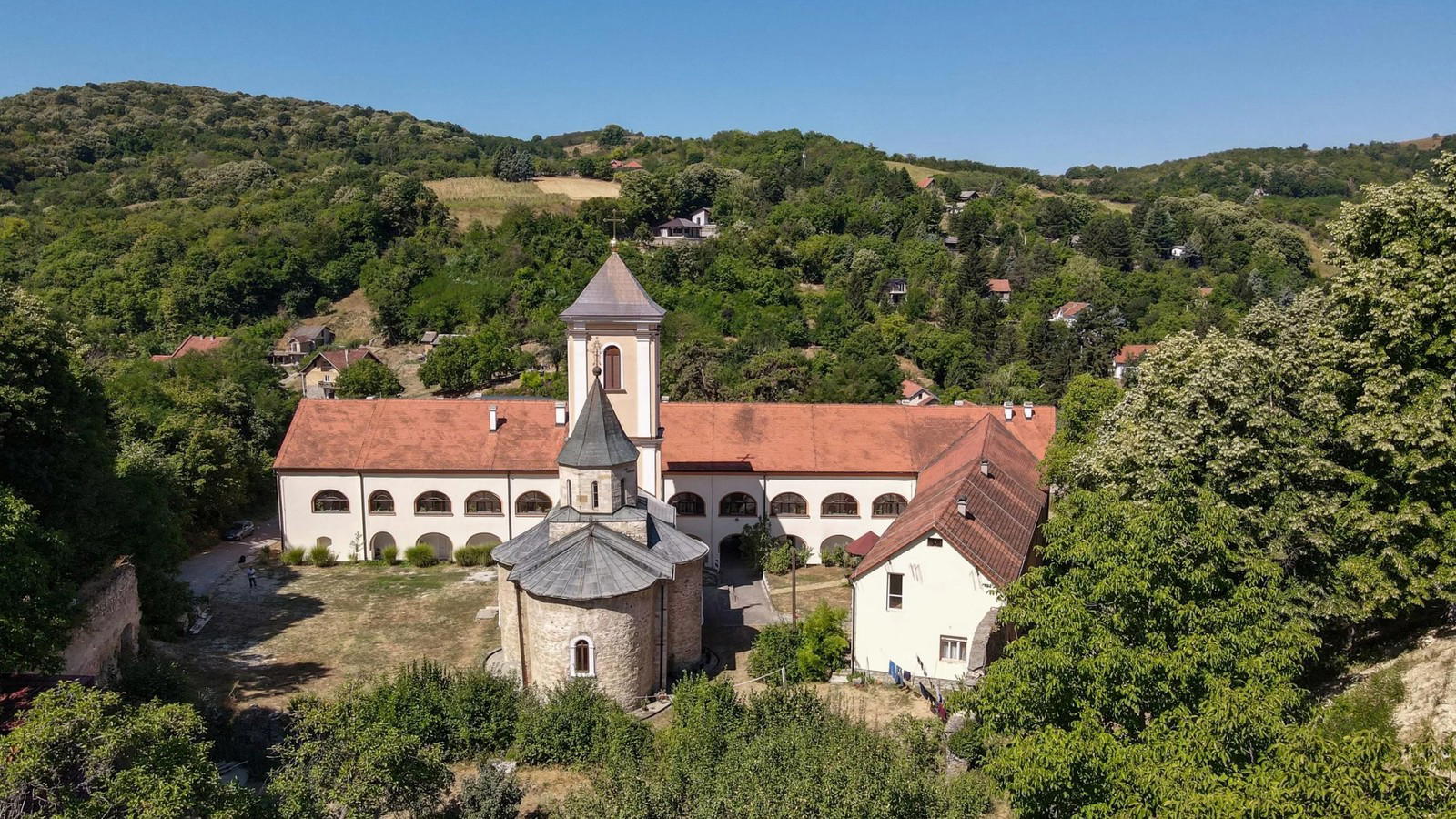
One grape, nine names, six countries—and most wine drinkers still can't place it. Here's why Welschriesling deserves your full attention.
One grape, nine names, six countries—and most wine drinkers still can't place it. Here's why Welschriesling deserves your full attention.
A grape variety planted across more than fifty thousand hectares from Austria to North Macedonia, more widely grown than Grüner Veltliner, more dominant in its home markets than Furmint, and most wine drinkers outside Central Europe cannot name it.
Call it Welschriesling in Vienna, Graševina in Zagreb, Olaszrizling in Budapest, Laški Rizling in Ljubljana, or Grašac in Novi Sad: same vine, same golden-green clusters, nine different names depending on which side of the border you happen to be standing on.
The variety is especially-planted white grape in Croatia, Slovenia, and Serbia simultaneously, a statistical fact that should make it among the more discussed whites in Europe. It doesn't. That gap between planted area and critical attention is precisely where the opportunity lies, and a new generation of estate producers is closing it fast.
Any serious Welschriesling Graševina producer profile has to start here: with the sheer scale of a grape that has been hiding in plain sight.
The synonym problem is not accidental. It is a direct inheritance of Austro-Hungarian political geography, a legacy of an empire that stretched from the Tyrolean Alps to the Carpathian foothills and carried its viticultural preferences with it. When the empire dissolved after 1918, the grape stayed, but each successor state renamed it according to its own language and political identity. The result: Welschriesling in Austria, Riesling Italico in Italy's Oltrepò Pavese, Rizling Vlašský in Slovakia, Ryzlink Vlašský in Czechia, and Riesling Italian (often shortened simply to Riesling) in Romania. In Hungary, Olasz means Italian; in Slovenia, Laški means the same; in Slovakia and Czechia, Vlašský carries the same root. Even Welsch in German traces back to the proto-Germanic Walhaz, meaning Roman or Romance-language speaker, later compressed to mean simply 'foreigner' or 'Italian.'
The Italian implication embedded in so many of the names is tantalising, though the grape was not recorded in Italy until the mid-1800s. DNA profiling has confirmed that one parent is a rare Italian variety called Coccalona Nera; the other parent remains unidentified.
Whether the variety originated in Italy, the Balkans, or somewhere along the old Roman frontier is still genuinely open. What the names have done, practically speaking, is create a persistent confusion with Rhine Riesling, a confusion that has suppressed the variety's international reputation for decades.
The two grapes share no genetic relationship and taste nothing alike. Welschriesling carries a softer, rounder texture with appetising freshness rather than the laser-cut acidity and petrol-tinged complexity of a Mosel Spätlese. Conflating the two is like mistaking Pinot Gris for Pinot Noir because they share a name.
The reach of this grape extends further than most people realise.
According to Caroline Gilby MW, a specialist in Central and Eastern European wine who passed her MW in 1992 and has been tasting these regions for over two decades, the variety covers between 3,000 and 4,000 hectares in China, where it arrived in 1892 when an Austro-Hungarian consul was invited to take up a winemaking role there.
Its Chinese name, 贵人香, translates as 'noble fragrance.' There is even a presence in Brazil. A grape this widely travelled deserves a more coherent identity, which is precisely what the GROW du Monde competition, founded by three friends from Croatia, Serbia, and Hungary, is trying to build.
The name is an acronym: 'GR' from Graševina and Grašac, 'O' from Olaszrizling, 'W' from Welschriesling. The goal is to give producers across six countries a shared platform and a single conversation.
Before discussing where the grape is going, it is worth pausing on where it has been, because the historical evidence for this variety is more concrete than for almost any other Central European white. In 1816, Prokopije Bolić, the archimandrite of the Rakovac monastery on Fruška Gora mountain in northern Serbia, published a book called Soveršen Vinodelac, 'The Well-suited Winemaker.' In it, he referenced the grape under the name Graschaz. That alone places it firmly in the Serbian viticultural record two centuries ago. But the more striking discovery came in 2017, when researcher Dr Milica Rat opened some dusty, forgotten boxes at the grammar school in Sremski Karlovci, a small town on the Danube in northern Serbia. Inside were 75 samples of grapevine material collected on Fruška Gora between approximately 1812 and 1824, including a pressed sample of Graschaz. The collection turned out to be the world's second-oldest grapevine herbarium, and the only one anywhere that contains actual pressed grapes rather than leaves alone.
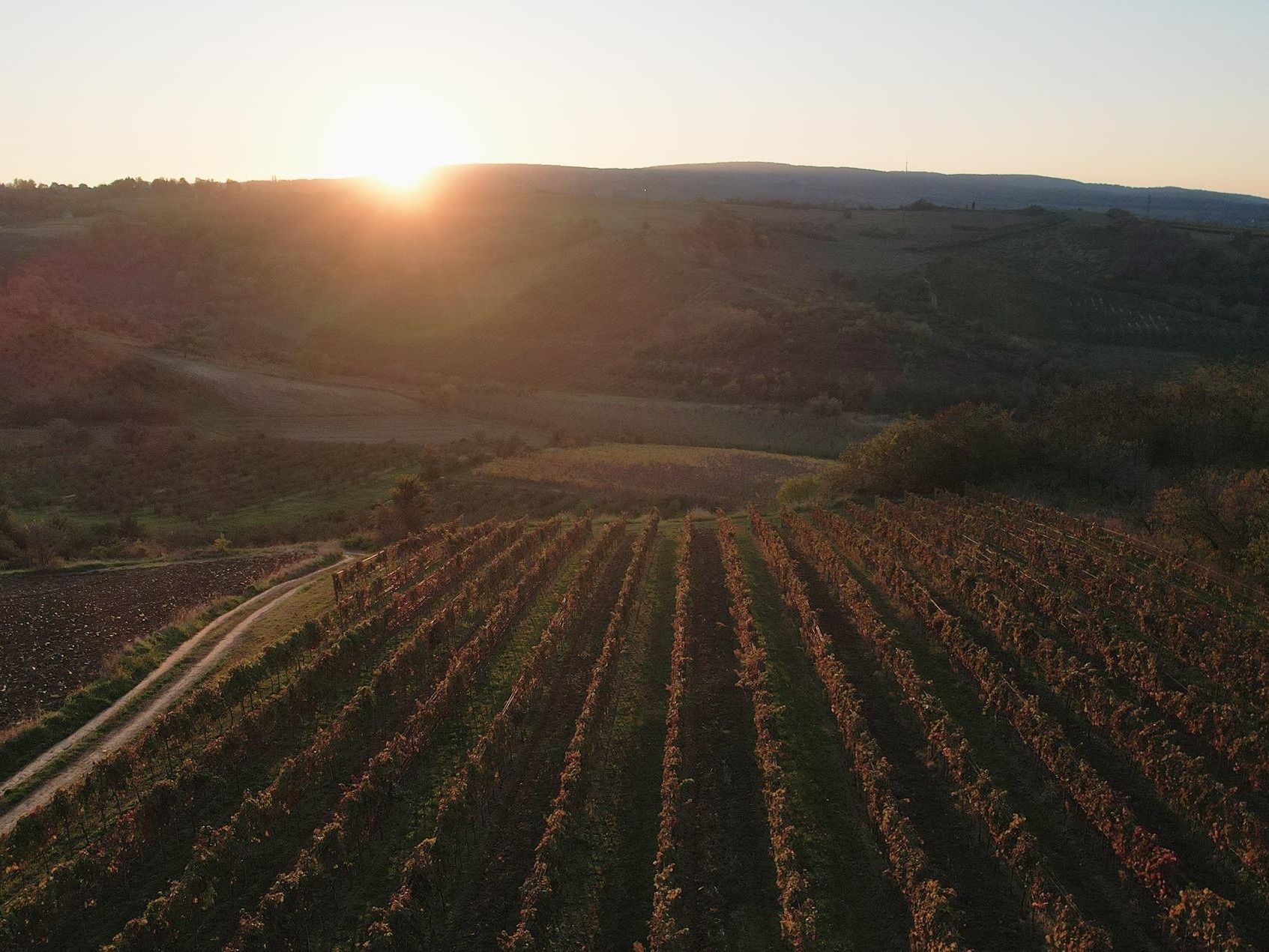
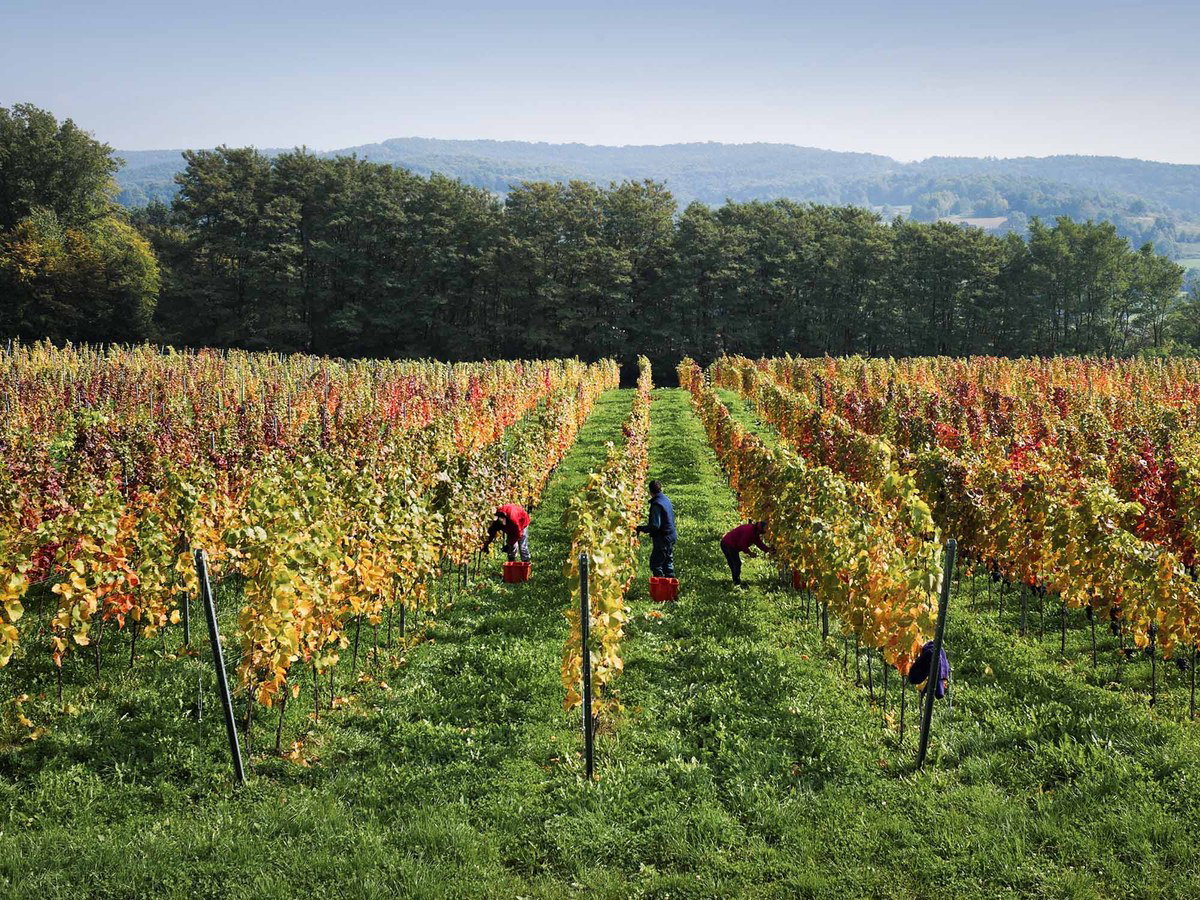
The significance of this find goes beyond academic curiosity. It gives Serbia a documented claim as one of the grape's most historically rooted homes, and it places Fruška Gora, a long ridge of hills rising above the Srem plain between the Danube and the Sava, at the centre of the variety's story.
The same mountain range that sheltered Bolić's monastery and preserved those pressed clusters in a school archive is today home to Vinarija Vinčić, whose Grašac 2020 won a DWWA 2023 Best in Show award. That wine is unoaked and sourced from fifty-year-old vines, a direct, unmediated expression of what Fruška Gora's soils and old-vine concentration can produce.
The arc from a nineteenth-century monk's winemaking manual to a twenty-first-century international competition award is a long one, but it runs through the same ground.
Among the more important things to understand about this grape, and one of the reasons serious producers are investing in it, is that it is a transparent terroir vehicle. A recent study cited by Gilby found measurably different levels of aromatic compounds in grapes grown in different regions, which is the kind of evidence that turns a variety from a bulk commodity into a fine-wine candidate. The practical expression of that transparency varies dramatically across the six producing countries.
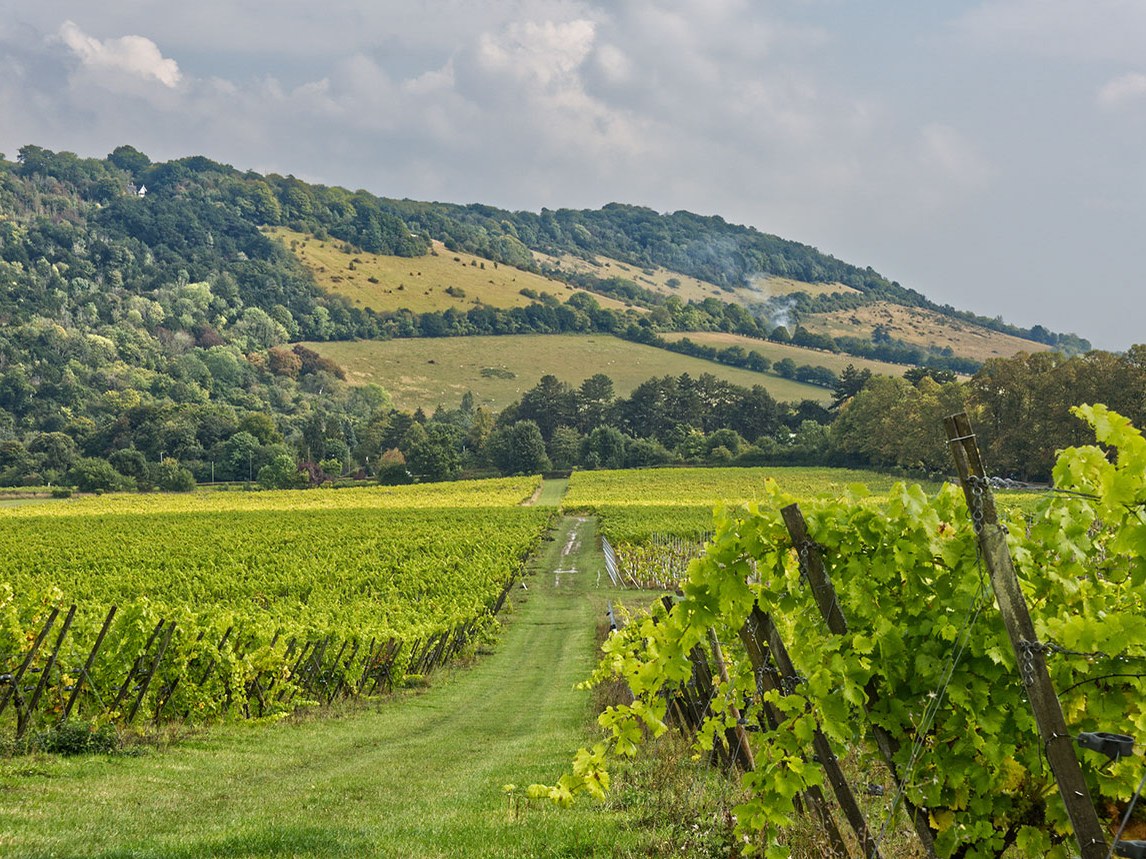
In Croatia's Slavonia, the flat, continental heartland where the Kutjevo and Đakovo subregions sit, the grape produces wines with a saline, almost Chablis-like tension.
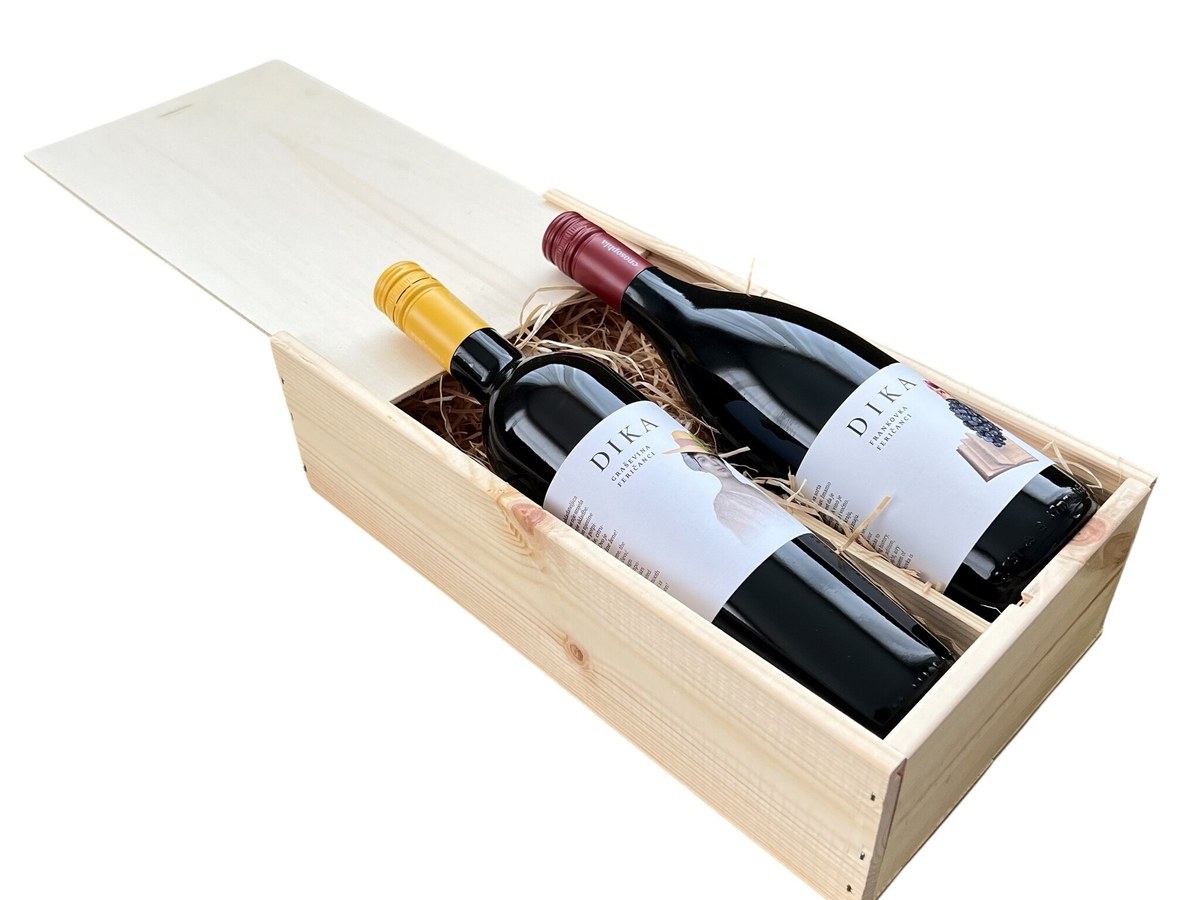
The Enosophia Dika Graševina 2024 from Slavonia delivers stone fruit and citrus with a bright saline finish; the Kutjevo Croatica Graševina 2024 from the historic Kutjevo winery, whose cellar dates to 1232, making it one of the oldest continuously used wine cellars in Europe, opens with apple blossom aromatics and the kind of clean, precise fruit that comes from a cool continental climate and well-managed yields.
Graševina dominates white wine production in Croatia, and Slavonia is where the variety expresses its most mineral, food-friendly character.
Move north into Hungary and the picture shifts. Near Lake Balaton, the volcanic soils produce a warmer, spicier register. Sabar's Estate Olaszrizling 2023 from Balaton shows baked apple, cinnamon, quince, and lemon oil, a profile shaped by the heat-retaining basalt and the lake's moderating influence.
Zelna, a young organic estate close to the lake, takes a different approach: their Olaszrizling Balaton 2023 is beautifully floral, with lemon balm, acacia, and fresh apple, a more delicate, aromatic reading of the same volcanic terroir. The contrast between these two Balaton producers alone illustrates how much variation a single appellation can contain.
In Slovenia's far northeast, the 22-hectare organic estate Marof works the Prekmurje region, a corner of the country that borders both Hungary and Austria and shares their continental climate. Their Goričko Blanc 2021 shows spiced peach and ripe pear with a lightly flinty quality that speaks to the region's character. This is the calling card of an estate that treats the grape as a serious, age-worthy proposition rather than a volume play.
Any thorough Welschriesling Graševina producer profile must reckon with the full range of ambition now on display across the region. The producer range runs from cooperative-scale volume production, the litre-bottle, everyday-pour tradition that sustained the variety through the communist era, to single-vineyard, low-intervention estate wines that are only now beginning to find export markets. Particularly compelling producers are those working in the space between those two poles: estates with enough scale to be consistent, but enough ambition to push the grape toward complexity.
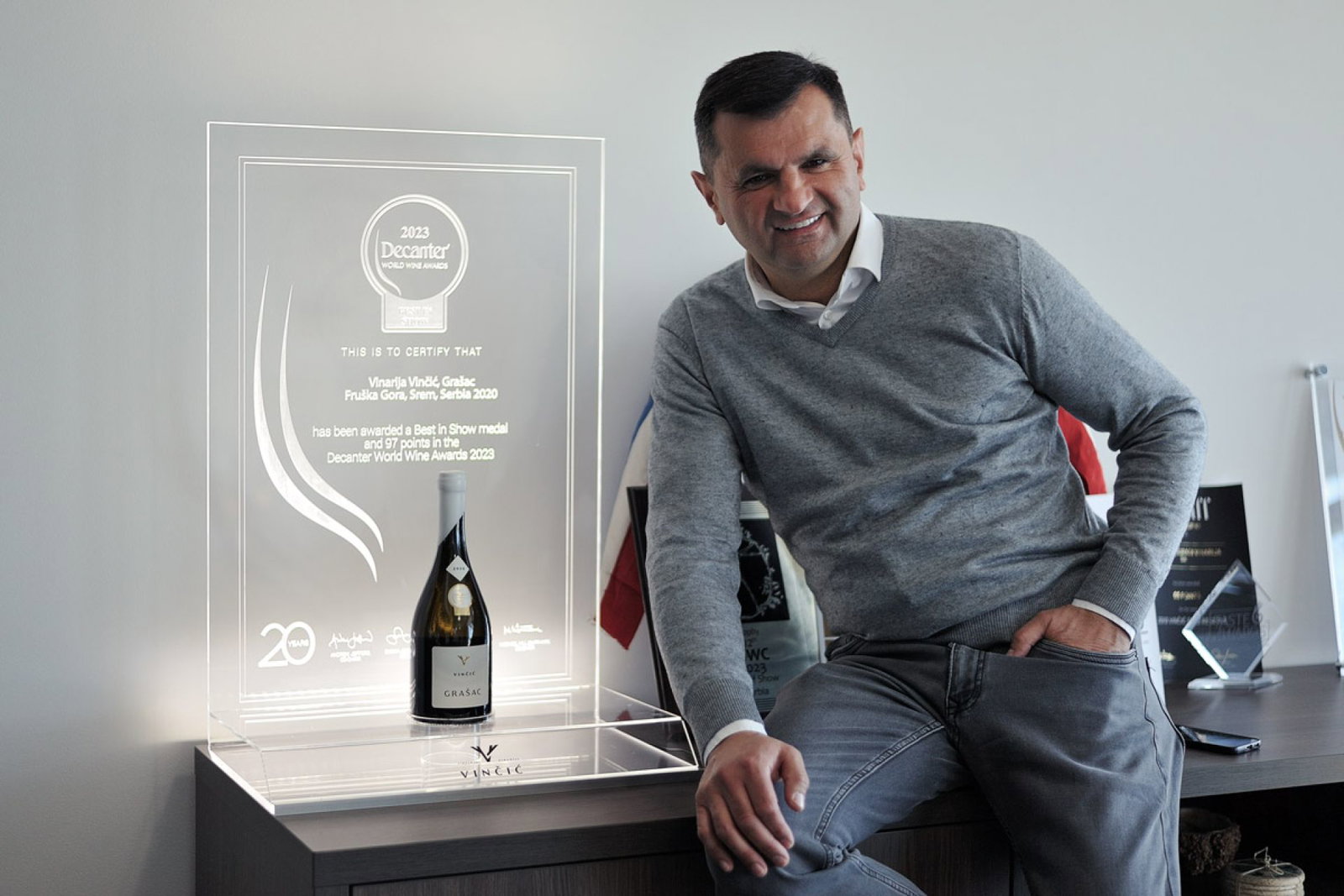
Vinarija Vinčić on Fruška Gora is the current benchmark for Serbia. Their DWWA Best in Show Grašac 2020 is the unoaked expression, fifty-year-old vines, no new wood, the fruit doing all the work. The sibling wine, their Grand Fru 2020, takes the same fruit and ages it in 500-litre oak, which by the time of tasting had become beautifully integrated into a complex, layered bouquet. The contrast between the two bottlings is instructive: the unoaked version shows what old vines and Fruška Gora's soils can produce in their purest form; the oak-aged version shows what happens when you give that material time and vessel. Both are worth tracking.
In Croatia, Kutjevo d.d. carries the weight of history, a cellar from 1232 is not a marketing detail but a genuine statement about how long this land has been producing wine. Their Croatica Graševina 2024 is positioned as an accessible entry point, but the estate's location in Slavonia's heartland gives it the mineral backbone that defines the region's best whites. Enosophia, also working in Slavonia, takes a cleaner, more reductive approach: their Dika Graševina 2024 is whistle-clean and precise, the saline finish pointing toward the limestone-influenced soils of the Slavonian plain.
Hungary's Sabar and Zelna represent two different philosophies at Balaton. Sabar's Estate Olaszrizling 2023 leans into the volcanic warmth, richer, spicier, more textural. Zelna's organic approach produces something more transparent and aromatic. Neither is wrong; they are simply reading the same terroir through different lenses. For collectors building a Central European white wine vertical, having both in the cellar makes the comparison argument for you.
Slovenia's Marof is the organic estate to watch in Prekmurje. Twenty-two hectares farmed without synthetic inputs, in a region that most Western buyers have never visited and few importers have mapped. The Goričko Blanc 2021 is the estate's signature, a wine that rewards the kind of attention usually reserved for Alsatian Pinot Gris or serious white Burgundy.
Tasting through the variety's range from west to east is one of the more instructive exercises in Central European wine. Austria's Neusiedlersee has long demonstrated the variety's capacity for botrytised sweet wines, honeyed, concentrated expressions capable of decades in bottle that proved the grape could reach fine-wine heights when conditions align.
Move east into Hungary and the dry expressions take over. Young Olaszrizling from Balaton, whether from volcanic-soil estates like Sabar or organic producers like Zelna, shows lemon, green apple, white flowers, and sometimes green herbs, with a mineral, grapefruit pith finish.
This is the profile that makes the variety such a natural partner for freshwater fish, white-sauced pastas, and the kind of light, herb-driven Central European cuisine that rarely gets discussed in wine pairing contexts but deserves to.
In Hungary, the spritzer tradition runs deep, Olaszrizling diluted with soda water is a summer institution, consumed in garden restaurants from Budapest to the Balaton shore. That context matters: this is a grape with genuine cultural roots, not a variety being repositioned from scratch.
Cross into Slovenia and the wines gain a little more weight and spice. Marof's Goričko Blanc 2021 sits in a register between the freshness of a young Balaton Olaszrizling and the textural richness of an aged Slavonian Graševina, a useful middle ground that reflects Prekmurje's position at the intersection of three national wine traditions.
In Croatia's Slavonian heartland, the grape reaches its most mineral, structured expression. The saline finish on Enosophia's Dika Graševina 2024 is not a winemaking trick; it is a direct read of the limestone-influenced soils of the Slavonian plain.
At its leading, a mature Slavonian Graševina delivers white peach, chamomile, and crushed limestone on the nose, with a palate tension that recalls Chablis more than it does any other Central European white. These wines age.
A well-made Graševina from a serious Slavonian producer can develop in bottle for a decade, picking up the ripe apple, poached pear, lemon zest, and quince complexity that Gilby describes as characteristic of old-vine, low-yield expressions.
Serbia's Fruška Gora closes the circuit. Vinarija Vinčić's Grašac 2020, unoaked, fifty-year-old vines, DWWA Best in Show, is the clearest argument yet that this corner of the Danube basin can produce wines that compete on a global stage. The Grand Fru 2020, aged in 500-litre oak, adds another dimension: the kind of layered complexity that takes time to reveal itself and rewards patience.
The case for paying serious attention to this variety now, rather than in five years, when export markets have caught up, rests on a direct set of facts. The grape is especially-planted white variety in three countries simultaneously. It has documented history stretching back to at least 1812 on Fruška Gora, and a winemaking literature dating to 1816.
It has one confirmed parent in the rare Italian variety Coccalona Nera, and DNA evidence that separates it entirely from Rhine Riesling. It has won a DWWA Best in Show. It has produced internationally competitive sweet wines at Neusiedlersee. And it remains, on export markets, almost entirely undiscovered.
The pricing gap relative to better-known Central European whites is real. Grüner Veltliner from the Wachau and Furmint from Tokaj have established international price benchmarks over the past two decades.
The Welschriesling Graševina producer profile across Croatia, Serbia, Hungary, and Slovenia tells a different story: single-vineyard, estate-bottled expressions from serious producers in Slavonia, Fruška Gora, Balaton, and Prekmurje are currently available at prices that do not reflect their quality. That window will not stay open indefinitely.
The GROW du Monde competition is building a unified identity across six countries. Caroline Gilby MW is writing about the variety in Decanter.
Croatian, Hungarian, and Slovenian producers are beginning to bottle single-vineyard, low-intervention expressions that rarely leave the region, and when they do, sommeliers in London, Copenhagen, and New York are noticing.
For the collector or oenophile traveller, the practical implication is clear: the estates to seek out are those working with old vines, low yields, and a willingness to let the grape's terroir speak, Vinarija Vinčić on Fruška Gora, Kutjevo and Enosophia in Slavonia, Sabar and Zelna at Balaton, Marof in Prekmurje. These are not household names yet. They will be. The grape that answers to nine different names across six countries is finally beginning to speak with one voice, and the time to pay attention is before the rest of the world does.
Get the App
Take the shortlist into the En Primeur Club app for concierge access, saved places, and the next step after discovery.
Get Exclusive AccessMore from the editors