← Guides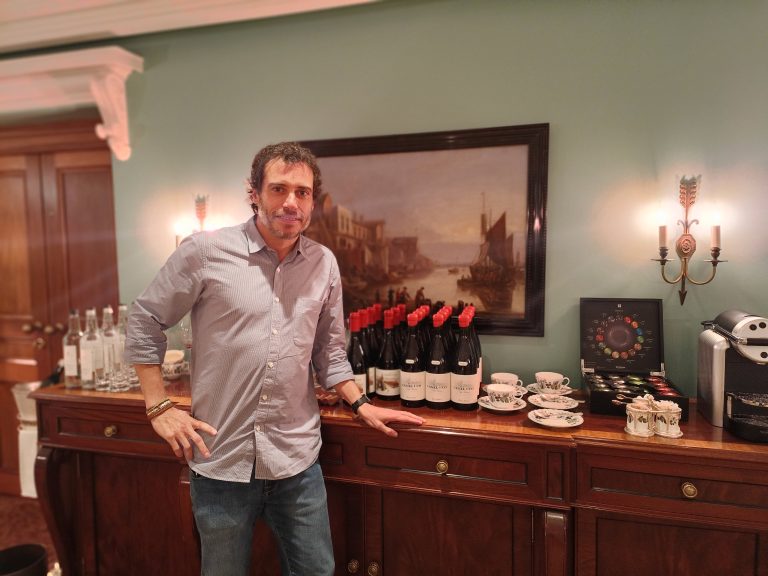
Sebastián Zuccardi brings two Familia Zuccardi wines to La Place, pairing Malbec from Paraje Altamira with a 2,000-bottle Chardonnay.
Sebastián Zuccardi brings two Familia Zuccardi wines to La Place, pairing Malbec from Paraje Altamira with a 2,000-bottle Chardonnay.
Sebastián Zuccardi brought two La Place wines to London with a collector’s lesson tucked inside the allocations: scarcity holds only when the producer keeps returning to the room. Sebastián Zuccardi La Place strategy rests on a deliberately narrow release model for Familia Zuccardi, Finca Canal Uco from Paraje Altamira and El Camino de Las Flores 2025 from Monasterio in Tupungato, carried through Bordeaux’s négociant system rather than pushed by volume. The wines are now represented by five négociants on La Place, according to The Drinks Business. That count is worth noting. So is the production figure: El Camino de Las Flores 2025 numbers only 2,000 bottles.
For a Mendoza producer, La Place functions as a room of gatekeepers, merchants, collectors, sommeliers and regional biases, some stated, many left unsaid. Zuccardi chooses restraint. He enters with fewer bottles than the room wants, then explains exactly where those bottles came from.
Zuccardi’s most quoted line from the London presentation cuts through the usual fine-wine theatre. It is less mystique than arithmetic.
"The only way to build a wine is by making less bottles than the market needs, if you make one bottle more than the market needs you start talking about price."
, Sebastián Zuccardi, owner/winemaker, The Drinks Business1
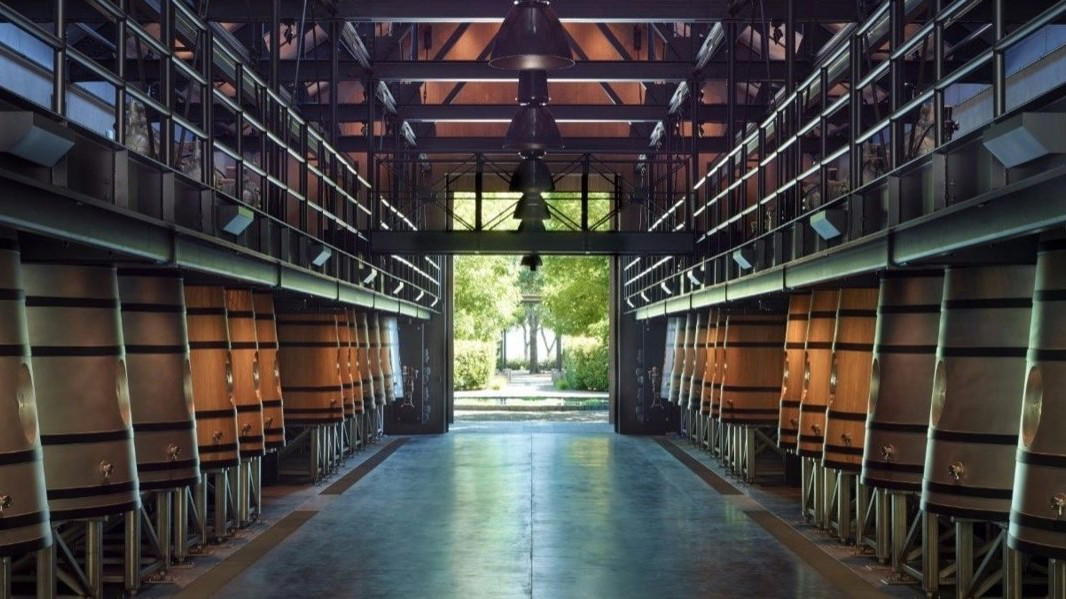
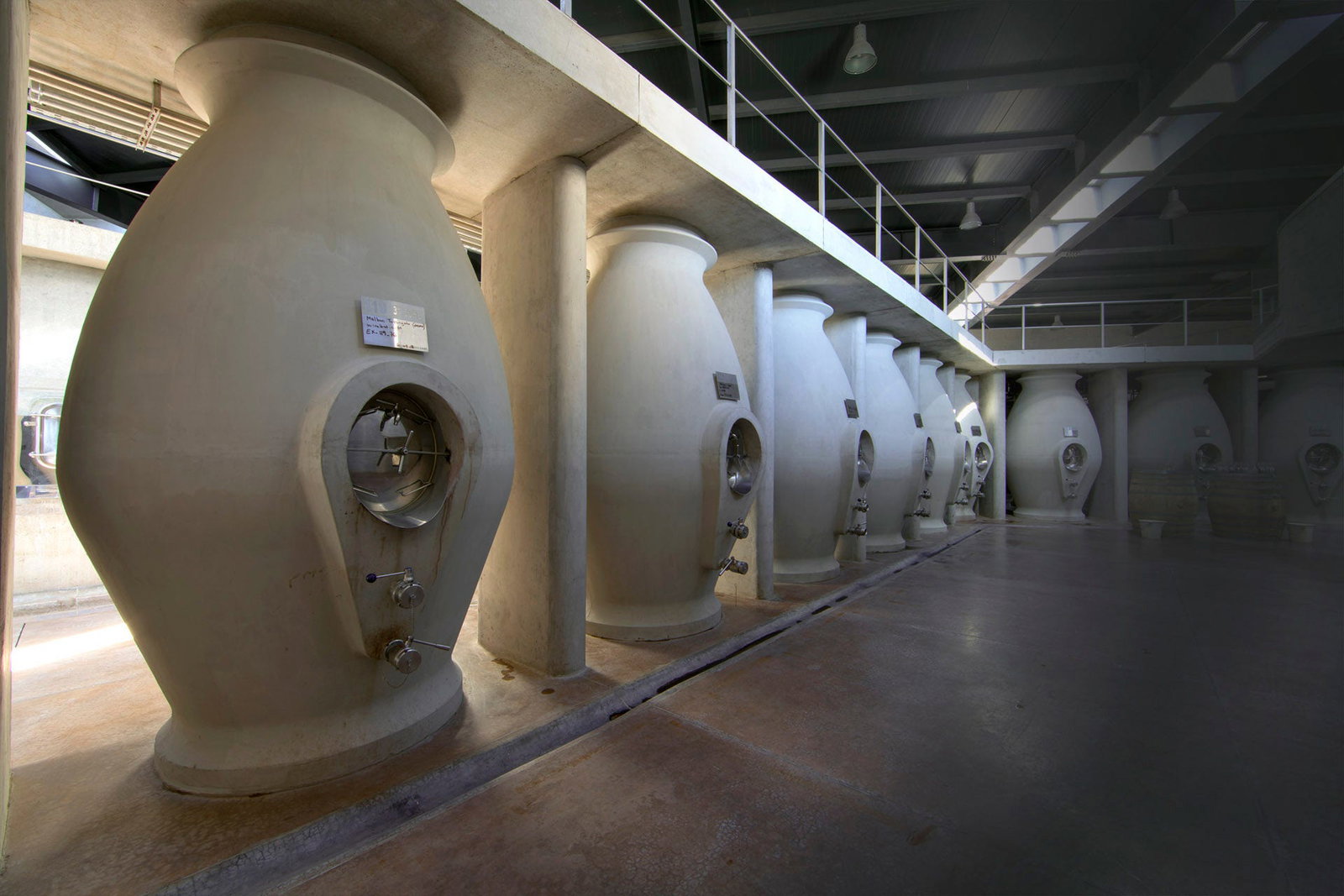
That is the spine of the Sebastián Zuccardi La Place story. He treats scarcity as discipline, not decoration. Familia Zuccardi has two wines available on La Place: Finca Canal Uco, a single-vineyard Malbec expression from Paraje Altamira in the Uco Valley, and El Camino de Las Flores 2025, a high altitude non-malolactic Chardonnay from Monasterio in Tupungato, aged entirely in concrete vessels. One is anchored in Argentina’s emblematic red grape. The other asks the trade to look at Mendoza through Chardonnay, altitude and concrete.
Collectors know the difference between limited production and a wine merely labelled limited. Here, El Camino de Las Flores 2025 totals 2,000 bottles. That figure needs no embroidery. At global fine-wine scale, 2,000 bottles can vanish quickly once multiple markets, restaurants and private buyers start asking.
Zuccardi’s line also clarifies what he wants to avoid on La Place. He told The Drinks Business that he wants to grow slowly and does not want to reduce prices. The restraint is active. It requires the producer to say no before the market does.
That matters because La Place has grown more crowded for non-Bordeaux wines. Zuccardi acknowledged that the business has become more complicated over the last three years and said négociants had taken on too much, while expecting a curve and stabilization. For Familia Zuccardi, the route is not to chase every opening. It is to hold production behind demand and keep the wine’s story close to its source.
Finca Canal Uco gives the Bordeaux trade a familiar Argentine entry point, Malbec, though not in a generalized Mendoza register. The wine is described as a single-vineyard Malbec expression from Paraje Altamira in the Uco Valley. That phrase does useful work. It moves the conversation from grape variety to place, and from regional reputation to a named origin.
Paraje Altamira has become one of the names serious drinkers look for on Argentine labels, especially when the conversation turns from fruit weight to site expression. The clean reading stays with what Zuccardi brought to London: a single-vineyard Malbec from Paraje Altamira, presented through the distribution machinery of La Place. For collectors, that is already a clear instruction. Track the vineyard name, not only the producer name.
El Camino de Las Flores 2025 approaches the same argument from another angle. It is a high altitude non-malolactic Chardonnay from Monasterio in Tupungato, aged entirely in concrete vessels. Each detail narrows the frame: Chardonnay rather than Malbec; Monasterio rather than Mendoza in the abstract; non-malolactic freshness rather than creamy softening; concrete rather than oak as the stated vessel.
Colin Hay, Bordeaux correspondent for The Drinks Business, awarded El Camino de Las Flores 2025 96 points and called it "lively, racy and brilliantly crystalline."source1 The tasting note belongs at the centre of this profile because it gives sensory shape to the production choices. Non-malolactic Chardonnay aged in concrete should be read on its own terms, rather than as a copy of Burgundy or California. Hay’s words point to line, energy and clarity.
The score also gives the wine a credential that travels faster than an explanation. A 96-point review from a Bordeaux correspondent attached to a La Place release gives merchants language for clients who may not yet know Monasterio in Tupungato. The bottle count does the rest. Two thousand bottles, five négociants, multiple markets. The mathematics is tight.
Zuccardi’s clearest statement about La Place concerns reach rather than prestige or scale. He wants access to places the family’s existing distribution cannot cover.
"We are not looking for volume on La Place, it's not why we are there, we are trying to access areas where our distribution is not arriving"
, Sebastián Zuccardi, owner/winemaker, The Drinks Business1
This is where the Sebastián Zuccardi La Place approach becomes more specific than the familiar producer-direct-versus-merchant debate. Familia Zuccardi has a representative based in Hong Kong working across Asia, two in the US, one in Brazil and one in London. La Place adds another layer: five négociants with the ability to move wine into channels that a single winery team may not reach efficiently.
Asia is the clearest example. Argentina, the article notes, is not strong there, while the négociant network gives access to regions across Asia that would otherwise be difficult to penetrate. For a collector in Hong Kong, Singapore or another Asian fine-wine hub, that means a bottle such as El Camino de Las Flores 2025 may arrive through the same merchant conversation that carries Bordeaux, Champagne and selected Hors Bordeaux releases, rather than as a Mendoza curiosity.
Zuccardi is careful with the distinction between access and brand building. A négociant can distribute a case. A producer still has to make the case for why it belongs in the cellar. That distinction is the defining career lesson in this profile.
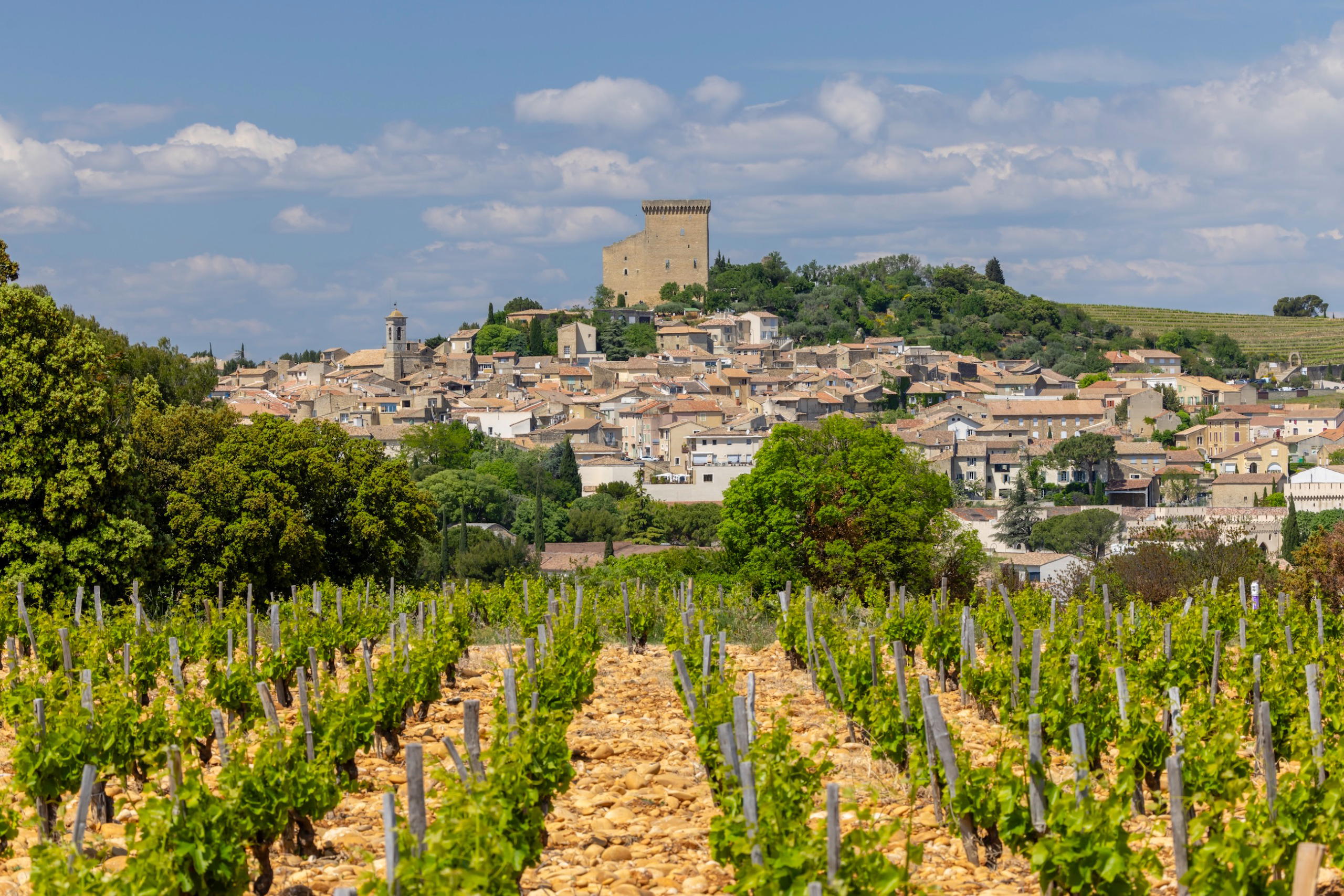
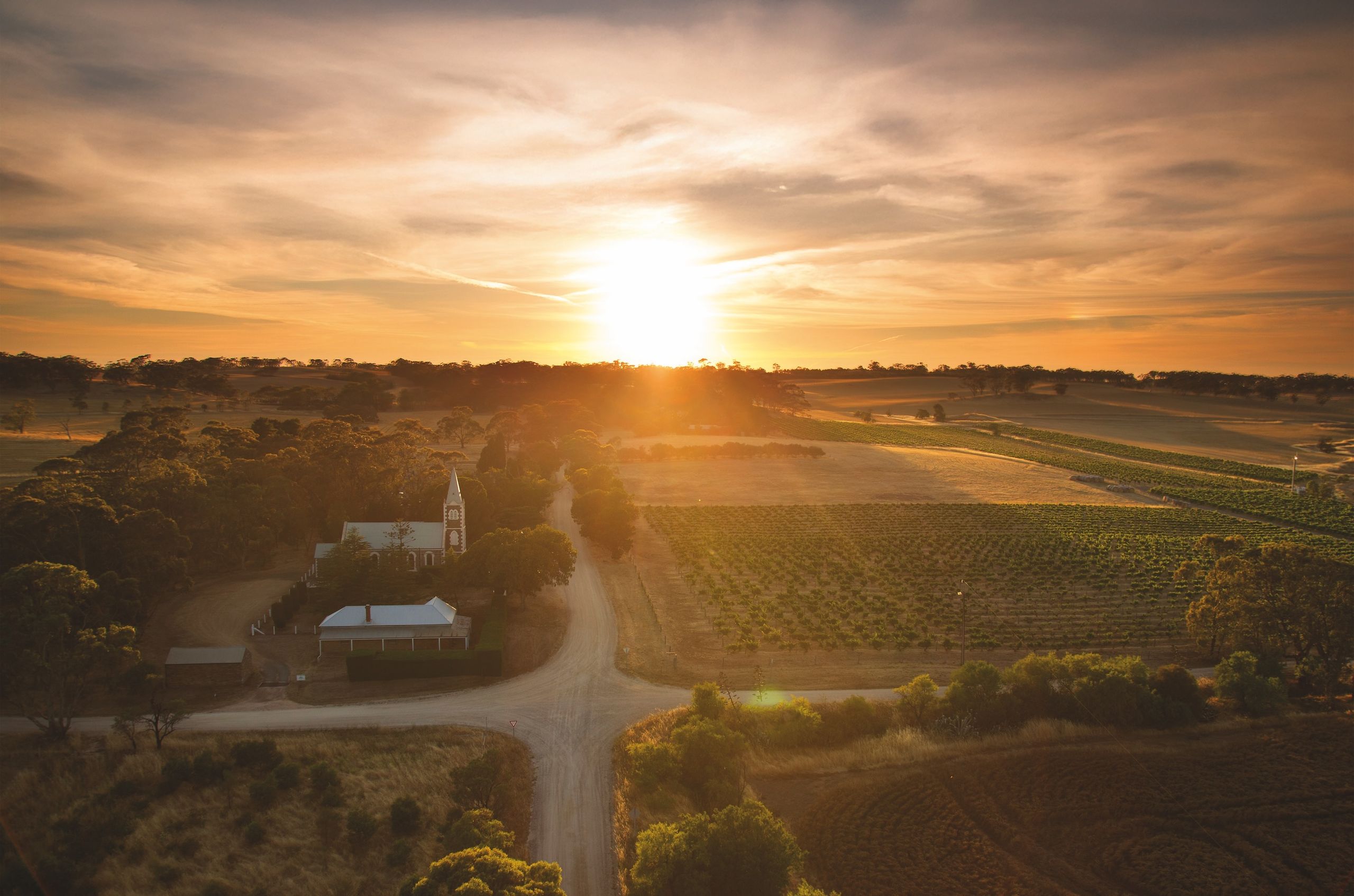
There is also a travel lesson here. If your wine calendar includes Mendoza, the names attached to these La Place wines give the itinerary a sharper outline: Paraje Altamira in the Uco Valley for Finca Canal Uco; Monasterio in Tupungato for El Camino de Las Flores. The practical advice is simple: follow the named wine, the named place and the market in which you buy. Scarcity makes geography more important, not less.
Zuccardi’s own learning curve with La Place is one human part of the story. He admitted that, at the start, he thought the job was to place the wines into négociant stocks and let the system do the rest. The lesson arrived quickly: négociants distribute, but they do not build the brand for you.
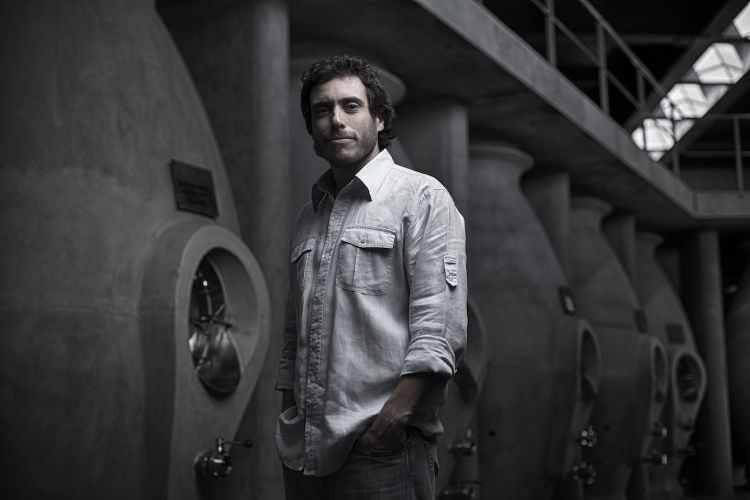
That moment matters because it cuts against a fantasy many producers, and some collectors, attach to La Place. The Bordeaux system may confer access, but it does not pour the wine, answer the sceptic, translate Tupungato to a buyer in Asia, or explain why a concrete-aged, non-malolactic Chardonnay from Monasterio should sit beside more familiar labels. Zuccardi has had to do that in person.
He put it plainly: "My passion is the vineyard and the winery, but today that is not enough. We have to go out and bring the message."source1
For an owner/winemaker, that is a demanding bargain. The vineyard and the winery remain the work, and the work now extends into London presentations, merchant rooms, market visits and repeated explanations of place. Zuccardi described it as a form of evangelisation, adding: "Evangelise, evangelise, evangelise!"source1
The word fits a producer working far from Bordeaux’s centre of gravity. Mendoza is known to wine lovers, yet named parcels within the Uco Valley and Tupungato still need repetition in many fine-wine markets. Zuccardi’s task is more exact than persuading drinkers that Argentina makes good wine. He has to make Finca Canal Uco and El Camino de Las Flores legible as allocation wines within a system built on trust, timing and merchant confidence.
This is where personality enters the bottle’s commercial life. Zuccardi does not present himself as a winemaker rescued by distribution. He presents himself as someone who learned that distribution without presence leaves too much unsaid. The London presentation, then, was part of the work, not a ceremonial stop.
For collectors, the useful facts are compact. Familia Zuccardi has two wines available on La Place. Finca Canal Uco is a single-vineyard Malbec from Paraje Altamira in the Uco Valley. El Camino de Las Flores 2025 is a high altitude non-malolactic Chardonnay from Monasterio in Tupungato, aged entirely in concrete vessels. Colin Hay gave the Chardonnay 96 points. Production of El Camino de Las Flores 2025 is 2,000 bottles. The wines are represented by five négociants.
Those facts do not tell you what to buy; they tell you what to ask. Which négociant is handling the allocation in your market? Is your merchant receiving Finca Canal Uco, El Camino de Las Flores 2025, or both? How many bottles of the Chardonnay are available after the five négociants and multiple markets have been served? If you are in Asia, does the Hong Kong-based representative’s activity change how and where the wine appears? If you are in the US, Brazil or London, how do the local representatives intersect with La Place supply?
None of those questions require speculation about resale values or future scores. They come directly from the structure Zuccardi described. Scarcity changes the conversation from whether a wine exists to whether your market sees it at all.
The collector who already follows Hors Bordeaux releases will recognise the shape of this: a producer outside Bordeaux enters the Bordeaux distribution system, while the merchant’s offer still depends on relationships, timing and allocation. The Argentine voice gives this release its own register. Sebastián Zuccardi La Place strategy uses Bordeaux’s trade routes while keeping the message tied to Paraje Altamira, Monasterio and Tupungato.
That distinction matters at the table as much as in the cellar. Finca Canal Uco asks you to read Malbec through a single vineyard in Paraje Altamira. El Camino de Las Flores 2025 asks you to read Chardonnay through altitude, blocked malolactic conversion and concrete. One carries the grape most drinkers associate with Argentina. The other shifts the focus to white wine precision from Tupungato. Together, they make a cleaner argument than a large portfolio would have done.
The next phase will not be measured only by how quickly the 2,000 bottles of El Camino de Las Flores 2025 move. Zuccardi’s own comments point to a slower scorecard: whether the wines reach the markets Familia Zuccardi cannot cover alone, whether the five négociants place them with the right clients, and whether repeated tastings turn unfamiliar place names into reference points for buyers.
There is pressure in that model. If production rises beyond demand, Zuccardi says the conversation turns to price. If the producer relies too heavily on the négociants, the brand message thins out. If the message does not travel, Paraje Altamira and Monasterio risk becoming label text rather than buying reasons. He has identified each problem with unusual bluntness.
For the wine traveller, the story adds another reason to look at Mendoza with more precision. Uco Valley is not a single note on an itinerary; Paraje Altamira and Tupungato are now tied to bottles circulating through La Place. For the collector, the practical move is to follow allocations with the same attention usually reserved for more established La Place names: merchant by merchant, market by market, wine by wine.
Zuccardi’s London presentation leaves a useful picture of modern fine wine: a winemaker whose passion remains in the vineyard and winery, carrying a 2,000-bottle Chardonnay into a Bordeaux-built system and accepting that scarcity alone will not speak. The message still needs a messenger, and Sebastián Zuccardi has made that part of the job.
Get the App
Take the shortlist into the En Primeur Club app for concierge access, saved places, and the next step after discovery.
Get Exclusive AccessMore from the editors