← Guides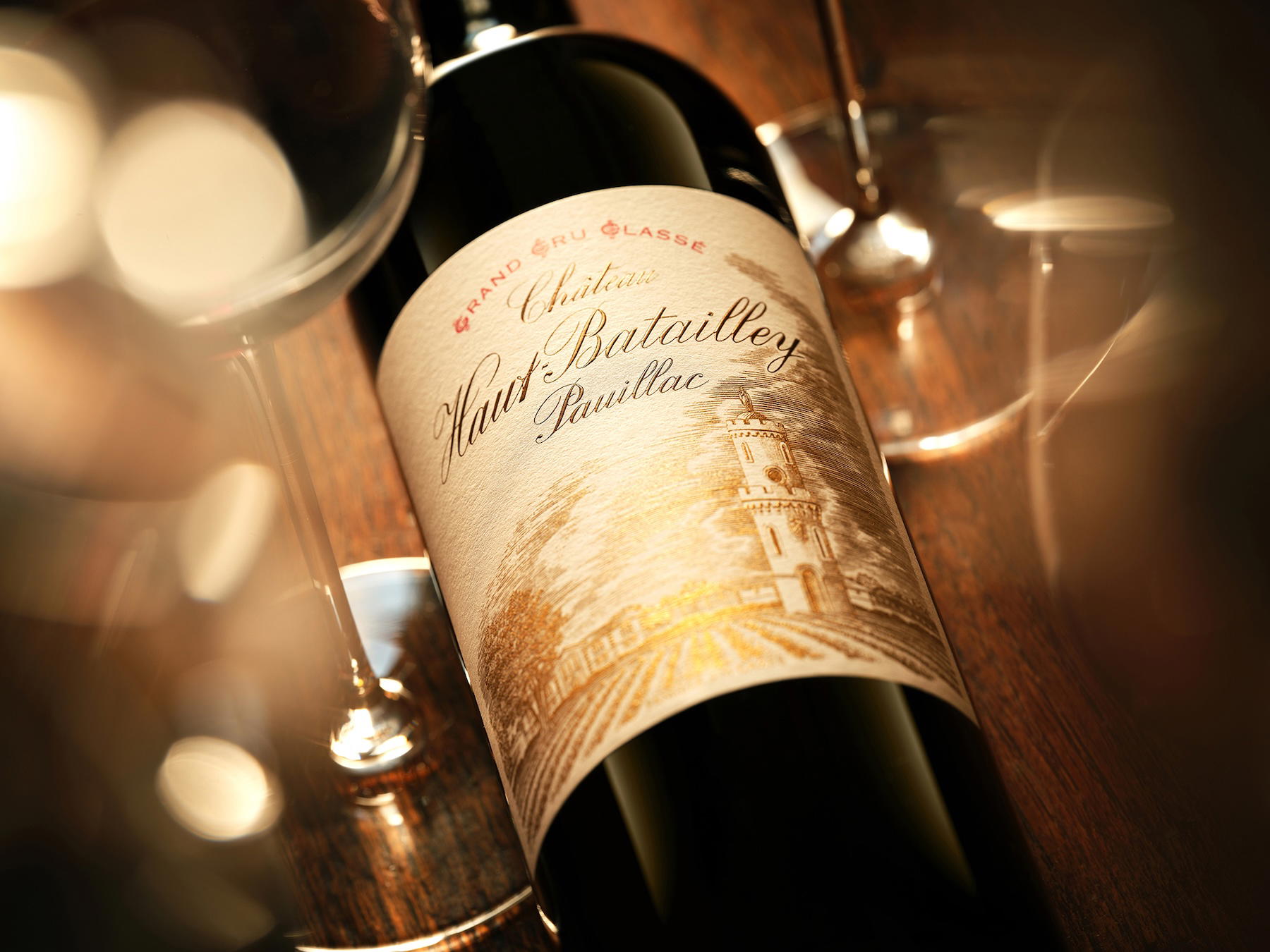
Pink winery walls, 41 hectares of vines and Tour l’Aspic give Château Haut-Batailley a sharper Cazes-era identity in Pauillac.
Pink winery walls, 41 hectares of vines and Tour l’Aspic give Château Haut-Batailley a sharper Cazes-era identity in Pauillac.
Château Haut-Batailley, a Grand Cru Classé estate in Pauillac acquired by the Cazes family in March 2017, now has mulberry-pink winery walls and Tour l’Aspic among the vines. The visual shift matters because this fifth-growth Médoc property spent decades in the shadow of better-known Pauillac names, then doubled its vineyard to 41 hectares within three years of new planting that began in 2018 (Grandcruliquidassets1).
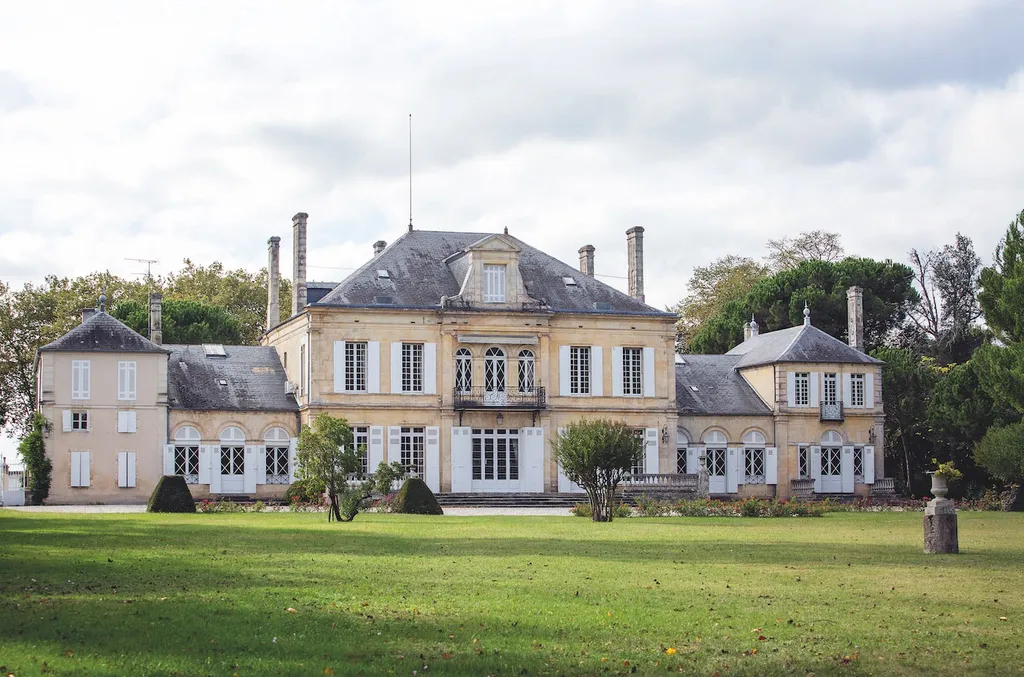
The approach to Château Haut-Batailley runs along the vine-flanked D206 into Pauillac, where the estate’s slender tower and deep pink winery buildings now give travellers a fixed point on the road. Jean-Charles Cazes had the winery buildings painted that shade after the Cazes family acquired the property, a direct gesture aimed at making the estate visible from the route into town (Decanter2).
Château Haut-Batailley is a Grand Cru Classé in Pauillac, with fifth-growth status through its origins in Château Batailley, the property classified in 1855 before the later division that created Haut-Batailley. The estate’s recent chapter carries three concrete signals: Cazes ownership, new vineyard area in Pauillac appellation land, and a clearer identity built around Tour l’Aspic.
The estate is visible from the road rather than hidden behind gates and gravel. The D206 view shows the tower first, then the row of pink buildings, without changing the estate’s appellation or classification. Haut-Batailley now has an immediate visual marker in Pauillac.
Château Haut-Batailley did not exist when Château Batailley entered the 1855 classification as a fifth growth. The modern estate came from the 1942 division of Château Batailley by brothers Marcel and François Borie, with Marcel retaining the western section under the Batailley name and François receiving the eastern part that became Haut-Batailley (Decanter2).
The history reaches further back, to 1791, but the decisive modern split came in 1942. Because the vineyards came from land already associated with fifth-growth quality, both Batailley and Haut-Batailley retained cru classé standing after the division.
The estate changed hands in March 2017, when Françoise de Brest-Borie sold Château Haut-Batailley to the Cazes family. At the time, the Cazes family already owned Château Lynch-Bages in Pauillac and Château Ormes de Pez in St-Estèphe. The Borie family chose the Cazes family as buyers on the condition that Haut-Batailley’s vineyards would remain separate and would not be absorbed into Lynch-Bages (Decanter2).
The Cazes family gave Haut-Batailley a separate identity from the larger Pauillac name. Haut-Batailley has its own identity. It has its own tower on the label, its own pink buildings on the road, its own second wine, and its own vineyard expansion based on soil work undertaken after the purchase.
The pink walls delivered the first visible change, and Tour l’Aspic supplies the estate’s emblem. The tower was built in 1875 by the Averous sisters, then owners of the estate, and it now appears on the redesigned labels in a gold-line engraving inspired by Gustave Doré (Decanter2).
Tour l’Aspic gives the bottle and the visit a specific Pauillac marker. The tower stands among the vines on the approach to the estate. On a table, the label gives the bottle a direct link to the place. On the road, the tower gives the label its physical anchor.
The estate’s historic marker has moved to the front of the presentation, while the winery colour makes the property harder to miss from the D206. In Pauillac, where château façades and classified-growth labels matter to collectors, the same tower now appears on the bottle, beside the vineyard, and on the road into the estate.
Pink masonry stands against vine rows, with a thin tower rising above the parcels beside the Médoc road into Pauillac. The Tour l’Aspic engraving also appears in the cellar when it faces outward from a wooden case or rack.
When the Cazes family took over, 22 hectares were planted and in production. A further 19 hectares carried the Pauillac appellation but had lain fallow since the Second World War.
In 2018, the team dug about 60 soil pits before deciding what to plant where. The study identified deep gravel suited to Cabernet Sauvignon and gravel over clay suited to Merlot, a distinction that matters in Pauillac because Cabernet remains the grape most closely tied to the commune’s structure and ageability. Within three years, the vineyard had doubled to 41 hectares.
The current vineyard composition is 65% Cabernet Sauvignon, 32% Merlot and 3% Petit Verdot. That blend keeps Cabernet at the centre of Haut-Batailley’s identity while preserving a strong Merlot presence on gravel-over-clay sections. Petit Verdot occupies a small place at 3%, but even that figure gives the estate a precise register rather than a vague Left Bank formula.
Julien Galland has served as technical manager since 2020. He came from the Loire Valley, studied in Tours, worked in New Zealand and the United States, and then worked in Bordeaux at Château Lafaurie-Peyraguey in Sauternes as well as properties in Fronsac and Graves before arriving in Pauillac.
“Wine breathes its terroir.”
The Haut-Batailley team uses no chemical products, sows cover crops to improve soil structure, keeps bees, and has planted hedges and trees among the vines. In 2022, more than 910 trees and shrubs of 14 varieties were planted.
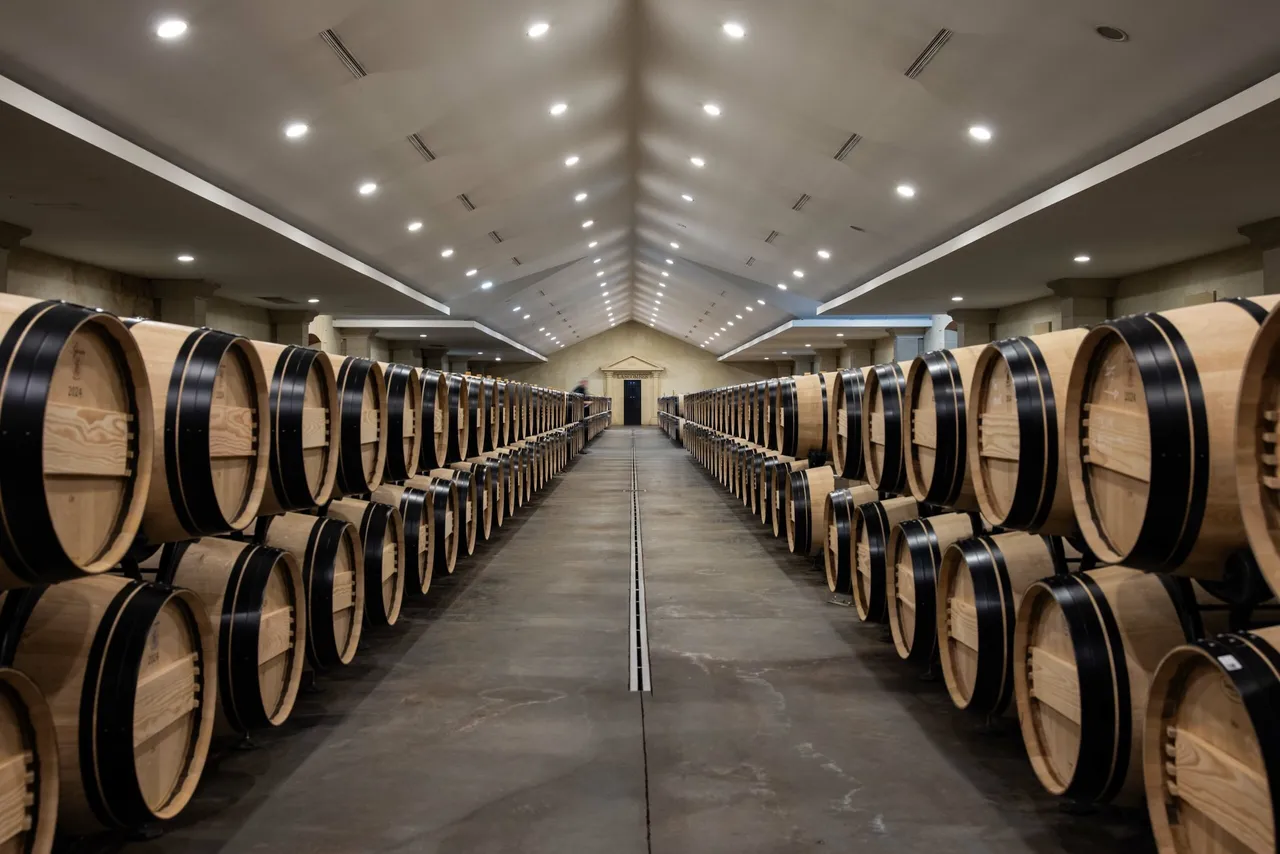
The Cazes family put most of its investment into the vineyard because the cellar already had a modern technical base. The Borie family built a new vat room at Haut-Batailley in 2004, and the Cazes team has made few changes since taking over.
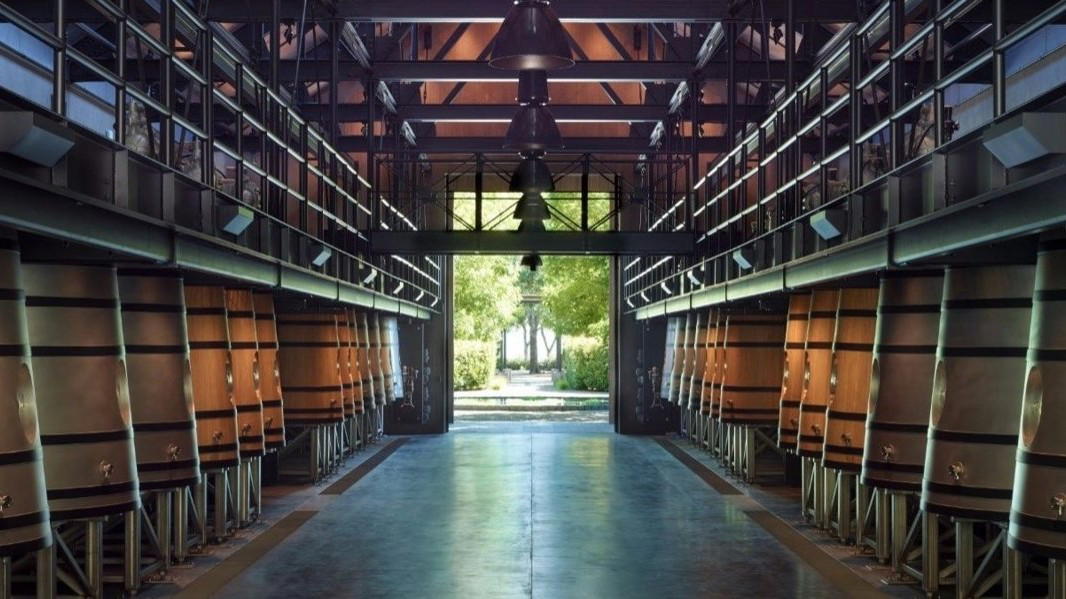
Grapes are hand-sorted on two tables, then fermented in temperature-controlled stainless steel vats. For extraction, the team uses pumping over, rack-and-return and the AirPulse system. These practical choices fit an estate trying to bring 41 hectares of Pauillac fruit into sharper focus.
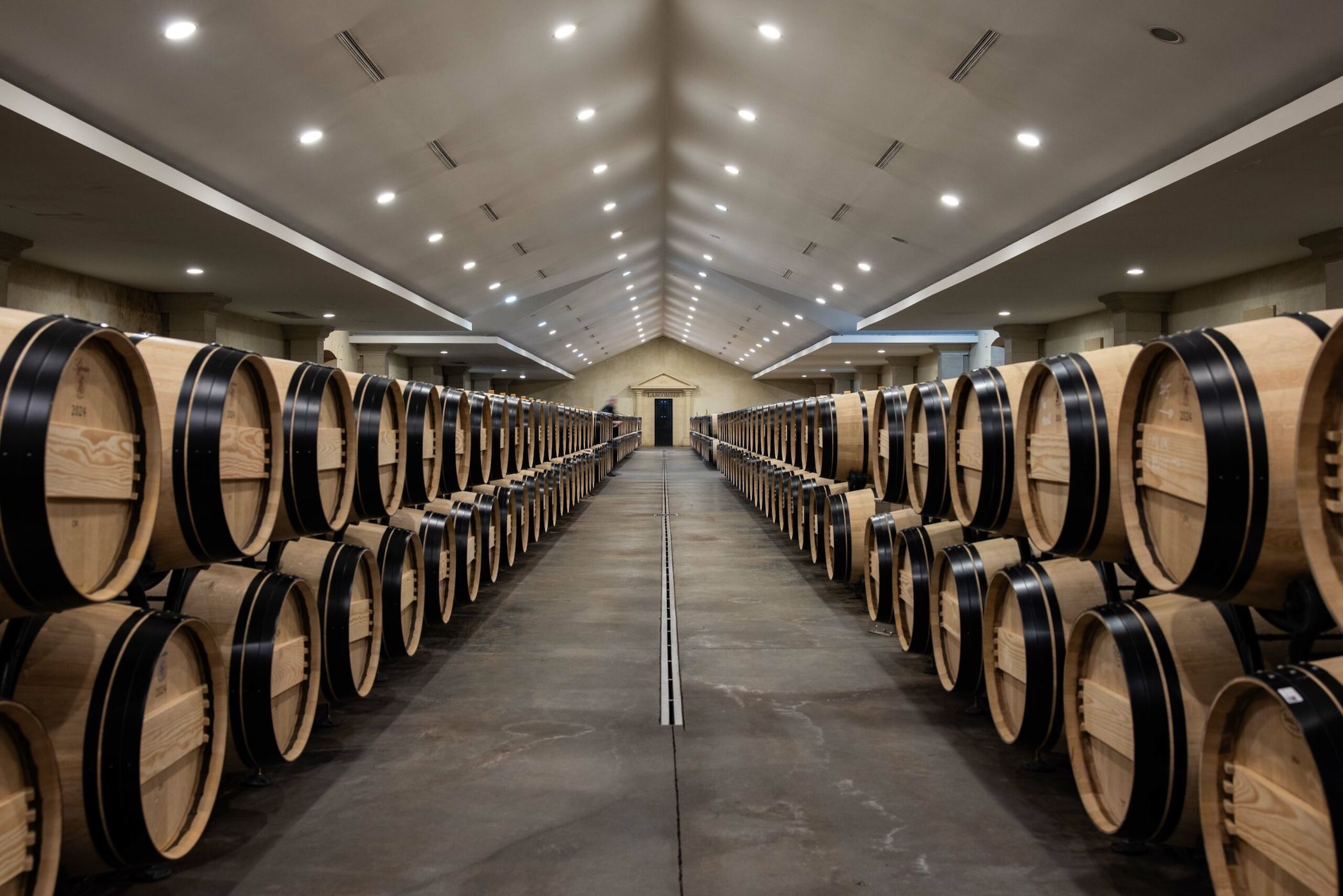
The grand vin is aged for 16 months in French oak, with 65% new barrels from six coopers and medium toast. That barrel programme gives the wine structure and polish without making oak the main story.
Verso, the second wine of Château Haut-Batailley, was created when the Cazes family arrived. It uses fruit from young vines and is aged for 12 months in one-year-old barrels. Current production is split 55% grand vin and 45% Verso, with an aim of eventually moving to two-thirds grand vin and one-third Verso as the young vines mature.
That split marks the estate’s transition. The expanded vineyard has already changed the scale of Haut-Batailley, but the proportion of grand vin is still linked to vine age and selection. The grand vin has an average annual production of 10,000 cases (Wikipedia3).
Decanter’s note on Château Haut-Batailley 2022 describes a deep inky purple colour, a compact and restrained nose with violets and lilac, and a bold, powerful palate.
Château Haut-Batailley 2020 is deep ruby in colour, with spice, wood, blackcurrant, blackberries and nearly jammy fruit. Château Haut-Batailley 2019 is deep inky in colour, still slightly woody on the nose, with smoke, mahogany and espresso, and a palate still a bit tight. Château Haut-Batailley 2018 brings deep ruby colour, bitter chocolate, liquored cherries, tobacco and pencil lead.
Medium-toast French oak from six coopers appears in the notes as wood, smoke, mahogany and espresso in younger bottles, while the fruit register stays in blackcurrant, blackberry, cherry and violet. The sequence from 2018 through 2022 covers Haut-Batailley after the Cazes purchase.
Verso 2022 has its own profile. Decanter’s note describes dark chocolate and liquored cherries, with minty and sandalwood notes, followed by an intense, dense palate. Verso draws on young-vine fruit and spends 12 months in one-year-old barrels before more fruit moves into the grand vin.
Château Haut-Batailley connects road, label and cellar on a Pauillac itinerary. The D206 route shows the slender Tour l’Aspic among the vines and the mulberry-pink winery buildings that Jean-Charles Cazes introduced after the 2017 acquisition.
The estate also sits within a useful Cazes family triangle for understanding the northern Médoc. Château Lynch-Bages gives the family’s long Pauillac reference point, Château Ormes de Pez places it in St-Estèphe, and Château Haut-Batailley shows how a fifth-growth estate can be given a clearer identity while remaining separate. That separation was central to the sale, and it remains visible in the estate’s own label, vineyard programme and second wine.
The young vines and new plantings will affect the balance between Verso and the grand vin. The stated aim is to move from the current 55% grand vin and 45% Verso split toward two-thirds grand vin and one-third Verso as the vineyard matures. That progression will make future releases a useful measure of how the 41-hectare estate settles into its Cazes-era shape.
The estate has Pauillac classification, visible architecture, a historic tower on the label, and a vineyard story that began with 60 soil pits in 2018. As the young Cabernet Sauvignon, Merlot and Petit Verdot parcels gain age, Château Haut-Batailley should become an increasingly clear marker on both the D206 and the collector’s Pauillac map.
After the March 2017 acquisition, the Cazes family gave the estate a more visible identity, including mulberry-pink winery walls and redesigned labels featuring Tour l’Aspic. They also expanded the vineyard through new planting that began in 2018.
The vineyard has doubled to 41 hectares within three years of new planting that began in 2018. The expansion was based on Pauillac appellation land and followed soil work after the Cazes purchase.
The Cazes family acquired Château Haut-Batailley in March 2017 from Françoise de Brest-Borie. The sale came with the condition that Haut-Batailley’s vineyards would remain separate from Château Lynch-Bages.
Tour l’Aspic is the slender tower among the vines at the estate, built in 1875 by the Averous sisters. It now appears on the château’s redesigned labels as a gold-line engraving inspired by Gustave Doré.
Get the App
Take the shortlist into the En Primeur Club app for concierge access, saved places, and the next step after discovery.
Get Exclusive AccessMore from the editors