← Guides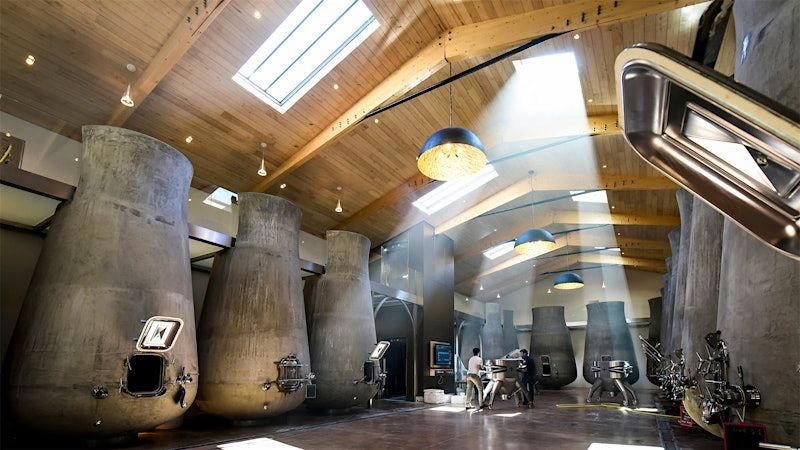
What a Visit to Château Latour Actually Involves The confirmation email, if it ever arrives, is brief.
What a Visit to Château Latour Actually Involves The confirmation email, if it ever arrives, is brief.
The confirmation email, if it ever arrives, is brief. No itinerary, no dress code reminder, just a date, a time, and a name to ask for at the gate on the D2 north of Pauillac. That gate is the point. Château Latour does not operate a public cellar door. It does not list visits on a booking platform. The answer to "can I visit?" is: almost certainly not, unless you are a serious buyer with an established merchant relationship or a journalist with a confirmed appointment. The château carries no booking information on its website; visits are by invitation only.1 For most collectors, the cellar library, the Salle de Réserve, holding back-vintages, remains something read about rather than tasted from. That said, a route does exist. It is narrow, it requires patience, and it starts well before you land in Bordeaux.
Château Latour has not offered wine en primeur since the 2011 vintage; wines are released when the estate judges them ready to drink.2 That decision altered how the estate controls its own allocation, rather than releasing futures each spring alongside the rest of the Médoc, the château holds stock and releases on its own timeline. The grand vin is released around a decade after the vintage; Les Forts de Latour follows several years earlier.3 That model keeps every bottle in the estate's own hands until release, which means Latour has no structural incentive to court the trade through hospitality. Visits serve a purpose only when they deepen a relationship with a buyer who will actually receive an allocation.
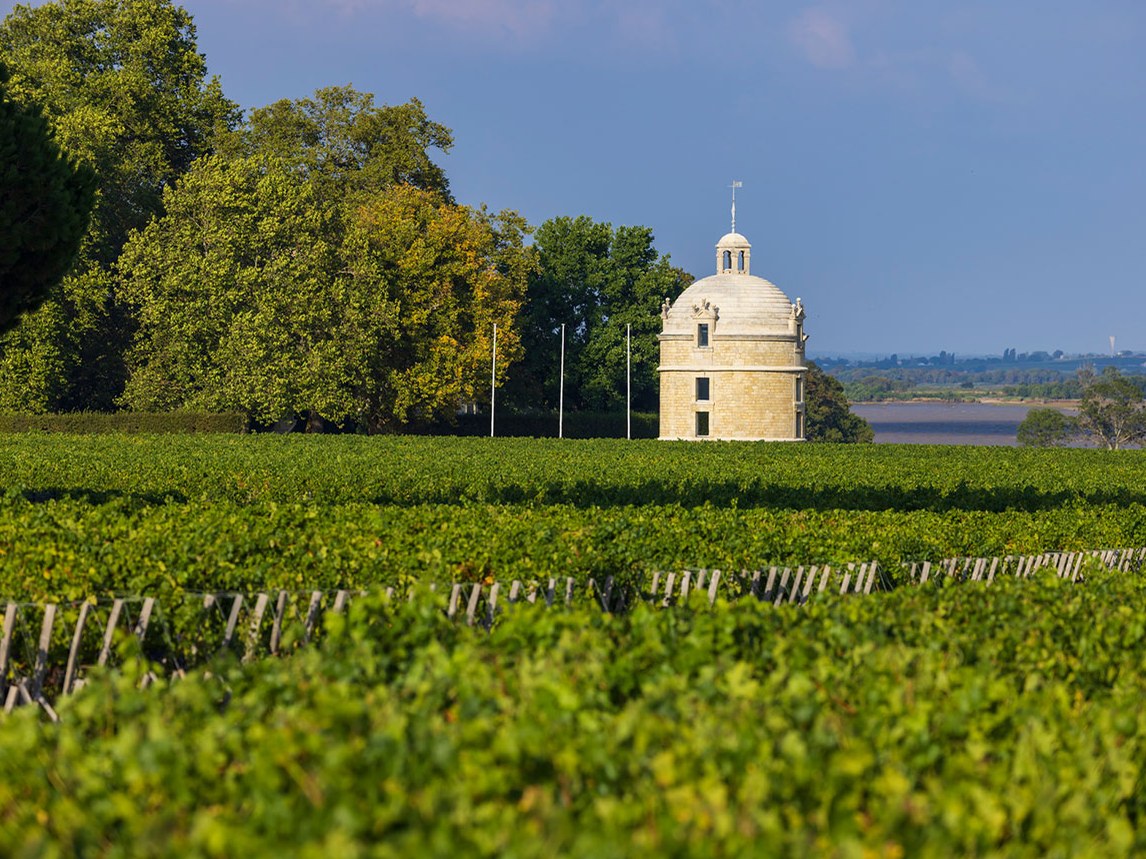
The estate farms roughly 78 hectares across the Pauillac appellation, with the grand vin drawn almost entirely from the 47-hectare L'Enclos, the gravel-over-clay plateau immediately surrounding the tower. Production of the grand vin runs to approximately 15,000 to 18,000 cases in a normal year, a figure that sounds substantial until you map it against global demand from collectors in Hong Kong, New York, London, and Geneva simultaneously. The Salle de Réserve, which holds library stock for vertical tastings, is not a commercial amenity. It is a working tool for the estate's own release strategy and for the handful of buyers invited to taste before a new release window opens.
There are three realistic routes, ranked by probability of success.
Through a Bordeaux négociant or fine-wine merchant with an active Latour allocation. This is the route that works most consistently. Access is facilitated by having a professional contact or industry host arrange the visit in advance.4 Merchants who receive Latour allocations, Berry Bros. & Rudd, Corney & Barrow, Justerini & Brooks, and a small number of Place de Bordeaux négociants, occasionally facilitate visits for their best clients. "Best" here means a documented purchase history with that merchant, not a single case of the second wine. If you have spent meaningfully with one of these houses over several years and have bought Latour through them, a quiet word with your account manager is the right first move. The merchant makes the introduction; you do not cold-contact the château directly.
Through the trade or press. Latour receives accredited journalists and Masters of Wine for structured tastings, particularly around release announcements. If you hold a relevant credential, the estate's communications team is the contact point, but lead times are long and slots are limited.
Direct approach as a serious collector. The château does field direct enquiries, but without a merchant vouching for you, the bar is high. The château does not publish a minimum booking window; enquire well in advance, with priority generally given to professionals and established buyers.1 The estate does not publish a visit request form or a booking page; the approach is by email or telephone to the estate directly. Whether this yields an appointment depends entirely on the relationship context you can provide.
There is no Resy page, no Tock link, no OpenTable listing. Any URL purporting to book a Latour cellar visit through a third-party platform should be treated with scepticism.
The estate does not publish a visit calendar, a release schedule, or a booking window. The château has not disclosed publicly how far in advance appointments are confirmed, what deposit (if any) is required, or how many visitors are received in a given week. Confirm all of this directly with the estate or through your merchant before building a Bordeaux trip around a tasting date.
What is known: activity around a new release tends to generate a short window of heightened access for allocated buyers and press. Latour's annual March releases include the grand vin and Les Forts de Latour, the 2025 release featured the 2016 grand vin and the 2019 Les Forts de Latour.5 Tracking those announcements, which the estate communicates directly to allocated merchants, is one reliable signal that a visit window may be opening.
The faster route is to build a purchase history quickly through a upper-tier Bordeaux merchant. Les Forts de Latour is held six to eight years before release; the grand vin eight to ten years,6 buying across both labels through a single merchant over an extended period establishes the kind of account that warrants an introduction. The cost of that entry position is the price of the relationship, not just the wine. The patient route is to attend Bordeaux's Union des Grands Crus tastings during primeur week each April, where Latour does not pour (having left en primeur), but where you build relationships with the négociants who do handle the allocation. That groundwork takes several primeur seasons to bear fruit. Neither route is cheap; the difference is whether you are paying in cash or in years.
Contacting the château before contacting your merchant. A cold email to Latour without a merchant introduction reads as a tourist enquiry. The merchant relationship is the credential; skip it and you skip the queue.
Buying across multiple merchants to spread risk. Latour allocations are relationship-dependent. Splitting purchases across four merchants means none of them has enough purchase history to advocate for you. Concentrate your buying with one house until the relationship is established.
Requesting a visit during primeur week without a prior relationship. April in Bordeaux is when every buyer, journalist, and négociant is in the region simultaneously. Latour is not pouring at the UGC tastings. Arriving in Pauillac and hoping to arrange something on the ground is not a strategy.
Conflating a winery tour with a cellar library tasting. Even if you secure a visit, access to the Salle de Réserve is not automatic. That access is reserved for particularly serious buyers and press. A standard visit may cover the vineyards, the winery, and current releases. Clarify in advance what the tasting will include.
The estate sits low against the Gironde, the tower visible from the river road long before you reach the gate. The L'Enclos plateau is quieter than the grand architecture of Saint-Julien's châteaux to the south, the focus here is agronomic rather than theatrical, the vineyard itself the point of the visit.
Visiting requires applying to the winery and being accepted; walk-ups are not permitted.4 A visit is a guided tour. It typically moves through the vineyards, the gravity-fed winery, and the barrel cellars. The winemaking philosophy since the estate's shift away from en primeur has centred on extended élevage, the grand vin spends time in new French oak before bottling, with the precise cooperage program adjusted vintage by vintage.
The Salle de Réserve tasting, when it is offered, is a vertical drawn from the estate's own library stock. The estate does not publish which vintages are held or which will be poured on a given visit; confirm the scope directly with your host before travelling. A tasting at this level is a structured encounter with Pauillac across decades, the graphite and cassis of a mature grand vin against the more austere architecture of a cooler year. The format, duration, and specific vintages poured vary by visit and by the purpose of the appointment. No published menu exists beyond that.
The experience is working, not performative. There is no gift shop, no tasting room designed for Instagram. The cellar is a cellar. The estate does not sell individual bottles directly on-site; purchases must be made through retail merchants.1
| Estate | Public Access | Booking Route | Cellar Library / Back Vintages | Relative Difficulty |
|---|---|---|---|---|
| Château Latour | No | Merchant introduction or direct (unpublished criteria) | Yes, Salle de Réserve (vintages held; scope unpublished) | high |
| Château Lynch-Bages | Yes, Bages village visitor centre | Direct booking via estate website | Limited; focus on current releases | Low, moderate |
| Château Pichon Baron | Yes, structured tours available | Direct booking via estate website | Selected back vintages on request | Moderate |
| Château Mouton Rothschild | Yes, museum and cellar tours | Advance booking required; direct or through concierge | Museum context; tasting by arrangement | Moderate, high |
| Château Léoville-Barton | Limited; trade and press focus | Merchant introduction preferred | N/A | High |
Château Lynch-Bages, Pauillac. Jean-Michel Cazes built the village of Bages into one of the Médoc's most visitor-friendly destinations. The wines offer genuine Pauillac character, the gravel-driven structure is there in the glass, and the tasting experience is accessible without a merchant introduction.
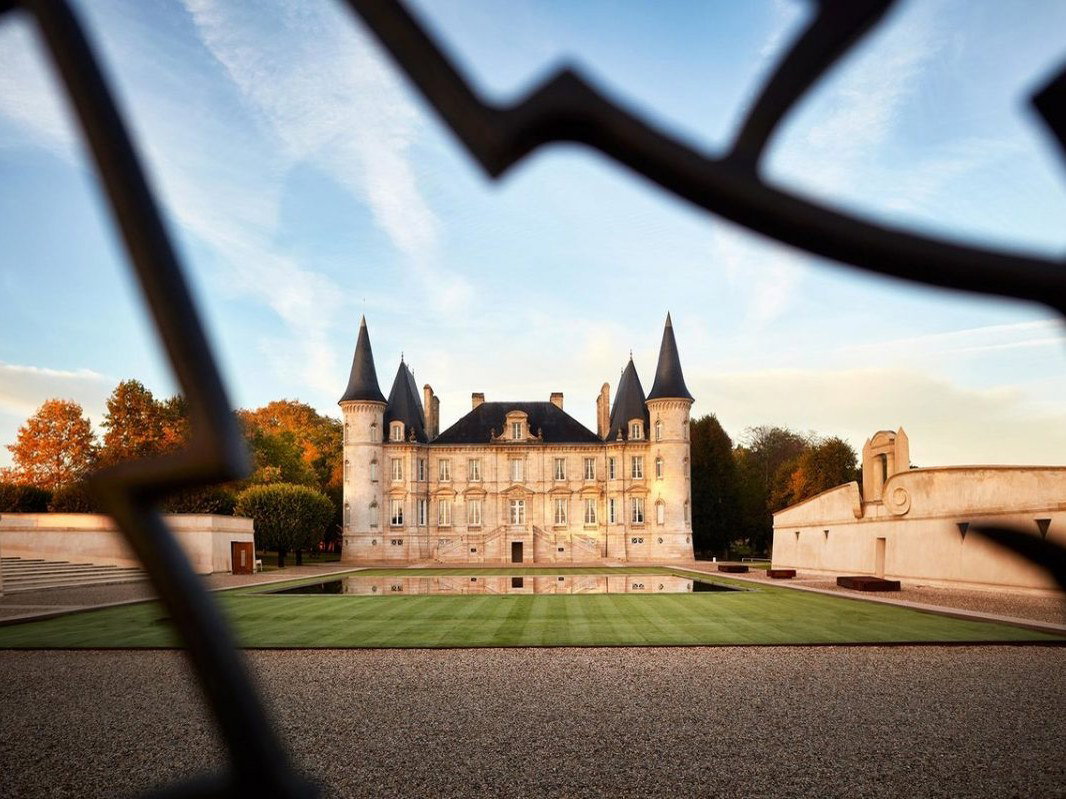
Château Pichon Baron, Pauillac. The AXA Millésimes estate directly across the D2 from Latour offers structured visits with advance booking. The second-growth terroir shares the same gravel plateau, and the winemaking through the 2015 to 2020 run of vintages has been consistent and precise.
Château Mouton Rothschild, Pauillac. The museum of wine in art alone justifies the visit. Cellar access and tastings require advance arrangement, but the estate is more visitor-oriented than Latour and the booking process is published on the estate's website.
A vertical at auction or through a specialist merchant. If the Salle de Réserve is the draw, tasting Latour across decades, the secondary market is a legitimate route. Christie's, Sotheby's, and Zachys all run Bordeaux verticals; Hart Davis Hart and Acker have offered Latour library lots. You will pay secondary-market premiums, but you will taste the wines.
A Latour cellar visit is worth pursuing if you are a serious collector with an existing Bordeaux merchant relationship, a wine professional building a client proposition around first-growth verticals, or a collector planning a dedicated Médoc trip over several days with multiple estate visits anchoring the itinerary. It is not the right first Bordeaux experience, the access friction is too high and the alternatives too good for a first-time visitor to spend energy here.
The Salle de Réserve suits collectors who already know the wine from bottle and want the vertical context: how a mature grand vin is drinking now, what a cooler year looks like with fifteen years of age. That conversation is worth having in the cellar where the bottles were laid down. For everyone else, Lynch-Bages or Pichon Baron delivers a Pauillac experience without the gatekeeping.
Château Latour does not make access easy, and it does not apologise for that. The estate's departure from en primeur was a statement about control, of release timing, of pricing, of who receives the wine and when. The visit policy follows the same logic. If you have the merchant relationship, the purchase history, and the patience to work through the right introduction, the Salle de Réserve is one of the few places on earth where you can taste a mature Pauillac grand vin in the cellar that held it for decades. That is not a trivial thing.
The practical calculus for most collectors, though, is clear: the alternatives in Pauillac are genuinely good, the access friction at Latour is genuinely high, and a well-chosen vertical from a specialist merchant or auction house delivers the same wines without the gatekeeping. Build the merchant relationship because you want the allocation, the visit, if it comes, is a consequence of that relationship, not a goal in itself. Latour rewards the collector who has already committed to the wine; the cellar is where that commitment is recognised, not where it begins.
It is possible in theory, the estate does field direct enquiries, but without a merchant introduction, the probability of securing an appointment is low. The château does not publish visit criteria or a booking form. A relationship with an allocated Bordeaux merchant (Berry Bros. & Rudd, Corney & Barrow, or a Place de Bordeaux négociant) is one reliable route to an introduction. Confirm directly with the estate whether direct approaches are being considered at the time you enquire.
The estate does not publish a tasting menu or disclose which vintages will be poured for a given visit. The scope varies by appointment and by the purpose of the visit. Clarify in advance with your host, whether the estate directly or your merchant contact, what the tasting will cover. Do not assume a full vertical is on offer for every invited visit.
Château Latour has not offered wine en primeur since the 2011 vintage, choosing instead to release wines when the estate judges them ready to drink rather than as futures. This concentrates allocation control entirely within the estate and its chosen merchant partners, which is directly connected to the visit policy: hospitality is extended to buyers and press who serve the estate's release strategy, not to the general public. The model has no structural incentive to maintain an open cellar door.
No. Château Latour does not list visits on Resy, Tock, OpenTable, or any comparable platform. Any third-party listing purporting to book a Latour cellar visit should be verified directly with the estate before acting on it. The approach is through the estate directly or via an allocated merchant.
Château Lynch-Bages offers one accessible entry point in Pauillac, with a visitor centre in the village of Bages and direct booking available through the estate's website. Château Pichon Baron, directly across the D2 from Latour, also offers structured visits with advance booking and shares comparable gravel-plateau terroir. Both estates pour current releases and, in some cases, selected back vintages by arrangement.
Get the App
Take the shortlist into the En Primeur Club app for concierge access, saved places, and the next step after discovery.
Get Exclusive AccessMore from the editors