← Guides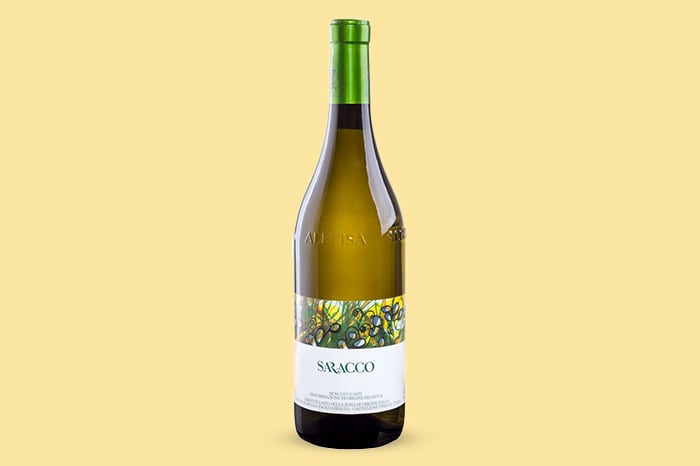
Wine Enthusiast’s 2026 honor for Paolo Saracco puts Moscato d’Asti, Castiglione Tinella and Moscato Bianco in sharper focus.
Wine Enthusiast’s 2026 honor for Paolo Saracco puts Moscato d’Asti, Castiglione Tinella and Moscato Bianco in sharper focus.
Paolo Saracco, the Castiglione Tinella grower who made Moscato d’Asti his life’s work, is Wine Enthusiast’s 2026 Winemaker of the Year. The Paolo Saracco honor is notable because Saracco built his reputation on Moscato Bianco rather than Barolo, Barbaresco or Barbera, then brought artisanal Moscato d’Asti into retail shops and restaurants with the resolve usually reserved for Piedmont’s red-wine estates.
Saracco’s award gives one family estate, one grape variety, one appellation, and decades of focus a place in the wider Piedmont conversation. Wine Enthusiast credits him with helping connect Moscato d’Asti to grape, territory and people.
Wine Enthusiast’s 2026 Winemaker of the Year award places Paolo Saracco in company more often occupied by producers of ageworthy reds, high-scoring Chardonnays or tightly allocated cuvées. Saracco earned the recognition through Moscato d’Asti, a wine many drinkers first meet at the end of a meal, often before they learn the villages and growers behind the glass.
Saracco’s 95% planting of Moscato Bianco gives the award its weight. Saracco did not build the Paolo Saracco Moscato d’Asti name by stepping away from sweetness, aromatics or the grape’s natural charm. He leaned into Moscato Bianco, and Wine Enthusiast states that 95% of his vineyards are planted with the variety. In a region where Nebbiolo usually takes the collector’s attention, that 95% figure reads as a clear estate position.
The accolade also marks a shift in audience. Paolo Saracco Moscato d’Asti gained traction after Saracco traveled to retail shops and restaurants to promote artisanal Moscato d’Asti, with support from dedicated importers. The category grew through hand-selling, repeated tastings, and importers prepared to explain why a bottle of Moscato d’Asti could carry village, family and grape with precision.
The Paolo Saracco Winemaker award will not make Moscato d’Asti a speculative cellar category overnight, nor should it. Its value for serious drinkers sits elsewhere. The award draws attention to a wine style too often poured casually, and to the producer choices behind it: estate-grown fruit, a named family label, sustained export work, and a vineyard base anchored in Moscato Bianco.
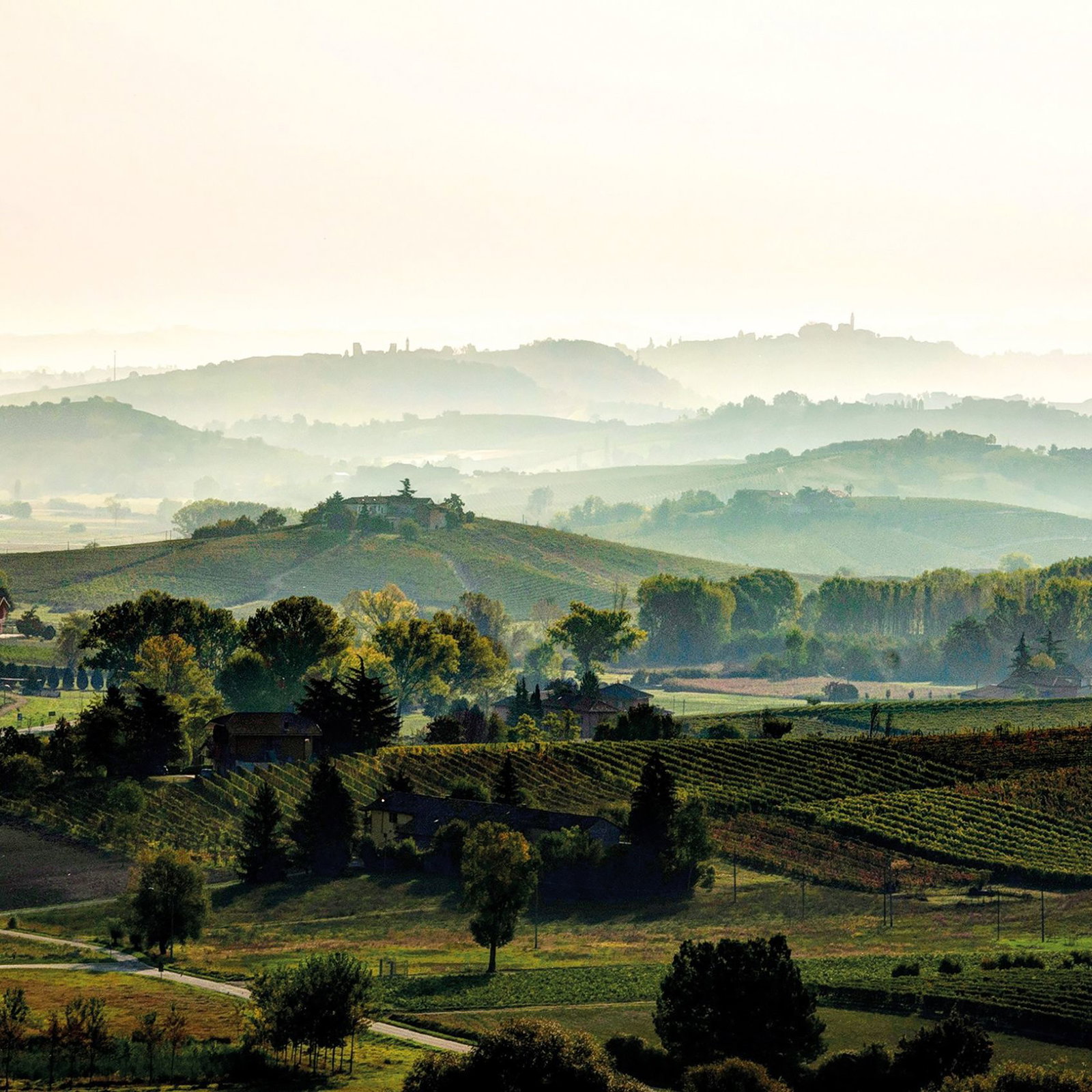
Saracco was raised in Castiglione Tinella, a Piedmont village whose wine-growing identity is closely tied to Moscato. The estate’s family history traces Saracco Moscato production in Castiglione Tinella to the early 1900s, when Luigi Saracco founded the family enterprise that first brought its aromatic Moscato to market.
Giovanni, Luigi’s son, led the company from 1950 to 1988. During that period the family acquired new vineyards and increased grape production. Paolo Saracco, Giovanni’s son and the current owner, graduated from the Alba School of Enology and returned home to take over the family estate.
Paolo Saracco chose to bottle wine grown only in his family’s vineyards and to place his own name on the label. That decision tied the estate’s reputation to its own vines rather than to anonymous fruit, bulk sales or a broad regional identity. The bottle had to carry the name Paolo Saracco, and the wine had to carry Castiglione Tinella.
Paolo joined in 1988, fresh from enology school, according to the estate’s published history, and began making Moscato under the Saracco label.The estate records 1990 as his first export vintage, and identifies Saracco as the first producer to ship Moscato d’Asti as DOCG wine to the United States in the 1990s. For American buyers, the DOCG context gave Moscato d’Asti a formal appellation frame at a moment when the style still needed explanation on shelves and wine lists (Sevenfifty1).
The 2026 award follows a family line that began with Luigi, expanded under Giovanni, and continued with Paolo after enology school. Wine Enthusiast’s honor lands within that lineage.
Moscato Bianco sits at the center of Saracco’s work, and 95% of his vineyards are planted with it. Many estates speak about focus; Saracco’s plantings put a number to it. The estate’s identity rests on the grape that gives Moscato d’Asti its aromatic lift and immediate recognizability.
Wine Enthusiast describes Saracco’s aim as a broader understanding of Moscato d’Asti, with elegance, freshness and depth taking precedence over the guilty-pleasure label often attached to the style.
The estate identifies the harvest crew as the same team of 30 people each year.
The estate introduced Stelvin screw-caps in 2014, a move the producer links to freshness. For Moscato d’Asti, where drinkers look for aromatic clarity and lift, closure choice becomes part of the experience in the glass. The bottle format signals that Saracco prioritizes freshness from cellar to table, especially in export markets where bottles may travel long distances before service (Sevenfifty1).
The estate marked 2020 as Paolo Saracco’s 31st harvest.
Saracco traveled to retail shops and restaurants around the world, and dedicated importers helped carry the message. Bottles opened on counters, glasses were poured at tables, and staff learned why Moscato d’Asti belonged in the conversation.
The first export vintage, 1990, anchors Saracco’s international story in the estate’s chronology.Moscato d’Asti entered the market as a wine with place, not as a sweet afterthought. For drinkers accustomed to reading Italy through famous reds, that distinction mattered.
Moscato d’Asti works at the table in ways serious drinkers sometimes overlook, particularly when service teams match its sweetness, acidity and aromatic profile with dessert courses or lighter end-of-meal pairings. Saracco’s travel to restaurants placed the wine in the hands of sommeliers and buyers who could frame it for guests one glass at a time.
Retail shelves played a different role. In shops, the Paolo Saracco label presented Moscato d’Asti through a producer name. When a shopper reaches for a named estate rather than a generic style, the conversation moves from category to origin, from sweetness level to grower identity.
Primeur Club readers can take that as the practical cue. Saracco’s 2026 recognition rewards close attention to producer, grape and place.
Piedmont travel often orbits the Langhe, with itineraries built around Barolo, Barbaresco, Alba dining rooms and truffle-season tables. Saracco’s award gives Castiglione Tinella and Moscato d’Asti a more visible place for travelers who want to understand Piedmont beyond Nebbiolo.
Saracco was raised there, the family has produced Moscato there since the early 1900s, and Paolo returned there after the Alba School of Enology.
The category also rewards context. A bottle of Paolo Saracco Moscato d’Asti belongs with the right table setting, the right temperature, and a host who understands that freshness and aromatic precision can carry as much intent as tannin and oak. Saracco’s 2014 move to Stelvin screw-caps fits that service logic, because the closure serves the wine’s intended clarity.
The award may also sharpen how importers and restaurants talk about Moscato d’Asti. Wine Enthusiast’s 2026 recognition gives Paolo Saracco a credential.
Paolo Saracco’s 2026 Winemaker of the Year award gives Moscato d’Asti a high-profile credential at a moment when many collectors are rechecking familiar hierarchies. Saracco built the Paolo Saracco Moscato d’Asti identity from family vineyards in Castiglione Tinella, formal enology training in Alba, export work beginning with the 1990 vintage, and a vineyard base led by Moscato Bianco.
The next chapter for Moscato d’Asti will depend on producers who can connect grape, village and family with the same clarity Saracco has pursued since returning home from enology school. Wine Enthusiast’s honor recognizes Paolo Saracco and brings Moscato Bianco from Piedmont into sharper view.
Wine Enthusiast named Paolo Saracco its 2026 Winemaker of the Year. The recognition highlights his decades-long work elevating Moscato d’Asti through Moscato Bianco grown around Castiglione Tinella.
The award is unusual because major Piedmont attention often centers on Barolo, Barbaresco, Barbera and other ageworthy reds. Saracco earned the honor through Moscato d’Asti, a wine style more often treated casually or served at the end of a meal.
Wine Enthusiast states that 95% of Paolo Saracco’s vineyards are planted with Moscato Bianco. The article presents that figure as evidence of his long-term commitment to the grape and the Moscato d’Asti category.
The estate records 1990 as Paolo Saracco’s first export vintage. That export push helped bring artisanal Moscato d’Asti into retail shops and restaurants beyond Piedmont.
Paolo Saracco graduated from the Alba School of Enology before returning to his family estate. His training preceded his decision to bottle estate-grown wine under the Saracco name.
Get the App
Take the shortlist into the En Primeur Club app for concierge access, saved places, and the next step after discovery.
Get Exclusive AccessMore from the editors