← Guides
Rome is chaotic; this hotel is not. Our 2026 review of Palazzo Talìa focuses on its calm, design-led atmosphere and central Rome location on Via del Nazareno, just a short walk from some of the city’s biggest sights.
Rome is chaotic; this hotel is not. Our 2026 review of Palazzo Talìa focuses on its calm, design-led atmosphere and central Rome location on Via del Nazareno, just a short walk from some of the city’s biggest sights.
On Palazzo Talìa on Via del Nazareno, 25, 00187 Roma RM, the experience is built around contrast: the city’s energy is close at hand, but the hotel aims for a more composed, inward-facing mood.
That contrast is the main reason this property is distinctive. It does not try to imitate a generic international chain hotel, and it does not lean into the stiff formality that some grand Roman addresses still carry. Instead, it presents itself as a polished, design-conscious stay that feels intentionally sheltered from the pace outside.
If you are deciding whether it suits a trip centered on sightseeing, shopping, or a slower city break, continue reading our 2026 Palazzo Talìa review. The basic idea is simple: this is a central Rome hotel that seems designed for travelers who want atmosphere as much as convenience.
Rome is a city of movement, and staying centrally means accepting that there will be traffic, footfall, and the usual urban rhythm around you. The advantage of Palazzo Talìa is that it is positioned to give you access to that energy without forcing you to live inside it all day.
Once inside, the emphasis is on separation from the street and a more measured pace. For many travelers, that is the real appeal of a central Rome hotel: easy access during the day, then a more restrained, private feeling when you return at night.
If your Rome plan is heavy on walking, museums, and dinner reservations, a central address like this can be a practical advantage. If you want a neighborhood that feels residential and low-key outside the front door, you may prefer to compare it with hotels in quieter parts of the city.
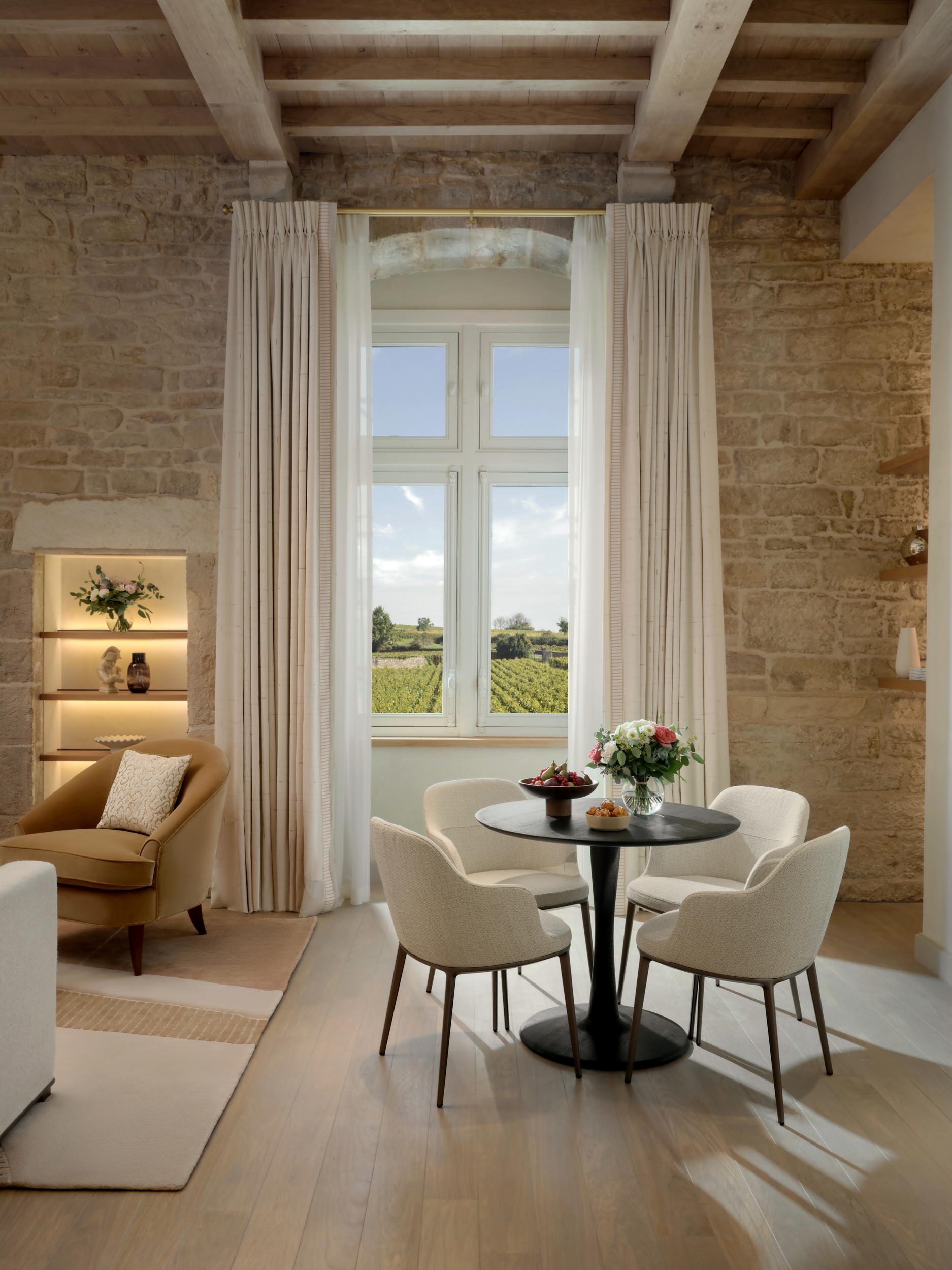
Palazzo Talìa presents a visually confident identity, with an emphasis on atmosphere, texture, and a sense that the interiors have been considered rather than merely decorated.
The result is a hotel that feels more intentionally styled than standard-issue luxury accommodation. Even without leaning on any single visual gimmick, it has enough character to make a stay feel distinct in a city where many hotels compete on location alone.
Palazzo Talìa reads as a relatively intimate property, which usually works well in Rome if you value privacy, shorter walks between spaces, and a more personalized feel.
Because room inventories can change, the safest approach is to check the live official room list before booking. In general, though, a hotel of this size is best approached by thinking about priorities: quiet versus street-facing exposure, extra space versus better value, and whether you want a room that feels direct or more distinctive.
For a city stay, one useful question is not just how the room looks, but how it supports the kind of trip you are taking. If you expect long days out, a calmer room can matter more than a larger one. If you plan to spend more time inside the hotel, then atmosphere and comfort take priority.
Rome rewards good logistics. A hotel in a central position can save time, reduce taxi dependence, and make it easier to return for a rest before dinner. That practical benefit is often more valuable than any single decorative feature.
In other words, this is a property to assess as a base, not just as a room. The right room category is the one that fits how you actually travel.
Hotel dining in Rome can be a real advantage after a long day, but menus, schedules, and venue names can change. One dependable approach is to verify the current dining setup and service times directly with the hotel before you build an evening around them.
That said, one of the strengths of a well-run city hotel is convenience: being able to decide late in the day whether to stay in or head out. If Palazzo Talìa fits that brief, then dining becomes less about destination status and more about flexibility.
Even when a hotel’s bar is not the only reason to stay there, it can still shape the rhythm of the evening. A comfortable place for a drink, a quick reset, or a nightcap matters more than many travelers expect, especially after hours of sightseeing.
If you like hotels that make returning before dinner feel pleasant rather than like a detour, that is a useful point in its favor.
One of the reasons travelers look at boutique hotels in central Rome is the chance to add a restorative element to a city break. A wellness area, if present, can be a meaningful bonus after walking-heavy days.
Rather than focusing on specific facilities that can change over time, the better question is whether the hotel offers enough on-site relaxation to justify a slower afternoon. If you are planning to combine sightseeing with downtime, a property with a wellness component can make the trip feel more balanced.
For many guests, that is the difference between a functional base and a genuinely comfortable one.
Palazzo Talìa sits on Via del Nazareno, which makes it a sensible choice if you want to move easily through central Rome on foot or by taxi. As with any Rome stay, it is worth checking current arrival instructions directly with the hotel, especially if you are coming by car or coordinating a late arrival.
Room rates in Rome can vary significantly by date, season, and demand. A reliable way to price this stay is to check the live official rate on the hotel’s booking channel rather than relying on any published range.
If your dates are flexible, look for the current official offers on the hotel site and compare them against the standard rate. That is usually the smartest way to judge value for a property in a central location.
Palazzo Talìa is best understood as a central Rome hotel with personality. Its appeal is not just where it sits, but how it shapes the stay: quieter than the surrounding city, more considered than an average urban base, and better suited to travelers who appreciate design and atmosphere.
The tradeoff is the usual one for a prime Rome location: you are choosing convenience and access over a more residential feel. But if you want to be well placed for walking, sightseeing, and spontaneous plans, this is exactly the kind of hotel that can make the city easier to enjoy.
For travelers who want central Rome with a calmer, more private mood, Palazzo Talìa remains worth a close look.
Any centrally located Rome hotel has to contend with some street activity, especially during busy parts of the day. The key question is whether you are comfortable trading a quieter, more residential setting for easier access to the city center. If you are, this location makes sense. If not, you may want to look farther from the main tourist zones.
It reads as a design-led boutique hotel with a refined, private atmosphere. The strongest appeal is not a single headline feature, but the overall sense that it is meant for guests who want a more composed stay in central Rome.
If wellness is important to you, check the current hotel listing directly before booking. Spa and relaxation facilities can be a deciding factor for city breaks, but the exact setup should always be confirmed live.
Focus on room category, cancellation terms, and the live official rate. In a city hotel like this, those details matter more than broad assumptions about how a room will feel.
Yes, especially if your itinerary is concentrated in the center and you want a base that makes it easy to move around. For a short stay, convenience, atmosphere, and time saved often matter more than anything else.
Get the App
Take the shortlist into the En Primeur Club app for concierge access, saved places, and the next step after discovery.
Get Exclusive AccessMore from the editors