← Guides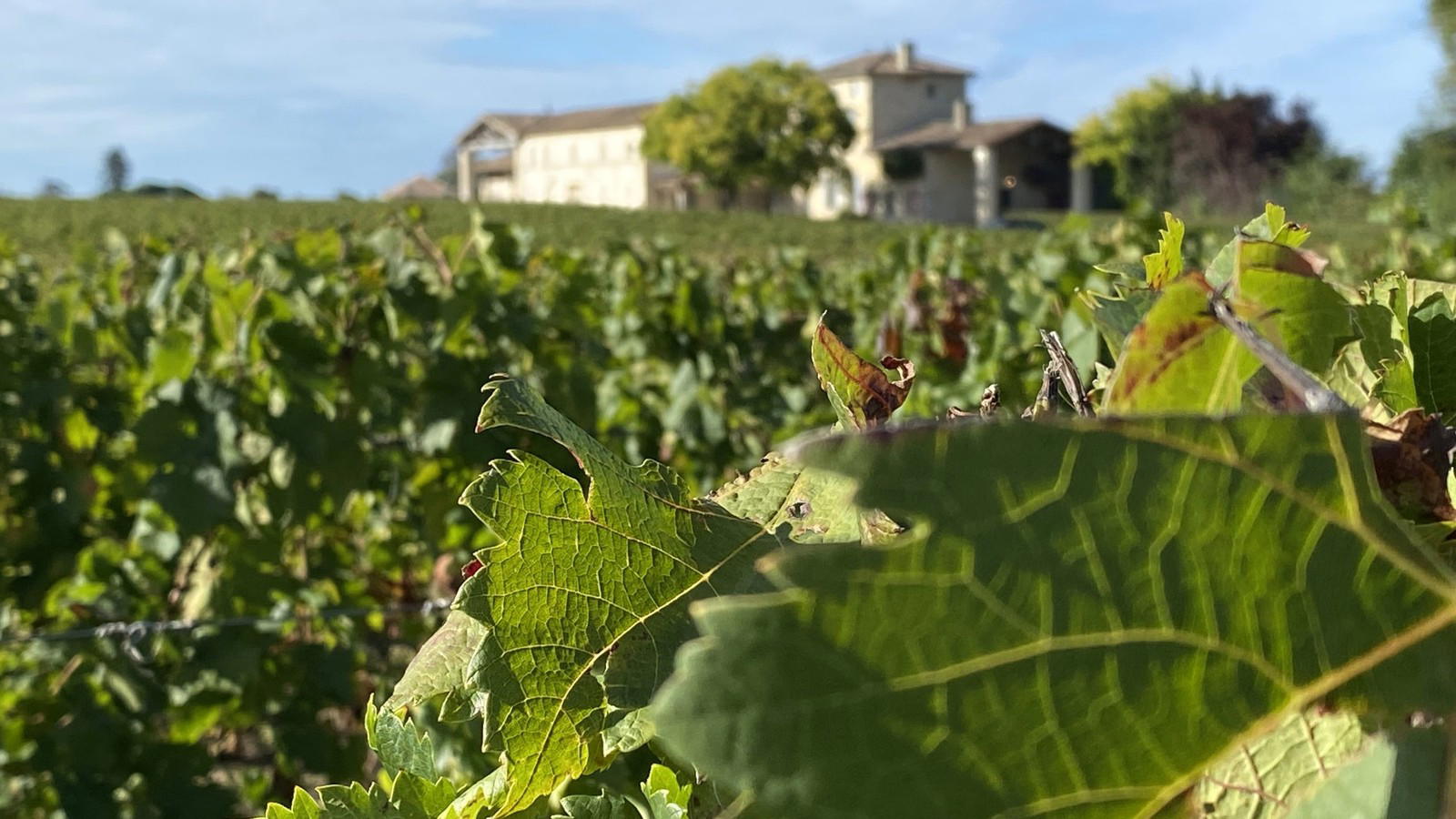
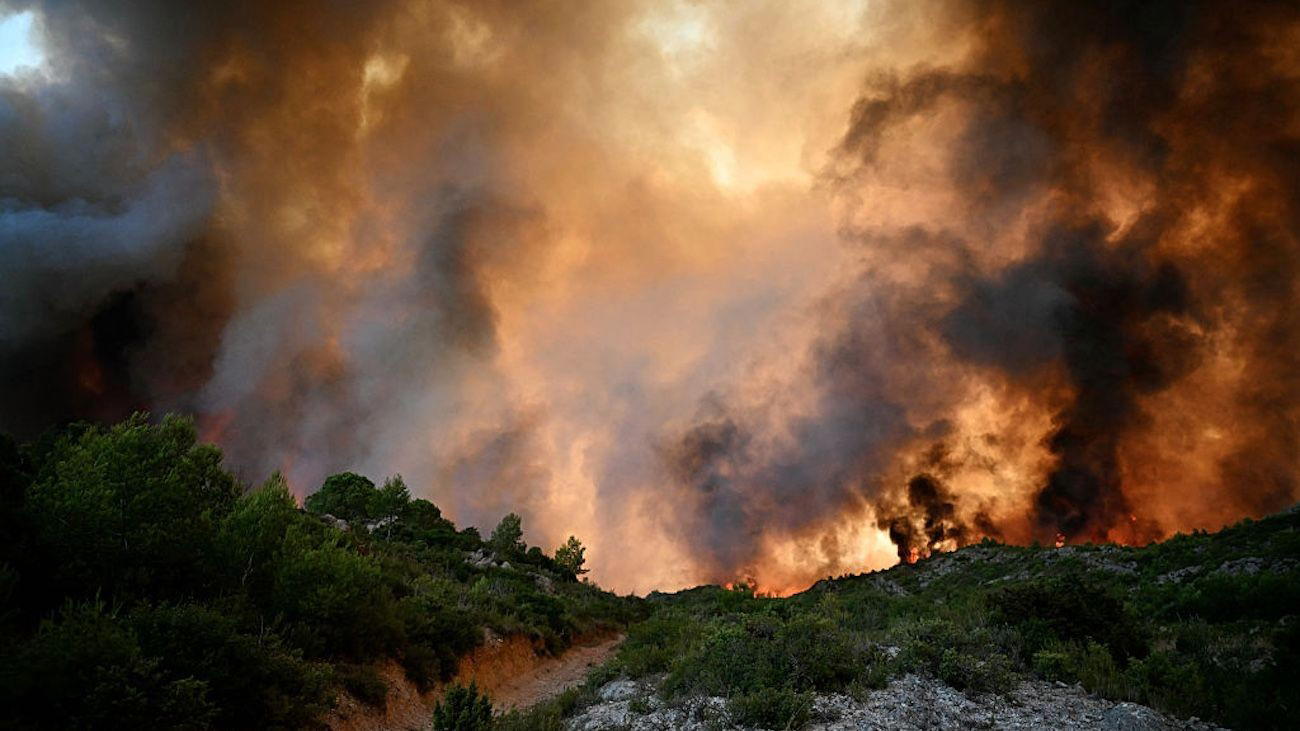
Lafleur’s 2025 AOC exit met its first heat test in June 2026, when the Pomerol estate began measured irrigation as Bordeaux reached the 40s.
Lafleur’s 2025 AOC exit met its first heat test in June 2026, when the Pomerol estate began measured irrigation as Bordeaux reached the 40s.
Forty-degree heat arrived in Bordeaux before the appellation calendar could catch up. Lafleur Pomerol irrigation began in early June 2026 after the estate had withdrawn from the Pomerol AOC and Bordeaux designation from the 2025 vintage, according to Arabella Mileham’s reporting for The Drinks Business. The timing turns a rule dispute into a vineyard test: Lafleur acted weeks before the late-July watering date Pomerol allowed in 2025, using small measured applications while Bordeaux temperatures sat roughly ten degrees above the more usual level for that point in the season.
For collectors who follow Pomerol through release campaigns, merchant notes, and label minutiae, this is the first practical test of Lafleur’s decision to step outside the appellation system. The estate did not simply change a line on the capsule. It moved all six wines in the Société Civile du Château Lafleur group into Vin de France: Château Lafleur, Les Pensées, Les Perrières, Les Champs Libres, Château Grand Village Rouge, and Château Grand Village Blanc.
The question now sits between the rows. If a Pomerol estate sees hydric stress building before the AOC has granted permission to water, does it wait for dispensation, or does it surrender the appellation in order to act earlier? Lafleur has already given its answer.
Lafleur, formerly Château Lafleur, announced its withdrawal from both the Pomerol AOC and the wider Bordeaux designation from the 2025 vintage, according to The Drinks Business. The estate cited the need to address climate change with precision and efficiency, saying that this was not possible under the current Appellation d’Origine system.

That language matters because it puts vineyard response ahead of label inheritance. Pomerol’s name carries weight in every serious cellar, yet Lafleur chose to remove it from the front line of its identity for the 2025 vintage onward. The move places the estate’s wines under Vin de France, a category that gives producers more freedom but asks collectors to read the producer name more carefully than the appellation line.
Omri Ram, cellar master at Château Lafleur and head of vineyards at Château Grand Village, framed the decision without theatre: "this is our specialty at Lafleur. We are not on some sort of a crusade; we just want to make decisions based on viticulture."1
That is the useful sentence for anyone trying to understand Lafleur Pomerol irrigation without reducing it to provocation. The estate is not arguing that water should become casual insurance. It is arguing for timing, measurement, and the right to intervene before a vine shuts down. In a hot June, those hours and days matter.
The withdrawal also forced a change in how the broader Lafleur group appears to the market. The six wines now sit outside their former Bordeaux designations, including Château Lafleur and Les Pensées, but also Les Perrières, Les Champs Libres, Château Grand Village Rouge, and Château Grand Village Blanc. For buyers, the appellation line no longer does the sorting. Producer trust does.
The June 2026 heat spike gave the decision immediate weight. The Drinks Business reported that Lafleur had already started irrigating by early June, after temperatures in Bordeaux had soared into the 40s Celsius two weeks before publication on 6 July. Miles Davis of Vinum Fine Wines, which represents Lafleur, described the contrast plainly: "It is more usually around thirty degrees at this time of year, a good 10 degrees lower."2
That ten-degree gap is not a tasting-note flourish. It changes vine physiology. The source article explains that Lafleur’s rationale was to pre-empt hydric stress and prevent vines from shutting down. Once that process begins, the plant cannot take up water properly and cannot cool itself; leaves can burn, and fruit can follow. Davis also warned that the worst case is vine death.
Lafleur’s response was not flood irrigation. According to Davis, the estate injected a small, scientifically measured amount of water three times from its own water supply, collected from a Dordogne overflow reservoir. The sequence matters: early June, three measured applications, estate-controlled water, and a method designed to protect the soil system before the canopy shows irreversible stress.
The contrast with 2025 is sharp. The Pomerol AOC allowed watering on 22 July that year, and Davis told The Drinks Business that by then much of the damage had already occurred. In 2026, Lafleur did not wait for a similar date. Its Vin de France status gave it room to respond in early June.
For collectors, Lafleur Pomerol irrigation is less about whether a producer used water and more about when, how, and why. The early-June timing tells you that the estate wanted to protect vine function before visible damage became the story of the vintage. The appellation question follows from that practical choice.
The Bordeaux debate is not whether vines ever need water. It is whether the appellation system can authorize irrigation quickly enough during heat events that arrive before the traditional stress window. The source reporting points to the difficulty estates face in triggering a dispensation to use irrigation, and Lafleur’s early action suggests that this difficulty sat close to the heart of its withdrawal.
Pomerol AOC rules restrict irrigation under most circumstances, with watering allowed only when the authorities grant permission. In 2025, that permission came on 22 July. For a grower watching leaves scorch before mid-July, that date is not an abstraction. It becomes a viticultural deadline missed by the rulebook.
The appellation system has long given Bordeaux a shared grammar: place, permitted practices, and a form of collective trust. Yet heat does not arrive by committee. A parcel can be under stress before a neighbor shows the same symptoms, and a well-timed, limited intervention may be more protective than a later allowance applied across a wider area.
That is why Lafleur’s move has unsettled the conversation around Pomerol. The estate has not stepped into anonymity; the name Lafleur remains the commercial and cultural anchor. But it has stepped away from the official wording that many buyers use as shorthand. In doing so, it asks the market to value the producer’s judgment over the appellation’s constraint.
There is risk in that. Appellation names organize restaurant lists, auction catalogues, merchant offers, and cellar databases. They help buyers move quickly. Vin de France demands more attention from the reader, the backstory, the vintage, the estate’s stated reasons, the technical choices. Lafleur has enough name recognition for that shift to be legible. Smaller estates would face a different calculation.
The detail that makes Lafleur’s June 2026 action more than a yes-or-no irrigation story is the placement of the water. According to the source, Lafleur injects water far from the roots, in the middle between the rows. The aim is to mimic natural summer rainfall and revive the soil, including its flora and fauna, rather than teach the vine to expect easy access.
That distinction will matter to anyone who has walked a hot vineyard and felt the soil radiate heat back through their shoes. The intervention is not designed as a direct drink for the vine. It is designed to refresh the system around the vine, then let the plant and soil negotiate what follows. This is viticulture as restraint, not convenience.
Lafleur is also experimenting with a misting procedure. The source describes a thin plastic cable across five rows emitting a light watery mist that descends between the vines and lowers the temperature between rows by ten degrees. You can picture the practical aim without dressing it up: reduce the thermal load around the canopy before heat damage hardens into vintage character.
Eleven research sensors are also placed around the vineyards to monitor soil water content, supplemented by scientific readings that track plant health around the clock. This is where the Lafleur Pomerol irrigation story becomes harder for traditionalists to dismiss as a shortcut. The estate is pairing water with data, timing, and plant observation.
Davis also told The Drinks Business that Lafleur maintains regular conversations with growers in regions such as Adelaide, Napa, and Swartland, where irrigation faces fewer restrictions. That exchange does not make Pomerol less Pomerol. It does show that Bordeaux’s hottest seasons are forcing its most watched estates to compare notes with regions that have longer experience managing water under heat.
There is a sensory consequence embedded in all this, though no one should pretend to taste the 2026 wines yet. Hydric stress can mark a growing season before fruit reaches the cellar. A vine that shuts down cannot ripen on the schedule a winemaker wants; a canopy that burns loses its ability to shield fruit. Lafleur’s measured intervention aims to keep options alive before harvest decisions narrow.
The Drinks Business reports that a number of other Pomerol properties are actively working on proposals to revise the conditions under which irrigation and other measures can be used. That is the next pressure point. Lafleur can act because it has left the appellation. Its neighbors, if they remain inside the AOC, need the rules to move.
The source also notes that pressure to irrigate is likely to meet pressure not to irrigate. That tension is real. Appellations exist to defend more than administrative tradition; they guard a shared idea of place. Yet climate pressure is testing whether the defense of place sometimes requires tools the rules were built to limit.
Pomerol’s dilemma is especially visible because the appellation is small in the imagination of collectors but large in symbolic value. A change in irrigation conditions there would not read like a minor technical update. It would raise questions across Bordeaux: who decides when heat becomes an emergency, how early growers can respond, and whether measured intervention can sit comfortably within an appellation built on restraint.
Lafleur has made one route plain. Leave the AOC, accept Vin de France designation, and manage the vineyard according to the estate’s own assessment of heat and water stress. Other estates may prefer another route: remain within Pomerol and push for revised conditions. The result could be a more flexible appellation framework, or a sharper divide between those who can tolerate waiting and those who cannot.
For the buyer, this is not a remote regulatory file. It will appear on labels, offer sheets, and eventually in how vintages are discussed at the table. A 2025 Lafleur will not carry Pomerol AOC. That fact will require explanation in cellars where appellation has long been the first line of trust.
The immediate practical detail is simple: from the 2025 vintage, the six wines in the Société Civile du Château Lafleur group are Vin de France. If you buy through a merchant or track releases through allocations, read the wine name before you read the designation. Château Lafleur, Les Pensées, Les Perrières, Les Champs Libres, Château Grand Village Rouge, and Château Grand Village Blanc now carry the weight of the producer’s choice outside the old Bordeaux wording.
Collectors should also separate category from quality assumption. Vin de France covers many kinds of wine; here, it is the category Lafleur chose after leaving Pomerol AOC and Bordeaux designation. The reason, according to the reporting, was the need to manage climate change with precision and efficiency. That makes the 2025 and 2026 vintages especially important to follow, not because the label has become simpler, but because it has become more dependent on producer reputation and vintage detail.
For visitors to Bordeaux, this story changes how one listens in tasting rooms. The useful questions are no longer only about blends, élevage, or harvest dates. Ask how estates monitor hydric stress, when they believe intervention becomes necessary, and whether they think the current AOC framework can respond to heat quickly enough. The answers will tell you how each property sees the next decade of Pomerol.
One revealing part of Lafleur Pomerol irrigation may be its precision. Three measured applications. Water from a Dordogne overflow reservoir. Injection between rows rather than at the roots. Eleven sensors. A misting trial capable of dropping the temperature between rows by ten degrees. These details make the debate harder, and more useful, because they move it away from slogans and toward vineyard practice.
Bordeaux has always asked collectors to believe that place matters. Lafleur’s wager is that protecting place may now require acting before the appellation clock permits it. The next signal will come from Pomerol’s proposals, and from how the 2025 and 2026 Lafleur wines are read once they move through merchants, cellars, and finally the glass.
Get the App
Take the shortlist into the En Primeur Club app for concierge access, saved places, and the next step after discovery.
Get Exclusive AccessMore from the editors