← Guides
Inside Rousseau, Roumier, and Mugnier: Booking the Visit That's Worth It in 2026 The confirmation email doesn't come from a booking platform.
Inside Rousseau, Roumier, and Mugnier: Booking the Visit That's Worth It in 2026 The confirmation email doesn't come from a booking platform.
The confirmation email doesn't come from a booking platform. It comes, if it comes at all, from a personal contact at the domaine, or from a négociant who has spent fifteen years earning the right to make the introduction. For Domaine Armand Rousseau, Domaine Georges Roumier, and Domaine J.-F. Mugnier, there is no public channel into these cellars, not in 2026, not through any booking platform, not through cold outreach. These three domaines do not accept unsolicited visit requests, do not list on Viator, and do not run tasting-room hours. Access runs entirely through personal introduction, from a trusted négociant, a well-connected importer, or a collector whose relationship with the domaine predates yours by a decade or more.
Burgundy's most sought-after domaines operate on allocation systems so tight that their entire annual production is spoken for before harvest. Rousseau wines are released on allocation from the estate,1 with annual production of around 65,000 bottles across the full range,2 a figure that sounds substantial until you consider that 80% of that production is exported to more than thirty countries worldwide.2 Roumier makes sales by allocation,3 and top bottlings such as the Musigny and Bonnes-Mares are produced in tiny quantities and rarely reach retail shelves.4 Mugnier's Musigny and Chambolle-Musigny Les Amoureuses sit in the same bracket: the Musigny Grand Cru yields between 2,000 and 5,000 bottles annually,5 while Les Amoureuses runs to just 900 to 2,700 bottles per year.5
When demand for a wine exceeds supply by a factor of ten or more, the winemaker's time becomes the scarcest resource of all. Opening the cellar to visitors who cannot deepen the allocation relationship, or who will simply photograph the barrels and move on, costs the domaine something it cannot recover. Eric Rousseau, who runs the domaine his grandfather Armand founded, has been consistent on this point in interviews over the years: the domaine's priority is the wine, not the visit. Christophe Roumier and Frédéric Mugnier operate with the same logic.
The secondary market underlines the scarcity. Loyal Rousseau customers have seen their allocations shrink from 12 to 6 to 3 bottles for some cuvées as demand has grown,6 a compression that tells you everything about the gap between supply and the queue of buyers behind it.
There is no published visit calendar for any of these three domaines. No release window, no drop time, and no online form. If you read elsewhere that visits open in a specific month or that a particular platform manages access, treat that claim with skepticism, and confirm directly with the domaine or your importer before planning travel around it.
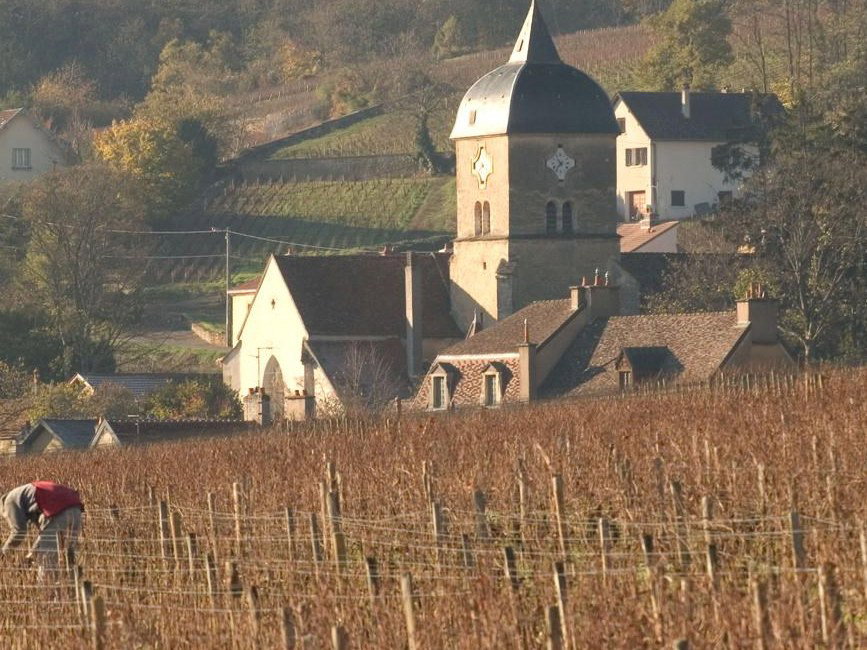
What is known from the pattern of how introductions work across the Côte de Nuits generally: harvest week (late September into October) and the week of the Hospices de Beaune auction (the third Sunday of November) concentrate collector traffic in Burgundy.
Paradoxically, these are the worst moments to seek an introduction to a domaine like Rousseau or Roumier, the principals are either in the vineyard or fielding requests from fifty established clients simultaneously.
The quieter windows, February through April, when the domaine is working through élevage and the village is not overrun, are when introductions, if they happen at all, are more likely to be honored.
En primeur tastings in Beaune, organized by négociants and importers in the spring, occasionally include barrel samples from these domaines. That is a different kind of access, tasting the wine in a merchant's context rather than at the domaine itself, but it is the closest most collectors will get.
There are three realistic routes, ranked by probability:
1. A long-standing négociant or importer relationship. Négociants who have distributed Rousseau or Roumier for twenty-plus years occasionally facilitate introductions for their most significant clients. "Significant" here means buying consistently across the portfolio, not just the grand crus, and over multiple years. A négociant's credibility with the domaine is on the line every time they make an introduction; they will not spend it on a collector who bought two cases of village Bourgogne.
2. A collector network introduction. The Burgundy collector community is smaller than it appears from the outside. A collector who has visited Rousseau and has a genuine relationship with Eric Rousseau can, in some cases, introduce a trusted friend. This is slower to build than a négociant relationship but more durable once established.
3. A specialist wine travel operator. A small number of Burgundy-focused travel companies, not general luxury travel agencies, have built genuine domaine relationships over years of responsible client management. They are selective about which clients they bring, because their access depends on not abusing it. Expect to pay for this route, and expect to be vetted before you are accepted.
Cold emails to the domaine, requests through general wine tourism platforms, and approaches via social media do not work. This is not a policy that can be navigated around, it reflects the domaine's genuine preference.
The collectors who eventually get through to Rousseau or Roumier typically spent years doing something that looked unrelated to access: building a serious buying history with a single négociant, attending the same importer tastings year after year, and, critically, buying the wines they could actually get rather than chasing only the names they couldn't. Eric Rousseau suppresses allocations of customers who resell bottles on the parallel market,7 which tells you that the domaine tracks buying behavior closely and rewards loyalty, not opportunism.
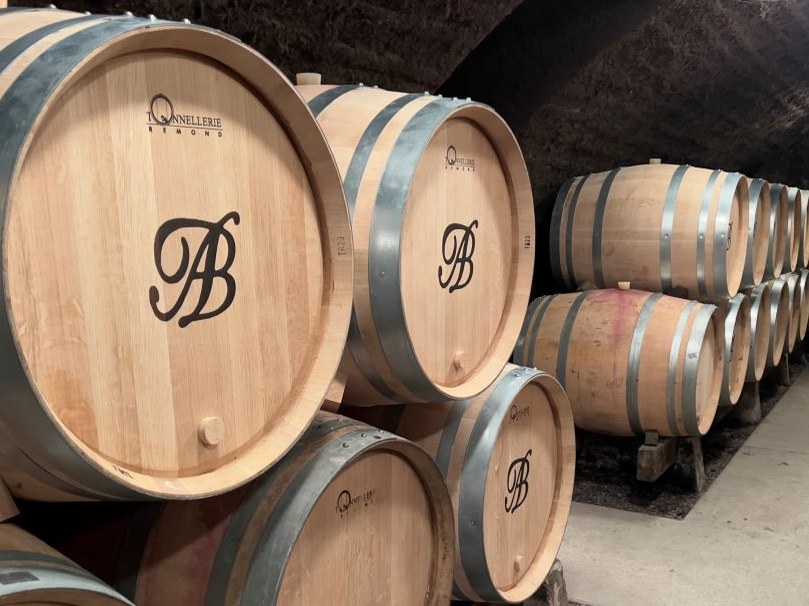
Insiders also understand that the introduction, when it comes, is not a tasting in the commercial sense. It is a conversation. Arriving with a list of scores to discuss, or asking immediately about allocation, is the fastest way to ensure the visit is also the last. The domaines that operate at this level are run by people who have spent their lives in these vineyards; they want to talk about the Lavaux Saint-Jacques versus the Clos Saint-Jacques, about the 2021 frost, about what the Chambertin's limestone does differently from the Mazis. Come prepared for that conversation.
One practical behavior that compounds over time: attend the Hospices de Beaune auction not to network aggressively, but to be present in the community consistently. Faces become familiar. Familiarity, over years, becomes trust.
For most collectors in 2026, the productive question is not "how do I get into Rousseau?" but "where can I taste wines of comparable depth and learn something about these vineyards?" Several routes deliver genuine value:
Domaine Trapet Père et Fils (Gevrey-Chambertin) farms grand cru Chambertin and Latricières-Chambertin biodynamically and is more accessible to serious visitors than Rousseau. The wines are different in style, the estate works with whole-cluster fermentation and a lighter extraction, but the terroir is the same limestone-rich Gevrey soil.
Domaine Ghislaine Barthod (Chambolle-Musigny) offers a window into the same village appellation as Roumier and Mugnier. Barthod's premier crus, Les Cras, Les Charmes, Les Fuées, are produced in small quantities but with a visit process that, by most accounts, is more navigable for collectors with a genuine introduction.
Domaine Faiveley holds grand cru parcels in Chambertin-Clos de Bèze and Musigny and operates with a more structured visit program than the small family domaines. The wines are négociant-scale in production but the terroir access is real.
En primeur barrel tastings organized by specialist merchants, Berry Bros. & Rudd, Corney & Barrow, and Justerini & Brooks among them, occasionally include Rousseau and Mugnier samples in their Burgundy en primeur campaigns. This is not a domaine visit, but it is a legitimate way to taste the wines before bottling and to build a buying record that matters.
| Domaine | Visit Difficulty | How to Access | Allocation Route | Entry-Level Wine |
|---|---|---|---|---|
| Rousseau | Near-impossible (introduction only) | Négociant or collector introduction | Through established négociant; no public list | Gevrey-Chambertin (village) |
| Roumier | Near-impossible (introduction only) | Négociant or collector introduction | Through established négociant; no public list | Chambolle-Musigny (village) |
| Mugnier | Near-impossible (introduction only) | Négociant or collector introduction | Through established négociant; no public list | Chambolle-Musigny (village) |
| Trapet Père et Fils | Moderate (introduction helpful, not required) | Direct contact or importer | Importer allocation; some direct | Gevrey-Chambertin (village) |
| Ghislaine Barthod | Moderate (introduction recommended) | Importer or collector introduction | Importer allocation | Chambolle-Musigny (village) |
| Faiveley | Accessible (structured visit program) | Direct booking or merchant | Merchant allocation; en primeur | Mercurey (village) |
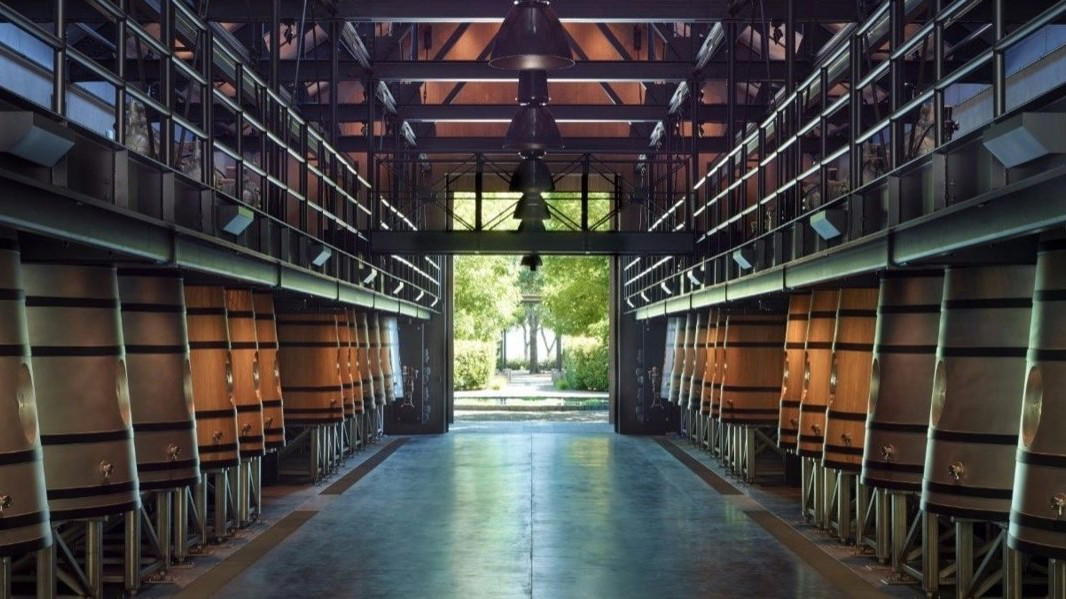
The visits that do happen are not tastings in any commercial sense. There is no tasting sheet, no spittoon on a polished counter, no flight of six wines with printed notes. What typically occurs, based on accounts from collectors and importers who have made the introduction, is a conversation in the cellar, often standing between barrels, with the winemaker or a family member moving between casks and pulling samples with a pipette.
At Rousseau, the cellar beneath the domaine in Gevrey-Chambertin holds barrels from the full hierarchy of the estate's vineyards: village Gevrey, the premiers crus of Clos Saint-Jacques and Lavaux Saint-Jacques, and the grands crus running up to Chambertin itself.
A visit during élevage, typically in the first year after harvest, means tasting wines that are still finding their shape, which requires a different kind of attention than tasting a finished bottle.
Eric Rousseau is known for discussing the differences between parcels with precision: the Clos Saint-Jacques, a premier cru on a steep southeast-facing slope, produces something structurally different from the Mazis-Chambertin even in the same vintage.
Roumier's cellar in Chambolle-Musigny is similarly untheatrical. Christophe Roumier has spoken in interviews about his preference for minimal intervention, low sulfur, no fining, late picking to achieve physiological ripeness, and a cellar visit reflects that philosophy. The wines at barrel stage can be reductive and closed; understanding what you're tasting requires knowing the domaine's style across multiple vintages.
Mugnier's cellar beneath the family's château in Chambolle is especially atmospheric among the three, the building itself dates to the nineteenth century, but the visit, when it happens, is equally focused on the wine rather than the setting. What comes through in conversation is an analytical precision that mirrors the wines' structure. The Bonnes-Mares comes from just 0.36 hectares, yielding around 100 cases per year,8 a detail that lands differently when you're standing next to the barrel it came from.
Duration is typically one to two hours. The number of wines tasted depends on the vintage stage and the winemaker's judgment. You will not taste everything in the cellar. You will taste what the winemaker thinks is worth discussing that day.
If you are building a Burgundy collection and want to understand these wines at depth, the introduction route is worth pursuing, but on a five-to-ten-year timeline, not a five-month one. The collectors who benefit most from a Rousseau or Roumier cellar visit are those who already know the wines well from bottle, who have a specific question about élevage or parcel differences that only a barrel tasting can answer, and who have the patience to let the relationship develop at the domaine's pace.
If your goal is to taste great Burgundy on a trip to the Côte de Nuits in the next twelve months, the accessible alternatives above, Trapet and Barthod, will give you serious wines and serious conversation. The terroir is the same; the introduction barrier is lower.
If your goal is allocation, actually acquiring bottles of Rousseau Chambertin or Roumier Musigny, the visit is almost beside the point. Allocation runs through négociants and importers who have decades of history with the domaine. most Rousseau wines are exported from France,6 which means the queue of established international buyers is long. Building a merchant relationship, buying consistently across the portfolio, and demonstrating patience is the only route that reliably produces bottles over time.
Mistakes that cost people access:
For Rousseau, Roumier, and Mugnier, the cellar visit is not the goal, it is the byproduct of a relationship built over years through consistent buying, genuine knowledge, and patience. The collectors who have stood in Christophe Roumier's cellar tasting Musigny from barrel did not get there by finding the right booking platform. They got there by being the kind of collector a winemaker wants to spend an afternoon with.
If you are early in that process, the productive move in 2026 is to identify one négociant or importer with genuine Côte de Nuits relationships, not a generalist merchant, but someone whose portfolio is built around these villages, and to start buying seriously and consistently. Roumier generates 20 to 25% of its turnover directly with individual customers,3 which means a direct relationship is not impossible, but it is built on a track record, not a cold approach. A collector who has bought Rousseau's Gevrey-Chambertin village wine for five years through the same merchant is a different proposition to the domaine than one who appears only when the Chambertin is available.
The alternative domaines, Trapet, Barthod, and others working the same limestone, will give you the terroir education you need to make the eventual introduction worthwhile. The village wine bought through a trusted merchant is the smarter starting point; the cellar visit follows, in time, for those who have already done the work.
No. Rousseau does not operate a public tasting room or accept cold visit requests. Access is through personal introduction, from a long-standing négociant, importer, or collector with an established relationship at the domaine. There is no public booking channel. If you are planning a trip to Gevrey-Chambertin, contact your wine merchant well in advance to ask whether an introduction is possible; do not assume one can be arranged on short notice.
Roumier does not operate a public mailing list or allocation signup page. Allocation flows through négociants and importers who have long-standing distribution relationships with the domaine. The quantities involved are small, production of the Musigny is limited to a few hundred cases in most vintages, and established clients take priority. Building a buying history with a specialist Burgundy merchant is one reliable route to allocation over time.
In practice, no. The third week of November concentrates collector and trade traffic in Burgundy, and the domaine principals are fielding requests from dozens of established clients simultaneously. The quieter months, February through April, during élevage, are when introductions, if they happen, are more likely to be honored. Attending the Hospices auction is valuable for building presence in the community over time, but it is not an efficient moment to seek first contact with an introduction-only domaine.
A négociant en primeur tasting gives you access to barrel samples in a merchant's context, typically in Beaune or London, alongside wines from multiple domaines. A cellar visit at Rousseau means tasting in the domaine's own cellar in Gevrey-Chambertin, with Eric Rousseau or a family member drawing samples from specific barrels and discussing parcel differences directly. The en primeur route is more accessible and still gives you genuine insight into the vintage; the cellar visit is rarer and more focused on the winemaker's perspective on individual cuvées.
Yes. Domaine Ghislaine Barthod farms premier cru parcels in Chambolle-Musigny, including Les Cras, Les Charmes, and Les Fuées, and is more navigable for collectors with a genuine introduction. Domaine Comte Georges de Vogüé, which holds the largest single parcel of Musigny, operates with a slightly more structured approach to visits than Mugnier. Neither is a walk-in experience, but both are realistic targets for a collector who has built an importer relationship and can provide a credible introduction.
Get the App
Take the shortlist into the En Primeur Club app for concierge access, saved places, and the next step after discovery.
Get Exclusive AccessMore from the editors