← Guides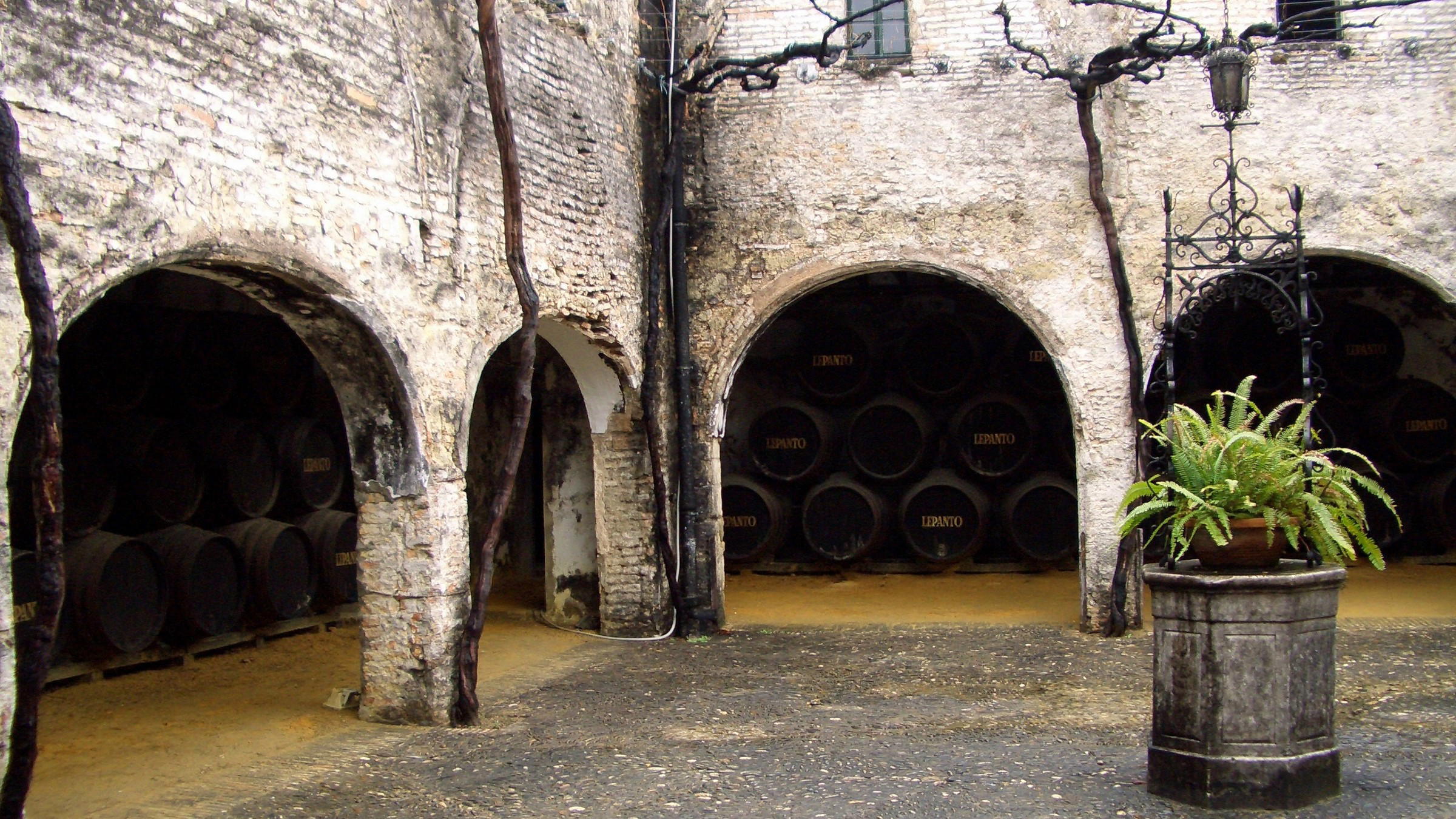
For the first time in nearly three decades, González Byass is releasing archive sherries — some dating to 1846 — through a Christie's online sale running 5–19 June.
For the first time in nearly three decades, González Byass is releasing archive sherries — some dating to 1846 — through a Christie's online sale running 5–19 June.
A bottle of González Byass sherry bottled in 1846 has never been sold. Not once. It sat in the archives of the Tío Pepe bodegas in Jerez de la Frontera while empires rose and fell, while two world wars reshaped the continent, while the fine wine auction market was invented, matured, and went digital. Now, for the first time since a 1994 sale presided over by Michael Broadbent MW, González Byass is consigning part of that private bottle library to Christie's, and the online auction runs 5 to 19 June. The window closes in a matter of days.
The González Byass Christie's auction is not a cellar clearance. These bottles come directly from the historical archives at the Tío Pepe bodegas, consigned by the house itself, with provenance that bypasses the secondary market entirely. For collectors who track acquisition chains the way others track vintages, that distinction matters more than almost anything else about a lot.
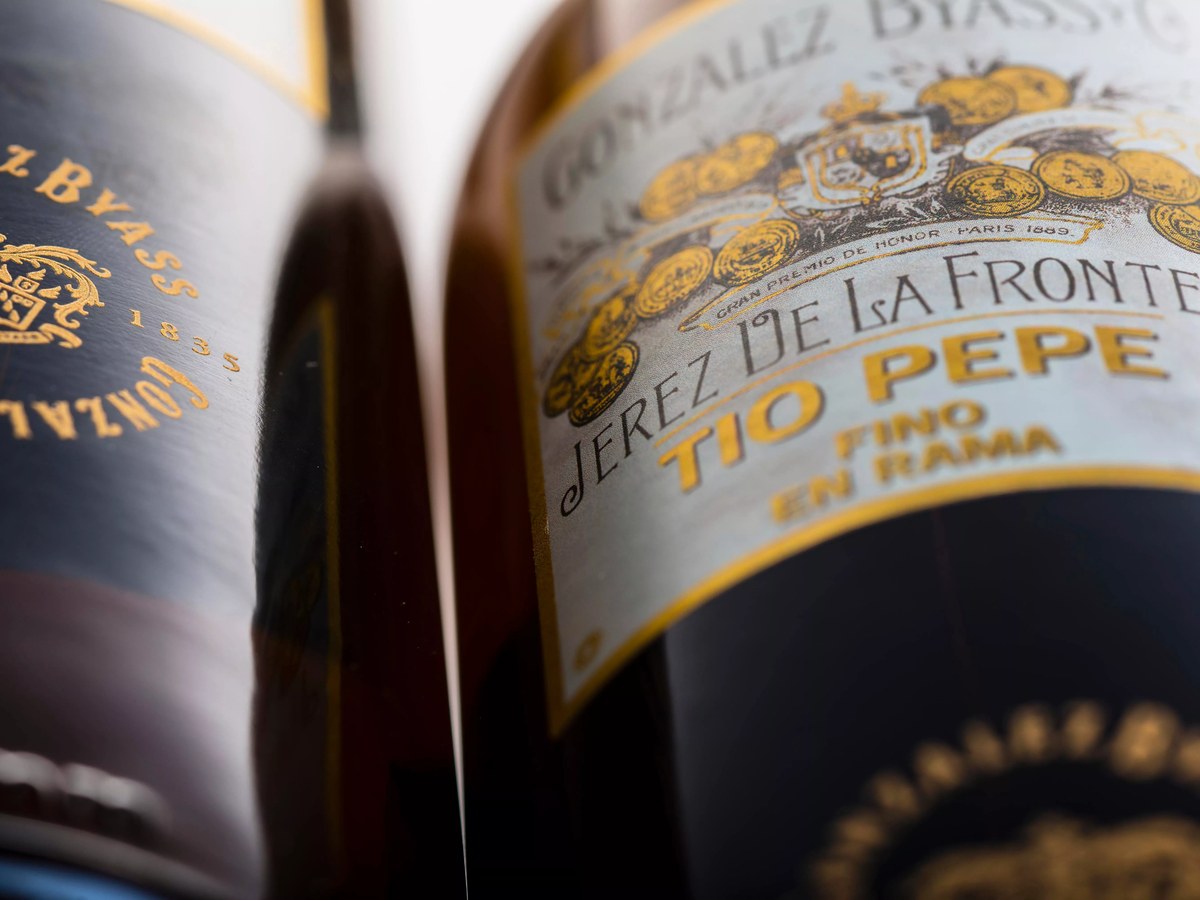
The sale spans a sweep of the González Byass archive that is difficult to frame without sounding hyperbolic, so consider the specifics instead. The oldest bottles date to 1846 and 1886. Among the named lots: Viña Amorosa 1911, Matusalem in three early-century vintages (1908, 1909, and 1911), Pío IX, Dulce Nombre Vintage 1986, and Palo Cortado Añada 1978. On the more recent end, the sale includes Tío Pepe en Rama across six vintages, 2015, 2016, 2019, 2021, 2022, and 2023, alongside Tío Pepe Finos Palmas.
The range is deliberate. At one end, you have archive material that predates living memory by several generations; at the other, en rama releases that serious fino drinkers have been tracking vintage by vintage. Both ends of that spectrum share one characteristic: they come straight from the bodega, not from a private cellar in Mayfair or a négociant's overflow stock. Every lot carries single-owner provenance, the González Byass family itself, which is the kind of acquisition detail that does not appear twice in a collector's career.
Tim Triptree MW, international director of Christie's Wines & Spirits, described the lots as opportunities to acquire wines that have never been offered for sale before, particularly the historic vintage-dated sherries, which he called exceptionally rare and particularly sought-after. The combination of polished provenance, rarity, and historical significance, he said, is what excites collectors.
González Byass was founded in Jerez de la Frontera in 1835. The bottle library has been preserved almost since the founding of the house, maintained, according to González Byass, as a tool to preserve the house style, study the evolution of its wines, and commemorate key milestones in its history. The house describes it as a family legacy of incalculable value.
That framing is not marketing language. A sherry house's bottle library functions differently from a Bordeaux château's library stock. In Jerez, where the solera system blends across years rather than isolating them, a dated bottle is a fixed point in a wine that is otherwise designed to be timeless. Each archive bottle captures the house style at a specific moment, the composition of the solera at a given year, the decisions of a particular cellarmaster, the character of a harvest that would otherwise dissolve into the continuous blend. Releasing those bottles is, in a real sense, releasing the house's internal record.
The Tío Pepe bodegas sit at the heart of González Byass's operation in Jerez de la Frontera, and the solera system there has run without interruption for generations. That continuity is what gives the archive its depth. A Matusalem 1908 is not simply an old bottle of oloroso, it is a document of how González Byass made oloroso at the turn of the last century, drawn from a solera that has been refreshed and maintained ever since.
The answer is simpler than collectors might expect: the library was never built for sale. González Byass retained these bottles for internal reference, heritage preservation, and institutional memory, not as investment stock, not as future auction lots. The house held them because they were useful, and because losing them would mean losing something that cannot be reconstructed.

That explains the scarcity in a way that auction-house provenance rarely can. When a 19th-century Bordeaux appears at Christie's, it typically arrives via a chain of private owners, each of whom stored it under conditions that can only be partially verified. When a bottle of González Byass from 1846 appears in this sale, it arrives having spent its entire existence in the same building where it was made. The traceability is, as the house puts it, notable, and that is not a claim most auction lots can make.
The last time González Byass offered archive bottles at auction was 1994, when Michael Broadbent MW, Christie's head of the wine department for thirty years, presided over a sale that González Byass describes as a milestone in the international projection of these wines. More than three decades passed before the house decided to open the library again. There is no public indication that this will become a regular occurrence, which makes the 5 to 19 June window the operative fact for any collector paying attention.
The González Byass Christie's auction runs entirely online, which means global access without the friction of a saleroom. Bidding opens 5 June and closes 19 June, a two-week window that gives collectors time to research individual lots rather than making split-second decisions in a room.
The lot structure rewards focused attention. If your interest is in the oldest material, the 1846 and 1886 bottles represent the outer edge of what any sherry house has ever consigned to auction, bottles that have never been commercially available in their entire existence. The Matusalem trio (1908, 1909, 1911) and the Viña Amorosa 1911 sit in a slightly more accessible tier of early-20th-century archive material, still extraordinarily rare by any standard outside Jerez. None of these lots will be replenished. The archive does not grow.
For collectors who prefer to drink rather than cellar, the Tío Pepe en Rama vintages offer a different kind of value. En rama fino, bottled with minimal filtration to preserve the flor character, evolves in bottle in ways that standard fino does not. The 2015 and 2016 releases in this sale are now a decade old, which puts them in territory that almost no commercially available en rama has reached. The 2019, 2021, 2022, and 2023 vintages round out the range for those building a vertical. Six release years from the bodega's own archive, in a single sale, is not a configuration that appears on the secondary market.
Triptree has noted that many collectors recognise these wines remain comparatively undervalued when measured against their rarity and historical significance. That observation carries weight coming from the international director of Christie's Wines & Spirits, who has a professional interest in accurate market positioning, not in underselling what he is offering.
Provenance is the single most important factor in any decision here. Every lot in this sale comes directly from the González Byass historical archives. That is the baseline, and it is one that no private-cellar consignment can match for material of this age.
The decision to consign to Christie's, and to do so via a dedicated online sale rather than folding the lots into a general fine wine auction, signals something about how González Byass and Christie's are positioning fine sherry. Vintage Port and Madeira have long been accepted as serious collectibles for long-aged fortified wine buyers. Historic sherry has occupied a more ambiguous position, admired by specialists but rarely appearing at the summit of a collector's acquisition list.

Triptree addressed this directly: "Collectors today are often looking for stories and authenticity as much as prestige, and the great historic wines of Jerez deliver both in abundance."1 The argument is that the category's relative obscurity in the auction room is a function of supply, not of quality or longevity. When archive sherries of this provenance do appear, they are sought after precisely because they almost never do.
Mauricio González-Gordon, president of González Byass, called it a privilege to open part of the house's historic legacy to an international audience through Christie's. The choice of Christie's as the platform, rather than a specialist sherry auction or a direct-to-consumer release, is itself a statement about where the house believes fine sherry belongs in the broader collectible wine conversation.
The González Byass Christie's auction does not resolve the question of whether fine sherry will sustain collector interest beyond this sale. What it does is place the strongest possible argument for that case in front of a global bidding audience: bottles of verifiable, single-owner provenance, some nearly 180 years old, that have never been available to buy at any price. The Christie's online sale runs 5 to 19 June, with lots consigned directly from the historical archives at the Tío Pepe bodegas in Jerez de la Frontera, and bidding is open internationally via christies.com.
If this is the kind of insider detail you look for in a glass, join the club, we'll keep pouring.
Get the App
Take the shortlist into the En Primeur Club app for concierge access, saved places, and the next step after discovery.
Get Exclusive AccessMore from the editors