← Guides
Neil Utley bought Château Vignelaure on 23 July 2026, bringing new investment to a Provence estate built on Cabernet-Syrah reds.
Neil Utley bought Château Vignelaure on 23 July 2026, bringing new investment to a Provence estate built on Cabernet-Syrah reds.
Neil Utley closed the Château Vignelaure acquisition on 23 July 2026, according to The Drinks Business, putting an English insurance entrepreneur at the helm of one of Provence’s most historically important wine estates. The timing matters because Vignelaure is not a standard Provençal rosé address: Georges Brunet founded the estate in 1960 in the northern Coteaux d’Aix AOP, and the property built its name on Cabernet Sauvignon and Syrah reds at more than 400 metres above sea level on the southern banks of the Durance river. Provence may pour pink for much of the world, but Vignelaure’s centre of gravity has always been darker.
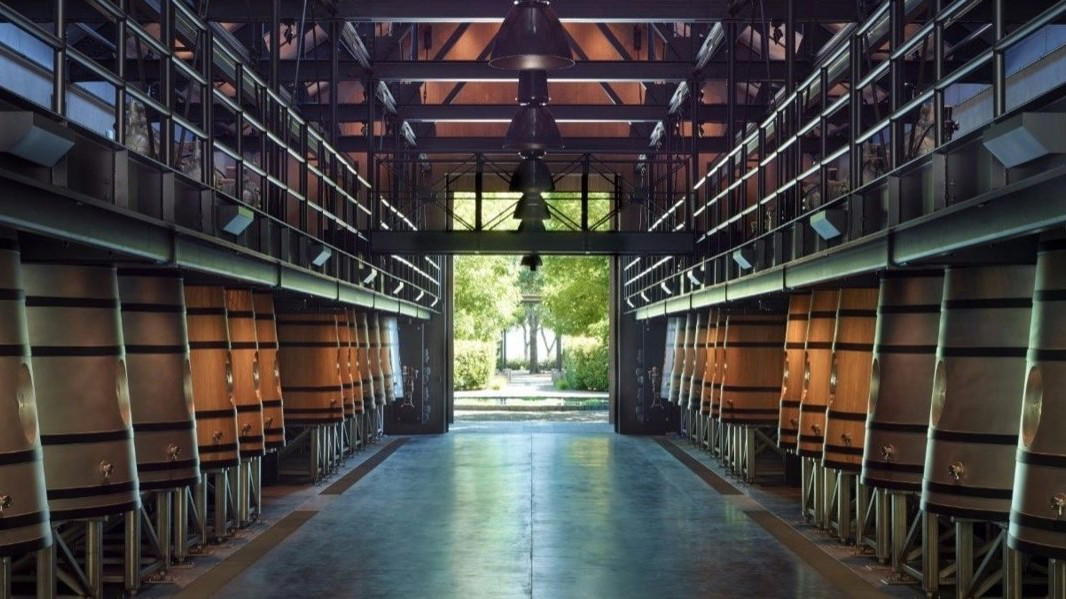
That tension now defines the story. Utley inherits 56 hectares of vines, a cellar whose fabric still carries the memory of a 1972 renovation, and a production split that says as much about the region’s market as it does about the estate’s past: 40% rosé, 20% white, and 40% red, as reported by The Drinks Business.
Philippe Bru, director and winemaker since 2008, remains in charge. For collectors who have watched Provence reds sit outside the main conversation while rosé became the region’s commercial engine, this is the kind of ownership change that deserves close reading, not because promises have been made, but because the first decisions are already concrete.
Vignelaure’s claim on a collector’s cellar begins with Cabernet Sauvignon and Syrah. The estate pioneered the blend for red wines in Provence, a fact that still separates it from the rosé-first image many drinkers attach to the region. The more useful signal is historical: Vignelaure gave shape to a Provençal red-wine idea that others noticed.
Eloi Durrbach was working at Vignelaure when that approach took hold, according to The Drinks Business. He later planted the same varieties at Trévallon. For anyone who tracks the lineage of southern French reds, that detail carries more weight than a broad regional label. It places Vignelaure in a small circle of estates whose choices travelled beyond their own cellars.
The estate also has the cultural footnote that collectors remember because it could only belong to this property: the label for Le Page, Vignelaure’s second wine, was designed by Yves Saint Laurent. It is not a substitute for vineyard work, of course. Labels do not age in bottle. But at Vignelaure, the art connection belongs to the estate’s public identity, and it helps explain why ownership changes at this address draw attention beyond Provence.
There is also scarcity of a different sort here. Vignelaure does not sit in a region where Cabernet-Syrah reds define the mainstream offer. It sits in a market where rosé sets much of the rhythm, and even at Vignelaure only 40% of production is now red. That figure, taken with the estate’s 56 hectares of vines, gives collectors the basic shape of the opportunity: a historic red-wine address operating inside a region whose demand has pulled many producers toward pale, immediate-drinking wines.
For a cellar, that makes Vignelaure less about fashion and more about provenance. The property’s identity is pinned to a founder, a place, two grape varieties, and a line of influence that reaches to Trévallon. Those are the facts to hold onto as the new owner begins to invest.
The Château Vignelaure acquisition arrives with Provence’s central question already in the glass: how does a serious red-wine estate move through a rosé-dominated market without thinning out the identity that made it matter? The Drinks Business frames the future direction as open, and that restraint is useful. There is no announced pivot away from reds. There is no claim of a new cuvée, no technical recipe, no pricing reset. There is, however, a new owner and a clear plan to invest in the vineyard and cellar.

The comparison nearby is telling because it is sourced and specific. Maison Saint Aix, one of Vignelaure’s closest neighbours about five kilometres to the north, produces rosé exclusively, according to The Drinks Business. Vignelaure, by contrast, still works across three colours: 40% rosé, 20% white, and 40% red. That production split makes the estate a useful lens on modern Provence. It cannot ignore rosé. It also cannot become just another rosé château without surrendering its own history.
For collectors, the red wines are the pressure point. The original Cabernet Sauvignon and Syrah recipe still defines them, but a market led by rosé changes how estates allocate attention, capital, and visitor energy. Rosé pays the bills for many Provençal properties; red wine asks for patience, cellar space, and a buyer willing to think beyond summer drinking. Vignelaure has to serve both realities.
That is why Utley’s first phase matters. Investment in replanting and cellar updates is not decorative language at this estate. Much of the cellar dates from the last major renovation in 1972, according to The Drinks Business. A cellar carrying that much history can be an asset, but equipment, workflow, and capacity eventually become winemaking questions. Replanting carries even longer consequences. Vines do not answer to quarterly schedules.
The Château Vignelaure acquisition therefore reads less like a lifestyle purchase than a test of whether a Provence estate with a red-wine spine can renew itself without trading its identity for the easier regional narrative. The fact that Bru remains in charge keeps the first chapter anchored.
Neil Utley enters the story from outside wine. The Drinks Business identifies him as an English insurance entrepreneur and notes that this is his first venture into the wine industry. That outsider status will naturally sharpen attention around his early decisions, particularly at a property with a history of short ownership tenures.
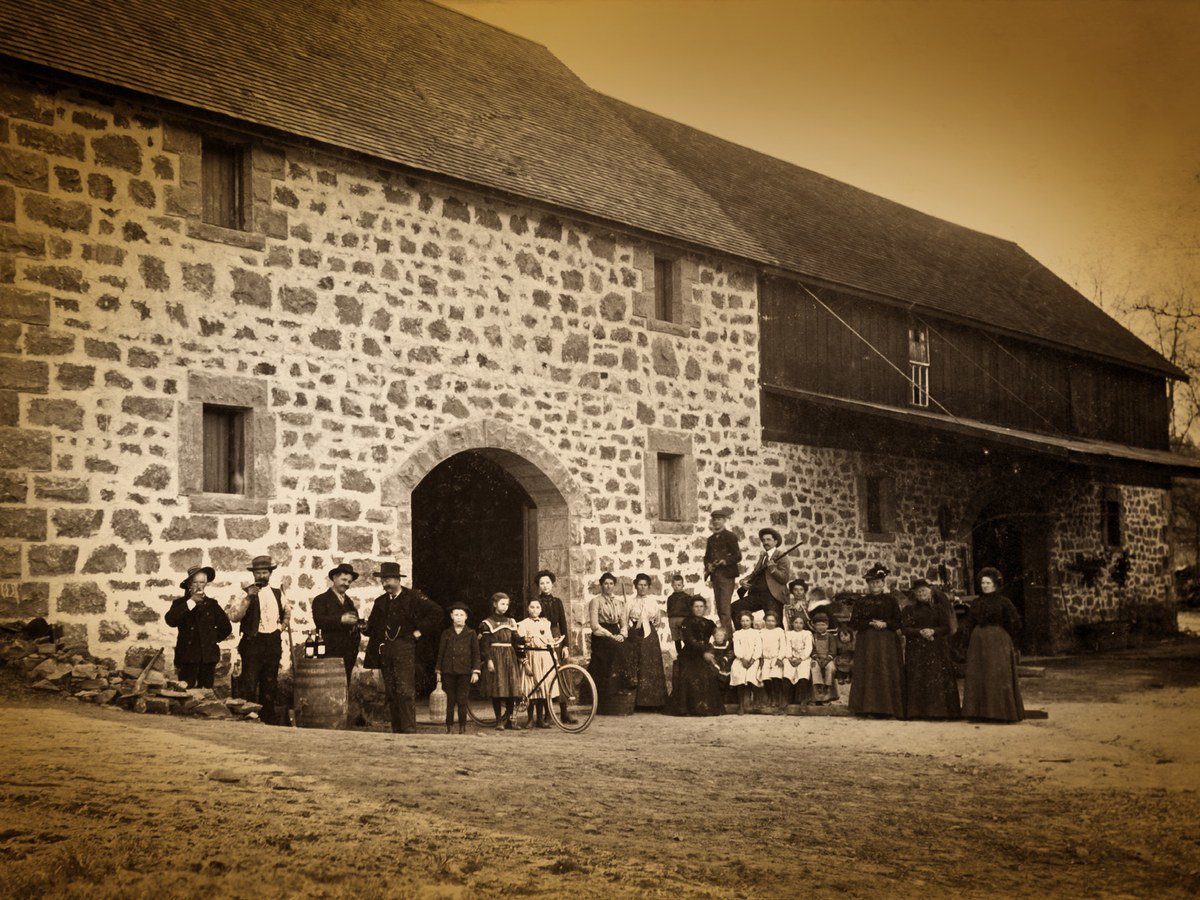
The estate has changed hands several times since Brunet founded it in 1960. The Drinks Business names Maharajah Shivdasani among former owners, followed by Irishman David O’Brien and then Mette and Bengt Sundstrøm, the Danish-Swedish couple who acquired Vignelaure in 2007. The Sundstrøms appointed Philippe Bru as director and winemaker in 2008. Utley has made clear that Bru will remain in charge of the estate.
That continuity is especially concrete reassurance in the deal. New owners often arrive with architecture, branding, and a public appetite for quick evidence. Vignelaure’s wines, especially the reds, need a steadier hand than that. Bru’s own words, quoted by The Drinks Business, are deliberately measured: “Our plan is to keep going in the same style across all three colours, while improving quality, image and sales.”
There is plenty packed into that sentence. “Across all three colours” confirms that the estate is not being narrowed to a single marketable shade. “Same style” speaks directly to collectors who worry that outside capital can sand away a wine’s character. “Improving quality, image and sales” acknowledges the commercial work ahead without pretending that cellar tradition alone solves distribution, perception, or demand.
The planned investment has two wine-facing targets: replanting the vineyard and updating the cellar. The Drinks Business reports both, and also notes that much of the cellar dates from 1972. That date matters. It places the next stage of work not as routine polishing, but as a practical intervention in the physical infrastructure behind Vignelaure’s reds, whites, and rosés.
There are also non-wine plans. A nature-inspired cosmetics line called Maison Minu is made using grapeseed oil, olive oil, and honey from the Vignelaure estate, alongside construction of a spa. For wine travellers, that signals a broader visitor proposition around the property. For collectors, it raises the sharper question: will the estate’s capital and attention keep wine at the centre? Bru’s continued role is the answer currently on the table.
Vignelaure’s address is part of its argument. The estate sits in the northern part of Provence’s Coteaux d’Aix AOP, at more than 400 metres above sea level, on the southern banks of the Durance river. Those coordinates are not ornament. They separate Vignelaure from the beach-and-bottle shorthand that still clings to Provence in many markets.
For visitors, the Durance detail gives the estate a northern Provençal frame rather than a purely coastal one. For buyers, the elevation figure gives a concrete marker to attach to the wines, especially the Cabernet Sauvignon and Syrah reds that built the property’s reputation. Sauvignon Blanc is also in the estate’s white production, with the variety thriving in the northern Coteaux d’Aix, along the Durance valley and the Trévaresse hills. That is useful context because Vignelaure’s current identity is not only red.
The three-colour production split deserves another look here. Rosé accounts for 40% of Vignelaure’s production and is made in a classical style, according to The Drinks Business. White accounts for 20%. Red accounts for 40%, tied to the original Cabernet Sauvignon and Syrah approach. If you visit or taste the estate with only its red-wine history in mind, you miss the way Vignelaure now has to speak the language of contemporary Provence while protecting the grammar of its own past.
That balancing act also makes the estate more interesting for wine-focused travel. A tasting at Vignelaure, when arranged through the estate’s own channels, should be read across colours, not treated as a single red-wine pilgrimage. The rosé shows how the property participates in the region as it is today. The white adds the northern Coteaux d’Aix note. The reds carry the Brunet legacy and the Cabernet-Syrah thread that reached Durrbach and Trévallon.
No source detail has been given on current tasting formats, opening hours, or bottle prices, so those are not the facts to invent. The practical advice is simpler: if Vignelaure is on your Provence itinerary, follow the estate’s official visitor information before travelling, and taste with the ownership change in mind. The next releases will be read not only for fruit, structure, and balance, but for signs of how vineyard work and cellar investment begin to register.
The first marker is continuity in the cellar. Philippe Bru remains director and winemaker, and his appointment dates back to 2008. That gives the Château Vignelaure acquisition a different shape from a clean break. Collectors should not expect immediate stylistic theatre; the quoted plan is to continue in the same style across rosé, white, and red while improving quality, image, and sales.
The second marker is vineyard replanting. The only honest position is to watch for those details as the estate releases them. Replanting can be especially consequential decision a wine estate makes, especially when its reputation rests on a blend as specific as Cabernet Sauvignon and Syrah in Provence. The choices made now will be tasted years later.
The third marker is cellar renovation. A winery whose last major renovation dates to 1972 offers plenty for a new owner to address, but collectors should listen for specifics: what changes, when they occur, and whether they affect vinification, élevage, bottling, or visitor flow. Until the estate names those details, the date alone is the useful fact. It tells us that the physical cellar is part of the investment story.
The fourth marker is allocation and market attention. There are no bottle counts, mailing-list structure, export markets, or release calendar, so there is no basis for claiming scarcity by allocation. The scarcity here is more structural: a Provence estate known for Cabernet-Syrah reds in a region dominated by rosé, with only 40% of its production currently red. If new ownership sharpens the estate’s image without pushing the wines away from Bru’s stated continuity, collectors may begin comparing vintages before the renovation era and after it.
The fifth marker is how the non-wine plans sit beside the wine. Maison Minu, using grapeseed oil, olive oil, and honey from the estate, and a planned spa could make Vignelaure more visible to travellers who might otherwise pass through Coteaux d’Aix with rosé as their only agenda. The risk is distraction; the opportunity is a visitor experience that brings more people to the bottles. The difference will show in how the estate speaks about its wines once the investment work begins.
For now, the Château Vignelaure acquisition gives collectors a precise watchlist: Utley’s first vineyard decisions, the scope of the cellar updates, Bru’s next releases across all three colours, and the estate’s handling of its Cabernet Sauvignon-Syrah inheritance in a Provence market still led by rosé. The next chapter will not be written by the purchase date alone, but by what changes in the vines, the cellar, and the glass.
Get the App
Take the shortlist into the En Primeur Club app for concierge access, saved places, and the next step after discovery.
Get Exclusive AccessMore from the editors