← Guides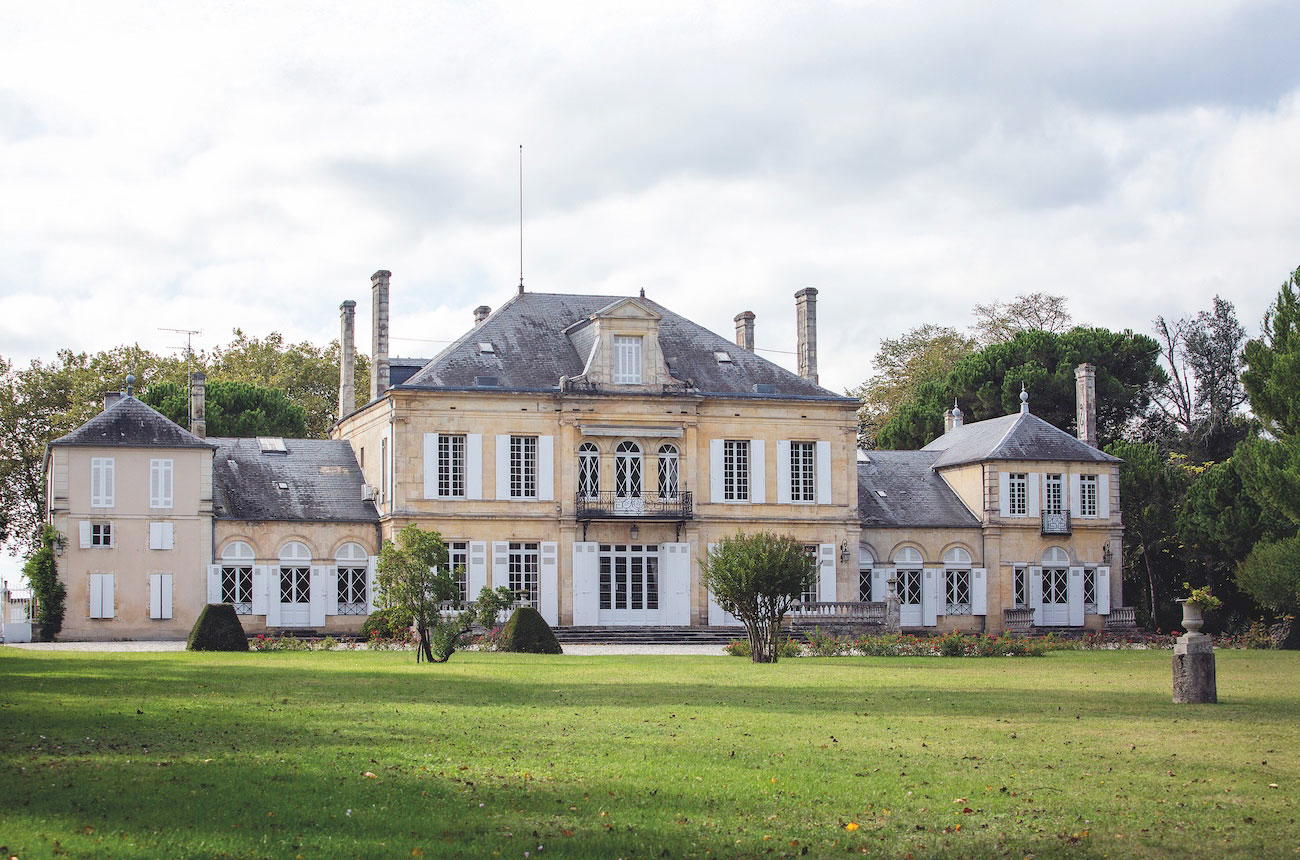
Château Batailley holds a 1855 fifth-growth classification and 63 hectares of Günz gravel — yet prices a fraction of its Pauillac neighbours.
Château Batailley holds a 1855 fifth-growth classification and 63 hectares of Günz gravel — yet prices a fraction of its Pauillac neighbours.
There is a bottle of fifth-growth Pauillac that most Bordeaux collectors walk past at the négociant. It sits in the same 1855 classification tier as estates whose en primeur releases now require a waiting list and a telephone relationship with a courtier. Its vineyards sit on the same ancient Günz gravel plateau, its Cabernet Sauvignon drawn from the same appellation that produces three of Bordeaux's five first growths. Yet Château Batailley, owned by the Castéja family since 1961 and run today by Frédéric Castéja alongside his father Philippe, has made a deliberate choice to stay out of that conversation. No tasting room. No polished press campaign. No soaring release prices. Just 63 hectares of structured, long-ageing Pauillac and, as Frédéric puts it plainly: 'We don't shout, we're not flashy. That's not our style.'
Pauillac is Bordeaux's most concentrated appellation for classified-growth estates, and its pricing reflects that. Châteaux Pichon Baron, Lynch-Bages, and Pontet-Canet have all seen their secondary-market valuations climb sharply over the past two decades, driven by critical scores, cellar-door investment, and the kind of brand-building that turns wine into a luxury object. Château Batailley has watched all of this from the flat plateau it shares with its neighbours and kept its own counsel.
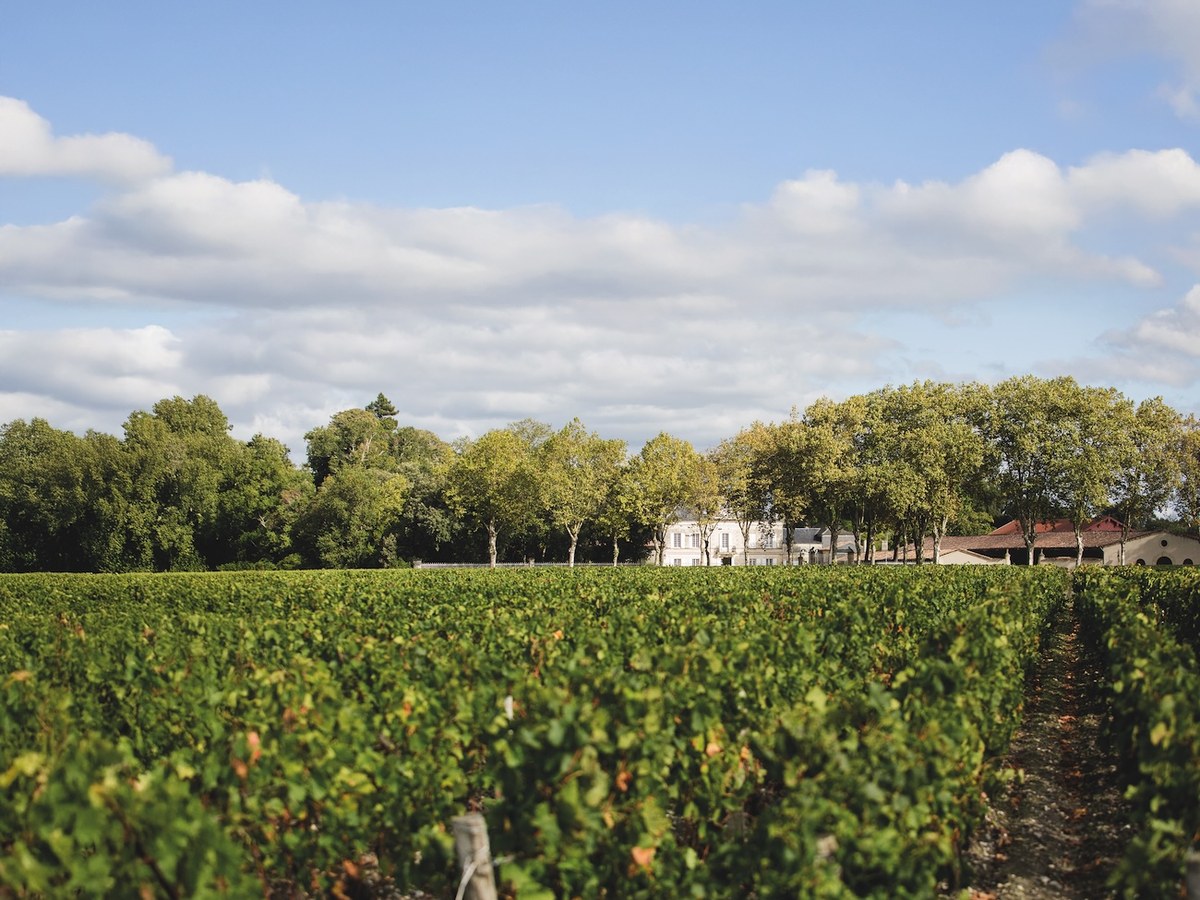
The 1855 classification placed Batailley among the fifth growths, the same official tier that collectors treat as a gateway to serious Médoc Cabernet.
That classification was earned, in large part, by the work of Daniel Guestier, who bought the estate in 1816 and spent the following decades expanding the vineyards, upgrading facilities, and lifting quality to the point where the 1855 jury had little choice but to include it.
The estate's history runs deeper still: vines have been cultivated here since the 17th century, on land whose name references the 1453 Battle of Castillon, the decisive engagement in which French forces reclaimed Gascony from the English and, incidentally, secured the future of Bordeaux as a French wine region rather than an English one.
Documented ownership begins with the Saint-Martin family of Pauillac in the 18th century, passing to merchant Guillaume Pécholier in 1791, then to Guestier in 1816, and through subsequent owners including Guestier's son and banker Constant Halphen before the Castéja family acquired it in 1961.
What the Castéjas have built since is not a trophy estate but something more useful: a reliable, classically structured Pauillac with a long drinking window, released at prices that reward patience without demanding speculation. For collectors who know their appellation, that combination is not easy to find.
The Borie-Manoux group, the Castéja family's négociant and estate business, spans Left and Right Bank properties alongside a sizeable distribution operation. That vertical integration matters: it gives Batailley a degree of control over how its wines reach the market that most classified estates, dependent on the Place de Bordeaux's layered system of courtiers and négociants, do not have. The result is pricing that can remain genuinely accessible while still reflecting the appellation's standing.
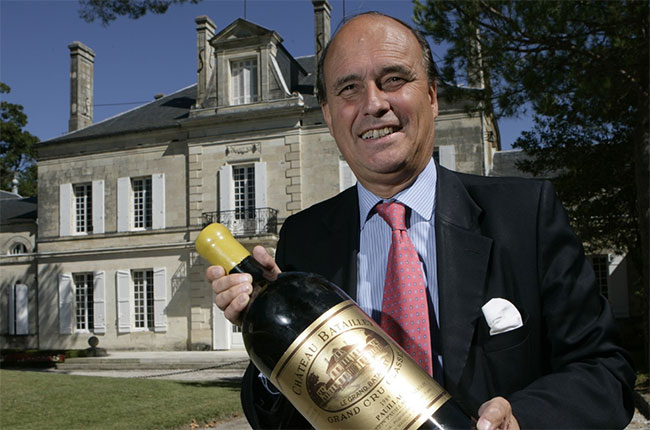
Frédéric Castéja oversees the broader business alongside his father Philippe, and the philosophy he articulates is consistent across every aspect of the operation. There are no tourist facilities at Batailley, no château visit programme, no tasting-room experience designed to convert a passing visitor into a case buyer. The wines are expected to do that work themselves. It is an approach that requires confidence in the product and a willingness to forgo the brand-awareness dividend that comes from hospitality investment. In Pauillac, where some estates have built visitor centres that rival small hotels, it is a conspicuous choice.
That restraint extends to how the estate talks about its own sustainability work, which is, looking at the specifics, more advanced than the marketing would suggest. No herbicides are used across the vineyards.
Vineyard treatments have followed biodynamic moon cycles since 2005 on the Right Bank properties within the Borie-Manoux portfolio and since 2010 on the Left Bank, including Batailley itself. Five hectares, half of a plot shared with sister property Château Lynch-Moussas, have been under organic trial since 2016.
And yet Batailley does not carry an organic certification, and Frédéric Castéja is direct about why: the Atlantic climate that gives Pauillac its freshness also brings the humidity that makes organic viticulture genuinely difficult. Certification, in this reading, would be a marketing claim purchased at agronomic risk.
The family's fully certified organic 75-hectare Provence estate, Château Bas, acquired in 2020, shows that the Castéjas understand what organic certification requires and have chosen not to pursue it in Pauillac for reasons of viticultural realism rather than indifference. That distinction matters for collectors who are tracking sustainability credentials alongside quality.
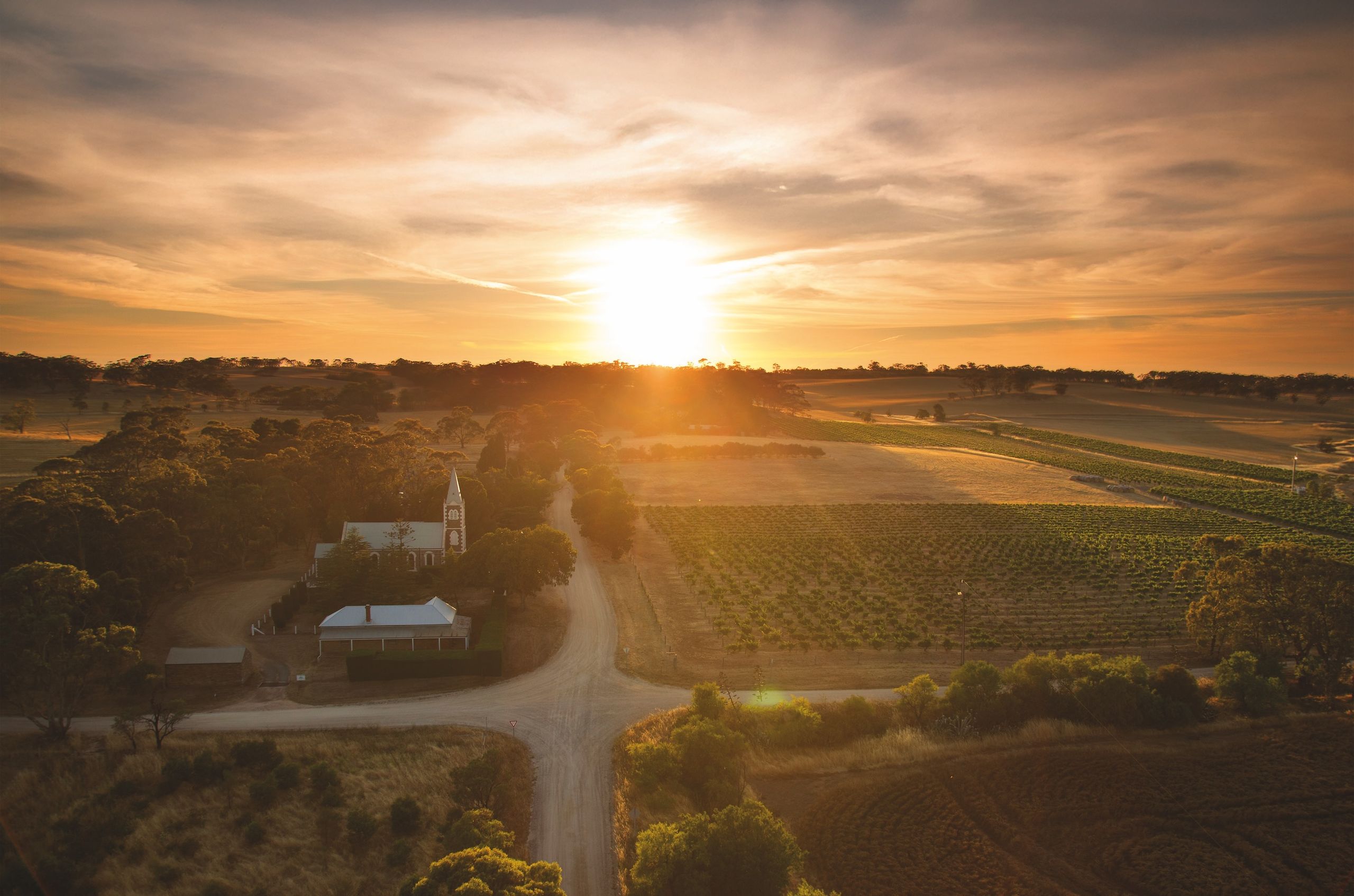
The 63 hectares of Château Batailley sit mostly on the flat Pauillac plateau, flat enough, Frédéric notes, that tractors can travel a kilometre without turning. That topography might sound unromantic compared to the slopes of Saint-Émilion or the gentle rises of Margaux, but in Pauillac the drama is underground.
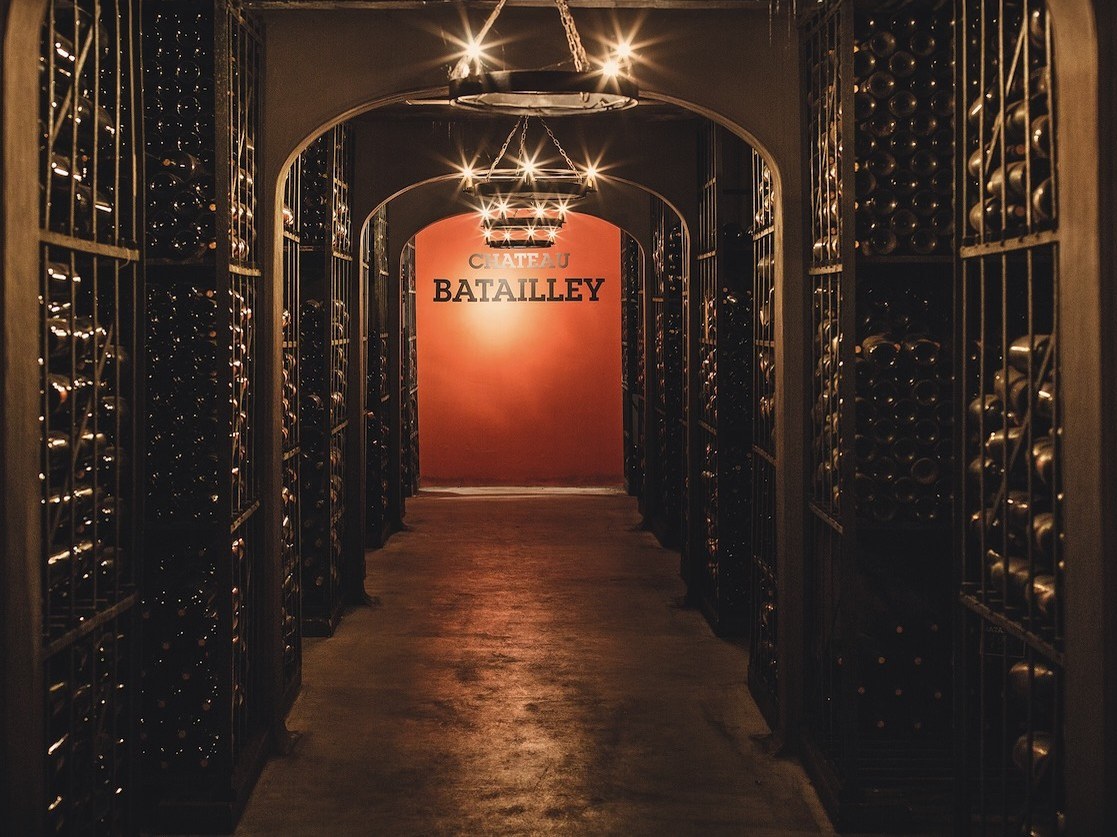
The soils here are deep, ancient Günz gravel, blended with silica and sand, among the oldest and most free-draining in the Médoc.
Günz gravels date to one of the earliest Quaternary glaciations, which means the stones have been sorted, rounded, and deposited over hundreds of thousands of years into the kind of well-drained, heat-retaining substrate that Cabernet Sauvignon uses to produce its most structured expressions.
Plantings at Batailley follow the classic Pauillac formula: 70% to 80% Cabernet Sauvignon, with Merlot making up most of the balance and Petit Verdot and Cabernet Franc together accounting for between 1% and 4%. Frédéric notes that the estate has always maintained all four varieties, a decision that feeds directly into the architecture of both wines.
The Cabernet Sauvignon provides the backbone: the firm tannins, the blackcurrant and cedar character, the structural tension that allows the wine to age for a decade or more without losing its shape. The Merlot softens the mid-palate. The Petit Verdot and Cabernet Franc add aromatic complexity and colour depth at the margins.
Yields average 45 to 50 hectolitres per hectare in normal years, dropping to around 30 hectolitres per hectare in challenging vintages affected by adverse weather. That range reflects both the estate's commitment to quality and the realities of farming in a maritime climate. Replanting follows a disciplined programme: parcels more than 50 years old are targeted, with fallow periods of three to four years between pulling old vines and replanting. That patience, allowing the soil to recover before asking it to produce again, is not universal in Bordeaux, where the pressure to maintain production can shorten rest periods.
Biodiversity across the estate benefits from a natural buffer that few Pauillac properties can match: the 200 hectares or more of forests surrounding sister property Château Lynch-Moussas represent one of the largest wooded reserves in the appellation and the neighbouring commune of Saint-Julien. That canopy of woodland moderates temperature, supports insect populations, and creates the kind of ecological continuity that formal organic programmes try to engineer through management protocols. At Batailley and Lynch-Moussas, it exists as a geographical fact.
Château Batailley's grand vin is a Pauillac built for the cellar. The Cabernet Sauvignon-dominant blend, drawn from the estate's oldest and best-positioned parcels on those deep Günz gravels, produces a wine with the firm tannic structure and dark fruit concentration that defines the appellation at its most classical. The blackcurrant, cedar, and cigar-box character that collectors associate with mature Left Bank Cabernet develops over years rather than months; this is not a wine designed for immediate gratification, and the estate does not pretend otherwise.
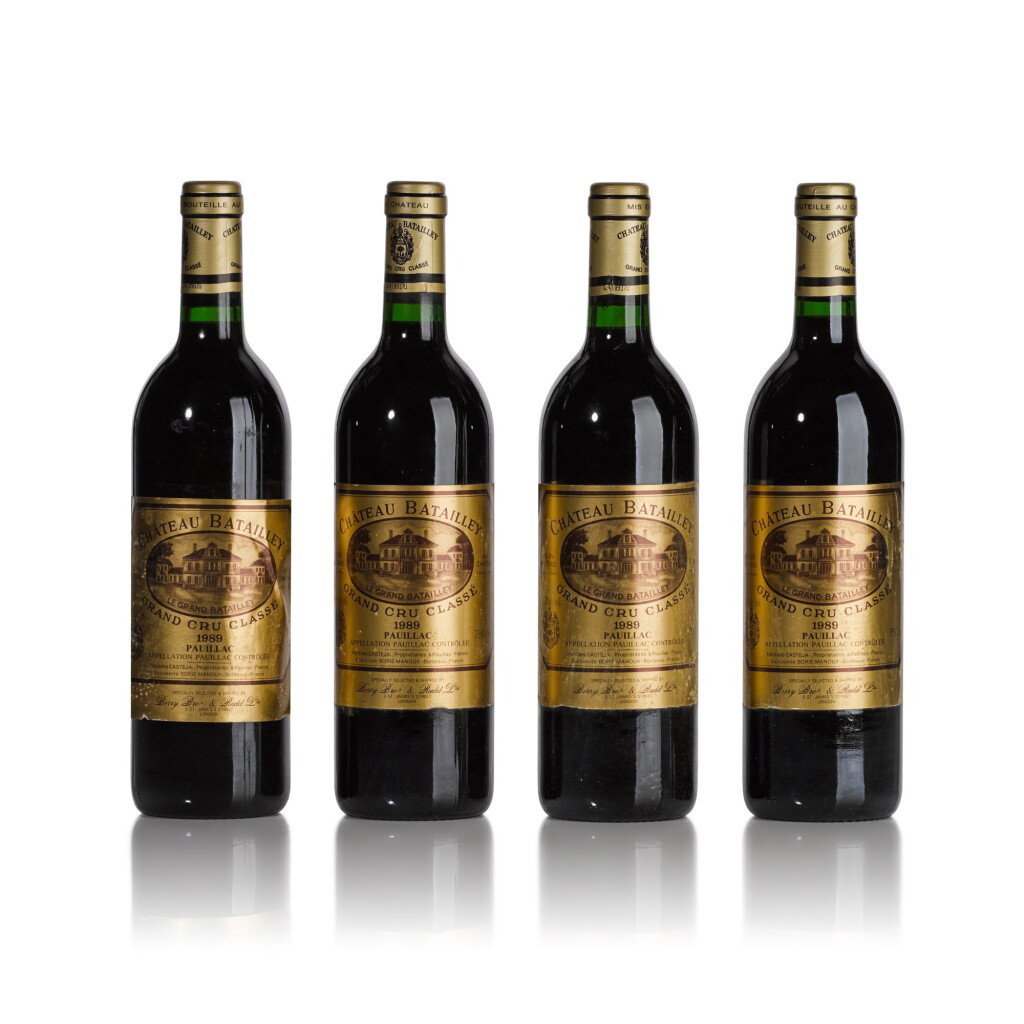
Recent Bordeaux vintages have given Batailley strong raw material to work with. The 2018, 2019, and 2020 vintages are often treated as a trio of high-quality years across the Médoc, warm, dry growing seasons that produced concentrated fruit with natural freshness. For a Cabernet Sauvignon-dominant estate with the soil depth to retain acidity through warm years, those conditions translate directly into wines with the balance to age well. Collectors buying Batailley from those vintages are acquiring classified Pauillac at a price point that reflects the estate's low profile rather than the quality of the underlying material.
Lions de Batailley, the second wine, is sourced from the younger vines of the estate. Frédéric Castéja is clear that the second wine's existence is not simply a commercial decision but a quality one: by directing younger-vine fruit into a separate cuvée, the grand vin maintains the concentration and structural consistency that a classified Pauillac demands.
Lions de Batailley offers an earlier drinking window, the tannins are less imposing, the fruit more immediately accessible, while retaining the estate's signature character. For collectors who want to understand Batailley's house style without committing to the patience required by the grand vin, it is the natural entry point.
The estate's distribution model, running through the Borie-Manoux négociant operation, means that en primeur releases are priced with a degree of discipline that the open market might not otherwise impose. Wines with long drinking windows and reliable quality trajectories, released at prices that reflect the estate's deliberate positioning rather than speculative demand, are exactly what the en primeur system was designed to offer collectors. Batailley uses that system as it was intended.
The sustainability story at Château Batailley is one of incremental, evidence-based progress rather than headline-grabbing conversion. The elimination of herbicides across the vineyards is the baseline: without chemical weed suppression, the soil biology recovers, earthworm populations return, and the vine roots are encouraged to push deeper into the gravel profile in search of water and nutrients. That deeper rooting is not incidental, it is part of what gives Pauillac Cabernet its structural complexity and its capacity to age.
The adoption of biodynamic moon-cycle timing for vineyard treatments, since 2005 for the Right Bank properties in the Borie-Manoux portfolio and since 2010 at Batailley and the Left Bank estates, reflects a willingness to incorporate practices from outside the conventional viticultural toolkit without committing to the full biodynamic certification framework. The Castéjas are not ideologues. They are pragmatists who have looked at the evidence from their own vineyards and from Château Bas, their certified organic Provence estate, and drawn conclusions about what works in each context.
The five-hectare organic trial, half of a shared plot with Château Lynch-Moussas, running since 2016, is one concrete expression of that pragmatism. It is large enough to generate viticultural data across multiple seasons and vintages, small enough to manage the risk if Bordeaux's humid Atlantic climate produces the kind of pressure years that make organic viticulture genuinely difficult. The trial informs the broader estate management without exposing the whole 63 hectares to the agronomic vulnerability that full organic conversion would entail in this climate.
What the Castéjas have built is a sustainability programme calibrated to Pauillac's specific conditions rather than to a certification body's requirements. That approach will not generate the marketing traction of a Demeter or Ecocert logo on the label. It will, over time, produce healthier soils, more complex wines, and a vineyard ecosystem better equipped to handle the climate pressures that every Bordeaux estate is now managing. For collectors tracking the long-term trajectory of an estate, that kind of quiet, unglamorous progress is more instructive than a certification acquired in a single conversion year.
The case for Château Batailley in a serious Bordeaux cellar rests on a direct set of facts. It holds a 1855 fifth-growth classification, the same official recognition that underpins the secondary-market valuations of estates whose prices have moved well beyond what most collectors can justify for regular drinking.
Its vineyards sit on some of the deepest Günz gravel in Pauillac, producing Cabernet Sauvignon with the structural integrity to age for fifteen years or more in a good vintage.
It is owned and distributed by a family that has controlled the estate for over six decades and has no apparent interest in monetising its brand through price escalation or hospitality revenue.
Pauillac as an appellation carries weight that no amount of marketing can manufacture. It is the commune that contains Châteaux Lafite Rothschild, Latour, and Mouton Rothschild, three of Bordeaux's five first growths, alongside a concentration of classified estates that makes it one consistently high-performing address in the Médoc.
When collectors buy Château Batailley Pauillac, they are buying into that appellation's terroir and classification history, not just a producer's reputation.
The gravel soils, the Atlantic climate moderated by the Gironde estuary, the long growing season, these are shared characteristics across Pauillac, not proprietary advantages of particularly expensive estates.
The history of Bordeaux collecting includes repeated cycles in which under-the-radar classified estates attract attention from buyers who recognise the gap between price and pedigree.
Batailley's combination of fifth-growth classification, Günz gravel terroir, herbicide-free viticulture, and a family ownership structure that prioritises long-term quality over short-term price maximisation places it in the category of estates that reward early attention.
The wines from the 2018, 2019, and 2020 vintages, three of particularly consistent recent years across the Médoc, are currently in their early ageing phase, which is precisely when classified Bordeaux offers the compelling window into a cellar position.
Frédéric Castéja's summary of the estate's philosophy, 'We don't shout, we're not flashy. That's not our style', is not false modesty. It is an accurate description of an estate that has spent sixty years building quality without building a brand, and that now finds itself offering classified Pauillac to collectors who are paying for the wine rather than the story around it. In a region where the story has become increasingly expensive, that is a meaningful distinction. The wines are in the cellar. The soils are the same Günz gravel they have always been. The classification has not changed since 1855. What changes, eventually, is the price, and at Batailley, that moment has not yet arrived.
Get the App
Take the shortlist into the En Primeur Club app for concierge access, saved places, and the next step after discovery.
Get Exclusive AccessMore from the editors