← Guides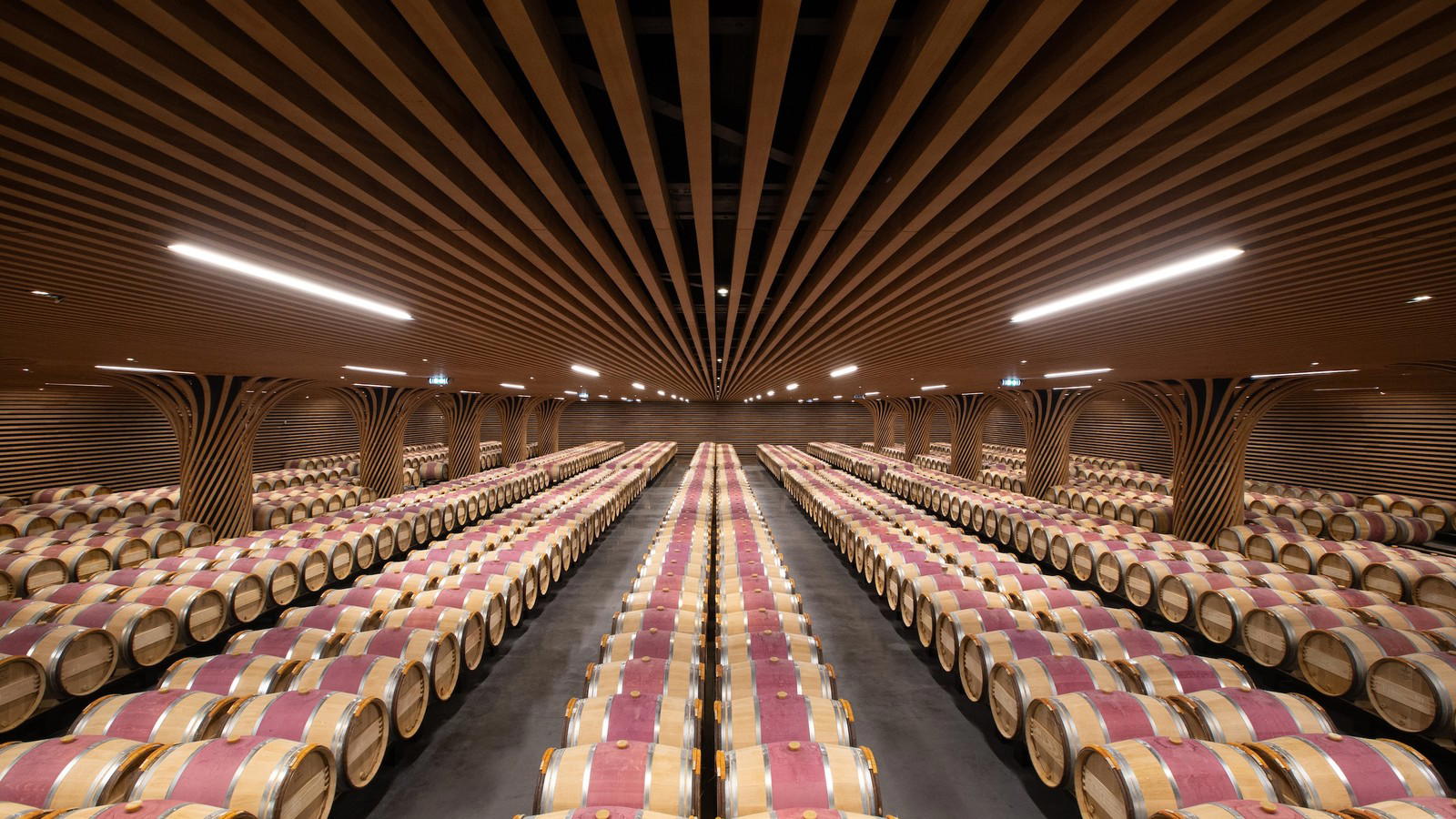
Plan Bordeaux wine tasting hotels, château appointments, en primeur access, and dining reservations before a collector-focused trip.
Plan Bordeaux wine tasting hotels, château appointments, en primeur access, and dining reservations before a collector-focused trip.
April's en primeur campaign is the clearest annual opening for serious Bordeaux château access. The Médoc's classified growths are harder to enter than many first-time visitors expect, and Bordeaux's best tables book out weeks ahead. Plan for spring, typically April, when négociants, merchants, and trade visitors fill the Médoc and Saint-Émilion, and many estates briefly open their doors. Outside that window, direct château visits require advance appointments.
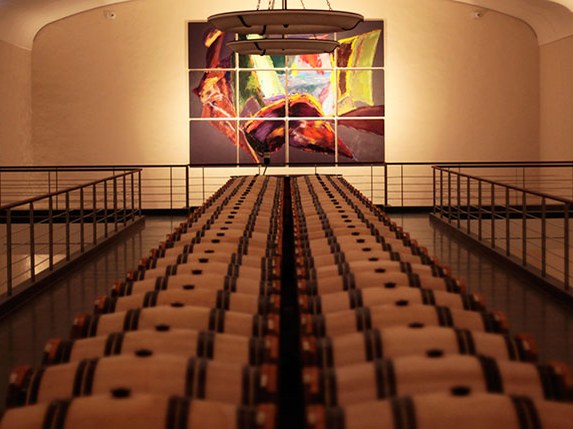
A strong Bordeaux tasting trip moves between the Médoc's gravel ridges and Saint-Émilion's limestone slopes. On the Left Bank, a morning at a classified growth, say, Château Léoville-Barton in Saint-Julien, can mean tasting barrel samples in a working chai, with concrete tanks through the door and new oak in the air. The wines are not finished; you are tasting potential.
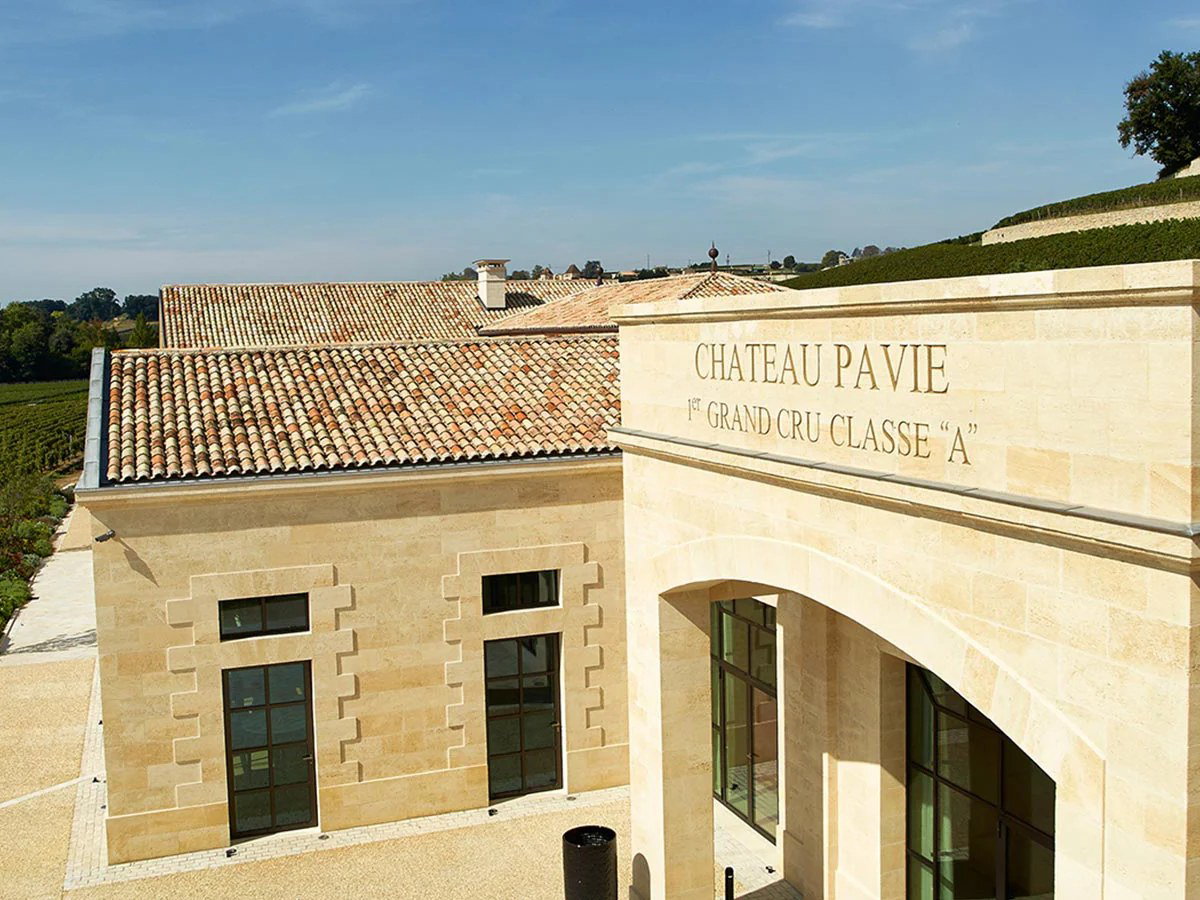
Saint-Émilion feels different. The plateau's limestone and clay-rich slopes produce Merlot-dominant blends with a rounder texture, and estates like Château Canon or Château Pavie sit within walking distance of the medieval village. A tasting here often ends with a glass on a terrace overlooking the Dordogne valley, where the appellation's UNESCO World Heritage status feels tangible.
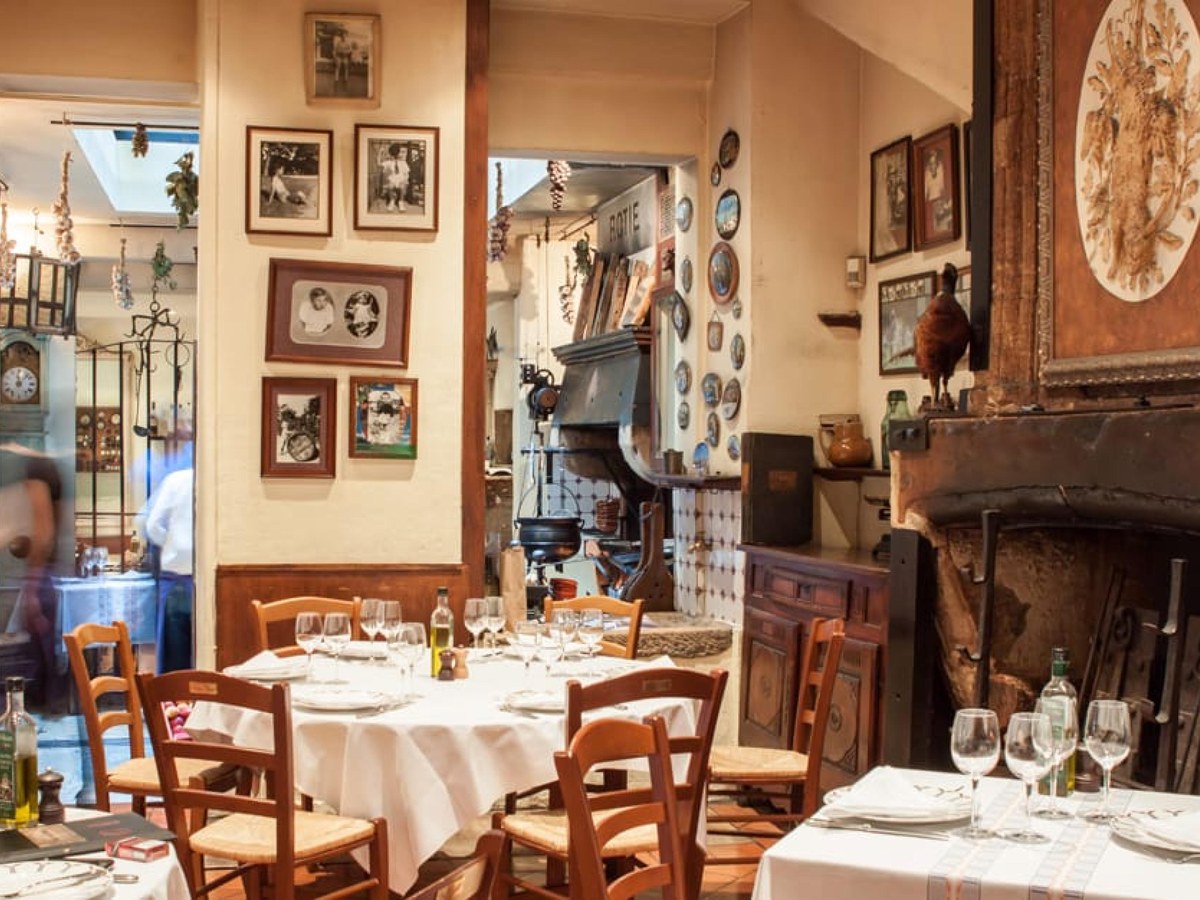
In Bordeaux city, Le Pressoir d'Argent at the InterContinental Grand Hôtel de Bordeaux holds two Michelin stars and pairs its menu with a wine list deep in older Bordeaux vintages, including the 2009s and 2010s now entering their drinking windows. For something less ceremonial, La Tupina on the Rue Porte de la Monnaie has fed Bordeaux's wine trade for decades with duck confit, wood-fired lamb, and a cellar list leaning toward Graves and Pessac-Léognan.
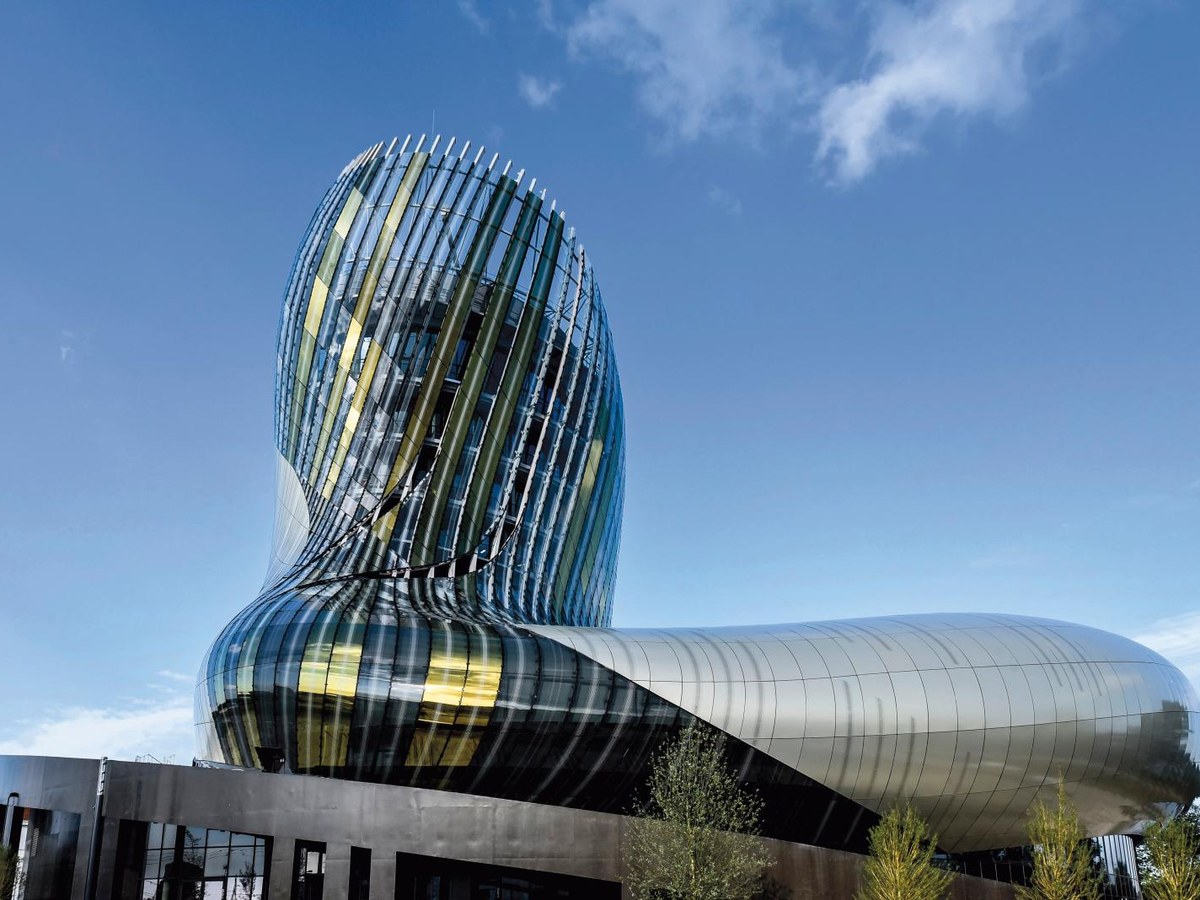
La Grande Maison de Bernard Magrez, where Pierre Gagnaire was the chef,1 closed in 2020. Shape your days simply: mornings in the vineyards, with appointments confirmed weeks ahead, afternoons in Chartrons wine bars and négociant houses on the Quai des Chartrons, evenings at table. The Chartrons district, once the 18th-century commercial engine of the Bordeaux wine trade for Dutch and Irish merchants, now houses wine merchants, tasting rooms, and the Cité du Vin museum, whose eighth-floor panoramic tasting bar looks across the Garonne.
The classified growths of the Médoc, the 1855 classification's 61 châteaux, from Mouton Rothschild down to the fifth growths, are working estates, not visitor attractions. Most do not run public tasting rooms. Négociants, wine merchants with established trade relationships, and estate export directors manage access. If you are a private collector without a trade connection, start with your merchant before cold-emailing estates.
The en primeur campaign, held each spring after the harvest, is the one moment when the system briefly opens. Estates host trade tastings, and some extend invitations to private clients of major Bordeaux négociants such as CVBG, Millésima, or Duclot. If you buy regularly through a négociant or a UK or US merchant with Bordeaux connections, that relationship is your most direct route to a château appointment during campaign week.
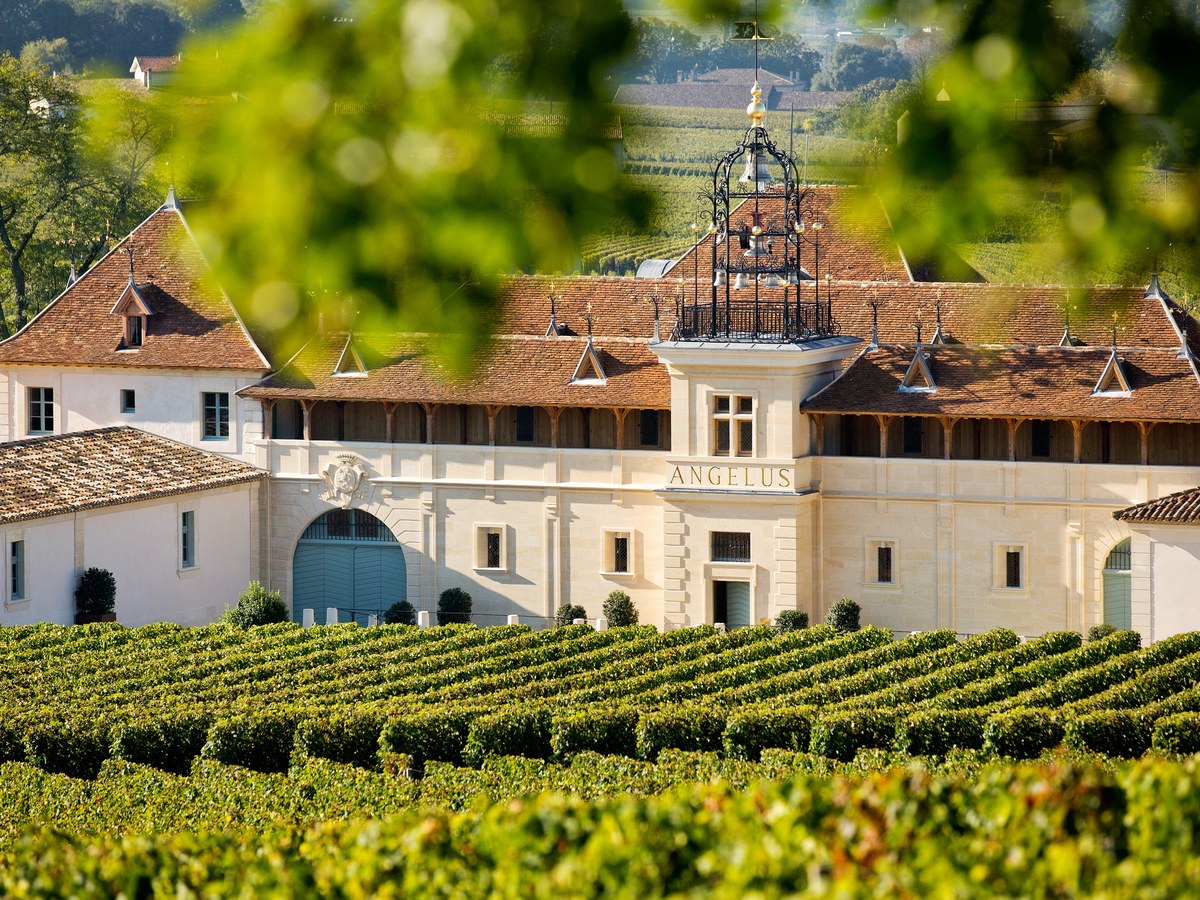
Saint-Émilion and Pomerol are more accessible. Smaller estates, especially those outside the grand cru classé tier, often welcome visitors by appointment with a week or two of notice. Pomerol's Château Clinet or Saint-Émilion's Château Angélus have visitor programs, though the latter's Grand Cru Classé history keeps appointment demand high.
For en primeur access, build the trip around the first two weeks of April, then confirm each château and restaurant before you lock flights. Outside campaign season, appointments usually require direct email to the estate's communications or export team with at least two to four weeks' notice. During en primeur week, dates shift year to year but generally fall in the first two weeks of April, when estates are most accessible to trade and serious private visitors, and the city's hotels and restaurants face greater pressure.
For Bordeaux's top dining rooms, confirm reservation windows directly with each restaurant before planning around a specific date. Le Pressoir d'Argent operates a reservation system; call or email the restaurant directly, or use its booking platform if listed on its website. La Grande Maison de Bernard Magrez1 closed in 2020.
The Cité du Vin, Bordeaux's wine museum on the banks of the Garonne, works differently: it operates as a public attraction with ticketed entry and does not require advance booking for general admission, though guided cellar experiences and private tasting events book ahead.
For a private visitor, the right route depends on whether you already buy Bordeaux, how much control you want, and how much planning time you have. Match the channel to your cellar: merchant relationship for classified growths, direct château email for Saint-Émilion and Graves, or a specialist operator if you want the itinerary arranged before arrival.
1. Your wine merchant or négociant. If you buy Bordeaux en primeur through a UK merchant, Berry Bros. & Rudd, Justerini & Brooks, Farr Vintners, or a US importer with Bordeaux allocations, ask them directly. Established clients are sometimes included in trade tastings or introduced to an estate's export contact. This is the channel that opens doors the others cannot.
2. Direct email to the château. For estates outside a leading classified growths, a polite, specific email, naming the wines you know, the dates you're visiting, and the number in your party, works more often than collectors expect. Estates in Saint-Émilion and the Graves are particularly responsive. The Syndicat Viticole de Saint-Émilion maintains a directory of estates that welcome visitors, making its website a practical starting point.
3. Bordeaux wine tourism operators. Companies like Bordeaux Wine Tours or Context Travel run small-group and private itineraries with pre-arranged château access. The trade-off is cost and less control over curation; the benefit is that the access problem is solved for you.
4. The Cité du Vin. For visitors without trade connections, the Cité du Vin on the Quai de Bacalan offers a serious introduction to Bordeaux's appellations, a permanent collection covering global wine history, and a tasting bar with rotating regional pours. It is not a château visit, but it is a useful anchor for a first trip.
The expensive, immediate route is to book a private guided itinerary through a specialist operator, stay at a château hotel, and dine at Le Pressoir d'Argent or another currently operating fine-dining restaurant. Château Cordeillan-Bages in Pauillac puts you inside the Médoc's geography from the first morning. You are paying for access that has already been arranged, but treat any figure for a private itinerary with château visits and fine dining as an estimate until confirmed directly with the operator.
The patient route is to build a relationship with a Bordeaux négociant or a merchant who allocates en primeur. Buy a case of a second wine, Carruades de Lafite, Les Forts de Latour, Le Petit Mouton, each year. After two or three vintages, you have a purchase history that opens a conversation. This costs less per year but takes time to compound. The allocation list for the grand vins of the first growths is effectively closed to new private buyers without a trade intermediary; the second wines are the entry point.
A Bordeaux tasting trip rewards collectors who already know the appellations on paper and want to close the gap between label and landscape. Standing on the gravel of the Pauillac plateau, looking across to the Gironde estuary, makes the drainage logic of the Médoc's terroir immediate. If you have been buying Bordeaux en primeur for several years and have never visited, the trip is overdue.
It is less suited to visitors who want spontaneous access. Bordeaux does not have the walk-in tasting room culture of, say, Napa Valley or the Willamette Valley. The city itself is worth visiting for its 18th-century architecture, Chartrons wine bars, and the Marché des Capucins, but the vineyard experience requires planning.
The ideal occasion is a dedicated wine trip timed to the spring en primeur window or the harvest period in September and October, when the estates are active and the landscape is at its most legible. Neither season runs on a fixed, published visit calendar; confirm directly with each estate or your merchant before committing to dates.
If château appointments do not materialise, build the trip around Bordeaux wine tasting hotels, Chartrons wine bars, and Saint-Émilion village. These alternatives keep you close to the appellations even without a classified-growth appointment.
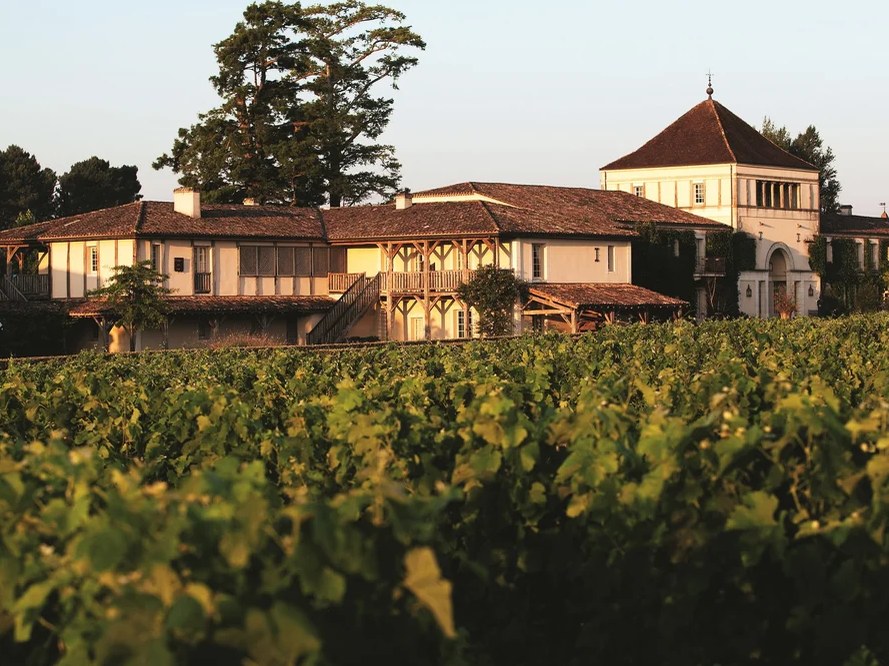
Château Cordeillan-Bages, Pauillac. This Relais & Châteaux property inside the Médoc is attached to a Michelin-starred restaurant. Staying here puts you in the appellation without needing a château appointment; the hotel's cellar and the surrounding village of Bages, home to the Café Lavinal and the Lynch-Bages estate, provide the immersion.
Les Sources de Caudalie, Martillac. This vineyard hotel and spa sits on the Smith Haut Lafitte estate in Pessac-Léognan. The property includes La Grand'Vigne, a two-Michelin-starred restaurant, and direct access to the estate's barrel cellar. The Pessac-Léognan appellation, Cabernet Sauvignon and Merlot on gravel and sand over clay, is undervisited relative to the Médoc and worth the detour.
The Chartrons wine bars, Bordeaux city. Bar à Vin, run by the Conseil Interprofessionnel du Vin de Bordeaux (CIVB) on the Cours du 30 Juillet, offers pours from across the appellation at accessible prices. It is one efficient way to taste broadly across the region without leaving the city.
Saint-Émilion village. The village is walkable, and several négociant houses and smaller estates offer drop-in tastings. Maison du Vin de Saint-Émilion on the Place Pierre Meyrat is the practical first stop for orientation and a list of estates currently accepting visitors.
| Route | Access Level | Lead Time | Approximate Cost | How to Book |
|---|---|---|---|---|
| Via wine merchant / négociant relationship | Classified growths possible | Months (relationship-dependent) | Ongoing purchase history required | Through your merchant's client services |
| Direct email to château | Saint-Émilion / Graves estates | 2 to 4 weeks minimum | Often free or nominal tasting fee | Estate website contact page |
| Private wine tour operator | Pre-arranged, varies by operator | Weeks to months | N/A, confirm directly with operator | Operator website; confirm itinerary in advance |
| Château hotel (Cordeillan-Bages / Caudalie) | Estate access included | Weeks (hotel reservation) | Luxury hotel rates; confirm directly | Hotel's own booking page |
| Cité du Vin / CIVB Bar à Vin | Public, no appointment | None | Ticketed entry / per-glass pricing | Walk-in or online ticket |
Bordeaux rewards the visitor who arrives with confirmed appointments and a clear sense of which appellations they want to understand. The access problem is real but solvable: a merchant relationship, direct email, or château hotel stay each opens different doors. What the trip does not offer is spontaneity. The Médoc's classified growths are not set up for walk-in visitors, and the city's best tables require advance planning.
The en primeur window in April remains the moment to visit if château access is the priority. Outside that window, Saint-Émilion and Pessac-Léognan are more visitor-friendly, and Bordeaux city, the Chartrons, the Marché des Capucins, the CIVB's Bar à Vin, offers a serious wine education without a single appointment. With La Grande Maison de Bernard Magrez having closed in 2020, the city's dining landscape has shifted. If Bordeaux has been sitting on your list, start with April, your merchant, and one or two confirmed château appointments.1
For the Médoc's top classified growths, a trade connection or merchant introduction is one reliable route. Without one, direct email to the estate's communications team, with specific dates, party size, and a note on which wines you know, works for some estates, particularly in Saint-Émilion and the Graves. The Médoc's first and second growths rarely accept cold visitor requests. The Syndicat Viticole de Saint-Émilion maintains a directory of estates that welcome private visitors and is a practical starting point.
The en primeur campaign in April, with dates shifting year to year, is when particularly estates are open to visitors and barrel samples of the latest vintage are available. Confirm timing with your merchant or the CIVB. Harvest in September and October is one atmospheric time to visit, with the vineyards active, though château access during harvest is typically restricted to trade. Spring and early autumn are both preferable to summer, when many estates reduce visitor hours.
General admission to the Cité du Vin does not require advance booking; it operates as a public ticketed attraction. Guided experiences, private tastings, and special events within the museum do book ahead; check the Cité du Vin's website directly for current availability and pricing on those formats.
Château Cordeillan-Bages in Pauillac (a Relais & Châteaux property with a Michelin-starred restaurant) and Les Sources de Caudalie in Martillac (on the Smith Haut Lafitte estate in Pessac-Léognan, also with a two-Michelin-starred restaurant, La Grand'Vigne) are the two properties that combine luxury accommodation with direct estate access. Both require hotel reservations made well in advance, particularly during en primeur season; confirm availability and rates directly with each property.
Le Pressoir d'Argent operates a reservation system. The safest approach is to contact the restaurant directly, by phone or email, as soon as your travel dates are confirmed, and to ask specifically about availability and any deposit requirements. During en primeur week, demand from trade visitors is high; plan further ahead than you think necessary. La Grande Maison de Bernard Magrez closed in 2020.
Get the App
Take the shortlist into the En Primeur Club app for concierge access, saved places, and the next step after discovery.
Get Exclusive AccessMore from the editors