← Guides
Charles Curtis MW's horizontal tasting of 24 top wines reveals 2009 Bordeaux at 17 years, still youthful, voluptuous, and echoing 1982's hedonistic appeal with decades of aging potential ahead.
Charles Curtis MW's horizontal tasting of 24 top wines reveals 2009 Bordeaux at 17 years, still youthful, voluptuous, and echoing 1982's hedonistic appeal with decades of aging potential ahead.
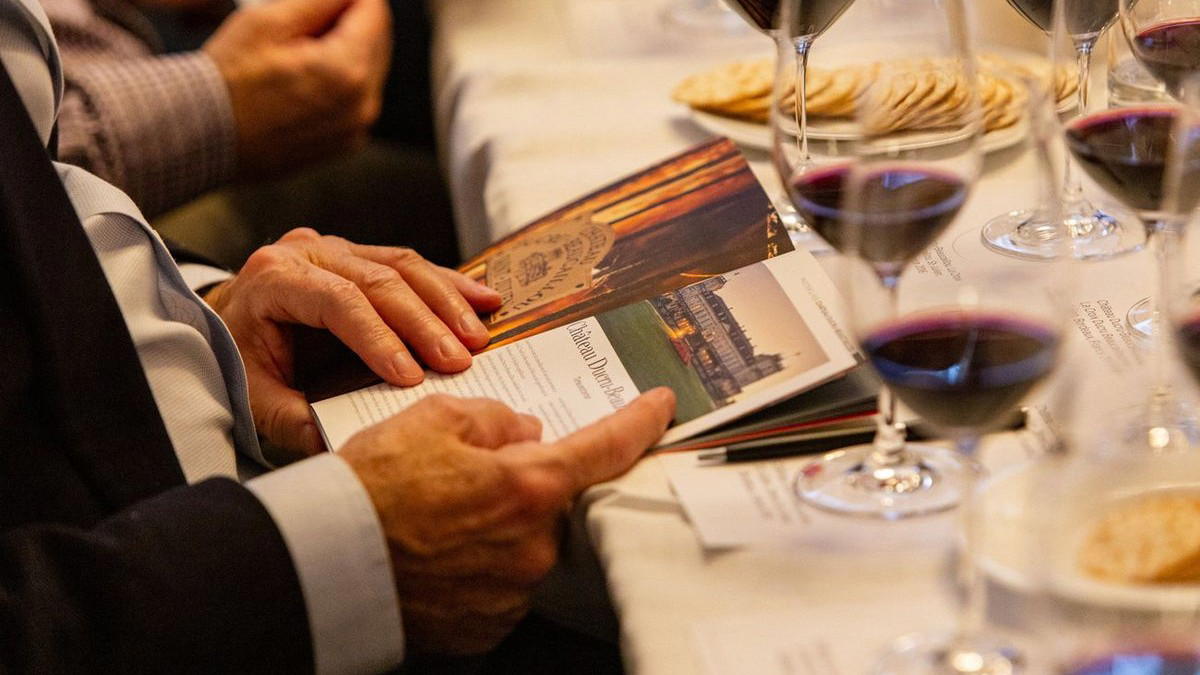
Charles Curtis MW tasted 24 top wines from the 2009 Bordeaux vintage at a recent tasting in Atlanta, which showed that most of these wines are still in their first blush of youth.
A recent tasting in Atlanta showed the 2009s still in their first blush of youth, delivering the joyful, expressive character that Michael Davis, principal at Hart Davis Hart auction house in the US, captured when he called the vintage 'joyful and expressive.'
The 2009 Bordeaux vintage has lost none of its power to charm. Curtis MW's vertical tasting, spanning more than two dozen wines from the Left Bank and Right Bank, revealed voluptuous, accessible wines with abundant extract, lots of tannin yet no astringency, and a sweet, ripe character to the fruit. These are wines that offer immediate pleasure but are built to last for decades. For collectors navigating the Bordeaux vintage hierarchy, 2009 occupies a distinctive position: it delivers the seductive fruit of a warm year without the baked character of 2003 or the monumental, still-tannic structure of 2005.
The 2009 Bordeaux vintage represents a turning point in the wines of Bordeaux, a convergence of warming climate, evolving styles, and collector demand that produced wines of uncommon balance. Curtis MW noted that 2009 resembles the wines from 1982, and he began to think of 2009 as an updated version of 1982, almost a '1982.2.' The comparison is apt: both vintages deliver wines with abundant extract, lots of tannin yet no astringency, enough acidity to give definition but not so much as to make them hard or unyielding, and a sweet, ripe character to the fruit with no sense of it being baked or over-ripe.
For collectors, the 1982 parallel carries weight. The 1982 vintage redefined Bordeaux in the modern era, introducing a generation of wine lovers to the region's hedonistic potential. It was a vintage that could be enjoyed young but aged beautifully, and it established a template for what a great Bordeaux vintage could be in a warming world. The 2009 vintage follows that template but with the benefit of decades of viticultural refinement, better canopy management, more precise picking decisions, and a deeper understanding of how to preserve freshness in ripe fruit.
The Atlanta tasting revealed that most 2009 Bordeaux wines are still in their first blush of youth, and strong will live for decades. This is the kind of vintage that allows collectors to drink a bottle now and cellar the rest, knowing that the wines will continue to evolve. The tannins remain present but integrated, the fruit retains its vibrancy, and the structure suggests that these wines have decades of evolution ahead.
The secret to the seductive nature of the fruit in 2009 is that the vines never shut down during the growing season, as they do in the face of excessive heat or drought. There was just enough water in July and August to keep the vines ripening the fruit throughout the season, and while there were hot days and plenty of sunshine, the grapes did not suffer the excessive heat spikes that they saw in 2000 or 2003. This balance, between warmth and hydration, between sunshine and stress, created the conditions for a vintage that is both ripe and fresh, powerful and elegant.
The year got off to an appropriate start with a cold, wet winter that plunged the vines into dormancy and refilled the water table, ensuring that budbreak didn't start too early. This winter recharge proved critical. In Bordeaux, where vines are often planted on gravelly soils with limited water-holding capacity, the winter rains of 2008-2009 provided a reservoir that sustained the vines through the summer. By the time the growing season began, the vines had access to deep moisture reserves, allowing them to ripen fruit steadily without the stress-induced shutdown that can occur in hot, dry years.
The growing season itself was marked by consistent warmth and sunshine. Unlike 2003, which saw extreme heat spikes that baked the fruit and shut down photosynthesis, 2009 delivered hot days without the kind of sustained, punishing heat that can compromise freshness. The vines ripened fruit throughout the season, accumulating sugars and phenolic maturity in tandem. The result was grapes that arrived at harvest with high physiological ripeness, ripe tannins, and preserved acidity, a combination that translates to wines with both power and balance.
This growing season dynamic, adequate water, consistent warmth, no heat spikes, is what separates 2009 from other warm vintages in Bordeaux's recent history. The 2000 vintage delivered ripe fruit but suffered from heat spikes that created unevenness. The 2003 vintage produced sybaritic, hedonistic wines and was one of the decade's high-calibre vintages. The 2005 vintage, still tannic and not yet ready to drink, offers monumental structure but requires decades of cellaring before it reaches its peak. The 2009 vintage offers stronger examples from all worlds: ripe fruit, accessible tannins, and the structure to age for decades.
Charles Curtis MW's horizontal tasting of 24 top wines provided a snapshot of the 2009 Bordeaux vintage at 17 years. The wines spanned the Left Bank and Right Bank, from the gravelly soils of Pauillac and Margaux to the clay-limestone plateaus of Pomerol and Saint-Émilion. What emerged from the tasting was a portrait of a vintage that remains youthful, expressive, and built for the long haul.
The tasting format, a vertical of top estates, allowed Curtis MW to assess not just individual wines but the vintage as a whole. By tasting wines from multiple appellations and terroirs, he was able to identify the common threads that define 2009: voluptuous fruit, accessible tannins, and a hedonistic character that is nonetheless structured enough to last.
These are wines that offer immediate pleasure, open a bottle tonight and you'll find ripe fruit, integrated tannins, and a sweet, expressive character, but they also reward patience. Cellar them for another decade or two, and the wines will continue to evolve, gaining complexity and nuance as the tannins soften and the fruit develops tertiary notes.
Michael Davis of Hart Davis Hart auction house, who participated in the tasting, described 2009 as 'joyful and expressive.' That characterization captures the vintage's appeal: these are wines that bring pleasure, that invite you to pour another glass, that make you smile. They are not austere or forbidding. They are not wines that require decades of patience before they reveal their character. They are wines that deliver now, and that's a rare quality in a vintage with this kind of aging potential.
The wines are voluptuous, accessible, and hedonistic, yet structured enough to last. That sentence, from Curtis MW's tasting notes, captures the essence of the 2009 Bordeaux vintage. These are wines that seduce with their fruit, that invite you in with their texture, that deliver immediate pleasure without sacrificing structure or aging potential. They are wines that balance power and elegance, ripeness and freshness, hedonism and classicism.
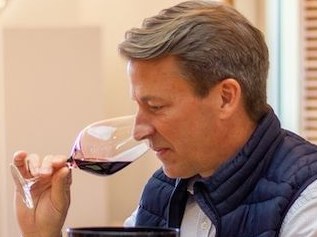
The wines in general have abundant extract; lots of tannin yet no astringency; enough acidity to give definition but not so much as to make them hard or unyielding; and a sweet, ripe character to the fruit with no sense of it being baked or over-ripe.
This is the tasting language of a vintage that hit the sweet spot, ripe enough to deliver pleasure, structured enough to age, fresh enough to maintain balance. The abundant extract gives the wines weight and presence on the palate. The tannins provide structure without astringency, a sign that the grapes were harvested at optimal phenolic ripeness.
The acidity gives the wines definition and lift, preventing them from feeling heavy or flabby. And the sweet, ripe character of the fruit, without any baked or over-ripe notes, signals that the grapes were harvested at the right moment, before the heat could compromise freshness.
This combination of attributes is what makes the 2009 vintage so compelling for collectors. These are not wines that require a decoder ring to appreciate. They are not wines that hide their character behind a wall of tannin or acidity. They are wines that reveal themselves generously, that offer pleasure from the first sip, that make you want to pour another glass. And yet, they are also wines that will reward patience. The tannins are present, the structure is there, and the wines have the balance to age for decades.
The Atlanta tasting revealed that most 2009 Bordeaux wines are still in their first blush of youth, and strong will live for decades. This is the kind of vintage that offers collectors flexibility: you can drink the wines now and enjoy their youthful exuberance, or you can cellar them for decades and watch them evolve into something even more complex and nuanced. The drinking window for 2009 Bordeaux is wide, and that's part of what makes the vintage so appealing.
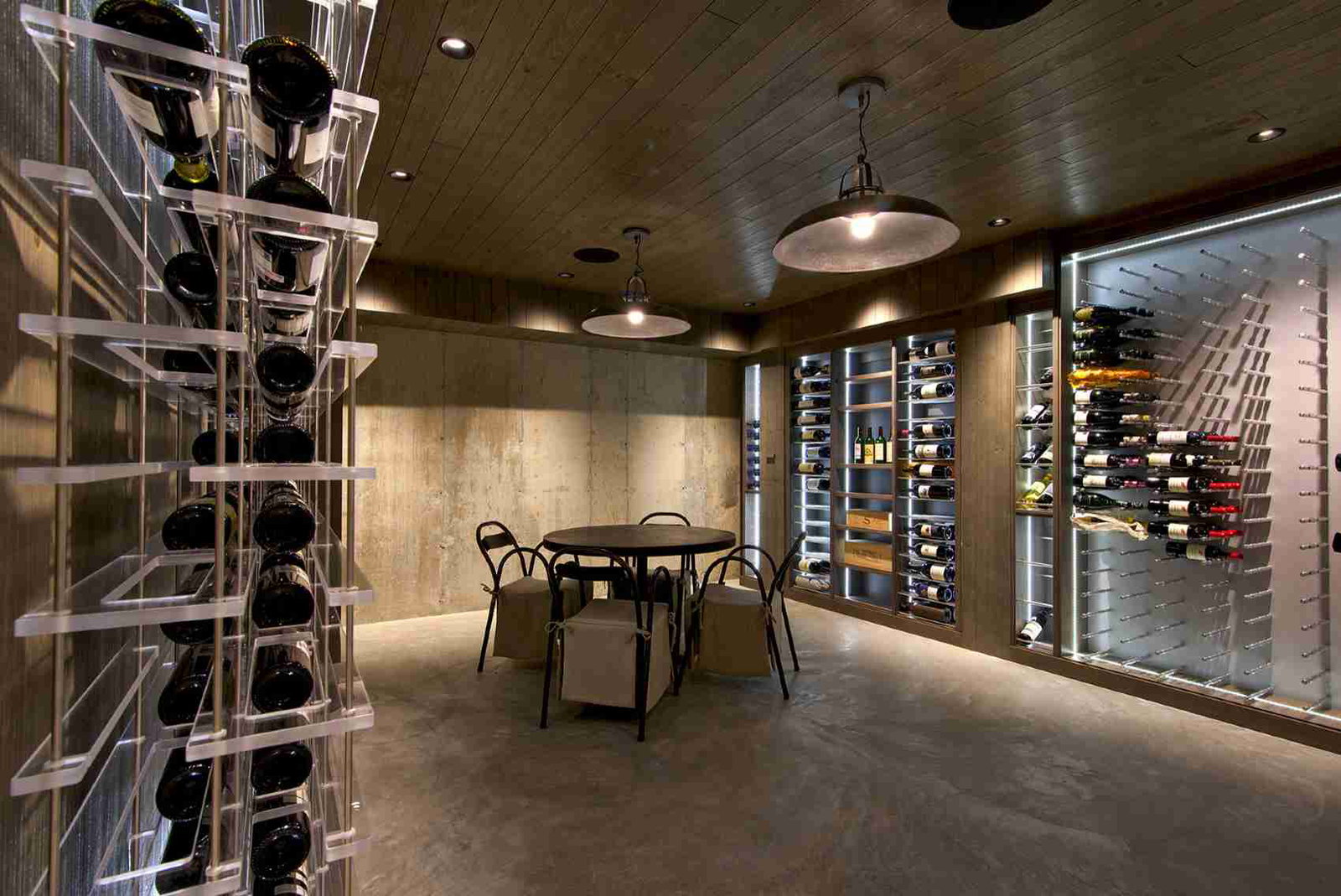
For collectors who are building a cellar, the 2009 vintage offers an opportunity to acquire wines that are drinking well now but will continue to improve. These are not wines that require decades of patience before they reveal their character. They are wines that offer pleasure from the moment you pull the cork, but they also have the structure and balance to age gracefully. If you're planning a dinner party next month, you can open a 2009 Bordeaux and know that it will show well. If you're planning a dinner party in 2040, you can open the same wine and know that it will show even better.
The cellar strategy for 2009 Bordeaux depends on your preferences and your patience. If you prefer your Bordeaux with primary fruit, ripe black currant, plum, and cherry notes, now is a great time to start drinking the wines. The fruit is still lively, the tannins are integrated, and the wines are showing beautifully. If you prefer your Bordeaux with tertiary complexity, notes of tobacco, leather, earth, and dried fruit, cellar the wines for another decade or two. The tannins will continue to soften, the fruit will evolve, and the wines will gain layers of complexity.
The comparison to other vintages in the first decade of the 2000s is instructive. The 2000 vintage, now 24 years old, is drinking beautifully but starting to show its age. The 2003 vintage, with its sybaritic, hedonistic character, peaked early and is now past its prime. The 2005 vintage, still tannic and not yet ready to drink, requires more patience. The 2009 vintage, by contrast, is in the sweet spot: it's drinking well now, but it has decades of life ahead. It's a vintage that offers both immediate pleasure and long-term potential, and that's a rare combination.
There were several high-calibre vintages in the first decade of the new century, beginning with the superb millennial vintage, the almost unbearably hot 2003 that delivered sybaritic delights, the monumental 2005 still tannic and not yet ready to drink, with the charming 2006 and 2008 just behind. There are many wine lovers, however, who would argue that the leading vintage of the decade was 2009. The wines are voluptuous, accessible, and hedonistic, yet structured enough to last.
The 2009 vintage occupies a distinctive position in the Bordeaux vintage hierarchy. It's not especially powerful vintage of the decade, that distinction belongs to 2005. It's not especially hedonistic, that's 2003. It's not especially elegant, that's probably 2006 or 2008. But it's the vintage that best balances all of these qualities: power and elegance, hedonism and structure, accessibility and aging potential. It's a vintage that offers something for everyone, and that's what makes it so compelling.
The '1982.2' designation is more than just a catchy phrase. It's a recognition that 2009 occupies a similar place in the Bordeaux vintage hierarchy as 1982 did a generation earlier. Both vintages delivered wines that were ripe, accessible, and hedonistic, yet structured enough to age for decades. Both vintages offered immediate pleasure without sacrificing long-term potential. Both vintages introduced wine lovers to a style of Bordeaux that was more approachable and less austere than the classic vintages of the mid-20th century. And both vintages reflected the changing climate and evolving styles in Bordeaux.
For collectors who are considering adding 2009 Bordeaux to their cellars, the Atlanta tasting offers practical guidance. These are wines that are drinking well now, so you can buy them with confidence knowing that you won't have to wait decades to enjoy them. They are wines that will continue to improve, so you can cellar them with confidence knowing that they have decades of life ahead. The 2009 Bordeaux vintage has lost none of its power to charm and captivate, and Charles Curtis MW's horizontal tasting of 24 top wines confirmed what collectors suspected at release: this is among the epochal vintages from Bordeaux.
Get the App
Take the shortlist into the En Primeur Club app for concierge access, saved places, and the next step after discovery.
Get Exclusive AccessMore from the editors