Yohei Sushi Restaurant
On Dillingham Boulevard in Honolulu's working-class Kalihi district, Yohei Sushi Restaurant operates at a remove from the tourist circuits of Waikiki and Ala Moana. The address alone signals something closer to a neighborhood institution than a destination restaurant, placing it in a tier of Honolulu sushi that rewards residents who have long known where to look.
Pearl is the En Primeur Club membership app — saves, bookings, and concierge access live there. Same editors, same standards.
- Address
- 1111 Dillingham Blvd #101, Honolulu, HI 96817
- Phone
- +1 808 841 3773
- Website
- yoheisushi.com
- Directions
- Get directions
 Saves & bookings on Pearl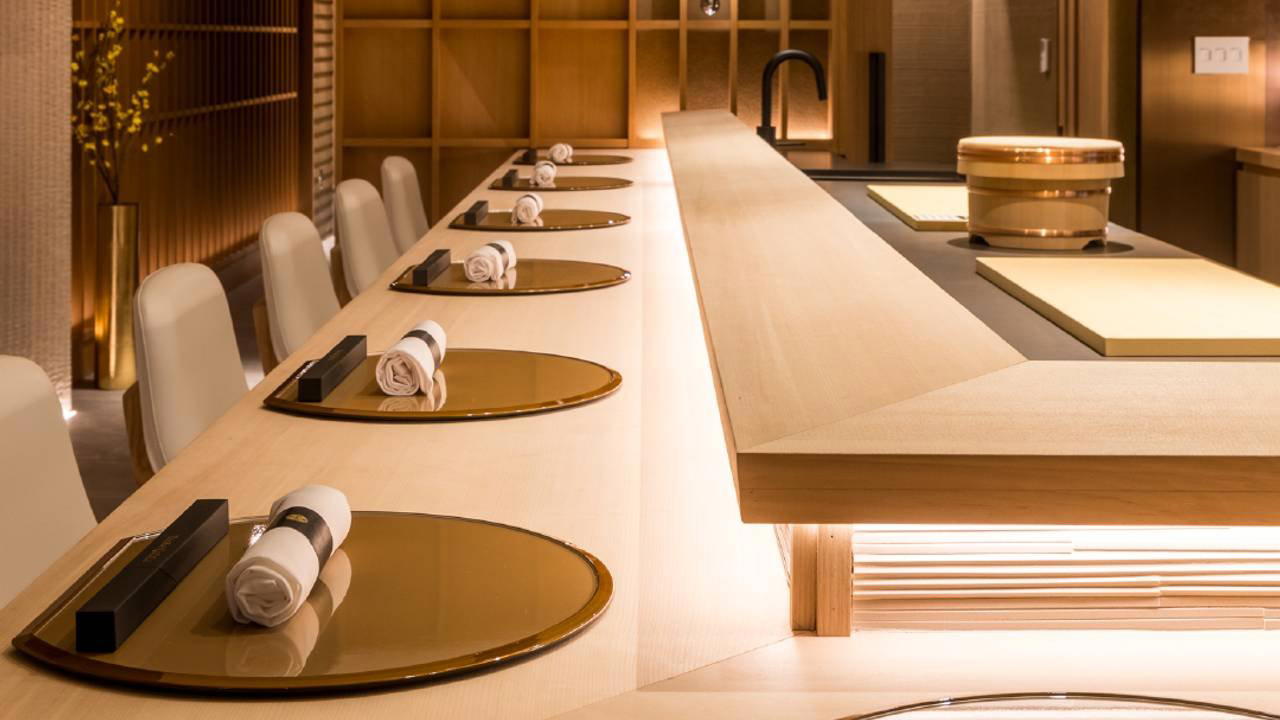
Sushi in the Islands: Where Japanese Technique Meets Pacific Geography
Hawaii occupies a particular position in American sushi culture that is easy to underestimate from the mainland. The islands have maintained a Japanese culinary presence since the late nineteenth century, when plantation-era immigration reshaped the local population and, with it, the food supply. What emerged over generations was not a diluted version of Japanese cuisine but something more layered: traditions carried across the Pacific, adapted to local ingredients, and practiced by communities for whom sushi was never a luxury concept. Yohei Sushi Restaurant, at 1111 Dillingham Boulevard in Honolulu's Kalihi district, operates inside that tradition.
The Dillingham corridor is not where visitors tend to eat. It sits north of downtown, past the Nimitz Highway industrial stretch, in a part of the city where auto shops and local grocery stores set the commercial tone. A sushi restaurant holding its ground here is making a statement about its audience: this is a place calibrated for people who live in Honolulu, not for those passing through.
The Dillingham Tier: Local Sushi Outside the Waikiki Gravity
Honolulu's sushi scene separates into distinct registers. At one end sit the hotel-adjacent omakase counters and upscale Japanese restaurants targeting visitors and expense-account dining near Waikiki and Ala Moana. At the other end, and often more instructive about what Hawaii actually eats, are the neighborhood spots scattered across Kalihi, Palama, and Liliha that serve a predominantly local clientele at prices structured around regular visits rather than special occasions.
This second tier is where the intersection of Japanese technique and Hawaiian ingredient logic tends to be most candid. Plate lunches coexist with chirashi bowls. Locally caught fish species that never appear in continental American sushi bars show up as a matter of course. The format is less ceremonial and more direct, which suits the audience. Yohei Sushi Restaurant occupies this tier, and the address on Dillingham is a reliable marker of that positioning.
Pacific Fish, Japanese Logic
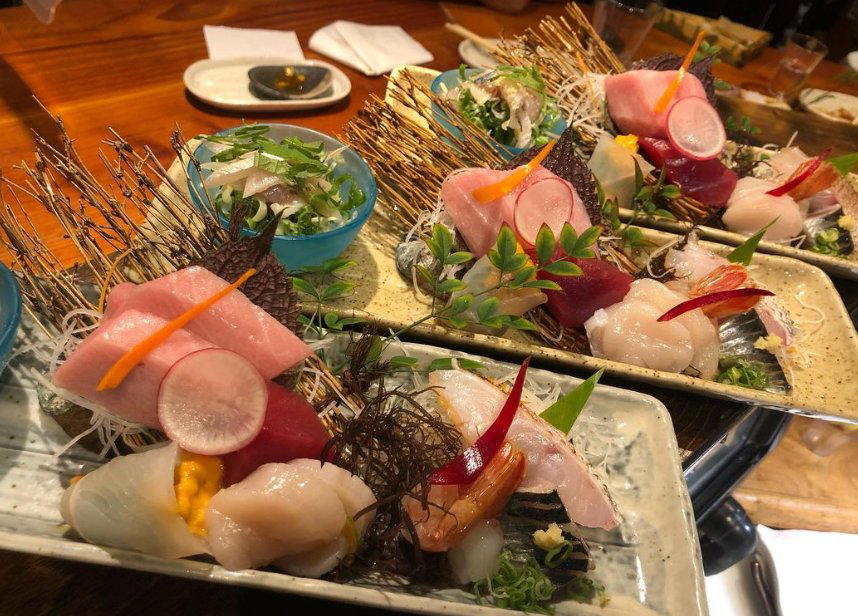
The editorial angle worth pressing here is the ingredient question. Hawaii sits in the middle of the Pacific, with access to fish species that mainland sushi operations either cannot source or must import at significant cost. Ahi (yellowfin tuna) is one recognizable example to outside visitors, but the local repertoire extends to hapu'upu'u (sea bass), kajiki (Pacific blue marlin), mahi-mahi, and opah, among others. These are not substitutes for Japanese species. They are the primary materials, and the technique applied to them is Japanese in origin, shaped over decades of local practice.
That calibration between method and material is what defines the better local sushi operations in Honolulu. A restaurant working in this mode is not trying to replicate a Tokyo counter experience. It is doing something more specific: applying a Japanese framework of knife work, rice temperature and seasoning, and fish handling to an ingredient set that is Pacific rather than Atlantic or even Pacific-coast American. The result is a regional cuisine in the truest sense, one that has its own internal logic and its own standards.
Where Yohei Sits in the Honolulu Conversation
Honolulu has several reference points worth knowing when situating a place like Yohei. Tokkuri Tei in the Kapahulu corridor is frequently cited among local Japanese dining establishments and draws a mixed local-and-visitor crowd. Further into the tourist circuit, options near Beachhouse at the Moana and the Waikiki resort cluster are priced to reflect their location. Beachhouse at the Moana itself is a distinct experience oriented around the ocean setting and a broadly accessible food and drink format.
The ramen and casual dining tier, represented by spots like AGU Ramen at Ward Centre, operates in a different register again, while places like Andy's Sandwiches and Smoothies anchor the city's long tradition of affordable, made-to-order local food. Yohei's Dillingham address positions it closer to the latter sensibility than to the hotel-adjacent options, which is not a limitation so much as a clear editorial signal about what kind of meal to expect.
For those whose Honolulu itinerary includes serious cocktail drinking, Bar Leather Apron represents the city's most technically rigorous bar program, and pairs naturally with a pre-dinner meal in the local sushi register. The bar discipline found there shares something with the precision ethic of good sushi work, even if the products are entirely different. Those curious about how technically focused bar programs operate in other American cities might also look at Kumiko in Chicago, ABV in San Francisco, or Superbueno in New York City for useful comparison. Spirit-forward programs in markets as different as New Orleans, Houston, and Frankfurt all illustrate how local identity shapes drinking culture in the same way it shapes local eating.
Back on the Honolulu side, the rock bar contingent adds another dimension to nights in the city: 9th Ave Rock House operates in a completely different register from sushi-and-sake evenings but reflects the same diversity of local options available to those who look beyond the resort strip.
Planning a Visit: What to Know in Advance
Getting to 1111 Dillingham Boulevard requires either a rental car or a deliberate transit decision. The address is not within walking distance of any major hotel cluster. The Kalihi district is accessible via the city bus network, but visitors unused to Honolulu's spread should budget time accordingly. Parking in the strip-mall adjacent block is typically available, as is typical for the Dillingham commercial corridor.
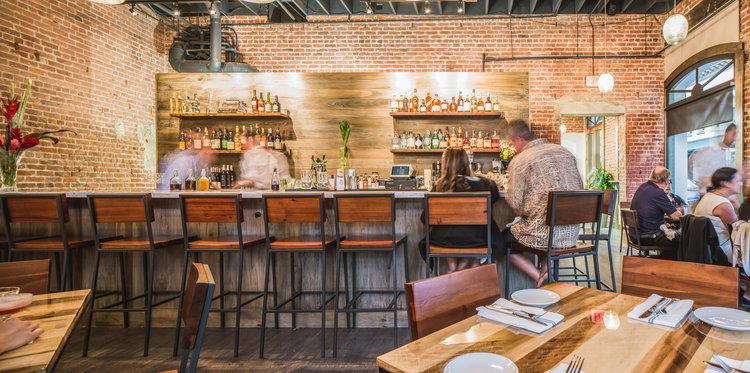
The practical expectation for a neighborhood restaurant at this address is counter or table seating in a modest format, with pricing that reflects the local rather than the tourist economy. Reservations are recommended, and the restaurant's regular hours are Monday through Sunday, 11 AM to 2 PM and 5 PM to 9 PM. Local sushi menus at this tier tend to follow market availability more than fixed seasonal cycles, meaning the fish on offer on any given day depends on what came off the boats recently.
Reputation First
Comparable venues nearby, for context on price, style, and recognition.
| Venue | Cuisine | Price | Notes |
|---|---|---|---|
| Yohei Sushi RestaurantThis venue — the venue you are viewing | sake_bar | $$$ | Not listed |
| Senia | cocktail_bar | $$$ | Chinatown |
| Pint and Jigger | pub | $$ | Ala Moana |
| Fête | cocktail_bar | $$$ | Chinatown |
| Sushi Gyoshin OMAKASE | Bar | $$$$ | Ala Moana |
| Sushi Sho | sake_bar | $$$$ | Waikiki |
Continue exploring
More in Urban Honolulu
Bars in Urban Honolulu
Browse all →
Restaurants in Urban Honolulu
Browse all →
At a Glance
- Elegant
- Intimate
- Sophisticated
- Date Night
- Special Occasion
- Standalone
- Seated Bar
- Sake
Current opening hours
- Monday
- 11 AM–2 PM, 5–9 PM
- Tuesday
- 11 AM–2 PM, 5–9 PM
- Wednesday
- 11 AM–2 PM, 5–9 PM
- Thursday
- 11 AM–2 PM, 5–9 PM
- Friday
- 11 AM–2 PM, 5–9 PM
- Saturday
- 11 AM–2 PM, 5–9 PM
- Sunday
- 11 AM–2 PM, 5–9 PM
Hours can change for holidays and private events. Last verified .
Quiet atmosphere with efficient service and exclusive, intimate space.